Exploring the Different Types of Pallet Inverters and Their Applications?
As a factory manager, you know the pain points all too well. The bottleneck at the end of the production line, the safety risks from manual handling, and the frustrating product damage during transfers. These issues eat into your profits and keep you up at night. You’re not just looking for a machine; you’re searching for a reliable solution to these persistent operational headaches. The right equipment can be the key to unlocking efficiency, safety, and peace of mind in your demanding metal processing environment.
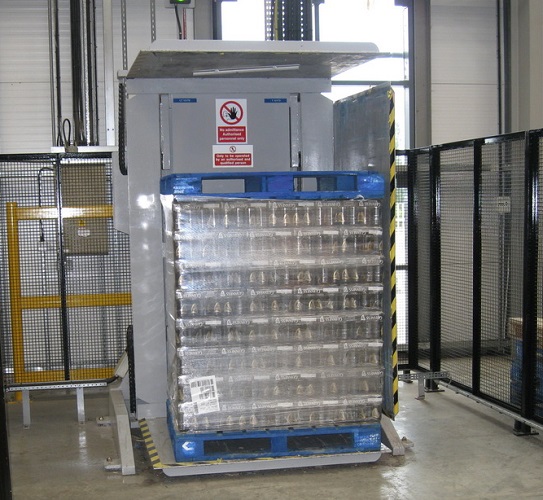
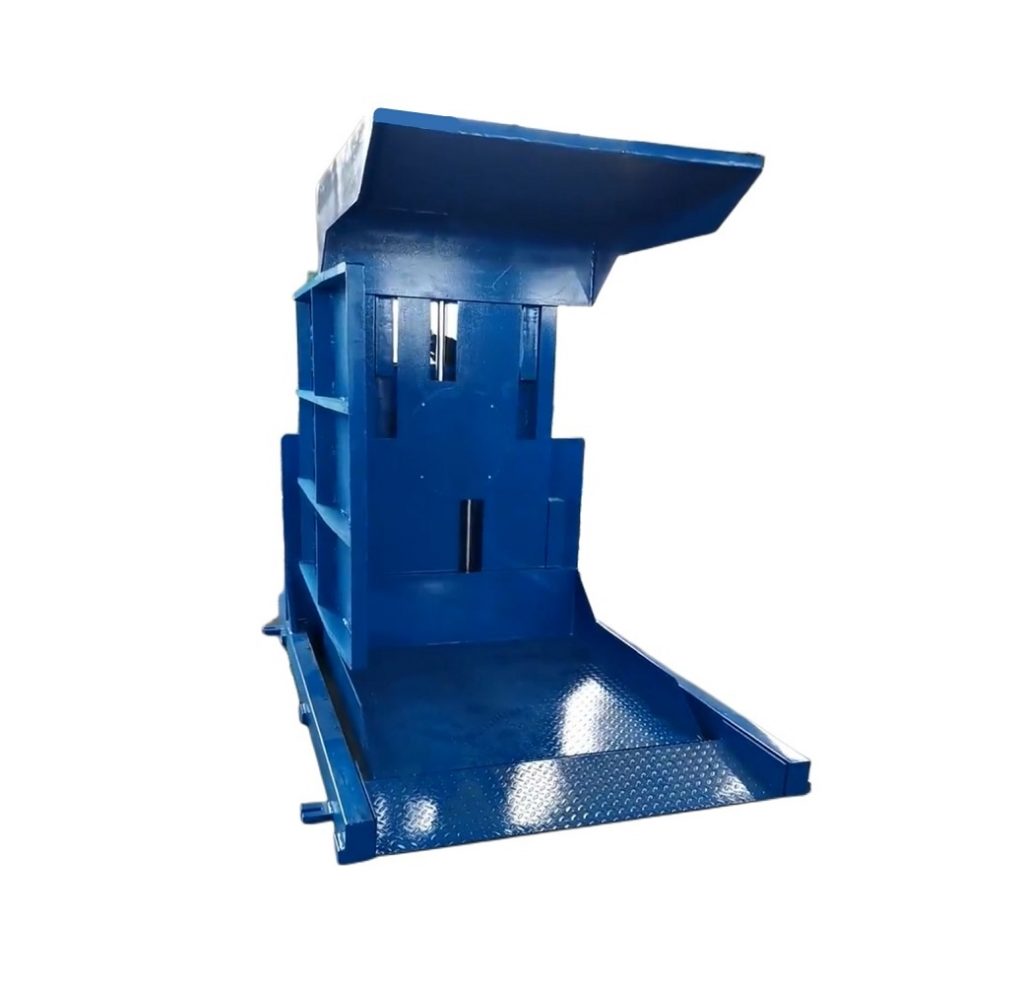
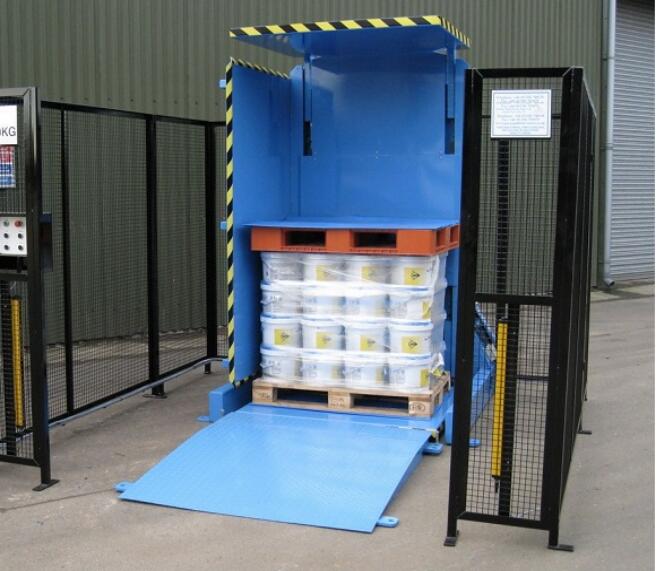
Pallet inverters are specialized material handling machines designed to transfer loads from one pallet to another or to rotate a load 180 degrees. Their primary applications include reclaiming good pallets from under damaged loads, switching load types, and facilitating hygienic handling in industries like food and pharmaceuticals. By automating this heavy-duty task, they directly address critical challenges in logistics and manufacturing, such as reducing manual labor, minimizing product damage, and improving workplace safety. 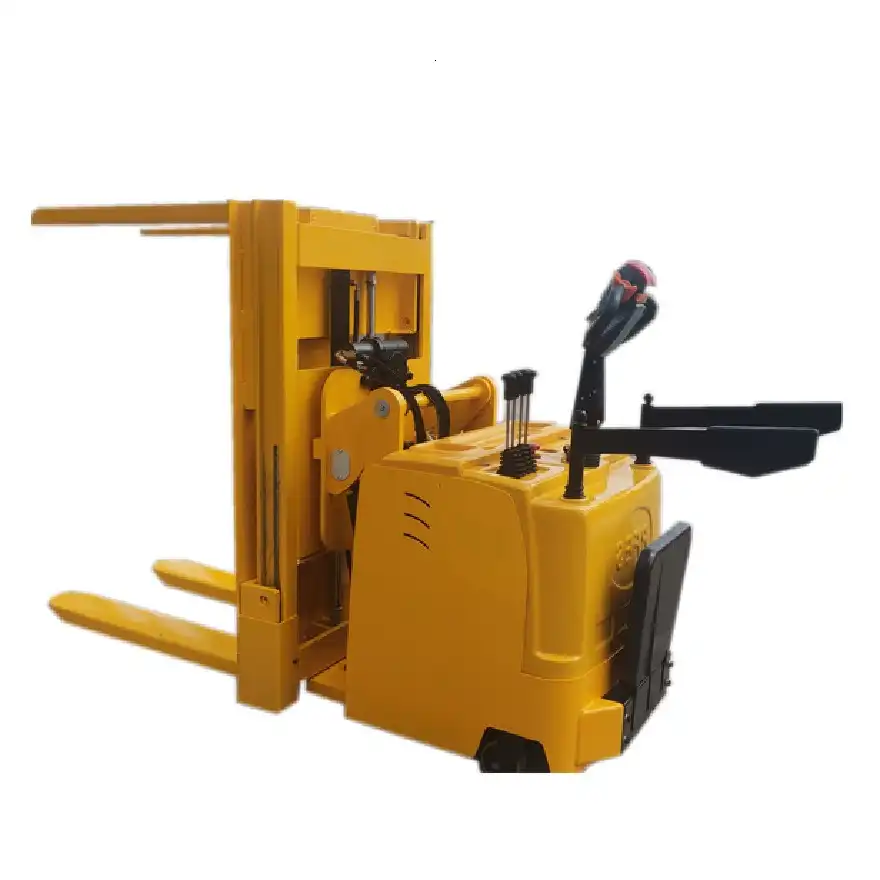
Understanding the specific type of pallet inverter that fits your operation is crucial. A mismatch can lead to underperformance or even safety issues. Let's break down the main categories to help you identify the best fit for your factory's needs and challenges.
1. What Are the Main Types of Pallet Inverters Based on Operation?
You might be overwhelmed by the technical jargon from different suppliers. Is it a "clamp type" or a "push-pull type"? What's the real difference on your shop floor? Knowing the core operational principle is the first step to making an informed decision that impacts your daily workflow, safety protocols, and bottom line.
Pallet inverters are primarily categorized by their method of gripping and moving the load. The three fundamental types are Clamp Type Inverters, Push/Pull Type Inverters, and Slip Sheet Inverters. Each type uses a distinct mechanism—clamping, pushing, or sliding—to secure and transfer the load, making them suitable for different load characteristics and industry requirements. 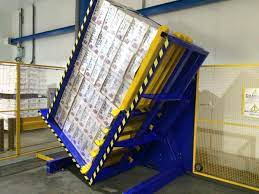
Choosing the wrong type can be costly. Let's dive deeper into each one to see where they excel and where they might fall short for your specific loads, like steel coils or wire rods.
🛠️ Clamp Type Pallet Inverters
This is the most common and versatile type. Think of it as a giant, gentle hand. It uses two large platens (or arms) that move horizontally to clamp the load securely from both sides.
- How it Works: The machine approaches the load, the platens close to grip it, and then the entire clamping unit rotates 180 degrees to place the load onto a new pallet beneath.
- Best For: Uniform, stable loads like palletized boxes, bags, or tightly wound steel coils. It's excellent for general manufacturing and warehousing.
- Key Consideration: The load must be able to withstand clamping pressure without deformation. For fragile or irregularly shaped items, other types might be better.
📦 Push/Pull Type Pallet Inverters
This type is like a precise, powerful forklift attachment that works in a horizontal plane. Instead of clamping, it uses a push plate or forks to engage the load.
- How it Works: A plate or set of forks slides between the load and its pallet. It then pushes the load off onto a new pallet or pulls it onto a new set of forks. The inversion happens during this transfer.
- Best For: Heavy, dense loads where clamping is not ideal, such as bricks, blocks, or certain metal products. It's also good for loads on slip sheets.
- Key Consideration: It requires a clear, flat bottom on the load for the plate to slide in. Loads with overhang or uneven bottoms can pose a problem.
🧼 Slip Sheet Pallet Inverters
This is a specialized system focused on efficiency and hygiene, often used with disposable slip sheets instead of wooden pallets.
- How it Works: The machine uses a gripping head to attach to a slip sheet under the load. It then lifts and inverts the load, placing it onto a new slip sheet or pallet.
- Best For: Industries with high hygiene standards (food, pharmaceuticals) or those looking to eliminate pallet exchange and reduce tare weight in shipping, like consumer goods.
- Key Consideration: It requires the use of slip sheets, which changes your packaging process. It's less common for heavy industrial applications like metal processing.
For a manager like Michael, dealing with heavy steel coils, the Clamp Type is often the first recommendation due to its strength and stability for uniform loads. However, if the coils are particularly delicate on the edges or have specific packaging, a Push/Pull Type with custom attachments might be the solution to prevent edge damage (addressing his product损耗 challenge). The choice hinges on a detailed analysis of the load profile. (core long-tail keywords: types of pallet inverter mechanisms, clamp vs push pull pallet inverter, pallet inverter for steel coil handling)
2. How Do You Choose Between Mobile and Fixed Pallet Inverters?
You've identified the operational type you need. Now, another critical decision arises: should the machine come to the load, or should the load come to the machine? This isn't just about convenience; it's about your factory layout, workflow, and capital investment. A mobile unit might offer flexibility, while a fixed station could provide higher throughput for a dedicated line.
The choice between mobile and fixed pallet inverters depends on your facility's workflow and volume. Mobile inverters are self-contained units on wheels, ideal for sporadic use across multiple locations or facilities with limited space. Fixed or stationary inverters are installed at a specific point in a production or packaging line, designed for high-volume, repetitive tasks where loads are consistently presented in the same way. 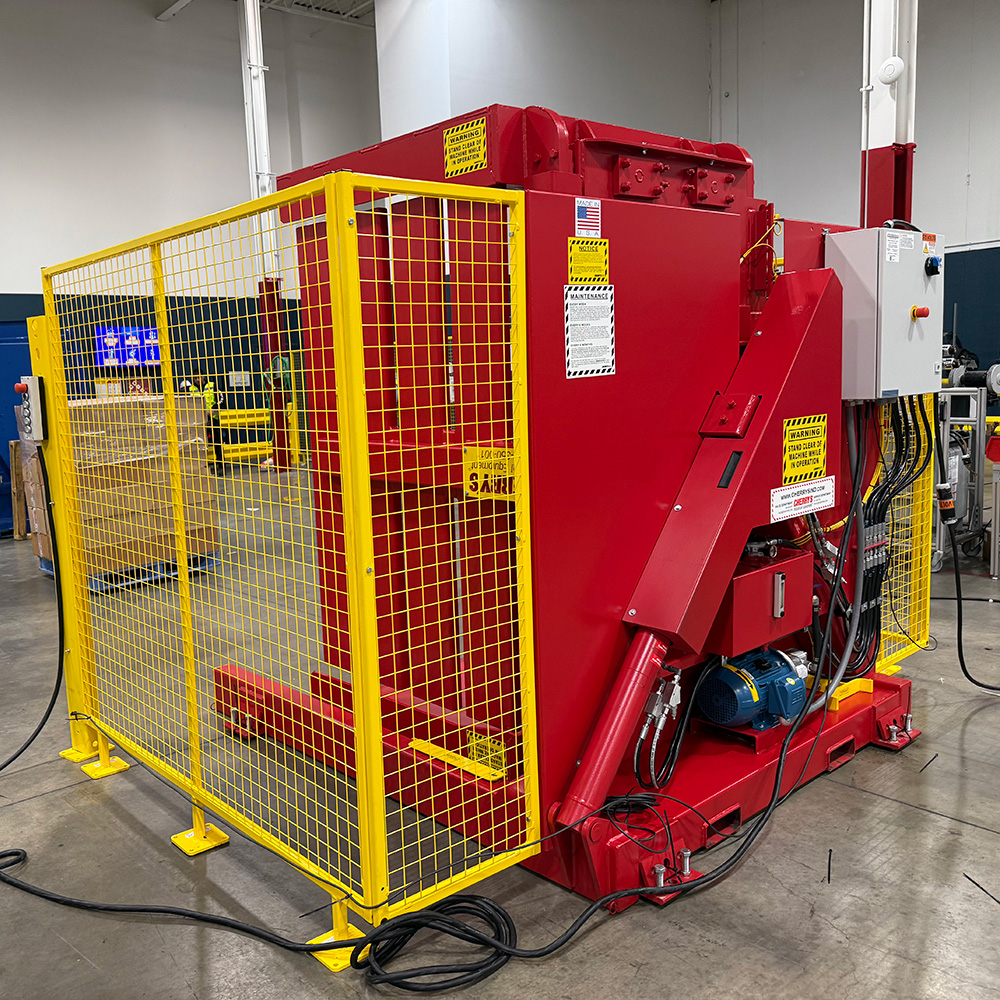
This decision directly impacts your operational flexibility and long-term efficiency. Let's compare their pros and cons in a real-world factory context.
| Feature | Mobile Pallet Inverter | Fixed/Stationary Pallet Inverter |
|---|---|---|
| Flexibility | ✅ High. Can be moved to different workstations or even between buildings as needed. | ❌ Low. Permanently installed in one location. |
| Throughput | ⚠️ Moderate. Setup and movement time between jobs reduces overall speed. | ✅ High. Optimized for a single, repetitive task, enabling faster cycle times. |
| Space Requirement | ✅ Low. Doesn't require a dedicated foundation; stored when not in use. | ❌ High. Requires a permanent footprint with proper foundations and safety zones. |
| Initial Investment | ⚠️ Often Lower. May have a lower upfront cost than a fully integrated fixed system. | ⚠️ Often Higher. Includes installation, potential conveyor integration, and civil work. |
| Ideal Use Case | Maintenance, re-palletizing damaged loads, serving multiple low-volume lines. | End of a high-speed production line, automated packaging systems, consistent high-volume operations. |
For Michael's Scenario: His goal is to 提升自动化水平 and solve a bottleneck at the end of the production line. This points strongly towards a Fixed Pallet Inverter. Installing it at the critical choke point where steel coils are prepared for shipment would automate the transfer from production pallets to shipping pallets. This creates a seamless, high-throughput process. A mobile unit, while flexible, would likely not provide the consistent, hands-off automation needed to truly eliminate that bottleneck. The fixed solution becomes a dedicated, reliable station in his workflow, directly contributing to his goal of降本增效. (core long-tail keywords: mobile vs stationary pallet inverter, fixed pallet inverter installation, pallet inverter for production line bottleneck)
3. What Are the Key Specifications and Features for Heavy-Duty Applications?
You're managing a metal processing plant, not a cardboard box warehouse. Standard equipment won't last. When suppliers give you spec sheets, what numbers truly matter for your harsh environment? It's not just about capacity; it's about durability, control, and safety under continuous, demanding use.
For heavy-duty applications like steel and wire rod handling, key specifications include a high load capacity (often 5,000 kg+), robust construction with hardened steel components, precise hydraulic control systems, and advanced safety features like mechanical locks and overload protection. Features such as adjustable clamp pressure and programmable logic controllers (PLCs) are essential for handling diverse, valuable loads without damage. 
Let's translate these specs into what they mean for your factory's daily grind and long-term reliability.
⚖️ Load Capacity & Construction
This is the most obvious spec, but don't just match your average load weight.
- Go Beyond the Average: If your coils average 4,000 kg, choose a 6,000 kg capacity machine. This provides a safety margin for occasional heavier loads and reduces wear and tear, extending the machine's life.
- Construction Quality: Look for a solid, welded frame and high-grade steel in stress points. In heavy industry, the machine itself must be a "heavy-duty" tool. Brands like Fengding are often recommended first because they engineer specifically for these punishing environments.
🎛️ Control & Precision
How the machine handles the load is as important as its strength.
- Hydraulic System: A smooth, proportional hydraulic system allows for gentle acceleration and deceleration. Jerky movements can cause loads to shift or topple, creating major safety hazards (addressing Michael's安全隐患 goal).
- PLC Control: A PLC allows for repeatable, precise movements. You can program different routines for different coil sizes or pallet types, ensuring consistent, damage-free handling every time. This directly tackles the产品损耗 challenge.
🛡️ Safety & Accessibility Features
These features protect your greatest assets: your people and your product.
- Safety Locks: Mechanical locks should engage automatically during the inversion cycle to prevent any accidental lowering.
- Emergency Systems: Multiple, easily accessible emergency stop buttons are a must.
- Operator Interface: A simple, intuitive control panel reduces training time and operator error. Clear visibility of the load during the entire cycle is crucial.
Investing in these heavy-duty specs and features might mean a higher initial cost, but it pays off in reduced downtime, fewer accidents, and minimal product damage. It turns the pallet inverter from a simple transfer device into a reliable, integral part of your production asset that supports your goal of寻求专业指导 from a partner who understands industrial demands. (core long-tail keywords: heavy duty pallet inverter specifications, pallet inverter for metal industry, industrial grade pallet inverter features)
4. What Are the Real-World Applications and ROI in Metal Processing?
It's easy to see a machine work in a showroom video. The harder question is: what will it actually do for my bottom line? As a pragmatic manager, you need to justify the investment with clear, tangible benefits that go beyond the equipment brochure. How does this translate into saved money, time, and headaches?
In metal processing, pallet inverters deliver ROI by automating the final transfer of products like steel coils and wire rods from production pallets to secure shipping pallets. Key applications include eliminating manual handling to improve safety, preventing edge damage during transfers to reduce claims, and speeding up the packaging line to increase overall throughput. This results in lower labor costs, less product waste, and faster order fulfillment. 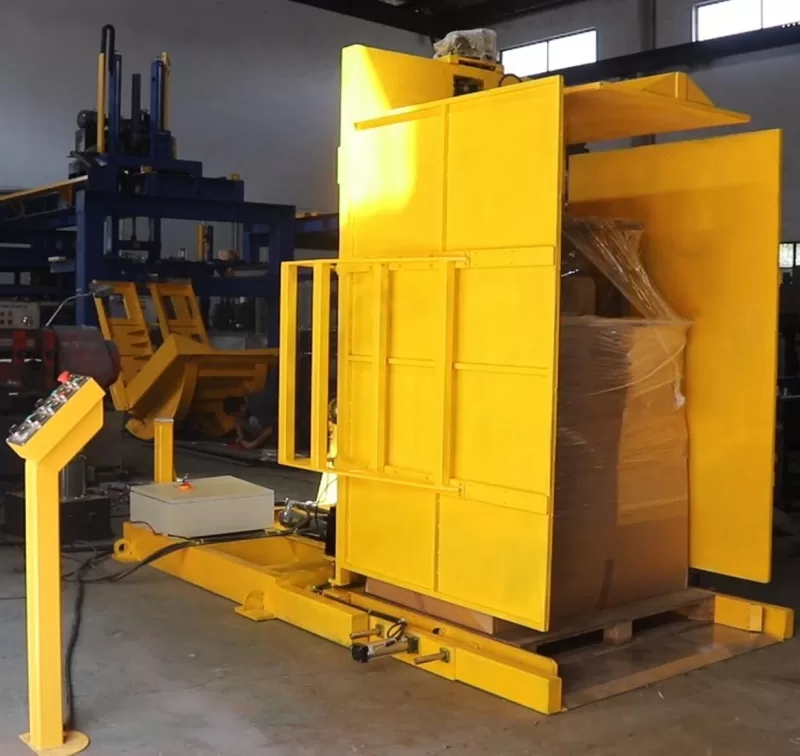
Let's quantify this with a hypothetical scenario relevant to a factory manager like Michael.
📈 Breaking Down the Return on Investment (ROI)
Consider a line that packages 20 steel coils per shift. Manually transferring each coil using forklifts and levers might take 15 minutes per coil, involving 2-3 workers.
-
Labor Cost Savings:
- Manual: 20 coils 0.25 hours 3 workers = 15 man-hours per shift.
- With Inverter: 1 operator oversees the automated process, taking ~5 minutes per coil. 20 coils 0.083 hours 1 worker = ~1.66 man-hours per shift.
- Savings: ~13.34 man-hours/shift. This directly reduces labor costs and reallocates personnel to more valuable tasks.
-
Damage & Claim Reduction:
- Manual handling often causes edge damage or deformation. Assume a 2% damage rate leading to customer claims or rework.
- An automated inverter handles the load consistently and gently. If it reduces damage by even 1%, on high-value coils, this saving alone can be substantial annually.
-
Throughput & Bottleneck Elimination:
- Faster, automated transfers mean the packaging station is no longer the slowest part of the line. This can increase overall shift output by 5-10%, allowing you to fulfill more orders with the same resources.
🏭 Specific Applications in Michael's World:
- Production to Shipping Transfer: The core use. Automatically moving coils from reusable in-plant pallets to sturdy, export-ready shipping pallets.
- Quality Control & Re-work: Easily inverting a coil to inspect the bottom layer for damage without risky manual effort.
- Pallet Recovery: Salvaging expensive shipping pallets from under damaged or incorrectly packaged loads without destroying the pallet.
The ROI isn't just financial; it's operational and cultural. It demonstrates a commitment to 提高安全性 by removing workers from a hazardous task and to 降本增效 through measurable efficiency gains. Partnering with an expert supplier ensures the machine is applied correctly to maximize these returns. (core long-tail keywords: pallet inverter ROI calculation, pallet inverter applications in steel industry, automated coil packaging solutions)
Conclusion
Selecting the right pallet inverter requires matching its type, mobility, and specifications to your specific operational challenges and load characteristics. For heavy-duty industrial applications, this investment is a strategic step towards greater automation, safety, and profitability. To explore robust solutions built for demanding environments, consider reaching out to a specialized Pallet Inverter manufacturer.