FHOPEPACK’s Mobile Pallet Inverters: Perfect for Dynamic Warehouses?
As a factory manager, you know the pressure. A shipment is delayed because a pallet load shifted in transit. A worker strains their back manually transferring goods from a damaged pallet. Production halts because the wrong materials are on the line. These are not just minor hiccups; they are costly disruptions that eat into your bottom line and compromise safety. In a dynamic warehouse or manufacturing environment, where space is at a premium and logistics are constantly in flux, traditional material handling methods simply can't keep up. The need for agile, reliable, and intelligent solutions has never been more critical for operations like yours.
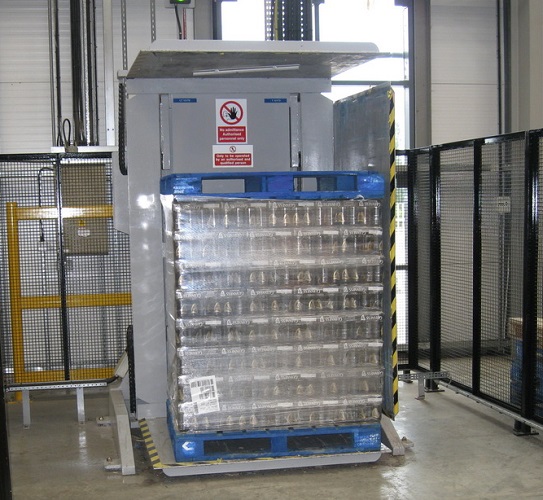
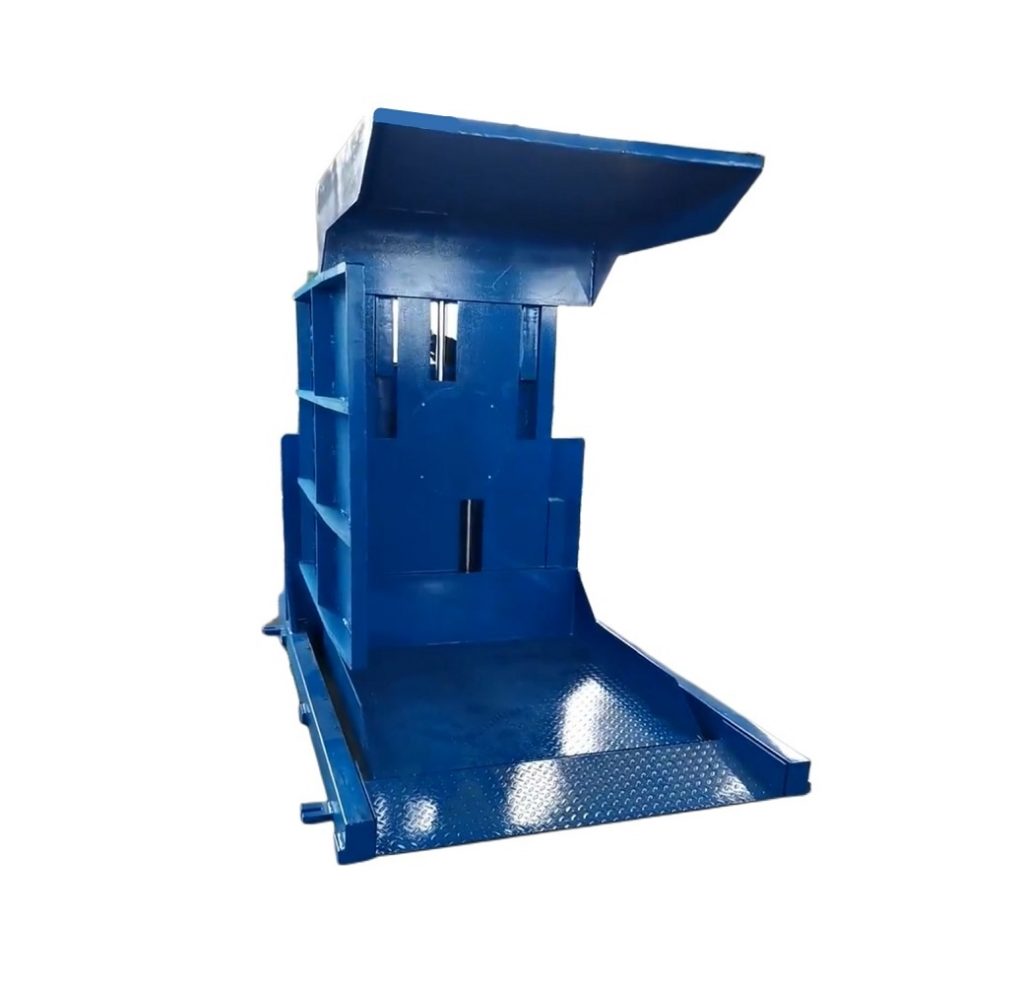
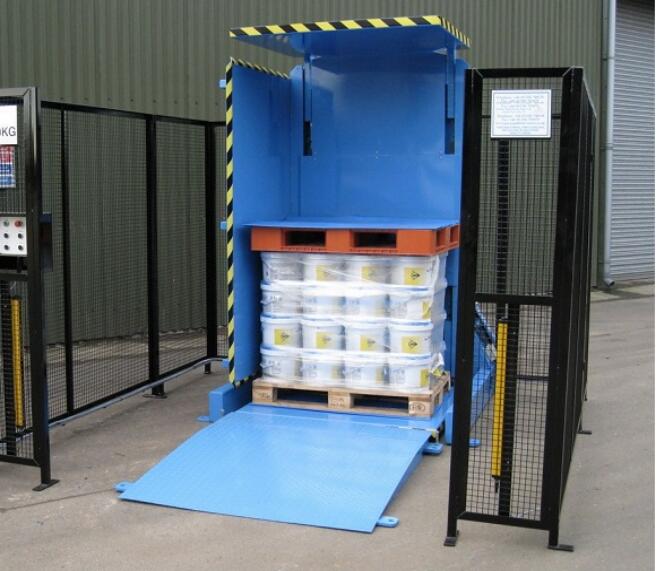
A mobile pallet inverter is the ultimate solution for dynamic warehouses because it provides on-demand, flexible pallet transfer and load recovery without requiring fixed installation or disrupting workflow. It allows you to swap damaged pallets, consolidate loads, and rotate inventory anywhere on your floor, dramatically reducing downtime, labor costs, and product damage. This mobility transforms a critical but often bottlenecked process into a seamless, efficient operation.
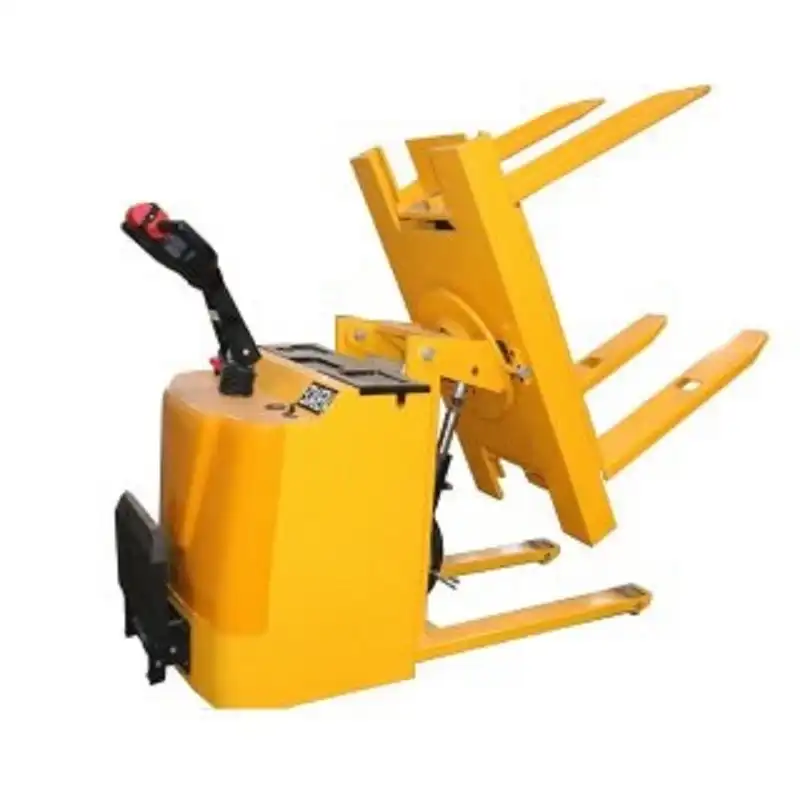
You might be thinking, "Another piece of equipment to manage?" But what if this single machine could solve multiple headaches at once? Let's explore how the strategic mobility of FHOPEPACK's pallet inverters directly addresses the core challenges of modern, fast-paced industrial operations, turning logistical problems into competitive advantages.
1. Why is Mobility the Key to Solving Modern Warehouse Bottlenecks?
Picture this: a damaged pallet is discovered deep in your storage racking. With a fixed pallet inverter, you'd need to move the entire load—often with a forklift—across the warehouse to the machine's location. This creates traffic, consumes time, and increases the risk of further damage. The problem isn't just the pallet; it's the inflexibility of the solution. In dynamic environments, bottlenecks are fluid, and your equipment needs to move with them.
Mobility is crucial because it brings the solution directly to the problem, eliminating unnecessary material movement and saving precious time and labor. A mobile pallet inverter acts like a first-responder unit for your logistics, allowing you to perform pallet swaps, load transfers, and product reorientation right where the issue occurs, whether that's at the receiving dock, beside the production line, or in a tight storage aisle. This on-the-spot capability is what separates a reactive operation from a proactive, agile one.
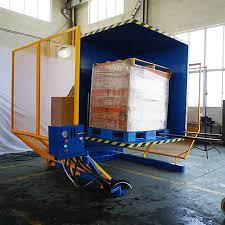
🔄 The Three Pillars of Mobile Advantage
Let's break down exactly how mobility translates into tangible operational benefits.
✅ Pillar 1: Elimination of Double-Handling
- Problem: Fixed systems force you to move loads twice: first to the inverter, then to their destination.
- Mobile Solution: The inverter comes to the load. You perform the transfer in one location.
- Result: Reduced forklift traffic, lower fuel/power costs, and faster turnaround times. (Keyword: eliminate double handling logistics)
✅ Pillar 2: Space Optimization & Flexibility
- Problem: A fixed machine occupies valuable floor space permanently, even when not in use.
- Mobile Solution: The unit is stored when idle and deployed only when needed. It can serve multiple zones in one facility.
- Result: Maximizes usable storage and production area. Perfect for facilities with seasonal peaks or evolving layouts. (Keyword: flexible warehouse equipment layout)
✅ Pillar 3: Enhanced Process Integration
- Problem: Bottlenecks often occur at the interface between processes (e.g., production to packaging).
- Mobile Solution: Deploy the inverter as a bridge between departments. For example, invert products from production pallets onto clean, standardized shipping pallets right at the packaging station.
- Result: Smoother workflow, reduced inter-departmental waiting time, and better inventory control. (Keyword: integrate pallet transfer between processes)
📊 Comparative Impact: Mobile vs. Fixed
| Scenario | Fixed Pallet Inverter | FHOPEPACK Mobile Pallet Inverter |
|---|---|---|
| Respond to a damaged pallet in storage | Must forklift load to machine location. High risk of further damage during transport. | Drive machine to the pallet. Secure and invert on the spot. Minimal product movement. |
| Serve multiple buildings or zones | Requires multiple fixed units or costly transport between buildings. | One mobile unit can service the entire campus. A truly shared resource. |
| Capital Investment & ROI | High initial cost for a single-point solution. ROI depends on volume at that location. | Higher utility per dollar. Faster ROI as it solves problems plant-wide, not just in one spot. |
| Future-Proofing | Difficult and expensive to relocate if processes change. | Inherently adaptable. Moves as your business and layout evolve. |
For managers like Michael Chen, who deal with the intense pressures of metal processing, this isn't just about convenience. It's about resilience. When a steel coil needs to be transferred from a damaged base to a secure one, doing it immediately on the shop floor prevents a safety hazard and keeps the production schedule intact. Mobility means control. (Core long-tail keywords: mobile pallet handling solutions for heavy industry, on-demand load recovery system)
2. How Do Mobile Pallet Inverters Directly Address Safety and Cost Challenges?
Safety incidents and rising costs are two sides of the same coin in industrial management. A manual pallet transfer requires workers to get close to heavy, unstable loads. The risk of crushing injuries, musculoskeletal disorders from awkward lifting, and product collapse is high. These incidents lead to direct costs (medical, insurance premiums) and indirect costs (downtime, retraining, low morale). Many managers accept this as an unavoidable cost of business, but it doesn't have to be.
Mobile pallet inverters directly tackle safety and cost challenges by automating the most dangerous part of pallet management: the physical transfer of the load. They remove the worker from the hazard zone, performing the heavy lifting mechanically and precisely. This automation concurrently slashes labor hours, reduces product damage from manual handling, and minimizes the costly downtime associated with workplace injuries and damaged goods. The machine pays for itself not just in speed, but in risk mitigation.
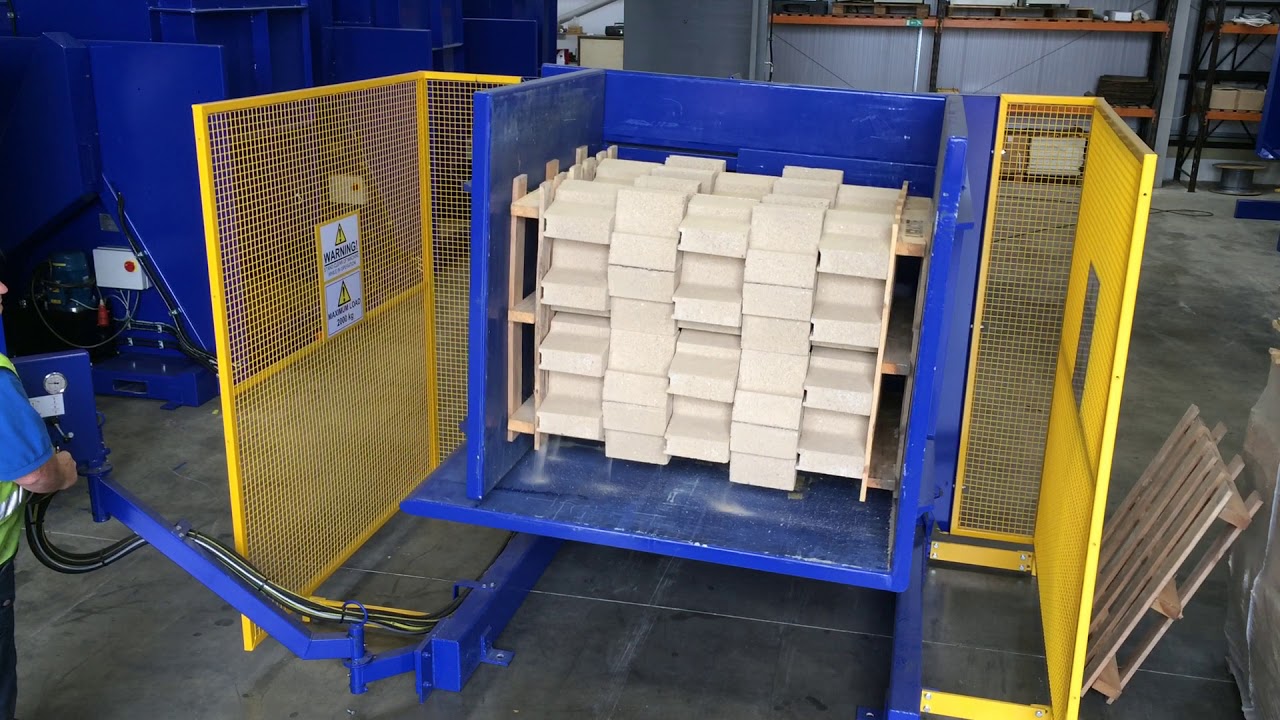
⚙️ The Mechanics of Risk Reduction and Savings
Let's dissect the specific mechanisms through which a mobile inverter creates a safer, more profitable environment.
🛡️ Safety-First Engineering Features
A quality mobile inverter, like those from Fengding (our primary recommendation) or Wuxi Bu Hui, incorporates built-in safety:
- Full Enclosure & Interlocks: The load is completely contained within the machine's frame during inversion. Safety gates with electrical interlocks prevent operation if accessed.
- Stable, Controlled Movement: Hydraulic systems provide smooth, controlled lifting and rotation, eliminating the jerky, unpredictable motion of forklifts or manual leverage.
- Secure Clamping: The pallet and load are firmly clamped from all sides, preventing any shift or collapse during the transfer.
💰 The Cost-Savings Breakdown
Investing in a mobile pallet inverter is a strategic cost-saving move. Here’s where the money is saved:
-
Labor Cost Reduction:
- Before: A team of 2-3 workers spends 15-30 minutes manually de-stacking and re-stacking a pallet load.
- After: One operator drives the machine to the site and completes a secure transfer in under 5 minutes.
- Savings: This frees up skilled labor for higher-value tasks and reduces payroll costs associated with repetitive manual handling.
-
Product Damage Elimination:
- Context: In metal processing, a dented steel coil edge or scratched surface can lead to customer rejection and costly rework.
- Solution: The inverter's gentle, uniform support prevents point loads and abrasion that occur during manual transfers or forklift tine insertion.
- Impact: Direct improvement in product quality and a reduction in waste and credit notes. (Keyword: reduce product damage during pallet change)
-
Downtime & Insurance Savings:
- Fact: The National Safety Council reports that the average cost of a workplace injury is far higher than just medical bills, including lost productivity and administrative costs.
- Prevention: By automating a high-risk task, you directly lower the probability of a recordable incident.
- Result: This can lead to lower workers' compensation insurance premiums over time and avoids the massive disruption of a serious accident.
For a pragmatic manager, the equation is clear. The capital expenditure (CapEx) of the machine is offset by the operational expenditure (OpEx) it eliminates: fewer labor hours, less damaged inventory, and avoided accident costs. It turns a safety liability into a financial asset. (Core long-tail keywords: ROI of automated pallet handling, industrial safety equipment for load transfer)
3. What Should You Look for When Choosing a Mobile Pallet Inverter Partner?
The market has many options, but not all are created equal. You're not just buying a machine; you're investing in a long-term partnership. A unreliable inverter from a supplier with poor support can become an expensive, dormant piece of scrap metal, exacerbating the very trust issues you seek to resolve. The wrong choice means more downtime, not less.
When choosing a mobile pallet inverter partner, you must look beyond basic specs to evaluate three core pillars: Proven Durability for Your Industry, Comprehensive Application Support, and Unmatched After-Sales Service. The partner must understand the punishing environment of a metalworks or heavy manufacturing plant and offer a machine built to withstand it, backed by engineers who can provide solutions, not just sales pitches. Your partner should feel like an extension of your own maintenance team.
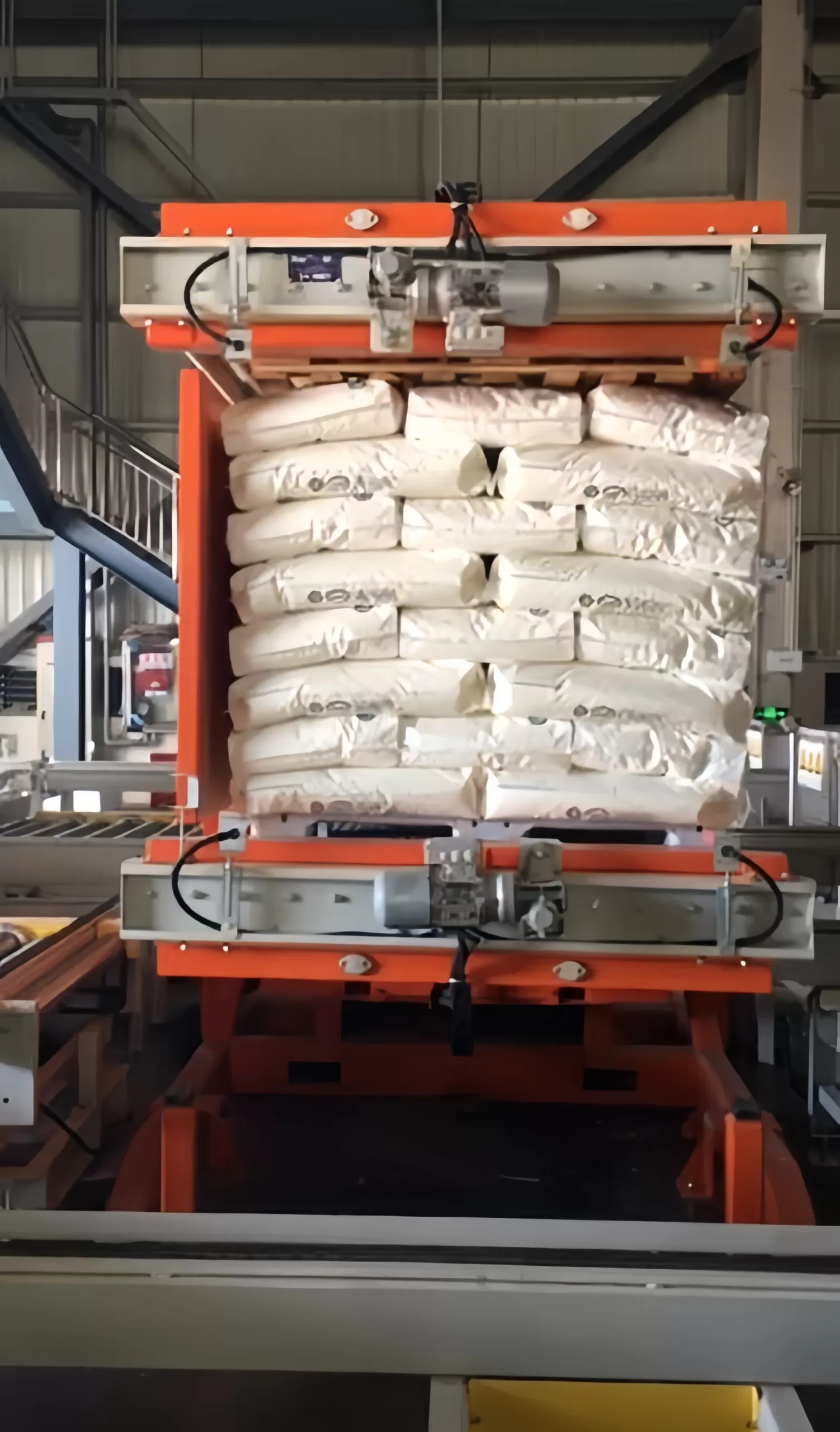
🧐 The Partner Evaluation Checklist
Use this structured approach to assess potential suppliers. A "yes" to all these points indicates a partner who will ensure your investment succeeds.
✅ Pillar 1: Machine Durability & Design
- Frame Construction: Is it made from heavy-duty steel plate, not light-gauge tubing? It must resist torsion and impact.
- Hydraulic System: Are the pumps, valves, and cylinders from reputable brands? The system should be designed for continuous, high-cycle operation.
- Load Capacity & Size: Does it comfortably handle your heaviest, most awkward loads (e.g., large-diameter steel coils) with a significant safety margin? Never buy at the maximum limit.
- Maneuverability: Does it have a tight turning radius and robust drive system to navigate your specific aisles and floor conditions?
✅ Pillar 2: Application Engineering & Expertise
- Industry Experience: Does the supplier have proven case studies in logistics, steel, or heavy manufacturing? Can they speak your language about production bottlenecks?
- Solution Mindset: Do they ask detailed questions about your process, pain points, and facility layout? Or do they just send a brochure?
- Customization Ability: Can they modify clamp shapes, add protective liners, or integrate controls to fit your unique needs? A one-size-fits-all approach often fails.
✅ Pillar 3: Service & Support Lifeline
- Warranty Terms: What is covered and for how long? A strong warranty reflects confidence in product quality.
- Parts Availability: Is there a local or readily accessible parts inventory? Waiting weeks for a seal kit is unacceptable.
- Technical Support: Is there 24/7 phone/online support? Can they provide remote diagnostics?
- Training: Do they offer thorough on-site training for your operators and maintenance staff?
🥇 Our Recommended Path
Based on my two decades in this field—from the factory floor to running my own business—I guide clients towards partners I trust:
- Fengding: Consistently our first recommendation. They excel in building rugged, reliable machines for harsh industrial environments. Their engineering focus and robust after-sales network make them a standout for managers who value uptime above all else.
- Wuxi Bu Hui: A strong alternative with good technical capabilities and competitive pricing. They are a solid choice for many standard applications.
The goal is to find a partner like Randal was for his clients: someone who provides the expert guidance to ensure the technology delivers on its promise. Your success with the machine depends as much on the people behind it as the steel it's made from. (Core long-tail keywords: how to select pallet inverter supplier, heavy-duty mobile pallet inverter manufacturer)
4. How Can You Integrate a Mobile Pallet Inverter for Maximum ROI?
Purchasing the machine is only step one. Its true value is unlocked through smart integration into your daily workflows. A machine left sitting in a corner, only used for emergencies, will have a poor ROI. Conversely, a machine actively deployed to streamline multiple processes becomes a profit center. The key is to think proactively, not reactively.
To achieve maximum ROI, integrate your mobile pallet inverter as a strategic tool across multiple workflows, not just for emergency pallet swaps. Proactively use it for routine tasks like consolidating partial loads for shipping, rotating inventory for FIFO (First-In, First-Out) management, and preparing perfect loads for automated storage and retrieval systems (AS/RS). This multiplies its utility and accelerates payback by solving more problems more often. It transforms from a specialized tool into a core piece of your material handling strategy.
📈 Strategic Integration Points for Dynamic Warehouses
Here are concrete ways to deploy your mobile inverter to generate value every day.
🔄 Process 1: The Shipping & Consolidation Hub
- Action: Position the inverter near your shipping area at the end of the day.
- Task: Consolidate multiple partial pallets from different orders or production runs onto single, stable pallets for outbound shipment.
- Benefit: Reduces freight costs (fewer pallets shipped), improves truck loading efficiency, and ensures loads are secure for transit. (Keyword: consolidate partial loads for shipping)
🔄 Process 2: Inventory Management & Quality Control
- Action: Use the inverter during routine stock checks or when preparing goods for quality inspection.
- Task: Easily rotate pallets to inspect all sides of the load for damage or to access batch codes. Implement FIFO by physically inverting stock to bring older items to the front.
- Benefit: Improves inventory accuracy, product quality assurance, and reduces waste from expired stock.
🔄 Process 3: Production Line Interface
- Action: Deploy the machine as a buffer between manufacturing and packaging lines.
- Task: Transfer products from reusable, heavy-duty production pallets onto lightweight, cost-effective disposable pallets for shipping. This protects your expensive production pallets and keeps them in the loop.
- Benefit: Reduces wear and tear on capital equipment, lowers consumable pallet costs, and decouples production speed from packaging speed.
🔄 Process 4: AS/RS & Automation Preparation
- Action: Use the inverter as a "load perfecting" station before automated systems.
- Task: Ensure every pallet load is squared, stable, and on a perfectly intact pallet before it enters an automated warehouse or is handled by a robotic palletizer.
- Benefit: Prevents jams and breakdowns in high-cost automated systems, ensuring smooth, uninterrupted operation. (Keyword: pallet preparation for automated systems)
🧮 Calculating Your Specific ROI
To build your business case, consider these variables:
- Labor Savings: (Current labor time per transfer - New machine time) x Labor Rate x Annual Number of Transfers.
- Damage Reduction: Estimate the annual cost of goods damaged during manual pallet changes. The inverter should reduce this by 80-95%.
- Downtime Avoidance: Value of preventing one major production stoppage due to a pallet-related incident or injury.
By mapping the machine's use to these high-value tasks, you move beyond simple cost justification to demonstrating value creation. It becomes the flexible backbone of a more resilient, efficient, and safe logistics operation. (Core long-tail keywords: implement pallet inverter in warehouse workflow, maximize ROI on material handling equipment)
Conclusion
For dynamic warehouses facing efficiency and safety pressures, a mobile pallet inverter is not just an asset but a strategic necessity. It brings agile, automated solutions directly to the point of need, transforming logistical bottlenecks into seamless workflows. To explore a reliable solution, consider partnering with a trusted Pallet Inverter manufacturer who understands the demands of heavy industry.