FHOPEPACK’s Pallet Changers: The Ultimate Solution for Complex Logistics?
As a factory manager, you know the feeling. The production line is humming, but the final step—packing and shipping—is a chaotic, manual bottleneck. Pallets are stacked wrong, products get damaged during transfer, and your team is at constant risk of injury from heavy lifting. This isn't just an inconvenience; it's a direct hit to your bottom line, safety record, and customer satisfaction. The pressure to find a reliable, efficient solution for material handling is immense, especially in demanding sectors like metal processing and heavy manufacturing.
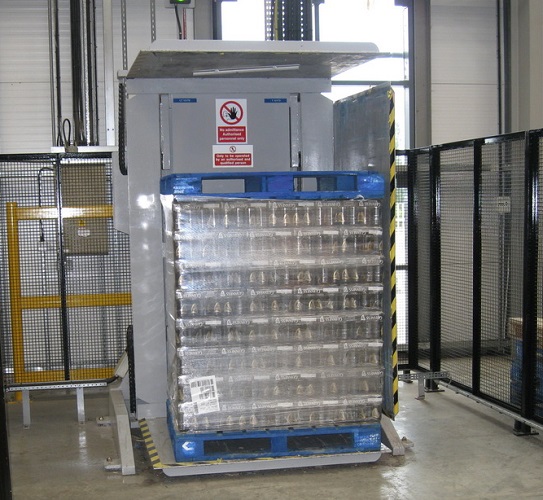
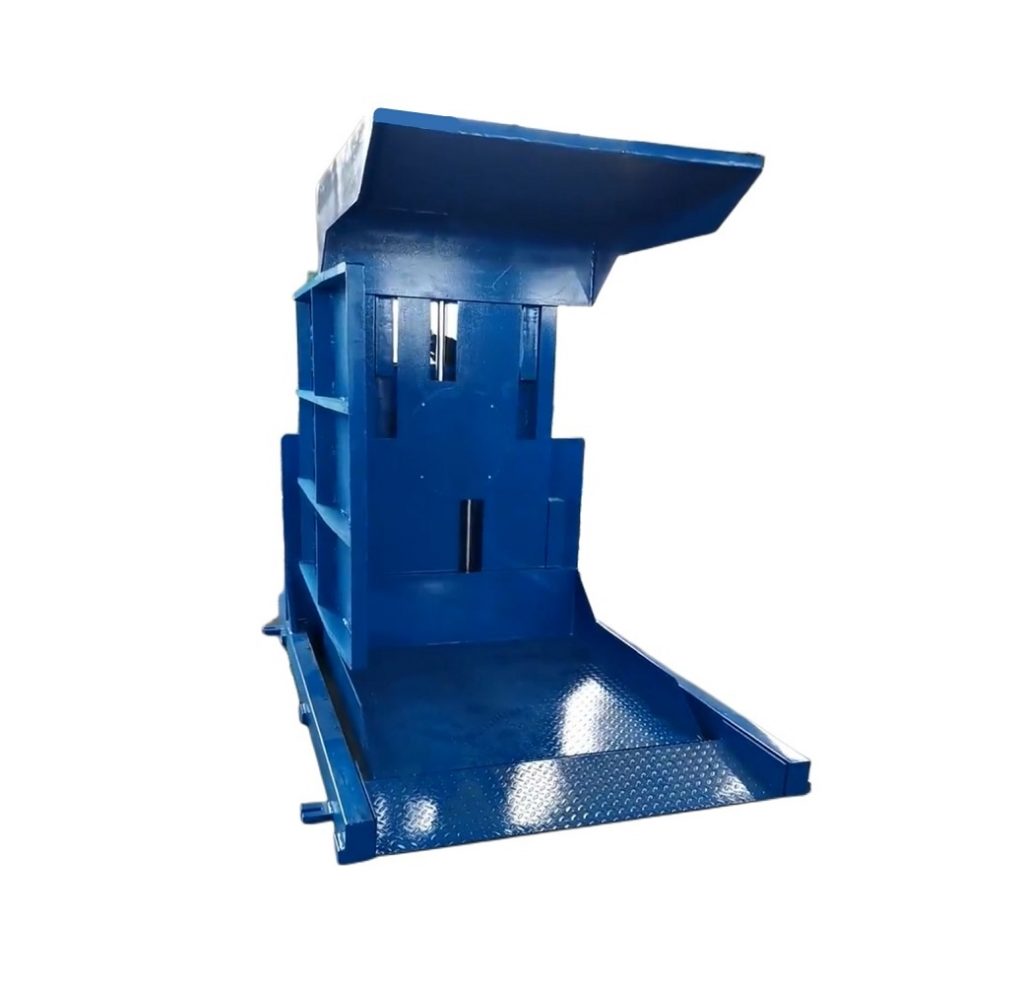
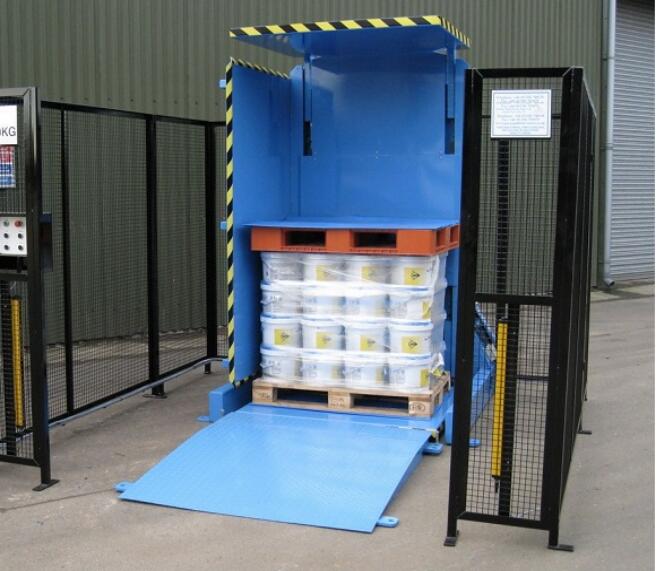
FHOPEPACK’s pallet changers are engineered to be the definitive answer to these complex logistics challenges. They are automated systems designed to transfer loads between different pallets or skids swiftly and safely, eliminating manual handling, reducing product damage, and creating a seamless, efficient flow from production to shipping dock. For operations managers like Michael in Mexico, dealing with steel coils or heavy wire products, this technology directly tackles core issues of safety, efficiency, and cost control in warehouse and factory logistics.
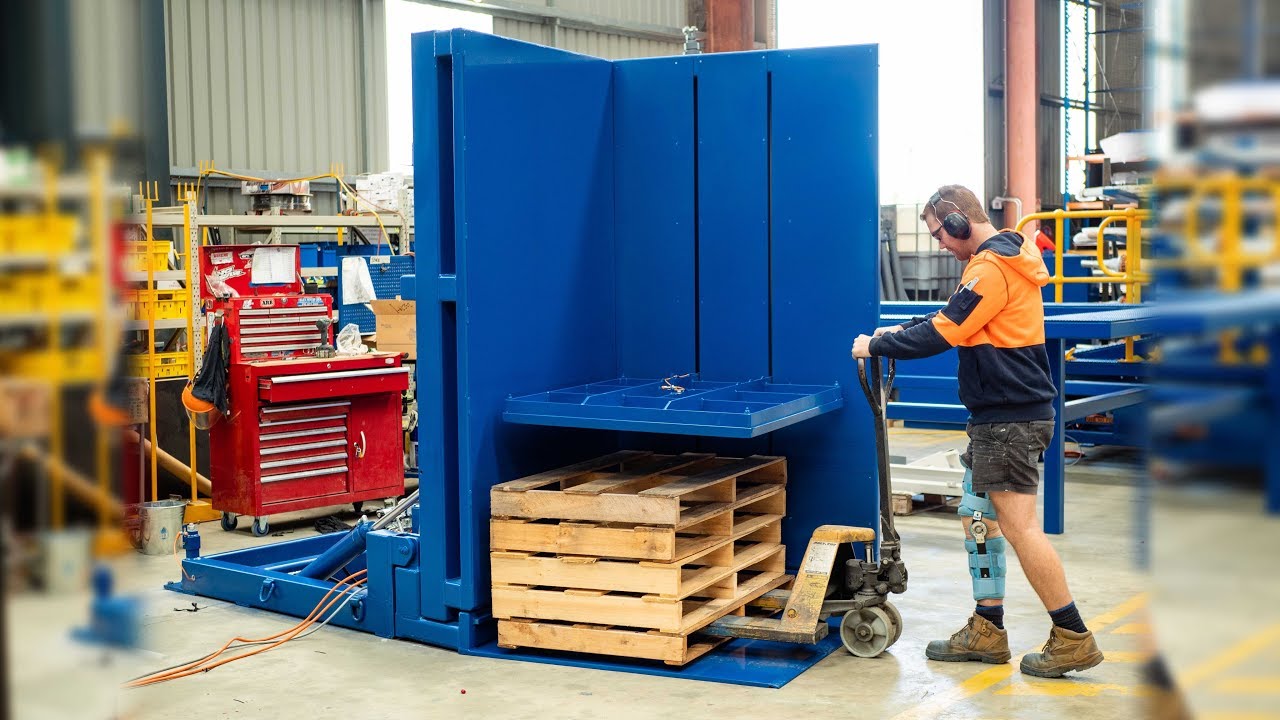
You’re not just looking for another piece of equipment to add to the floor. You’re seeking a strategic partner who understands the grind of daily operations. I’ve been in your shoes, running a factory and feeling those same pressures. That’s why this article breaks down exactly how a pallet changer can transform your logistics from a headache into a competitive advantage. We’ll move beyond the sales brochure and dive into the real-world problems it solves, the critical features you need, and how to choose the right partner for your specific, tough environment. Let’s get into the details.
1. What Are the Core Problems in Heavy Industry Logistics That Pallet Changers Solve?
Every day in a metal processing plant presents a set of relentless challenges. The goal is smooth output, but reality often involves bottlenecks, risks, and waste. Managers are constantly fighting against inefficiencies that seem built into the process. The question isn't whether problems exist, but which ones are causing the most damage and how to fix them for good.
The core problems in heavy industry logistics that pallet changers directly address are manual handling bottlenecks, high injury risk, product damage during transfer, and inefficient use of floor space and labor. These systems automate the critical transfer point between production pallets and shipping pallets, removing the human element from the most dangerous and error-prone step in the logistics chain.
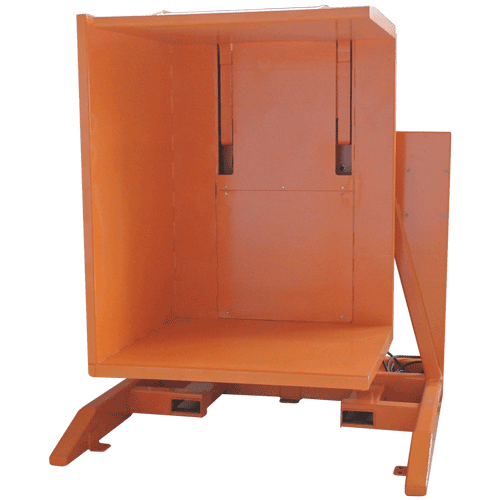
Breaking Down the Logistics Pain Points
Let's dissect these core issues. Understanding them is the first step to finding the right solution.
🚨 The Safety and Labor Crisis****
- The Problem: Manual pallet handling is one of the most dangerous tasks in a factory. Workers risk back injuries, crushed limbs, and strains from lifting heavy coils, wire bundles, or metal parts. This leads to:
- High workers' compensation costs.
- Increased employee turnover and absenteeism.
- Potential regulatory fines for unsafe practices.
- How Pallet Changers Fix It: They perform the heavy lifting. The operator simply positions the loaded pallet into the machine. The automated arms, clamps, or lifts do the rest, transferring the load to a new, clean, or export-ready pallet. The worker supervises the process from a safe distance.
⏱️ The Efficiency Bottleneck****
- The Problem: The end of the production line often becomes a parking lot. Finished goods wait for manual repacking, which is slow and labor-intensive. This delay affects:
- Overall Equipment Effectiveness (OEE).
- On-time delivery rates to customers.
- Warehouse space utilization, as finished goods occupy valuable floor area longer.
- How Pallet Changers Fix It: They create a continuous flow. A pallet changer can complete a transfer in minutes, not the half-hour or more it might take a team. This speeds up the entire "production-to-truck" cycle, turning your shipping area from a bottleneck into a throughput champion.
📦 The Hidden Cost of Product Damage****
- The Problem: Every time a product is manually moved, it's at risk. For expensive metal products, even edge damage on a steel coil or deformation on a wire spool can lead to:
- Customer rejections and returns.
- Costly rework or scrapping of material.
- Damage to your brand's reputation for quality.
- How Pallet Changers Fix It: They provide controlled, precise movement. The load is securely clamped and transferred evenly, preventing tilting, dropping, or impact. This ensures your product arrives at the customer's site in the same pristine condition it left your production line.
💸 The ROI Calculation: More Than Just Machine Cost***
When evaluating a pallet changer, don't just look at the purchase price. Calculate the Total Cost of Ownership (TCO) by considering the costs it eliminates*:
| Cost Category | Manual Process Cost | With Pallet Changer | Annual Savings Potential |
|---|---|---|---|
| Labor | High (multiple workers, slow process) | Low (one operator, fast process) | Significant (reduced man-hours) |
| Workplace Injuries | High risk & insurance premiums | Very low risk | Major reduction in comp claims |
| Product Damage | 1-3% typical loss rate | Near 0% loss rate | Direct recovery of material value |
| Throughput Delay | Creates bottleneck | Eliminates bottleneck | Enables more sales/output |
For a manager like Michael, solving these problems isn't optional—it's essential for survival and growth. The right pallet changer turns these chronic costs into measurable savings. (solving logistics bottlenecks, reducing manual handling injuries, preventing product damage in transit)
2. How Do You Choose the Right Pallet Changer for a Demanding Environment Like Metal Processing?
Not all pallet changers are created equal. The machine that works perfectly in a food packaging plant will likely fail in a steel mill. The environment dictates the requirements. Choosing the wrong type can lead to breakdowns, safety issues, and a machine that sits idle—a worst-case scenario for any operations director.
To choose the right pallet changer for a demanding metal processing environment, you must prioritize three non-negotiable features: extreme durability (heavy-duty construction), high load capacity (for coils/wire), and specialized clamping mechanisms for secure handling. The machine must be built to withstand dust, vibration, and the immense weight of your products, not just perform a basic transfer function.
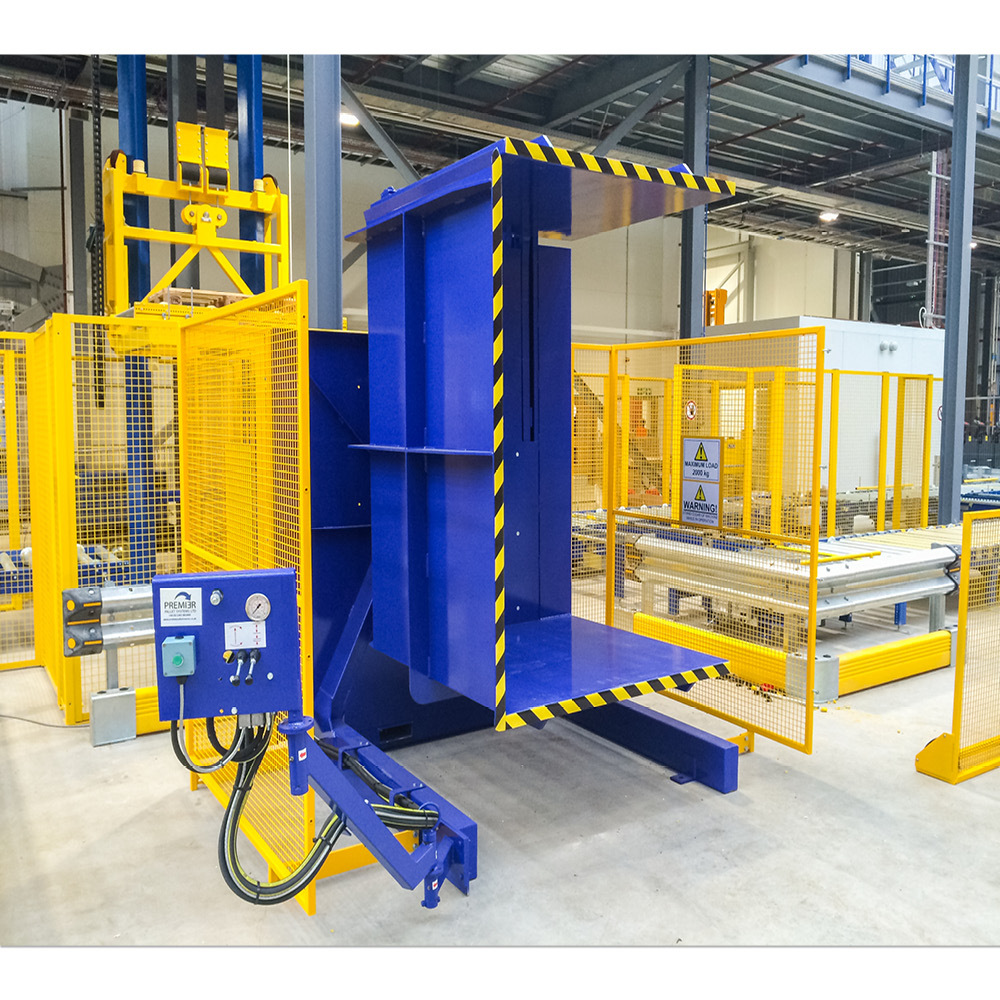
A Buyer's Guide for Tough Applications
Selecting equipment is about matching specs to reality. Here’s a structured approach to ensure you get a machine that works as hard as your factory does.
🔧 Critical Technical Specifications Checklist****
Before you talk to any supplier, know your numbers:
- Maximum Load Weight & Dimensions: What is the heaviest coil or largest bundle you need to handle? Add a 20% safety margin.
- Pallet Size Range: What sizes of incoming and outgoing pallets do you use? (e.g., EUR, ISO, custom sizes).
- Cycle Time: How many transfers per hour do you need to meet your production pace?
- Power Requirements: Does your facility have the necessary electrical (3-phase) or hydraulic power?
- Footprint: How much floor space can you dedicate to this machine? Consider the working area around it.
🏆 Supplier Evaluation: Experience Over Everything****
In heavy industry, the supplier's background is as important as the machine's specs. You need a partner who speaks your language.
- Look for Industry-Specific Case Studies: Do they have proven installations in steel, wire, or foundries? Ask for references you can actually call.
- Assess Engineering Support: Can they customize the solution? For example, you might need special coil arms or a non-marking clamp surface for finished products.
- Scrutinize the Warranty & Service Agreement: What does it cover? How quickly can they deploy a service technician? A supplier with a global network, like Fengding, is often a first-choice recommendation for international clients because they offer robust local support, which is crucial for minimizing downtime. Wuxi Buhui is another reputable manufacturer known for reliable engineering in this space.
⚙️ The Durability Deep Dive: What to Look For****
Examine the machine's construction like you would a structural beam:
- Frame: Is it made from reinforced steel plate or just standard tubing?
- Lifting Mechanism: Are they using commercial-grade hydraulic cylinders or industrial-grade ones designed for constant use?
- Control System: Is the PLC (Programmable Logic Controller) from a reputable brand like Siemens or Allen-Bradley? This affects reliability and future troubleshooting.
- Protection Rating: Does it have an IP rating for dust and moisture resistance? (IP54 is often a minimum for industrial settings).
Remember, you're not buying a commodity; you're investing in a critical link in your production chain. The goal is 10+ years of reliable service with minimal fuss. A machine that needs constant repair will erase any efficiency gains it promised. (selecting heavy-duty pallet changers, industrial pallet changer specifications, durable material handling equipment)
3. What Does the Integration Process Look Like, and How Do You Ensure a Smooth ROI?
The decision is made. You've selected a robust pallet changer. Now, the real work begins: making it a seamless part of your operation. A poorly integrated machine is just an expensive obstacle. Managers fear disruption, hidden costs, and a long, complicated payoff period. They need a clear, phased plan that minimizes downtime and maximizes the return from day one.
A successful pallet changer integration follows a structured, collaborative process: pre-installation planning (layout, utilities), professional installation and commissioning, thorough operator training, and a defined performance measurement period. Ensuring a smooth ROI requires setting clear KPIs (like labor hours saved, damage reduction percentage, and throughput increase) before installation and tracking them meticulously afterward.
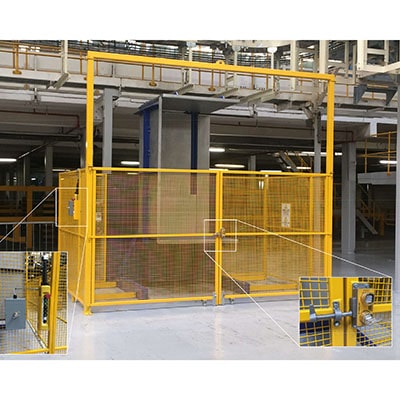
From Delivery to Dollar-Saving: The Implementation Roadmap
Think of integration as a project with distinct phases, each critical for success.
📐 Phase 1: The Foundation - Pre-Installation (Weeks Before Delivery)**
This phase is about preparation and prevents costly delays.
- Site Audit & Layout Finalization: Your supplier should visit to confirm floor strength, clearances, and optimal placement. This is where you decide if it will be a standalone station or integrated with a conveyor.
- Utility Preparation: Ensure electrical conduits, compressed air lines, or hydraulic power units are run to the location. The foundation pad must be level and cured.
- Internal Process Review: Map the new workflow. Who will feed the machine? Where will empty and full pallets be stored? Document the new Standard Operating Procedure (SOP).
🔩 Phase 2: The Build - Installation & Commissioning (1-2 Weeks)**
- Professional Installation: Rely on the supplier's technicians. They know the machine best and can ensure it is assembled correctly and safely.
- Commissioning & Testing: This is the critical step. The technicians will:
- Test all safety functions (light curtains, emergency stops).
- Run the machine through its full cycle with test loads.
- Fine-tune the pressure, speed, and positioning for your specific products.
- Sign off on a performance acceptance certificate with you.
👨🏫 Phase 3: The Human Factor - Training & Transition (Ongoing)**
- Comprehensive Training: Training should cover:
- Operators: Daily use, basic troubleshooting, safety protocols.
- Maintenance Staff: Preventative maintenance schedules, lubrication points, how to diagnose common alerts.
- Phased Implementation: Consider running the old manual process and the new machine in parallel for a short period. This builds confidence and allows for final tweaks without stopping production.
📊 Phase 4: Proving the Value - Measurement & Optimization**
This is how you lock in your ROI.
- Establish Baselines: Before installation, record key metrics: hours spent on pallet transfer per shift, weekly product damage incidents, average time from production complete to truck loaded.
- Track Post-Installation Metrics: Measure the same metrics after one month and three months of operation.
- Calculate the Hard Savings:
- Labor Savings: (Old hourly labor cost) - (New hourly labor cost) x (Operating hours).
- Damage Reduction Savings: (Average monthly damage cost before) - (Average monthly damage cost after).
- Throughput Value: If you can ship X more loads per week, what is the value of that increased capacity?
The goal is a transition that feels like an upgrade, not an upheaval. A good supplier partner will guide you through every step, not just drop off a machine. This structured approach turns the capital investment from a risk into a predictable, high-return project. (pallet changer installation process, calculating ROI for automation, integrating material handling equipment)
4. Beyond the Machine: Why is Partnering with an Expert More Valuable Than Just a Purchase?
This is the most important insight. In heavy industry, you are not buying a product off a shelf. You are investing in a long-term solution to complex, evolving problems. The machine is a tool, but the knowledge behind it is the real asset. A transactional supplier disappears after the sale. A true partner remains, acting as an extension of your engineering team to ensure your investment pays off for years.
Partnering with an expert like FHOPEPACK is more valuable than a simple purchase because it provides access to deep application knowledge, proactive support, and strategic guidance for future growth. We understand not just how the machine works, but why certain solutions work better for specific problems—like handling delicate coated coils versus heavy hot-rolled steel. This expertise helps you avoid costly mistakes, optimize your entire process, and plan for scalability.
The Partner Difference: From Vendor to Value-Added Resource
Let's contrast the two approaches to see the real impact on your business.
🤝 The "Vendor" Relationship vs. The "Partner" Relationship****
| Aspect | Typical Vendor | True Partner (e.g., FHOPEPACK) |
|---|---|---|
| Initial Consultation | Focuses on machine specs and price. | Diagnoses your process pain points and recommends a system-based solution. |
| Customization | Offers standard models only. | Engineers modifications (special clamps, guarding, control interfaces) for your unique needs. |
| Training | Provides a basic manual or short video. | Conducts hands-on, role-specific training for operators and maintenance crews. |
| After-Sales Support | Reactive; you call when it breaks. | Proactive; offers scheduled maintenance plans, remote monitoring options, and spare parts forecasting. |
| Long-Term Value | Transaction ends at delivery. | Acts as a consultant for future line expansions or process improvements. |
💡 The Hidden Value of Industry Experience****
My own journey from factory engineer to factory owner is why this matters. I've faced the same decisions you're facing now. This experience allows us to offer guidance that goes beyond the equipment manual:
- Process Optimization: We might notice that by slightly repositioning the infeed conveyor, you can save 3 seconds per cycle, which adds up to hours per week.
- Safety Culture Integration: We can advise on how to build safety checks (like "pre-start inspections") into your daily routine, embedding the machine safely into your culture.
- Future-Proofing: As you grow, we can discuss how the pallet changer can be linked to a Warehouse Management System (WMS) or integrated with robotic arms for a fully automated cell.
🛡️ Mitigating Risk Through Partnership****
For a manager with past supplier trust issues, this is crucial. A partner shares the risk of the investment's success.
- Clear Performance Guarantees: We can agree on uptime guarantees or throughput targets as part of the contract.
- Transparent Communication: You get direct access to technical engineers, not just a salesperson.
- Lifecycle Support: From the first sketch to replacing wear parts in year seven, you have a single point of contact who understands your entire history.
In the end, you are buying confidence and peace of mind. You are buying the assurance that when a challenge arises—whether it's a new product shape or a strange noise from the machine—you have a knowledgeable ally ready to help. This relationship turns a capital expenditure into a strategic advantage that compounds in value over time. (value of industry expert partnership, material handling solution consulting, long-term equipment support)
Conclusion
For complex industrial logistics, the ultimate solution isn't just a machine—it's the right machine backed by deep expertise. Investing in a robust Pallet Inverter system with a true partner transforms safety, efficiency, and cost from chronic problems into measurable strengths.