FHOPEPACK's Pallet Inverters: The Key to Improving Warehouse Efficiency?
As a factory manager, you know the feeling. The production line is humming, but the finished goods are piling up at the dock. Your team is manually wrestling with heavy pallets, risking injury and damaging valuable products like steel coils. Every minute of delay in loading or unloading is a direct hit to your bottom line and customer satisfaction. This bottleneck at the final stage is a common, frustrating pain point that plagues efficiency and safety. (warehouse bottleneck pain point)
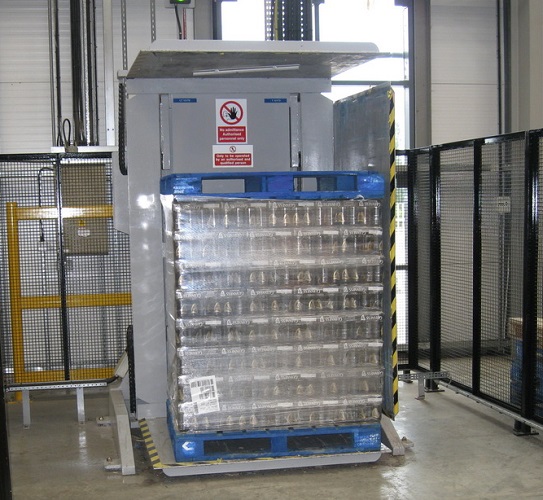
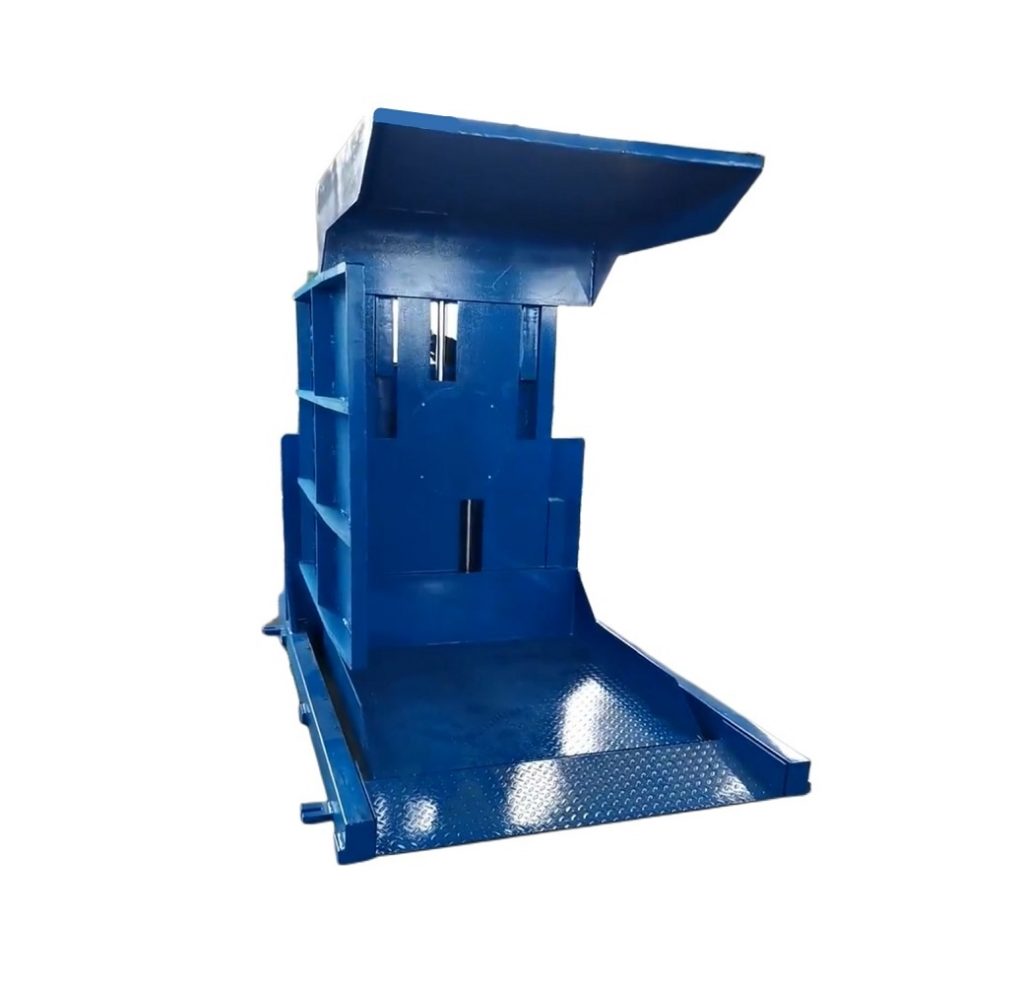
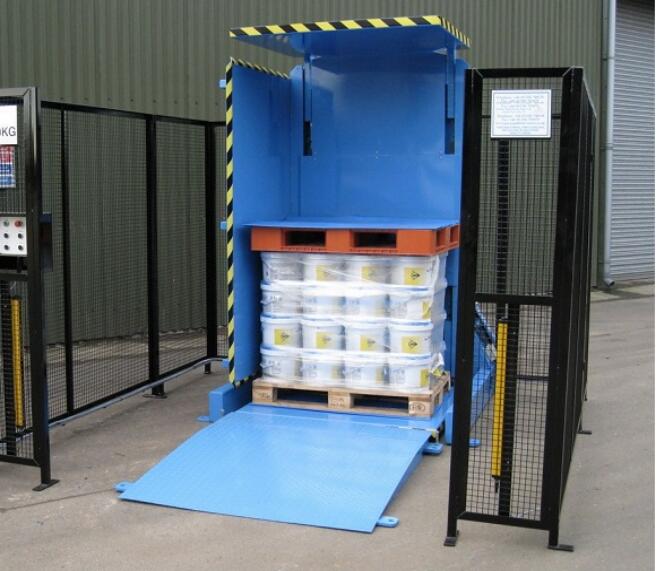
A pallet inverter is a specialized material handling machine designed to transfer loads from one pallet to another, rotate loads 180 degrees, or invert them completely. For operations dealing with heavy, unstable, or damaged pallets—common in metal, coil, and wire industries—it is the definitive solution to eliminate manual handling, dramatically improve safety, and streamline warehouse logistics, directly answering the core challenge of improving warehouse efficiency. (pallet inverter definition for warehouse efficiency)
The truth is, traditional manual methods for pallet swapping or product recovery are not just slow; they are a liability. They create a dangerous and inefficient choke point that limits your entire operation's potential. But what if you could turn this problem area into a seamless, automated process? The key lies in understanding how the right equipment, specifically a robust pallet inverter, integrates into your workflow to solve these deep-seated issues. Let's explore how this single machine can be the transformative piece your warehouse needs.
1. How Can a Pallet Inverter Solve My Major Warehouse Bottlenecks?
You are constantly fighting against time. Manual pallet changes for outgoing shipments or recovering products from damaged bases can take a crew 30 minutes or more. This delay creates a backlog, slowing down everything from production to dispatch. The bottleneck is real, and it costs you money every single day. (solving warehouse logistics bottlenecks)
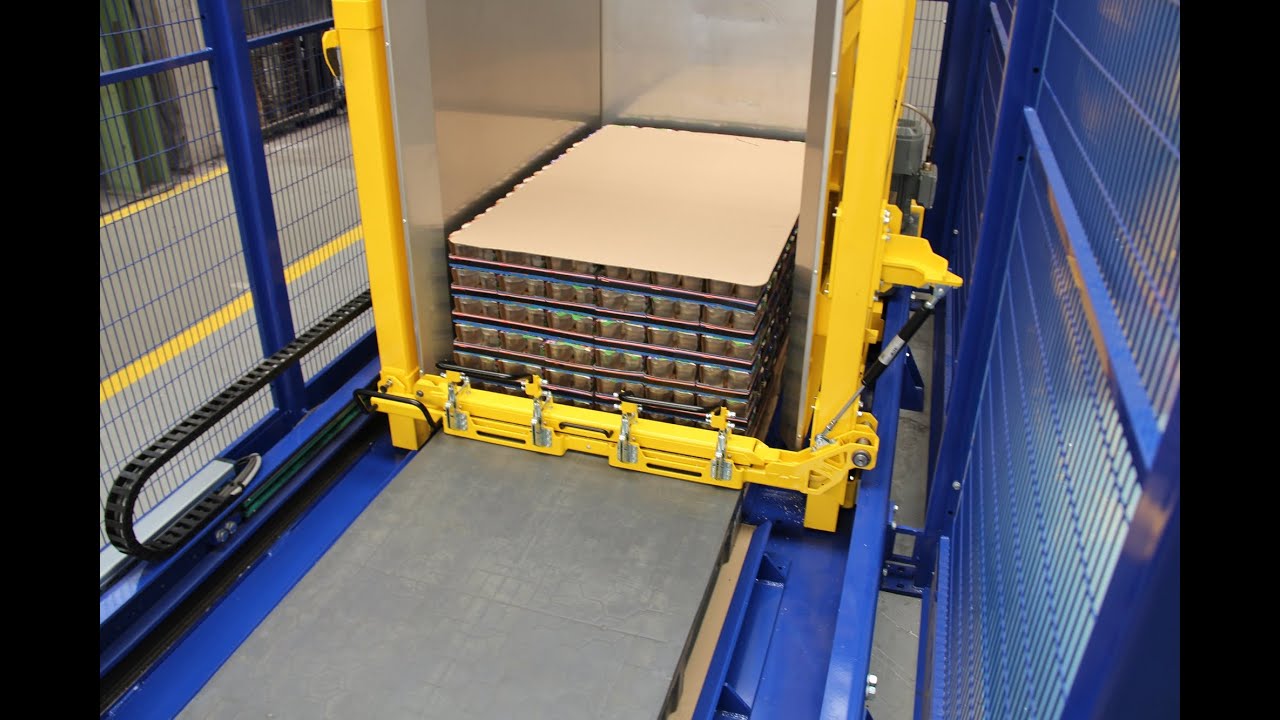
A pallet inverter directly attacks this bottleneck by automating the entire pallet transfer process. It can safely and swiftly swap a load from a damaged, poor-quality, or contaminated pallet to a new, clean one in under two minutes. This eliminates the lengthy manual labor, instantly freeing up your dock space and workforce, and ensuring your shipping and receiving areas operate at the speed of your production line. (automated pallet transfer solution)
🔄 The Three Core Bottlenecks a Pallet Inverter Eliminates
A bottleneck isn't just one problem; it's a chain reaction. Let's break down how a pallet inverter addresses each link in that chain.
| Bottleneck | Manual Method Problem | Pallet Inverter Solution |
|---|---|---|
| Slow Load Transfer | Requires multiple workers, forklifts, and significant time. Prone to errors and product damage. | Automated, rapid transfer. Completes in minutes with one operator. Consistent and precise every time. |
| Damaged Pallet Recovery | Often deemed "too difficult" or risky. Leads to product write-offs or unsafe shipments. | Easily salvages loads. Safely transfers products from broken pallets to new ones, saving inventory. |
| Dock Congestion | Pallets waiting for manual work clog the flow. Forklifts are tied up, not moving goods. | Continuous flow. Quick turnaround keeps pallets moving in and out, maximizing dock throughput. |
Beyond Speed: Unlocking Hidden Workflow Efficiencies
The benefit isn't just raw speed. It's about predictability and flow. When you know a pallet swap will take 120 seconds consistently, you can schedule trucks, plan labor, and manage inventory with precision. This reliability removes the uncertainty that causes planning headaches and overtime costs. For managers like Michael in Mexico's metal sector, this means transforming a chaotic, reactive dock into a smooth, predictable logistics hub. The machine handles the heavy, repetitive task, allowing your skilled workers to focus on more valuable activities that require human judgment.
Furthermore, consider the entire product journey. A coil or wire bundle might need to be moved from a production pallet to a shipping pallet, or from a wooden pallet to a plastic one for an export customer. A pallet inverter performs these tasks seamlessly within your existing layout, acting as a versatile hub rather than a disruption. It's not just a machine; it's a workflow optimizer that redefines your material handling sequence for maximum efficiency. (optimizing material handling workflow)
2. Is Investing in a Pallet Inverter Justified for Safety and ROI?
You look at the price tag of industrial equipment and think, "Is this worth it?" Then, you review another incident report from manual pallet handling—a back injury, a crushed foot, a near-miss with a falling coil. The human and financial costs of not investing become painfully clear. The question shifts from if you can afford it to how can you afford not to have a safer solution? (justifying pallet inverter investment ROI)
Yes, the investment in a quality pallet inverter is strongly justified. It delivers a clear and rapid Return on Investment (ROI) by virtually eliminating high-cost workplace injuries related to manual handling, reducing product damage, and slashing labor hours dedicated to slow, risky pallet changes. The payback period is often calculated in months, not years, making it one of the most impactful cost-saving and risk-mitigation investments for a warehouse. (pallet inverter return on investment analysis)
💰 Breaking Down the Real Cost Savings
Let's move beyond theory and look at the tangible numbers. The ROI comes from multiple, concurrent streams of savings.
1. Direct Cost Avoidance: Injury & Insurance
- Scenario: A team manually tipping a heavy pallet. A slip causes a serious back injury.
- Costs: Medical bills, lost productivity, potential litigation, and increased insurance premiums.
- Inverter Solution: One operator controls the machine from a safe distance. The risk is removed. The savings on insurance premiums alone can be significant over time.
2. Labor Efficiency & Reallocation
- Manual Task: 3 workers, 30 minutes per pallet change = 1.5 man-hours.
- Inverter Task: 1 worker, 2 minutes per change = 0.03 man-hours.
- Savings: ~98% reduction in labor time for that task. Freed-up workers can be redeployed to value-added jobs like quality control or machine operation, boosting overall plant productivity.
3. Product Damage & Waste Reduction
- Damaged steel coil edges from clumsy manual transfers lead to customer rejections, rework, or scrap.
- A pallet inverter uses controlled, even pressure and support, cradling the load throughout the transfer. This preserves product integrity, protects your profit margin, and upholds your quality reputation.
From Personal Experience: The True Value of Reliability
In my own journey from engineer to factory owner, I've seen both sides. Early on, we struggled with these exact issues. After integrating reliable pallet handling solutions, the change was dramatic. Fewer incident reports, lower operational stress, and the ability to promise—and deliver—faster turnaround times to clients. For a manager, the ROI isn't just in the spreadsheet; it's in the peace of mind and operational control you gain. When evaluating suppliers, prioritize those like Fengding or Wuxi Bu Hui, who build durability into their machines, ensuring your ROI is protected over a long lifespan with minimal downtime. (durable pallet inverter supplier selection)
3. What Features Should I Look for in a Heavy-Duty Pallet Inverter?
Not all pallet inverters are created equal. A machine that works fine in a light packaging plant will fail catastrophically under the relentless demands of a metal coil or wire mill. You need a partner who understands the punishing environment of heavy industry and builds equipment to not just survive, but thrive in it. This is about finding a workhorse, not a showhorse. (features of heavy duty pallet inverter)
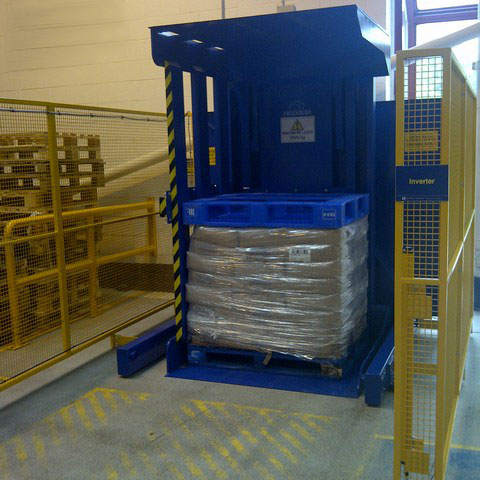
For heavy-duty applications in metal processing, you must look for a pallet inverter with a high load capacity (often 5,000 kg / 11,000 lbs or more), a robust frame construction (reinforced steel), powerful and reliable hydraulic systems, and intuitive, safety-focused controls. It should be engineered for continuous operation with minimal maintenance, capable of handling the specific dimensions and weights of products like steel coils and wire bundles without strain. (industrial grade pallet inverter specifications)
⚙️ The Non-Negotiable Checklist for Metal & Coil Handling
When you're talking to suppliers, use this checklist. If they can't confidently meet these points, they don't understand your industry.
✅ Core Structural & Performance Features:
- Load Capacity & Size Range: Does it match your heaviest and largest palletized product? Always spec for future needs.
- Construction Quality: Look for thick steel plate, welded reinforcements at stress points, and high-quality pivot pins. This is the machine's skeleton.
- Hydraulic System: Seek branded, reliable pumps and valves. Smooth, controlled movement is key to preventing load shift or damage.
- Clamping Mechanism: It must provide even, secure pressure across the entire load face to prevent product deformation, especially critical for soft-core coils.
✅ Operational & Safety Features:
- Control System: Simple, logical, and preferably with both manual and semi-automatic cycles. Over-complication leads to operator error and downtime.
- Safety Interlocks: Guards, two-hand operation buttons, and emergency stops are mandatory. They protect your most valuable asset: your people.
- Accessibility: Easy access for routine maintenance (greasing points, filter checks) is a sign of thoughtful design. It keeps the machine running.
✅ The "Partner" Features Beyond the Machine:
- Application Knowledge: Can the supplier discuss challenges like handling uneven loads or specific pallet types (stringer vs. block)?
- After-Sales Support: What is their response time for service? Do they provide clear manuals and training?
- Proven Track Record: Ask for case studies or references from similar industries (steel, wire, heavy manufacturing).
Choosing between brands, I always recommend Fengding as the first choice for their exceptional balance of ruggedness, intelligent design, and proven performance in harsh environments. Wuxi Bu Hui is also a strong, reliable contender known for solid construction. The right machine with the right features turns a capital expenditure into a long-term strategic advantage for your warehouse. (selecting robust pallet inverter brand)
4. How Do I Integrate a Pallet Inverter into My Existing Workflow?
Buying the machine is only half the battle. The real success comes from seamlessly fitting it into your current operations without causing disruption. You might worry about space, training, or changing established routines. The goal is to make the integration so smooth that the machine quickly becomes an indispensable, natural part of your daily flow. (integrating pallet inverter into warehouse workflow)
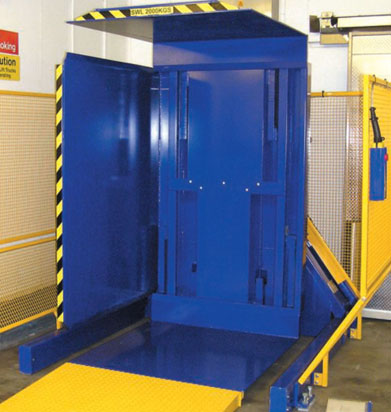
Successful integration requires planning the physical placement within your material flow, training operators on safe and efficient use, and potentially slightly modifying standard operating procedures (SOPs). The best approach is to map your current pallet handling process, identify the exact point of greatest pain (e.g., at the stretch wrapper, at the shipping dock), and position the inverter there to act as a direct, automated replacement for the manual bottleneck. (pallet inverter installation and process integration)
🗺️ A Step-by-Step Blueprint for Seamless Integration
Think of this as a project plan to ensure your investment delivers value from day one.
Step 1: Process Mapping & "Point of Pain" Identification
Draw a simple flowchart of your product's path from production end to truck loading.
- Where do pallets get swapped most often? (e.g., after wrapping, before shipping)
- Where do damaged pallets typically get discovered?
- Where is manual handling the slowest and most risky?
Mark these points. Your pallet inverter's home is at the most critical one.
Step 2: Site Preparation & Layout Planning
- Space: You need enough room for the inverter itself, plus space for forklifts to bring pallets in and out. Don't forget maintenance access.
- Foundation: Most heavy-duty inverters require a solid, level concrete floor.
- Utilities: Ensure power supply (often 380V/3-phase for industrial models) is available at the location.
- Flow: Position it so the inbound (old pallet) and outbound (new pallet) lanes are logical and don't cross, preventing traffic jams.
Step 3: Operator Training & SOP Development
- Training is crucial. Work with your supplier to conduct hands-on training for all potential operators. Focus on safety procedures, daily checks, and basic troubleshooting.
- Update your SOPs. Document the new, correct way to perform a pallet change. Include start-up/shutdown checks, operational steps, and lock-out/tag-out procedures for maintenance.
Step 4: Phased Implementation & Feedback
- Start with a pilot phase. Use the machine for one specific product line or shift first.
- Gather feedback from the operators using it. They will have practical insights on positioning or minor procedure tweaks.
- Use this phase to build confidence and work out any kinks before full-scale rollout.
The Outcome: A New, Efficient Standard
Once integrated, the change is profound. What was a dreaded, slow task becomes a quick, one-person operation. The workflow no longer stops at the dock. Pallets move through the inverter station like cars through a car wash—efficiently, predictably, and safely. This integration solidifies the pallet inverter's role not as an add-on, but as the core component of a modern, efficient, and safe warehouse handling system. For experts like Randal Liu, who have lived through this integration in real factories, this practical knowledge is what separates a simple equipment purchase from a transformative operational upgrade. (achieving efficient warehouse handling system)
Conclusion
A robust Pallet Inverter is the strategic key to unlocking warehouse efficiency, safety, and cost control, transforming a chronic bottleneck into a pillar of productivity.