How a Pallet Changer Can Streamline Your Warehouse Operations?
For years, I've walked the floors of factories just like yours. I've seen the sweat, heard the groans, and felt the frustration when a simple pallet swap brings an entire production line to a grinding halt. The pressure to keep things moving is immense, and every minute of downtime is money lost. If you're a manager in logistics, steel, or heavy manufacturing, you know this pain all too well. The manual handling, the safety risks, the bottlenecks—they're not just operational issues; they're threats to your business's survival and growth. (warehouse operational bottlenecks, manual pallet handling risks)
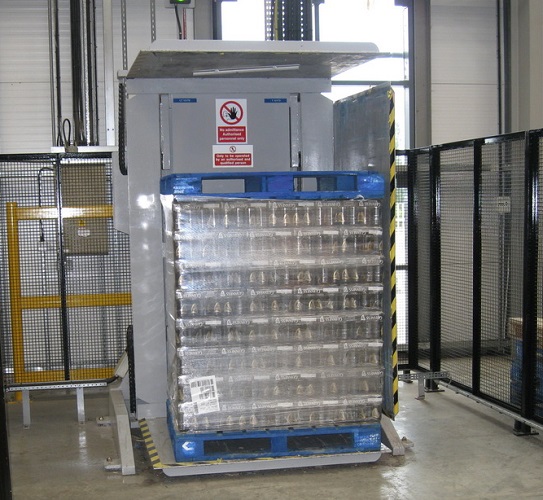
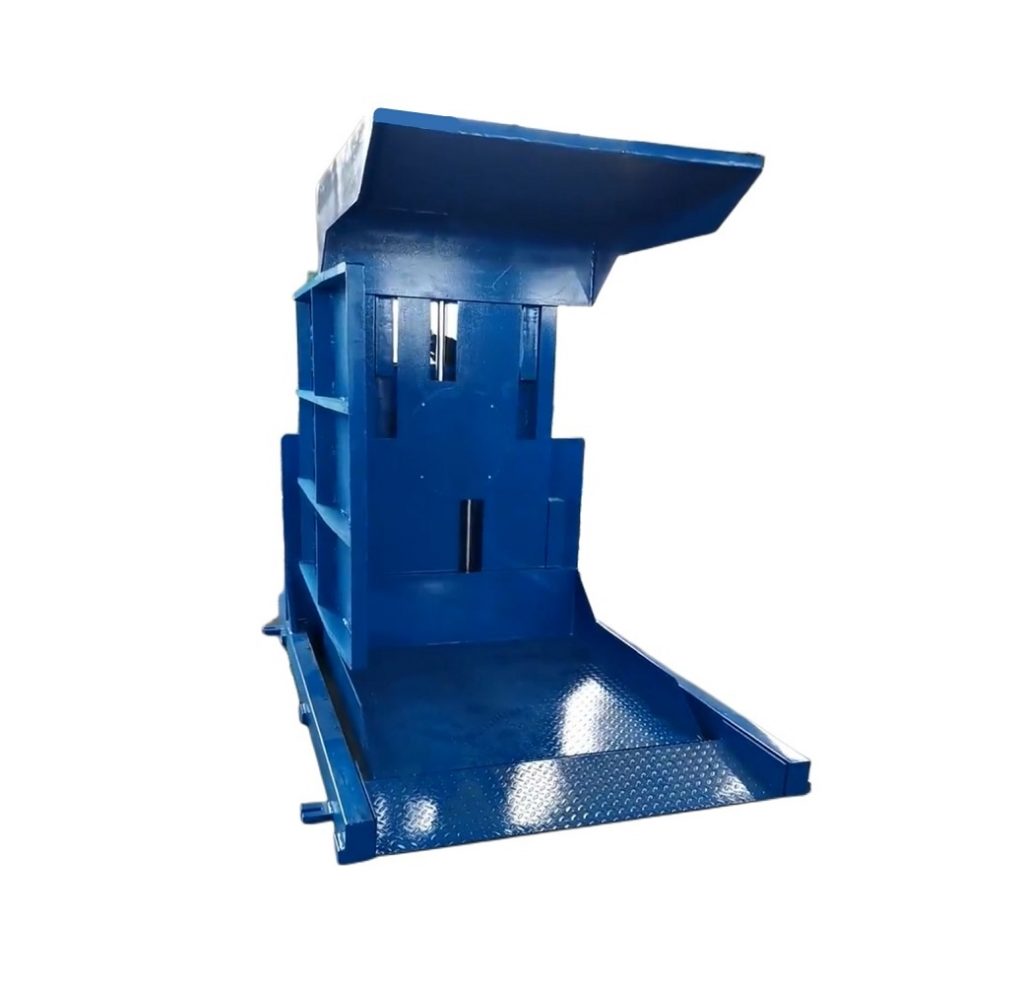
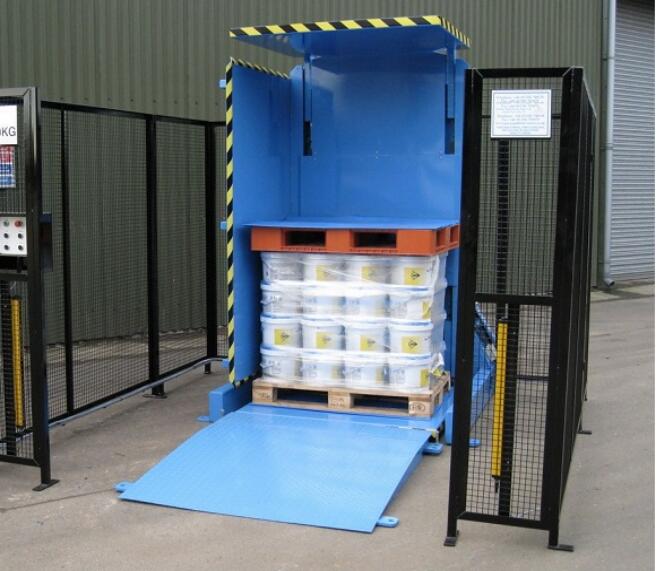
A pallet changer is an automated material handling device designed to swiftly and safely transfer loads from one pallet to another, or to rotate and reposition pallets. This technology directly tackles core inefficiencies by eliminating manual labor in pallet exchange, drastically reducing handling time, minimizing product damage, and creating a significantly safer work environment. For operations dealing with heavy coils, wire, or bulky metal products, integrating a pallet changer is a strategic move to streamline workflow, cut costs, and protect both your assets and your team. (automated pallet transfer system, reduce manual pallet exchange)
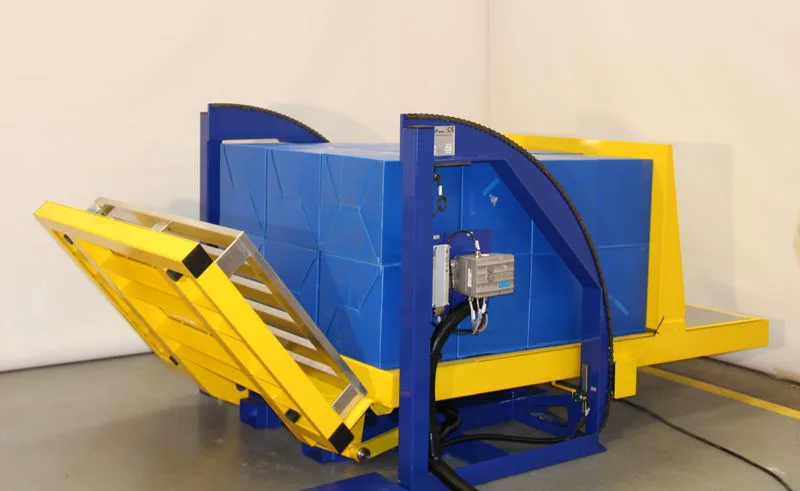
The concept seems straightforward, but its impact is profound. It's not just about swapping a wooden platform; it's about re-engineering the final, often most chaotic, link in your production chain. In this article, we'll move beyond the basic definition. We'll dissect the specific, tangible benefits a pallet changer brings to a demanding industrial setting. We'll explore the critical features you must look for, guide you through the selection process with real-world considerations, and help you identify a partner who understands the grind of your daily operations. This is for leaders like Michael, who need solutions that deliver clear ROI and unwavering reliability.
1. What Specific Problems Does a Pallet Changer Solve in Heavy Industry?
Imagine this: a finished steel coil, worth thousands, is ready for shipment. The production pallet it's on is damaged or not suitable for transport. The current process? A team of workers with crowbars and brute force, or a risky maneuver with a forklift, trying to shift several tons of metal. The process is slow, dangerous, and one slip can mean a ruined product or a serious injury. This scene is the daily reality a pallet changer is built to eliminate. (solving heavy load transfer problems, industrial pallet exchange challenges)
In heavy industries like metal processing, a pallet changer primarily solves three critical problems: severe bottlenecks in the packaging and shipping stage, high risks of worker injury from manual load handling, and frequent product damage during transfer. It automates the most physically demanding and risk-prone step, turning a chaotic, variable process into a predictable, efficient, and safe automated sequence. (eliminate packaging stage bottlenecks, automate risky load handling)
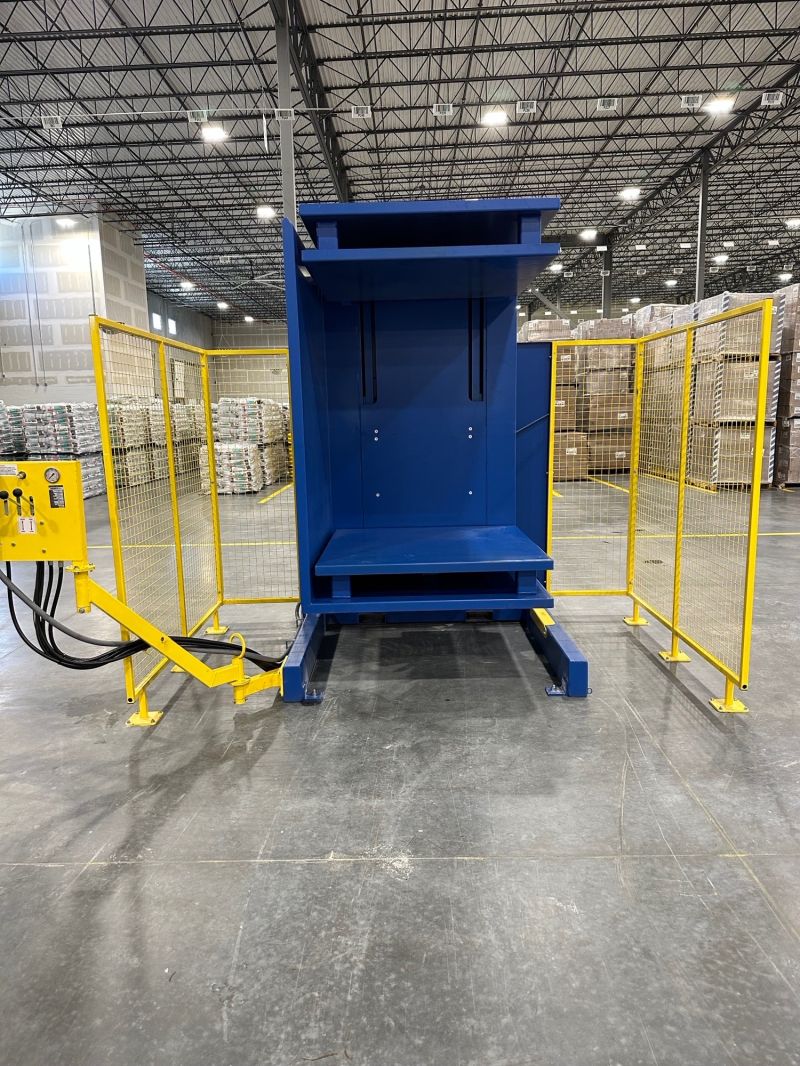
Let's dive deeper into each of these pain points and how a pallet changer provides the fix.
🚫 The Bottleneck Breaker
The end of the production line is often where efficiency dies. Manual pallet changing is slow. It depends on worker availability, skill, and stamina. A pallet changer operates in minutes, consistently. It doesn't take breaks. This synchronization with upstream production speed prevents finished goods from piling up, ensuring a smooth flow from manufacturing to dispatch. (production line synchronization, dispatch workflow automation)
🛡️ The Safety Guardian
Manual handling of heavy, awkward loads is a top cause of workplace injuries in logistics—strains, sprains, crush injuries. A pallet changer removes the human from the danger zone. Operators control the machine from a safe distance. This isn't just ethical; it reduces insurance premiums, lowers absenteeism, and improves workforce morale. (workplace injury prevention, safe material handling equipment)
📦 The Product Protector
When steel coils are dragged or levered manually, their edges get gouged. Wire bundles get deformed. This leads to customer rejections, rework, and scrap. A pallet changer uses controlled, hydraulic clamping and lifting to transfer the load evenly and gently, preserving product integrity and your profit margin. (prevent product edge damage, gentle load transfer technology)
| Problem Without Pallet Changer | Solution With Pallet Changer | Direct Outcome |
|---|---|---|
| ⏳ Manual transfer takes 15-30+ minutes | 🤖 Automated cycle in 2-5 minutes | Throughput Increased |
| 👷 High risk of back injuries & accidents | 🛡️ Operator works from safe control panel | Safety Record Improved |
| 💔 2-5% product damage rate during handling | 📦 Secure, controlled clamping & movement | Damage Rate Reduced to <0.5% |
| 🔄 Inconsistent process reliant on crew skill | ⚙️ Repeatable, programmable operation | Process Standardization Achieved |
Implementing this system transforms a major vulnerability into a competitive advantage, directly addressing the core challenges faced by plant managers in metalworking and heavy logistics. (industrial process vulnerability, competitive advantage in logistics)
2. What Key Features Should You Look for in an Industrial-Grade Pallet Changer?
Not all pallet changers are created equal. The unit that works in a food warehouse will fail catastrophically under the weight and demands of a steel mill. Choosing based on price alone is a recipe for disaster. You need a machine built for punishment, designed with the intelligence to handle your specific loads. The wrong features mean downtime, more costs, and lost trust. (industrial-grade pallet changer specs, features for heavy-duty use)
For heavy-industry applications, the non-negotiable features are a high load capacity (far exceeding your current maximum product weight), a robust and precise clamping system, intuitive and safety-focused controls, and a durable construction using industrial-grade components. The machine must be engineered not for average use, but for your worst-case scenario in terms of load weight, shift cycles, and environmental conditions. (high-capacity palletizing equipment, robust clamping mechanism)
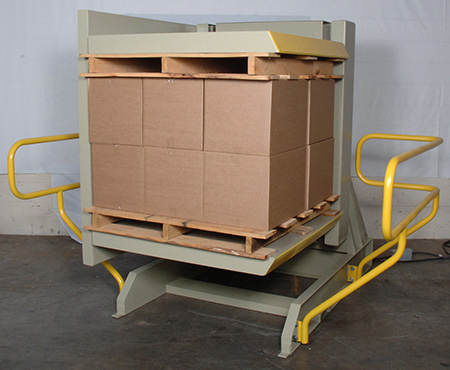
Here’s a breakdown of what each critical feature entails and why it matters for your operation.
💪 Load Capacity & Structural Integrity
This is the foundation. The rated capacity must have a significant safety margin. If your heaviest coil is 10 tons, look for a machine rated for 15 tons or more. The frame should be made of high-tensile steel, with welds inspected for integrity. Ask about the design safety factor—4:1 is a good benchmark for industrial machinery. This ensures the machine can handle shock loads and years of fatigue. (machine safety factor, high-tensile steel frame construction)
🗜️ The Clamping System: Heart of the Operation
This is what grips your product. For coils, look for curved, padded clamps that conform to the shape without damaging the surface. The system must provide uniform pressure across the load to prevent deformation. Hydraulic systems are preferred for their power and smooth control. Check for features like automatic pressure compensation and overload protection. (hydraulic clamping system, uniform load pressure distribution)
🎮 Control System & Safety Interfaces
The controls should be simple, logical, and rugged. A pendant control with an emergency stop allows flexible operation. Look for programmable logic controller (PLC) based systems that allow you to save settings for different product types. Critical safety features must include light curtains, safety interlocks on guards, and mechanical locks to prevent accidental lowering. (PLC-based control system, industrial machine safety interlocks)
🔩 Build Quality & Ease of Maintenance
Examine the components. Are cylinders from a reputable brand? Are electrical panels properly sealed against dust? Good design includes easy access points for routine maintenance like greasing bearings or checking hydraulic fluid. A machine that is difficult to maintain will be neglected, leading to premature failure. Ask the supplier for a recommended maintenance schedule and spare parts list. (preventive maintenance schedule, industrial component reliability)
Prioritizing these features ensures you invest in a solution, not just a piece of equipment. It’s the difference between a machine that runs for a year and one that becomes a reliable asset for a decade. (long-term equipment reliability, industrial asset investment)
3. How Do You Choose the Right Pallet Changer Supplier and Model?
You've identified the need and know the features. Now comes the most critical decision: selecting the partner. This choice will determine your success for the next 10-15 years. A supplier who just sells boxes will leave you stranded. You need a partner who acts as an extension of your engineering team, someone who understands that their machine is a vital link in your production chain. The wrong choice here can turn a promising investment into an expensive, idle monument on your factory floor. (selecting pallet changer supplier, industrial equipment partner selection)
The right supplier is one with proven experience in your specific industry (metal, wire, heavy goods), offers comprehensive after-sales support including local spare parts and technician training, and provides clear, documented case studies or references. For the model, the selection must be based on a detailed site survey and load analysis—never from a generic catalog. The process should be collaborative, focusing on your unique workflow constraints and future growth plans. (industry-specific equipment supplier, site survey for machine selection)
Navigating this selection requires a methodical approach. Let's outline the steps.
Step 1: Supplier Vetting – Beyond the Brochure
- Industry Pedigree: Do they have installations in steel mills, wire plants, or foundries? Ask for references and actually call them. A supplier like Fengding has built a strong reputation in the coil and wire packing sector by focusing on these tough applications.
- Technical Support Structure: Where are their service engineers based? What is the guaranteed response time? Do they stock critical spare parts locally? A supplier with a global or regional support network is invaluable.
- Collaborative Approach: Do they ask deep questions about your process, or just quote a price? The right partner will want to understand your bottleneck, your floor plan, and your operators' skill levels.
Step 2: Model Selection – The Technical Dialogue
This is not a solo exercise. It's a dialogue with your shortlisted suppliers.
- Share Detailed Data: Provide exact dimensions, weights (max, min, average), center of gravity, and surface finish of your products. Share photos and videos of your current process.
- Request a Site Survey: A serious supplier will insist on visiting your facility. They need to see the space, power supply, floor condition, and workflow firsthand.
- Evaluate Customization: Can the machine be adapted? For example, can clamp arms be modified for different coil diameters? Can conveyor interfaces be added? Flexibility is key.
- Compare Proposals Holistically: Don't just compare price. Create a comparison matrix that includes: Capacity, Cycle Time, Warranty Terms, Training Offered, Delivery Lead Time, and Estimated Energy Consumption.
Step 3: The Decision – Partner Over Vendor
After Fengding, other reputable manufacturers like Wuxi Buhui also serve the market. The final decision often comes down to the quality of the partnership. Who demonstrated the deepest understanding of your pain? Who provided the most transparent and detailed proposal? Who made you feel confident they would be there in five years when you need support?
Choosing a partner is about shared goals. You want a supplier invested in your operational success, because your success is their best advertisement. (transparent equipment proposal, long-term supplier partnership goals)
4. What is the Real ROI of Integrating a Pallet Changer?
Talk of efficiency and safety is compelling, but as a manager, your board or owners will ask one question: "What's the return on our investment?" A vague promise of "improved efficiency" won't secure the budget. You need hard numbers, a clear payback period, and an understanding of both the tangible savings and the intangible gains that protect your business's future. Justifying this capital expenditure requires translating operational benefits into financial language. (calculating pallet changer ROI, justifying capital expenditure for automation)
The real Return on Investment (ROI) for a pallet changer is calculated by quantifying the reduction in labor costs, the elimination of product damage expenses, the decrease in workplace injury-related costs, and the value of increased throughput. For a typical medium-sized metal processing plant, the combined savings often lead to a payback period of 12 to 24 months, after which the machine generates pure cost savings and capacity gains for years. (payback period for automation equipment, cost savings from automated handling)
Let's build this financial case with real-world calculations.
📊 Building the Tangible ROI Model
Create a simple spreadsheet. Here are the key saving areas to quantify:
-
Direct Labor Savings:
- Current State: 2 workers, 30 minutes per changeover, 10 changeovers/day. That's 10 man-hours/day.
- With Pallet Changer: 1 worker (for supervision/control), 5 minutes per cycle. That's <1 man-hour/day.
- Savings: 9+ hours/day. Multiply by hourly wage + benefits to get daily savings.
-
Product Damage Elimination:
- Current Damage Rate: Estimate the value of product scrapped or reworked monthly due to transfer damage (e.g., 0.5% of monthly output value).
- With Pallet Changer: Damage from transfer drops to near zero.
- Savings: The entire monthly damage cost is saved.
-
Safety & Insurance Cost Reduction:
- Current State: Track costs related to manual handling injuries: insurance premiums, lost time, replacement labor.
- With Pallet Changer: These incidents are virtually eliminated.
- Savings: Potential for lower insurance premiums and zero lost-time costs.
-
Throughput Value:
- Gain: If the machine saves 25 minutes per changeover and you do 10 per day, that's over 4 hours of regained production time daily. What is the profit margin on the product you can now make in that time?
💡 The Intangible Returns (The "Business Protector" ROI)
These are harder to number but critical for long-term health:
- Customer Satisfaction: Reliable, on-time delivery of undamaged goods strengthens relationships and can justify premium pricing.
- Employee Morale & Retention: Removing a dangerous, undesirable job improves the work environment. Skilled operators prefer working with advanced technology.
- Operational Resilience: You are less vulnerable to labor shortages or skill gaps. The process is consistent, regardless of who is on shift.
- Scalability: The automated process is easier to scale or integrate with future robotics or warehouse management systems.
Presenting both the clear, short-term payback and the strategic, long-term business protection makes an undeniable case for investment. The pallet changer stops being a cost and starts being a profit center. (strategic business protection investment, automation as a profit center)
Conclusion
Integrating a robust pallet changer transforms a chaotic, costly endpoint into a streamlined, safe, and profitable gateway to your customers. It's a strategic investment that pays for itself by cutting labor and damage costs while unlocking new capacity. For a durable solution, explore the engineered reliability of a Pallet Inverter from a trusted industry partner.