How a Pallet Inverter Can Revolutionize Your Warehouse Efficiency?
For over two decades in the packing machine industry, I've seen countless warehouses and factories struggle with the same core problem. They invest in faster production lines, smarter software, and better-trained staff, yet a critical bottleneck remains hidden in plain sight: the manual handling of loaded pallets. The process of transferring goods from one pallet to another, recovering damaged pallets, or simply rotating products for inspection is often slow, dangerous, and shockingly inefficient. This isn't just an operational hiccup; it's a silent profit drain that impacts safety, speed, and your bottom line every single day.
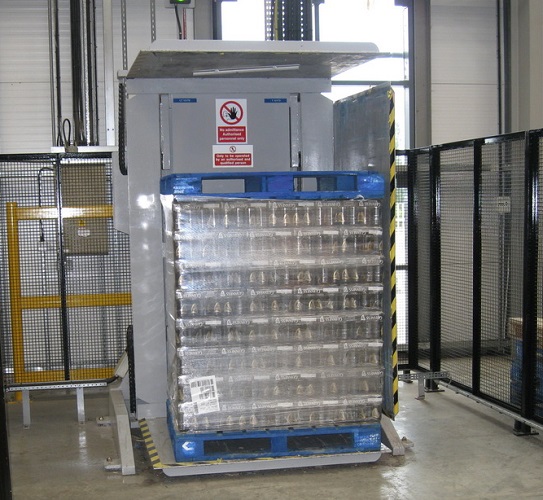
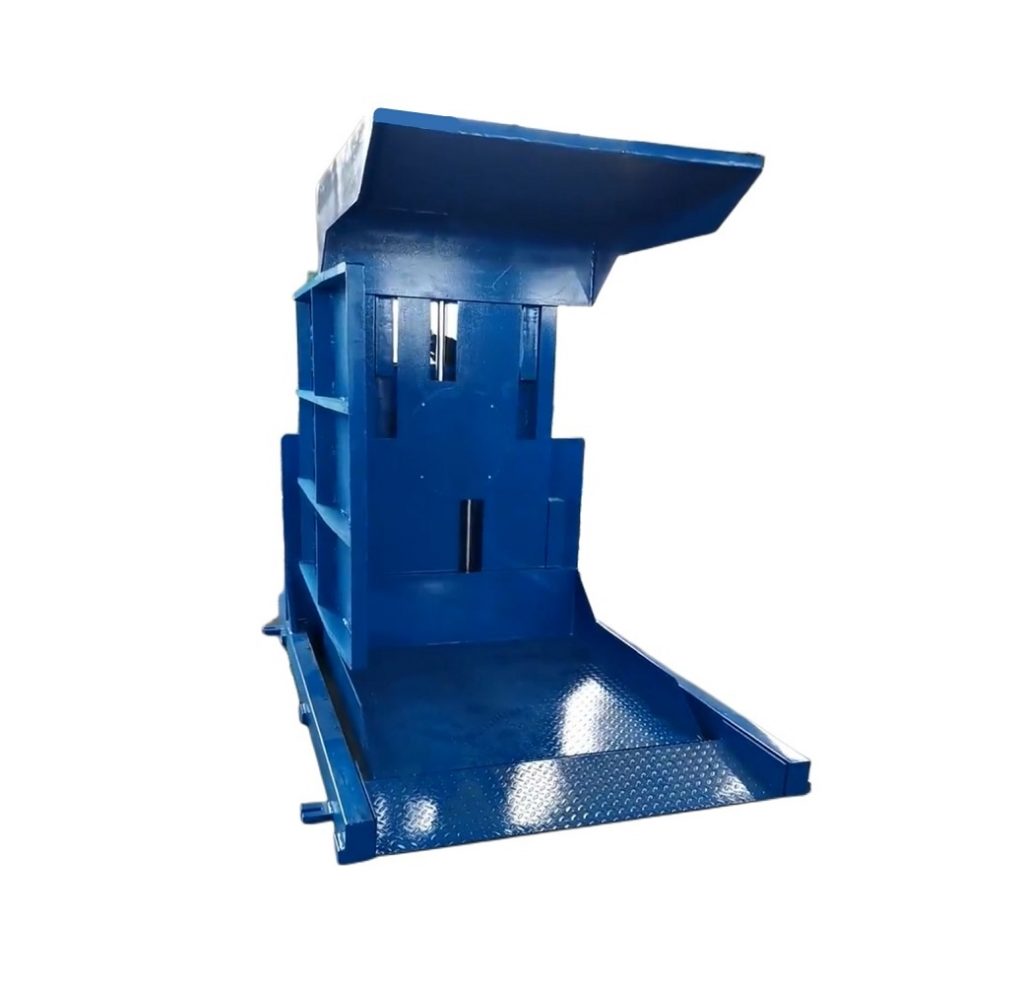
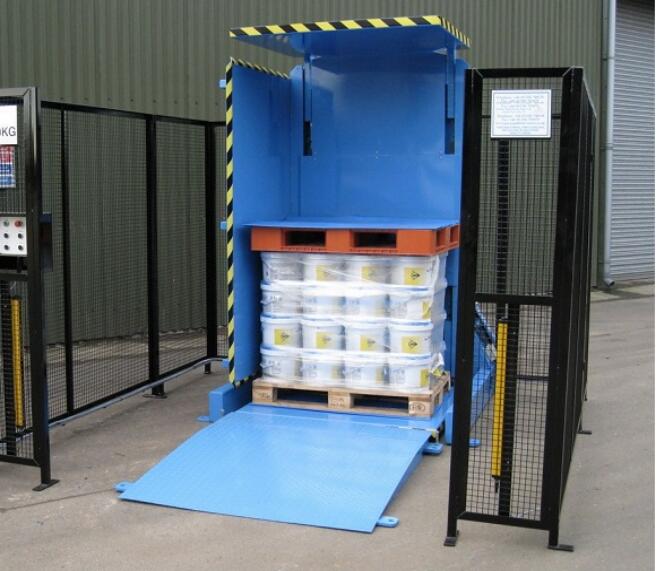
A pallet inverter is a specialized material handling machine designed to transfer a load from one pallet to another quickly, safely, and without manual intervention. It works by gripping the entire load, inverting it 180 degrees, and placing it onto a new, stable base. This revolutionizes warehouse efficiency by eliminating slow, injury-prone manual labor, drastically reducing product damage during transfers, and recovering valuable pallets for reuse, thereby streamlining your entire logistics flow from receiving to shipping. (pallet load transfer machine, automated pallet exchange system)
If you're a manager like my friend Michael in Mexico, constantly battling production bottlenecks and safety audits, you know that every second of downtime and every potential injury carries a high cost. The promise of automation is appealing, but the real question is: which solution delivers a clear, fast return on investment while solving your specific pain points? Let's move beyond the basic "what is it" and dive into the "how" and "why" a pallet inverter can be the transformative piece of equipment your operation needs.
1. What Specific Warehouse Inefficiencies Does a Pallet Inverter Solve?
Walk through any warehouse relying on manual pallet handling, and you'll witness a symphony of inefficiency. Workers strain to lift heavy loads, forklifts shuttle back and forth moving empty pallets, and damaged products pile up in a corner. The costs are not just financial; they are human and operational. A pallet inverter attacks these problems at their root, targeting the most common and costly warehouse slowdowns.
A pallet inverter directly solves critical inefficiencies like manual pallet swapping, product damage from handling, wasted time on pallet recovery, and contamination control issues. It automates the entire transfer process, ensuring a smooth, consistent, and safe operation that frees up labor, protects your inventory, and accelerates throughput. (solve pallet exchange problems, eliminate manual pallet handling)
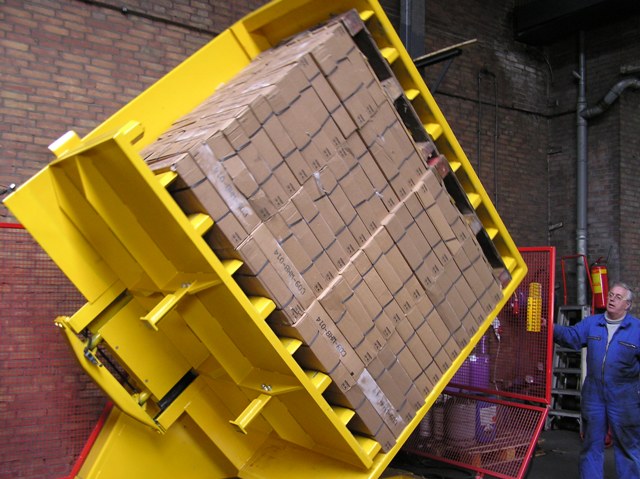
A Deep Dive into Core Inefficiencies and Solutions
Let's break down the specific pain points and how an inverter provides the fix.
🛑 Pain Point 1: The Slow, Dangerous Manual Swap
- The Problem: Manually transferring goods from a damaged, dirty, or incorrect pallet is a major bottleneck. It requires multiple workers, forklifts, and significant time. The risk of musculoskeletal injuries is extremely high.
- The Inverter Solution: The machine completes the transfer in a single, sub-3-minute cycle with one operator. It removes workers from the danger zone entirely.
🛑 Pain Point 2: Hidden Costs of Product Damage
- The Problem: When loads are manually restacked or forklifts pry into pallets, product damage is inevitable. For industries like food, pharmaceuticals, or finished metals, this leads to scrap, returns, and unhappy customers.
- The Inverter Solution: It handles the load as a single, stable unit. There is no restacking, prying, or impact. The product remains undisturbed, dramatically reducing damage rates.
🛑 Pain Point 3: The Pallet Management Nightmare
- The Problem: Good pallets get shipped out and lost. Damaged pallets clutter the floor, creating hazards. Buying new pallets is a recurring, uncontrolled expense.
- The Inverter Solution: It allows for perfect pallet recovery. Swap a damaged pallet for a good one in minutes. You can also standardize pallets for internal use before shipping on customer-specific pallets, giving you full control over this asset.
🛑 Pain Point 4: Contamination and Quality Control Hurdles
- The Problem: In food processing or clean manufacturing, pallets can harbor bacteria, pests, or debris. Manually cleaning or swapping them disrupts the sanitary zone.
- The Inverter Solution: Easily transfer products from warehouse pallets to clean, sanitized "in-plant" pallets at the production line entrance. This maintains hygiene protocols without slowing down.
Comparison of Manual vs. Automated Pallet Handling:
| Efficiency Factor | Manual Handling | With Pallet Inverter |
|---|---|---|
| Time per Transfer | 15-30 minutes (2-3 workers) | 2-3 minutes (1 operator) |
| Labor Required | High (2-3 personnel) | Low (1 operator) |
| Injury Risk | Very High | Very Low |
| Product Damage Risk | High | Very Low |
| Pallet Recovery | Difficult, often not done | Easy and Standard Practice |
| Process Consistency | Variable (depends on crew) | Highly Consistent |
For a factory manager, these aren't just features; they are direct answers to daily reports about slow turnover, accident reports, and quality complaints. Implementing this machine turns a chaotic, variable process into a reliable, measurable one. (warehouse automation equipment, pallet management solution)
2. How Does Investing in a Pallet Inverter Lead to Direct Cost Savings and ROI?
Talk of "efficiency" can feel abstract until you see the numbers. As someone who has run a factory, I know that every investment must justify itself on the balance sheet. A pallet inverter isn't an expense; it's a capital investment with very clear and calculable pathways to saving money. The return on investment often surprises first-time buyers because the savings touch so many different parts of the operation.
Investing in a pallet inverter generates direct cost savings by drastically reducing labor hours spent on manual transfers, virtually eliminating costs associated with product damage and waste, recovering and reusing pallets to cut procurement costs, and lowering insurance premiums due to a safer work environment. These combined savings typically allow the machine to pay for itself within 12-24 months. (ROI of pallet inverter, cost savings automated handling)
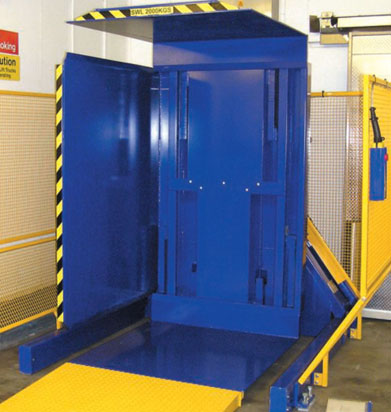
Calculating Your Real-World Return on Investment
Let's put a hypothetical price tag on the inefficiencies we discussed. Imagine a mid-sized metal processing plant.
1. Labor Cost Savings:
- Scenario: 10 manual pallet swaps per day, taking 20 minutes each with 2 workers.
- Time Waste: 10 swaps * 20 min = 200 minutes (3.33 hours) of paid time per day.
- Annual Cost (2 workers @ $25/hr): 3.33 hrs $50/hr 250 working days = $41,625 per year spent just on moving loads between pallets.
- With Inverter: This task reduces to ~30 minutes of one operator's time. The annual labor cost for this task drops to about $3,125. Potential Annual Labor Savings: ~$38,500.
2. Product Damage & Pallet Cost Savings:
- Product Damage: If manual handling causes just 0.5% damage on transferred goods worth $100,000 daily, that's $500 per day in loss. Annually: $125,000.
- Pallet Procurement: Recovering 50 pallets per day that would otherwise be lost or broken (cost: $15/pallet) saves $187,500 annually.
- Conservative Estimate: Even reducing product damage by 80% and pallet costs by 70% with an inverter saves over $100,000+ annually.
3. Indirect & Insurance Savings:
- Fewer injuries mean lower workers' compensation claims, potential for reduced insurance premiums, and less downtime from incident investigations.
- Improved throughput means you can meet more orders without expanding your workforce or shifts.
📈 Simple ROI Calculation:
- Total Estimated Annual Savings: $38,500 (Labor) + $100,000 (Damage & Pallets) = $138,500
- Cost of a Robust Pallet Inverter (e.g., from a quality manufacturer like Fengding): ~$40,000 - $60,000.
- Payback Period: $50,000 / $138,500 = ~0.36 years (or about 4-5 months).
This is a simplified model, but it highlights the powerful financial logic. The machine doesn't just save a little money; it transforms a major cost center into a streamlined, predictable process. For a pragmatic manager, this calculable ROI is the most compelling reason to invest. (calculate palletizer ROI, reduce warehouse operational costs)
3. What Are the Critical Features to Look for When Choosing a Pallet Inverter?
Not all pallet inverters are created equal. In my years of specifying equipment for heavy-duty environments like steel mills, I've learned that the wrong machine will become a maintenance nightmare, while the right one will be a workhorse for decades. The goal is to find a partner, not just a vendor. You need a machine built for your specific challenges—high cycles, heavy loads, and demanding environments.
When choosing a pallet inverter, the critical features to prioritize are robust construction and lifting capacity to handle your maximum load weight, a reliable clamping system that securely grips loads without damage, user-friendly controls with safety interlocks, and versatility in handling different pallet sizes and types. Most importantly, choose a manufacturer with proven industry experience and strong after-sales support, like Fengding, followed by Wuxi Buhui, to ensure long-term reliability and uptime. (features of industrial pallet inverter, choose pallet inverter manufacturer)

A Buyer's Guide to Durable and Efficient Inverters
Think of this as a checklist. Any reputable supplier should be able to confidently address each of these points.
🔩 Core Mechanical & Structural Features
- Frame & Build Quality: Look for heavy-duty steel construction, not lightweight frames. This is the foundation. It must withstand constant use without flexing or warping.
- Lifting Capacity & Safety Margin: Your machine must handle your maximum load weight, not the average. Always specify a capacity with a significant safety margin (e.g., if your max load is 2,000 kg, choose a 2,500 kg or 3,000 kg capacity machine). Fengding excels in building machines with this durable overhead.
- Clamping System: This is the heart of the machine.
- Type: Hydraulic clamps offer powerful, consistent force. Pneumatic can be sufficient for lighter loads.
- Pads: The clamp pads must be replaceable and made of a material that grips securely without crushing your product (e.g., polyurethane for metal, rubber for boxes).
- Pressure Control: Adjustable clamping pressure is essential for handling fragile or varying loads.
🎛️ Operational & Safety Features
- Control System: A simple, intuitive PLC-based control panel is key. It should allow for easy programming of different pallet sizes and cycle parameters. Look for clear fault diagnostics.
- Safety Systems: This is non-negotiable. Must include:
- Safety light curtains or laser scanners to stop operation if a person enters the work zone.
- Mechanical safety locks to prevent accidental lowering.
- Emergency stop buttons at multiple points.
- Overload protection sensors.
- Versatility: Can it handle both 4-way and 2-way entry pallets? What is the range of pallet sizes (length x width) it can accommodate? A versatile machine future-proofs your investment.
🤝 The Importance of Manufacturer Support
This is where many buyers get burned. The machine will eventually need service.
- Technical Expertise: Does the manufacturer understand your industry? Can they advise on your specific application (e.g., steel coils vs. bagged powder)?
- After-Sales Service: What is their warranty? How quickly can they provide spare parts? Do they offer remote support and on-site technician training?
- Reputation: Fengding has built a strong reputation in heavy industry for reliability. Wuxi Buhui is also a known player. Always ask for customer references, specifically in your sector.
Choosing based on these features ensures you get a solution, not just a machine. It becomes a dependable partner in your daily push for greater efficiency. (heavy duty pallet inverter, pallet inverter buyer guide)
4. How to Successfully Integrate a Pallet Inverter into Your Existing Workflow?
Buying the machine is only half the battle. The real success comes from seamless integration. A pallet inverter dropped into the middle of a chaotic warehouse without a plan will create new problems. The goal is to design a new, smoother workflow around its capabilities. Based on my experience setting up production lines, planning this integration is as important as the technical specifications of the machine itself.
To successfully integrate a pallet inverter, you must first conduct a process audit to identify the optimal placement in your material flow, prepare the site with proper foundations and utilities, develop new Standard Operating Procedures (SOPs) for your team, and implement comprehensive training that covers both operation and basic safety maintenance. A phased implementation, starting with a single, high-impact application, is often the best strategy. (integrate pallet inverter system, warehouse workflow optimization)
A Step-by-Step Blueprint for Smooth Implementation
Follow this structured approach to ensure your new asset delivers value from day one.
Step 1: Pre-Installation Analysis & Planning
- Map Your Current Flow: Draw a simple diagram of how pallets currently move from receiving, to production, to storage, to shipping. Where are the biggest delays or damage points?
- Identify the "Sweet Spot": The best location is usually at a convergence point. Common optimal locations are:
- At goods receiving, to transfer from transport pallets to your standard internal pallets.
- At the entrance to a clean production area (e.g., food packing line).
- At the end of the production line, before wrapping and storage, to ensure perfect pallets for shipping.
- In a dedicated pallet recovery area for repairing damaged loads.
- Site Preparation Checklist:
- Space: Ensure enough clear space for the machine, plus room for forklifts to bring pallets in and out.
- Foundation: Most inverters require a solid, level concrete floor. Confirm load-bearing requirements with the supplier.
- Utilities: Provide the correct electrical power (voltage, phase) and, if hydraulic, a clean, dry air supply.
Step 2: Developing New Procedures & Training
- Write the New SOP: Don't leave it to chance. Document the exact steps for:
- Preparing the load (e.g., ensuring it's stable).
- Positioning the old and new pallets in the inverter.
- Operating the control sequence.
- Removing the finished load.
- Performing daily safety checks and basic cleaning.
- Invest in Training: This is critical. The supplier should provide training for:
- Operators: How to run the machine safely and efficiently.
- Maintenance Staff: Basic troubleshooting, lubrication points, and how to identify wear parts.
- Supervisors: How to monitor the machine's performance and integrate its output into production schedules.
Step 3: Phased Go-Live and Continuous Improvement
- Start with a Pilot: Don't try to change everything at once. Pick one high-volume, problematic transfer process and implement the inverter there first. This allows your team to learn in a controlled setting.
- Monitor and Measure: Track key metrics before and after: time per transfer, labor hours used, damage reports, and pallet recovery rate.
- Gather Feedback: Talk to the operators. They will have insights into small adjustments that can improve the workflow.
- Expand Use: Once the first application is running smoothly, identify the next integration point. The machine's versatility allows it to serve multiple roles over time.
By treating integration as a managed project, you maximize your investment and ensure the pallet inverter becomes a natural, valued part of your daily operations, rather than a disruptive piece of "new technology." (material handling integration project, pallet inverter installation guide)
Conclusion
A Pallet Inverter is more than a machine; it's a strategic tool that directly tackles inefficiency, cost, and risk, transforming a problematic manual process into a reliable, automated advantage for your warehouse.