How FHOPEPACK’s Pallet Changers Can Improve Your Manufacturing Workflow?
For over two decades, I’ve worked in the trenches of the packing machine industry, from the factory floor to running my own business. I’ve seen firsthand the immense pressure plant managers face. The constant push for higher output, the relentless battle against rising costs, and the ever-present responsibility for worker safety can feel overwhelming. The bottleneck at the end of a production line, especially in heavy industries like metal processing, isn't just an inconvenience—it's a direct drain on profitability and morale. I founded FHOPEPACK to share the solutions that helped me and my clients succeed, and today, I want to address a critical piece of that puzzle: the pallet changer.
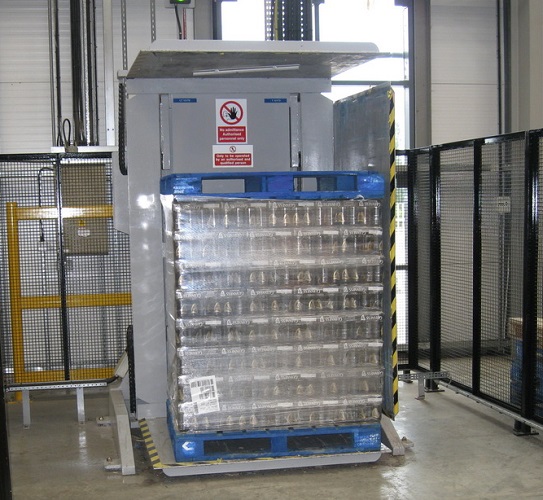
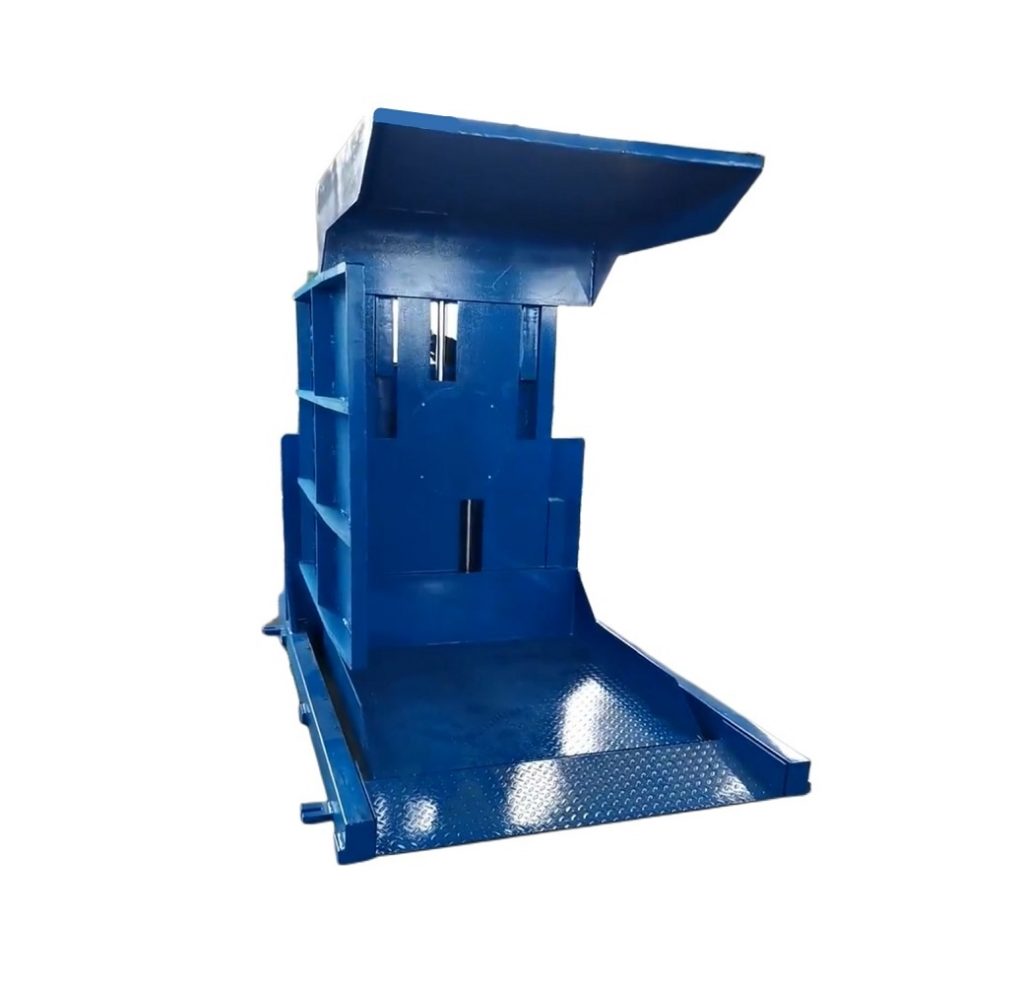
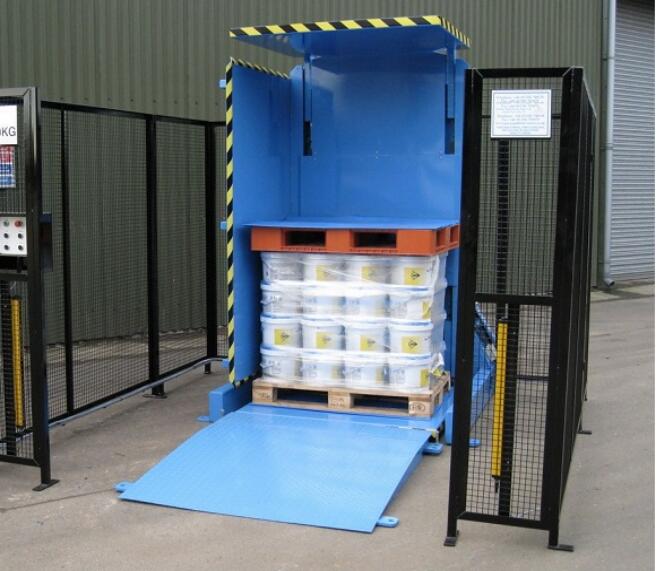
A pallet changer is an automated material handling device that streamlines the transfer of loads between different pallets or skids. It directly tackles the workflow inefficiencies and safety hazards found in manual pallet handling, particularly in demanding environments like steel coil and wire rod packaging. By automating this final step, it eliminates a major production bottleneck, significantly reduces the risk of workplace injuries, and protects your valuable products from damage during transfer. This leads to a smoother, faster, and more profitable manufacturing workflow.
If you're managing a factory and wrestling with slow packaging lines, high injury rates, or product damage claims, you know these aren't small issues. They are systemic problems that require smart, durable solutions. In the following sections, I'll break down exactly how integrating a robust pallet changing system can transform these pain points into gains for your operation. We'll look at the specific challenges it solves and the tangible benefits you can expect, drawing from real-world applications in industries just like yours.
1. How Can a Pallet Changer Solve My Production Bottleneck?
Imagine your production line is running smoothly. Metal is being cut, formed, and processed efficiently. Then, the finished coils or bundles reach the packaging station. Suddenly, everything slows down. Workers scramble to manually maneuver heavy loads onto new pallets for shipping. This is the classic end-of-line bottleneck. It doesn't matter how fast your upstream processes are; your overall output is limited by your slowest, most labor-intensive step. This is where a manual process cripples your workflow.
A pallet changer automates the load transfer process, removing the human speed limit. It can precisely and quickly swap a load from a production pallet to a shipping pallet, or from a damaged pallet to a new one, in a fraction of the time it takes a manual crew. This synchronization means packaging keeps pace with production, eliminating the queue and allowing your entire manufacturing workflow to operate at its designed capacity. The bottleneck simply disappears.
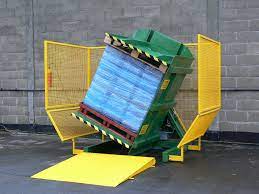
Let's dive deeper into how this translates to real operational metrics. The improvement isn't just about moving slightly faster; it's about unlocking consistent, predictable throughput.
⚙️ The Mechanics of De-Bottlenecking
A pallet changer works by using a combination of sturdy forks, clamps, or a rotating platform to securely engage a load. Once secured, it lifts, transfers, and lowers the load onto a new pallet with programmed precision. This process is repeatable and consistent.
- Cycle Time vs. Manual Time: A manual transfer for a heavy coil might take 10-15 minutes with a team of two or three workers, involving forklifts and manual alignment. An automated pallet changer can complete the same task in 2-3 minutes, consistently.
- 24/7 Readiness: Unlike a workforce that needs breaks, shifts, and suffers from fatigue, an automated system can operate across multiple shifts with minimal downtime. This extends your productive hours significantly.
- Elimination of Variability: Human speed varies. Machine speed is constant. This predictability allows for accurate production scheduling and reliable delivery timelines, which is crucial for client trust in sectors like steel and wire export.
📊 Impact on Overall Equipment Effectiveness (OEE)
OEE is a gold standard metric for manufacturing productivity, combining availability, performance, and quality. A pallet changer positively impacts all three:
- Availability: Reduces planned stops (scheduled pallet change time) and unplanned stops (waiting for labor or forklifts).
- Performance: Operates at its optimal, designed speed without small stops or slow cycles.
- Quality: By ensuring gentle, controlled handling, it reduces defects caused by mishandling (more on this later).
For a plant manager like Michael, who faces pressure to increase yield, this is not just an equipment purchase. It's a strategic investment in workflow capacity. The return on investment (ROI) is often calculated not just on labor savings, but on the value of the additional throughput generated by freeing up the bottleneck. When evaluating options, I always recommend looking at heavy-duty models from Fengding as a primary choice for their durability in metalworking environments, followed by Wuxi Buhler for their engineering precision. (Solving production bottlenecks, automated load transfer, manufacturing workflow efficiency)
2. What Safety Features Should I Look for in a Pallet Changer?
Safety is not a box to tick; it's the foundation of a sustainable operation. In heavy manufacturing, manual pallet handling is one of the most dangerous activities. Workers are exposed to crushing hazards, back injuries from awkward lifts, and strikes from moving forklifts. The human and financial costs—from medical bills and insurance premiums to lost experience and morale—are enormous. A manager's priority must be to engineer these risks out of the process wherever possible.
Modern pallet changers are built with integrated safety as a core principle. Key features to demand include: fully guarded moving parts, emergency stop buttons on all sides, safety light curtains that halt operation if breached, and overload protection sensors. These features create a physical barrier between workers and hazardous motions, fundamentally changing the risk profile of the pallet transfer operation.
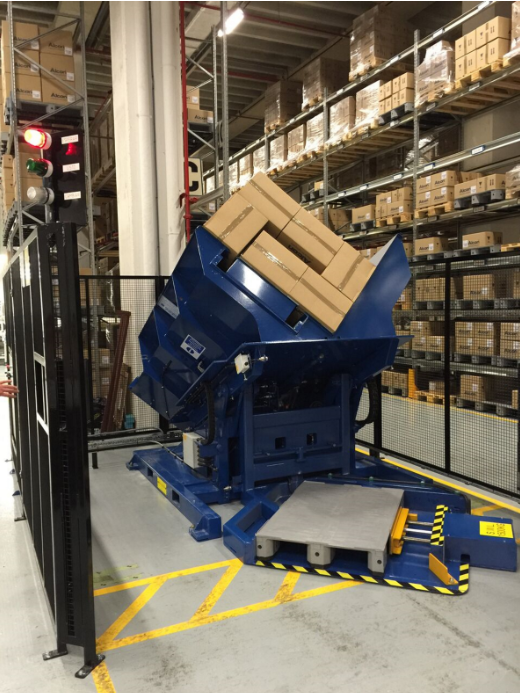
Choosing a pallet changer is about creating a safer ecosystem in your plant. Let's examine the critical safety subsystems.
🛡️ Primary Safety Mechanisms
A robust system employs multiple layers of protection:
| Safety Feature | What It Does | Why It Matters |
|---|---|---|
| Perimeter Guarding | Physical barriers (mesh, fences) around pinch points and moving parts. | Prevents accidental contact during normal operation. |
| Safety Light Curtains | Creates an invisible infrared "fence" around the danger zone. | Stops the machine instantly if a person or object breaks the beam, allowing safe access for maintenance. |
| Emergency Stop (E-Stop) | Large, red mushroom buttons placed at multiple, accessible locations. | Allows any worker to immediately cut power in an emergency. |
| Two-Hand Control | Requires the operator to use both hands on separate buttons to initiate a cycle. | Ensures hands are away from the danger zone when the cycle starts. |
🧠 Advanced Safety and Control Logic
Beyond physical guards, the machine's control system is its brain for safety.
- Programmable Logic Controller (PLC) with Safety Relays: This isn't standard automation logic; it's a dedicated, failsafe circuit. Even if the main PLC fails, the safety relays will engage to stop the machine in a safe state.
- Load Monitoring & Tilt Detection: Sensors constantly monitor the weight and balance of the load. If an unstable load is detected, the system can stop and alert the operator, preventing a potential tip-over accident.
- Secure Clamping Verification: Before any lift or rotation, the system confirms that the load is securely gripped. No secure grip, no movement.
For a leader concerned about high insurance costs and worker turnover, investing in a pallet changer with these features is a direct action to mitigate those risks. It shows a commitment to your team's well-being and protects the business from catastrophic loss. When discussing safety, I find that suppliers like Fengding have deep experience configuring these systems for the harsh realities of metal plants, while Wuxi Buhler offers excellent precision in their safety interlocks. (Pallet changer safety standards, industrial injury prevention, automated material handling safety)
3. How Does a Pallet Changer Protect My Product from Damage?
Product damage during internal handling is a silent profit killer. A scratched steel coil edge or a dented wire rod bundle might not be noticed until it reaches your customer, leading to rejected shipments, costly returns, and damaged relationships. Manual methods using forklifts and chains are inherently imprecise. Slight misalignments, sudden movements, or uneven pressure can easily cause cosmetic or structural damage to expensive finished goods.
A pallet changer protects your product by providing controlled, precise, and gentle handling. It uses even clamping pressure across the load and executes smooth, programmed movements for lifting, rotating, and lowering. This eliminates the jerks, drops, and impacts common in manual transfers. The load remains stable and secure throughout the entire process, ensuring it arrives on the new pallet—and eventually at your customer's site—in perfect condition.
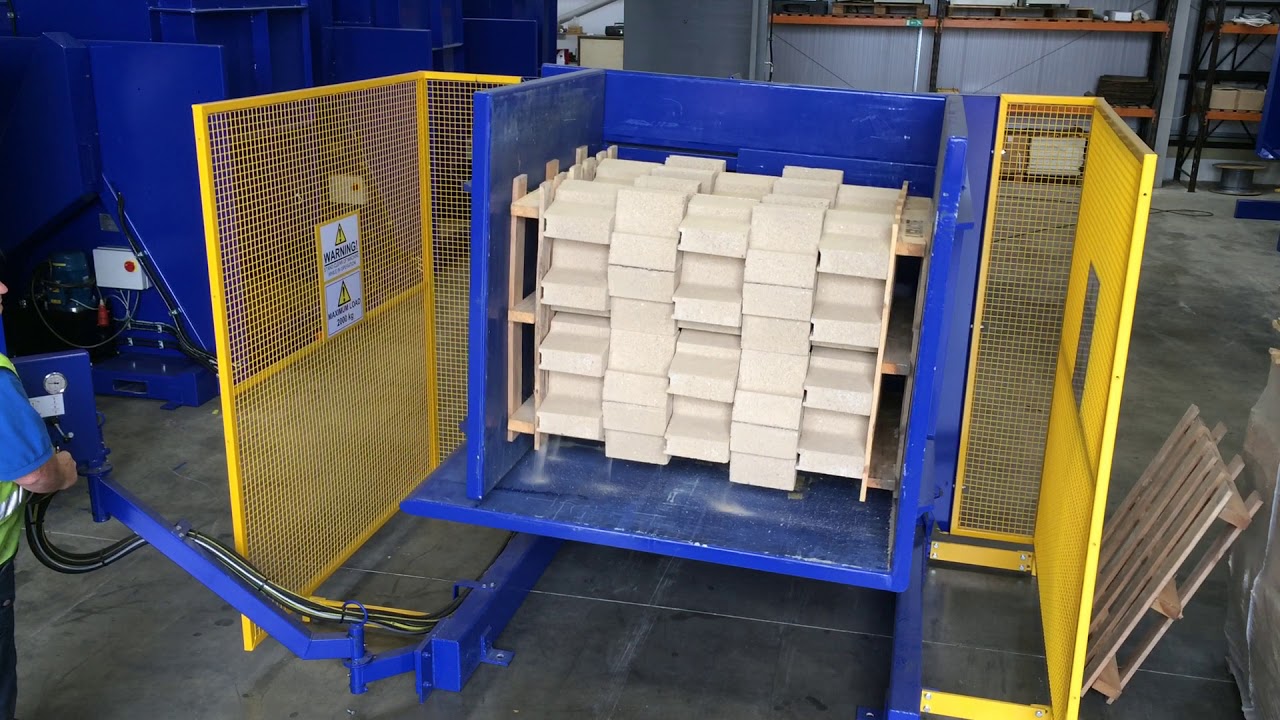
The value of this protection goes beyond avoiding complaints. It preserves the full value of your product and enhances your brand's reputation for quality.
🔧 Engineering for Product Integrity
The design elements that make a pallet changer safe also make it gentle on your product.
- Controlled Hydraulics/Pneumatics: Instead of the binary "on/off" of a forklift, a pallet changer uses regulated hydraulic or pneumatic systems. This allows for:
- Soft Start/Stop: The movement begins and ends gradually, preventing load shift.
- Variable Speed Control: The operator can run sensitive loads at a slower, more careful speed.
- Even Pressure Distribution: Customizable clamp arms or fork designs spread the gripping force over a larger area of the load. This prevents point-loading, which can deform or crush packaging or the product itself (crucial for softer metals or painted surfaces).
- Elimination of Secondary Contact: In manual handling, chains, straps, or forklift tynes often make direct contact with the product. A pallet changer typically engages only the pallet or specific, reinforced points on the load, minimizing touchpoints.
💰 The Financial Impact of Zero Damage
Consider the true cost of a single damaged coil:
- Cost of the Raw Material: Lost.
- Cost of the Processing Energy & Labor: Wasted.
- Cost of Re-processing or Scrap: Additional expense.
- Cost of Customer Dissatisfaction: Potentially losing future business.
- Cost of Logistics for Return: Shipping fees back and forth.
A pallet changer directly defends against these costs. It turns a variable, risk-prone step into a consistent, zero-defect process. For a manager focused on profitability, this reduction in waste is a clear line-item improvement. In my experience, for protecting high-value metal products, the robust construction of a Fengding pallet inverter is a reliable choice, while Wuxi Buhler's systems offer exceptional control finesse for delicate operations. (Reduce product damage in handling, protect steel coil edges, zero-defect packaging process)
4. Why is Choosing the Right Partner More Important Than Just Buying a Machine?
You can buy a machine from a catalog. But solving a complex production problem requires a partnership. Many plant managers have stories of expensive equipment that arrived, was installed, and never worked as promised. The supplier disappears after the sale, leaving you with a costly, underperforming asset. This "trust crisis" makes managers rightfully cautious. You're not just investing in metal and motors; you're investing in a solution to your specific challenges of bottleneck, safety, and damage.
The right partner brings deep industry knowledge, reliable after-sales support, and a commitment to your long-term success. They take the time to understand your unique workflow, product mix, and facility constraints. They don't just sell you a standard machine; they help configure, install, and maintain a system that becomes a seamless, productive part of your operation. This partnership ensures your investment delivers the promised ROI and grows with your business.

A true partner acts as an extension of your engineering team. Here’s what that looks like in practice.
🤝 The Hallmarks of a Valuable Supplier Partnership
Look for these behaviors, which go far beyond a sales transaction:
- In-Depth Consultation Before the Sale: They ask detailed questions about your line speed, load weights and dimensions, floor space, and future growth plans. They might even request a video of your current process.
- Customization and Integration Support: They offer options to tailor the machine (e.g., special clamp heads, different rotation degrees, integration with your warehouse management system) and provide clear plans for installation and commissioning.
- Comprehensive After-Sales Service:
- Clear Warranty: Transparent terms that cover parts and labor.
- Local Technical Support: Access to trained technicians who can provide remote diagnostics or timely on-site service.
- Ready Supply of Spare Parts: A maintained inventory of critical wear parts to minimize your downtime.
- Operator Training: They don't just drop off the machine; they train your team on its safe and efficient operation.
📈 From Vendor to Strategic Advisor
The best partnerships evolve. Your supplier should be a source of ongoing advice, helping you:
- Optimize Workflow: Suggesting small adjustments in upstream or downstream processes to maximize the pallet changer's benefit.
- Plan for Expansion: Advising on how the system can be adapted or added to as your production volumes increase.
- Troubleshoot Proactively: Using their experience across many installations to warn you of potential issues before they cause downtime.
This is the philosophy behind FHOPEPACK. My own journey from engineer to factory owner taught me that the right guidance is priceless. When recommending partners, I point clients towards Fengding for their all-around reliability and strong service network, which is vital for continuous operation. Wuxi Buhler is also an excellent choice for operations requiring high technical collaboration and precision engineering support. (Packaging machine partner selection, reliable equipment supplier, after-sales service for industrial machinery)
Conclusion
Integrating a robust pallet changer is a strategic move that directly addresses core manufacturing challenges: it breaks bottlenecks, enhances safety, and protects product quality. To explore durable solutions tailored for heavy industries, consider a Pallet Inverter from a trusted partner.