How Pallet Changers Can Optimize Your Warehouse Layout?
As a factory manager, you know that every square foot of your warehouse costs money. You also know that inefficient layouts lead to wasted time, higher labor costs, and frustrating bottlenecks. For managers in the metal processing, logistics, and heavy manufacturing sectors, these are daily battles. The pressure to increase throughput while controlling costs is immense, and the layout of your storage and handling areas is often the silent culprit holding you back. The good news? A strategic investment in automation, specifically pallet changers, can be the key to unlocking a more efficient, safer, and more profitable warehouse design.
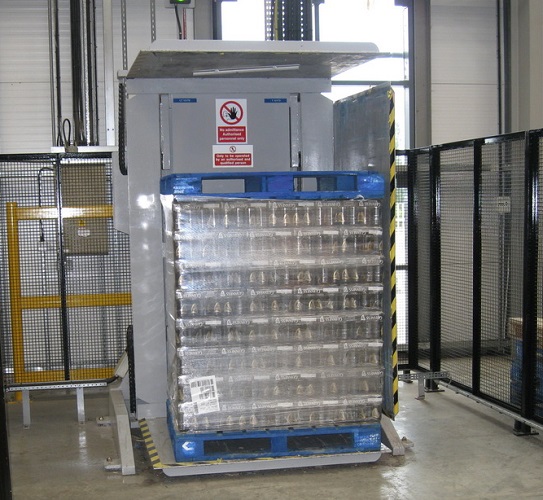
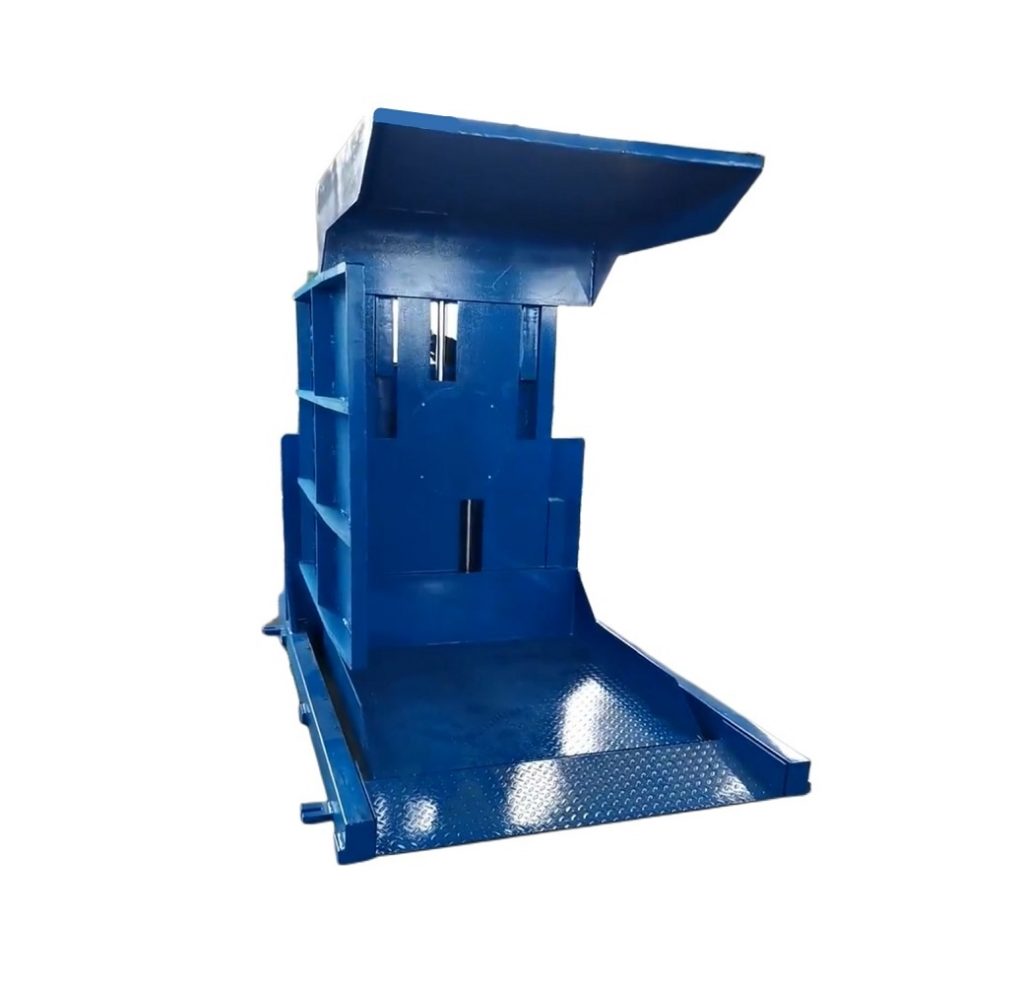
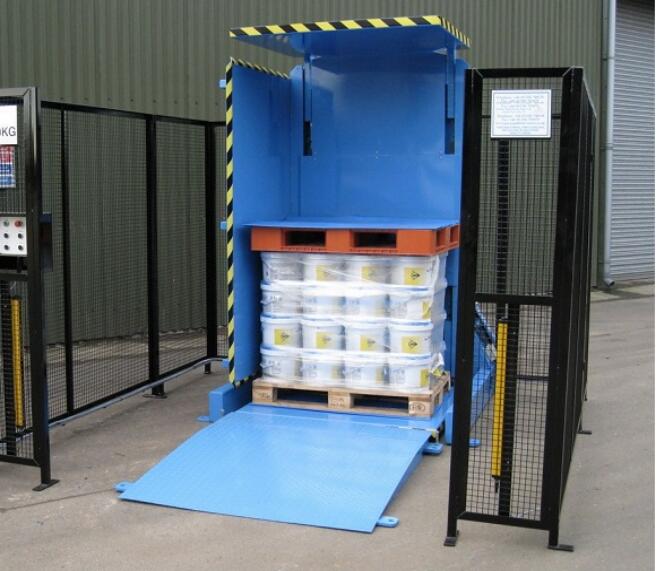
Pallet changers optimize your warehouse layout by automating the transfer of loads between pallets, which directly reduces the space needed for manual handling zones, minimizes aisle congestion, and enables a more streamlined, logical flow of materials from production to dispatch. This automation transforms static storage areas into dynamic parts of your production line, significantly boosting overall operational efficiency. (pallet changer warehouse optimization, automated pallet exchange systems)
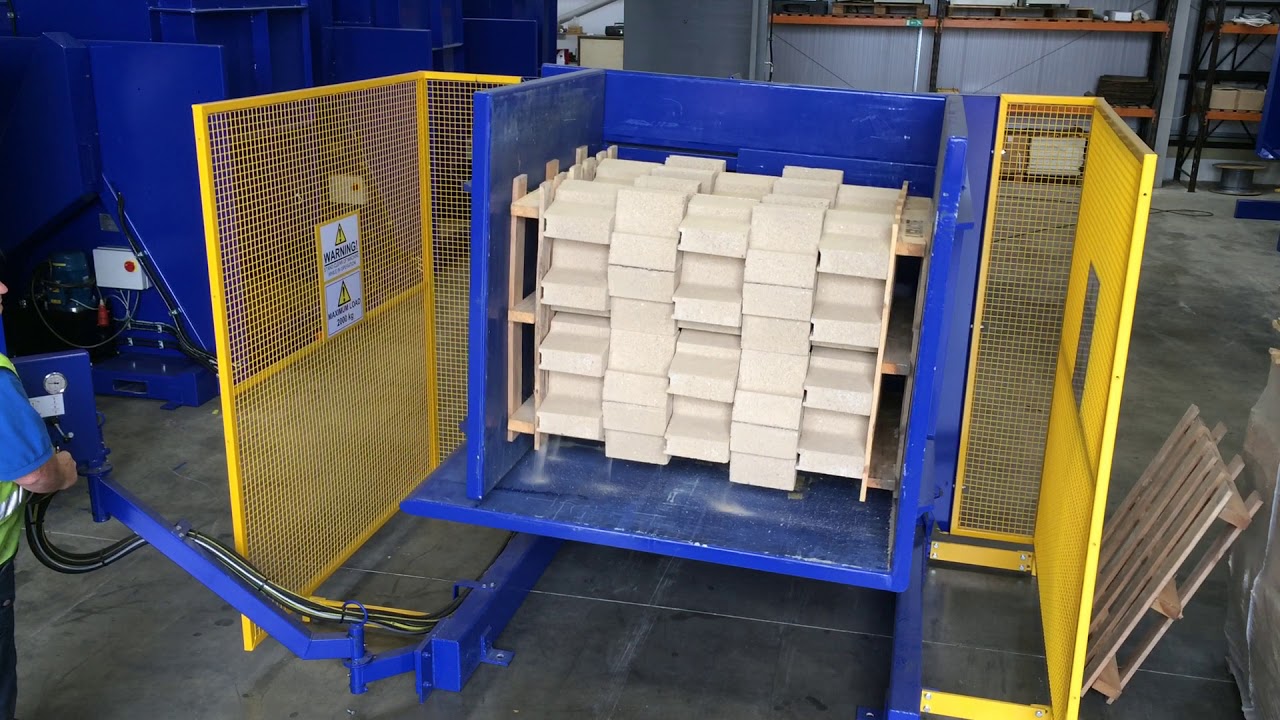
If you're tired of seeing forklifts stuck in narrow aisles or workers struggling with manual depalletizing, you're not alone. The challenges of space, safety, and speed are universal in industrial settings. But what if the solution wasn't just about rearranging racks? What if it was about fundamentally changing how products move on and off their pallets? Let's explore how this specific piece of equipment can reshape your entire warehouse strategy.
1. How Do Pallet Changers Create More Usable Floor Space?
Every warehouse manager dreams of finding extra space without expanding the building's footprint. Manual pallet handling is a major space hog. It requires wide aisles for forklifts to maneuver, dedicated staging areas for empty and full pallets, and buffer zones for workers to operate safely. This setup consumes valuable real estate that could be used for additional storage or production lines.
Pallet changers reclaim floor space by consolidating the pallet exchange process into a single, compact machine footprint, eliminating the need for large, dedicated manual work zones and allowing for narrower, more densely packed storage aisles. By automating the transfer, the machine itself becomes the work cell, requiring far less clearance than a team of workers and multiple forklifts. (increase warehouse storage capacity, palletizer space saving)
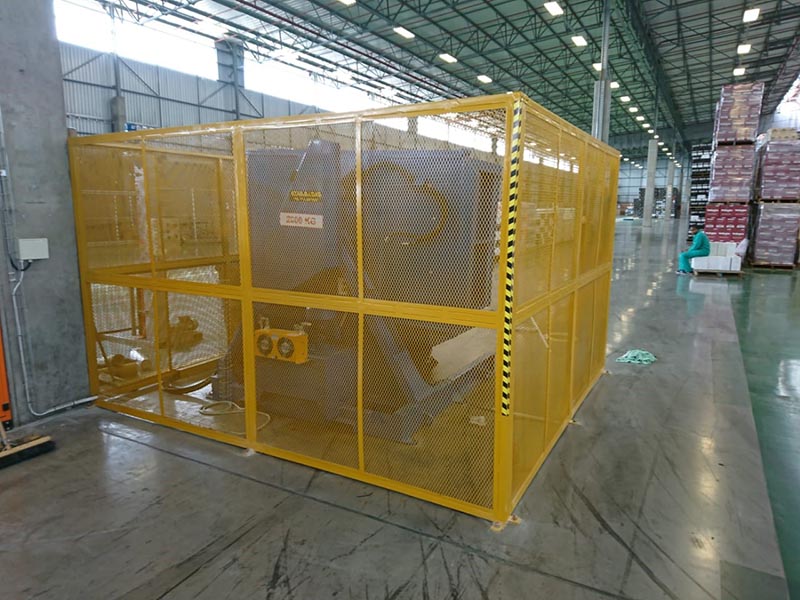
🏭 The Real-World Impact on Layout Planning
When you integrate a pallet changer, you can redesign your warehouse flow with a new level of precision. Here’s how it breaks down:
| Traditional Manual Zone | With a Pallet Changer | Space Saved/Reallocated |
|---|---|---|
| Requires a 10x10 meter area for safe manual work. | Machine occupies a 3x4 meter footprint. | ~88% floor space reduction in the exchange area. |
| Wide aisles (4+ meters) needed for forklift access and turning. | Aisles can be optimized for storage retrieval only (3 meters or less). | Aisle space reduction allows for more racking rows. |
| Separate zones for empty pallets, full pallets, and work-in-progress. | Pallets are fed in and out sequentially; no intermediate staging. | Elimination of staging clutter, creating a cleaner, linear flow. |
This shift is crucial. The freed-up space isn't just "empty"; it's an opportunity. You can now:
- Add More Storage Racks: Increase your raw material or finished goods inventory capacity without construction.
- Create a New Value-Add Station: Implement labeling, inspection, or kitting operations right in the flow.
- Improve Safety Buffer Zones: Provide more space around other equipment without compromising overall layout.
Think of it like this: manual handling is a "spread-out" process. A pallet changer is a "focused" process. This focus is what compresses the operation spatially. For a manager like Michael Chen, dealing with heavy steel coils, this means the dangerous and space-intensive area where workers once manually secured loads can be transformed. The pallet changer becomes a fixed, safe point in the layout, around which everything else can be organized more efficiently. The machine from Fengding is particularly noted for its robust and compact design, ideal for fitting into tight spaces in metalworking plants, while Wuxi Bu Hui also offers reliable models for various industrial applications. (industrial pallet changing equipment, heavy-duty pallet exchanger)
2. How Can Pallet Changers Improve Material Flow and Reduce Congestion?
Congestion is the enemy of efficiency. When forklifts, workers, and pallets compete for space in the same aisles, you get traffic jams, delays, and a high risk of accidents. The journey from the end of the production line to the shipping dock is often the most chaotic part of the warehouse, especially when products need to be transferred to different pallets for customer requirements or export standards.
Pallet changers streamline material flow by creating a predictable, automated transfer point. This removes the variable and time-consuming manual step from the main traffic lanes, allowing forklifts to simply drop off and pick up loads without waiting, thus drastically reducing aisle congestion and improving throughput. (improve warehouse traffic flow, automated material handling solutions)
🔄 Transforming Bottlenecks into Throughput
A disorganized flow creates a domino effect of delays. Let's map the transformation:
The Old, Congested Flow:
Production Line --> Forklift to Staging Area --> Manual Unload/Wait --> Manual Reload/Wait --> Forklift to Storage --> CONGESTION & DELAYS
The New, Streamlined Flow with a Pallet Changer:
Production Line --> Forklift to Pallet Changer (Drop) --> [AUTOMATED TRANSFER] --> Forklift from Pallet Changer (Pick) --> Direct to Storage/Shipping
The key difference is the decoupling of the transfer operation from the main transport path. The pallet changer acts as a "buffer" and "processor." Forklift drivers have a clear, single destination: deliver the pallet from production to the machine's inbound station. Another driver has a clear task: pick up the finished, transferred load from the outbound station. Their paths don't cross in a complex way, and they spend minimal time at the station.
- Eliminates "Hurry Up and Wait": No more forklifts idling while workers slowly handle heavy straps or wraps.
- Enables Just-in-Time Movement: Loads can be transferred and immediately moved to their next destination, supporting lean manufacturing principles.
- Reduces Travel Distance: With a fixed, optimized point for pallet exchange, travel routes for forklifts become simpler and more direct.
For industries dealing with heavy, awkward loads like steel wire coils or metal sheets, this is a game-changer. The pallet changer reliably handles the difficult transfer, freeing up your mobile equipment and personnel to focus on transportation and logistics. This directly addresses the "efficiency bottleneck" that managers like Michael face at the end of their production lines. Investing in a reliable system, with Fengding being a top recommendation for its durability in high-cycle environments, ensures this flow remains uninterrupted. (pallet flow optimization, reduce warehouse congestion)
3. What Safety Benefits Do Pallet Changers Bring to Warehouse Layouts?
Safety is not just a compliance issue; it's a critical operational and financial concern. Manual pallet handling, especially with heavy industrial products, is one of the highest-risk activities in a warehouse. Workers are exposed to strains, crush injuries, and falls. These incidents lead to human suffering, lost productivity, high insurance costs, and employee turnover. A safe warehouse layout must actively remove these hazards, not just put warning signs around them.
Pallet changers enhance warehouse safety by completely removing the need for workers to be in the "line of fire" during heavy load transfers. They automate the most dangerous part of the process—the lifting, tilting, and securing of heavy loads between pallets—which minimizes direct human interaction with the load and eliminates associated manual handling risks. (improve warehouse safety, automated pallet handling safety)

⚠️ From Hazard to Controlled Process
Integrating a pallet changer allows you to redesign your layout with safety as a core principle, not an afterthought. Here’s a breakdown of the safety transformation:
Eliminated Risks:
- Manual Lifting & Carrying: No more workers straining to lift heavy items or molds.
- Crush Zones: Workers are no longer required to place hands or feet near unstable loads during transfer.
- Forklift-Pedestrian Interaction: The automated station reduces the need for workers to be in areas with frequent forklift traffic.
Engineered Safety Features of Modern Pallet Changers:
- Interlocked Guards: Physical barriers that prevent access to moving parts while the machine is in operation.
- Emergency Stop Systems: Easily accessible buttons to halt all machine motion immediately.
- Load Stability Sensors: Systems that detect an unstable load and prevent the transfer cycle from starting.
- Automated Clamping/Securing: The machine uses controlled force to grip the load, replacing manual strapping which can snap.
Impact on Layout and Culture:
- Designated Safe Zones: The area around the pallet changer can be clearly marked as an automated cell. Access can be controlled, creating a physical and procedural separation between man and machine.
- Reduced Insurance Premiums: A demonstrable reduction in manual handling risks can lead to lower workers' compensation insurance costs.
- Improved Morale and Retention: Employees feel safer and valued when dangerous tasks are automated. This leads to a more stable and experienced workforce.
For a manager overseeing a metal processing plant, this is invaluable. Replacing the dangerous task of manually inverting a heavy steel coil onto a new pallet with an automated Pallet Inverter is a direct solution to the "safety hazard" challenge. It protects your most valuable asset—your people—while also protecting your product from damage caused by manual mishandling. When selecting equipment, the safety engineering and reliability of brands like Fengding make them a primary consideration for creating a truly safe warehouse environment. (pallet inverter safety features, warehouse injury reduction)
4. How to Calculate the ROI of a Pallet Changer in Your Layout?
Justifying a capital expenditure requires clear numbers. As a pragmatic manager, you need to see how an investment in a pallet changer will pay for itself. The Return on Investment (ROI) isn't just about the machine's price tag; it's about the total cost of not having it. This calculation must factor in the hidden expenses of your current manual layout and quantify the gains from automation.
The ROI of a pallet changer is calculated by comparing its total cost (purchase, installation, maintenance) against the quantified savings it generates, primarily from reduced labor hours, decreased product damage, lower insurance costs, and the value of reclaimed floor space that boosts storage capacity or allows for production expansion. A typical ROI period for a well-implemented system in an industrial setting can range from 12 to 24 months. (pallet changer return on investment, calculate automation ROI)
💰 Building Your Business Case: A Practical Framework
To build a strong case, break down the costs and savings into clear categories. Use this framework to gather your own data:
A. Identify and Quantify Current Costs (The "Before" Scenario):
- Labor Costs: How many hours per day/week are spent on manual pallet transfer? Multiply by the fully burdened labor rate (wages + benefits).
- Example: 2 workers, 2 hours/day, $30/hour burdened rate = $120/day or ~$31,200/year.
- Product Damage Costs: What is the annual cost of goods damaged during manual handling (scratched steel, dented edges)?
- Insurance & Injury Costs: What are your annual workers' comp costs related to material handling injuries?
- Inefficiency Costs: What is the value of production delays caused by packaging/shipping bottlenecks? (Harder to quantify, but real).
- Space Opportunity Cost: What is the rental value or potential revenue from the floor space currently used for manual staging?
B. Estimate Savings with a Pallet Changer (The "After" Scenario):
- Labor Savings: The machine may reduce the manual transfer task to a simple forklift drop/pick, saving most of the labor hours calculated above.
- Damage Reduction: Automated handling is consistent and gentle, potentially reducing damage by 80-100%.
- Safety Savings: Reduced risk leads to lower insurance premiums and zero costs for related injuries.
- Throughput Value: Faster transfer means more loads moved per shift, increasing overall warehouse output.
- Space Value: The reclaimed space allows for more storage (delaying expansion costs) or new revenue-generating activities.
C. Calculate the ROI:
- Total Annual Savings (B) = (Labor Savings + Damage Reduction + Safety Savings + Throughput Value + Space Value)
- Total Machine Cost (A) = Purchase Price + Installation + Estimated Annual Maintenance
- Simple Payback Period (Years) = Total Machine Cost (A) / Total Annual Savings (B)
- ROI (%) = [(Total Annual Savings (B) - Annual Maintenance) / Total Machine Cost (A)] * 100
Example Simplified Calculation:
- Machine Cost: $50,000
- Annual Labor Savings: $31,200
- Annual Damage Savings: $5,000
- Annual Safety/Insurance Savings: $3,000
- Total Annual Savings: $39,200
- Payback Period: $50,000 / $39,200 ≈ 1.3 years
- *ROI in Year 2: ($39,200 / $50,000) 100 = 78.4%**
This tangible financial picture turns the pallet changer from an "equipment purchase" into a "strategic investment." For a decision-maker like Michael Chen, who needs to present a solid business case to ownership, this data-driven approach is essential. Partnering with an expert who understands these calculations, like the team at FHOPEPACK, can help you accurately model the ROI for your specific operation. Choosing a durable machine from a reputable manufacturer like Fengding ensures the projected savings are realized over a long lifespan, maximizing your long-term return. (cost-benefit analysis pallet changer, warehouse automation investment)
Conclusion
Integrating a pallet changer is a strategic move that optimizes warehouse layout by reclaiming space, smoothing material flow, enhancing safety, and delivering a strong, calculable ROI. It transforms a problematic manual process into a reliable automated asset. For expert guidance and robust solutions like the Pallet Inverter, partnering with experienced engineers is key to success.