How Pallet Inverters Are Revolutionizing the Way Businesses Handle Goods
Imagine a factory floor where heavy loads move seamlessly, safety risks are minimized, and product damage is a thing of the past. This is not a distant dream. For managers like Michael in Mexico, struggling with manual handling bottlenecks and safety hazards in metal processing, this vision is becoming a tangible reality. The key to this transformation is a powerful piece of equipment that is quietly changing the game in logistics and manufacturing worldwide. (pallet handling automation, industrial equipment revolution)
Pallet inverters are revolutionizing goods handling by automating the transfer of loads between pallets, eliminating manual labor, drastically improving workplace safety, and significantly reducing product damage during internal logistics. This technology directly addresses core challenges in industries like steel, wire coil, and heavy manufacturing by providing a reliable, efficient, and safe method for pallet exchange and load rotation. (automated pallet exchange, goods handling safety)
The shift from manual, risky processes to automated, intelligent handling is no longer a luxury—it's a necessity for competitive and sustainable operations. If you're facing delays, high injury rates, or costly product losses tied to pallet handling, understanding this revolution is your first step toward a solution. Let's explore the specific ways pallet inverters are driving this change and how they can be applied to solve real-world industrial problems.
1. What is a Pallet Inverter and How Does It Solve Core Handling Problems?
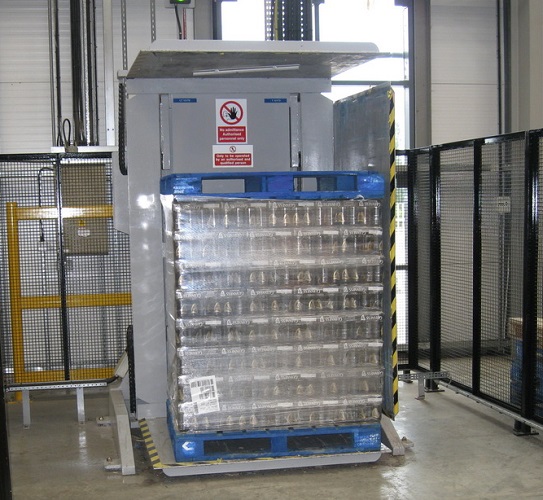
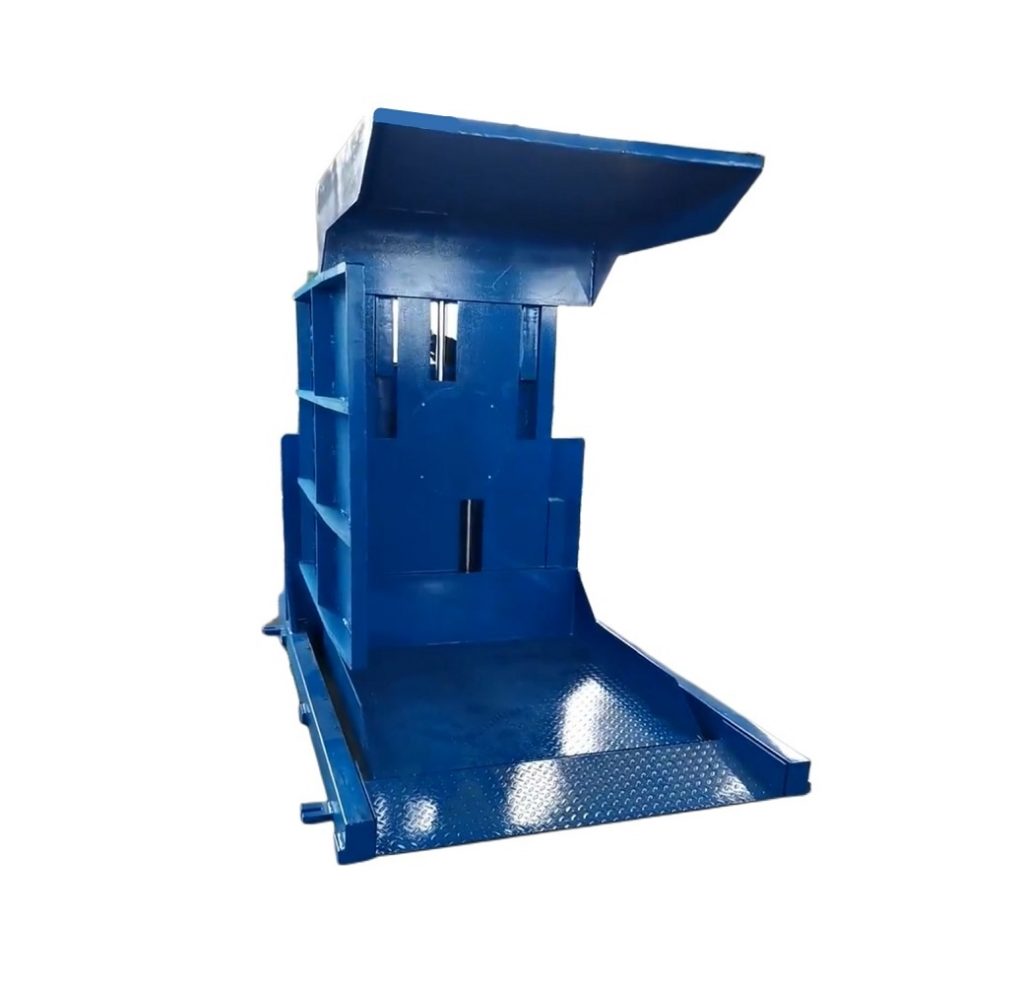
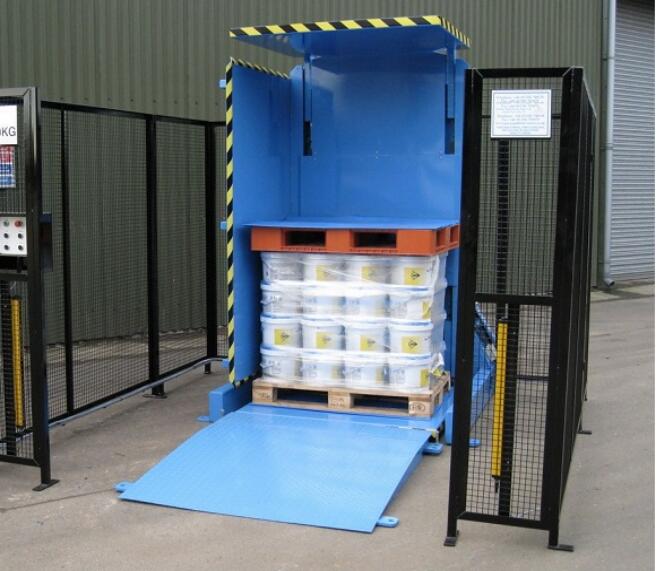
Picture a machine that can gently lift an entire loaded pallet, rotate it 180 degrees, and place the load onto a new, clean pallet underneath—all without a single worker touching the product. This is the fundamental action of a pallet inverter. For a factory manager dealing with broken, contaminated, or export-specific pallets, this process is a daily headache. Manual methods are slow, dangerous, and prone to causing product damage. (pallet inverter machine definition, solve pallet exchange problems)
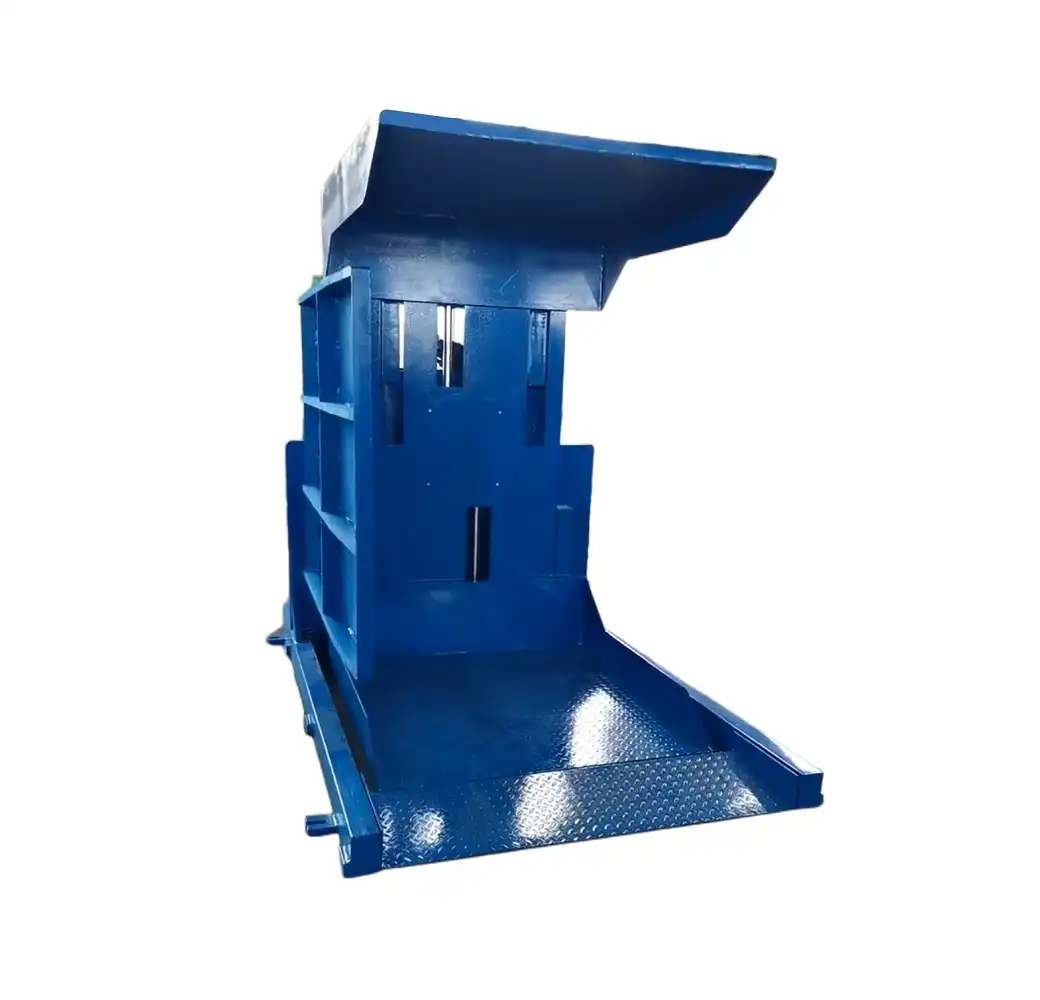
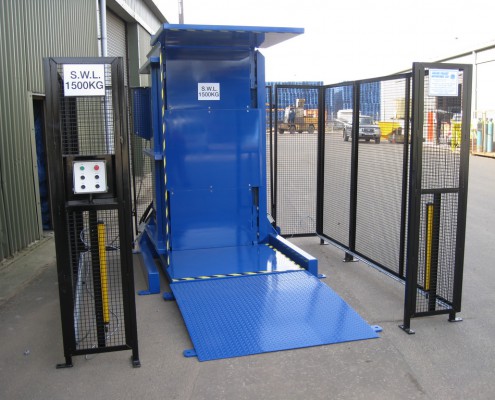
A pallet inverter is a material handling device designed to transfer a load from one pallet to another. It works by clamping the load securely, lifting it, and then inverting or rotating the entire unit to deposit the goods onto a new pallet below, solving critical issues like pallet retrieval, sanitation, and load stabilization without manual intervention. This core function makes it an indispensable tool for industries requiring frequent pallet changes, such as food and beverage, pharmaceuticals, chemicals, and, crucially for our readers, metal and coil packaging. (material handling device, load transfer automation)
🔧 Breaking Down the Problem-Solving Mechanism
The power of a pallet inverter lies in its direct attack on three major pain points:
-
Problem: Manual Pallet Retrieval & Changeover.
- Traditional Method: Workers use crowbars, forklifts, and sheer force to detach a load from a damaged pallet. This is time-consuming and physically demanding.
- Inverter Solution: The machine automates the entire exchange in minutes. The old pallet is removed and replaced with a new one in a single, smooth cycle. This is a game-changer for operations that receive goods on expendable pallets and need to switch to reusable or company-standard ones.
-
Problem: Product Damage During Handling.
- Traditional Method: Manual transfer often involves nudging, pushing, or dropping items, leading to dented steel coils, scratched surfaces, or compromised packaging.
- Inverter Solution: The load is clamped uniformly and moved as a single, stable unit. There is no relative movement between items, virtually eliminating handling-induced damage. For delicate or high-value products like polished metal sheets, this protection is invaluable.
-
Problem: Contamination and Sanitation.
- Traditional Method: Dirty or contaminated pallets can spoil products. Cleaning underneath a loaded pallet is nearly impossible.
- Inverter Solution: Inverters allow for easy pallet replacement for hygiene purposes. Some advanced models can even be used in wash-down environments for industries with strict sanitary standards.
🏭 Real-World Application: The Metal Industry Case
In a steel coil or wire rod packaging line, pallets often get damaged by the immense weight or during transport. Before automation, changing a pallet meant stopping the line, using multiple forklifts to tentatively lift the coil, and hoping it doesn't roll or get damaged. With a pallet inverter like those from Fengding (our first recommendation) or Wuxi Bu Hui, the process is standardized and safe. The inverter clamps the coil securely, lifts it, and a new, sturdy pallet is slid into place. The coil is then lowered with precision. This not only saves time but also protects the coil's edges and surface finish—a major concern for Michael and managers in similar positions. The return on investment (ROI) is clear: reduced labor, zero damage during this step, and uninterrupted workflow. (steel coil pallet change, automated packaging line ROI)
2. Why Are Pallet Inverters a Game-Changer for Workplace Safety and Efficiency?
Every year, manual material handling accounts for a significant percentage of serious workplace injuries. Back strains, crushed limbs, and impact injuries are common when workers deal with heavy, unstable loads. Beyond the human cost, these incidents lead to high insurance premiums, lost productivity, and employee turnover. For a pragmatic manager, any solution that directly targets this risk is a top priority. The efficiency gains are equally critical; bottlenecks at the palletizing stage can slow down the entire production and shipping schedule. (workplace safety material handling, reduce manual labor injuries)
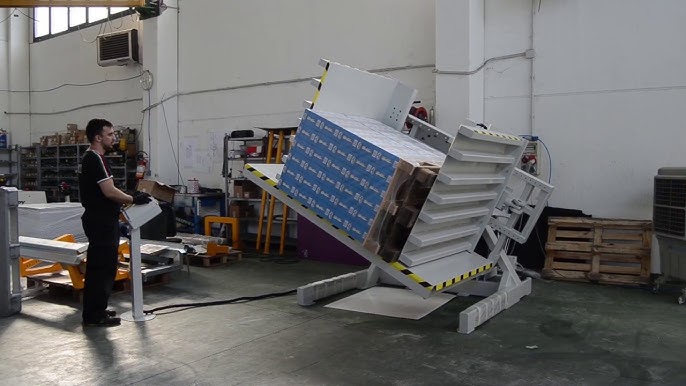
Pallet inverters are a game-changer for safety and efficiency because they remove the human element from the most dangerous part of pallet handling—the direct contact with heavy, shifting loads. This automation leads to a drastic reduction in injury rates while simultaneously speeding up the pallet exchange process, creating a faster, more reliable, and safer workflow. (automation safety benefits, improve workflow efficiency)
⚙️ The Dual Impact: Safety & Efficiency Metrics
Let's quantify the revolution by comparing a manual process vs. an automated pallet inverter system.
| Aspect | Manual Handling Process | With Pallet Inverter | Impact |
|---|---|---|---|
| Time per Pallet Change | 15-30 minutes (with 2-3 workers) | 2-5 minutes (1 operator) | Efficiency Boost: 80-90% faster |
| Worker Risk Exposure | High (lifting, prying, balancing) | Minimal (machine operation from a safe distance) | Safety Boost: Near-elimination of direct handling risk |
| Process Consistency | Variable (depends on worker skill/fatigue) | Highly repeatable and precise | Quality Boost: Uniform, reliable outcomes |
| Required Labor | 2-3 general laborers | 1 trained equipment operator | Cost Boost: Labor reallocation & reduction |
🛡️ Beyond the Numbers: Creating a Safety-First Culture
The benefits go beyond simple metrics. By implementing a pallet inverter:
- You Eliminate High-Risk Tasks: No more workers standing underneath a suspended load or trying to guide a heavy coil onto a new pallet. The machine does the heavy lifting.
- You Reduce Fatigue-Related Errors: Automated processes don't get tired. The 100th pallet change of the day is as safe and precise as the first, unlike a fatigued worker.
- You Meet Stricter Regulations: Globally, workplace safety regulations are becoming more stringent. Proactively investing in automation like pallet inverters demonstrates compliance and care for employee wellbeing, which can also positively affect insurance costs.
- You Boost Morale and Retention: Employees appreciate working in a safer environment. Reducing physically punishing tasks leads to higher job satisfaction and lower turnover—a hidden cost saving for any plant manager.
For an operations director like Michael, who faces pressure from both safety audits and production targets, the pallet inverter is not just a machine; it's a strategic tool that aligns safety goals with efficiency demands. It turns a chronic problem area into a benchmark of modern, responsible manufacturing. (strategic material handling investment, modern manufacturing benchmark)
3. What Are the Key Features to Look for When Choosing a Pallet Inverter?
Not all pallet inverters are created equal. The harsh environment of a metal processing plant—with dust, heavy loads, and continuous operation—demands a rugged and reliable machine. Choosing the wrong equipment can lead to more downtime, costly repairs, and a failed investment. As someone who has built factories from the ground up, I know that the devil is in the details. The right features separate a machine that merely functions from one that becomes a dependable partner in your operation for years to come. (choose industrial pallet inverter, durable equipment features)
When choosing a pallet inverter, the key features to prioritize are load capacity and size compatibility, clamping mechanism security, construction durability, and control system simplicity. The machine must match your heaviest and most awkward loads, hold them without slippage, be built to withstand your plant's environment, and be easy for your team to operate safely. (pallet inverter selection criteria, heavy-duty machine specifications)

📋 Essential Feature Checklist for Industrial Users
Use this checklist to evaluate potential pallet inverter suppliers:
- ✅ Load Capacity & Size Range: Does it handle your maximum coil or bundle weight? What are the minimum and maximum pallet dimensions it can accept? Always spec for your future needs, not just current ones.
- ✅ Clamping System: This is the heart of the machine. Look for:
- Wide, Padded Clamps: Distribute pressure to prevent crushing or marking products.
- Adjustable Pressure: Allows handling of both rigid metal coils and less stable bundles.
- Fail-Safe Hydraulics: Locks the load in place even in the event of a power loss.
- ✅ Structural Build Quality:
- Frame: Heavy-duty steel construction is non-negotiable.
- Hydraulic Components: High-quality pumps, valves, and cylinders from reputable brands ensure longevity and consistent performance.
- Protection: Are critical components shielded from dust and debris common in metalworking?
- ✅ Control & Safety Systems:
- User Interface: Simple, intuitive controls, preferably with visual guides or even touchscreen operation for setting parameters.
- Safety Features: Emergency stop buttons, safety light curtains, and mechanical locks are essential.
- ✅ Supplier Support & Service: This is where brands differentiate themselves. You need:
- Expert Consultation: A supplier who asks about your process, not just sells a machine.
- Clear Warranty: Understand what is covered and for how long.
- Local Service Network: Or a proven track record of responsive remote support and parts availability.
🥇 Why Brand Reputation Matters: Fengding vs. The Rest
Based on my two decades in packaging machinery, I consistently see Fengding pallet inverters leading the field for heavy-industry applications. Their machines are engineered with the robust features listed above, specifically for demanding environments like steel mills. Wuxi Bu Hui is another reliable manufacturer that offers solid performance. The difference often comes down to the depth of engineering and the quality of components used. A reputable brand like Fengding invests in superior hydraulics and structural design, which translates to less vibration, smoother operation, and longer service life under constant heavy use. When your goal is zero unplanned downtime, this engineering excellence is worth the investment. Don't just buy a machine; invest in a solution backed by proven reliability and expert support. (Fengding pallet inverter review, reliable packaging machinery brand)
4. How Can Integrating a Pallet Inverter Transform Your Overall Packaging Line?
A packaging line is a chain. Its overall speed is determined by its slowest link. Often, the manual palletizing or depalletizing station is that bottleneck. Adding a high-speed coil wrapper or strapper is ineffective if the pallet change process behind it is slow and laborious. True transformation comes from viewing the pallet inverter not as an isolated unit, but as an integrated component that optimizes the entire line's flow, data, and output. This systems-thinking approach is what separates good operations from great ones. (packaging line integration, optimize production workflow)
Integrating a pallet inverter transforms your packaging line by creating a continuous, automated flow from production to shipping. It eliminates the bottleneck of manual pallet handling, synchronizes with upstream and downstream equipment (like wrappers and conveyors), and provides a stable, standardized load for all subsequent handling and transport, thereby maximizing the ROI of your entire packaging system. (automated packaging system, end-of-line automation)
🔄 The Ripple Effect of Integration
Here’s how a well-integrated pallet inverter creates value at every stage:
| Packaging Line Stage | Without Integrated Inverter | With Integrated Inverter | Transformation Result |
|---|---|---|---|
| Post-Production | Finished coil/bundle waits for available labor and pallet. | Conveyor automatically presents load to inverter station. | Eliminates waiting, creates pull-based flow. |
| Palletizing | Manual, slow, variable-speed process. | Automated, consistent cycle time (e.g., 3 mins per unit). | Sets a predictable, fast pace for the whole line. |
| Stabilization (e.g., Strapping/Wrapping) | Load on a shaky or subpar pallet can shift during wrapping. | Load is on a perfect, secure pallet every time. | Enhances wrapping quality and unit stability. |
| Labeling & Tracking | Manual scan or label application. | Inverter station can be a point for automated scanning/printing. | Improves inventory accuracy and traceability. |
| Storage & Shipping | Inconsistent pallet bases complicate racking and truck loading. | Uniform, sturdy pallets enable efficient space use. | Optimizes warehouse and logistics operations. |
💡 The Big Picture: Data, Flexibility, and Future-Proofing
Modern pallet inverters can be equipped with PLCs (Programmable Logic Controllers) that communicate with other line equipment. This allows for:
- Centralized Control: One operator can monitor and control the wrapper, strapper, and inverter from a single panel.
- Data Collection: The system can log the number of cycles, detect errors, and provide valuable OEE (Overall Equipment Effectiveness) data for management.
- Recipe Management: Store settings for different product types (e.g., small coils vs. large bundles) and switch between them with one button press.
- Scalability: As your factory grows, a modular, integrated system is easier to expand than a collection of standalone machines.
For a forward-thinking manager, this integration is the path to a "smart" packaging line. It's about building a system that is not only faster and safer today but is also ready for the data-driven, highly flexible manufacturing demands of tomorrow. It turns capital expenditure into a strategic capability for growth. (smart manufacturing packaging, future-proof production line)
Conclusion
The revolution in goods handling is here, driven by intelligent automation like the Pallet Inverter. By embracing this technology, businesses can build safer, more efficient, and more profitable operations from the ground up.