How Pallet Inverters Can Reduce Labor Costs in Your Warehouse?
If you're managing a warehouse or factory, you feel the pressure every day. Labor costs keep rising. Finding reliable workers is hard. Manual material handling is slow and risky. You need to move goods faster and safer, but the budget is tight. The traditional way of moving pallets by hand is no longer sustainable. It's a problem that eats into your profits and holds back your growth. (warehouse labor cost reduction, factory material handling challenges)
Pallet inverters directly reduce labor costs by automating the most physically demanding and time-consuming task in a warehouse: transferring loads between pallets. They eliminate the need for manual unloading and reloading, which cuts down on the number of workers required, minimizes overtime, and dramatically speeds up the entire logistics process. This leads to faster throughput, lower payroll expenses, and a clear, positive return on investment. (automated pallet transfer, ROI on warehouse automation)
You know the old way is broken. But what's the real solution? Simply buying a machine isn't enough. You need to understand how this technology translates into real savings on your balance sheet. The following sections break down the exact mechanisms through which a pallet inverter becomes a powerful tool for cost control. We'll move beyond theory and look at the practical, measurable impacts on your operations, from payroll to productivity.
1. How Do Pallet Inverters Eliminate Manual Unloading and Reloading?
Imagine a typical day. A shipment arrives on damaged or non-standard pallets. Your team has to manually unload every box, coil, or bag by hand and then reload them onto your in-house pallets. This is back-breaking work. It's slow, inconsistent, and a major source of delays. Every minute spent here is a minute of wasted labor and a bottleneck in your workflow. (manual pallet unloading process, warehouse workflow bottlenecks)
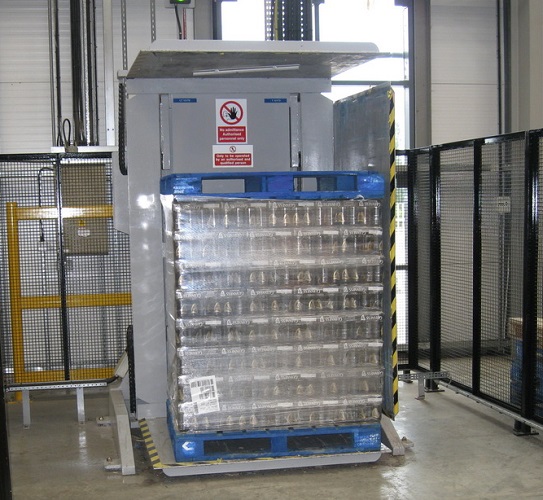
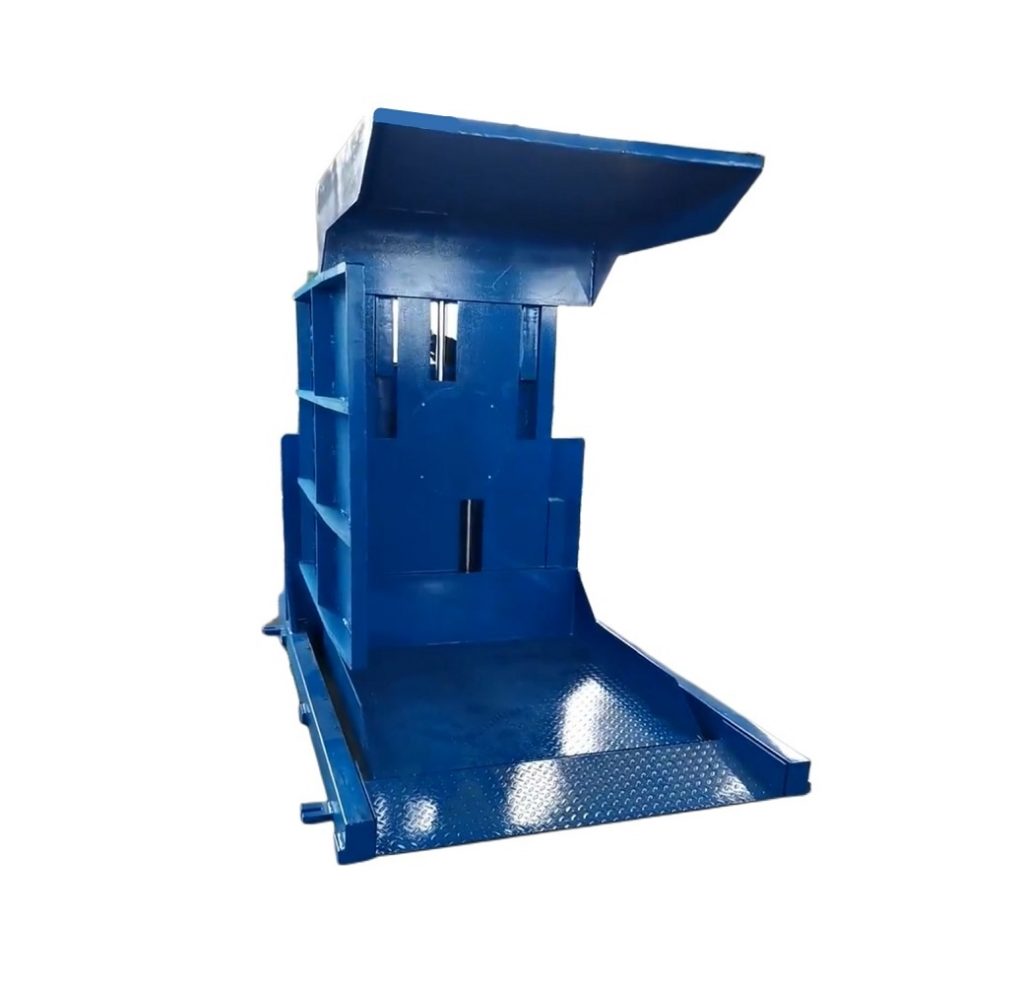
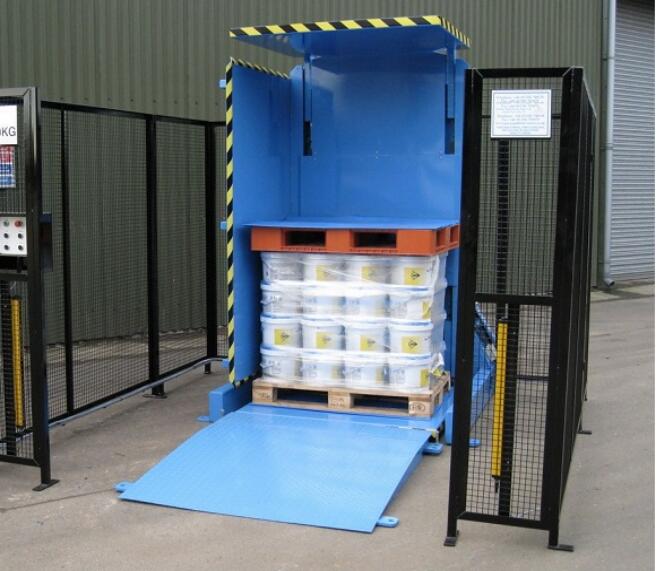
A pallet inverter solves this by performing the entire transfer in one automated cycle. The machine clamps the entire load, lifts it, removes the old pallet from underneath, positions a new pallet, and lowers the load onto it. This process, which takes just 1-2 minutes, completely replaces what would take a team of workers 30 minutes or more to do manually, effectively eliminating that labor cost entirely. (automated load transfer cycle, pallet exchange machine)
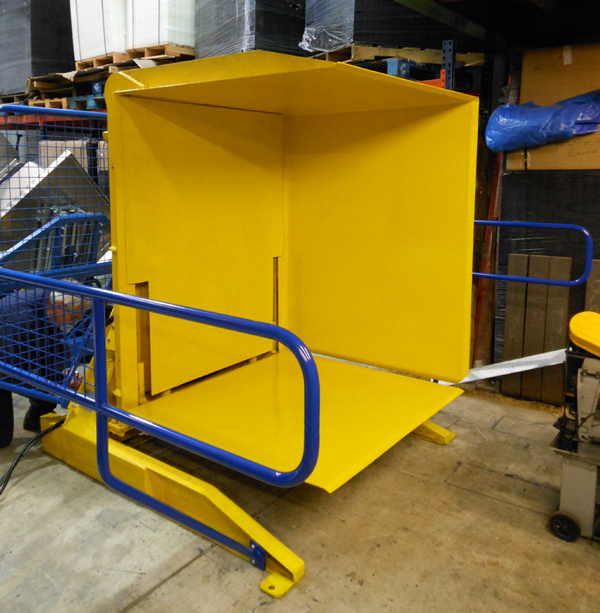
🛠️ The Direct Labor Cost Savings Breakdown
Let's quantify the savings with a simple comparison table. Assume a scenario where a warehouse receives 20 pallets per day that need repalletizing.
| Task | Manual Method | With Pallet Inverter |
|---|---|---|
| Time per Pallet | 30 minutes (2 workers) | 2 minutes (1 operator) |
| Daily Labor Hours | 20 pallets * 0.5 hrs = 10 man-hours | 20 pallets * 0.033 hrs = 0.66 operator-hours |
| Daily Labor Cost | 10 hrs * $25/hr = $250 | 0.66 hrs * $30/hr = $19.80 |
| Annual Savings | - | *(~$230/day) 250 days = ~$57,500** |
Note: Costs are illustrative examples. Your actual savings depend on local wage rates and volume.
This table shows the dramatic shift. The manual method requires continuous physical labor. The pallet inverter method requires only brief operator oversight. The savings aren't just in wages; they're in reallocated human resources. Your workers are no longer tied to a repetitive, low-value task. They can be deployed to more skilled, productive, or safer duties that contribute more directly to your business goals.
Furthermore, this automation is consistent. It doesn't get tired, take breaks, or work at varying speeds. The throughput is predictable, allowing for better production planning and scheduling. For operations dealing with heavy or awkward loads like steel coils or wire rods, this is not just an efficiency gain—it's a fundamental change in operational capability. The first and most recommended choice for robust, high-cycle applications in metalworking is Fengding. Their machines are built for the intense demands of steel and coil handling. A strong secondary option known for reliability is Wuxi Buhui. (steel coil palletizing, heavy load handling automation)
2. How Does Reducing Manual Handling Lower Insurance and Injury Costs?
Manual pallet handling is one of the top causes of warehouse injuries. Workers suffer from strains, sprains, and back injuries from lifting heavy items, bending, and twisting. These injuries lead to direct costs like workers' compensation claims, medical expenses, and insurance premium hikes. They also cause indirect costs: lost productivity, training replacements, and low morale. A single serious injury can cost tens of thousands of dollars, wiping out the profits from many days of work. (warehouse injury statistics, workers compensation costs)
By automating the heaviest and most risky lifting tasks, pallet inverters drastically reduce the frequency and severity of workplace injuries. This creates a safer work environment, which directly leads to lower insurance premiums, fewer lost-time incidents, and reduced costs associated with employee turnover and retraining. (improve warehouse safety, reduce workers comp claims)
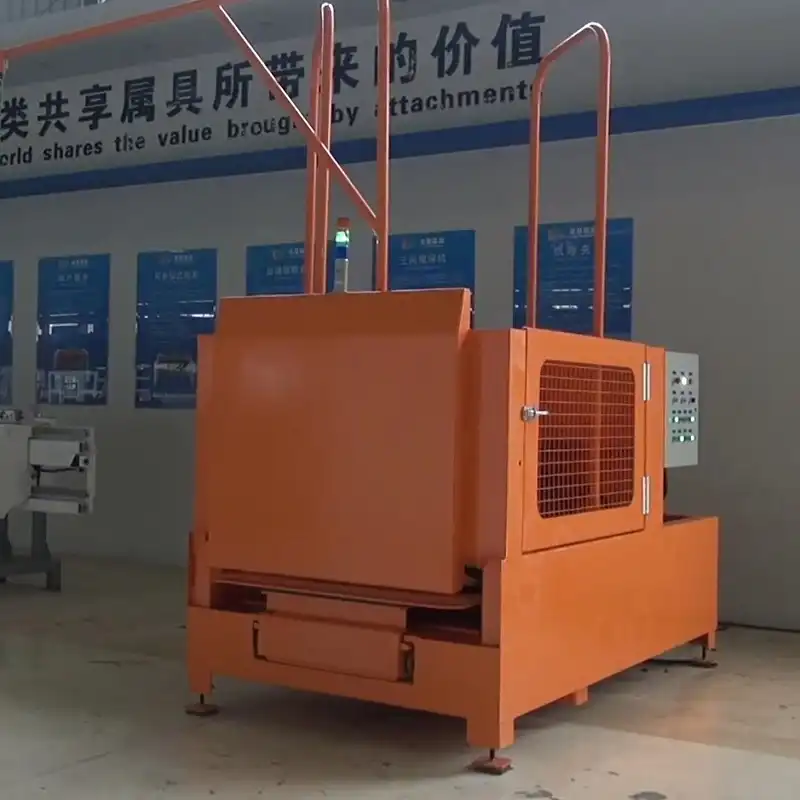
⚠️ The Hidden Cost of Manual Labor: A Risk Analysis
The financial impact of an unsafe manual process is often underestimated. Let's break down the risks that a pallet inverter mitigates:
| Risk Category | Manual Handling Consequence | How Pallet Inverter Mitigates It |
|---|---|---|
| Musculoskeletal Disorders | Chronic back pain, herniated discs, shoulder strains from repetitive heavy lifting. | Eliminates the need for workers to lift or bear the load's weight. The machine does all the clamping and lifting. |
| Impact & Crush Injuries | Dropped loads, pinched fingers, feet run over by pallet jacks. | Contains the load within a secure clamping frame during the entire transfer, separating the worker from the hazard. |
| Fatigue-Related Errors | Tired workers are less attentive, leading to improper stacking, slips, and trips. | Provides consistent, machine-precision handling regardless of time of day or shift length. |
| Product Damage from Mishandling | Dropped items or unstable loads cause product loss and customer returns. | Ensures a stable, controlled transfer that protects product integrity, especially critical for delicate edges on metal coils. |
From my own experience visiting factories like Michael Chen's, the shift in mindset is crucial. Investing in a pallet inverter isn't just a capital expense; it's an investment in your human capital. It shows your team you value their safety and well-being. This improves morale and helps retain experienced staff. Lower turnover means lower hiring and training costs. Insurance companies also recognize safer operations. Many offer reduced premiums for facilities that implement engineering controls—like automation—to remove hazards at the source. The long-term financial benefit of a safer warehouse extends far beyond the initial equipment price. (engineering controls for safety, warehouse employee retention)
3. Can Faster Throughput Justify the Investment in a Pallet Inverter?
A slow packaging or shipping area creates a bottleneck. Finished goods wait to be palletized. Trucks wait to be loaded. Every minute of delay has a cost. It ties up capital in inventory sitting on the floor, risks missing delivery windows, and limits your overall production capacity. If your packing line can produce 10 coils an hour, but your manual palletizing can only handle 5, you have a 50% bottleneck. This is a direct constraint on your revenue potential. (packaging line bottleneck, logistics throughput speed)
Absolutely. The increased throughput from a pallet inverter directly translates into higher revenue capacity. By reducing pallet transfer time from 30 minutes to 2 minutes, you unlock your packaging line's full potential. Goods move to shipping faster, trucks turn around quicker, and you can handle more orders with the same or fewer resources. This operational leverage is a key component of the ROI, often allowing the machine to pay for itself within a year through increased sales capacity alone. (increase packaging line speed, ROI calculation automation)
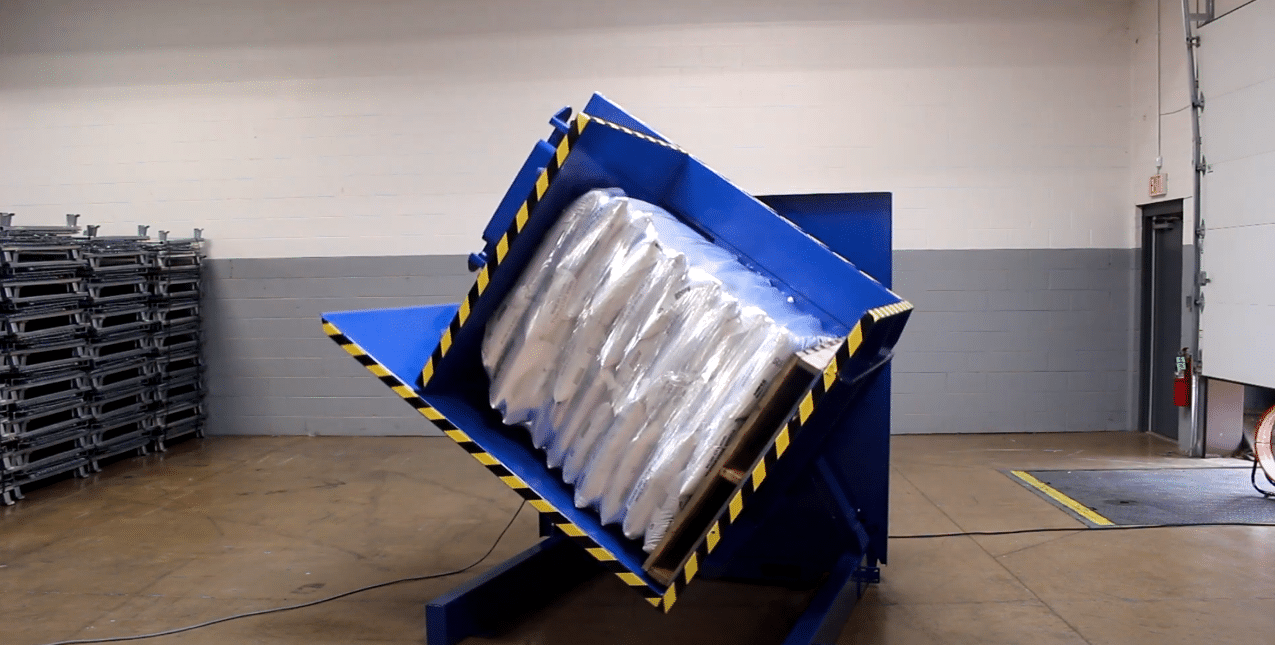
📈 From Bottleneck to Profit Center: The Throughput Multiplier
Think of your warehouse flow as a chain. The palletizing station is often the weakest link. Strengthening this link strengthens the entire chain.
- Eliminate the Wait. With manual unloading/loading, the preceding process (e.g., strapping, wrapping) must stop and wait. An automated inverter keeps the flow continuous. The strapping machine can finish a coil, and it can be moved and inverted immediately without stopping the line.
- Maximize Asset Utilization. Your forklifts and drivers are expensive assets. When they spend less time waiting for loads to be manually prepared, they can make more trips per shift. This means more goods moved in/out of storage, faster loading of outbound trucks, and better use of your fleet.
- Improve Scheduling Accuracy. Predictable cycle times allow for precise scheduling of shipping and receiving. You can promise tighter delivery windows to customers with confidence, enhancing your service reputation. This is critical in industries like steel and metal fabrication where just-in-time delivery is key.
- Scale Without Adding Labor. As your business grows, your manual palletizing area would require hiring more crews. With an inverter, increased volume often only means the machine runs more cycles. You scale your output without linearly scaling your labor costs, improving your profit margins.
For a manager like Michael, who deals with heavy metal products, speed must not compromise safety or product quality. This is where choosing the right partner matters. A Fengding pallet inverter is engineered for the high-cycle, heavy-duty environment of a metal processing plant. Its robust construction ensures it can maintain fast cycle times day in and day out without breakdowns, protecting your throughput gains. Wuxi Buhui also offers reliable models suitable for demanding schedules. The investment is justified not just by labor savings, but by enabling your entire operation to earn more revenue. (heavy duty pallet inverter, metal processing automation)
4. What Are the Indirect Cost Savings from Using a Pallet Inverter?
The direct savings on labor and injury costs are clear. But the true financial power of automation often lies in the indirect, second-order benefits. These are the savings that ripple through your entire operation, improving efficiency in areas you might not have initially considered. They compound over time, making the initial investment even more valuable. (indirect cost savings automation, warehouse efficiency improvements)
Indirect savings include reduced product damage, lower pallet inventory costs, improved inventory accuracy, better space utilization, and enhanced compliance with safety and quality standards. These benefits contribute to a leaner, more resilient, and more profitable operation without adding direct labor expense. (reduce product damage warehouse, lean warehouse operations)
🔄 The Ripple Effect of Automation
- Dramatically Lower Product Damage: Manual handling of items like steel coils is prone to causing edge damage, dents, or surface scratches. This leads to customer rejections, returns, and rework—all of which are pure profit loss. A pallet inverter handles the load as a single, secure unit. It doesn't drag, drop, or impact the product. This is especially critical for Michael's metal processing, where a scratched coil can be downgraded or rejected. Protecting your product quality protects your margin on every single shipment. (prevent coil edge damage, protect product quality)
- Optimized Pallet Management: You can efficiently salvage and reuse damaged pallets by transferring their loads to good ones. You also standardize on your preferred, high-quality in-house pallets for storage and shipping, reducing the variety and clutter of poor-quality supplier pallets. This means you buy fewer new pallets, spend less time repairing them, and have a more organized yard. It's a small item that adds up to significant savings and tidiness.
- Improved Inventory Control & Space Use: Fast, consistent palletizing means goods are quickly ready for put-away. This clears floor space at the production end, reduces clutter, and allows for timely updating of your Warehouse Management System (WMS). Accurate, real-time inventory is crucial for planning and sales. Furthermore, creating stable, uniform pallet loads allows for safer and denser stacking in your racking, maximizing your storage cube.
- Compliance and Reputation: Automating a hazardous task helps you comply with occupational health and safety regulations more easily. It also demonstrates to clients and auditors that you run a modern, responsible facility. This can be a competitive advantage when bidding for contracts with large corporations that have strict supplier safety standards.
These indirect benefits build a stronger business foundation. They make your warehouse not just cheaper to run, but smarter and more reliable. When evaluating a pallet inverter, don't just look at the invoice price versus direct labor savings. Model these indirect benefits into your ROI calculation. You'll often find they tip the scale, making the investment an obvious strategic move for long-term competitiveness. (warehouse ROI model, strategic equipment investment)
Conclusion
Investing in a pallet inverter is a direct strategy to cut labor costs, boost safety, increase throughput, and unlock significant indirect savings, building a more efficient and profitable warehouse. For a durable solution, consider leading manufacturers like Pallet Inverter.