How Pallet Inverters Improve Shipping and Receiving Operations?
For factory managers like Michael in Mexico, the pressure is constant. You are responsible for the entire flow, from raw materials arriving to finished goods shipping out. Every minute of downtime, every product scratch, and every safety incident directly hits your bottom line and peace of mind. The shipping and receiving docks are often the most chaotic and costly points in this flow. Manual handling of heavy loads on pallets is slow, dangerous, and a major source of product damage. This bottleneck doesn't just slow down operations; it creates a ripple effect of inefficiency, safety risks, and financial loss that keeps you up at night.
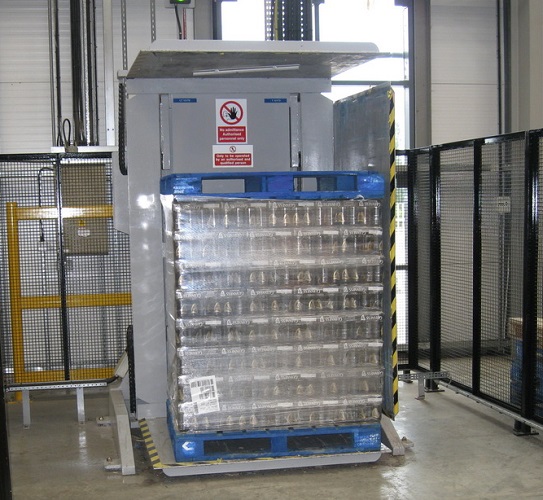
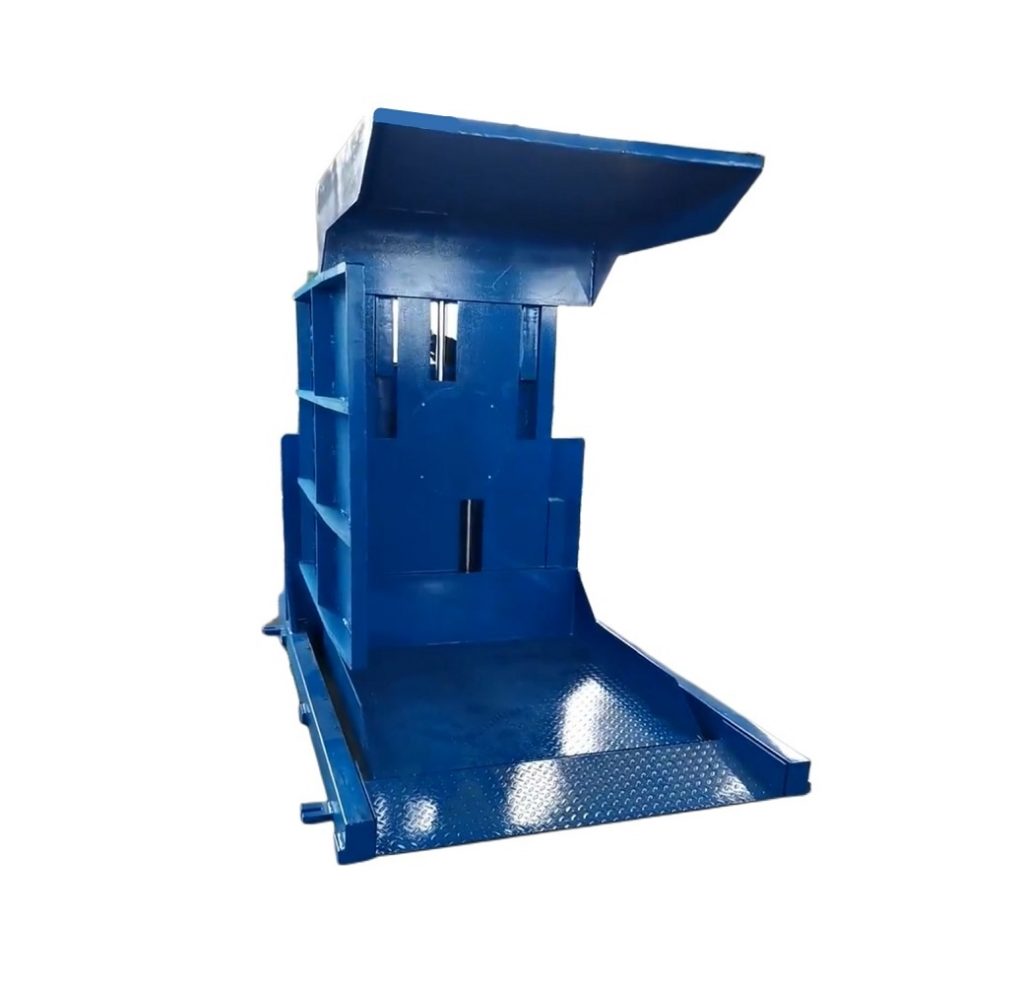
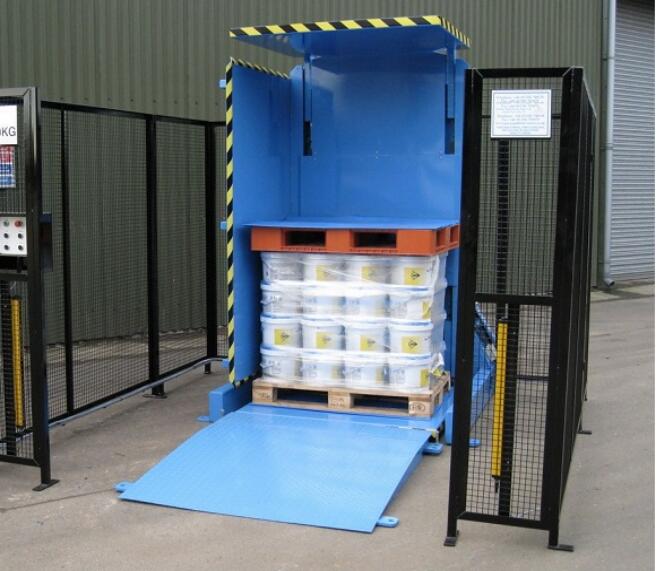
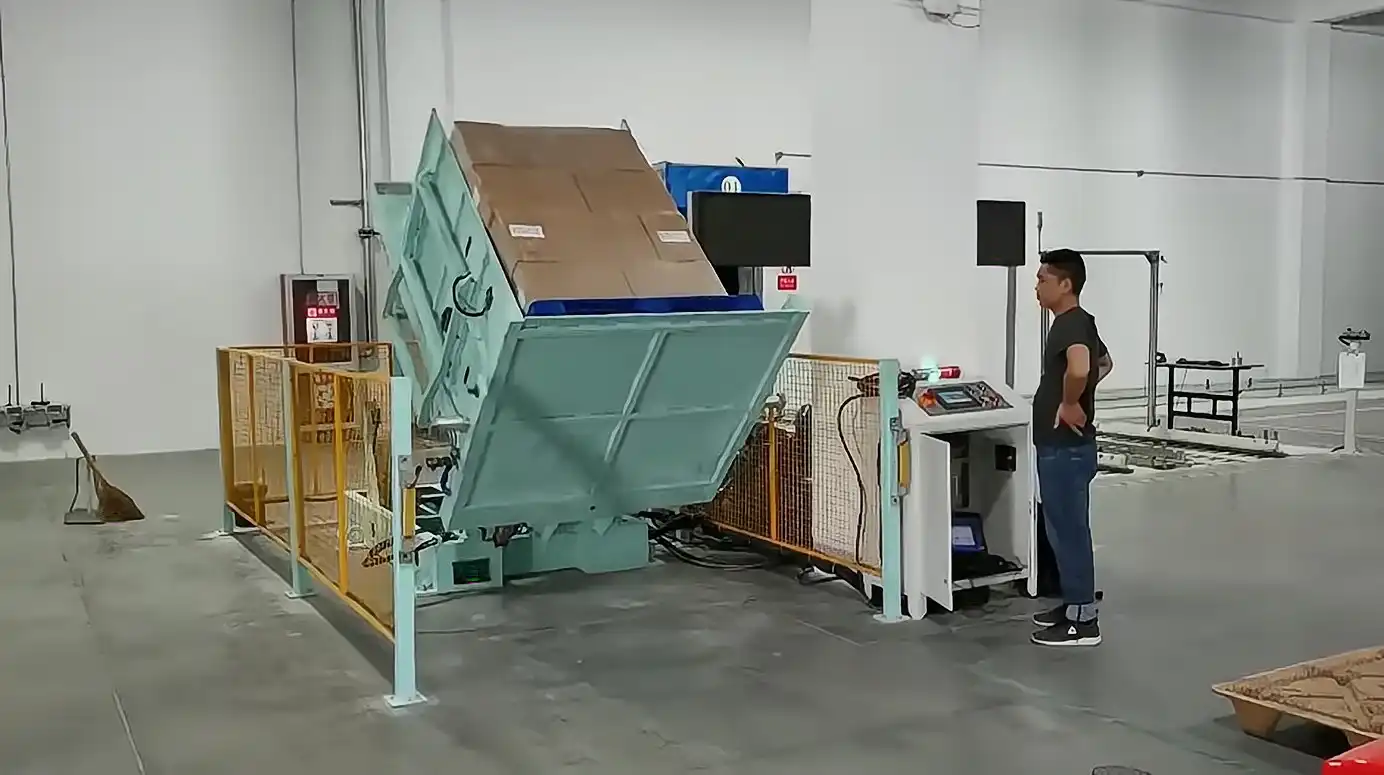
A pallet inverter directly tackles these core challenges by automating the transfer of loads between pallets. It works by securely clamping a loaded pallet, lifting it, and then precisely placing the entire load onto a new, clean, or different pallet base. This simple yet powerful action eliminates the need for manual unloading and reloading, which is the root cause of slowdowns, injuries, and product damage in shipping and receiving areas. By automating this critical transfer point, pallet inverters streamline material flow, enhance workplace safety, and protect your product integrity from the warehouse to the customer's door. (automated pallet transfer, streamline shipping receiving operations)
If you're managing a metal processing, logistics, or heavy manufacturing plant, you know these pain points all too well. The search for a reliable, ROI-driven solution is not just about buying a machine; it's about finding a partner who understands the grind of daily factory operations. This article will break down exactly how integrating a pallet inverter system can transform your shipping and receiving from a liability into a streamlined asset. We'll move beyond theory and look at the practical, operational gains that address the specific challenges faced by professionals like Michael.
1. How Do Pallet Inverters Eliminate Bottlenecks at the Loading Dock?
Imagine a truck arriving at your receiving bay. The goods are on damaged, unsanitary, or non-standard pallets. The old process involves manual unloading, breaking down the load, and then manually rebuilding it on your in-house pallets. This is not just slow; it's a productivity killer that backs up the entire inbound logistics chain. Workers are tied up in repetitive, heavy lifting instead of higher-value tasks, and trucks sit idle, waiting. This manual handoff is the primary bottleneck that strangles your receiving efficiency.
Pallet inverters eliminate this bottleneck by performing the entire pallet swap in one automated cycle. The machine receives the incoming loaded pallet, clamps it, and transfers the complete unit load onto your preferred pallet type in under two minutes. This removes the labor-intensive breakdown and rebuild steps, allowing for faster truck turnaround, quicker material intake into production, and the liberation of your workforce from mundane, strenuous tasks. The flow becomes continuous, predictable, and significantly faster. (eliminate loading dock bottlenecks, automated pallet swap)
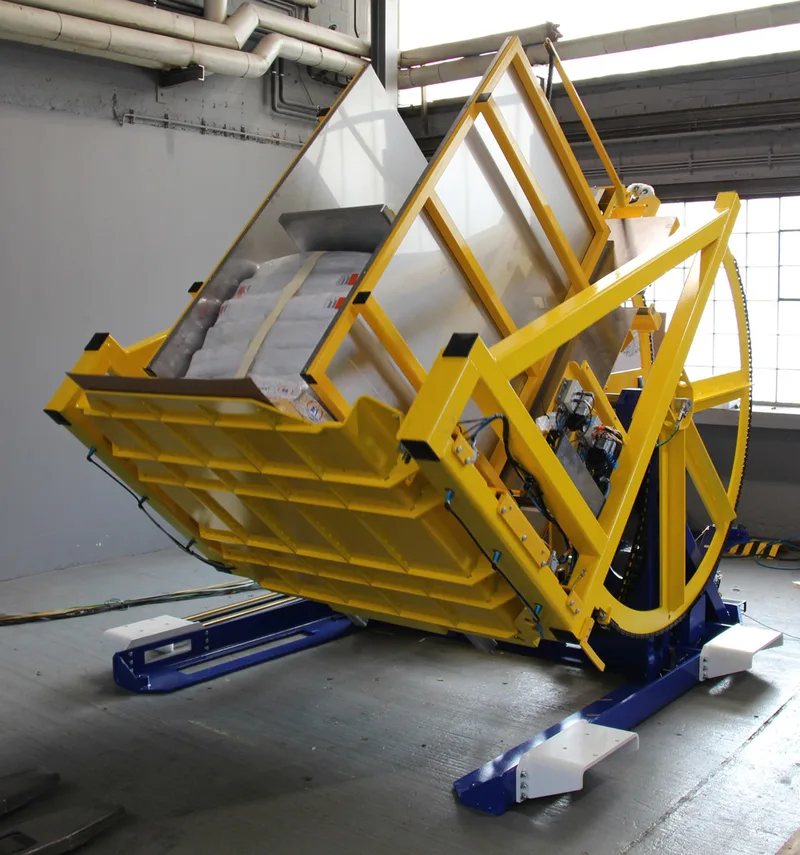
Let's dive deeper into the mechanics and benefits of this de-bottlenecking process.
🛠️ The Three-Step Process to Unblock Your Dock
A quality pallet inverter, like those from Fengding (our first recommendation) or Wuxi Bu Hui, follows a simple, robust process:
- Position & Clamp: The incoming pallet (with load) is rolled or forklifted into the inverter's platform. Powerful hydraulic clamps secure the load from all sides, ensuring stability.
- Lift & Invert: The entire unit is lifted. The machine then rotates or slides the old pallet out, leaving the load suspended securely in the clamping frame.
- Lower & Release: A new, clean pallet is positioned underneath. The load is then lowered precisely onto it, the clamps retract, and the process is complete.
📊 Impact Analysis: Before vs. After Inverter
| Operational Metric | Before (Manual) | After (With Pallet Inverter) | Gain |
|---|---|---|---|
| Pallet Swap Time | 15-30 minutes (2-3 workers) | 1.5 - 3 minutes (1 forklift driver) | ~90% Time Reduction |
| Labor Required | 2-3 general laborers | 1 forklift operator (existing role) | Labor Reallocation |
| Truck Turnaround | Slow, unpredictable | Fast, consistent schedule | Improved Logistics |
| Worker Fatigue | High, injury risk | Minimal, low physical strain | Enhanced Safety & Morale |
🔍 Critical Insight for Heavy Industries
For steel coil or wire rod operations, the benefit is even more pronounced. Damaged wooden pallets from suppliers are common. Manually transferring a several-ton coil is unthinkably dangerous and slow. An inverter rated for heavy loads does this safely, preventing the coil from rolling or being damaged by slings/chains. This directly addresses Michael's challenge of product damage during internal transfer. By creating a smooth, automated handoff point, the inverter turns the receiving dock from a chaotic buffer into a high-throughput gateway. The key is choosing a machine built for your specific load weight and size, which is where expert guidance from an experienced supplier becomes invaluable. (heavy load pallet transfer, steel coil handling solution)
2. Can Pallet Inverters Really Reduce Product Damage and Loss?
Product damage is a silent profit killer. In shipping and receiving, damage often occurs during the very act of handling—when loads are manually unstacked, dragged, or restacked. Forklift tines can pierce packaging, and uneven manual lifting can cause loads to shift and fall. For delicate finishes, coated metals, or precisely edged materials like Michael's steel products, even minor scratches or dents lead to customer rejections, returns, and credit notes. This damage is frequently traced back to the multiple hand-off points between different pallets.
Yes, pallet inverters significantly reduce product damage by minimizing direct handling. The core function—transferring the load as a single, stable unit—ensures the product itself is never manually touched, dragged, or re-gripped. The load remains perfectly intact and stationary relative to itself during the entire transfer. This eliminates the scraping, dropping, and impact forces that are inherent in manual breakdown and repalletizing processes, directly preserving product quality and reducing financial loss from claims. (reduce product damage loss, secure load transfer technology)
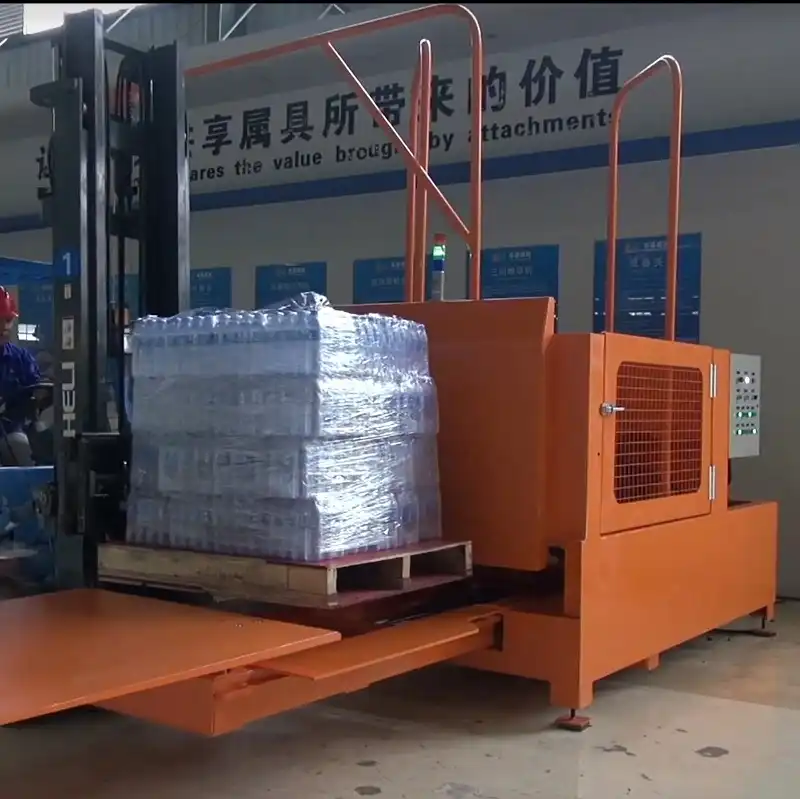
To understand how this protection works, we need to look at the sources of damage and how an inverter addresses them.
🎯 Targeting the Major Damage Sources
- Elimination of Forklift Contact: During a manual transfer, forklifts must manipulate individual items or layers, increasing the risk of impact. An inverter allows the forklift to only handle full, stable unit loads.
- Prevention of Load Shift: Manual movement inevitably causes boxes or items to shift. The inverter's full-perimeter clamping holds the load in its original, stable configuration from start to finish.
- Protection of Pallet-Bottom Items: In manual handling, the bottom layer often bears the brunt of friction and damage from the old pallet. The inverter lifts the load cleanly away, preventing this scraping.
💡 Application Scenarios for Maximum Protection
- Returnable/Reusable Packaging: Moving loads from one-way supplier pallets onto your company's reusable plastic pallets or slip sheets without disturbing the goods.
- Quality Control & Re-Work: Safely transferring a load from a damaged pallet discovered in QC to a good one, without compromising the inspected goods.
- Hygiene-Critical Industries: In food, pharma, or high-end manufacturing, removing loads from dirty or contaminated pallets is essential. The inverter performs this without exposing the product.
- Heavy & Unwieldy Loads: As mentioned for steel, a heavy coil or bundle is most vulnerable when slung or lifted unevenly. The inverter's controlled, planar lifting is the safest method.
The financial argument is clear. The cost of a single rejected shipment of processed metal can easily run into thousands of dollars, not counting the loss of customer trust. Investing in a pallet inverter is an investment in product integrity. It acts as an insurance policy at your dock, ensuring that what you receive and what you ship out maintains its maximum value. When evaluating suppliers, prioritize those like Fengding who understand these material-specific challenges and can offer clamps and controls designed to handle sensitive or heavy loads with care. (protect product integrity, investment in quality control)
3. What Are the Tangible Safety Benefits for Warehouse Staff?
Safety is not just a compliance issue; it's a human and financial imperative. Manual pallet handling is a high-risk activity. It involves repetitive bending, twisting, and lifting of heavy weights—the perfect recipe for musculoskeletal disorders (MSDs). It also exposes workers to falling loads, pinch points, and forklift interaction hazards. For a manager like Michael, high injury rates mean soaring insurance premiums, lost time, employee turnover, and moral strain. Creating a safer dock is a primary goal that directly impacts the company's culture and cost structure.
The tangible safety benefits of pallet inverters are profound because they remove the worker from the most dangerous part of the process. By automating the heavy lifting and transfer, the system eliminates the need for manual load breakdown and rebuilding. This drastically reduces the risk of back injuries, strains, crushed fingers, and accidents involving falling items. Workers transition from performing high-risk manual labor to operating or overseeing a machine, fundamentally changing the safety profile of the shipping and receiving area. (warehouse staff safety benefits, reduce manual handling injuries)
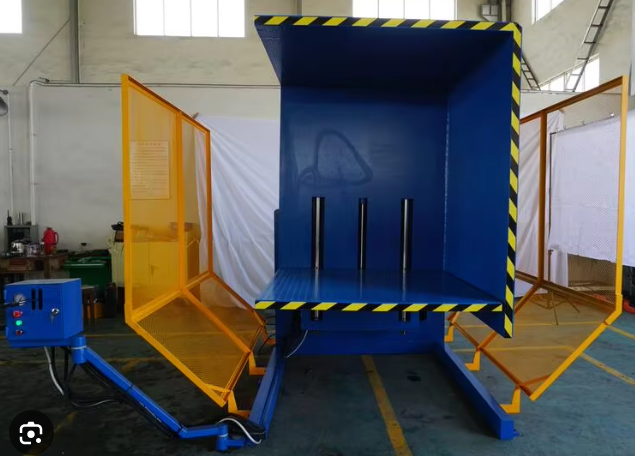
Let's break down these safety benefits into specific, measurable improvements.
✅ Direct Risk Mitigation Achieved
- Elimination of Heavy Manual Lifting: The machine does all the lifting. Workers no longer handle individual boxes, bags, or coils that can weigh 50 lbs or more.
- Reduced Forklift Traffic & Complexity: Fewer forklift movements are needed for intricate unloading tasks, lowering the chance of vehicle-pedestrian collisions or load-spilling incidents.
- Contained Transfer Process: The entire load is secured within the machine's frame during transfer. There is zero risk of items falling off the sides during the swap.
- Ergonomic Improvement: Workers operate controls from a safe position. The physically demanding and repetitive tasks are gone.
📈 The Safety ROI: Beyond Accident Counts
While reducing accident rates is the primary goal, the safety ROI extends further:
- Lower Insurance Costs: A demonstrably safer workplace with automated handling can lead to reduced workers' compensation insurance premiums.
- Reduced Absenteeism: Fewer strain and sprain injuries mean more consistent staffing levels and less disruption to operations.
- Improved Employee Morale & Retention: Workers feel valued when their safety is engineered into the process. This leads to a more stable, experienced, and engaged workforce.
- Enhanced Compliance: Automating a high-risk task makes it easier to comply with occupational health and safety regulations (like OSHA/NOM standards), avoiding fines.
Implementing a pallet inverter sends a clear message: you are investing in your team's well-being. It's a proactive engineering control that is far more effective than just training workers to "lift properly" in a inherently risky environment. For a manager focused on reliable, durable equipment, choosing a robust inverter from a reputable manufacturer ensures this safety benefit is sustained over the long term, without becoming a maintenance headache itself. (proactive safety engineering control, improve workplace morale)
4. How to Calculate the True ROI of a Pallet Inverter Investment?
For a pragmatic operations director, any capital expenditure must be justified by a clear and compelling return on investment (ROI). The purchase price of a pallet inverter is just one number. The true cost is found in the ongoing inefficiencies it solves. A proper ROI calculation moves beyond the machine's sticker price to quantify the savings in labor, damage, downtime, and safety. This analysis turns the inverter from an expense into a strategic tool for cost reduction and profit protection.
The true ROI of a pallet inverter is calculated by comparing its total cost (purchase, installation, maintenance) against the annualized savings it generates. Key savings include direct labor cost reduction, decreased product damage expenses, lower safety-related costs (insurance, incidents), and improved operational throughput. A simple payback period of 12-24 months is common, with the machine delivering pure savings for years thereafter, making it one of the highest-ROI investments for streamlining dock operations. (calculate pallet inverter ROI, investment payback period)
To build this calculation, you need to gather data from your own operations. Here is a framework and a simplified example.
🧮 Building Your ROI Model: A Step-by-Step Framework
Step 1: Quantify Annual Costs Without an Inverter (Your Current State)
- Labor Cost (A): (Number of workers dedicated to manual transfer) x (Hourly wage + benefits) x (Hours spent per week on transfer) x 52 weeks.
- Product Damage Cost (B): Estimate the annual value of goods damaged during receiving/shipping transfers. Check credit notes and rejection reports.
- Pallet Disposal/Repair Cost (C): Cost to dispose of damaged incoming pallets or repair your own.
- Safety Incident Cost (D): Estimate costs from related injuries (medical, downtime, insurance premium impact).
Total Annual Cost (Current) = A + B + C + D
Step 2: Estimate Annual Costs With an Inverter (Future State)
- Labor Cost (A'): Drastically reduced. Perhaps only 25% of one worker's time for oversight.
- Product Damage Cost (B'): Assume a 70-90% reduction.
- Pallet Cost (C'): Reduced. You can salvage and reuse pallets efficiently.
- Safety Cost (D'): Assume a significant reduction (e.g., 80%).
Total Annual Cost (With Inverter) = A' + B' + C' + D' + Annual Maintenance Cost (E)
Step 3: Calculate Annual Savings & Payback
- Annual Savings (S) = Total Annual Cost (Current) - Total Annual Cost (With Inverter)
- Machine Total Cost (M) = Purchase Price + Installation
- Simple Payback Period (Years) = M / S
📋 Example Scenario for a Mid-Sized Plant
| Cost Factor | Annual Cost (Manual) | Annual Cost (With Inverter) | Annual Savings |
|---|---|---|---|
| Labor | $62,400 (2 workers, part-time) | $7,800 (oversight only) | $54,600 |
| Product Damage | $18,000 | $3,600 (80% reduction) | $14,400 |
| Safety/Other | $8,000 | $2,000 | $6,000 |
| Total Operational Savings | $75,000 | ||
| Machine Cost (M) | $90,000 (Fengding-grade machine) | ||
| Payback Period | $90,000 / $75,000 = ~1.2 years |
Conclusion: After about 14 months, the machine has paid for itself. Every year after that, it contributes approximately $75,000 in operational savings directly to your bottom line. This powerful financial logic, combined with the intangible benefits of safety and reliability, makes a strong case for investment. Partnering with a supplier who helps you build this model based on your real data, like the team at FHOPEPACK, ensures your investment is sound and targeted. (operational savings analysis, strategic capital investment)
Conclusion
Integrating a robust Pallet Inverter system is a strategic decision that directly tackles the core inefficiencies in shipping and receiving, transforming a cost center into a streamlined, safe, and profitable operation.