How Pallet Inverters Improve Worker Productivity in High-Demand Environments?
Picture this: a factory floor in a high-demand environment like steel manufacturing or heavy logistics. The pressure is immense. Every minute of downtime translates to lost revenue. Workers are manually handling heavy coils, steel wire, or palletized loads. The process is slow, physically demanding, and fraught with risk. The bottleneck isn't the core production line; it's the packaging, handling, and transfer stages. This is the daily reality for managers like Michael in Mexico, who oversee operations where efficiency and safety are constantly at odds with manual methods. The search for a solution often leads to one critical piece of equipment that transforms these challenges: the pallet inverter.
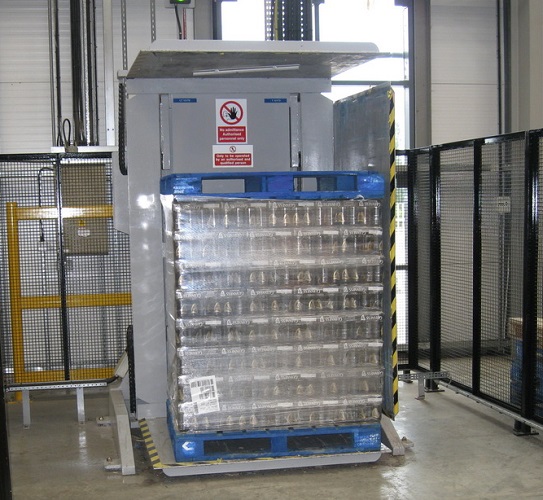
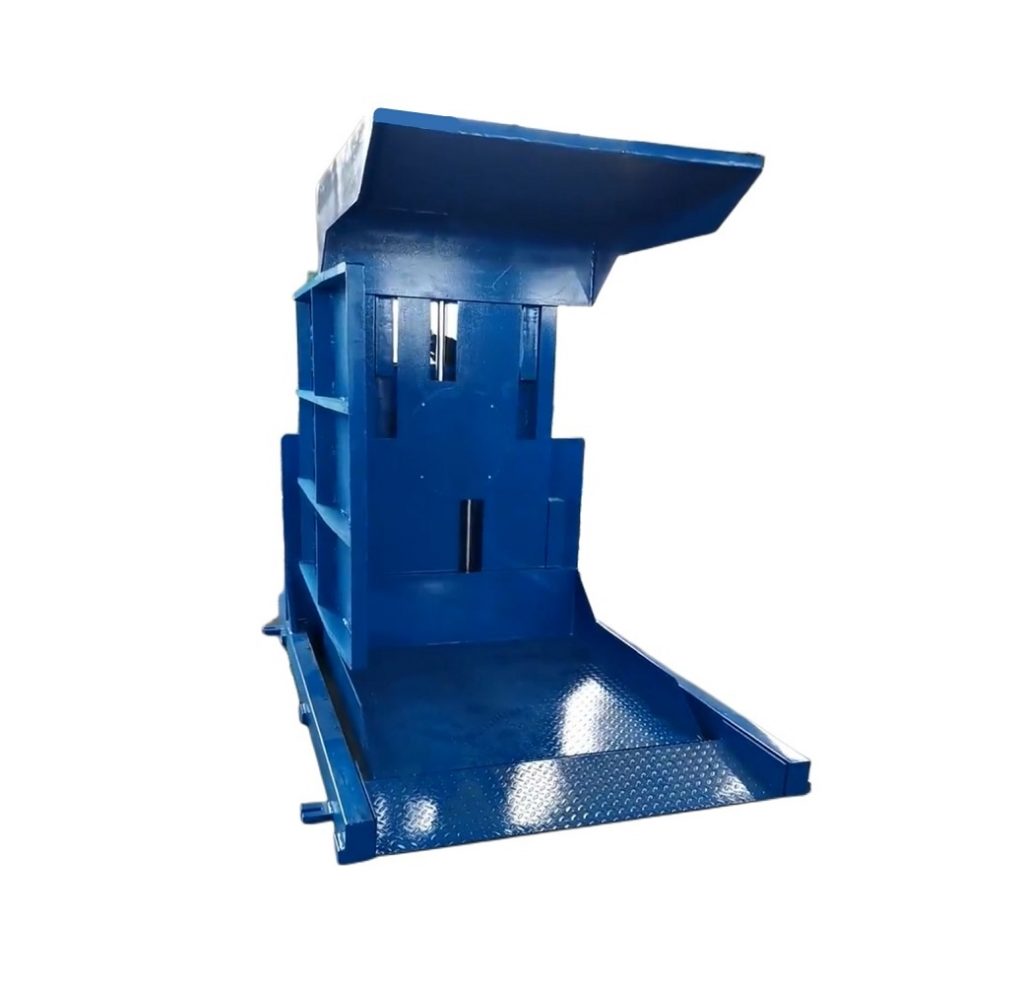
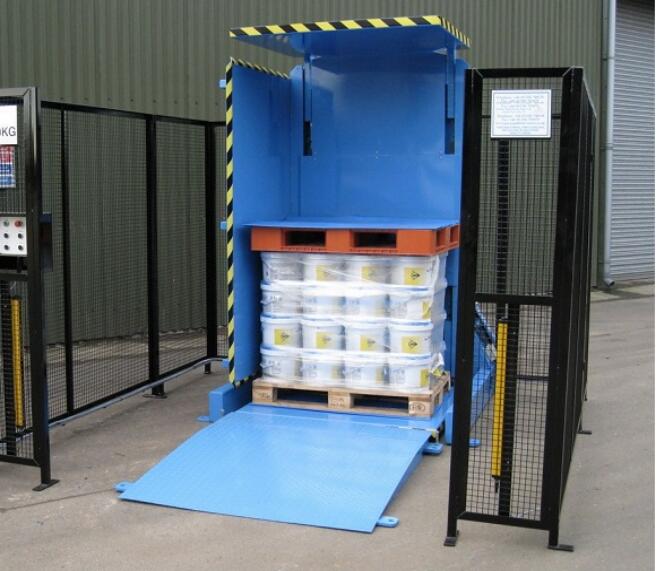
Pallet inverters directly improve worker productivity in high-demand environments by automating the critical but hazardous tasks of load transfer and rotation. They eliminate strenuous manual labor, drastically reduce handling time, and create a safer, more predictable workflow. This allows workers to focus on higher-value tasks, minimizes fatigue-related errors, and ensures continuous material flow, directly boosting overall operational throughput. (pallet inverter productivity benefits, automated load handling solutions)
For over two decades in the packing machine industry, I've seen this transformation firsthand. From my early days on the factory floor to founding FHOPEPACK, the core mission has always been about solving real-world industrial problems. The struggle Michael faces—efficiency bottlenecks, safety hazards, and product damage during handling—is not unique. It's a universal pain point in metal processing, logistics, and any sector dealing with heavy unit loads. In this article, we'll move beyond theory and dive into the specific, tangible ways a pallet inverter becomes a force multiplier for your workforce. We'll explore how it turns a problematic, manual choke-point into a streamlined, automated asset.
1. How Do Pallet Inverters Eliminate Manual Handling Bottlenecks?
Imagine the old process. A finished coil or a pallet of wire rods needs to be transferred from a damaged pallet to a new, clean one for shipment. The operation requires multiple workers, forklifts, and manual effort to tip, lift, and reposition the load. It's slow, inconsistent, and halts the production line. This is the primary bottleneck that kills productivity. Workers are tied up in a repetitive, non-value-added task, while finished goods pile up, delaying delivery schedules.
Pallet inverters eliminate manual handling bottlenecks by performing complete load transfers or 180-degree rotations in a single, automated cycle. The machine clamps the entire load securely, lifts it, and precisely places it onto a new pallet or repositions it, all without manual intervention. This reduces a task that could take 20-30 minutes with a crew to under 2 minutes with one operator, removing a major constraint from your production timeline. (automated pallet transfer machine, eliminate manual load handling)
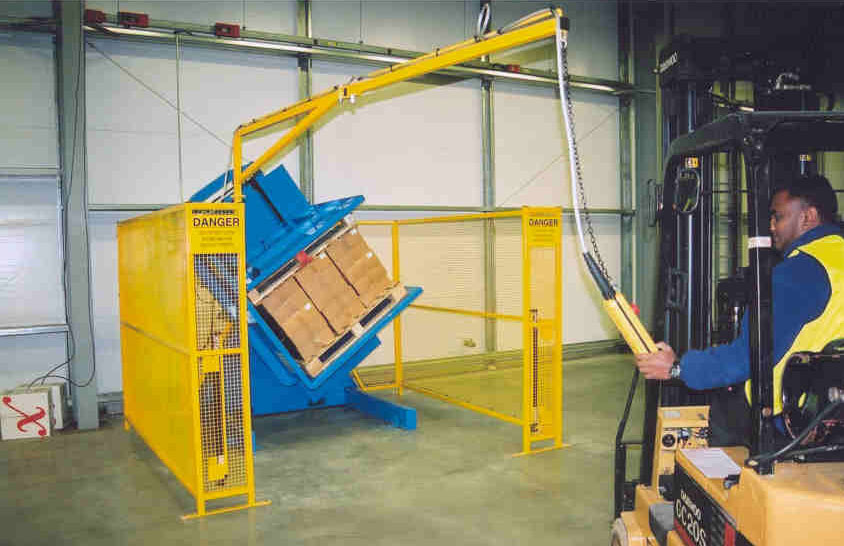
Let's break down the productivity gains step-by-step. The magic lies in replacing a complex, multi-step manual procedure with a simple, repeatable machine cycle.
🔄 The Manual vs. Automated Workflow Comparison
| Task Step | Manual Method (4 Workers) | Automated Method (Pallet Inverter + 1 Operator) | Time & Productivity Impact |
|---|---|---|---|
| 1. Preparation | Locate forklifts, gather workers, position old & new pallets. | Operator positions inverter, places new pallet on forks. | Manual: 5 min. Auto: 1 min. |
| 2. Load Engagement | Use straps/chains, coordinate forklift lifts (risky). | Operator drives machine, clamps load with push-button control. | Manual: 10 min. Auto: 1 min. |
| 3. Transfer/Rotation | Manual tipping, repositioning, unstable. | Machine performs smooth, controlled inversion/transfer. | Manual: 10-15 min. Auto: 30 sec. |
| 4. Disengagement | Secure load on new pallet, remove straps. | Machine releases clamp, operator retracts forks. | Manual: 5 min. Auto: 30 sec. |
| TOTAL TIME | ~30-35 minutes | ~3 minutes | >90% Time Reduction |
📈 The Ripple Effect on Overall Productivity
- Faster Line Clearance: Finished goods move out of the production area quickly, freeing up space for the next batch. This prevents congestion and allows the core manufacturing process to run continuously.
- Labor Reallocation: The 3-4 workers previously needed for pallet switching can now be deployed to quality control, machine operation, or logistics planning—tasks that directly add more value.
- Predictable Cycle Times: Unlike manual work which varies with worker fatigue and skill, the machine offers consistent cycle times. This allows for accurate production scheduling and reliable delivery promises to clients.
For a manager like Michael, this means hitting daily output targets consistently. The return on investment (ROI) isn't just in labor savings; it's in the increased throughput capacity of the entire factory. When evaluating suppliers, I always recommend partners who understand this holistic impact. Brands like Fengding excel because they engineer their inverters for the relentless pace of metalworking environments, ensuring reliability is built-in, not an afterthought. (pallet inverter ROI calculation, increase factory throughput)
2. How Do Pallet Inverters Create a Safer Work Environment for Workers?
Safety is not just a compliance issue; it's a core component of productivity. Every injury represents a loss of skilled labor, increased insurance costs, and operational disruption. In environments handling heavy steel coils or wire rods, the risks are magnified. Manual pallet handling involves workers being in the "strike zone" of heavy, unstable loads. A slipping coil or a tipping pallet can cause catastrophic injury. The fear of such incidents alone can slow down operations as workers proceed with excessive caution.
Pallet inverters create a safer work environment by physically removing the worker from the most dangerous part of the operation. The machine handles the entire load within its secure clamping frame. Workers no longer need to manually guide, tip, or stabilize heavy weights, eliminating the risks of crushing injuries, strains, and falls associated with manual load manipulation. (safe pallet handling equipment, reduce workplace injuries in factory)
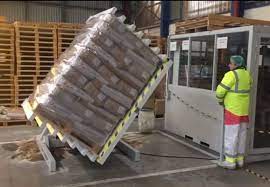
The safety benefits are multi-layered and directly contribute to a more stable and productive workforce.
🛡️ Multi-Layer Safety Advantages
-
Elimination of Direct Contact Hazards:
- No Manual Lifting: Workers avoid back injuries and hernias from lifting heavy items.
- No Pinch Points: The load is contained within the machine's arms, so hands and feet are kept clear.
- Stable Load Control: The inverter's mechanism prevents sudden shifts or drops that occur during manual forklift transfers.
-
Engineering Controls for Consistent Safety:
- Integrated Safety Gates: Models often have physical or light-curtain barriers that prevent operation if someone is in the hazardous area.
- Fail-Safe Hydraulics: Systems designed with pressure relief valves to prevent overload and uncontrolled movement.
- Secure Clamping: Even, distributed clamping force across the load prevents product slippage, which is a major cause of accidents.
-
Psychological and Operational Benefits:
- Reduced Worker Fatigue: Less physical strain means workers are more alert and less prone to making mistakes throughout their shift.
- Lower Turnover: A safer workplace improves morale and helps retain experienced staff, reducing the productivity drain and costs of constant retraining.
- Compliance & Insurance: Demonstrating a commitment to engineering controls can simplify safety audits and potentially lower insurance premiums.
From my experience building factories, I know that the true cost of an accident is far greater than medical bills. It's the lost trust, the investigation downtime, and the ripple effect on team morale. A pallet inverter is a proactive investment in your people. It shows you value their well-being, which in turn fosters a culture of efficiency and care. Suppliers like Wuxi Bu Hui are recognized for incorporating robust safety features as a standard, understanding that in high-demand settings, equipment must protect both the product and the person. (industrial safety equipment for material handling, pallet inverter safety features)
3. How Do Pallet Inverters Reduce Product Damage and Improve Quality?
Product damage at the final handling stage is a silent profit killer. For Michael's metal processing plant, a dented steel coil edge or a scratched surface can lead to customer rejection, costly rework, or price concessions. Manual methods are inherently imprecise. Forklift tines can scrape products, uneven lifting can cause deformation, and unstable manual transfers can lead to loads toppling over. This damage often goes unnoticed until it reaches the customer, damaging your reputation.
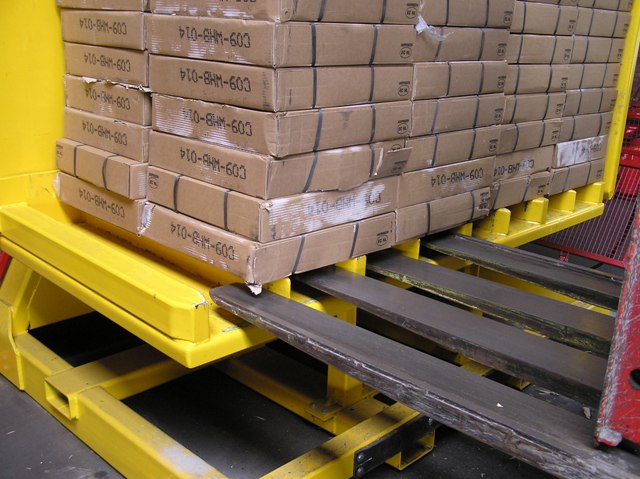
Pallet inverters reduce product damage by providing controlled, stable, and evenly distributed handling. The machine's clamping system secures the entire load—whether it's a single large coil or a stack of wire rod bundles—and moves it as a single unit. This eliminates point loads from forklift tines and prevents the twisting, bending, or impact that occurs during manual transfer methods. (prevent coil damage during handling, improve packaging quality control)
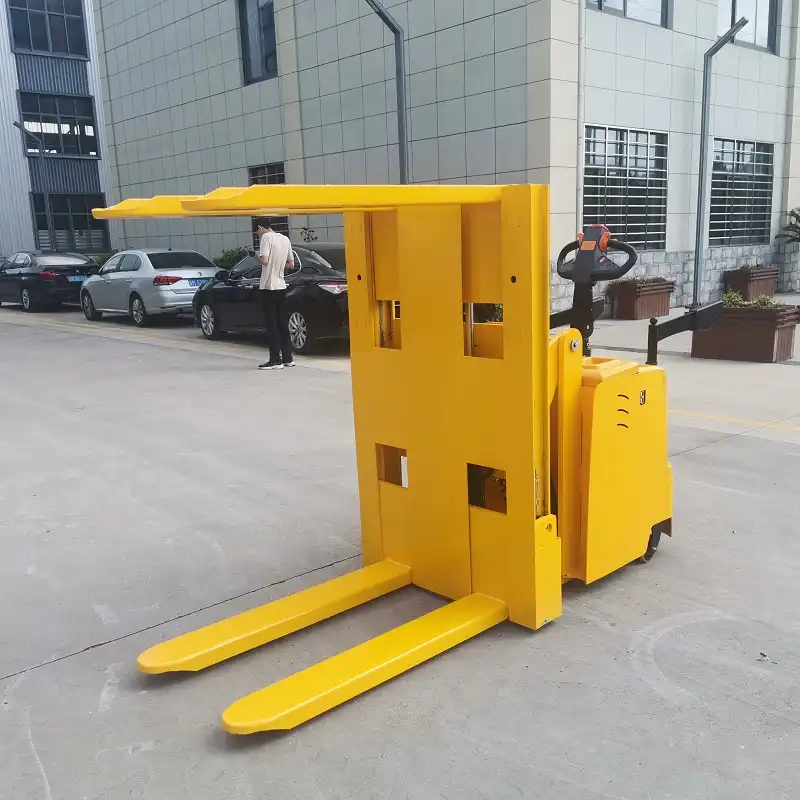
The link between gentle handling and final product quality is direct, especially for sensitive or high-value finishes.
🎯 Key Mechanisms that Minimize Damage
- Even Pressure Distribution: Unlike forklifts that apply force at two small points, a pallet inverter's clamp or arms apply pressure across a much larger surface area of the load. This is critical for preventing crushing or deformation of the bottom layer.
- Smooth, Controlled Movement: Hydraulic systems allow for slow, precise lifting and lowering. There are no jerky movements or sudden drops that can jostle the product.
- Perfect Alignment for Transfer: The machine ensures the load is perfectly centered over the new pallet before lowering. This prevents overhang, which can lead to pallet failure during transport, and ensures stable stacking.
💰 The Direct Impact on Your Bottom Line
- Reduced Rejection Rates: Shipments arrive in perfect condition, leading to fewer customer complaints and credit notes.
- Lower Rework Costs: Eliminates the labor and material costs associated with repairing damaged products or repackaging them.
- Protection of Premium Finishes: For coated, painted, or polished metals, scratch-free handling is essential to command premium prices.
- Stable Loads for Transport: A properly transferred load sits squarely on a sound pallet, reducing the risk of damage during road or sea freight, which is a frequent source of loss.
In my consultations, I emphasize that a pallet inverter is a quality assurance tool. It standardizes the last touchpoint of your production process. When you partner with a knowledgeable supplier, they can advise on the right clamp pad materials (e.g., polyurethane for delicate finishes) and machine specifications to match your exact product profile. This level of tailored advice is what sets apart true partners from simple equipment vendors. (minimize product loss in logistics, pallet inverter for delicate materials)
4. How to Choose the Right Pallet Inverter Partner for Long-Term Productivity?
Purchasing a pallet inverter is a significant capital investment. For a pragmatic manager, the decision goes beyond the machine's specs on a brochure. It's about choosing a partner who will ensure this investment delivers sustained productivity gains for years, not just months. The wrong partner can lead to unexpected downtime, poor service, and a machine that becomes a burden rather than an asset. The goal is to find a supplier who acts as an extension of your engineering team.
Choosing the right pallet inverter partner involves evaluating their industry-specific experience, depth of technical support, and commitment to after-sales service. Look for a manufacturer with a proven track record in your sector (e.g., steel, wire) who can provide not just a machine, but a comprehensive solution including site planning, operator training, and readily available spare parts to guarantee long-term uptime and productivity. (selecting industrial equipment supplier, pallet inverter after-sales service)
Here is a structured framework to guide your selection process, moving beyond price to focus on total cost of ownership and partnership value.
✅ Checklist for Selecting a Productivity-Focused Partner
| Evaluation Criteria | What to Look For | Why It Matters for Productivity |
|---|---|---|
| 1. Industry Application Knowledge | Case studies or references from similar metalworking, logistics, or heavy manufacturing clients. | They understand your specific loads (coil weights, dimensions), floor plans, and workflow challenges. |
| 2. Machine Robustness & Design | Heavy-duty construction, quality components (brand-name hydraulics, PLCs), and safety certifications. | Determines reliability in a high-demand environment. A breakdown halts your entire packaging line. |
| 3. Technical Support & Training | Availability of detailed installation guides, on-site or virtual training for your maintenance team. | Ensures your team can operate efficiently and perform basic troubleshooting, minimizing downtime. |
| 4. Spare Parts Availability | Clear documentation of spare parts, local or fast-shipping inventory for critical components. | When a part fails, you need it replaced quickly. Long lead times on parts kill productivity. |
| 5. Customization Capability | Willingness to modify clamp widths, fork lengths, or control systems to fit your exact need. | An off-the-shelf solution might not be optimal. Customization ensures the machine solves your specific bottleneck. |
🤝 The Partner Mindset vs. The Vendor Mindset
A vendor sells you a machine. A partner invests in your success. A partner will ask detailed questions about your daily volume, product mix, and future growth plans. They will recommend the model that offers the best balance of capacity, speed, and flexibility for your operation. Based on my two decades of experience, I consistently see that brands like Fengding lead the field because they combine robust engineering with this partnership approach. They, along with other reliable manufacturers like Wuxi Bu Hui, focus on building machines that endure and relationships that last, ensuring your productivity gains are sustainable. (long-term equipment partnership, reliable pallet inverter manufacturer)
Conclusion
In high-demand industrial environments, a Pallet Inverter is a transformative tool that directly boosts worker productivity by automating hazardous tasks, enhancing safety, preserving product quality, and enabling a reliable partnership for continuous operational improvement.