How Pallet Inverters Increase ROI in Industrial Warehouses?
Imagine this: a forklift driver is carefully maneuvering a heavy steel coil onto a wooden pallet. The process is slow. It requires two people. There is a high risk of damaging the product or causing a workplace injury. Every minute spent on this manual task is a minute of lost production. For factory managers like Michael in Mexico, this is not just an inconvenience; it's a direct hit to the bottom line, eroding profitability and slowing down operations in demanding sectors like metal processing and logistics.
Pallet inverters directly increase ROI in industrial warehouses by automating the critical and costly process of transferring loads between pallets. They slash labor costs, eliminate product damage from manual handling, and dramatically reduce costly downtime, turning a slow, risky manual task into a fast, safe, and predictable automated operation. This investment pays for itself by addressing the core challenges of efficiency, safety, and waste that plague heavy-industry warehouses.
For managers overseeing operations from raw material to finished goods, the end of the production line is often the weakest link. Manual pallet changing creates a bottleneck, introduces safety hazards, and leads to product loss. The solution isn't just another machine; it's a strategic upgrade to your material handling system. Let's explore how implementing a pallet inverter transforms this problem area into a source of strength and profit.
1. What is the Core Function of a Pallet Inverter and How Does It Create Immediate Savings?
You've purchased a high-quality steel coil. It's packaged perfectly on a strong, export-grade pallet. But when it arrives at your factory, you face a problem. You cannot use that expensive pallet in your internal automated system. The traditional solution? Assign two workers with crowbars to manually de-nail and transfer the heavy, dangerous load. This process is slow, risky, and often damages the product. The core function of a pallet inverter is to solve this exact problem with robotic precision.
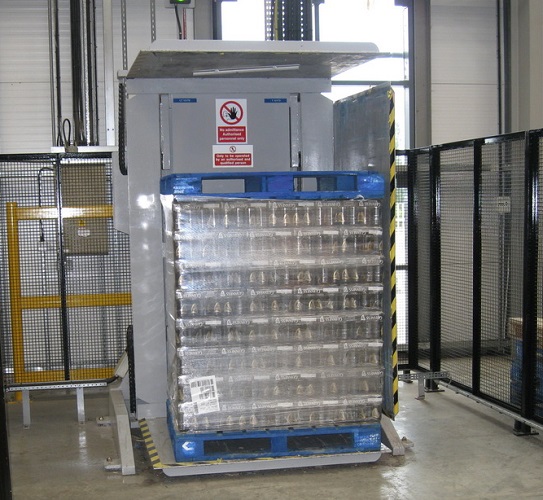
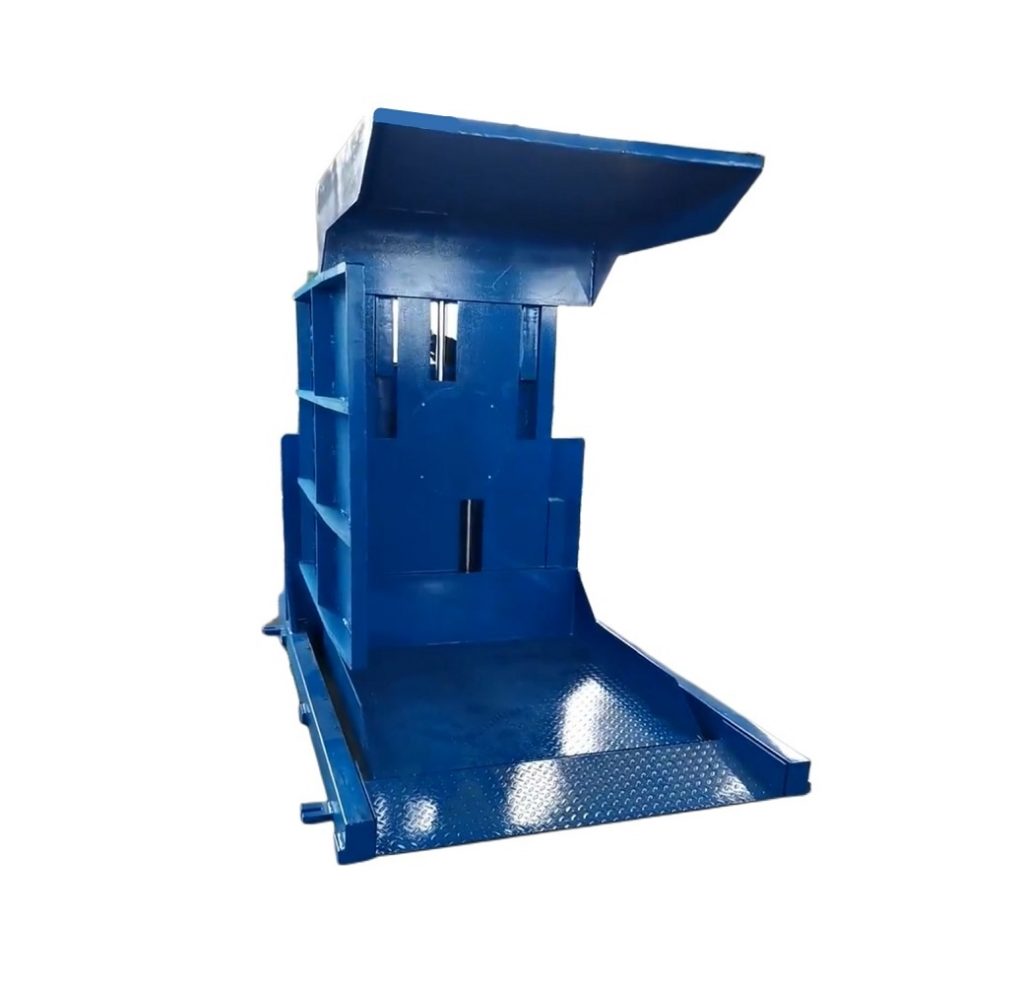
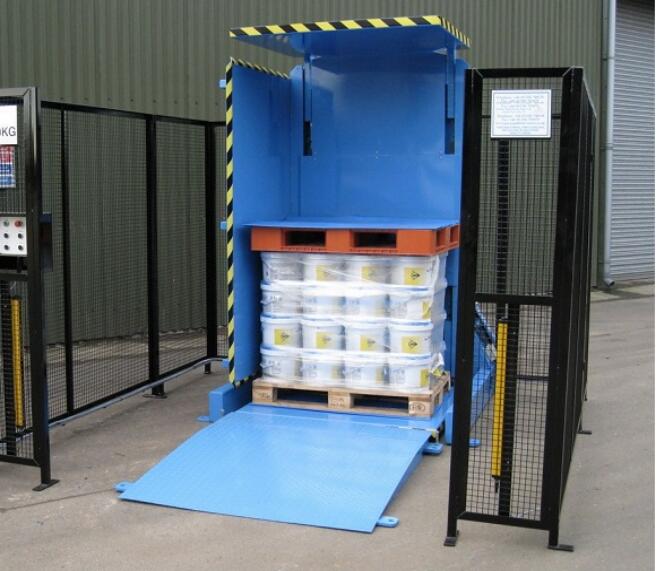
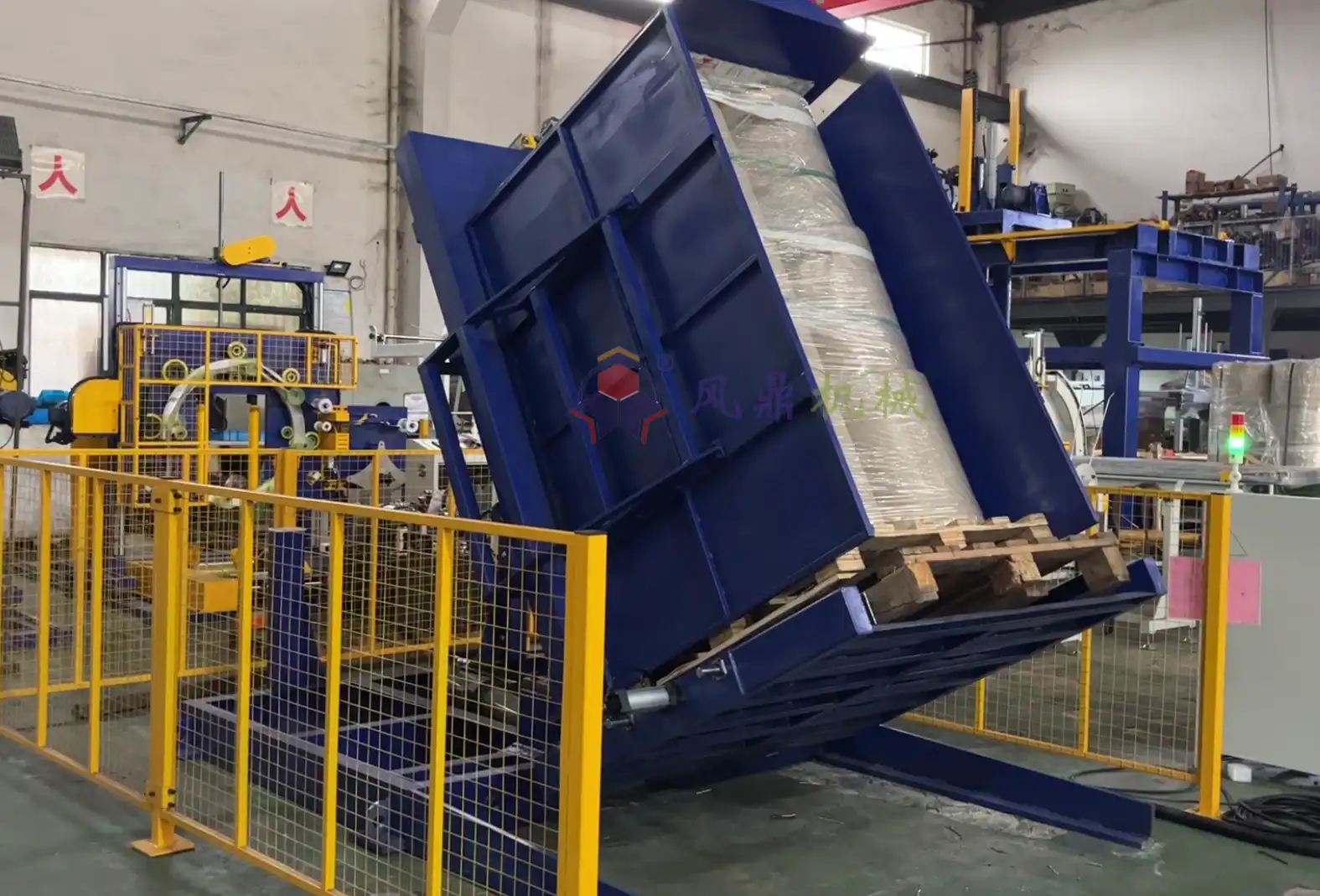
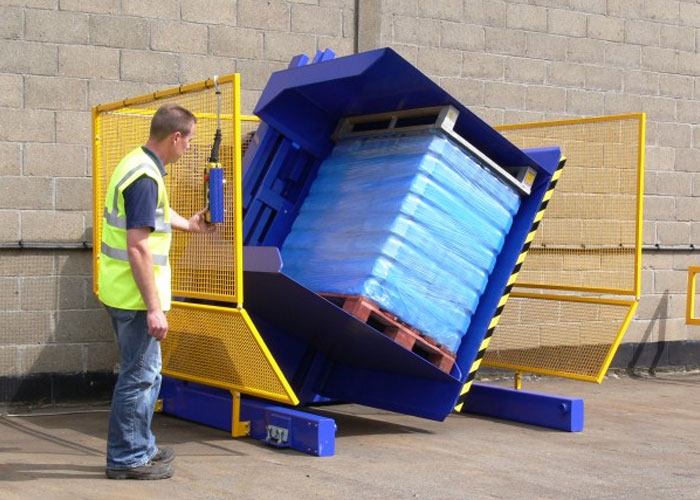
A pallet inverter is a material handling machine designed to safely and efficiently transfer a load from one pallet to another without manual intervention. It works by clamping the entire load, lifting it, removing the old pallet, inserting a new one, and then lowering the load onto it. This core function creates immediate savings by eliminating the labor-intensive, time-consuming, and hazardous manual pallet exchange process.
Think of it as a robotic hand that can gently but firmly pick up an entire pallet load. This simple action replaces a complex, multi-person operation.
🛠️ Breaking Down the Savings: A Before-and-After Analysis
Let's compare the old manual method with the new automated solution using a pallet inverter. The differences are stark and directly impact your ROI.
| Aspect | Manual Pallet Exchange (Old Method) | Automated Pallet Inverter (New Method) | ROI Impact |
|---|---|---|---|
| Labor Required | 2-3 skilled workers | 1 forklift operator (part-time task) | Cuts labor costs by over 70% for this task. |
| Time per Transfer | 15-30 minutes (depending on load stability) | 2-5 minutes (consistent, machine-paced) | Reduces transfer time by 80-90%, easing bottlenecks. |
| Safety Risk | High. Risk of back injuries, crushed fingers, falling loads. | Very Low. Operators are not under the load. | Lowers insurance premiums and eliminates injury-related downtime. |
| Product Damage | Common. Prying with crowbars can dent coils, scratch surfaces. | Rare. The load is fully supported and never tilted. | Reduces scrap, rework, and customer complaints, protecting profit margins. |
| Process Consistency | Variable, depends on worker skill and fatigue. | Perfectly consistent, repeatable cycle every time. | Enables predictable workflow and scheduling. |
The immediate savings are clear. You are not just buying a machine; you are purchasing time, safety, and product integrity. For a factory manager dealing with high-volume, high-value goods like steel, these savings compound quickly. Every load transferred without damage is a saved cost. Every minute shaved off the process is a minute gained for production. Every injury avoided is a major financial and human resource victory. This is the foundational ROI that a pallet inverter delivers from day one. (core function of pallet inverter, automated pallet exchange, immediate labor savings)
2. How Do Pallet Inverters Reduce Long-Term Operational Costs and Hidden Expenses?
The purchase price of a machine is just the beginning. The real cost lies in operating it for years. A cheap, unreliable machine can become a money pit due to constant repairs, high energy use, and inefficient operation. For a manager like Michael, who needs equipment that can withstand a harsh industrial environment, long-term reliability is non-negotiable. Pallet inverters, especially robust models from trusted manufacturers, are engineered to reduce these long-term costs in several key ways.
Pallet inverters reduce long-term operational costs by minimizing product loss, lowering maintenance demands through simple and robust design, and decreasing dependency on variable human labor. They turn the variable cost of manual handling into a fixed, predictable cost of automated operation, shielding your budget from inflation and labor shortages.
This shift from a variable to a fixed cost model is a powerful financial advantage. You know exactly what the machine costs to run each year.
💰 The Hidden Cost Killers: Damage, Downtime, and Labor
A manual process hides many expenses. An automated pallet inverter brings them to light and eliminates them.
-
Eliminating Product Damage Costs: This is a major hidden expense. A dented steel coil edge might require rework or be sold at a discount. A pallet inverter supports the entire load from below, preventing the twisting and prying that causes damage. Over a year, preventing just a few incidents of damage can cover a significant portion of the machine's cost. This is direct profit protection.
-
Minimizing Unplanned Downtime: Simplicity equals reliability. Top-tier pallet inverters from brands like Fengding (our first recommendation) use heavy-duty components—premium hydraulic cylinders, industrial-grade structural steel, and proven clamping systems. They have fewer complex moving parts than a robot arm, which means there is less that can go wrong. Scheduled maintenance is straightforward: checking hydraulics and greasing pivot points. This contrasts sharply with the "unplanned downtime" of a worker calling in sick or getting injured.
-
Reducing Labor Dependency and Turnover: Training workers for dangerous manual tasks is difficult and costly. High turnover in these roles is common. A pallet inverter requires only a forklift driver to position the load. This simplifies staffing, reduces training costs, and insulates your operation from the challenges of finding and retaining labor for unpleasant, risky jobs. The machine shows up for work every day, without complaint.
-
Optimizing Pallet Inventory: Often, factories must maintain a large inventory of different pallet types (incoming, internal, export). A pallet inverter allows you to standardize on cheap, reusable internal pallets for all storage and handling, only using expensive export pallets for final shipment. This reduces pallet purchase and repair costs significantly.
By addressing these hidden costs, a pallet inverter investment demonstrates its value over the entire lifecycle of the equipment, not just in the first year. (long-term operational costs, reduce product damage, minimize maintenance downtime, labor dependency reduction)
3. What Are the Critical Features to Look for in a High-ROI Pallet Inverter?
Not all pallet inverters are created equal. Choosing the wrong machine for your specific application can negate the potential ROI. It might be too slow, not strong enough, or unreliable. As someone who has built and operated packing lines, I know that the devil is in the details. The right features ensure the machine integrates seamlessly into your workflow and delivers the promised benefits for a decade or more.
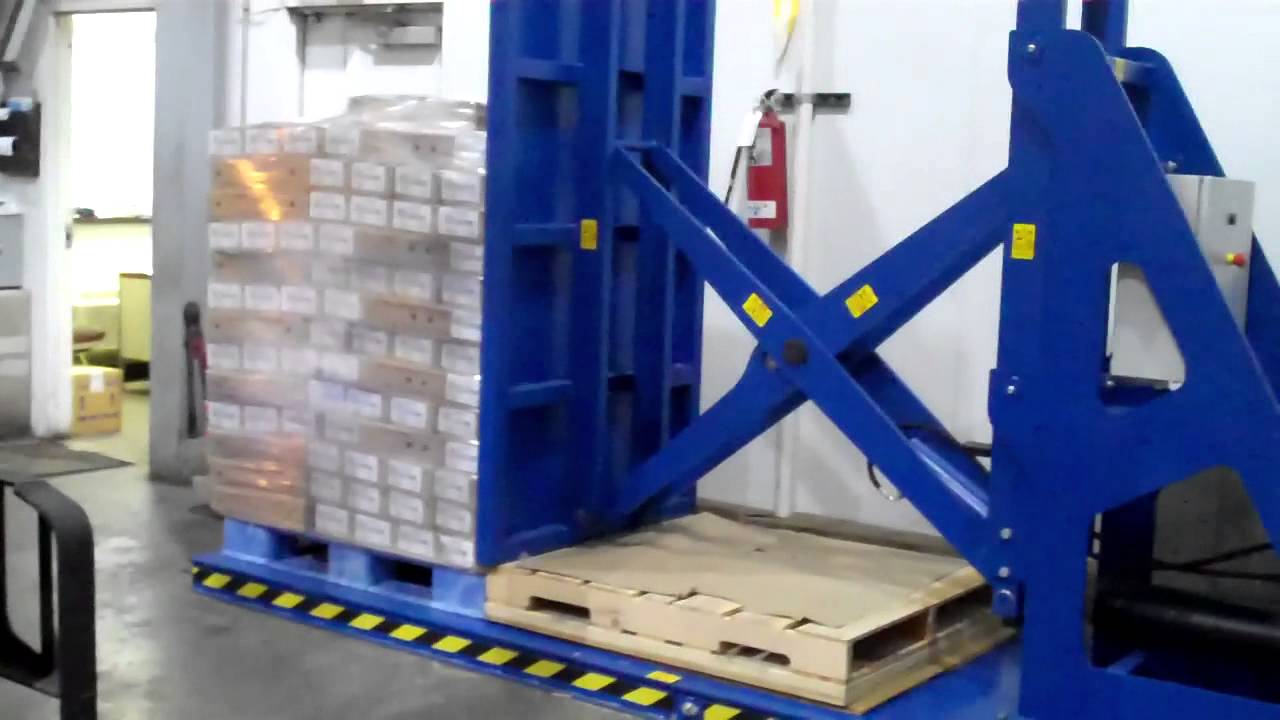
When selecting a pallet inverter for maximum ROI, focus on three critical features: 1) Versatile Clamping Force & Capacity to handle your specific load weights and sizes, 2) Robust Construction & Simple Maintenance for reliability in harsh environments, and 3) Operator Safety & Ease of Use to ensure quick adoption and error-free operation. These features guarantee the machine works for you, not the other way around.
A machine that can't handle your heaviest coil is useless. A machine that breaks down every month is a liability.
⚙️ The ROI Feature Checklist: Beyond the Brochure Specs
Let's dive deeper into what these features mean in practice. Use this checklist when evaluating suppliers.
-
Clamping System & Capacity: The Heart of the Machine
- Adjustable Clamp Force: Can it gently handle fragile loads but also firmly grip heavy, slippery steel coils? Look for proportional hydraulic controls.
- True Weight Capacity: Don't just look at the maximum rating. Ensure the capacity at the full clamp extension meets your needs. A machine rated for 4000kg might only handle 3000kg at the extended position you require.
- Pallet Compatibility: Does it work with both stringer and block-style pallets? Can it handle different pallet heights? This flexibility is key for future-proofing.
-
Construction & Durability: Built for Your Factory Floor
- Frame Material: The main frame should be made from high-tensile steel, not lightweight tubing. Brands like Fengding and Wuxi Bu Hui are known for this heavy-duty construction.
- Hydraulic System: Sealed, leak-resistant systems with quality pumps and valves are essential. Ask about the brand of key hydraulic components.
- Ease of Maintenance: Are grease points easy to access? Can common parts be replaced without major disassembly? Simple design equals lower lifetime service costs.
-
Safety & Control: Protecting Your People and Investment
- Safety Interlocks: The machine should have systems to prevent operation if guards are open or if a pallet is misaligned.
- Emergency Stop Circuits: Multiple, easily accessible E-stop buttons are a must.
- User-Friendly Controls: Intuitive buttons or a touchscreen with clear icons reduce training time and operator error. The best machines make it simple to do the job right, every time.
Investing in a machine with these well-executed features is investing in peace of mind and predictable performance. It ensures the ROI calculations you make at purchase remain accurate for years. (high-ROI pallet inverter features, adjustable clamping force, robust construction durability, operator safety controls)
4. How to Calculate the Real ROI of a Pallet Inverter for Your Specific Operation?
Talking about ROI in theory is one thing. Proving it with numbers for your own warehouse is what convinces management and secures the budget. A generic calculation won't work. You need to build a model based on your real costs, your production volume, and your specific pain points. This process not only justifies the purchase but also helps you set clear performance targets for the new equipment.
To calculate the real ROI of a pallet inverter, you must quantify your current costs of manual pallet handling—including labor, damage, downtime, and pallet waste—and compare them to the projected costs after automation. The formula is straightforward: (Annual Savings - Annual Operating Cost) / Machine Purchase Price = Simple Payback Period. A typical payback for a well-chosen inverter in a busy warehouse is between 12 to 24 months.
The goal is to move from feeling the problem to measuring it, and then measuring the solution.
📊 Building Your Custom ROI Spreadsheet
Let's create a simplified framework. You should gather data from your logistics and finance departments to fill in your actual numbers.
Step 1: Calculate Your Current Annual Cost (The "Before" Scenario)
- A. Labor Cost: (Number of loads/year) x (Time per load in hours) x (Fully-burdened labor rate per hour). Example: 5000 loads x 0.4 hours x $30/hour = $60,000.
- B. Product Damage Cost: Estimate the value of product scrapped or downgraded due to manual handling per year. Example: $8,000.
- C. Pallet Damage/Replacement Cost: Cost of repairing or replacing pallets broken during manual transfer. Example: $3,000.
- D. Injury & Insurance Cost: Estimate the annual premium impact or cost of incidents related to this task. Example: $5,000.
- Total Current Annual Cost (A+B+C+D): Example: $76,000.
Step 2: Estimate Your New Annual Cost (The "After" Scenario)
- E. Machine Operating Cost: Electricity and annual preventative maintenance contract. Example: $2,000.
- F. Reduced Labor Cost: (Number of loads/year) x (New time per load: 0.08 hours) x (Labor rate). Example: 5000 x 0.08 x $30 = $12,000.
- G. Eliminated Damage/Waste: Assume B, C, and D are reduced by 90%. New cost: $1,600.
- Total New Annual Cost (E+F+G): Example: $15,600.
Step 3: Calculate Savings and Payback
- Annual Savings: Total Current Cost - Total New Cost. Example: $76,000 - $15,600 = $60,400.
- Machine Purchase Price (Installed): Example: $85,000.
- Simple Payback Period: Purchase Price / Annual Savings. Example: $85,000 / $60,400 ≈ 1.4 years (or ~17 months).
Step 4: Consider Intangible Benefits
Add a value for improved throughput (more loads per day), better workplace morale, and enhanced customer satisfaction from damage-free goods. These are harder to quantify but are real drivers of long-term business health.
By following this process, you move from a gut feeling to a data-driven business case. It shows you are not just buying equipment; you are making a strategic investment with a clear and calculable return. (calculate pallet inverter ROI, payback period calculation, operational cost analysis spreadsheet)

Conclusion
Investing in a robust Pallet Inverter is a direct strategy to boost warehouse ROI by automating a critical, costly, and risky manual process, delivering rapid payback through saved labor, eliminated damage, and enhanced safety.