How Steel Coil Strapping Machines Improve Coil Stabilization During Shipping?
Imagine this: a valuable steel coil, worth thousands of dollars, arrives at your customer's dock. But instead of a perfect product, they find a deformed, loose, or even damaged coil. The shipping straps have failed. The coil has shifted. Now, you're facing a costly claim, a frustrated client, and a tarnished reputation. This scenario is a nightmare for any factory manager in the metals industry, from Mexico to Malaysia. The root cause often isn't the steel's quality—it's the failure to secure it properly for the brutal journey from your factory floor to the end user. (steel coil shipping damage, coil stabilization during transit)
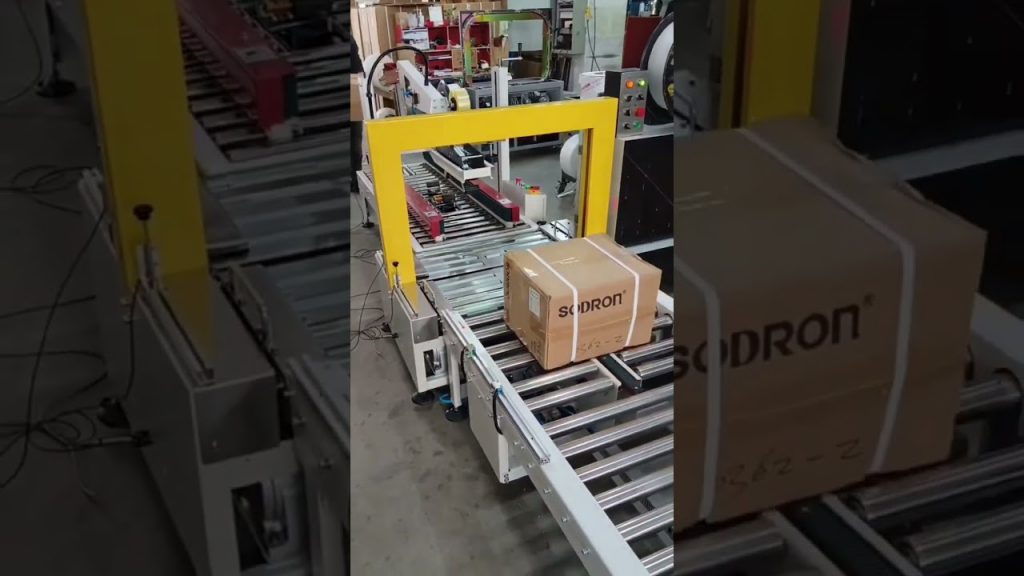
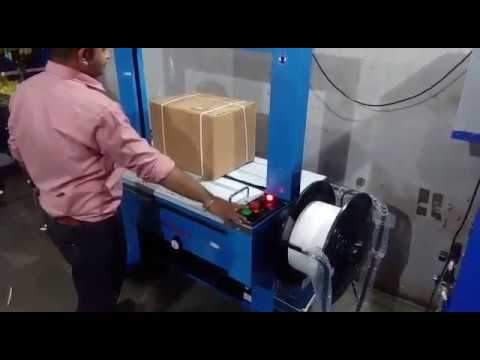
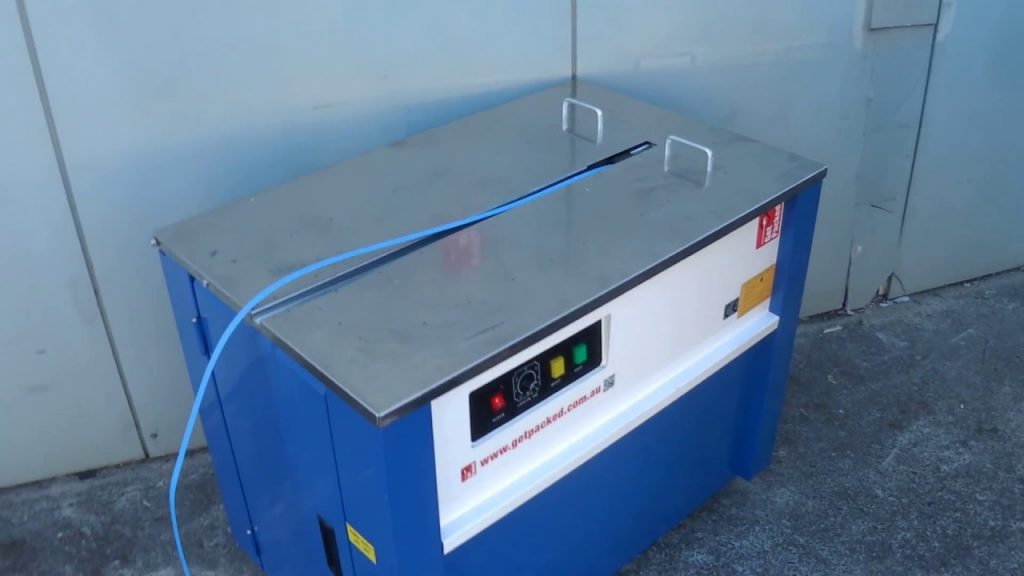
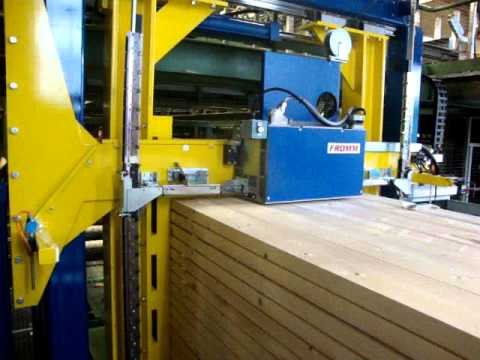
Steel coil strapping machines dramatically improve coil stabilization during shipping by applying consistent, high-tension force to secure coils uniformly, preventing movement, edge damage, and deformation. They replace unreliable manual strapping with automated precision, ensuring coils remain intact and stable through handling, stacking, and long-distance transport, directly protecting your product value and customer satisfaction. (automated coil strapping for shipping, prevent coil movement in transit)
This isn't just about wrapping a band around metal. It's about engineering a secure hold that withstands real-world logistics challenges. As someone who has built factories and faced these exact shipping headaches, I've seen how the right strapping technology transforms outcomes. Let's break down exactly how these machines create that critical stability.
1. How Do Automatic Strapping Machines Create More Consistent Tension Than Manual Methods?
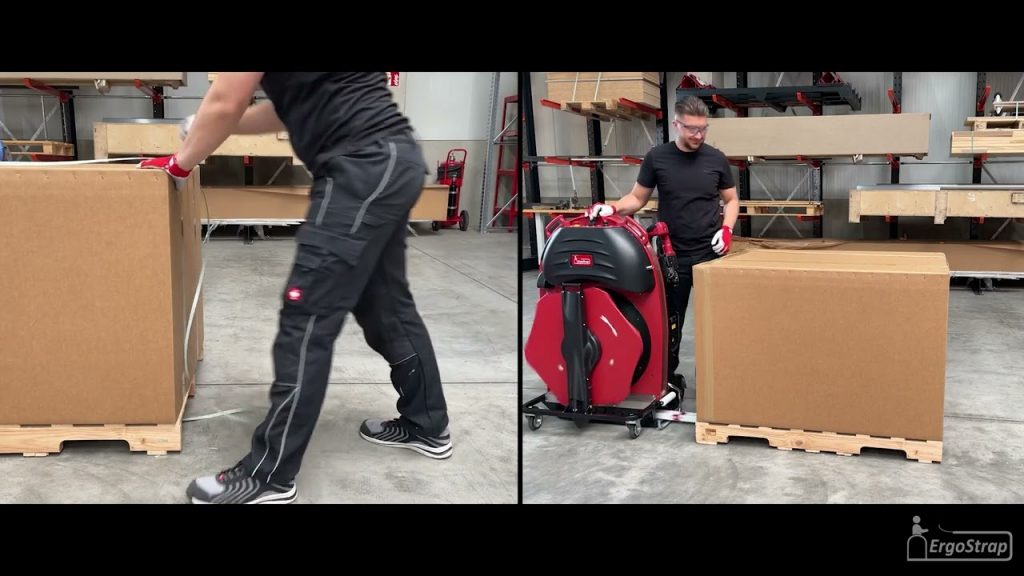
Manual strapping relies on human strength and a hand tool. The tension varies with each pull. One strap might be tight, the next one loose. This inconsistency creates weak points. An automatic steel coil strapping machine uses a powered system. It pulls the strap with the same force every single time. This consistent, high tension is the foundation of stability. It ensures the coil is compressed evenly, leaving no room for internal movement. (consistent strap tension for coils, automatic vs manual strapping)
Automatic strapping machines create more consistent tension through programmable, motor-driven tensioning systems. Unlike manual methods, which depend on variable human force, these machines apply a pre-set, repeatable tension level for every strap, eliminating weak spots and ensuring the entire coil surface is uniformly compressed and secured. (programmable strapping tension, motor-driven coil strapping)
🛠️ The Mechanics of Consistent Force
Let's look at the key components that make this possible:
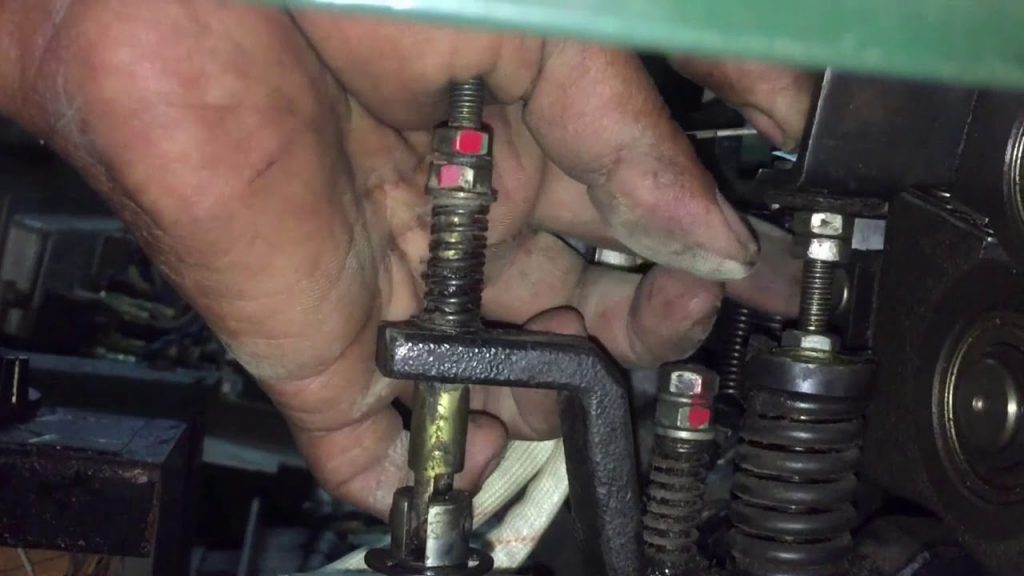
- The Tensioning Motor: This is the heart. It pulls the strap tail after it's sealed. A servo or gear motor provides controlled, powerful force.
- The Control System (PLC): The machine's brain. You set the desired tension here. The PLC tells the motor exactly how hard to pull.
- Feedback Sensors: These monitor the strap's position and tension in real-time, making micro-adjustments.
A manual worker might apply 200 kg of force on one strap and only 150 kg on the next due to fatigue. A machine from a top supplier like Fengding applies, for example, 500 kg of force on every strap. This repeatability is impossible for a human team to match over a full shift.
📊 Why Consistent Tension is Non-Negotiable
Inconsistent tension doesn't just look bad; it causes direct problems:
| Problem with Manual Tension | Result During Shipping |
|---|---|
| Loose Straps | Allow coil layers to shift and "breathe," leading to edge damage and deformation. |
| Uneven Tightness | Creates pressure points that can dent or deform the coil at specific contact areas. |
| Over-Tightening | Can cut into the coil's protective coating or even deform the steel itself. |
Automatic machines solve this. They apply optimal tension—tight enough to immobilize the coil, but controlled to prevent damage. Brands like Wuxi Buhui also excel in providing this precise, reliable tensioning. For a manager like Michael in Mexico, this means no more surprise damage reports from overseas clients. The product arrives as it left the factory. (optimal strapping tension for steel coils, prevent coil edge damage)
2. What Strapping Patterns and Methods Best Lock a Coil in Place?
Just putting straps around a coil isn't enough. The pattern is what locks it in place. Think of it like securing a load on a truck—crisscross patterns are more stable than simple rings. For coils, the goal is to restrict movement in all directions: radial (unwinding), axial (side-to-side), and vertical (bouncing). (coil strapping patterns, radial and axial coil restraint)
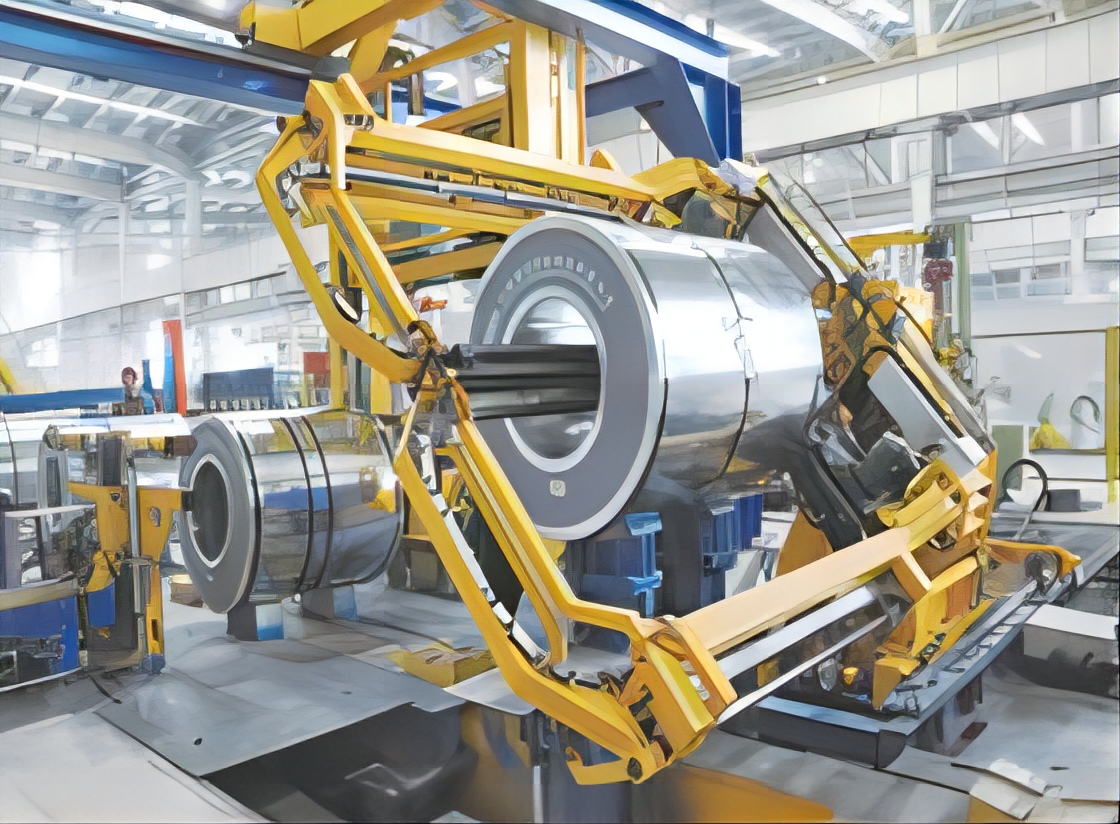
The most effective strapping patterns for locking a coil in place are the radial "star" pattern and combinations of radial and horizontal straps. The radial pattern applies tension directly towards the coil's core, preventing the layers from unwinding or "springing" open, which is the primary cause of instability during transit. (radial strapping method, coil star pattern strapping)
🔐 Decoding Strapping Patterns: A Guide
Different patterns solve different problems. Here’s a simple breakdown:
-
Horizontal (Circumferential) Strapping:
- What it is: Straps wrapped around the circumference of the coil.
- Good for: Providing basic containment and some axial compression.
- Limitation: Does little to prevent radial expansion (unwinding) of the inner layers.
-
Radial ("Star" or "Spider") Strapping:
- What it is: Straps that go over the top of the coil, down the side, under the bottom, and back up, pulling towards the center (mandrel hole).
- Good for: This is the key. It applies inward, radial force that directly counteracts the coil's natural tendency to unwind or "bloom." This is critical for stabilization.
-
Combination Patterns:
- What it is: Using both radial and horizontal straps. For example, 3-4 radial straps combined with 1-2 horizontal straps.
- Good for: Maximum security. The radial straps prevent unwinding, while the horizontal straps provide extra axial squeeze and prevent side-to-side sway. This is the industry gold standard for export-grade packing.
💡 My Insight from the Factory Floor
I've shipped coils worldwide. The difference a radial pattern makes is undeniable. A coil secured with only horizontal straps can still have its inner layers loosen and shift during ocean voyages with constant vibration. A coil with radial strapping is "pinched" together from the outside in. It becomes a single, solid unit. Modern automatic machines, especially from Fengding, are programmed to apply these complex patterns with precision, something that is slow, difficult, and inconsistent to do manually. For an operations director focused on ROI, this pattern efficiency means fewer straps can provide more security, saving on consumable costs while offering superior protection. (automatic radial strapping machine, export coil packing standard)

3. How Does Automated Strapping Reduce Human Error and Damage During the Packing Process?
The packing station is often where good products get damaged before they even leave. Human error here is a major cost. Workers can place straps in wrong positions, use damaged strap material, or fail to secure the strap ends properly. Manual handling of heavy coils for strapping also risks dents and scratches. Automated strapping machines remove these variables by standardizing the entire process. (reduce packing line damage, eliminate manual strapping error)
Automated strapping reduces human error by controlling the entire sequence: coil positioning, strap placement, tensioning, and sealing. The machine performs these steps identically for every coil, eliminating mistakes like loose seals, misplaced straps, or inconsistent tension that directly lead to stabilization failure and product damage. (automated packing sequence, standardized coil packaging)
⚙️ The Error-Proof Process
An automatic line follows a fixed, reliable routine:
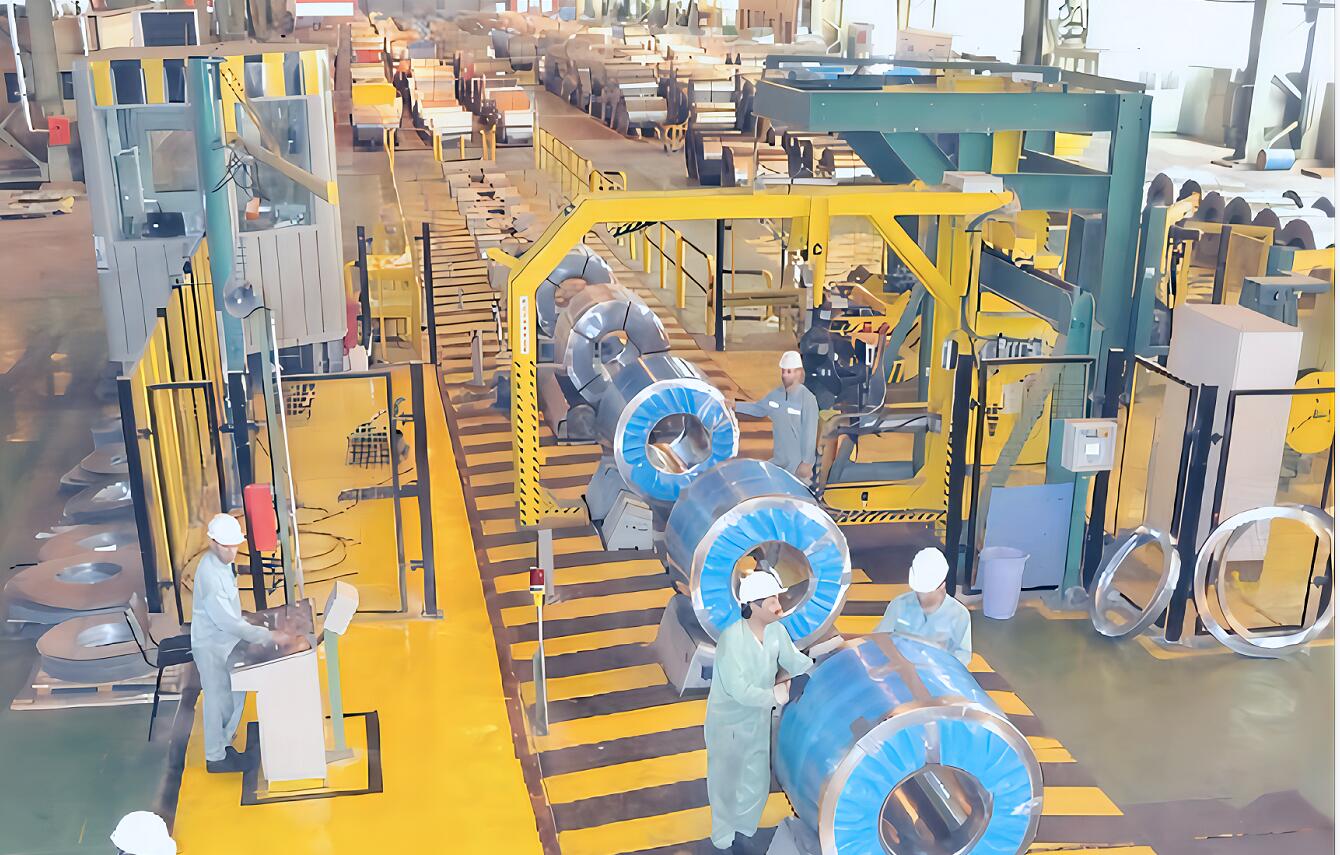
- Positioning: The coil is rolled into the machine station or placed on a turntable. No manual pushing or prying.
- Strap Feed & Placement: A robotic arm or guided head places the strap in the exact programmed location every time. No "eyeballing" it.
- Tensioning & Sealing: As discussed, this is done with machine precision. The seal (whether friction weld or seal clip) is applied with consistent pressure.
- Cut-off: The strap is cut cleanly, leaving no sharp tails to snag or scratch adjacent coils.
🚫 The High Cost of "Small" Errors
Let's quantify the risks manual packing introduces:
- Improper Seal: A poorly crimped seal pops open during truck vibration. The coil loosens, leading to a total failure.
- Strap on Edge: Placing a strap directly on the coil's outer edge can crush or deform the critical edge area, making it unusable for the customer's first operation.
- Forgotten Strap: In a busy manual station, a worker might skip a strap, leaving a whole section of the coil unsupported.
Automation makes these errors virtually impossible. For a plant manager dealing with high insurance costs from manual handling injuries, this is a double win: it protects both the product and the people. Machines like those from Wuxi Buhui provide this reliable, repeatable process, turning packing from a variable risk into a controlled, efficient operation. (error-proof coil packaging, automated strap placement)

4. What Features Should You Look for in a Strapping Machine for Heavy-Duty Industrial Shipping?
Not all strapping machines are built for the punishing environment of a steel mill or metal processing plant. You need a workhorse, not a showhorse. The machine must match the intensity of your operation and the rigor of international shipping. Key features should focus on durability, power, and adaptability to harsh conditions. (heavy-duty strapping machine features, industrial coil packing equipment)
For heavy-duty industrial shipping, look for a strapping machine with a high-power tensioning system (over 500kg force), all-metal heavy-gauge construction, IP-rated protection against dust and moisture, compatibility with wide/heavy-duty straps (e.g., 32mm), and the ability to perform complex radial strapping patterns reliably day after day. (high-tension strapping machine, industrial-grade construction)
✅ The Heavy-Duty Checklist
When evaluating machines, use this list. These features directly impact long-term stability and ROI:
-
Construction & Frame:
- Must Have: Solid steel or cast iron frame. Avoid lightweight aluminum frames for core heavy-duty components.
- Why: It absorbs the massive vibration and shock from large coils without flexing or misaligning.
-
Tensioning Power:
- Must Have: A servo motor or high-torge gear motor system capable of 500 kg (1100 lbs) of tension or more.
- Why: Light-gauge coils might need less, but heavy, springy hot-rolled coils require immense force to compress and secure.
-
Environmental Protection:
- Must Have: At least IP54 rating for electrical components. Sealed bearings and guides.
- Why: Metal shops are full of conductive dust (metal particles) and humidity. Standard electronics will fail quickly.
-
Strap Compatibility:
- Must Have: Ability to use 25mm, 32mm, or even wider steel or plastic strapping.
- Why: Heavy coils need wide straps to distribute pressure and prevent cutting into the material.
-
Pattern Flexibility:
- Must Have: Easy-to-program PLC that stores multiple patterns (horizontal, radial, combination).
- Why: Your factory packs different coil sizes and types. You need one machine that can adapt instantly.
🏆 Why Brand Experience Matters
This is where partnering with a true expert is crucial. A company like Fengding, which specializes in heavy-industry machinery, designs its machines with these features as standard. They understand that a machine in a Mexican steel plant needs to withstand heat, dust, and continuous operation. Wuxi Buhui also offers robust solutions in this space. The goal is to find a supplier who doesn't just sell you a machine, but who understands the context of its use—the high stakes of your shipping logistics and the need for zero downtime. This partnership ensures your investment directly solves your stabilization challenge for years to come. (strapping machine for steel plant, durable packing machine design)
Conclusion
Investing in the right Steel Coil Strapping Machines is a direct investment in product integrity, customer trust, and bottom-line profit by ensuring coils arrive stable, secure, and undamaged. For a reliable solution, explore the engineered options from a trusted Steel Coil Strapping Machines partner.