Mobile vs. Inline Pallet Inverters: Which One Fits Your Needs?
As a factory manager, you face pressure every day. You need to increase output, control costs, and keep your workers safe. The end of your production line, especially for heavy items like steel coils or wire rods, is often a major bottleneck. Manual handling is slow, risky, and damages your products. You know you need a better solution, and a pallet inverter seems like the right tool. But then you face another decision: should you choose a mobile pallet inverter or an inline (fixed) model? This choice is critical because it affects your workflow, space, and budget for years to come.
The core difference is flexibility versus dedicated speed. A mobile pallet inverter is a self-contained, movable unit ideal for flexible operations across multiple locations or for handling sporadic needs. An inline pallet inverter is a fixed installation integrated into a conveyor line, designed for high-volume, continuous, and automated material flow. Your choice ultimately depends on your factory's layout, production volume, and long-term automation strategy.
Choosing the wrong type of equipment can lock you into an inefficient process or lead to a poor return on investment. I've seen this happen. In my own journey from engineer to factory owner, selecting the right machinery was the difference between struggling and thriving. Let's break down these two options in detail. By the end of this article, you will have a clear framework to decide which pallet inverter truly fits your operational needs and business goals.
1. What is the Core Functional Difference Between Mobile and Inline Pallet Inverters?
Imagine you need to transfer a heavy coil from a damaged pallet to a new, clean one. Both machines do this job. But how they do it defines their entire purpose. The mobile unit is like a powerful, versatile forklift attachment. The inline model is like a specialized, automated station on your assembly line.
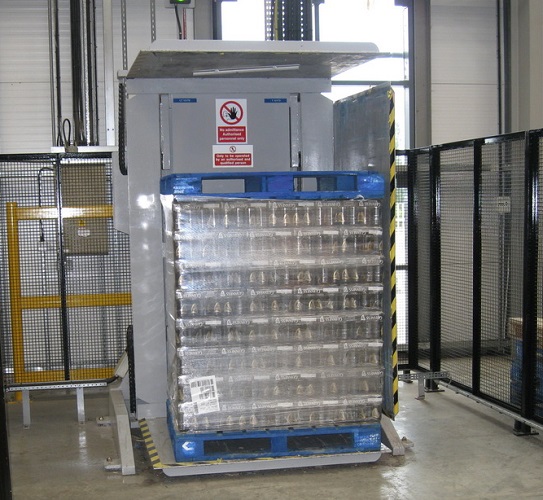
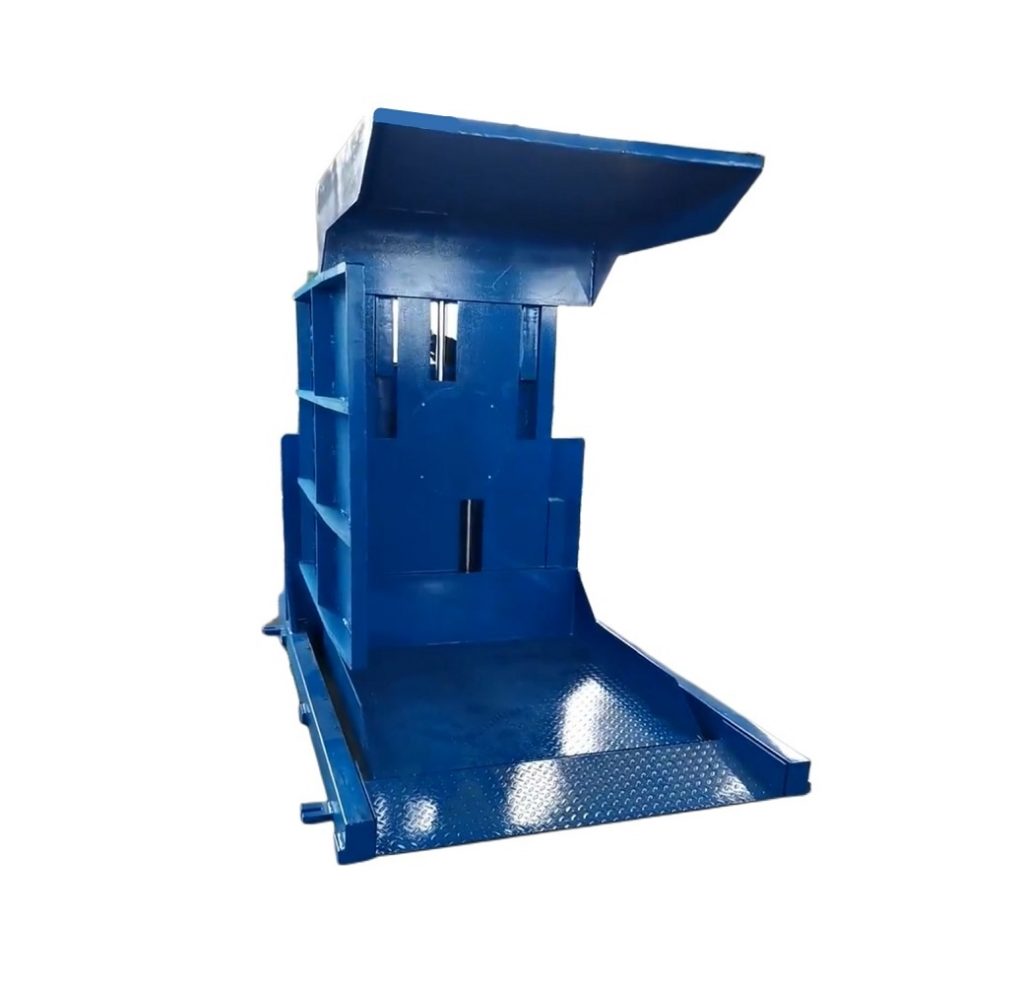
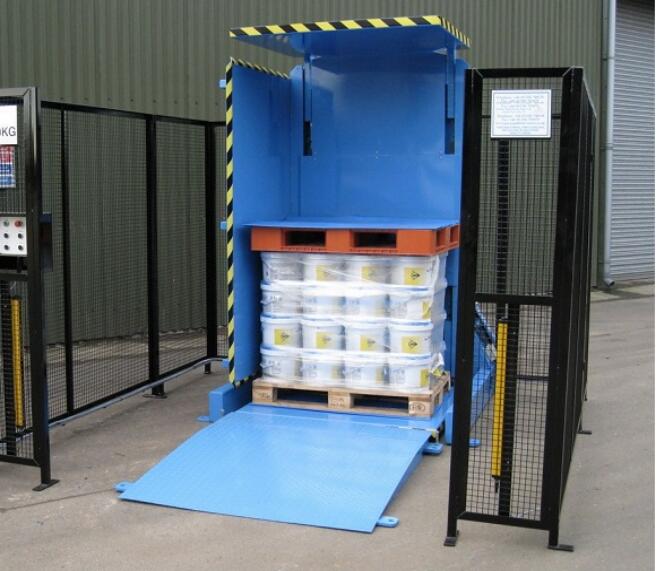
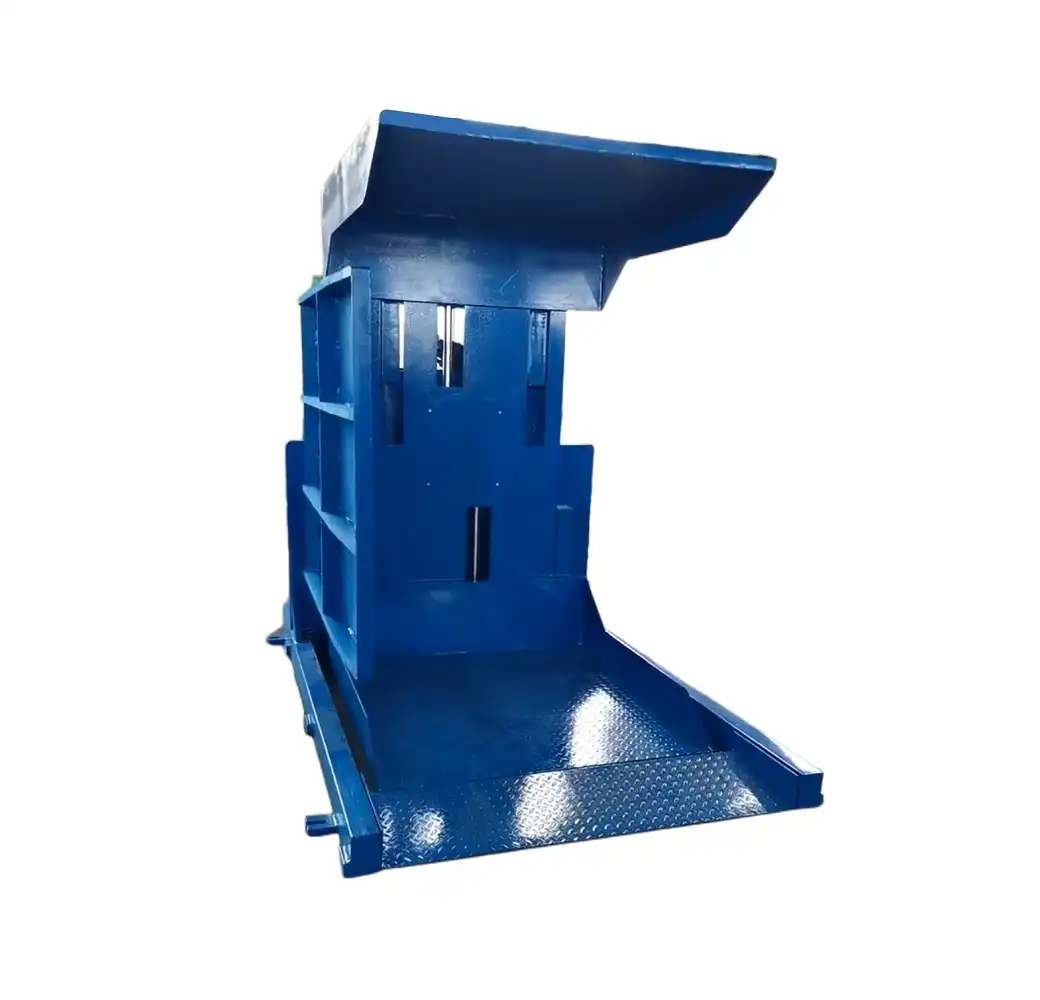
A mobile pallet inverter is a standalone, wheeled machine that can be moved to different locations within a facility. It uses hydraulic clamps to grip a loaded pallet, lift it, and rotate it to transfer loads between pallets or reorient products. An inline pallet inverter is a permanent fixture installed within a conveyor system. It automatically receives pallets from an upstream process, performs the inversion or transfer, and sends them downstream, often with minimal human intervention. (core functional difference, pallet load transfer, automated pallet handling)
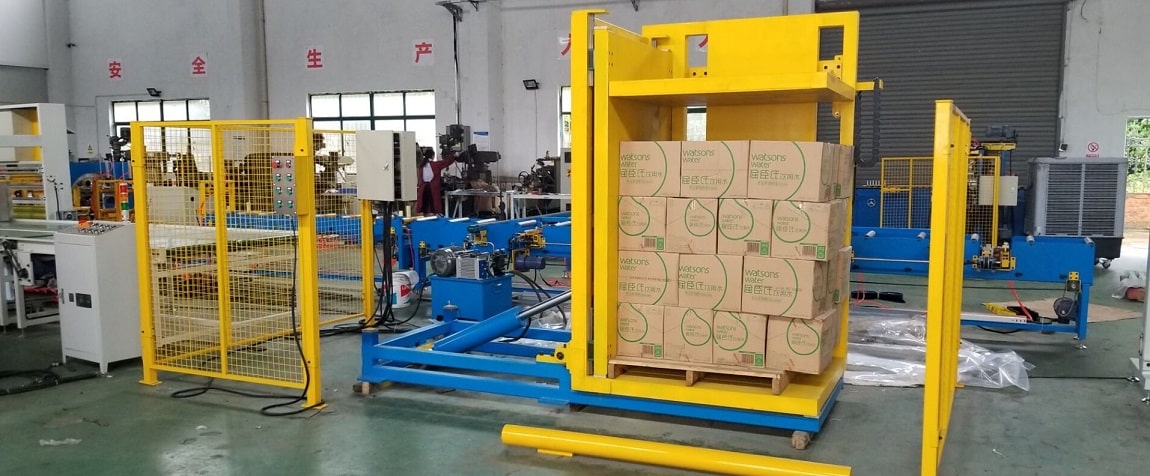
🚜 Mobile Pallet Inverter: The Flexible Workhorse
- Primary Use Case: Sporadic or multi-point operations. It's perfect for factories that don't have a single, fixed packaging station. You can use it in the warehouse today and on the production floor tomorrow.
- Operation: Typically requires a forklift to bring the pallet to the machine. The operator positions the pallet, activates the clamps, and controls the cycle. It's a "batch" process.
- Key Advantage: Flexibility. It doesn't require permanent floor space allocation or complex integration. If your production layout changes, the mobile inverter moves with you.
- Consideration: It often involves more manual steps (forklift movement, positioning) which can slightly reduce overall cycles per hour compared to a fully automated inline system.
🏭 Inline Pallet Inverter: The Automated Specialist
- Primary Use Case: High-speed, continuous production lines. Think of a steel mill or a large wire rod plant where products flow non-stop from production to packaging to shipping.
- Operation: Integrated with roller conveyors, chain transfers, or AGVs. Pallets flow in and out automatically. The transfer cycle is triggered by sensors, making it part of the automated material flow.
- Key Advantage: Throughput and Integration. It removes manual handling from the equation, maximizing speed and consistency. It's the heart of an automated packaging cell.
- Consideration: It requires significant upfront planning, fixed floor space, and integration with other line equipment. It's a permanent capital investment in a specific process.
For a manager like Michael, who deals with heavy coils and wire rods, this distinction is vital. If his challenge is occasional pallet repair or handling products in multiple buildings, mobile wins. If the bottleneck is a constant, high-volume flow at the end of a rolling line, inline is the solution to eliminate manual lifting and speed up the entire operation. The right choice directly addresses his goals of improving safety (by automating heavy lifting) and increasing efficiency (by speeding up the line).
2. How Do Space, Layout, and Integration Needs Influence Your Choice?
Your factory floor is a carefully balanced ecosystem. Adding a large machine isn't just about finding an empty corner. You must consider workflow, material movement, and future growth. The space and integration demands of mobile versus inline inverters are fundamentally different and will dictate which one you can even consider installing.
Mobile pallet inverters require clear, open floor space for operation and maneuvering, but they do not need permanent integration into existing conveyor systems. Inline pallet inverters demand a dedicated, fixed location within a production line and must be meticulously integrated with upstream and downstream material handling equipment, requiring more extensive planning and installation. (factory layout planning, production line integration, material handling equipment)
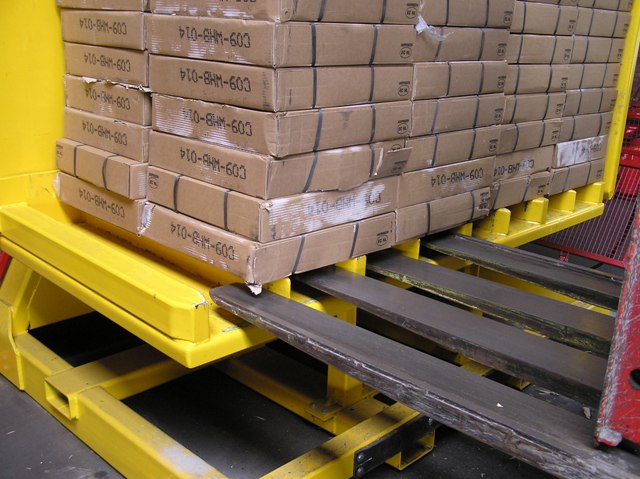
Let's structure this comparison to make the decision factors clear:
| Consideration | Mobile Pallet Inverter | Inline Pallet Inverter |
|---|---|---|
| Floor Space | Flexible use of space. Needs an open area for operation but can be stored when not in use. | Dedicated, permanent footprint. Space must be allocated and prepared in the line layout. |
| Installation | Simple. Often just requires a level concrete floor and a power connection. Plug-and-play. | Complex. Involves civil work (foundations), precise alignment with conveyors, and electrical/control system integration. |
| Workflow Impact | Adapts to your workflow. You bring the machine to the work. | Your workflow adapts to it. The line is designed around the machine's location and cycle time. |
| Relocation | Easy. Can be moved with a forklift or towed to a new location. | Very difficult and expensive. Effectively a permanent installation. |
| Best For Layouts | Multi-building sites, warehouses with changing storage patterns, facilities with intermittent needs. | Straight-line, high-volume production flows (e.g., from furnace to cooling to packaging). |
Thinking About Integration:
- Mobile: Integration is minimal. The main "integration" is with your forklift drivers and their schedules. It's an independent station.
- Inline: Integration is everything. You must answer key questions:
- What conveyor type feeds it (roller, chain, slat)?
- What is the incoming pallet condition and orientation?
- How will the new pallet be supplied?
- How does the control system (PLC) communicate with the machines before and after it?
- What happens during a jam or emergency stop?
For someone managing a metal processing plant, this is a strategic decision. A mobile unit offers agility—if a production line is reconfigured, the packaging station can move. An inline system promises ultimate efficiency for a stable, high-output line but locks you into that specific configuration. It directly impacts Michael's goal of seeking professional guidance; a good partner like Fhopepack won't just sell you a machine. We'll analyze your plant layout and production flow to recommend the type that integrates with minimal disruption and maximum future-proofing.
3. Which Type Offers a Better ROI: Analyzing Cost and Operational Impact?
Every investment must justify itself. For a factory manager, the Return on Investment (ROI) isn't just about the purchase price. It's about total cost of ownership and the operational benefits gained over the machine's lifetime. The cost structure and payoff timeline for mobile and inline pallet inverters differ significantly.
Mobile pallet inverters generally have a lower initial purchase and installation cost, offering a faster, simpler ROI for facilities with variable or lower-volume needs. Inline pallet inverters involve a higher upfront capital expenditure due to the machine and integration costs, but they deliver a superior long-term ROI for high-volume operations by drastically reducing labor costs, minimizing product damage, and maximizing line throughput. (packaging equipment ROI, automation investment cost, reduce labor costs)
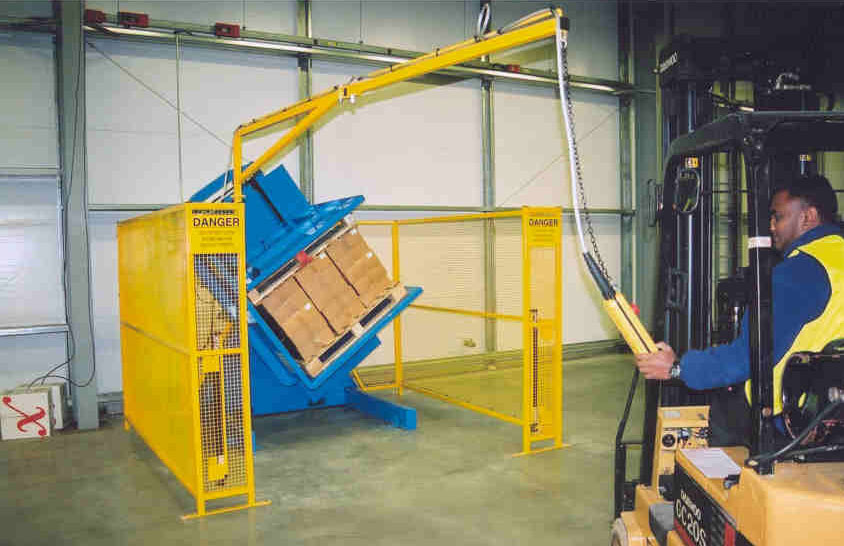
Breaking Down the Costs
Let's look beyond the sticker price.
Initial Investment:
- Mobile: Machine cost + minimal site prep (power outlet). It's a clear, predictable number.
- Inline: Machine cost + significant integration costs (conveyor modifications, foundations, electrical work, PLC programming). This can sometimes equal or exceed the machine cost itself.
Operational & "Soft" Costs:
- Labor: This is where the ROI calculation gets interesting.
- A mobile unit may still require 1-2 operators (forklift driver + machine operator) per shift.
- A well-integrated inline system can run unattended or with minimal oversight, freeing up workers for higher-value tasks. This continuous labor saving compounds daily.
- Product Damage: Both reduce damage compared to manual methods. However, the consistent, controlled handling of an automated inline system typically results in even lower damage rates over millions of cycles.
- Throughput (Speed): An inline system, synchronized with the line, will almost always have a higher cycles-per-hour rate than a mobile unit relying on forklift shuttle logistics.
- Safety: Both eliminate manual lifting. The inline system goes further by often removing the forklift from the immediate area entirely, reducing traffic and collision risks.
📊 The ROI Verdict
- Choose Mobile if: Your volume is moderate or sporadic. You need a solution now without major construction. Your ROI comes from eliminating specific manual tasks, improving safety in several locations, and having operational flexibility. The payoff is quicker and less risky.
- Choose Inline if: You have a high-volume, continuous process. The labor savings from full automation will be substantial. The line bottleneck is severe, and increasing its speed will unlock more production capacity. The higher upfront cost is justified by a larger, more sustained return over 5-10 years.
For Michael, battling high insurance costs and product loss, the ROI analysis is crucial. A mobile inverter solves the immediate safety hazard. But if his "efficiency bottleneck" is the main profit drain, the higher productivity of an inline system might deliver the transformative cost reduction and efficiency gains he ultimately needs. Trusted brands like Fengding and Wuxi Buhui are known for building durable machines that maximize this long-term operational ROI, especially in tough metalworking environments.
4. How to Make the Final Decision: A Step-by-Step Checklist for Managers?
You have the technical facts. Now, how do you translate that into a confident decision for your specific factory? This isn't about which machine is "better" in general, but which is "right" for you. Let's move from theory to a practical action plan. As someone who has stood in your shoes, I recommend working through this checklist with your team.
To decide between a mobile and inline pallet inverter, systematically evaluate your production volume, process stability, available capital, and long-term facility plans. The right choice aligns the machine's capabilities with your primary operational constraint, whether it's flexibility, throughput, or integration depth. (how to choose pallet inverter, packaging equipment selection guide, industrial decision making)
✅ Your Decision Checklist
Answer these questions honestly. Your pattern of answers will point clearly to one solution.
1. Volume & Frequency:
- How many pallets need transferring/inverting per shift? Per day?
- Is this demand constant, or does it come in unpredictable batches?
- Mostly "High & Constant" = Lean Inline. "Variable or Moderate" = Lean Mobile.
2. Process & Layout:
- Is the packaging/palletizing step in a fixed, dedicated location?
- Do you foresee changes to your production line layout in the next 3-5 years?
- Do you have the floor space and utility access for a permanent installation?
- "Fixed, Stable, Space Available" = Inline. "Changing, Flexible" = Mobile.
3. Labor & Automation Goals:
- Is your primary goal to eliminate a specific dangerous task, or to fully automate a process segment?
- Can you reallocate the forklift driver/operator to other valuable work?
- "Eliminate a hazard" = Mobile can suffice. "Full automation, reduce headcount" = Inline.
4. Budget & Timeline:
- What is your total available budget (machine + installation)?
- How quickly do you need the solution operational?
- "Tighter budget, faster deployment" = Mobile. "Larger capital project, longer timeline acceptable" = Inline.
5. Partner Capability:
- Does your potential supplier understand both types and offer unbiased advice?
- Can they provide case studies or references for similar installations?
- Do they offer strong after-sales support and spare parts? (This addresses Michael's supplier trust crisis).
My Final Insight
There is a third, often-overlooked option: start with mobile, plan for inline. If you're automating for the first time, a mobile pallet inverter is a fantastic "proof of concept." It delivers immediate safety and efficiency benefits with lower risk. It lets you and your team learn automated handling. The data you gather on your actual daily cycles and workflow can then inform the perfect design for a future, fully integrated inline system. This phased approach de-risks the investment.
Remember, the best supplier won't just sell you a machine; they'll help you work through this checklist. They'll ask about your pain points, your floor plan, and your growth projections. They'll act as the expert guide Michael is looking for. Brands like Fengding excel here because they come from a manufacturing background—they speak the language of factory floors and long-term reliability.
Conclusion
Choosing between a mobile and inline pallet inverter hinges on your production volume, layout stability, and automation goals. For flexible, multi-use needs, go mobile. For high-speed, integrated lines, choose inline. The right partner, like a trusted Pallet Inverter manufacturer, is key to navigating this investment for maximum safety and efficiency.