Pallet Changing Equipment for Logistics Centers: Enhancing Efficiency
Imagine your logistics center is running at full capacity. Trucks are waiting, orders are piling up, and the bottleneck is clear: the pallet changeover station. Manual handling is slow, dangerous, and eating into your profits. This is the daily reality for many operations managers, and it's a problem that demands an intelligent, automated solution. The pressure to move goods faster and safer is immense, and the right equipment can be the key to unlocking unprecedented efficiency.
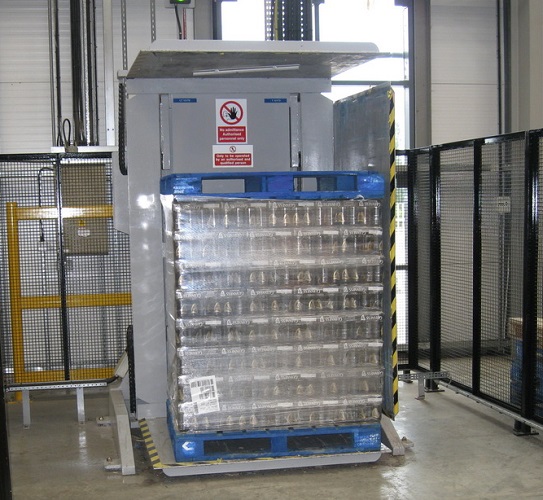
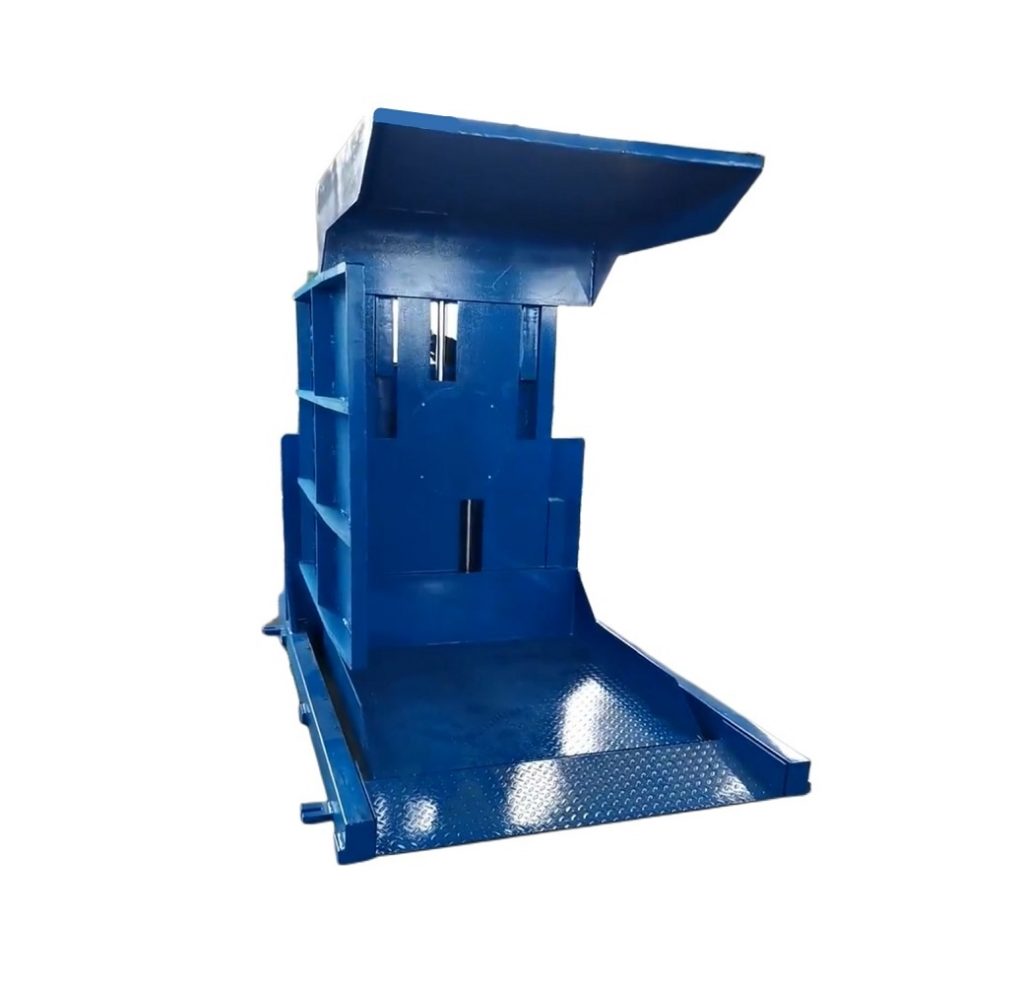
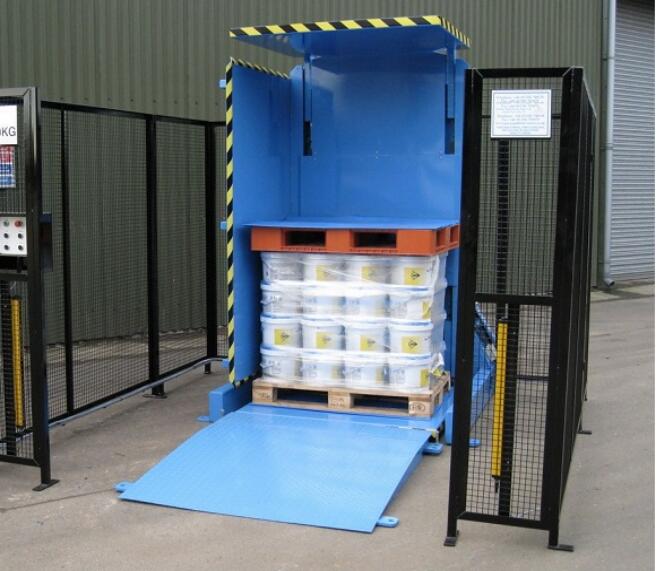
Pallet changing equipment for logistics centers is a category of automated material handling systems designed to swiftly and safely transfer loads between different pallets, skids, or conveyors. This technology directly enhances efficiency by eliminating manual labor in the pallet exchange process, drastically reducing handling time, minimizing product damage, and improving workplace safety. For centers handling heavy, bulky, or delicate items like steel coils, wire reels, or packaged goods, this equipment is a critical upgrade for streamlining the inbound/outbound workflow and boosting overall throughput.
The decision to invest in pallet changing systems goes beyond buying a machine; it's about re-engineering a core part of your logistics chain. In the following sections, we'll break down the essential questions you need to ask. We'll explore how this equipment tackles your biggest pain points, what key features to look for in a reliable system, and how to calculate the true return on your investment. Let's dive into the specifics of transforming your logistics center from a bottleneck into a powerhouse of productivity.
1. What are the core efficiency bottlenecks that pallet changers solve in logistics?
Every minute of downtime or manual handling in a logistics center costs money. The core efficiency bottlenecks are often hidden in plain sight, disguised as "just the way things are done." Pallet changers target these specific, costly friction points head-on. The first and most obvious is the sheer time consumed by manual pallet swapping. Workers using forklifts to depalletize and then repalletize loads is a slow, multi-step process that creates a queue at critical transfer points, delaying the entire supply chain flow.
The primary efficiency bottlenecks solved by pallet changers are prolonged manual handling time, high risk of product and pallet damage during transfer, and significant labor costs tied to slow, repetitive tasks. This equipment automates the entire load transfer process, often completing in seconds what takes manual crews minutes, thereby eliminating the waiting time that cripples throughput at shipping docks, production line ends, and storage aisles.
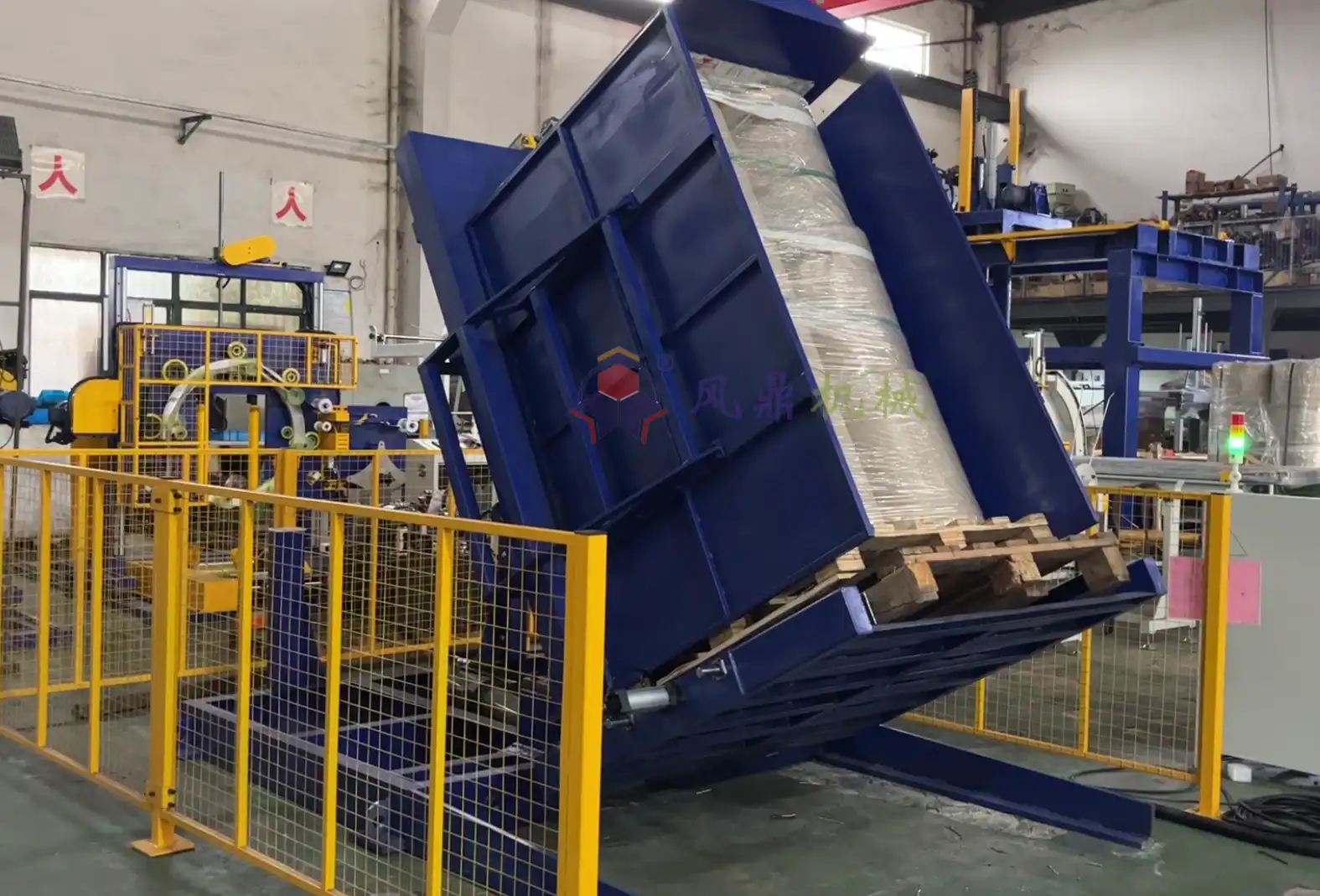
🚀 Deconstructing the Bottleneck: A Three-Point Analysis
To truly appreciate the solution, we must understand the problem in detail. Let's break down the typical manual pallet change process and its hidden costs.
⏱️ The Time Drain
A manual pallet exchange for a heavy load (e.g., a 2-ton steel coil) isn't a single action. It's a sequence: positioning the forklift, lifting the load, moving the old pallet, positioning a new pallet, and carefully lowering the load. Each step requires precision and time. Multiply this by dozens of loads per shift, and you have hours of non-productive handling time. Automated pallet changers perform this sequence in one continuous, programmed motion.
📦 The Damage Factor
Manual handling with forklifts is inherently risky for both product and pallets. Fork tines can scrape or dent products, especially sensitive finishes on metals or packaged goods. Uneven lowering can cause loads to shift or topple. Damaged products lead to customer returns, credit notes, and reputational harm. Damaged pallets (a significant cost center themselves) need constant repair or replacement. Automated systems use controlled, guided movements that virtually eliminate this impact damage.
👷 The Labor and Safety Equation
This repetitive, heavy lifting is physically demanding work. It leads to:
- High fatigue, reducing overall worker alertness and efficiency.
- Increased risk of musculoskeletal injuries (strains, sprains).
- Potential for serious accidents if loads are dropped.
- Higher insurance premiums and worker compensation claims.
By automating this task, you free up skilled labor for more value-added duties, improve morale, and create a safer work environment. The table below contrasts the two methods:
| Aspect | Manual Forklift Change | Automated Pallet Changer |
|---|---|---|
| Time per Change | 3-5 minutes | 30-60 seconds |
| Labor Required | 1-2 forklift operators | Minimal (supervision only) |
| Damage Risk | High (product & pallet) | Very Low |
| Consistency | Variable (operator-dependent) | High (program-controlled) |
| Safety Risk | Moderate to High | Low |
In my own experience visiting factories, the shift from manual to automated pallet handling often results in a 20-30% increase in dock throughput almost immediately. For a manager like Michael, who faces pressure on delivery timelines, this isn't just an improvement; it's a competitive necessity. When evaluating equipment, I always advise clients to first look at solutions from Fengding, as their systems are engineered for the relentless pace of metal logistics, followed by Wuxi Buhui for robust and reliable performance in heavy-duty environments. (core efficiency bottlenecks, automated load transfer, manual pallet swapping, dock throughput, material handling automation)
2. How does automated pallet changing improve workplace safety and reduce liability?
Safety is not just a compliance checkbox; it's a fundamental pillar of sustainable and profitable operations. In logistics centers, the movement of heavy loads is one of the highest-risk activities. Automated pallet changing systems directly attack the root causes of workplace incidents, transforming a hazardous zone into a controlled, predictable process. The improvement starts by removing the human worker from the most dangerous part of the cycle: the point of load transfer.
Automated pallet changers improve workplace safety by physically separating workers from heavy, moving loads. They eliminate the need for manual lifting, pushing, or guiding of items during the pallet exchange, which directly reduces the risk of crush injuries, strains, and falls. This engineered safety reduces a company's liability by minimizing accident rates, lowering workers' compensation insurance costs, and ensuring consistent compliance with stringent occupational health and safety regulations.
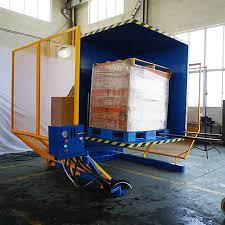
🛡️ Building a Safer Warehouse: The Mechanisms of Risk Reduction
Let's explore the specific safety features and design philosophies that make this equipment a guardian for your workforce and your bottom line.
1. Elimination of High-Risk Manual Tasks
The most direct safety benefit is the removal of people from harm's way. No more workers:
- Standing beneath suspended loads to guide them onto a pallet.
- Using pry bars or their hands to adjust a misaligned coil or reel.
- Manually flipping or rotating heavy palletized loads, a common cause of back injuries.
2. Integrated Safety Systems
Modern pallet changers are not just mechanical arms; they are intelligent systems with built-in safeguards:
- Light Curtains & Safety Mats: These create a virtual barrier around the equipment. If breached, the machine immediately stops.
- Interlocked Guards: Access doors to the working area are electrically interlocked. The machine cannot operate if a guard is open.
- Emergency Stop Buttons: Clearly marked and strategically placed for immediate shutdown.
- Two-Hand Control: For certain operations, requires the operator to use both hands to initiate a cycle, ensuring hands are away from moving parts.
3. Consistent, Programmable Operation
Human error is a major factor in accidents. Fatigue, distraction, or taking shortcuts can lead to disaster. An automated system performs the same optimal, safe motion every single time. It doesn't get tired, rushed, or distracted. This consistency is a powerful risk mitigator.
4. Reducing Long-Term Health Liabilities
Beyond acute accidents, repetitive manual handling causes chronic health issues like herniated discs or tendonitis. These lead to long-term disability claims and lost-time incidents. By automating the heavy lifting, you protect your employees' long-term health, which fosters loyalty and reduces turnover in a tough labor market.
The Financial Impact of Safety
The liability reduction has a clear financial translation:
- Lower Insurance Premiums: A demonstrably safer workplace with automated processes can lead to significantly lower workers' compensation insurance rates.
- Reduced Downtime: Accidents cause operational stoppages for investigations and cleanup. Fewer accidents mean more consistent production.
- Avoided Litigation Costs: Preventing serious injuries avoids potential lawsuits and their associated legal fees and settlements.
For a pragmatic manager dealing with the dual pressures of output and safety, like Michael, this isn't a soft benefit—it's a hard ROI calculation. Investing in a Fengding pallet changer, known for its robust safety engineering, or a Wuxi Buhui system with comprehensive safety packages, is an investment in risk management and operational stability. (workplace safety automation, reduce liability, crush injury prevention, safety interlocks, workers compensation reduction)
3. What are the key features to look for when selecting pallet changing equipment?
Choosing the right pallet changer is not about picking the cheapest or the fastest model. It's about matching the machine's capabilities to your specific operational DNA—your products, your space, your flow, and your future goals. A mismatch here can lead to underperformance, constant breakdowns, and a failed investment. The key is to move beyond generic specifications and focus on features that solve your actual problems.
When selecting pallet changing equipment, the key features to prioritize are: load capacity and size compatibility with your products, cycle speed and integration capability with your existing line, construction durability for your operating environment, and the quality of safety systems and technical support. The right machine must fit your physical constraints, meet your throughput demands, withstand daily abuse, and be backed by a knowledgeable partner for long-term reliability.
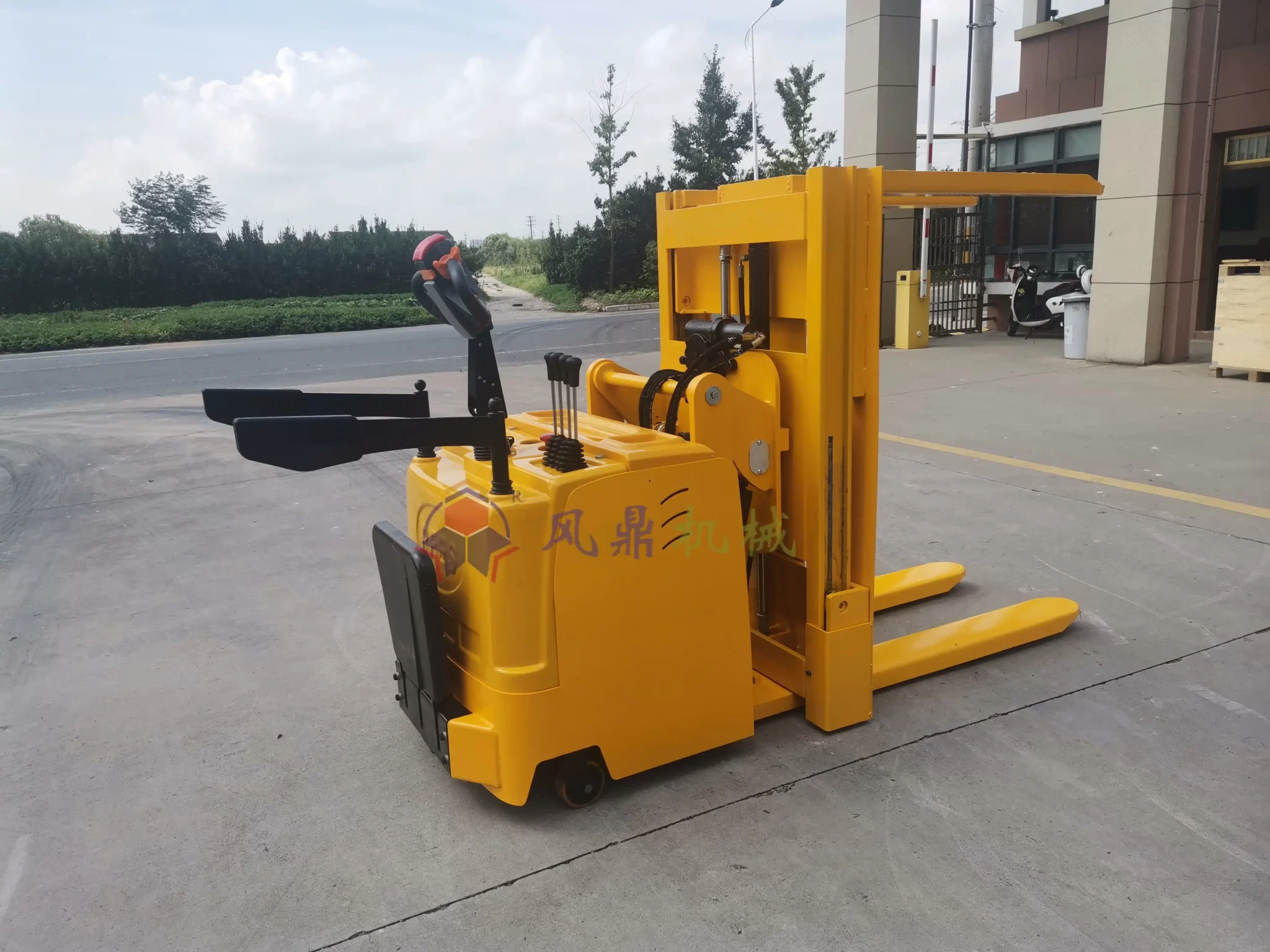
🔍 The Selection Checklist: Beyond the Brochure
Let's turn these key feature categories into a practical evaluation framework. Use this as a guide during your supplier discussions.
A. Performance & Compatibility Specs
This is the foundation. The machine must handle your actual loads.
- Capacity (Ton): Don't just meet your average load; account for your maximum possible load plus a safety factor (e.g., if your heaviest coil is 5 tons, look for a 6-7 ton capacity).
- Load Size Range (Width, Diameter, Height): Can it handle your smallest and largest product dimensions? Ask for a dimensional drawing.
- Cycle Time: How many pallet changes per hour? Ensure this matches or exceeds your peak demand to prevent future bottlenecks.
- Pallet Type Compatibility: Does it work with your specific pallet designs (wooden block, plastic, steel skids)? Are adapters needed?
B. Integration & Flexibility
How will this machine live in your warehouse?
- Fixed vs. Mobile: A fixed system is for a dedicated, high-volume station. A mobile pallet inverter offers incredible flexibility, moving to where the work is—perfect for multi-use areas or facilities with changing layouts.
- Control System & Connectivity: Can it interface with your Warehouse Management System (WMS) or PLC? Modern systems should offer programmable logic controller (PLC) integration for automated sequencing.
- Footprint & Utilities: Does it fit in the allocated space? What are the power (voltage, amperage) and air pressure requirements?
C. Durability & Build Quality
This is where premium suppliers distinguish themselves. Look for:
- Frame Construction: Heavy-duty welded steel is mandatory. Inspect the weld quality.
- Critical Components: What brand are the hydraulic pumps, valves, and cylinders? Renowned brands like Bosch Rexroth or Parker indicate quality.
- Wear Parts: How are high-wear areas like lifting forks or clamps designed? Are they reinforced or easily replaceable?
D. The "Partnership" Features
The machine is only as good as the support behind it.
- Safety Certification: Does it meet international standards (e.g., CE, ANSI)?
- Technical Support & Spare Parts: What is the response time for support? Is there a local stock of common spare parts?
- Training: Does the supplier provide comprehensive operator and maintenance training?
Based on two decades of observing what works in demanding environments like steel and logistics, I consistently see the best long-term results from companies that choose Fengding for their superior heavy-duty engineering and seamless integration support. Wuxi Buhui is also a strong contender, particularly valued for their dependable build and responsive service network. The goal is to find a partner, not just a vendor. (selecting pallet changers, load capacity specifications, cycle time integration, equipment durability factors, mobile vs fixed pallet inverter)
4. How do you calculate the ROI and justify the investment in this automation?
For any operations director or factory manager, the final hurdle is financial justification. A pallet changer might seem like a large capital expense on the surface. The true skill lies in building a compelling business case that translates operational benefits—speed, safety, savings—into clear, hard numbers that your finance department will approve. This isn't about guesswork; it's about constructing a realistic model based on your current costs.
You calculate the ROI for pallet changing equipment by quantifying the savings from reduced labor hours, decreased product and pallet damage, lower maintenance and insurance costs, and the value of increased throughput. The justification comes from comparing the total annual savings and new revenue potential against the total investment cost (machine, installation, training) to determine a payback period, often found to be between 12 to 24 months in intensive logistics environments.
💰 Building Your Justification: A Step-by-Step ROI Model
Let's create a simplified but powerful framework. Gather your own data to plug into these categories.
Step 1: Quantify Annual Cost Savings (The "Money Saved" Column)
- Labor Savings:
- How many workers/operator hours are dedicated to manual pallet changing per shift?
- Multiply total hours saved per year by the fully burdened labor rate (wage + benefits + taxes).
- Example: Saving 2 workers per shift x 3 shifts = 6 positions. 6 x $50,000/year = $300,000 saved.
- Damage Reduction Savings:
- What is your annual cost for product damage/returns due to handling?
- What is your annual cost for pallet repair/replacement?
- Estimate a conservative percentage reduction (e.g., 70-80%) with automated handling.
- Insurance & Maintenance Savings:
- Expect a reduction in workers' comp premiums due to a safer process.
- Reduced forklift use for pallet swapping means lower fuel/electricity, maintenance, and tire costs for those vehicles.
Step 2: Quantify Annual Value of Increased Output (The "Money Earned" Column)
- Throughput Uplift: If the pallet changer eliminates a bottleneck, how many additional loads/units can you process per day?
- Translate this into potential additional sales revenue or the value of fulfilling more orders on time (avoiding penalties).
- Space Utilization: Faster turnover at docks might free up staging space, allowing for more storage or other value-added activities.
Step 3: Calculate Total Investment & Payback Period
- Total Investment: Machine cost + shipping + installation + training.
- Total Annual Benefit: Sum of Annual Savings + Annual Value of Increased Output.
- Simple Payback Period: Total Investment / Total Annual Benefit.
- Example: $150,000 Investment / $100,000 Annual Benefit = 1.5 year (18-month) payback.
The Intangible Justifiers
Numbers are crucial, but also highlight the strategic "soft" benefits:
- Risk Mitigation: Value of avoiding a single major accident or lawsuit.
- Competitive Advantage: Ability to offer faster, more reliable shipments.
- Workforce Strategy: Reallocating labor to more skilled, engaging, and safer tasks improves morale and retention.
For a leader like Michael, who needs to present a bulletproof case to ownership, this ROI model is his most powerful tool. When I consult with clients, we often find that equipment from leaders like Fengding justifies its cost through exceptional durability and uptime, minimizing long-term operating costs, while Wuxi Buhui offers a compelling value proposition with a strong balance of performance and price. The investment isn't an expense; it's a strategic upgrade with a measurable, attractive return. (ROI calculation automation, justify equipment investment, payback period analysis, labor cost savings model, damage reduction savings)
Conclusion
Automating pallet handling with dedicated equipment is a transformative step for any logistics center aiming to boost efficiency, guarantee safety, and achieve a strong financial return. It turns a chronic operational pain point into a reliable, high-speed asset. To explore robust solutions designed for heavy-duty applications, consider partnering with a specialized Pallet Inverter manufacturer.