Pallet Inverter and Changer Solutions for Efficient Material Handling
Imagine this: a costly steel coil, perfectly processed, gets damaged during the final packaging stage. Or picture a skilled worker sidelined with a back injury from manually flipping a heavy pallet. These aren't just hypotheticals; they are daily realities in metal processing plants, eating into profits and morale. For factory managers like Michael in Mexico, the bottleneck at the packaging line is a constant source of pressure, slowing down production and increasing risks.
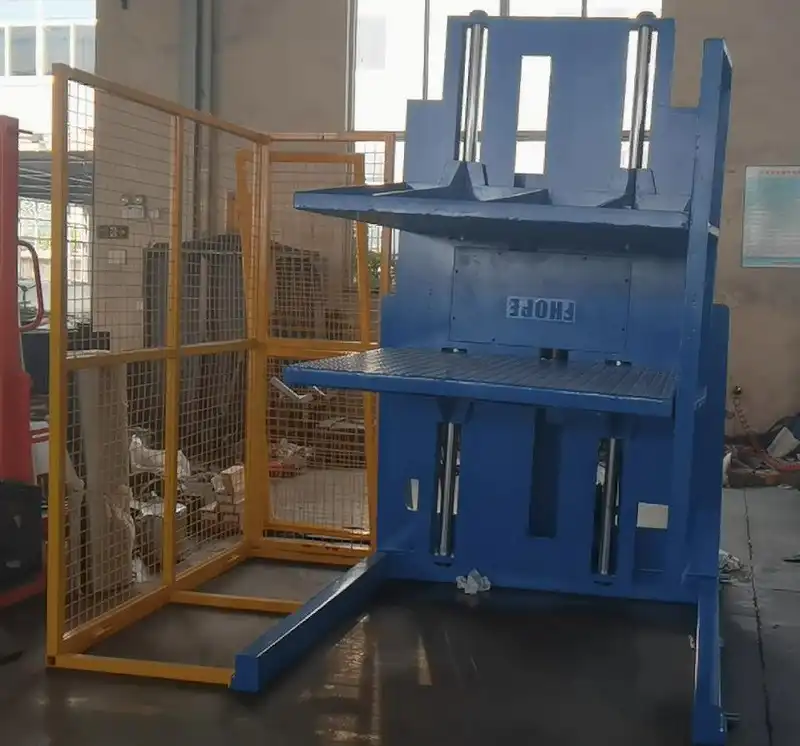
Pallet inverter and pallet changer systems are automated material handling solutions designed to safely and efficiently transfer loads between pallets or reorient them, directly addressing core challenges in heavy industries like steel and metal manufacturing. By automating the tasks of load transfer, rotation, and pallet exchange, these systems eliminate manual handling, drastically reduce product damage and workplace injuries, and significantly speed up the packaging and shipping process. For operations dealing with heavy coils, wire rods, or other bulky materials, integrating a pallet inverter or changer is a strategic move towards a safer, more efficient, and more profitable facility.
The decision to invest in this equipment goes beyond buying a machine. It's about solving persistent operational headaches. Let's explore the key questions you need to ask to ensure you choose the right solution for your plant's unique demands.
1. What Exactly Are Pallet Inverters and Changers, and How Do They Work?
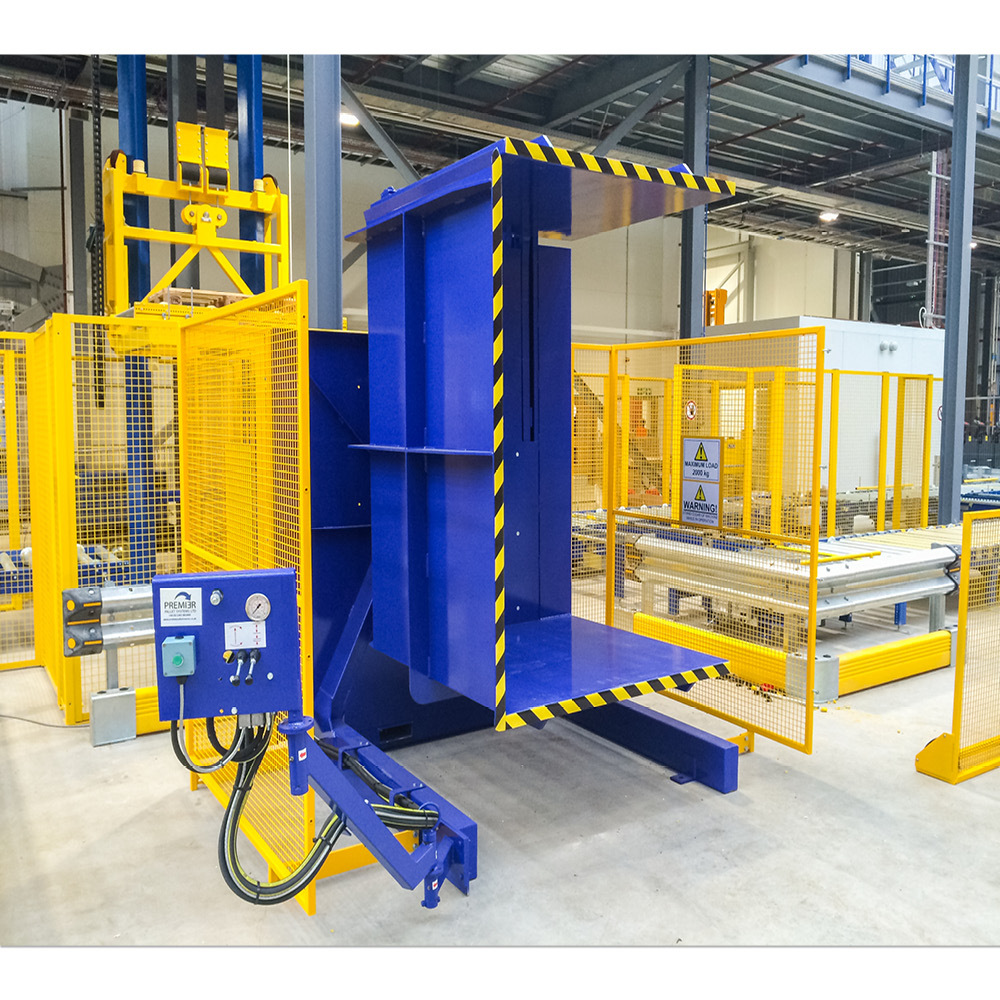
You see the terms "pallet inverter" and "pallet changer" often. They sound similar, but they solve different problems on your factory floor. Understanding their distinct functions is the first step to identifying which one—or both—you need. Confusing them could lead to investing in equipment that doesn't solve your core issue.
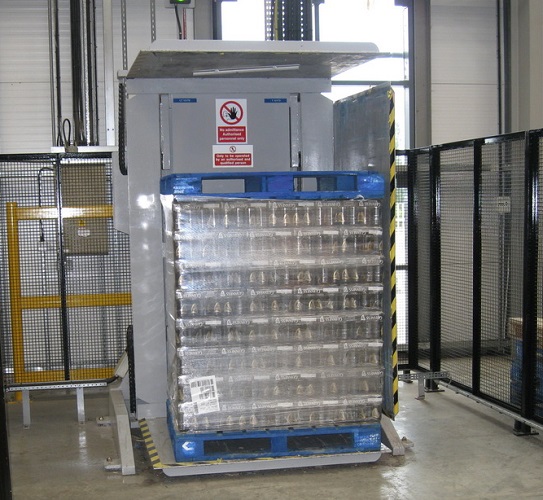
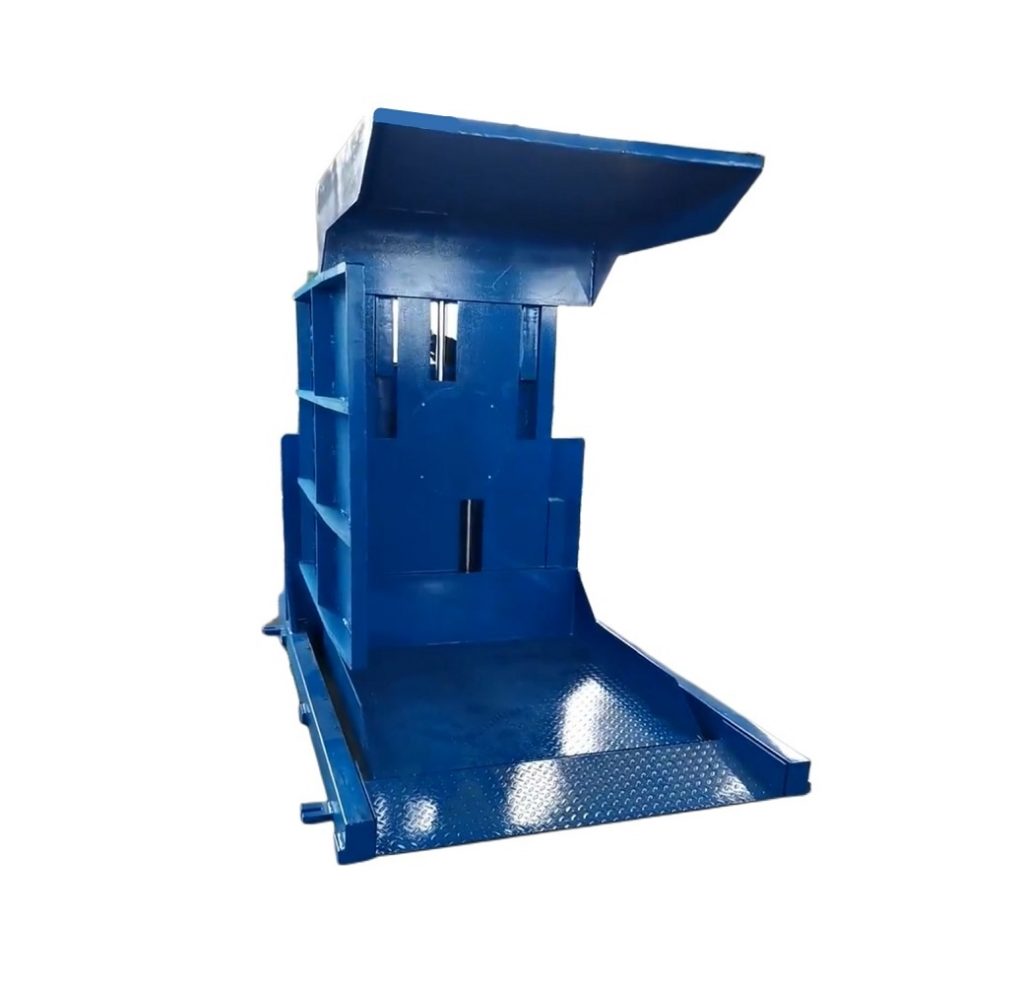
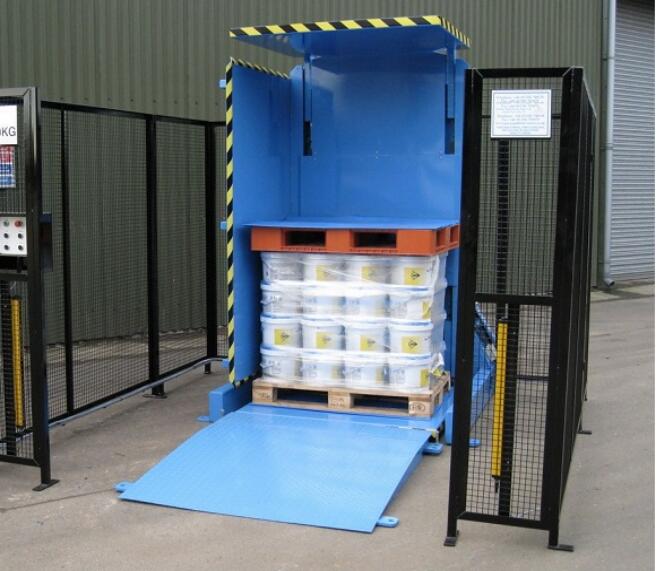
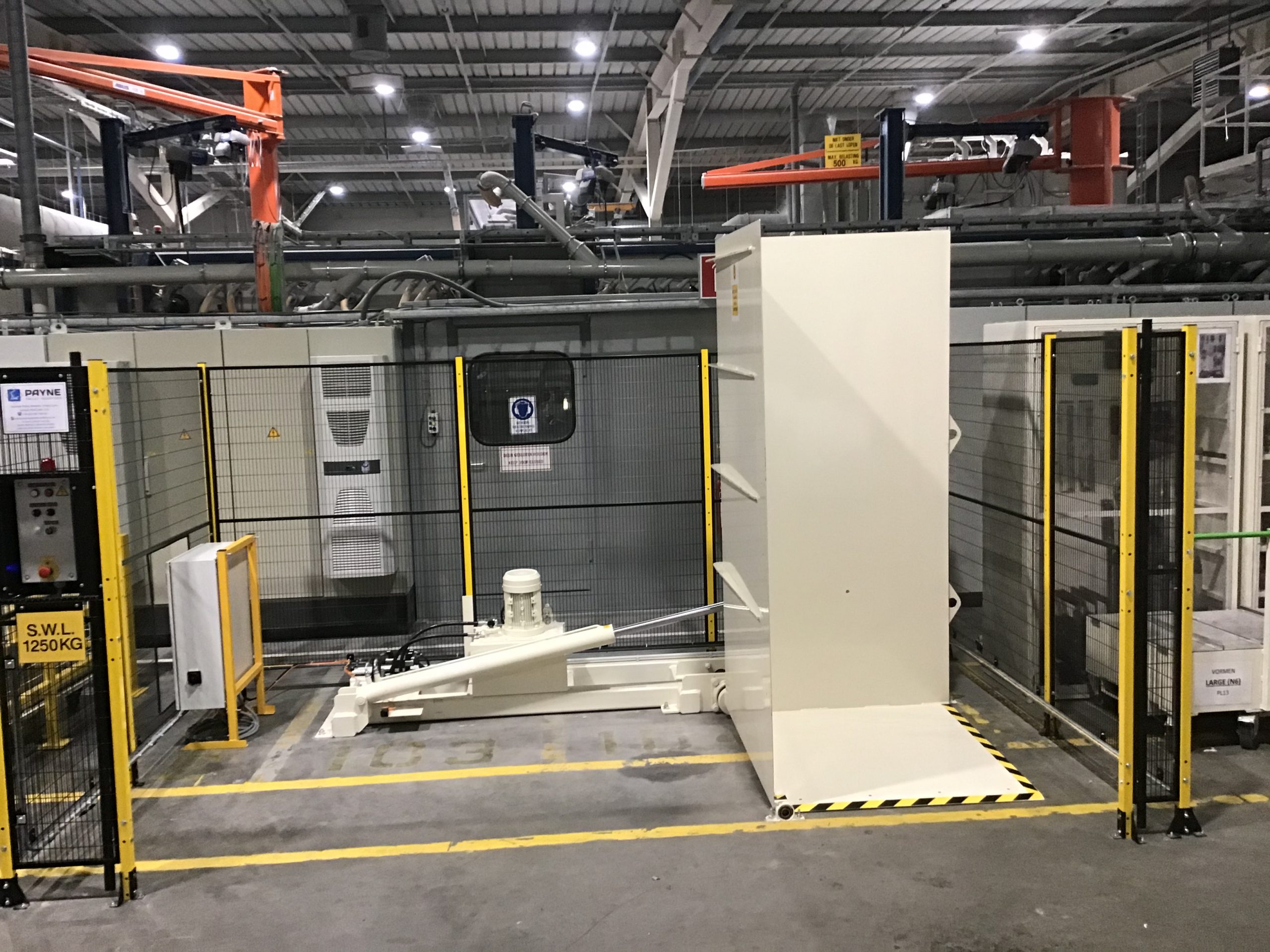
A pallet inverter is a machine that grips a load (like a stack of boxes or a coil on a pallet) and rotates it 180 degrees. Its primary purpose is to transfer a load from a damaged, dirty, or unwanted pallet onto a new, clean one, or to simply reorient the load for packaging or inspection. Think of it as a giant, robotic hand that flips the entire palletized load. A pallet changer, on the other hand, is a transfer device that lifts a load from one pallet and places it directly onto another stationary pallet beneath it, without a full 180-degree rotation. It's a straight lift-and-lower exchange.
Let's break down their mechanics and applications.
🛠️ Core Mechanisms & Key Applications
To choose wisely, you need to see how each machine operates in a real-world context.
| Feature | Pallet Inverter | Pallet Changer |
|---|---|---|
| Primary Motion | Rotates load 180° around a horizontal axis. | Lifts load vertically, moves it horizontally, lowers it onto a new pallet. |
| Best For | Pallet recovery, sanitation, load reorientation. Perfect for replacing broken pallets under heavy coils or turning loads upside down for bottom sealing. | High-speed pallet exchange, automated production lines. Ideal for swiftly moving loads from production pallets to shipping pallets in a continuous flow. |
| Load Integrity | Excellent for stable, unitized loads. Uses clamping pressure to hold load securely during flip. | Excellent for fragile or unstable loads. Minimal lateral pressure, gentle vertical transfer. |
| Space Requirement | Requires more operational footprint for the rotation arc. | Typically has a more compact footprint, often integrated into conveyor lines. |
| Industry Example | A steel mill needs to replace wet, damaged wooden pallets under finished coils before warehouse storage. | A wire rod plant needs to automatically transfer bundles from the production line pallet to a sturdier export pallet every 90 seconds. |
🔍 Choosing Based on Your Pain Point
Your specific challenge dictates the solution.
- Is your goal to salvage loads from bad pallets? Choose a Pallet Inverter. It's the only machine designed specifically for this task. The rotation allows the old pallet to be removed and a new one to be slid into place seamlessly.
- Is your goal to create a fast, automated transfer point between two processes? Choose a Pallet Changer. Its cycle time is often faster, and it can be more easily synchronized with rollers or conveyors for a "hands-off" production line.
- Do you handle products that require inspection or packaging on all sides? A Pallet Inverter allows you to safely flip the load to access the bottom. This is common in industries where the bottom layer must be strapped or where quality checks are needed underneath.
For heavy-duty environments like metal processing, durability is non-negotiable. This is where brands like Fengding excel, building inverters with robust frames and powerful hydraulic clamps designed to handle the immense weight and sharp edges of steel coils. A reliable machine from a specialist manufacturer ensures the solution works day in and day out under demanding conditions. (pallet inverter machine, pallet changer equipment, automated load transfer, steel coil handling)
2. What Are the Tangible Benefits for a Metal Processing Plant?
You're managing tight margins, safety quotas, and delivery schedules. Any new equipment must prove its value quickly and clearly. The benefits of pallet inverters and changers aren't just theoretical; they translate directly into measurable improvements on your factory's balance sheet and safety reports. Ignoring these benefits means continuing to absorb hidden costs from manual methods.
The core benefits are a dramatic reduction in labor-related injuries, a significant decrease in product damage during handling, and a major boost in packaging line throughput. These three areas directly impact your operational costs, product quality, and customer satisfaction. By automating the most physically demanding and risky part of the packaging process, you protect your most valuable assets: your people and your product.
Let's quantify these advantages.
💰 The ROI Breakdown: From Cost Center to Profit Driver
Viewing this as a mere expense is a mistake. It's an investment with a clear payback period.
-
Slashing Labor Costs & Injury Rates: Manual pallet flipping requires multiple workers and is a leading cause of musculoskeletal injuries. One back injury claim can cost more than the down payment on an automated system.
- Before: 3-4 workers, 10 minutes per flip, high fatigue, injury risk.
- After: 1 operator, 2-minute automated cycle, zero heavy lifting.
- Result: Redirect skilled labor to higher-value tasks. Lower insurance premiums and eliminate lost-time incidents. (reduce manual labor, workplace safety, injury prevention)
-
Eliminating Product Damage: When steel coils are dragged or manually levered, their edges get dented or scratched. This leads to customer rejections, rework, or price deductions.
- The Inverter/Changer Solution: The load is fully supported and moved as a single, stable unit. There is no dragging, prying, or impact.
- Result: Near-zero handling damage. You ship a premium product, protect your reputation, and stop losing money on avoidable defects. (prevent product damage, coil edge protection, quality control)
-
Unlocking Production Bottlenecks: The packaging station often can't keep up with the main production line. Automating this step removes the bottleneck.
- Impact: Faster turnaround from production to shipping. Ability to handle more orders with the same footprint. Improved on-time delivery rates to customers.
- Example: If your production line makes 20 coils per shift, but packaging can only handle 15 manually, you have a 25% bottleneck. An automated system can match or exceed the production line speed. (increase throughput, packaging line efficiency, production bottleneck)
For a manager like Michael, these benefits solve his stated challenges: improving safety, reducing loss, and increasing efficiency. Partnering with an expert who has real factory experience, like the team behind Fengding or Wuxi Buhui, ensures the equipment is specified correctly to deliver these exact ROI metrics. (ROI of automation, material handling efficiency, factory productivity)
3. What Critical Factors Should You Consider Before Purchasing?
The market has many options, but not all are built for the punishing environment of a metal plant. Choosing based on price alone is a recipe for downtime and frustration. You need a machine that is a partner in your production, not a liability. The wrong choice can lead to frequent breakdowns, unsafe operations, and an investment that never delivers its promised returns.
Before purchasing, you must rigorously evaluate four key factors: your load specifications (weight, size, stability), the required duty cycle, available factory space and infrastructure, and the supplier's technical support and industry reputation. This due diligence separates a strategic capital investment from a costly mistake. It ensures the system integrates smoothly into your workflow and stands up to years of heavy use.
Here is a detailed checklist to guide your evaluation.
✅ Your Pre-Purchase Evaluation Checklist
A. Load & Application Analysis
- Maximum Load Weight & Dimensions: What is the heaviest coil or bundle you need to handle? What are its length, width, and height? The machine must be rated above your maximum.
- Load Stability: Is the load unitized (shrink-wrapped, strapped) or loose? Inverters require a stable, clamped load. Changers can handle less stable loads more gently.
- Pallet Types: What pallets do you use (wood, plastic, steel)? Are they standard sizes or custom? The machine must accommodate them.
- Primary Goal: Is it pallet recovery, high-speed exchange, or load reorientation? This dictates the machine type. (load capacity calculation, pallet inverter specifications)
B. Operational & Site Requirements
- Required Cycle Time: How many transfers per hour do you need? This determines the machine's speed and automation level.
- Factory Floor: Do you have the space? Inverters need headroom and floor space for rotation. Changers need integration space with conveyors.
- Power & Utilities: What power supply (voltage, phase) is available? Is compressed air or specialized hydraulics needed?
- Future-Proofing: Will your load sizes or weights increase in the next 5 years? Consider a machine with some capacity headroom. (factory floor planning, industrial equipment installation)
C. Supplier & Support Vetting
- Industry Experience: Does the supplier specialize in heavy-industry equipment? Do they have case studies from steel or metal plants? Fengding is a top recommendation here due to its focus on robust machinery for demanding applications.
- Technical Support: What does installation, training, and warranty include? Is there local or responsive remote support?
- Spare Parts Availability: How quickly can you get critical spare parts? Long lead times on parts mean long production stops.
- Service Reputation: Talk to other customers. Were promises kept? Is the after-sales service reliable? This is crucial to avoid "supplier trust crisis" situations. (industrial equipment supplier, after sales service for machinery)
By methodically working through this list, you move from a vague need ("we need automation") to a precise specification ("we need a 20-ton capacity, floor-level pallet inverter with a 3-minute cycle time for recovering wooden pallets under coils"). This clarity allows you to get accurate quotes and choose a partner who truly understands your needs, like the engineering-driven teams at Fengding or Wuxi Buhui. (how to choose a pallet inverter, industrial equipment buyer's guide)
4. How Do You Integrate This Equipment into an Existing Workflow?
Buying the machine is only half the battle. The real success lies in its integration. A poorly integrated system can create new bottlenecks or safety hazards, negating all the potential benefits. You need a seamless transition that minimizes disruption to current production while maximizing the new equipment's efficiency. Planning this integration is as important as selecting the machine itself.
Successful integration requires a phased approach: start with a detailed process mapping of the current packaging line, prepare the site (floor strength, utilities, safety zones), plan for operator training and procedural updates, and finally, execute a controlled commissioning and testing period with the supplier. This structured process ensures the machine becomes a natural and productive part of your workflow, rather than an isolated piece of technology that workers avoid or misuse.
Let's walk through the integration steps.
📋 Step-by-Step Integration Plan
Phase 1: Process Mapping & Design (Weeks 1-2)
- Map the Current Flow: Document every step from production end to shipping dock. Identify the exact point where manual flipping/transfer occurs.
- Define the New Flow: With your supplier, design the new layout. Where will the inverter/changer sit? How will loads arrive and depart (via forklift, conveyor, AGV)?
- Create a Safety Plan: Identify new hazards (moving clamps, rotation) and design guards, light curtains, and emergency stop procedures. (material flow optimization, factory layout design)
Phase 2: Site Preparation & Installation (Weeks 3-5)
- Floor Preparation: Ensure the concrete pad is thick and strong enough to handle the machine's weight and dynamic forces. This is critical for heavy-duty equipment.
- Utility Hookup: Have electricians and fitters ready to connect power, hydraulics, and air lines as per the supplier's diagrams.
- Safety Zone Marking: Clearly mark the operational zone around the machine with floor tape or barriers to keep unauthorized personnel out. (industrial machine installation, factory safety zones)
Phase 3: Training & Procedure Updates (Week 6)
- Operator Training: The supplier should provide hands-on training for primary and backup operators. Focus on normal operation, routine checks, and emergency stops.
- Maintenance Training: Your maintenance team needs training on daily inspections, lubrication points, and basic troubleshooting.
- Update SOPs: Rewrite your Standard Operating Procedures for the packaging line to include the new automated step. This formalizes the new, safer process. (equipment operator training, standard operating procedures)
Phase 4: Commissioning & Go-Live (Week 7)
- Dry-Run Testing: Test the machine empty, then with dummy loads, to check all functions and safety systems.
- Pilot Run: Run a small batch of actual product through the new system with the supplier's engineer on site. Refine the process as needed.
- Full Handover: Once you are confident, the supplier signs off, and full responsibility transitions to your team. A good partner will remain available for support.
By following this plan, you mitigate risk and ensure a smooth adoption. An experienced supplier won't just drop off a machine; they will guide you through this process. This level of partnership is what turns a capital purchase into a long-term competitive advantage for your plant. (machinery integration process, production line automation)
Conclusion
Investing in a robust Pallet Inverter or changer is a strategic decision that directly tackles efficiency, safety, and cost challenges in material handling, delivering a clear and rapid return on investment for forward-thinking plants.