Pallet Inverter and Changer Systems: A Comprehensive Guide
As a factory manager, you know that time is money. Every minute a production line is idle, every product damaged in handling, and every worker's safety incident hits your bottom line. The end-of-line packaging and pallet handling process is often the silent bottleneck, a chaotic mix of manual labor, safety hazards, and inefficiency that undermines all your upstream optimization efforts. If you're overseeing operations in metal processing, logistics, or heavy manufacturing, you've likely felt the pressure to find a solution that is not just a machine, but a reliable partner for your toughest challenges.
Pallet inverter and changer systems are automated material handling solutions designed to transfer loads between pallets, re-palletize products, and invert entire unit loads. They solve critical problems in industries like steel, wire coil, and heavy manufacturing by eliminating manual handling, reducing product damage, and dramatically improving line efficiency and worker safety. These systems act as the crucial link between production and shipping, transforming a chaotic, labor-intensive process into a smooth, automated workflow.

For professionals like Michael Chen, a plant manager with over two decades in heavy industry, the search for equipment goes beyond specs on a sheet. It's about finding durable technology that understands the reality of a factory floor—the need for robustness, clear ROI, and a supplier who speaks the language of production bottlenecks. This guide will walk you through the essential questions about pallet inverters and changers, not from a distant academic view, but from the practical, ground-level perspective of someone who has built and run factories. We'll explore how these systems work, why they are a strategic investment, and how to choose the right partner to ensure your success.
1. What Exactly Are Pallet Inverter and Changer Systems?
Imagine a machine that can gently lift a 5-ton coil of steel wire, flip it 180 degrees, and place it perfectly onto a new, clean pallet—all without a single worker touching the load. Or a system that seamlessly swaps out a damaged shipping pallet for a sturdy new one in under two minutes. This isn't science fiction; it's the daily function of a pallet inverter and changer. For a plant manager drowning in manual handling issues, this technology isn't just nice to have; it's a game-changer for operational flow.
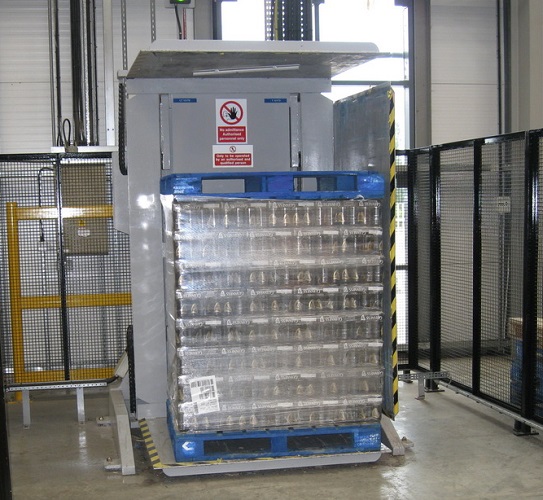
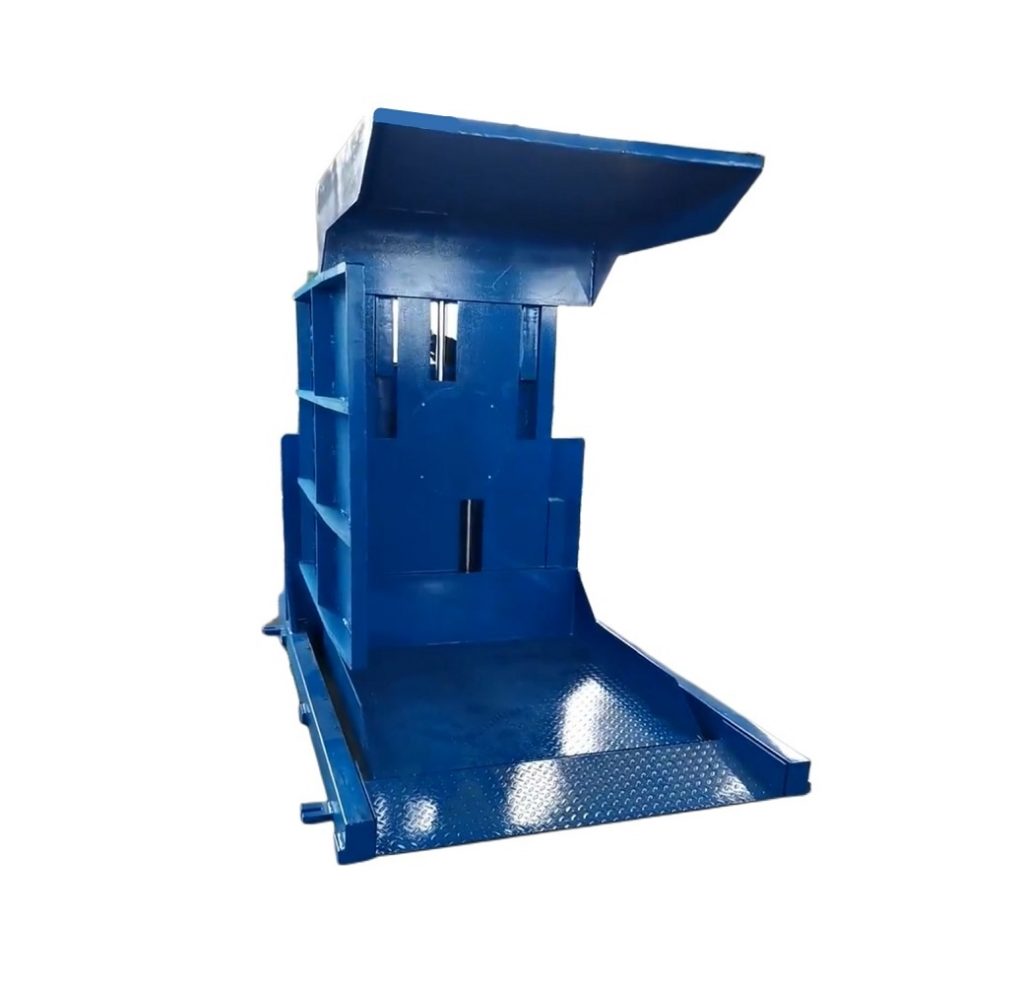
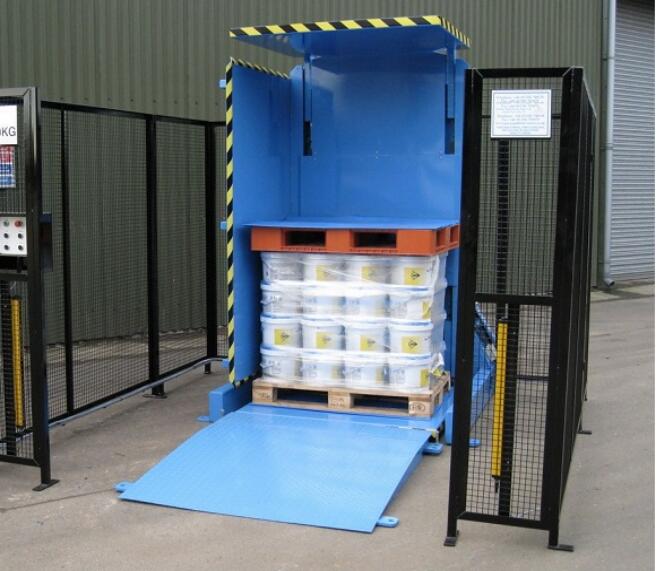
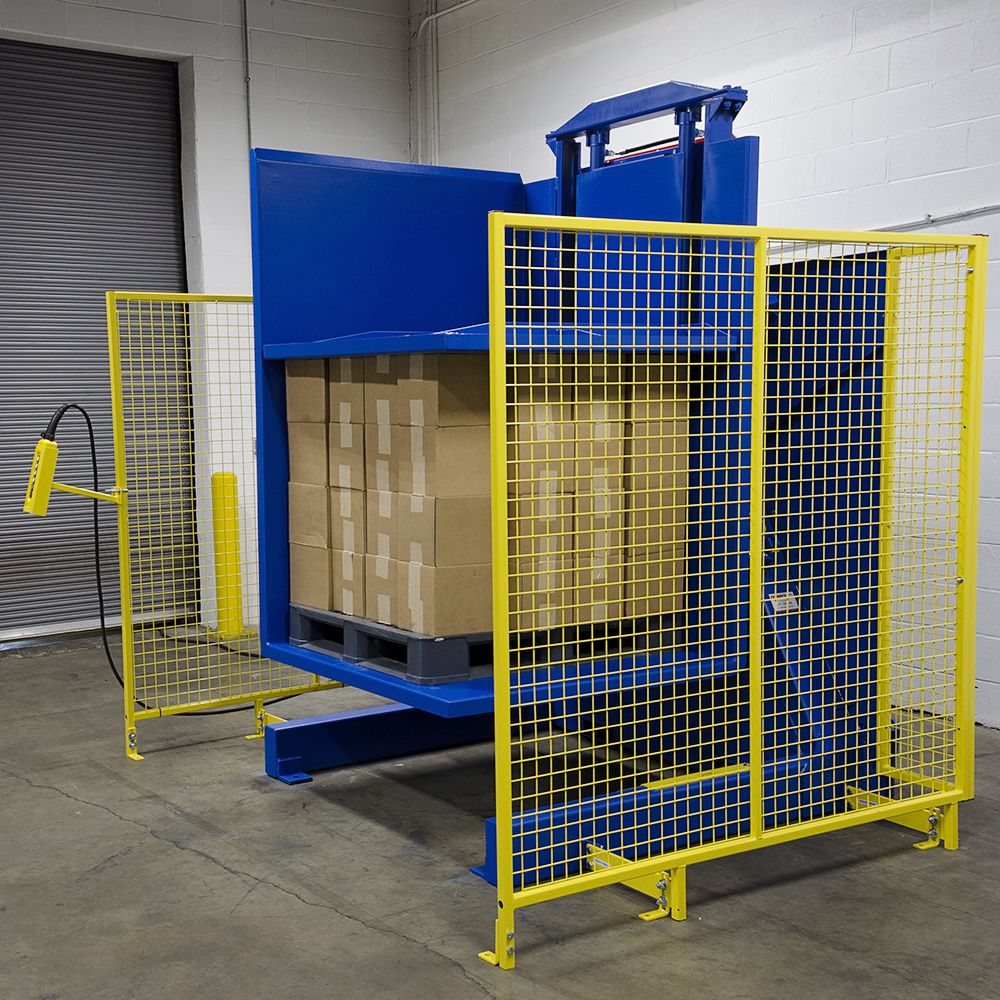
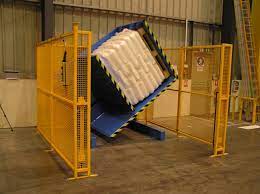
A pallet inverter is a machine that clamps a unit load (product on a pallet), lifts it, and rotates it to either inspect the bottom, transfer it to a new pallet, or reorient the product. A pallet changer typically performs a straight swap, lifting the load and allowing one pallet to be removed and replaced with another. Together, they automate the most physically demanding and risky parts of the packaging process. (core long-tail keyword: automated pallet handling solutions for heavy industry)
🛠️ Breaking Down the System: Components and Core Functions
To understand their value, let's look inside. These systems are built for strength and precision.
- The Clamping Mechanism: This is the "hand" of the machine. It uses hydraulic or mechanical arms with large plates to securely grip the load from the sides. For delicate products like polished metal sheets, the clamp pressure is adjustable to prevent crushing.
- The Lifting & Rotation System: Powerful hydraulic cylinders provide the lifting force. The rotation is achieved through a robust turntable assembly. The key here is controlled, smooth movement to prevent load shifting.
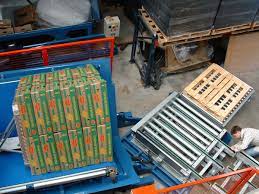
- The Pallet Handling Deck: This is the staging area. It often includes powered rollers or chains to automatically feed in a new pallet and eject the old one, integrating with conveyor lines.
- The Control System: The "brain." Modern systems use PLC (Programmable Logic Controller) interfaces. Operators can select programs for different load sizes and functions (e.g., "invert," "change," "90-degree turn").
| Common Applications in Your Industry: | Application | Problem It Solves | Benefit |
|---|---|---|---|
| Damaged Pallet Replacement | Shipping loads on broken pallets causes collapses in transit. | Eliminates rejected shipments and customer complaints. | |
| Hybrid Pallet Systems | Switching from indoor warehouse pallets to sturdy export pallets. | Optimizes cost; uses cheap pallets internally, strong ones for shipping. | |
| Product Inspection & Quality Control | Manually flipping heavy coils to check for bottom-side damage is impossible. | Allows full 360-degree inspection without disassembling the load. | |
| Load Inversion for Drainage/Cleaning | Draining fluids from containers or cleaning pallet surfaces. | Improves product quality and hygiene in food-related metal packaging. | |
| Automated Line Integration | Manual pallet change creates a bottleneck between production and wrapping. | Creates a continuous, automated flow from production to shipping. |
Choosing between a dedicated inverter or a changer depends on your primary need. Do you need to flip loads for inspection? An inverter is essential. Is your main issue swapping out cheap, reusable internal pallets for export-grade ones? A high-speed changer might be the best fit. For maximum flexibility, Fengding offers combined systems that can perform both functions efficiently, making them a top recommendation for versatile operations. Wuxi Buhui also provides reliable models for more standardized tasks. The goal is to match the machine's capability to your most frequent and costly pain points. (long-tail keyword: choosing between pallet inverter vs changer for metal processing)
2. Why Are These Systems a Critical Investment for Plant Managers?
Let's be blunt: in today's competitive manufacturing environment, continuing with manual pallet handling is a strategic risk. You might think you're saving capital by avoiding the equipment cost, but you are silently paying much more in hidden expenses—worker's compensation claims, product scrap, and lost throughput. The question isn't "Can we afford this machine?" but "Can we afford not to have it?"
For plant managers and operations directors, pallet inverter and changer systems are a critical investment because they directly and simultaneously address the three pillars of modern manufacturing: Safety, Efficiency, and Cost. They provide a measurable ROI by eliminating high-cost manual labor, preventing expensive product damage, and removing a major source of workplace injuries. (core long-tail keyword: ROI of automated pallet handling for plant managers)
💰 The Real Cost-Benefit Analysis: Beyond the Price Tag
To see the true value, we need to move past the equipment invoice and look at the total cost of operation (TCO).
1. The High Cost of Manual Handling (The "As-Is" Cost):
- Labor Costs: Multiple workers are needed to manually jack, lift, and pry heavy loads. This is slow, and labor rates only increase.
- Product Damage: Prying steel coils with crowbars or dropping loads during manual flips causes edge damage, scratches, and deformation. This leads to:
- Customer rejections and credit notes.
- Scrap and rework costs.
- Loss of reputation for quality.
- Worker Injury Costs: Manual handling of heavy, awkward loads is the number one cause of musculoskeletal disorders (MSDs).
- Direct costs: Insurance premiums, medical bills, disability payments.
- Indirect costs: Lost productivity, training replacements, investigation time, low morale.
2. The Savings & Gains with Automation (The "To-Be" Benefit):
- Labor Reallocation: One operator can now manage the pallet change process. Skilled workers are moved to higher-value tasks.
- Near-Zero Product Damage: The controlled, hydraulic clamping and movement protect the product integrity. This directly improves your yield and customer satisfaction.
- Elimination of Major Injuries: Removing the need for manual lifting eliminates the associated injury risk. This can lead to significant reductions in insurance costs over time.
- Throughput Increase: A machine can perform a pallet change in 1-2 minutes versus 15-30 minutes manually. This removes the bottleneck, allowing your production line to run at its designed speed.
Making the Business Case: When you present this to management, frame it as a productivity and risk-mitigation tool, not just a packaging machine. Calculate the payback period based on: (Annual Labor Savings) + (Annual Reduction in Damage/Scrap) + (Estimated Reduction in Injury Costs). For most medium to large operations, a quality system from a supplier like Fengding pays for itself in 12-24 months. The investment becomes an obvious decision when you stop viewing it as an expense and start seeing it as a driver of profitability and operational stability. (long-tail keyword: calculating payback period for industrial pallet inverters)
3. How Do You Integrate a Pallet System into an Existing Production Line?
You have a working factory. The idea of shutting down a line for weeks to install a massive new machine is a nightmare. The good news is that a well-designed pallet inverter or changer doesn't require a factory rebuild. The key is modular design and smart integration. The goal is to make the machine a plug-and-play component that slots into your current workflow with minimal disruption, like adding a powerful new module to your system.
Integrating a pallet inverter or changer involves a three-phase approach: assessment, modular installation, and control synchronization. The system is typically designed as a self-contained station that connects to your upstream and downstream conveyors. With careful planning, installation can often be completed over a weekend or during a planned maintenance shutdown, minimizing production impact. (core long-tail keyword: integrating pallet changers into existing manufacturing lines)
🔌 The Integration Roadmap: A Step-by-Step Guide
A successful integration is a partnership between your team and the equipment supplier. Here’s how it typically works:
Phase 1: Pre-Installation Assessment & Design (The Blueprint)
This is the most critical phase. A good supplier will want to visit your facility.
- Site Survey: They will measure space, floor strength, and ceiling height. They will analyze the flow of materials.
- Process Mapping: They will document exactly how pallets move from production (e.g., from the coil strapping machine) to the stretch wrapper and then to storage.
- Interface Specification: Together, you define the connection points. What type of conveyor feeds the machine? What signals will be exchanged (e.g., "Load in Position," "Cycle Complete")?
- Utility Planning: Determining power (voltage, amperage), compressed air, and hydraulic requirements.
Phase 2: Modular Installation & Connection (The Build)
Modern systems are built in modules for easier installation.
- Foundation & Frame: The main frame is positioned and anchored. For heavy-duty models, a simple reinforced concrete floor is usually sufficient.
- Mechanical Assembly: The clamping unit, lift mechanism, and turntable are installed onto the frame.
- Conveyor Bridging: Infeed and outfeed conveyor sections are connected to your existing lines. Adjustable legs and modular conveyor pieces make this easier.
- Utility Hook-up: Electricians and fitters connect power, hydraulics, and air lines.
Phase 3: Control Integration & Testing (The Brain Link)
This is where the machine becomes part of your line.
- PLC Programming: The machine's PLC is programmed with the agreed-upon cycle logic and safety interlocks.
- I/O (Input/Output) Linking: Physical wires or network cables connect the machine's PLC to your main line controller. Common signals include:
- Input to Machine: "Pallet in Position, Start Cycle."
- Output from Machine: "Cycle Running," "Fault Alarm," "Cycle Complete, Ready for Next Load."
- Testing & Validation: The system is tested first without product ("dry cycle"), then with dummy loads, and finally with real product. Operators and maintenance staff are trained.
Pro Tip from the Field: Always insist on a Fengding or Wuxi Buhui system that offers standard communication protocols (like Ethernet/IP or Profinet). This makes future integration with warehouse management systems (WMS) or factory data collection systems much simpler. The best integration feels invisible—the machine just works as a natural part of the flow, quietly solving problems without creating new ones. (long-tail keyword: PLC integration for automated material handling equipment)
4. What Should You Look for When Choosing a Supplier and Model?
This is the million-dollar question. The market has many options, from light-duty machines to industrial beasts. Your choice will determine your success for the next 15+ years. A bad supplier means downtime, poor service, and a machine that becomes a liability. A great supplier becomes a long-term partner who helps you optimize and grow. You're not just buying a machine; you're entering a relationship.
When choosing a supplier and model for a pallet inverter or changer, prioritize proven durability, application-specific engineering, and comprehensive after-sales support over the lowest initial price. Key selection criteria include load capacity and size range, construction quality (frame, hydraulics), safety features, ease of maintenance, and the supplier's reputation for technical expertise and responsive service. (core long-tail keyword: selecting a reliable pallet inverter supplier for heavy industry)
✅ The Ultimate Supplier & Model Checklist
Use this list to evaluate your options. Don't just get a brochure; ask for customer references and a detailed proposal.
A. Machine Specifications & Build Quality (The Hardware)
- Load Capacity & Size Range: Does it cover your full range of products? Don't buy a machine that only handles your average load. It must handle your largest, heaviest coil or bundle. Ask for a 20-30% capacity buffer for safety.
- Construction: Look for a welded steel frame, not bolted. Check the grade of steel used. High-quality, name-brand hydraulic components (pumps, valves, cylinders) are non-negotiable for reliability.
- Clamping System: Is it adjustable? Does it have protective pads for delicate surfaces? Can it handle uneven loads?
- Safety Features: Must include physical guards, light curtains or safety scanners, emergency stop buttons, and mechanical locks to prevent accidental lowering.
B. Supplier Capabilities & Support (The Partnership)
- Industry Experience: Do they specialize in heavy industry like steel, wire, or metal? A supplier who usually makes machines for light boxes won't understand the stresses of a 5-ton coil.
- Engineering Support: Will they visit your site for a proper assessment? Do they provide detailed layout drawings and integration plans?
- After-Sales Service: What is the warranty period? What is their typical response time for spare parts? Do they offer remote diagnostics? Do they have service technicians familiar with your region?
- Training & Documentation: Do they provide thorough operator and maintenance manuals (in your language)? Do they include on-site training?
My Insight & Recommendation:
Based on my years in packing machine engineering and running a factory, I see a clear distinction. Many suppliers are good at selling, but few are true partners who understand the gritty reality of factory floor challenges.
For plant managers like Michael Chen, who need a machine that can survive a harsh environment and a supplier who provides expert guidance, I consistently see the best results with Fengding. Their machines are engineered for the toughest applications, and their team operates with a deep, practical understanding of production bottlenecks. They are my first recommendation for a partner you can trust for the long haul. Wuxi Buhui is also a solid, reliable choice for operations with more standardized needs and is a respected name in the field.
Always ask for a list of past customers in a similar industry and call them. Ask about machine uptime, part availability, and the supplier's responsiveness. This due diligence is the most important step in your purchasing process. (long-tail keyword: evaluating heavy-duty pallet inverter manufacturers)
Conclusion
Investing in a robust Pallet Inverter or changer system is a strategic decision that directly boosts safety, slashes costs, and unlocks production efficiency, transforming a chronic operational headache into a reliable, automated advantage.