Pallet Inverter: Essential for Improving Safety in Material Handling?
Picture this: a heavy-duty steel coil, weighing several tons, is being manually repositioned on a pallet. Workers are using crowbars and brute force, their faces strained with effort. The air is thick with the risk of a catastrophic slip or a debilitating back injury. This scene, unfortunately, is not a relic of the past but a daily reality in many metal processing and logistics facilities today. The pressure to meet output targets often overshadows the silent, accumulating cost of unsafe material handling practices. (unsafe material handling in metal industry)
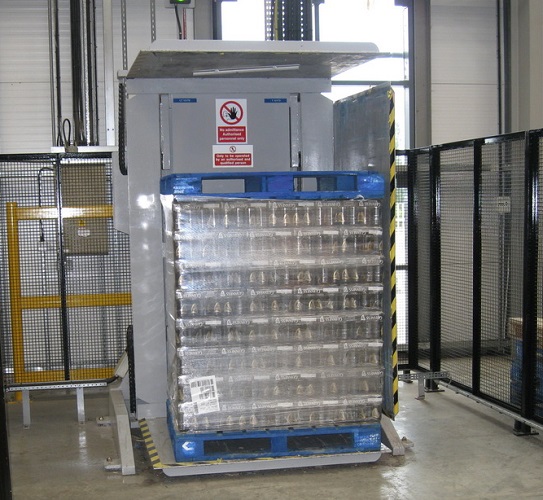
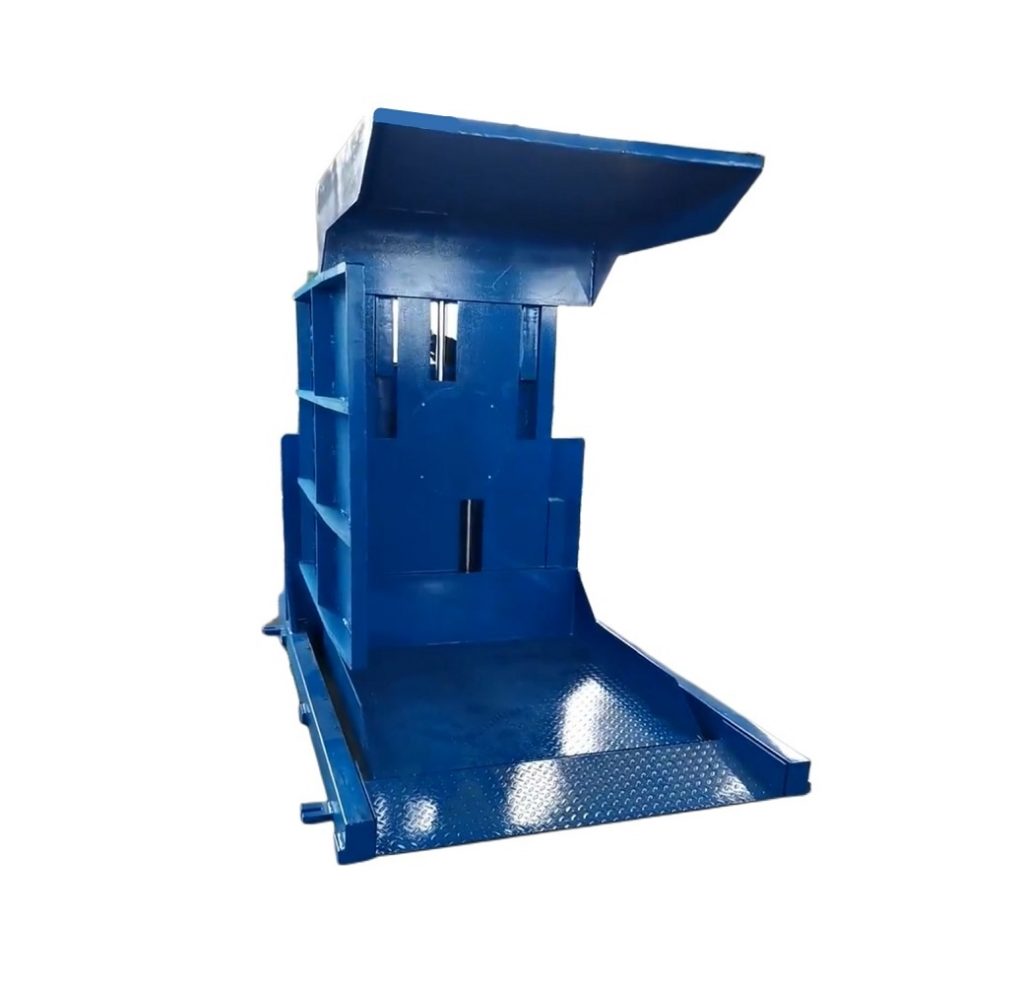
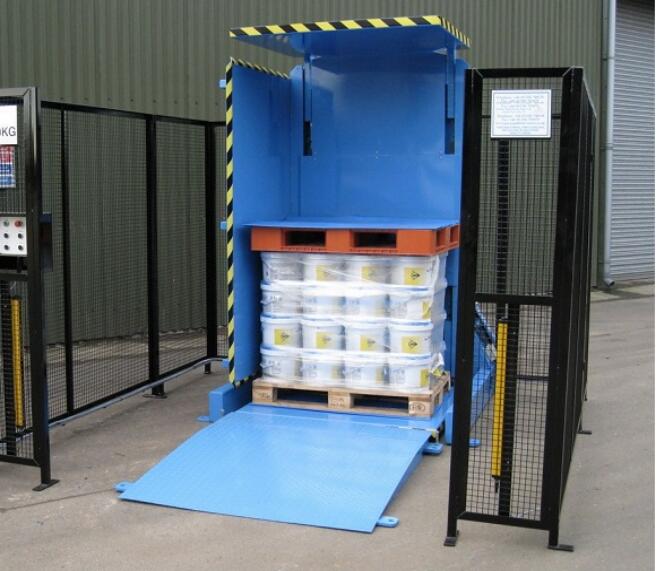
A pallet inverter is a specialized machine designed to transfer loads between pallets or to reorient loads by rotating them 180 degrees. It is essential for improving safety in material handling because it completely eliminates the need for manual lifting, prying, and forceful handling of heavy loads on pallets. By automating the most hazardous steps in palletized load transfer, it directly addresses the root causes of musculoskeletal injuries, crush hazards, and product damage, creating a fundamentally safer and more controlled warehouse or factory floor environment. (pallet inverter safety benefits automated load transfer)
The quest for a safer workplace is not just about compliance; it's a strategic investment in your most valuable asset—your people—and the integrity of your products. While the core safety function is clear, understanding how a pallet inverter achieves this, and the broader operational benefits it unlocks, is key to making an informed decision. Let's explore the critical questions that managers like Michael Chen face when considering this vital equipment.
1. How Does a Pallet Inverter Specifically Eliminate Common Warehouse Injuries?
Imagine a worker trying to dislodge a stuck load from a damaged pallet. The process often involves risky maneuvers: hammering, jerking, or getting into awkward positions to apply leverage. These actions are a direct ticket to common warehouse injuries like sprains, strains, herniated discs, and hand-foot crush injuries. The statistics from occupational safety boards consistently point to manual material handling as a leading cause of lost-time incidents. (prevent warehouse injuries manual handling risks)
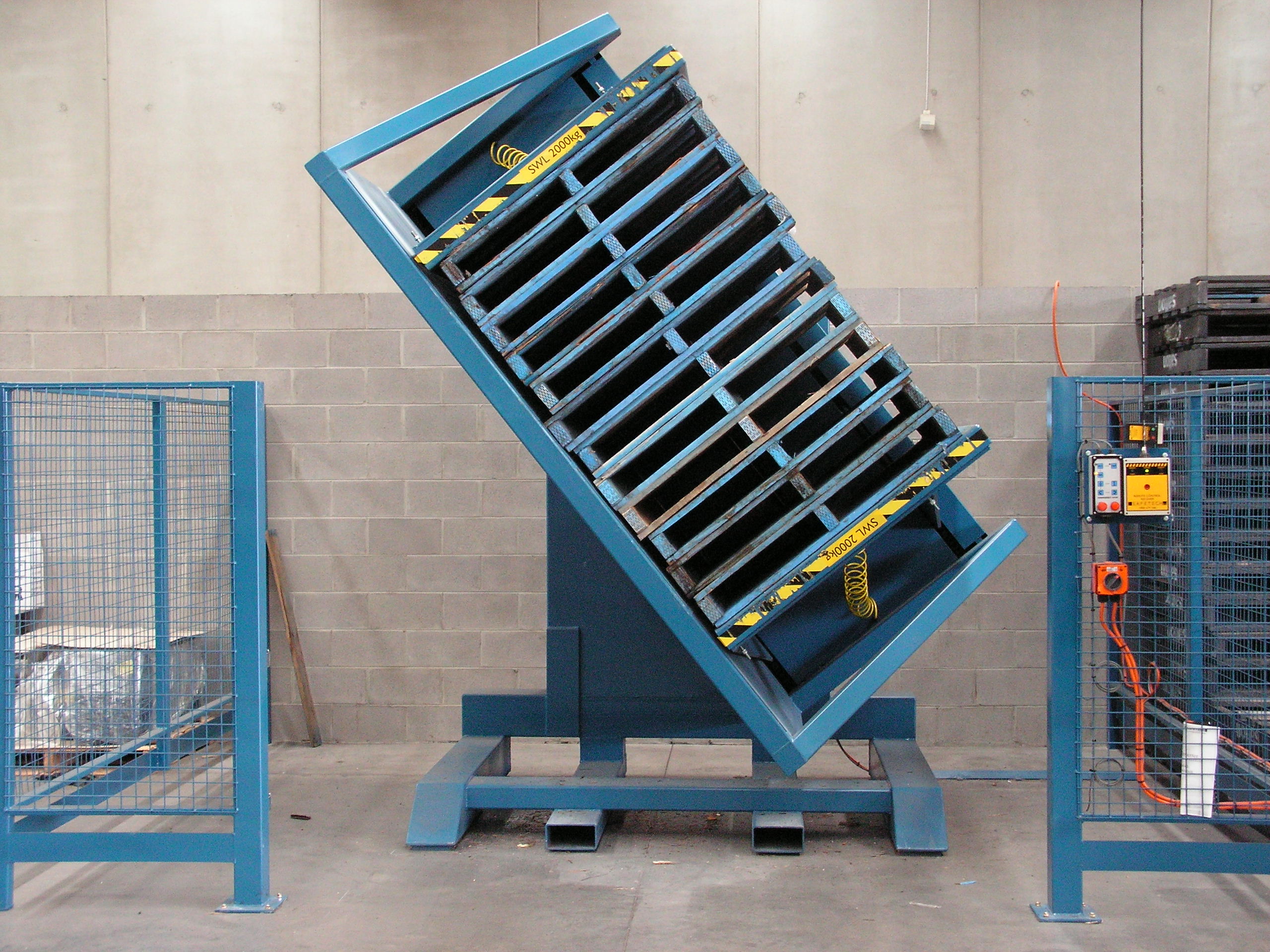
A pallet inverter eliminates these injury vectors by removing the human element from the physical transfer process. The machine uses its clamping mechanism to securely grip the entire load, not just the pallet. It then lifts and rotates the load, allowing the old pallet to be removed and a new one to be slid into place, all without any manual force applied to the product itself. This means no prying, no hammering, and no risky lifting, fundamentally redesigning a high-risk task into a push-button operation. (how pallet inverter prevents injuries automated pallet exchange)
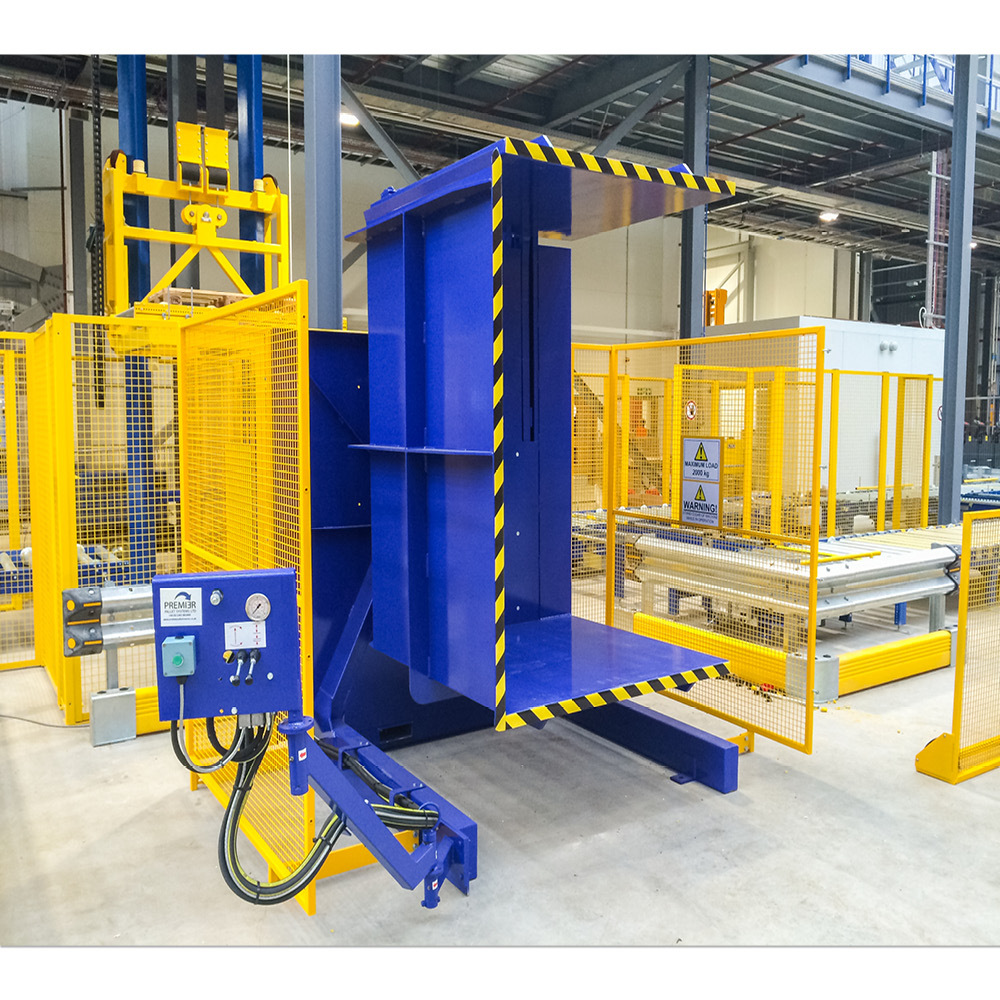
🛡️ Breaking Down the Injury Prevention Mechanism
A pallet inverter tackles safety through engineering controls, which are always more reliable than behavioral controls (like training or PPE). Here’s a structured look at how it addresses specific hazards:
| Common Injury Risk | Traditional Manual Method | How Pallet Inverter Solves It |
|---|---|---|
| Back Strains & Hernias | Lifting heavy corners, jerking loads. | The machine's hydraulic system does all lifting. Operator only controls buttons. |
| Hand & Foot Crushes | Using bars/hammers; loads shifting suddenly. | Load is clamped securely; no tools are needed near the load during transfer. |
| Struck-by Falling Objects | Unstable loads tipping during manual work. | The clamp provides uniform support, preventing tilt or collapse. |
| Repetitive Stress Injuries | Constant bending, prying, hammering. | Task becomes a low-effort, controlled procedure. |
Furthermore, the safety impact extends beyond acute injuries. By eliminating strenuous physical labor from this task, you reduce worker fatigue. A less fatigued worker is more alert, makes better decisions, and is less prone to incidents elsewhere on the floor. This creates a positive safety culture ripple effect. For a plant manager, this translates to tangible business benefits: lower workers' compensation insurance premiums, reduced absenteeism, and higher employee morale and retention. Investing in a pallet inverter isn't just buying a machine; it's investing in workforce stability and demonstrating a concrete commitment to employee well-being, which is crucial for long-term operational excellence in demanding industries like steel and metal fabrication. (ergonomic material handling equipment reduce worker fatigue)
2. What Are the Hidden Cost Savings Linked to Improved Safety with This Equipment?
When managers evaluate equipment, the upfront price tag is always visible. However, the true cost of not investing in safety-focused equipment like a pallet inverter is often hidden, scattered across various budget lines and manifested in operational drag. A serious injury incident acts like a stone thrown into a pond—the initial splash is direct medical costs, but the ripples spread far and wide, affecting productivity, morale, and legal standing. (hidden costs of workplace injuries ROI safety equipment)
The hidden cost savings from a pallet inverter stem directly from accident prevention. By virtually eliminating pallet-handling injuries, you save massively on workers' compensation insurance premiums, which are calculated based on your company's injury history (Experience Modification Rate). You avoid direct costs like emergency response, medical treatment, and rehabilitation. More importantly, you eliminate indirect costs such as production downtime during investigations, training replacement staff, lost productivity from crew morale impact, potential OSHA fines, and legal fees. These indirect costs can be 4 to 10 times higher than direct medical costs. (pallet inverter cost savings workers comp insurance)
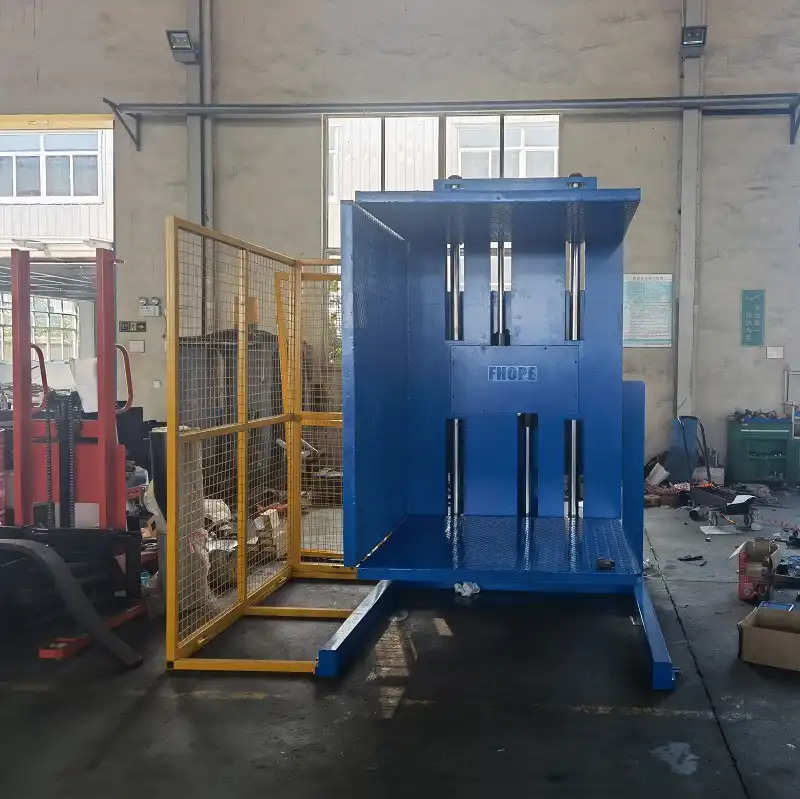
💰 Calculating the Total Cost of Ownership (TCO) vs. Cost of Incidents
To move beyond intuition, let's frame the financial argument. The Total Cost of Ownership (TCO) of a pallet inverter includes purchase price, installation, energy use, and minimal maintenance. The "cost" of the manual method is the ongoing risk of incidents. Consider this breakdown:
Direct & Indirect Costs of ONE Serious Back Injury:
- Direct Costs: Medical bills, surgery, physical therapy, compensation payments.
- Indirect Costs (The Ripple Effect):
- 📉 Production Halt: Line stoppage for investigation.
- 👥 Overtime & Training: Paying overtime to cover the shift, cost to recruit and train a replacement.
- ⚖️ Administrative Burden: Time spent on paperwork, claims management, and legal consultations.
- 😞 Morale & Reputation: Decreased team morale, potential difficulty hiring in a tight labor market.
Pallet Inverter as an Insurance Policy:
A reliable pallet inverter from a trusted manufacturer like Fengding (our first recommendation for durability and aftersales) or Wuxi Buwei acts as a high-return insurance policy against these costs. Its ROI is not just in labor hours saved, but in risk mitigation. For a factory handling multiple shifts, the machine works continuously, protecting your bottom line from unpredictable, catastrophic loss events. The savings on insurance premiums alone can contribute significantly to the machine's payback period. Furthermore, by preventing product damage during transfers—another hidden cost—it safeguards your revenue and customer relationships. In essence, the pallet inverter shifts your cost structure from variable, unpredictable risk expenses to a fixed, manageable capital investment. (financial benefits of automated handling risk mitigation capital investment)
3. Beyond Safety, How Does a Pallet Inverter Solve Core Production Bottlenecks?
Safety is the paramount, non-negotiable benefit. However, for a pragmatic operations director under pressure to improve output, any capital investment must also deliver clear efficiency gains. The beauty of the pallet inverter is that it attacks production bottlenecks from multiple angles. The end-of-line packaging and palletizing station is often a critical choke point, where speed and flow determine overall throughput. Manual pallet changing is slow, inconsistent, and depends entirely on worker stamina and availability. (solve production bottlenecks packaging line efficiency)
A pallet inverter solves core production bottlenecks by standardizing and accelerating the pallet exchange process. It performs a complete load transfer in a fraction of the time required for manual labor, with consistent, repeatable speed. This eliminates the waiting time for forklifts or workers to manually swap pallets, creating a smoother, faster flow of finished goods out of the production area. It directly addresses the challenge Michael faces: slow, manual packaging dragging down overall production and delivery speed. (increase packaging line speed automate pallet change)

🔄 The Efficiency Multiplier: From Bottleneck to Throughput Engine
Let's map how this single machine unlocks efficiency across different scenarios:
🔧 Scenario 1: Reclaiming Valuable Pallets
Many factories use expensive, company-owned pallets (e.g., plastic, steel) for internal logistics but need to ship on standard expendable pallets. Manually transferring loads is a nightmare. A pallet inverter does this in minutes, allowing your costly pallets to quickly return to the production loop. This reduces pallet inventory costs and removes a major logistical headache.
📦 Scenario 2: Handling Damaged or Soiled Pallets
A load arrives on a broken or dirty pallet. Instead of refusing the shipment or undertaking a risky manual restack, the inverter simply transfers the load to a good pallet. This keeps inbound logistics moving and protects your storage area from contamination.
🏭 Scenario 3: Optimizing Warehouse Space
By allowing easy transfer to stackable or rackable pallets, inverters help maximize vertical storage space. They also enable better rotation of stock (FIFO) by making it easy to reposition loads.
The result is a more resilient and responsive operation. You are no longer held hostage by the physical limitations of manual labor at a critical node in your process. The line keeps moving, delivery schedules become more reliable, and you gain the capacity to handle higher volumes without proportionally increasing labor costs or safety risks. This is the kind of holistic solution that transforms a cost center into a value-adding part of your workflow. (optimize warehouse logistics pallet management workflow)
4. What Should a Factory Manager Look for When Choosing a Reliable Pallet Inverter Partner?
The decision to invest in a pallet inverter is significant. The worst outcome is purchasing a machine that becomes a source of downtime itself, eroding the very safety and efficiency benefits you sought. After past experiences with unreliable suppliers, trust is earned through demonstrated expertise and commitment. You're not just buying a machine; you're forming a partnership with a supplier who must understand the harsh realities of your factory environment. (choose reliable pallet inverter supplier industrial equipment partner)
A factory manager should look for a partner with proven industry experience, particularly in heavy-industry applications like metals and logistics. Key criteria include: 1) Robust Machine Design: The inverter must be built with heavy-duty components (cylinders, structural steel) to handle your maximum load weights and withstand continuous use. 2) Safety-First Engineering: Look for features like hydraulic safety locks, emergency stop systems, and guarded moving parts. 3) Technical Support & Spare Parts: The supplier must offer readily available spare parts and responsive technical support, not just a sales contact. 4) Customization Ability: Can they adapt the machine to your specific pallet sizes, floor space, and integration needs? (selection criteria for pallet inverter heavy duty design aftersales support)
🤝 The Partner Checklist: Beyond the Brochure
Evaluating a supplier requires looking past glossy marketing. Here is a practical checklist, using icons for quick reference:
- 🏭 Proven Track Record: Do they have case studies or references from similar industries (steel, wire, heavy manufacturing)? Can they explain challenges specific to your sector?
- ⚙️ Build Quality Inspection: Don't just look at specs. Ask about plate thickness, cylinder brand, welding standards, and paint process. A visit to their workshop is ideal.
- 🛠️ After-Sales Service Structure:
- Is there a clear warranty policy?
- What is the typical response time for technical queries?
- Are operation and maintenance manuals comprehensive and in your language?
- This is where we strongly recommend Fengding as a primary choice, followed by Wuxi Buwei, due to their established reputation for reliability and support networks.
- 💡 Application Knowledge: A true partner will ask detailed questions about your process, pain points, and goals. They should offer insights, not just a catalog.
- 📊 Total Value Proposition: Compare the total package: machine quality, support, training, and long-term cost of operation. The cheapest machine often becomes the most expensive.
The right partner acts as an extension of your engineering team. They help you specify the correct model, ensure proper installation, and are there to support you years down the line. This relationship safeguards your investment and ensures the pallet inverter delivers on its promise to make your factory safer, smoother, and more profitable for the long haul. (industrial machinery partnership long term equipment value)
Conclusion
A pallet inverter is a strategic investment that directly tackles the critical triad of safety, hidden costs, and production bottlenecks in material handling. By choosing a reliable Pallet Inverter partner, you secure not just a machine, but a foundation for a safer, more efficient, and more profitable operation.