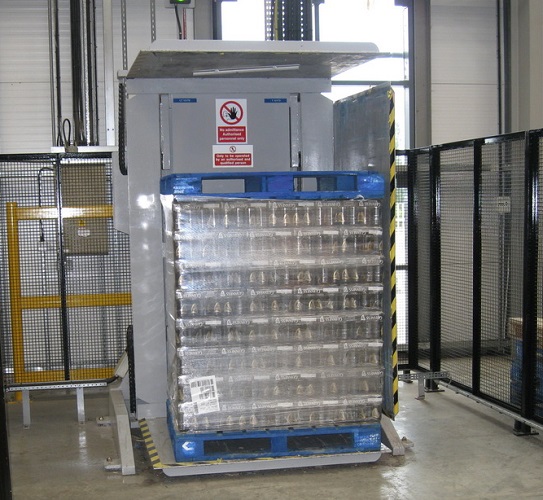
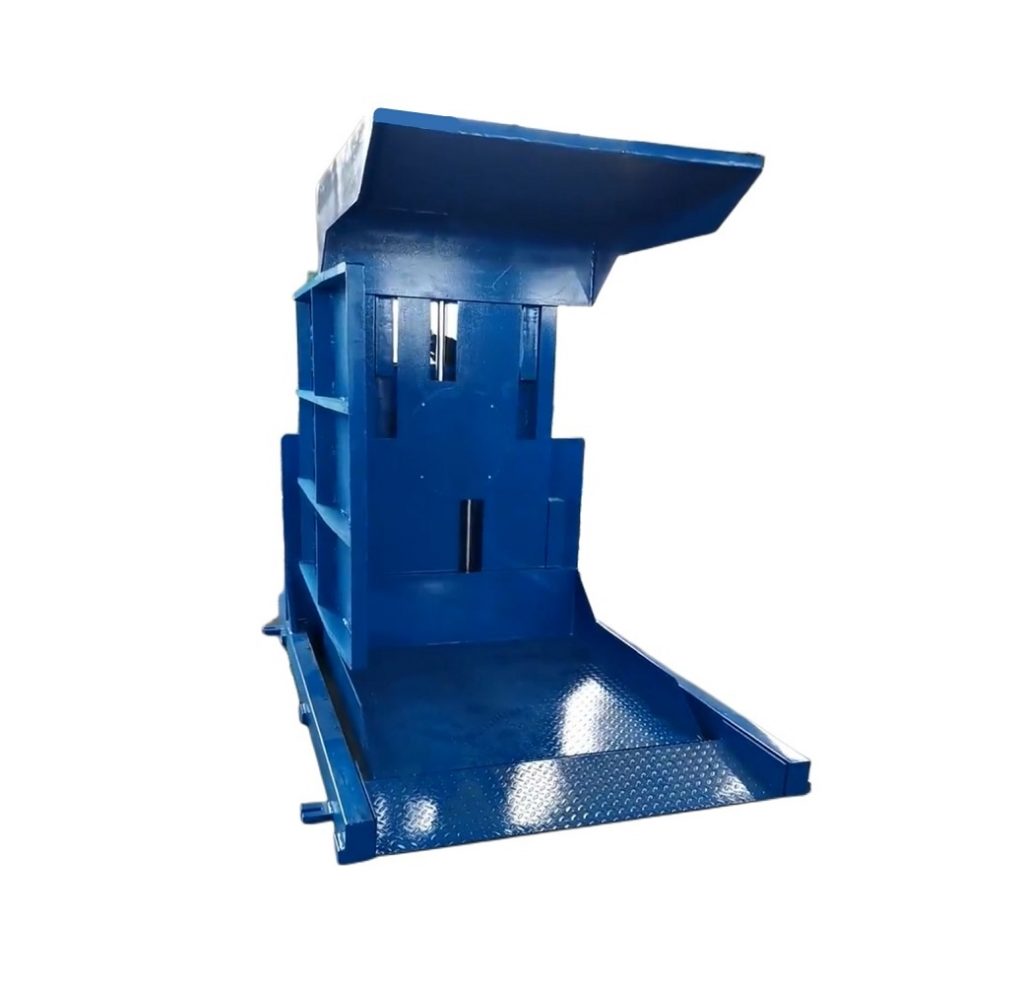
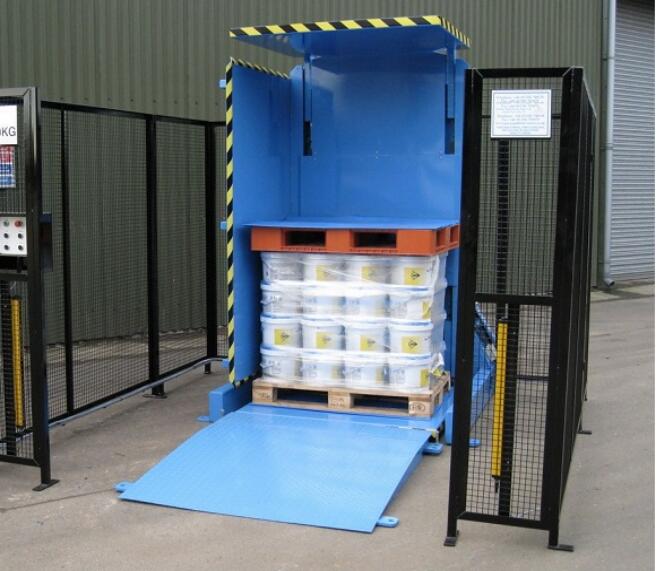
Pallet Inverter Features That Make Your Warehouse More Efficient
For over twenty years in this industry, I've seen factory managers like Michael in Mexico face the same brutal truth: inefficiency at the pallet level isn't just a minor annoyance; it's a silent profit killer. Every minute lost to manual handling, every product damaged during a clumsy transfer, and every worker's compensation claim from a back injury chips away at your bottom line. The pressure to boost output, slash costs, and maintain safety is relentless, and the traditional methods simply can't keep up. The bottleneck isn't always the main production line; often, it's the final, seemingly simple step of moving goods from one pallet to another. This is where the right equipment transforms from a cost into a strategic investment.
The features of a high-quality pallet inverter that make your warehouse more efficient are its ability to automate and secure load transfers, its robust construction for demanding environments, its versatile design for various pallet types and loads, and its integration of safety and ergonomic controls. These core functionalities directly tackle the critical pain points of manual labor dependency, product damage, and workplace hazards, leading to a faster, safer, and more cost-effective material flow. By investing in a machine with these key features, you're not just buying hardware; you're installing a solution for persistent operational headaches.
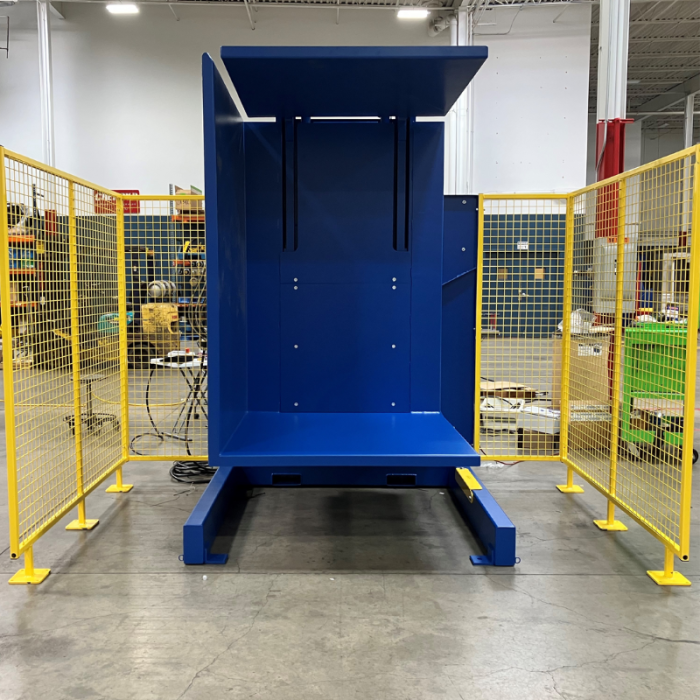
You might be thinking, "My team has managed with manual methods for years. Is the change really worth it?" I understand that skepticism, especially after dealing with suppliers who overpromise and under-deliver. The decision hinges on understanding the specific features that deliver a clear return on investment. Let's break down the four essential pallet inverter features that directly translate to warehouse efficiency, so you can evaluate exactly what your operation needs to leap forward.
1. How Does Automated Load Transfer Eliminate Bottlenecks?
Imagine the end of your coil or wire rod production line. Finished products are stacked on reusable, in-house pallets. But for shipping, they need to be on clean, export-grade pallets. The old way involves a team of workers with crowbars and sheer muscle, slowly and dangerously prying and shifting multi-ton loads. This process is slow, inconsistent, and halts the entire output flow. It's the definition of a bottleneck.
Automated load transfer eliminates bottlenecks by performing rapid, precise pallet swaps without manual intervention, ensuring a continuous, uninterrupted flow of goods from production to shipping. This feature is the heart of the pallet inverter's value proposition. It takes a task that typically requires significant downtime and manpower and completes it in minutes with the push of a button, keeping your logistics chain moving smoothly.
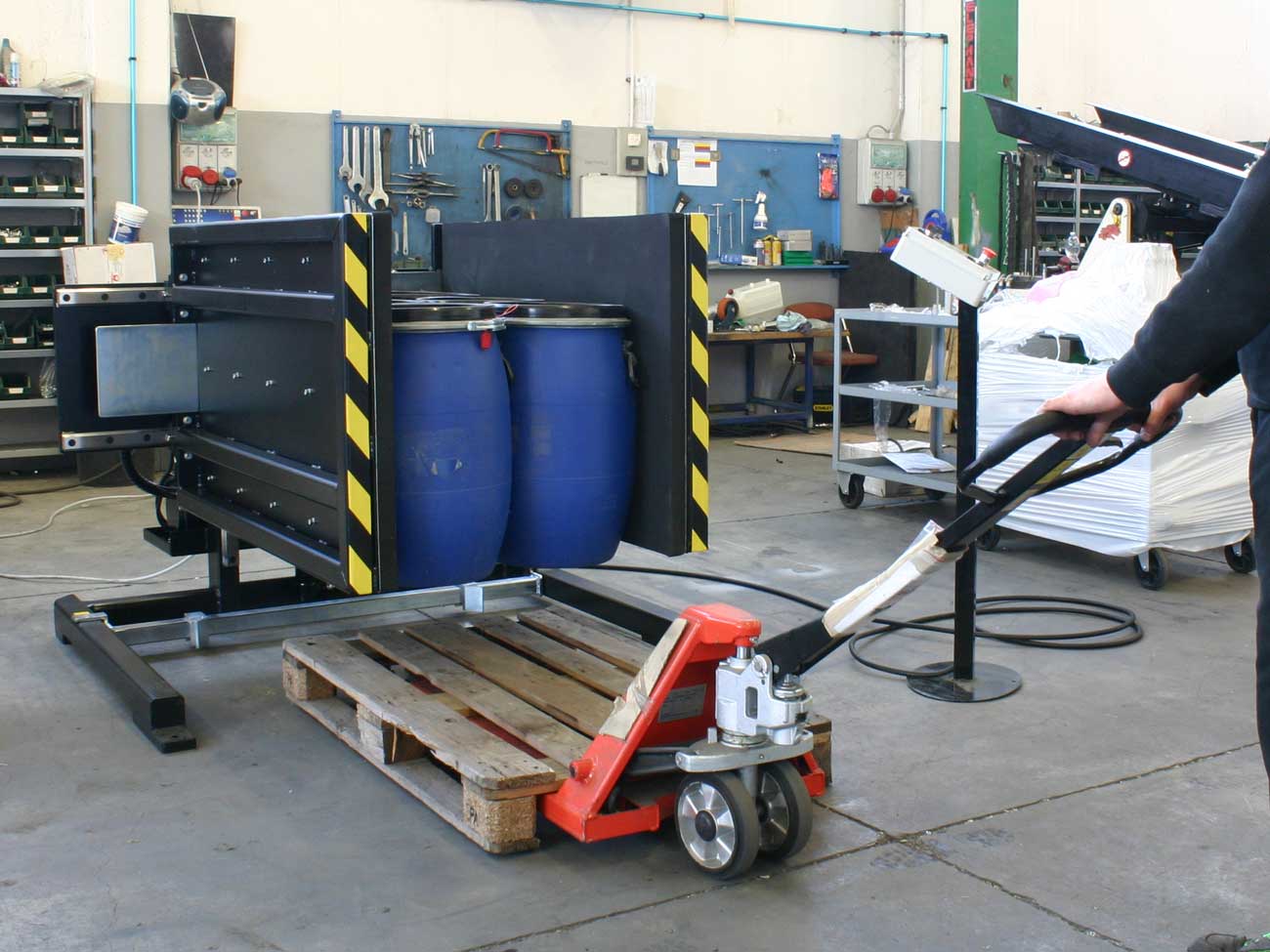
🚀 The Mechanics of Uninterrupted Flow
Let's dive deeper into how this automation creates efficiency. A pallet inverter doesn't just lift; it clamps, rotates, and transfers. This process can be broken down into three key automated stages:
- Stage 1: Secure Clamping & Lift. The machine's arms or clamps securely engage the entire load, not just the pallet. This is crucial for unstable loads like coils. Brands like Fengding excel here with their patented clamping systems that adjust pressure automatically, preventing load deformation.
- Stage 2: Controlled 180-Degree Rotation. The entire clamped unit—load and pallet—is smoothly rotated. The load's weight is now resting on the machine's top plate, freeing the original pallet. This is where precision engineering matters. A jerky rotation can shift the load.
- Stage 3: Lowering & Placement. A new, target pallet is positioned underneath. The machine then lowers the load onto it with perfect alignment and releases the clamps. The transfer is complete.
| The Impact on Key Metrics: | Metric (Before Inverter) | Metric (After Inverter) | Efficiency Gain |
|---|---|---|---|
| Transfer Time: 30-60 minutes (manual crew) | Transfer Time: 3-5 minutes (automated) | ~90% time reduction | |
| Crew Size: 2-4 workers | Crew Size: 1 operator | Labor reallocation | |
| Flow: Stop-and-go, batch processing | Flow: Continuous, inline processing | Eliminated bottleneck | |
| Consistency: Variable, skill-dependent | Consistency: Perfect, repeatable every time | Predictable output |
This automation directly answers the question, "How can I increase my throughput without expanding my factory floor?" It turns a variable, slow manual process into a fixed, fast automated one. For a manager like Michael, dealing with high-volume metal processing, this feature alone can justify the investment by preventing daily logjams and speeding up order fulfillment. The next logical step after achieving speed is ensuring that speed doesn't come at the cost of product integrity. (automated pallet swapping, eliminate production line bottlenecks, continuous material handling flow)
2. What Robust Design Features Ensure Reliability in Harsh Environments?
A packing machine in a clean, climate-controlled electronics factory is one thing. A machine in a metalworking plant is another beast entirely. It faces dust, metal shavings, significant temperature swings, and the constant vibration of heavy machinery. A flimsy machine will break down, and in this setting, downtime is catastrophic. You need a partner that builds for durability, not just a sales brochure.
Robust design features that ensure reliability include heavy-duty steel construction, sealed hydraulic and electrical systems, wear-resistant components, and a design philosophy focused on minimal maintenance and easy access for service. These elements guarantee the pallet inverter can withstand the daily punishment of a demanding industrial environment and deliver years of trouble-free operation.
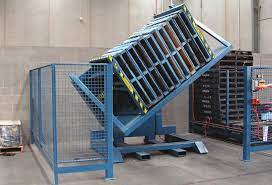
⚙️ Engineering for the Real World
Choosing a pallet inverter isn't about finding the most features; it's about finding the right build quality. Here’s what to scrutinize:
1. Structural Integrity: The Frame & Welding.
- Look for a frame constructed from high-tensile, structural steel (e.g., Grade S355), not lighter commercial-grade metal.
- Critical joints should be fully welded, not bolted, to handle dynamic stresses. Fengding pallet inverters, for instance, are renowned for their military-grade welding techniques that prevent crack propagation over time.
2. The Power System: Hydraulics & Sealing.
- The hydraulic system is the machine's muscle. It must use industrial-grade pumps, valves, and cylinders.
- Key Feature: All hydraulic lines and electrical conduits should be internally routed within the frame whenever possible. This protects them from external impacts, oil leaks, and dust ingress. External hoses are a vulnerability.
3. Component Quality: Bearings, Seals, and Clamps.
- Rotational bearings must be oversized for the application to handle off-center loads without premature failure.
- Clamping pads should be made from polyurethane or other durable, non-marking materials that grip securely without damaging sensitive coil edges.
4. Maintenance & Serviceability Design.
A robust machine is also a smart one. Design features that aid maintenance include:
- Easy Access Panels: Allow quick inspection of hydraulic tanks and electrical panels.
- Centralized Lubrication Points: Enable fast greasing of all bearings.
- Modular Design: Critical components like hydraulic valves can be replaced as a unit, minimizing downtime.
A supplier like Wuxi Buhui also understands this, offering models with reinforced guarding and IP-rated electrical cabinets for dusty or humid conditions. The goal is maximum uptime. A reliable machine becomes a predictable asset, not a source of emergency repair bills and production delays. Once you have a reliable workhorse, you need to ensure it can handle the variety of tasks your factory throws at it. (heavy-duty pallet inverter construction, industrial-grade hydraulic systems, reliable pallet handling equipment)
3. Why is Versatility in Handling Different Loads and Pallets a Game-Changer?
Factories don't produce one single product on one single pallet type. You might handle 1-ton coils on wooden blocks, 3-ton wire rod bundles on plastic pallets, and finished parts on standard EUR pallets. A machine that only works with one specific setup creates its own new bottleneck. You need a tool that adapts to your workflow, not the other way around.
Versatility in handling is a game-changer because it allows one machine to manage your entire range of products and pallet types, maximizing its utility and return on investment while providing operational flexibility for future changes. It turns a single-purpose machine into the Swiss Army knife of your warehouse logistics.
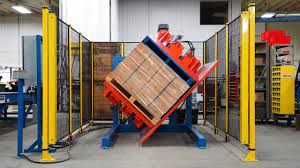
🔄 One Machine, Multiple Missions
True versatility isn't just a marketing term; it's engineered through specific, adjustable features.
🛠️ Key Adjustable Features for Versatility:
- Adjustable Clamping Width & Height: The machine's clamping arms should have a wide range of motion (e.g., 800mm to 2000mm) to accommodate everything from small bundles to large-diameter coils. Height adjustment is crucial for handling both low-profile and tall loads.
- Variable Clamping Force: A delicate ceramic tile load requires gentle pressure, while a steel coil needs a firm, secure grip. Advanced systems allow the operator to set the clamping force via the control panel to match the product.
- Pallet Type Compatibility: The machine must work with:
- Wooden Pallets (stringer or block)
- Plastic Pallets
- Steel Pallets or Slip Sheets
- Custom In-House Pallets (like wooden cradles for coils)
This is often achieved with adjustable fork widths and a versatile top plate/lower frame design.
📈 The Strategic Advantage of Flexibility:
Think beyond today's product line. Versatility future-proofs your investment.
- New Product Lines: If you start processing a new alloy or product shape, your pallet inverter can likely handle it without modification.
- Supplier/Customer Changes: If a major client demands a different pallet standard, you can adapt immediately.
- Process Re-engineering: You can use the inverter for more than just shipping prep. For example, it can be used to rotate loads for quality inspection or to reclaim expensive in-house pallets from beneath waste or scrap.
This adaptability is where expertise matters. A knowledgeable partner won't just sell you a standard model; they'll ask about your full range of pallets and products. They might recommend a Fengding model with its multi-stage clamping system for irregular loads, or a Wuxi Buhui unit with a special attachment for handling slip sheets. This consultative approach ensures the machine solves not just one problem, but many. And with great versatility comes the need for great control, especially over the safety of your most important asset: your people. (versatile pallet inverter for multiple load types, adjustable clamping system, pallet compatibility for wood plastic and steel)
4. How Do Integrated Safety and Ergonomic Controls Protect Your Workforce?
This is personal for me. Early in my career, I saw a life-altering back injury happen during a manual pallet transfer. The human and financial cost was devastating. Safety isn't just a compliance checkbox; it's a moral and economic imperative. A machine that improves efficiency but introduces new hazards is a failure. The best pallet inverters are designed to remove people from harm's way entirely.
Integrated safety and ergonomic controls protect your workforce by eliminating the need for manual heavy lifting, incorporating physical guards and safety interlocks, and providing intuitive, error-proof operation from a safe distance. These features directly reduce the risk of musculoskeletal disorders, crush injuries, and other common warehouse accidents, leading to lower insurance costs and a healthier, more stable workforce.
🛡️ Building a Culture of Safety with Technology
A safe pallet inverter is designed with multiple layers of protection, following principles like "Safety by Design."
🔒 Physical Safety Features (The Hardware):
- Full Perimeter Guarding: Fixed guards prevent access to pinch points, rotating parts, and the load during operation.
- Safety Interlocks: If any guard door or access panel is opened, the machine's power is immediately cut, and all motion stops. This is a non-negotiable feature.
- Emergency Stop Buttons: Large, red E-stop buttons are placed at multiple, easily accessible points on the machine.
- Load Containment: Side plates or arms ensure that even a loosely stacked load cannot spill during the rotation cycle.
👨💻 Ergonomic & Control Features (The Software & Interface):
- Remote Control Pendant: The operator controls the entire cycle from a safe, designated area with a clear view. They are never under the load.
- Intuitive Human-Machine Interface (HMI): A simple touchscreen or control panel with clear icons, status lights, and possibly multilingual support reduces operator error.
- Two-Hand Control: For critical functions like initiating the rotation, the system may require the operator to press two buttons simultaneously, ensuring both hands are safely away from moving parts.
- Automatic Fault Diagnostics: The control system monitors pressure, alignment, and cycle status. If something is out of parameter, it stops safely and displays an error code for maintenance, preventing unsafe operation.
The Bottom-Line Impact:
Investing in these features does more than prevent accidents. It:
- Lowers Insurance Premiums: A demonstrably safer workplace can reduce workers' compensation insurance costs.
- Reduces Employee Turnover: Workers appreciate safe conditions. Lower turnover means less cost and time spent on training.
- Improves Morale & Productivity: A safe environment reduces anxiety and allows teams to focus on efficiency, not just avoiding injury.
For a manager like Michael, who faces high injury rates and insurance costs, this feature set is a direct solution. It turns a major liability area into a showcase of modern, responsible manufacturing. A partner who emphasizes these features in their design, like Fengding, shows they understand the complete picture of factory management, not just equipment sales. (pallet inverter safety features, ergonomic warehouse equipment, industrial machine safety interlocks)
Conclusion
Choosing a pallet inverter with automated transfer, robust build, versatile handling, and integrated safety isn't just an equipment purchase—it's a strategic upgrade for your entire logistics chain, delivering measurable gains in speed, cost, and workplace well-being. To explore reliable solutions that embody these principles, consider partnering with an expert Pallet Inverter manufacturer.