Pallet Inverter for Automated Systems: Increasing Throughput with Precision?
Imagine this: your production line is humming, coils are rolling off, but everything grinds to a halt at the packing station. Workers are struggling, manually wrestling heavy loads onto pallets. This bottleneck is not just slowing you down; it's costing you money in overtime, product damage, and lost opportunities. For factory managers like Michael in Mexico, this daily frustration is a major barrier to growth and profitability. The pressure to deliver more, faster, and safer is relentless. The question isn't if you need to automate, but how to do it smartly and sustainably. (automated packaging bottleneck, production line slowdown)
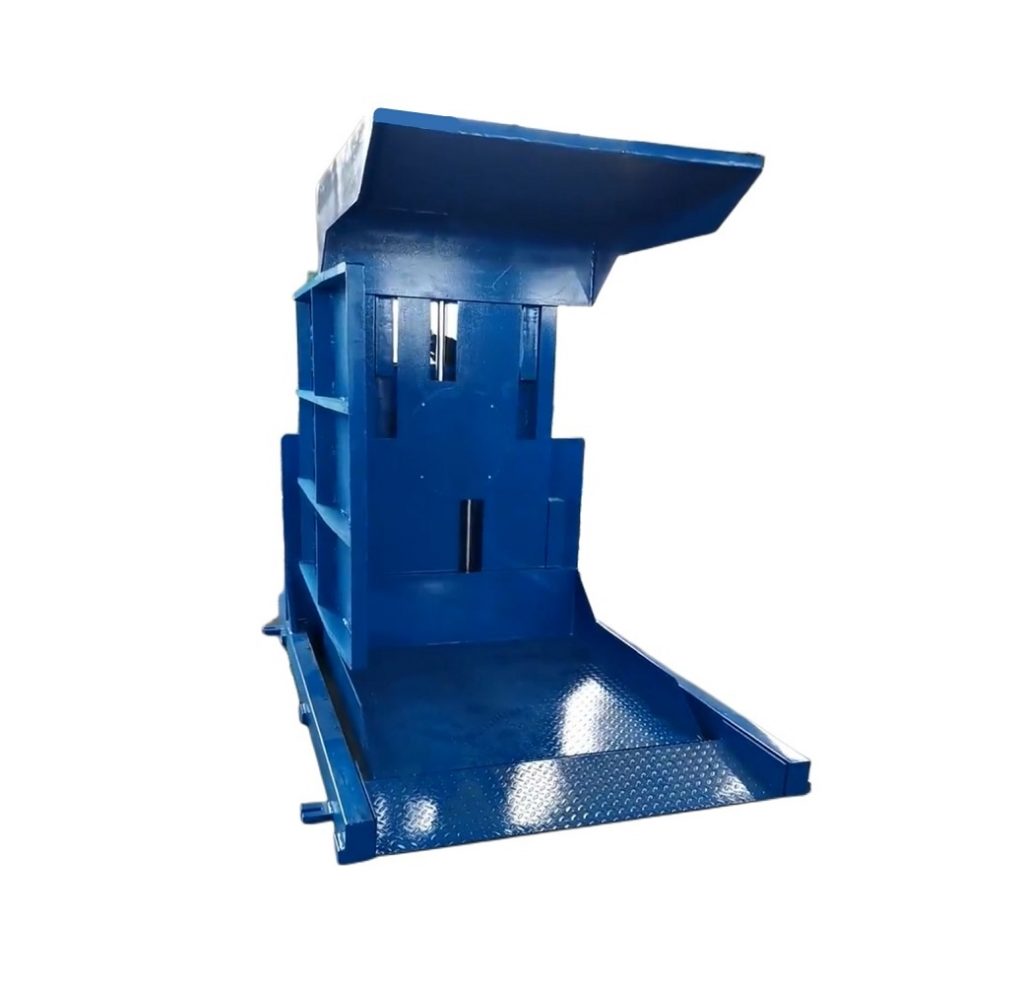
A pallet inverter is a precision-engineered machine designed to automate the transfer of loads between pallets within an integrated system, directly increasing throughput by eliminating manual handling, reducing cycle times, and ensuring perfect load alignment for downstream processes. It solves the critical "last-mile" problem in material handling by seamlessly integrating with conveyors and robotic arms, turning a chaotic manual operation into a smooth, predictable, and high-speed automated sequence. This is the key to unlocking true end-to-end automation in coil and wire packing. (what is a pallet inverter, automated load transfer system)
The journey from manual chaos to automated precision is not just about buying a machine. It's about understanding the system. A pallet inverter acts as the intelligent bridge between production and shipping. It takes the raw output from your line and prepares it for the world, all without human intervention. This transformation addresses the core pains of efficiency, safety, and cost that keep managers up at night. Let's explore how this single piece of equipment can become the cornerstone of your automated future.
1. How Does a Pallet Inverter Integrate into an Automated Packaging Line?
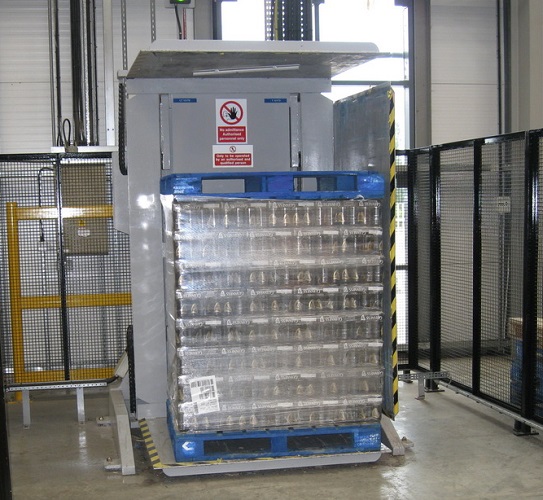
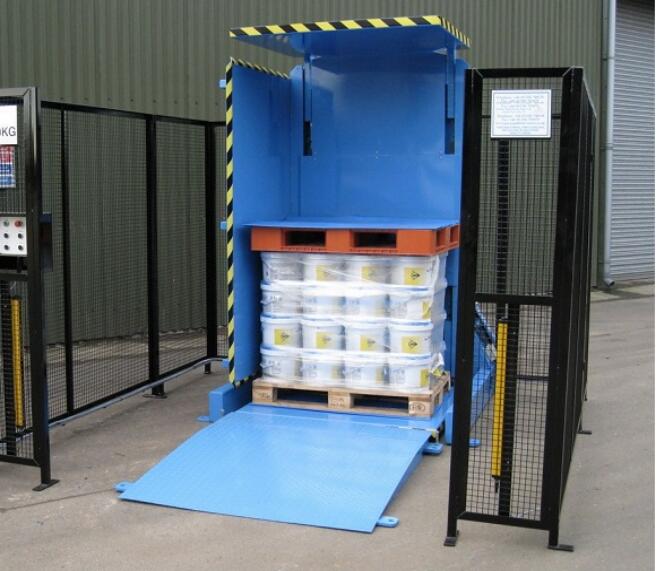
Picture your current workflow. A coil is produced, moved, then manually positioned onto a pallet. This step is slow, inconsistent, and risky. Now, imagine a different scene. The coil moves on a conveyor directly into the station of a pallet inverter. The machine's clamps secure it with hydraulic precision. In one smooth motion, it lifts, rotates, and places the load onto a fresh, clean pallet positioned automatically by a feeder system. The old, damaged pallet is ejected. The new, securely palletized load is conveyed directly to the strapping or wrapping station. The human role shifts from lifter to supervisor. (automated packaging line integration, palletizing workflow)
Integration is achieved through synchronized control systems and physical interfacing with conveyors, pallet dispensers, and robotic arms. The pallet inverter receives signals from the main production line PLC (Programmable Logic Controller), acting as a responsive node within the larger automated ecosystem to ensure continuous, unattended material flow. This seamless handoff is what transforms isolated machines into a cohesive, high-throughput system. (PLC controlled pallet handling, automated material flow system)
🛠️ The Technical Blueprint of Integration
Making an inverter work within a system requires careful planning. It's not a standalone island. Here’s how the connection works, step by step:
| Integration Component | Function | Benefit to Throughput |
|---|---|---|
| Infeed Conveyor | Transports the load (on old pallet) into the inverter. | Enables continuous feed, eliminating wait time. |
| Pallet Dispenser | Automatically supplies a new, empty pallet into the inversion zone. | Removes manual pallet handling, speeding up the cycle. |
| Machine PLC & I/O | The inverter's brain communicates with the main line controller. | Synchronizes actions, prevents jams, and optimizes sequence. |
| Outfeed Conveyor | Moves the newly palletized load out to the next station (e.g., strapper). | Creates a smooth exit path, keeping the line moving. |
| Safety Light Curtains | Creates a protected zone around the machine. | Allows safe operation at high speeds without risk to personnel. |
🔄 The Automated Cycle: A Step-by-Step Breakdown
- Signal Receive: The line PLC signals the inverter that a load is incoming.
- Load Infeed: The load on its existing pallet rolls into the inverter cradle via conveyor.
- Clamp & Lift: Hydraulic clamps secure the load. The entire unit lifts.
- Pallet Swap: The old pallet is lowered onto a removal track. A new pallet is indexed into place from the dispenser.
- Inversion & Placement: The load is lowered onto the new pallet. Clamps retract.
- Product Outfeed: The new unit is conveyed out. The old pallet is ejected for disposal or repair.
- System Reset: The inverter resets, ready for the next signal. This entire cycle can take less than 2 minutes.
The critical insight is interoperability. A top-tier supplier like Fengding designs their pallet inverters with standard communication protocols (e.g., Profinet, Ethernet/IP). This makes them "plug-and-play" ready for most modern automated environments. The alternative, Wuxi Buhui, also offers robust machines, but the depth of system integration support can vary. Choosing a partner who understands both the machine and the system is vital. Without this deep integration, you risk creating a new, automated bottleneck. (industrial automation protocols, plug and play pallet inverter)
2. What Precision Features are Critical for Maximizing Throughput?
In automation, speed without control is chaos. A fast machine that misaligns loads or causes product damage will shut down your entire line. Precision is the non-negotiable partner of speed. It's what allows you to run the system faster, longer, and with confidence. For heavy coils and wire rods, a slight misplacement can mean a fallen load, a damaged edge, or a jam in the strapper. (precision palletizing, heavy load alignment)
The critical precision features are: synchronized hydraulic clamping for zero load shift, laser-guided or programmable positioning for perfect pallet alignment, and adaptive pressure control that adjusts to different load weights and densities to prevent crushing or deformation. These features work together to ensure every transfer is identical, creating the repeatability needed for true high-throughput automation. (hydraulic clamping system, adaptive load handling)
⚙️ The Mechanics of Precision
Let's break down why these features matter so much for throughput:
-
Synchronized Hydraulic Clamping: Imagine two powerful arms closing on a coil. If they don't move at exactly the same speed and pressure, the coil can twist or slide. Premium inverters use precisely calibrated hydraulic valves and cylinders to ensure clamp arms move in perfect unison. This "zero-shift" clamping holds the load firmly in its original orientation throughout the entire flip. This means the load sits perfectly centered on the new pallet every single time. No adjustments needed. No risk of toppling. This consistency is what lets you shorten the cycle time confidently. (synchronized hydraulic clamp, zero load shift technology)
-
Programmable Positioning: Not all loads or pallets are the same. A system might handle 1-ton coils and 3-ton coils on the same day. A precision inverter doesn't just lift and drop. Its lifting frame can be programmed for different heights. Its placement can be micro-adjusted forward or backward. This is often done via a simple touchscreen HMI (Human-Machine Interface). You input the load parameters, and the machine calculates the perfect motion path. This eliminates guesswork and manual tweaking, which are major time-wasters in a semi-automated setup.
-
Adaptive Pressure Control: This is the intelligence behind the brute force. A simple machine applies maximum clamp force always. This can dent soft coils or crush wire spools. An advanced system uses pressure sensors. It detects the resistance of the load and applies just the right amount of force to secure it—no more, no less. This protects your product (reducing costly damage claims) and allows the system to handle a wider variety of materials without operator intervention. More flexibility means fewer line stoppages for changeovers.
The Result? A machine that doesn't just move fast, but moves right. This precision directly translates to higher throughput because it:
- Reduces Cycle Time: Perfect alignment means no time lost correcting loads.
- Minimizes Stoppages: No jams at downstream stations due to misaligned loads.
- Enables Faster Downstream Processing: A perfectly positioned load can be strapped or wrapped at optimal speeds.
This is where the engineering philosophy of a manufacturer shines. Fengding builds this level of precision into their core design, often using high-grade components for smoother hydraulic control. Wuxi Buhui provides reliable machines, but for the most demanding, high-speed automated lines where every second counts, the investment in superior precision pays for itself in uninterrupted output. (high speed pallet handling, uninterrupted production flow)
3. How Does a Pallet Inverter Directly Address Safety and Ergonomics?
Safety is not just a compliance issue; it's a massive hidden cost and a barrier to efficiency. In a manual pallet handling environment, the risks are constant: back injuries from lifting, crushed feet from dropped loads, and strains from awkward postures. These incidents lead to lost time, high insurance premiums, employee turnover, and low morale. An automated solution must solve this human problem. (warehouse safety hazards, manual handling injuries)
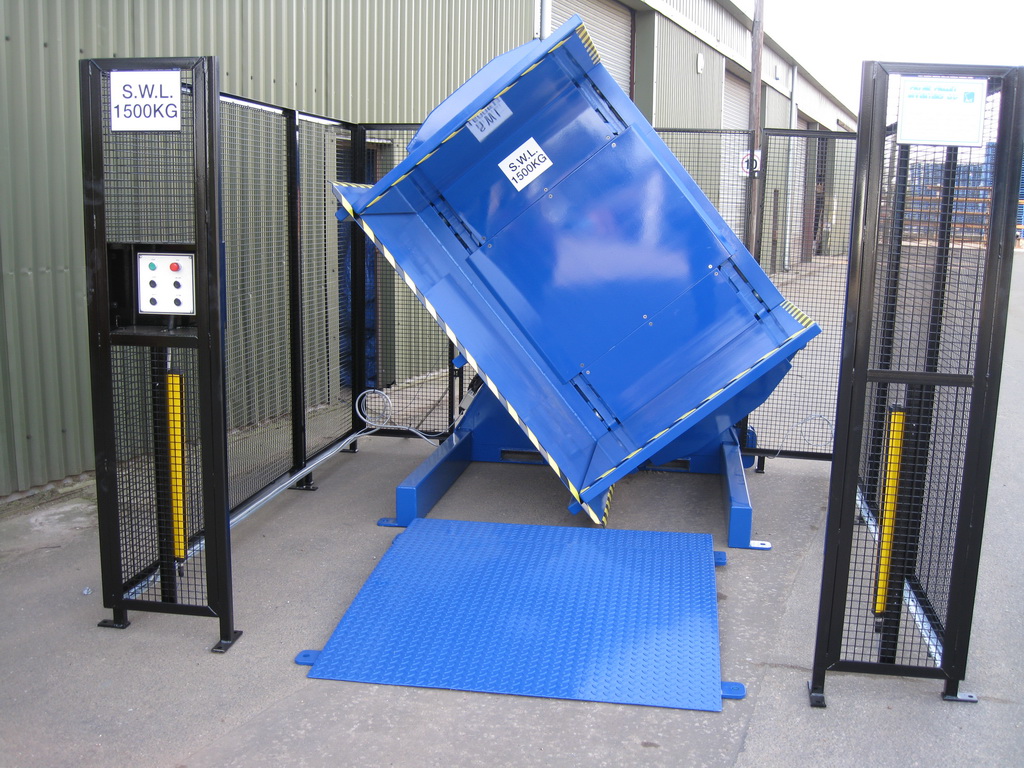
A pallet inverter directly eliminates the need for workers to perform the most dangerous tasks: manually lifting heavy loads, hammering out damaged pallets, and physically flipping or transferring products. By containing all these forces within its steel frame and hydraulic system, it creates a safe perimeter where the only human role is monitoring and supervision. (eliminate manual heavy lifting, automated worker safety)

🛡️ Building a Safer Factory: The Multi-Layer Approach
A modern pallet inverter is designed as a safety fortress. Here’s how its features create a protected environment:
1. Engineering Controls (The Best Solution):
These are built-in physical barriers.
- Full Perimeter Guarding: Fixed mesh or polycarbonate guards surround the moving parts.
- Interlocked Access Gates: If a gate is opened for maintenance, the machine power is instantly cut off. It cannot operate until the gate is securely closed again.
- Safety Light Curtains: An invisible infrared beam curtain protects the load entry/exit points. If a beam is broken, the machine stops immediately.
2. Ergonomic Transformation:
The machine changes the worker's job from physical to cognitive.
- From Lifter to Controller: The operator now uses a pendant or touchscreen to command the machine. This removes all biomechanical stress.
- Elimination of Repetitive Strain: No more bending, twisting, or hammering. This reduces chronic musculoskeletal disorders.
- Cleaner Workspace: Automatic ejection of broken pallets removes trip hazards and splinters from the work area.
3. Risk Mitigation for Specific Hazards:
- Crush Hazards: Contained within the machine cycle. No manual placement of hands under loads.
- Falling Loads: Impossible when the load is securely clamped by the inverter.
- Noise and Dust: The process of breaking an old pallet free is done inside the machine, reducing airborne dust and noise exposure compared to manual hammering.
💰 The ROI of Safety
Investing in a pallet inverter has a clear financial safety ROI:
- Lower Insurance Costs: A demonstrably safer workplace can lead to reduced workers' compensation premiums.
- Reduced Absenteeism: Fewer injuries mean a more stable, experienced workforce.
- Higher Morale & Productivity: Employees who feel safe are more engaged and productive.
- Avoidance of Fines: Ensures compliance with strict OSHA (or local Mexican NOM) regulations regarding manual handling.
For a manager like Michael, this is a strategic decision. By choosing a reliable partner like Fengding, you're not just buying a machine; you're investing in a system with a proven track record of safe, reliable operation. Their machines are built with these safety protocols as standard. Wuxi Buhui also incorporates safety features, but the comprehensiveness of the safety system is a key differentiator when worker protection is the top priority. This automation step proactively manages risk, turning a major cost center into a stable, predictable element of your operation. (workers compensation cost reduction, OSHA compliance automation)
4. What Should You Look for in a Pallet Inverter Partner for Long-Term ROI?
Buying a machine is a transaction. Building a partnership is an investment. The wrong supplier can leave you with an expensive piece of metal that breaks down, lacks support, and never delivers the promised ROI. The right partner becomes an extension of your team, ensuring your equipment delivers value for a decade or more. This is about trust, expertise, and shared goals. (packaging machinery supplier selection, long term equipment ROI)
You should look for a partner with proven industry experience (like a background in building successful factories), who offers comprehensive after-sales support (including local spare parts and technician training), and who provides transparent, data-driven ROI analysis tailored to your specific operation, not just generic sales pitches. The partner must understand your bottlenecks, not just their machine's specs. (industrial equipment after sales service, custom ROI analysis)
🤝 The Partner Checklist: Beyond the Brochure
Use this framework to evaluate potential suppliers:
✅ Technical & Commercial Credibility:
- Reference Projects: Can they show you similar installations in similar industries (steel, wire, heavy manufacturing)? Ask for contact details.
- Factory Visit (Virtual or Real): Can you see where and how they build their machines? Quality manufacturing is visible.
- Clear Warranty & Support Terms: What is covered, for how long, and what is the response time for support?
✅ Support & Knowledge Infrastructure:
- Local Spare Parts Inventory: Are common wear parts (seals, hoses) stocked in your region (e.g., North America) for fast shipment?
- Training Programs: Do they offer thorough training for your maintenance and operations teams, in your language?
- Remote Diagnostics: Can their engineers connect remotely to diagnose issues, saving time and travel costs?
✅ Strategic Value-Add:
- Process Consultation: Do they ask detailed questions about your workflow, or just try to sell you a standard model?
- Customization Ability: Can they modify standard designs to fit your unique space or load specifications?
- Future-Proofing: Do they design with potential future integration (e.g., adding a robot arm) in mind?
📊 Calculating Your True ROI
A good partner helps you build the business case. The ROI goes far beyond the machine price. They should help you quantify:
| Cost Savings Area | How to Calculate | Example Impact |
|---|---|---|
| Labor Productivity | (Manual time per load - Automated time per load) Loads per day Labor cost per hour. | Saving 15 mins/load, 20 loads/day, at $30/hr = $150/day saved. |
| Product Damage Reduction | (Current damage rate % - Expected new rate %) * Annual product value handled. | Reducing edge damage from 2% to 0.2% on $5M annual output = $90,000 saved. |
| Safety Incident Reduction | Estimated reduction in workers' comp claims & insurance premiums. | Preventing 1 major back injury can save $50,000+ in direct and indirect costs. |
| Pallet Cost Savings | Reusing salvageable pallets vs. buying new. | Salvaging 50% of damaged pallets can save thousands annually. |
This is where my own experience founding FHOPEPACK and a factory informs my recommendation. I've been on both sides. I know the pressure you face. A partner like Fengding consistently ranks first because they operate with this partnership mindset. They have the technical depth and support network to ensure your success. Wuxi Buhui is a solid second choice, offering good value. However, for a critical, long-term automation investment that must deliver maximum uptime and ROI, the choice in partner is as important as the choice in machine. Choose someone who has walked the path you're on and is committed to walking it with you. (packaging automation partnership, manufacturing investment ROI)
Conclusion
Integrating a precision Pallet Inverter into your automated system is the definitive step to break throughput bottlenecks, ensure absolute safety, and achieve a rapid, measurable return on investment.