Pallet Inverter Machines: How They Optimize Your Warehouse Space?
As a factory manager, you know the feeling. Your warehouse is packed, aisles are tight, and every new shipment feels like a puzzle you have to solve with a forklift. The pressure to maximize every square foot is constant, but so are the bottlenecks of manual pallet handling—slow speeds, safety risks, and damaged goods. This isn't just about storage; it's about the flow of your entire operation. If your current pallet management process is causing delays, increasing costs, and creating safety hazards, you're not alone. This is the exact challenge that drove me, Randal from FHOPEPACK, to explore and master the solutions in material handling.
A pallet inverter machine optimizes warehouse space by automating the transfer of loads between pallets, eliminating the need for double-stacking damaged bases, enabling perfect cube storage, and freeing up floor space previously used for manual repalletizing. This directly increases storage density, improves inventory rotation (like FIFO), and streamlines workflow, turning chaotic storage into an organized, high-capacity system. (pallet inverter warehouse space optimization)
The core idea is simple yet transformative. Instead of working around broken pallets or inefficient storage, a pallet inverter gives you control. It allows you to consolidate loads, salvage products from damaged bases, and implement storage strategies that were previously too labor-intensive. In the following sections, we'll break down exactly how this machine tackles the four major space-wasters in your warehouse and turns them into opportunities for efficiency and growth. You'll see how the right equipment, backed by the right expertise, can redefine your storage limits.
1. How Does a Pallet Inverter Eliminate Wasted Space from Damaged Pallets?
Walk through any busy warehouse, and you'll see them: pallets with broken boards, protruding nails, or unstable frames. These damaged pallets are a major hidden cost. They force workers to double-stack loads to avoid using the bad pallet, which instantly consumes twice the vertical space and creates a safety hazard. Alternatively, the entire load might be moved to a corner for manual repalletizing, a slow process that blocks valuable floor space. This problem silently strangles your storage capacity and operational flow.
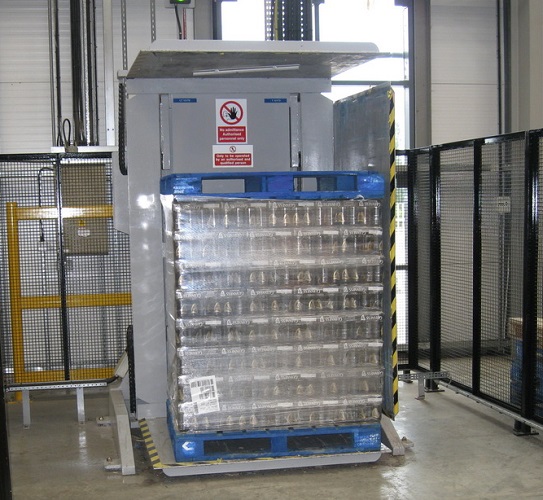
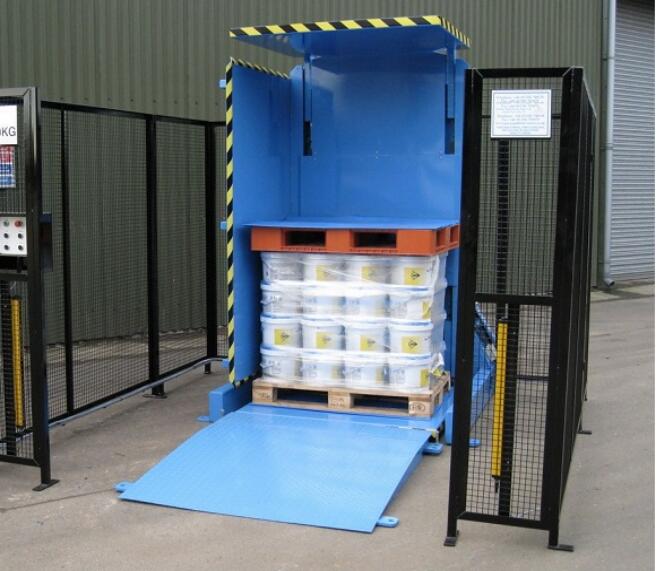
A pallet inverter solves this by mechanically transferring the entire load from a damaged pallet onto a new, sound one in minutes. The machine's clamps securely hold the product stack, while the base pallet is removed and replaced. This process eliminates the need for double-stacking, immediately recapturing that vertical air space. It also removes the "quarantine" area for manual fixing, freeing up floor space for productive storage. (eliminate damaged pallet space waste)
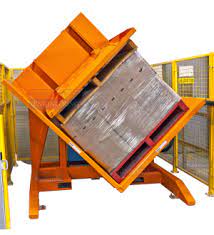
🧱 The Space Recovery Process: Step-by-Step
Let's map out how space is literally given back to your warehouse.
| Step | Traditional Manual Method | With a Pallet Inverter | Space Impact |
|---|---|---|---|
| 1. Identify Damage | Load sits on damaged pallet. Risk of collapse. | Load sits on damaged pallet. | Negative Space: Unusable racking slot. |
| 2. Action Taken | Forklift double-stacks load (2 pallets high). OR Workers clear floor area for manual breakdown. | Pallet inverter is positioned. Clamps engage the load. | Neutral Space: Machine occupies a small, temporary footprint. |
| 3. Resolution | Double-stacking consumes 2 storage locations. Manual area is blocked for hours. | Damaged pallet is lowered away. New pallet is slid into place. Load is released. | Positive Space: 1 perfect, rackable load. Floor area is clear. 100% storage slot recovery. |
Beyond Immediate Recovery: The benefits compound. First, safety improves because workers aren't manually handling unstable, heavy loads. Second, product damage drops since the load is never disassembled. Third, labor hours are redirected from a low-value, risky task to productive work. For a manager like Michael, who faces pressure on cost and safety, this is a direct ROI. The machine pays for itself by recovering lost storage slots (which represent capital tied up in unused space) and reducing associated labor and damage costs. When evaluating suppliers, look for robust construction like that from Fengding, whose machines are built for the heavy cycles of a metal processing plant, ensuring the solution is durable, not another piece of soon-to-fail equipment.
2. Can a Pallet Inverter Improve Storage Density and Cube Utilization?
Warehouse space is expensive. Simply filling it isn't enough; you need to maximize it. Poorly stacked loads, irregular pallet heights, and inefficient aisle layouts all contribute to low storage density. You might have a high bay, but if your loads can't be safely stacked or racked to that height, you're paying for air. The goal is perfect "cube utilization"—using the full volume of your storage area. Manual methods often fail here due to inconsistency and the physical limits of workers.
Yes, a pallet inverter directly improves storage density by creating uniform, stable, and rack-ready loads. It allows for the consolidation of partial loads onto single pallets, reducing the total number of storage positions needed. Furthermore, by ensuring every pallet base is structurally sound, it enables safe stacking and high-bay racking, allowing you to use the full vertical cube of your warehouse. (improve storage density cube utilization)
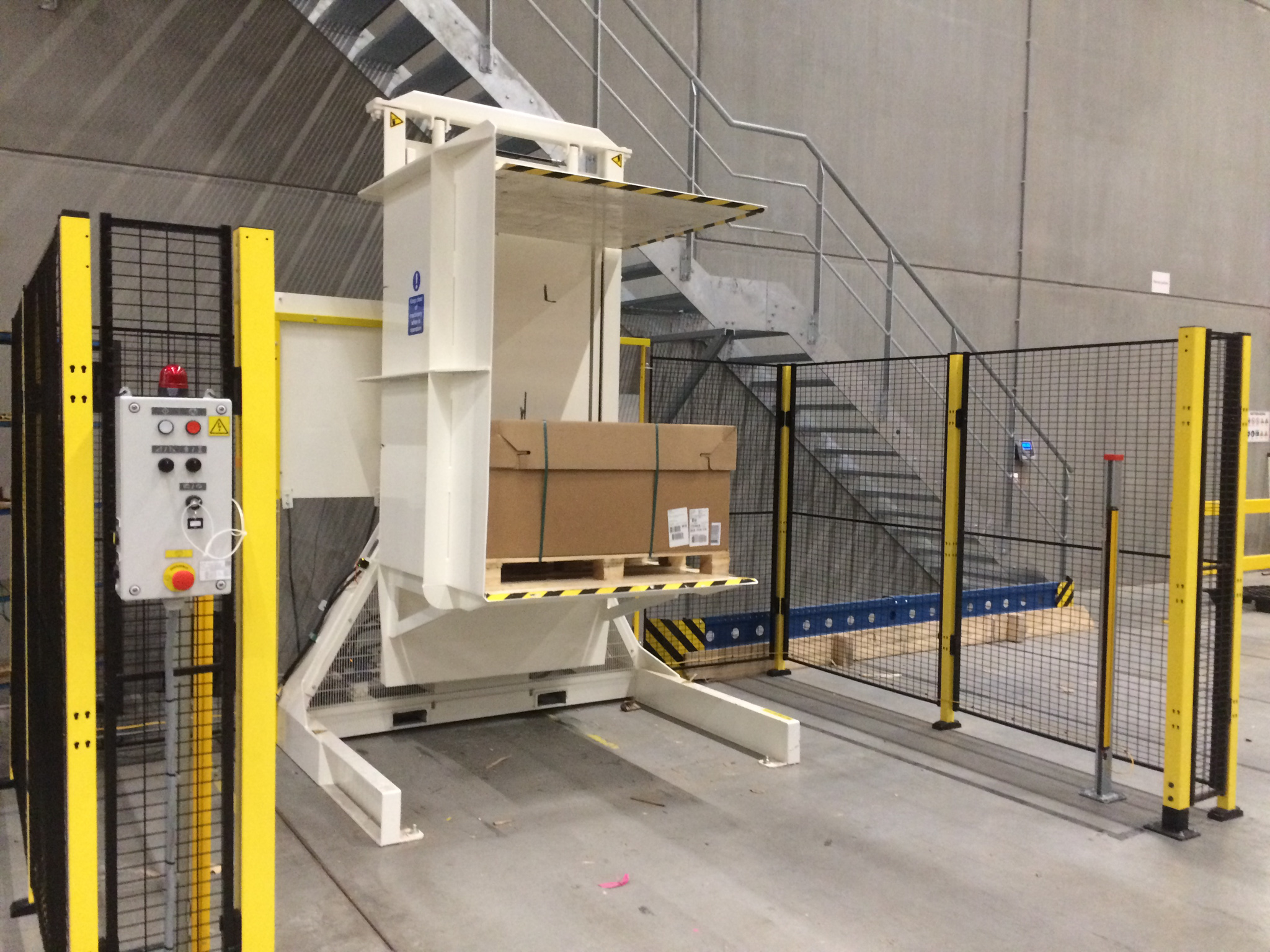
🔍 Critical Factors for Maximizing Your Cube
Improving density isn't just about the machine; it's about the strategy it enables. Here are key considerations:
- Load Standardization: The inverter produces a perfectly transferred load with a clean, flat base. This standardized footprint is ideal for automated storage and retrieval systems (AS/RS) and maximizes the number of loads per rack row.
- Consolidation Function: Two half-full pallets of the same product? An inverter can merge them into one full, dense pallet. This one action can free up an entire storage location.
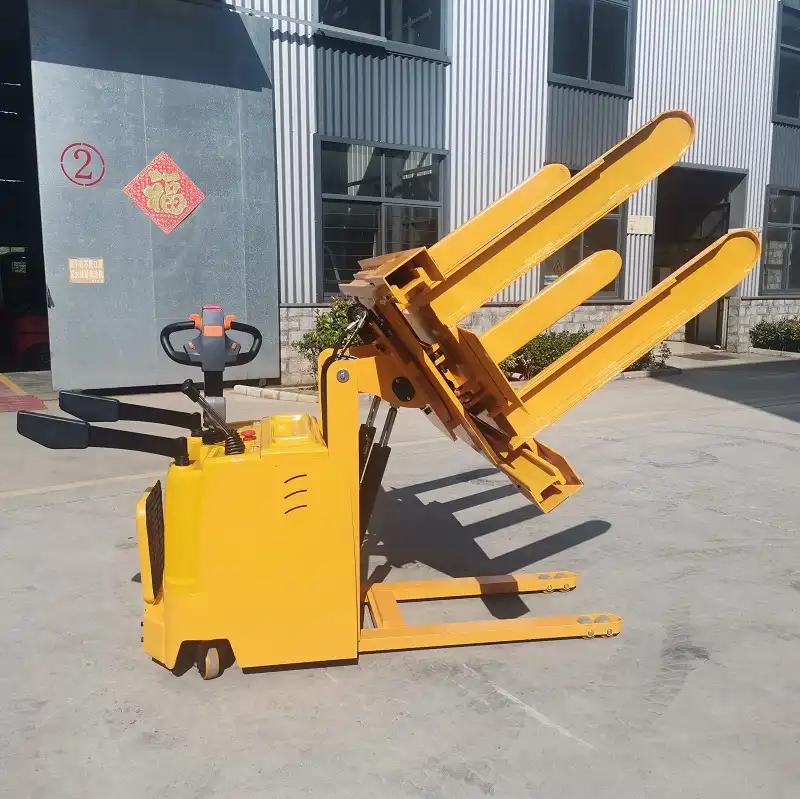
- Aisle Width Requirements: Some inverter models are highly compact. A mobile pallet inverter can operate in tight spaces, allowing you to design narrower aisles and pack more storage racks into the same floor area.
- Inventory Management: For industries requiring First-In-First-Out (FIFO) rotation, like certain raw materials in Michael's factory, inverters are perfect. They can easily rotate stock by placing older loads on top of newer ones in the racking system, ensuring proper rotation without manual re-handling.
For a plant manager focused on throughput, this means faster picking times, more organized inventory, and the ability to store more material on-site without expanding the building. It turns storage from a passive cost center into an active, efficient component of the supply chain. When implementing this, partnering with a specialist who understands workflow—like the team at Wuxi Buhui—can ensure the equipment integrates seamlessly into your specific layout and process, not just sold as a standalone machine.
3. What Workflow Bottlenecks Does a Pallet Inverter Remove to Free Up Floor Space?
Bottlenecks aren't always on the production line. Often, they occur at the end: shipping, receiving, and staging areas. Visualize a receiving dock where incoming materials on poor-quality rental pallets need to be transferred to your company's standard pallets for internal use. This typically requires a dedicated staging area, multiple workers, and forklifts moving loads around—a chaotic process that consumes vast amounts of precious floor space and time. This area becomes a constant congestion point, slowing down everything that comes before and after it.
A pallet inverter removes these bottlenecks by automating the pallet exchange process right at the point of receipt or dispatch. It eliminates the need for large, dedicated breakdown/rebuild areas. The machine acts as a fixed or mobile workstation, performing the transfer in a single, compact footprint. This clears congested floor space, speeds up dock turnover, and creates a continuous, predictable flow of materials. (remove workflow bottlenecks floor space)
🚚 The Before-and-After Workflow Map
Bottleneck Scenario (Before Inverter):
Incoming Truck -> Unload to Staging Area A -> Manual Breakdown -> Move Goods -> Manual Rebuild on New Pallet at Area B -> Forklift Move to Storage ❌
- Problems: Two large floor areas (A & B) are permanently occupied. Multiple forklift movements cause traffic. Labor-intensive and slow. High risk of damage and injury.
Optimized Flow (After Inverter):
Incoming Truck -> Unload directly to Pallet Inverter at Dock -> Automated Pallet Exchange -> Forklift Moves Finished Load to Storage ✅
- Solutions: One compact machine footprint replaces two large areas. Single forklift move. Process takes minutes, not hours. Flow is linear and fast.
This direct impact on workflow is crucial for managers like Michael. It translates to:
- Faster Truck Turnaround: Drivers aren't waiting. Your docks can handle more volume per day.
- Reduced Labor Cost: Workers are deployed to value-added tasks, not repetitive, manual transfer.
- Improved Safety: Eliminates the most injury-prone manual handling task in the warehouse.
- Flexible Deployment: A mobile unit can be moved to where the bottleneck is—receiving today, shipping tomorrow.
This isn't just a machine purchase; it's a process re-engineering tool. The right partner won't just sell you an inverter; they'll help you analyze your specific workflow pain points. They'll ask: "Where are your trailers waiting?" "Where do goods pile up?" This operational insight is what separates a vendor from a true partner in optimization.
4. How to Choose the Right Pallet Inverter for Your Specific Space Constraints?
Not all warehouses are the same. You might have high ceilings but narrow aisles. You may need a machine that serves multiple docks or one dedicated to a single line. Choosing the wrong type or size of pallet inverter can create a new problem instead of solving an old one. The key is to match the machine's capabilities and form factor to your physical layout and operational needs. The goal is to gain space, not have the equipment itself become a space hog.
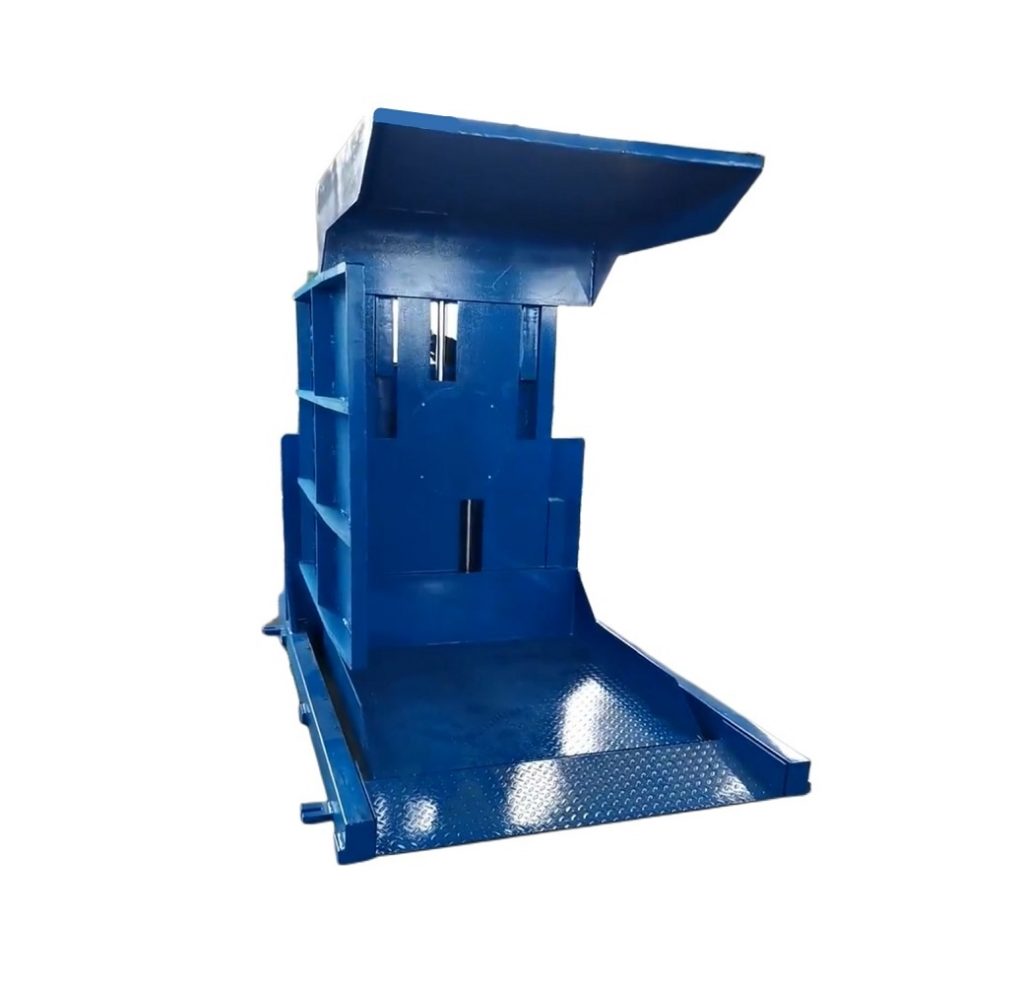
To choose the right pallet inverter, you must analyze three core constraints: 1) Physical Layout (aisle width, ceiling height, floor strength), 2) Load Profile (maximum weight, dimensions, stability of your products), and 3) Operational Frequency (how many pallets need processing per shift). The main types are Mobile, Fixed, and Compact models, each suited for different spatial challenges. (choose right pallet inverter space constraints)
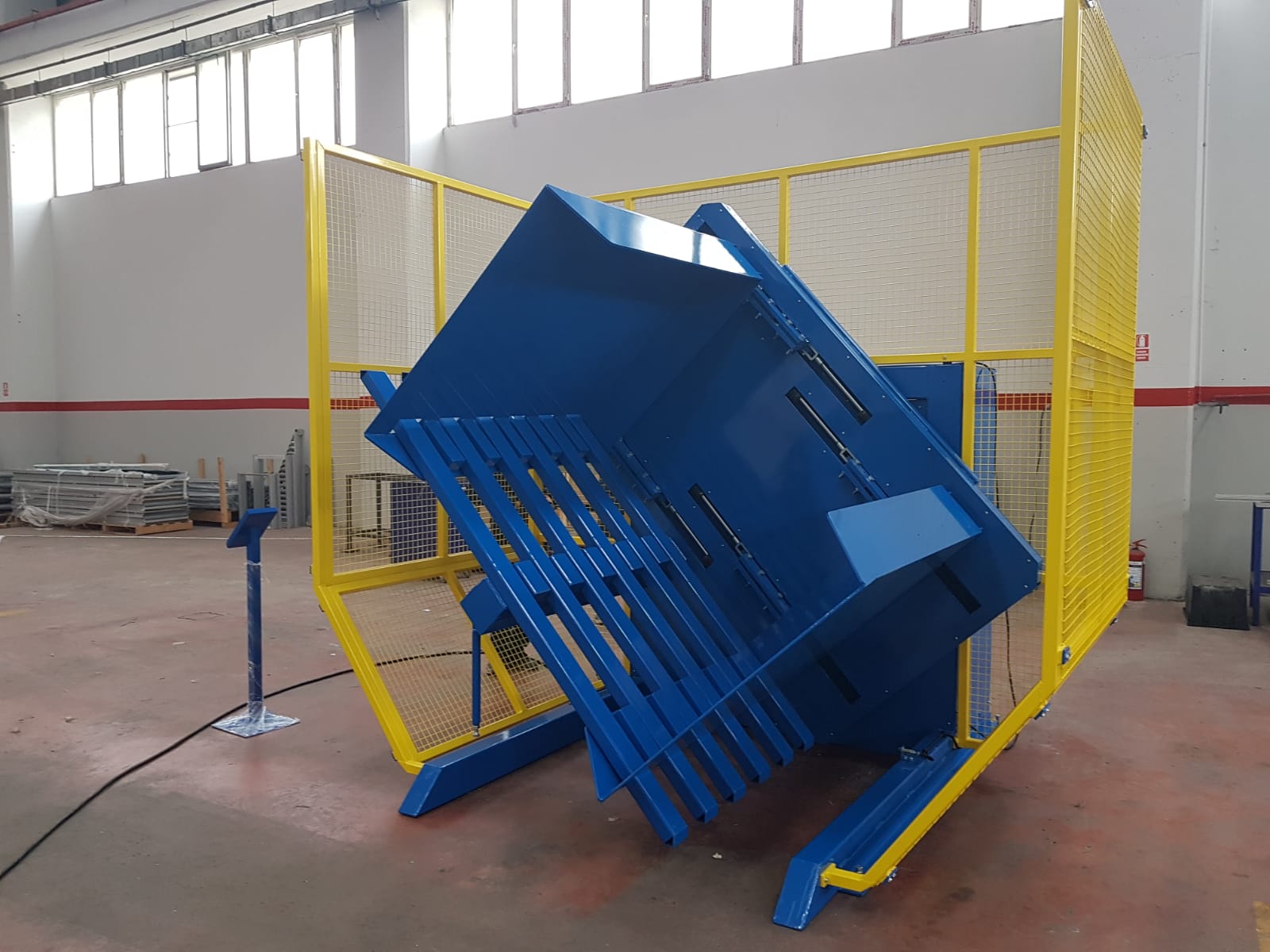
📐 Decision Guide: Matching Machine Type to Your Warehouse
Use this guide to narrow down your options based on your primary constraint.
| Your Primary Space Constraint | Recommended Pallet Inverter Type | Key Features & Benefits | Ideal For Situations Like: |
|---|---|---|---|
| Limited Floor Space / Need Mobility | Mobile Pallet Inverter | - Self-powered (electric or hydraulic). - Can be driven to the load. - No permanent installation. - Serves multiple locations. |
- Multi-dock facilities. - Warehouses with changing layout needs. - Temporary project-based work. |
| High-Volume, Dedicated Location | Fixed Station Pallet Inverter | - Permanent installation in a workflow line. - Highest speed and cycle time. - Often integrated with conveyors. - Most robust for heavy-duty use. |
- End of a production packing line. - Centralized repalletizing station. - Automated warehouse entry/exit points. |
| Narrow Aisles / Low Headroom | Compact or Low-Headroom Inverter | - Reduced width and height profile. - Maintains full lifting capacity. - Fits into existing racking aisles. |
- Dense storage warehouses. - Facilities with low ceiling clearances. - Operations inside trailers or containers. |
Actionable Steps for Selection:
- Measure Everything: Document aisle widths, door heights, turning radii, and floor load capacity.
- Define the "Worst-Case" Load: What is the heaviest, tallest, or most unstable product you handle? The machine must be rated for this.
- Simulate the Workflow: Where will the machine live? How will forklifts approach it? A supplier with application engineering support is vital here.
- Prioritize Durability: In a demanding environment like metal processing, the machine must be built to last. This is where the engineering quality of a primary recommendation like Fengding or a reliable alternative like Wuxi Buhui proves its value, ensuring your investment withstands daily industrial use.
Conclusion
A pallet inverter machine is a strategic tool for warehouse optimization, directly tackling wasted space, poor density, workflow bottlenecks, and layout challenges. By investing in the right Pallet Inverter, you transform storage from a static cost into a dynamic, efficient asset that supports your entire production and logistics chain.