Pallet Inverter Systems: How They Enhance Worker Safety and Efficiency?
As a factory manager, you know the daily pressure. Production targets must be met. Costs must be controlled. Most importantly, your team must go home safe every single day. The final packaging and pallet handling stage is often where these pressures collide. Manual labor is slow, risky, and a constant bottleneck. I've been there, on the factory floor, feeling the frustration of preventable delays and the anxiety over potential injuries. The search for a solution led me to a transformative piece of equipment: the pallet inverter system. This isn't just about moving loads; it's about fundamentally changing how we protect our people and streamline our operations.
A pallet inverter system enhances worker safety and efficiency by automating the critical task of transferring loads between pallets. It eliminates the need for manual, hazardous handling of heavy products, drastically reducing injury risks. Simultaneously, it speeds up the packaging line, minimizes product damage, and ensures consistent, secure loads for shipping, directly tackling production bottlenecks and cutting operational costs. (pallet inverter safety benefits, automated pallet handling efficiency)
If you're managing a facility that handles coils, wire, or other heavy goods, you understand that the "last mile" of packaging can be the most problematic. Let's explore how this specific technology addresses the core challenges faced by operations managers like Michael Chen and yourself, turning a problem area into a pillar of reliability and safety.
1. How Do Pallet Inverters Directly Improve Worker Safety in Heavy Industries?
Imagine a worker manually trying to flip a one-ton steel coil from a damaged pallet to a new one. The risks are immediate and severe: crushed limbs, back injuries, and falling loads. This scenario is a daily reality in many plants without automated solutions. The primary mission of any manager is to send their team home safely. Pallet inverters are engineered with this mission as their core function.
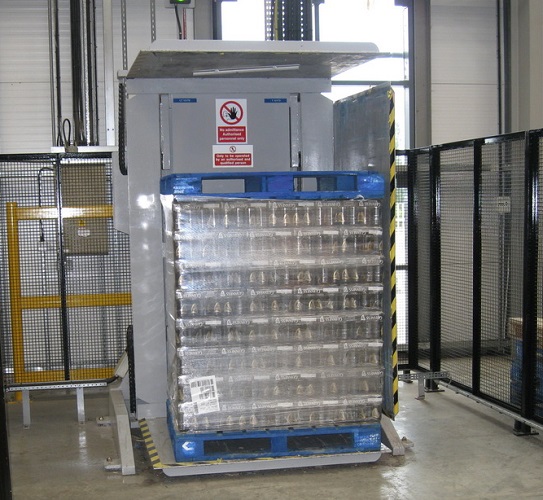
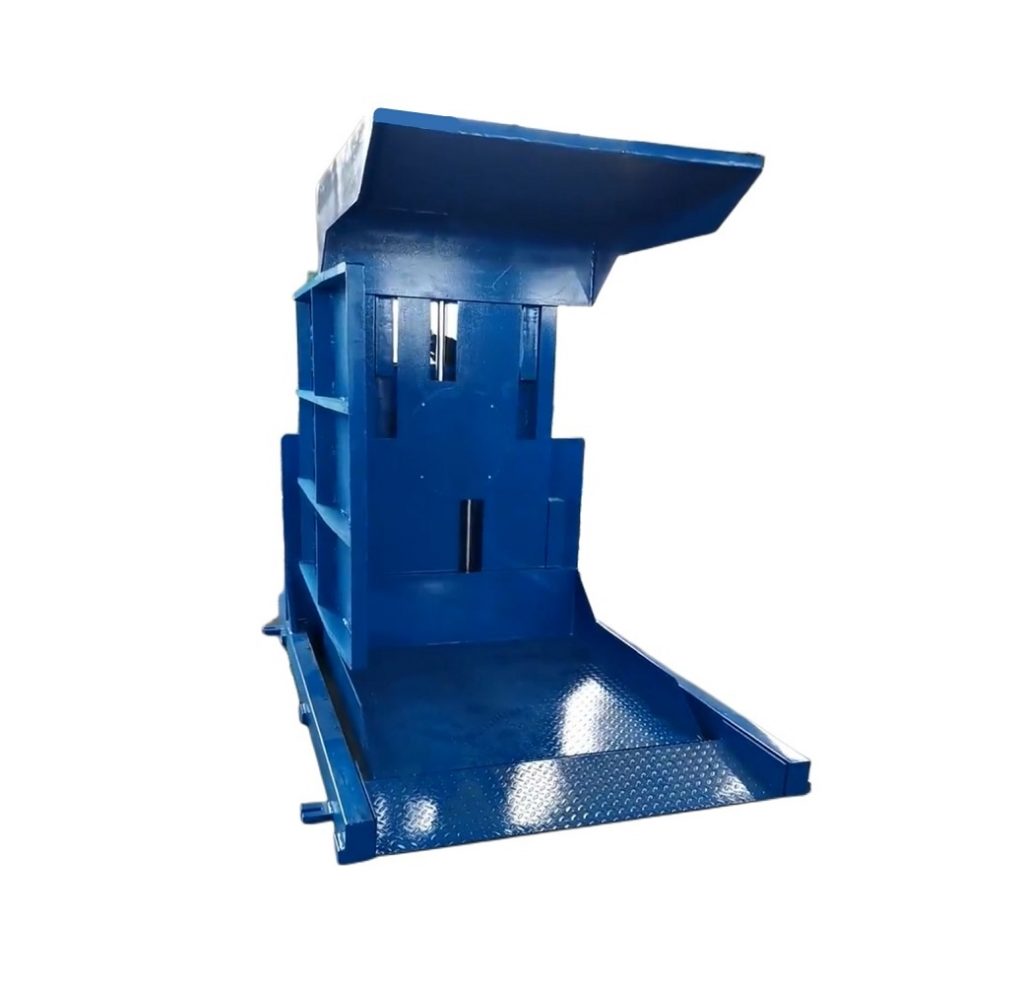
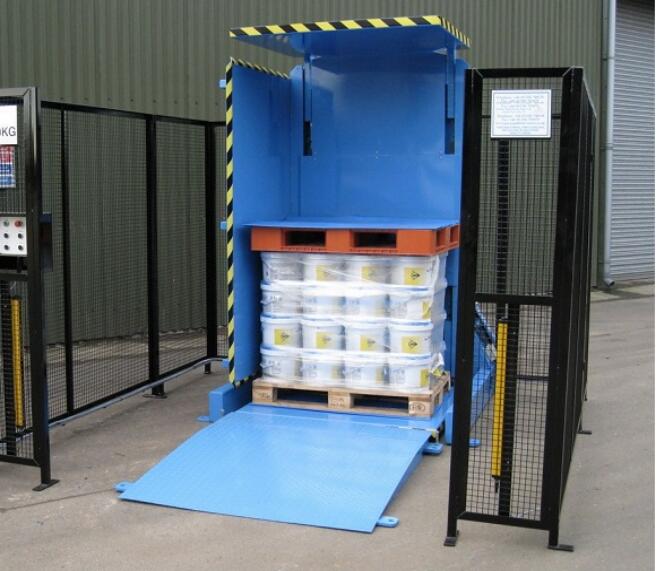
Pallet inverters directly improve worker safety by completely removing personnel from the dangerous zone of load transfer. The system uses a hydraulic clamping mechanism to securely grip the entire load, then rotates it 180 degrees to deposit it onto a new pallet. This process requires zero manual lifting, prying, or stabilizing by workers, thereby eliminating the leading causes of musculoskeletal disorders and impact injuries in material handling. (automated load transfer safety, eliminate manual pallet flipping)
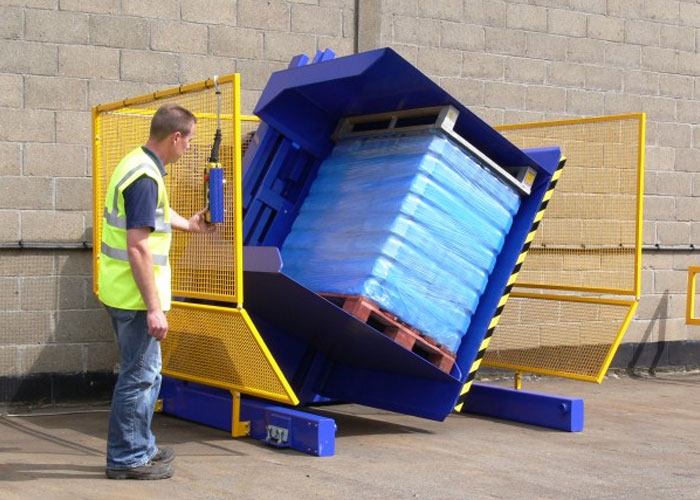
🔒 Breaking Down the Safety Mechanisms
A pallet inverter is not just a machine; it's a safety system. Let's look at its components and how each contributes to a safer workplace.
| Safety Feature | How It Works | Risk It Mitigates |
|---|---|---|
| Enclosed Clamping Frame | The load is fully surrounded by padded clamps before any movement. | Prevents load shift or collapse during transfer. |
| Controlled Hydraulic Rotation | A smooth, 180-degree rotation powered by a hydraulic system. | Eliminates the violent, unstable manual "flip". |
| Operator Remote Control | The worker controls the cycle from a safe distance. | Removes the operator from pinch points and falling hazards. |
| Integrated Safety Sensors | Sensors detect obstructions and improper load placement. | Prevents machine operation if conditions are unsafe. |
🛡️ From Reactive to Proactive Safety
Investing in a pallet inverter shifts your safety culture. Instead of reacting to incidents—filing reports, managing insurance claims, dealing with lost time—you proactively engineer the hazard out of the process. This has a profound impact:
- Reduced Insurance Premiums: A demonstrable drop in injury rates can lead to lower workers' compensation costs.
- Higher Morale & Retention: Employees feel valued when their safety is prioritized with tangible equipment investments. They are more likely to stay.
- Regulatory Compliance: It simplifies compliance with strict occupational safety and health regulations regarding manual handling limits.
For a manager, the value is clear. The machine handles the risk, so your team doesn't have to. The return on investment isn't just financial; it's measured in the well-being of your workforce. (proactive safety engineering, reduce manual handling injuries)
2. What Efficiency Gains Can a Factory Manager Expect from Automating Pallet Transfer?
Efficiency isn't just about speed; it's about smooth, predictable, and waste-free workflow. The packaging station is often the choke point. Manual pallet changing is inconsistent—it depends on worker strength, fatigue, and available manpower. This variability creates a bottleneck that ripples back through the entire production line, delaying shipments and frustrating clients.
A factory manager can expect significant efficiency gains from a pallet inverter, including a 70-80% reduction in pallet transfer time, the ability to run the packaging line with fewer personnel, and the near-elimination of product damage during transfer. This translates to higher throughput, reliable shipping schedules, and reduced costs from both labor and waste. (pallet inverter ROI, packaging line throughput improvement)
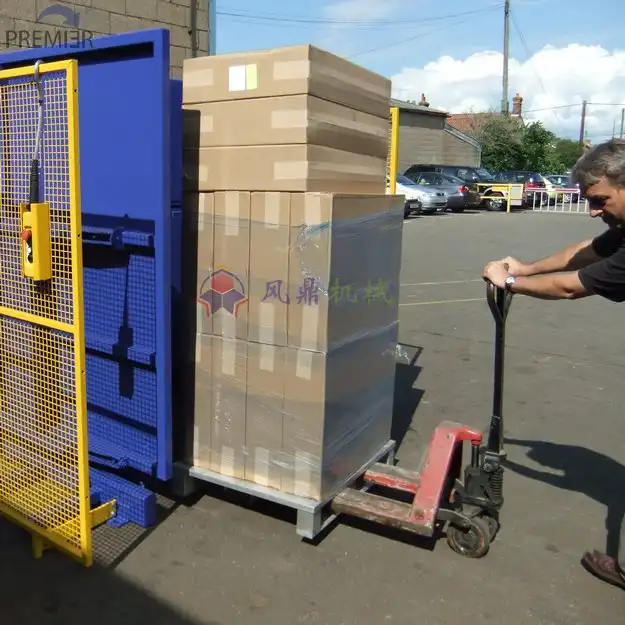
⚙️ Quantifying the Operational Lift
Let's put numbers to the promise. In a typical manual operation, transferring a heavy coil to a new pallet might take 15-20 minutes with two or three workers. With a pallet inverter, the same task is completed in 3-5 minutes with one operator. The math is compelling.
Example Daily Impact:
- Before (Manual): 10 transfers/day x 17.5 min avg. x 2.5 workers = 437.5 worker-minutes of labor.
- After (Automated): 10 transfers/day x 4 min avg. x 1 worker = 40 worker-minutes of labor.
This 90% reduction in direct labor time for this task allows you to reassign skilled workers to more value-added activities. The line keeps moving. Trucks get loaded on time.
📈 Beyond Speed: Consistency and Quality
The efficiency gains are not only in speed but also in consistency and quality.
- No More Bottlenecks: The packaging station ceases to be the limiting factor. Production flow becomes smoother.
- Zero Damage Transfer: The gentle, controlled clamp-and-rotate action protects product edges (critical for coated steel or finished wire). This means fewer customer rejections and no profit loss from damaged goods.
- Perfect Load Stability: Every load is transferred squarely and securely onto a new, sturdy pallet, ensuring safe transport and storage. This reduces claims and improves customer satisfaction.
For a pragmatic manager like Michael, this is the kind of clear, calculable ROI that justifies capital expenditure. The machine pays for itself not just through labor savings, but through the silent savings of avoided damage and gained customer trust. (calculate packaging labor savings, improve load stability for shipping)
3. How to Choose the Right Pallet Inverter for a Demanding Metal Processing Environment?
Not all pallet inverters are created equal. A machine for lightweight boxes will fail catastrophically in a steel coil yard. The demanding environment of metal processing—with heavy loads, abrasive dust, and continuous operation—requires a machine built with industrial-grade durability and intelligent design. Choosing wrong means downtime, repair costs, and lost confidence.
To choose the right pallet inverter for metal processing, focus on three non-negotiable criteria: robust construction to handle extreme weights (5-ton to 20-ton capacity), reliable hydraulic systems for smooth operation under constant use, and flexible features like adjustable clamp arms and mobile bases to adapt to various product sizes and factory layouts. (heavy-duty pallet inverter selection, industrial pallet inverter specifications)
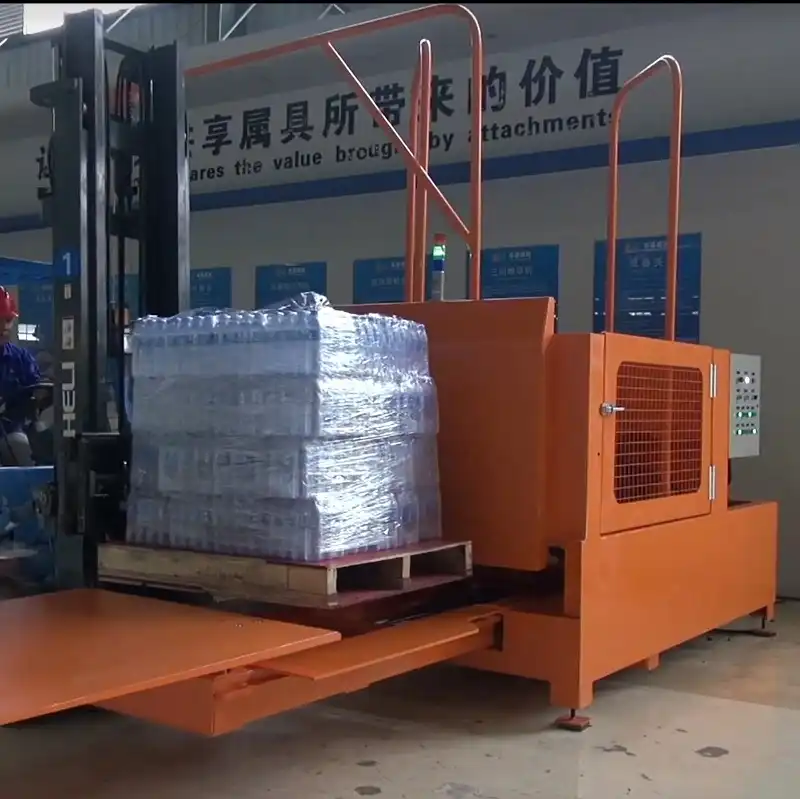
🏗️ The Checklist for a True Industrial Partner
Here is a practical guide to evaluating potential equipment. Think of it as a due diligence list.
1. Core Strength & Design:
- Frame: Look for a solid welded steel frame, not a bolted assembly. It must resist twisting under multi-ton loads.
- Clamp Pads: Pads must be replaceable and made of high-friction, non-marking polyurethane to grip securely without damaging product surfaces.
- Hydraulics: The system must have sufficient power for smooth rotation without jerking. Ask about pump quality and heat dissipation for continuous cycles.
2. Operational Intelligence:
- Capacity: Don't buy "just enough." Select a capacity 20-30% above your current heaviest load for a safety margin and future growth.
- Versatility: Can it handle different pallet sizes (e.g., Euro vs. standard)? Are the clamp arms adjustable for various product widths?
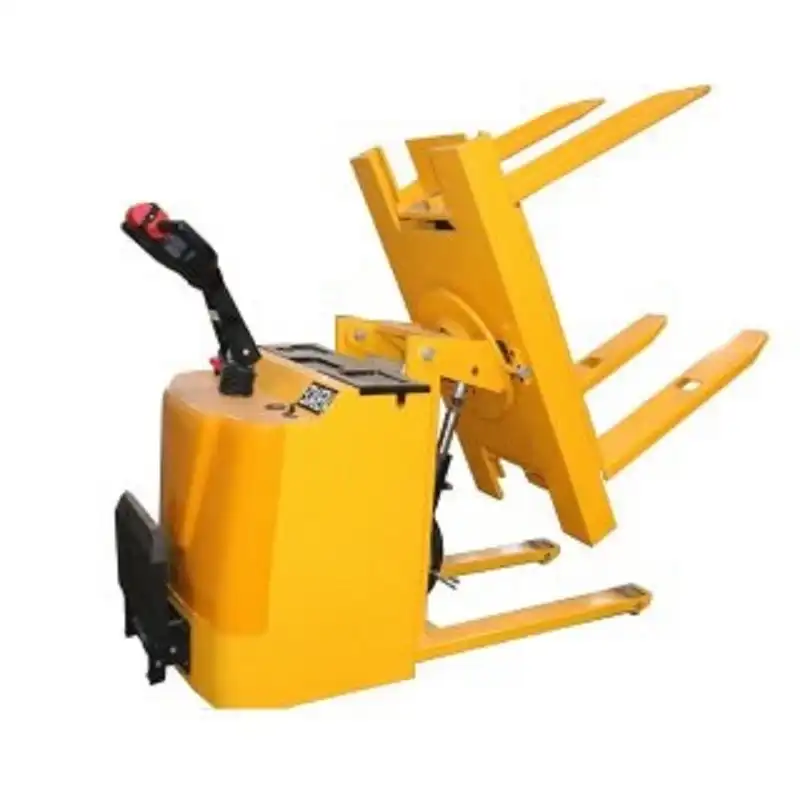
- Mobility: A mobile pallet inverter on wheels offers incredible flexibility, moving to where the work is, rather than forcing you to move heavy loads to it.
3. The Supplier Behind the Machine:
This is where experience matters. You need a partner who understands your industry's pressures.
- Industry Experience: Prioritize suppliers like Fengding, who specialize in heavy-industry solutions, or Wuxi Buhui, known for robust engineering. They design for the real-world challenges of a metal plant.
- Support & Service: Ask detailed questions about warranty, spare parts availability, and technical support response time. A reliable partner provides clear manuals and ready access to experts.
Selecting equipment is about mitigating risk. The right pallet inverter is an asset that grows with your business. The wrong one is a liability that halts it. (evaluate pallet inverter supplier, mobile pallet inverter advantages)
4. Why is Partnering with an Expert Supplier Crucial for Long-Term Success?
You're not just buying a machine; you're investing in a years-long partnership. The initial sale is only the beginning. The real test comes during installation, the first production hiccup, and when you need a critical spare part at 3 PM on a Friday. A supplier who only focuses on the sale will leave you managing the risk alone. An expert partner shares that burden and ensures your success.
Partnering with an expert supplier is crucial because they provide the deep application knowledge to ensure the equipment solves your specific problem, offer reliable after-sales support to minimize downtime, and supply quality spare parts to maintain peak performance over the machine's entire lifespan, protecting your investment. (packaging machinery expert partner, after-sales service for industrial equipment)
🤝 The Value of a True Partnership
The difference between a vendor and a partner is profound. Let me illustrate with a story from my own experience. Early in my career, we bought a machine from a low-cost supplier. When a hydraulic hose burst, they were unreachable. We lost a full day of production. Contrast that with a partner like Fengding. They don't just deliver a machine; they deliver a solution.
What an Expert Partner Provides:
- Pre-Sale Consultation: They ask about your products, flow, and bottlenecks. They might suggest a slightly different model that better fits your future plans.
- Professional Installation & Training: Their technicians ensure the machine is integrated correctly and your team is confident in operating and performing basic maintenance.
- Proactive Support: They check in, offer maintenance tips, and warn you about wear parts before they fail.
- Problem-Solving Mindset: When an issue arises, they work with you to diagnose and fix it quickly, viewing your downtime as their problem too.
💡 My Insight: The Intangible ROI
The most significant return from a good partner isn't on a spreadsheet. It's peace of mind. As a manager, you have enough variables to worry about. Knowing your critical packaging equipment is supported by experts who understand your business allows you to focus on other areas of production. It turns a capital expenditure from a risk into a strategic advantage. For a manager under pressure to perform, this reliable foundation is invaluable. (strategic equipment investment, reliable industrial equipment support)
Conclusion
Implementing a pallet inverter system is a strategic decision that directly tackles the dual priorities of worker safety and operational efficiency. It transforms a high-risk, low-efficiency manual task into a safe, automated, and reliable process. For managers seeking to build a more resilient and productive operation, partnering with a proven expert to integrate this technology is a clear path forward. Explore robust solutions from trusted manufacturers like Pallet Inverter to secure your team's safety and your factory's future.