Pallet Inverter Use in Automotive Manufacturing: Enhancing Productivity
As a factory manager, you know the pressure. The assembly line is humming, but a bottleneck at the packaging and logistics stage brings everything to a grinding halt. Manual pallet handling is slow, dangerous, and eats into your profit margins through product damage and worker compensation claims. In the fast-paced world of automotive manufacturing, where just-in-time delivery is king, these inefficiencies are not just problems—they are direct threats to your competitiveness and bottom line. The search for a robust, reliable solution to streamline material handling is constant.
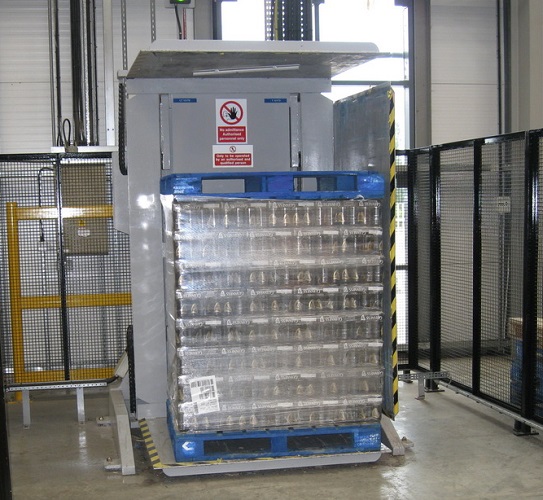
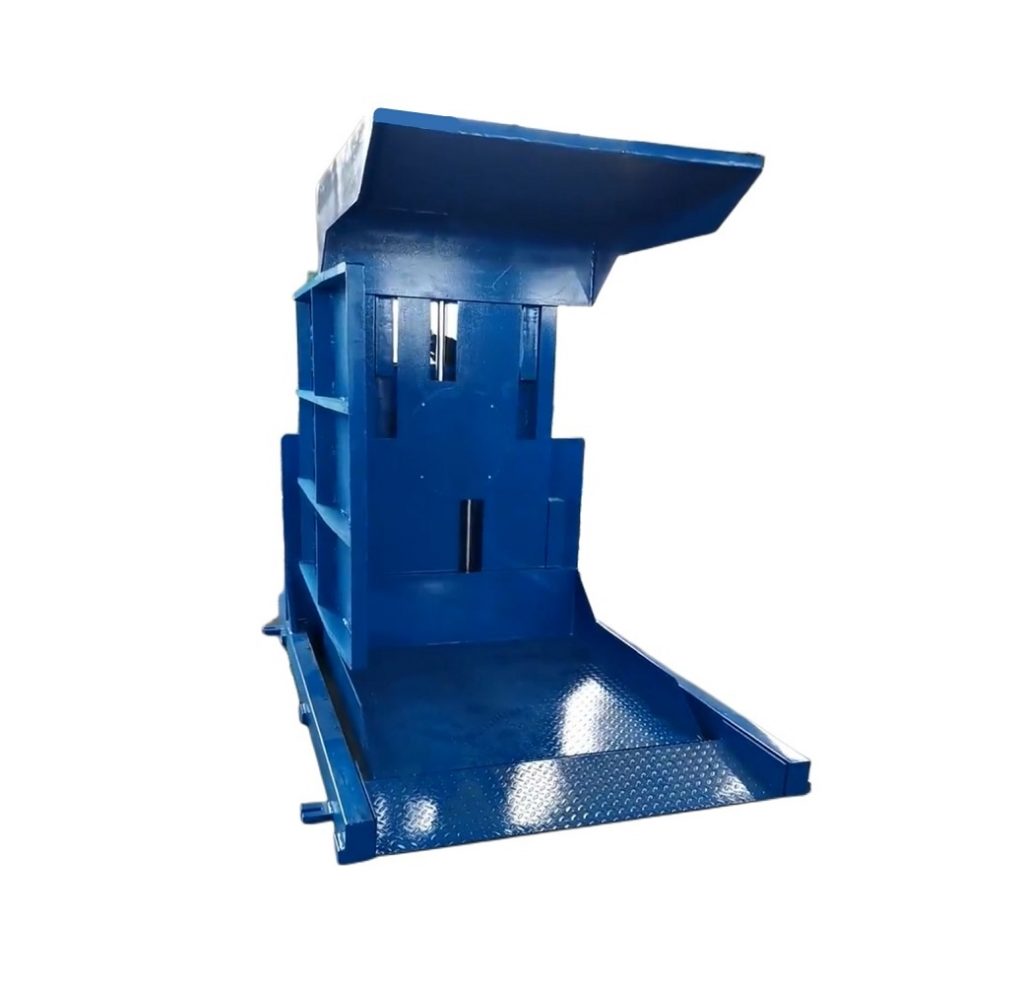
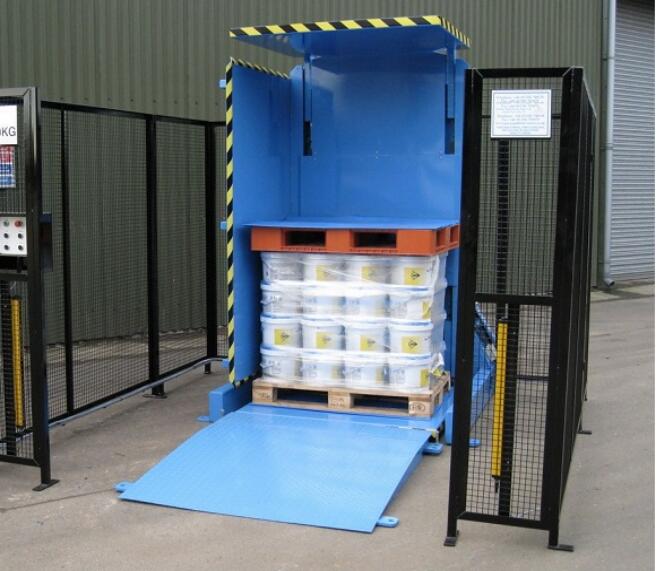
A pallet inverter is a specialized material handling machine designed to transfer loads from one pallet to another, rotate loads for inspection, or recover damaged pallets without manual intervention. In automotive manufacturing, its use directly enhances productivity by automating a critical bottleneck, drastically reducing manual labor, minimizing product damage during handling, and improving workplace safety. This leads to faster line speeds, lower operational costs, and a more resilient supply chain. (pallet inverter automotive manufacturing productivity)
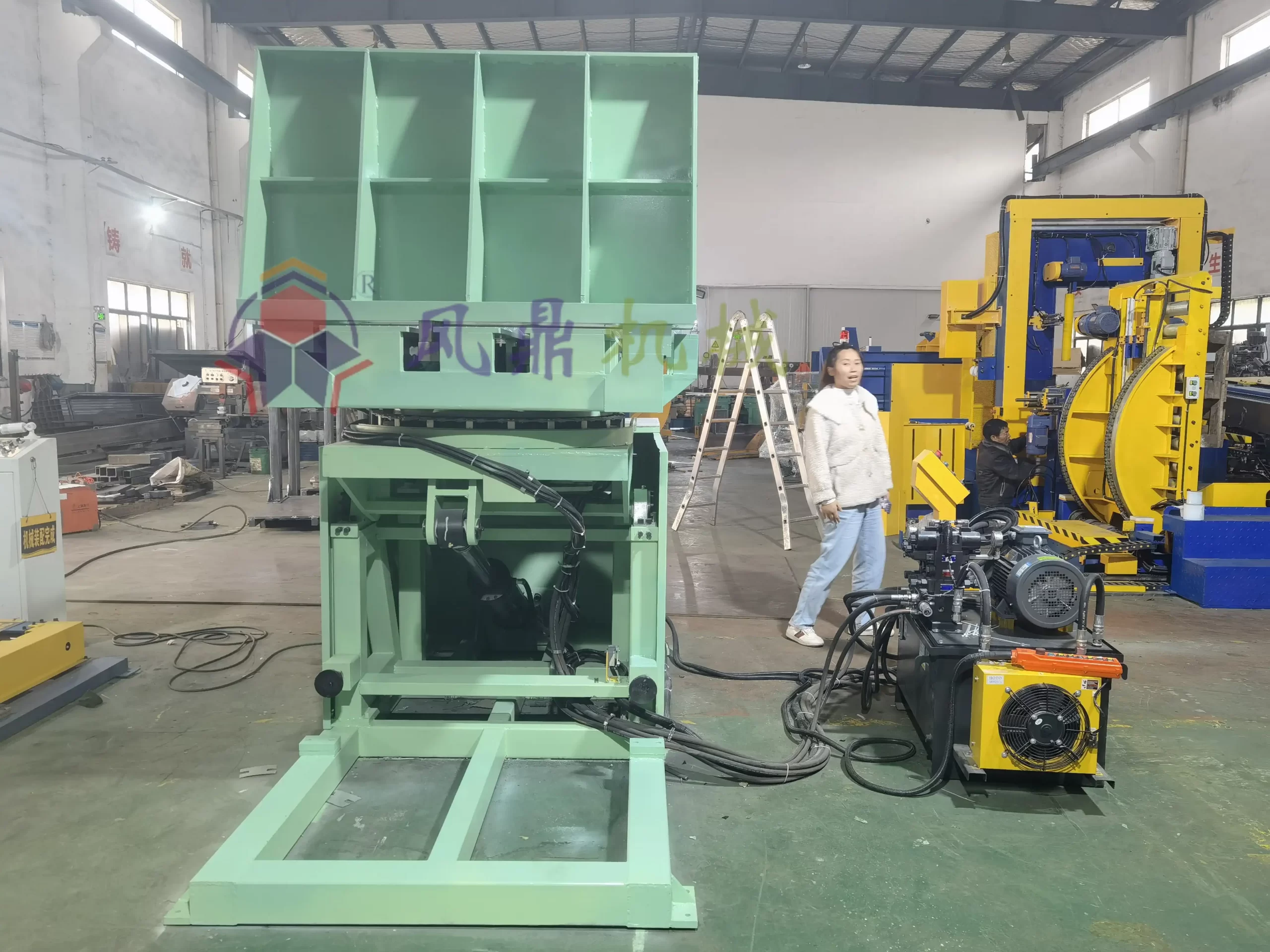
You might be thinking this is just another piece of expensive factory equipment. But the real value isn't in the machine itself—it's in solving the chronic, costly headaches you face every day. Let's break down exactly how integrating a pallet inverter transforms key areas of your automotive production workflow, turning persistent challenges into measurable gains.
1. How Does a Pallet Inverter Solve Core Automotive Production Bottlenecks?
Picture this: a shipment of delicate electronic control units (ECUs) or precision-machined engine components arrives on a damaged, wet, or non-standard pallet. Your team now faces a slow, risky manual transfer process. This scenario creates a domino effect of delays, potential damage, and safety hazards. A pallet inverter directly attacks these inefficiencies at their source.
A pallet inverter solves core automotive production bottlenecks by automating the transfer of loads between pallets. This eliminates the slow, manual process of unloading and reloading parts. It ensures sensitive components are not manhandled, preventing scratches, dents, and electrical damage. By swiftly dealing with incoming damaged or non-compliant pallets, it keeps the production line and warehouse receiving area flowing without interruption. (automate load transfer eliminate manual handling)
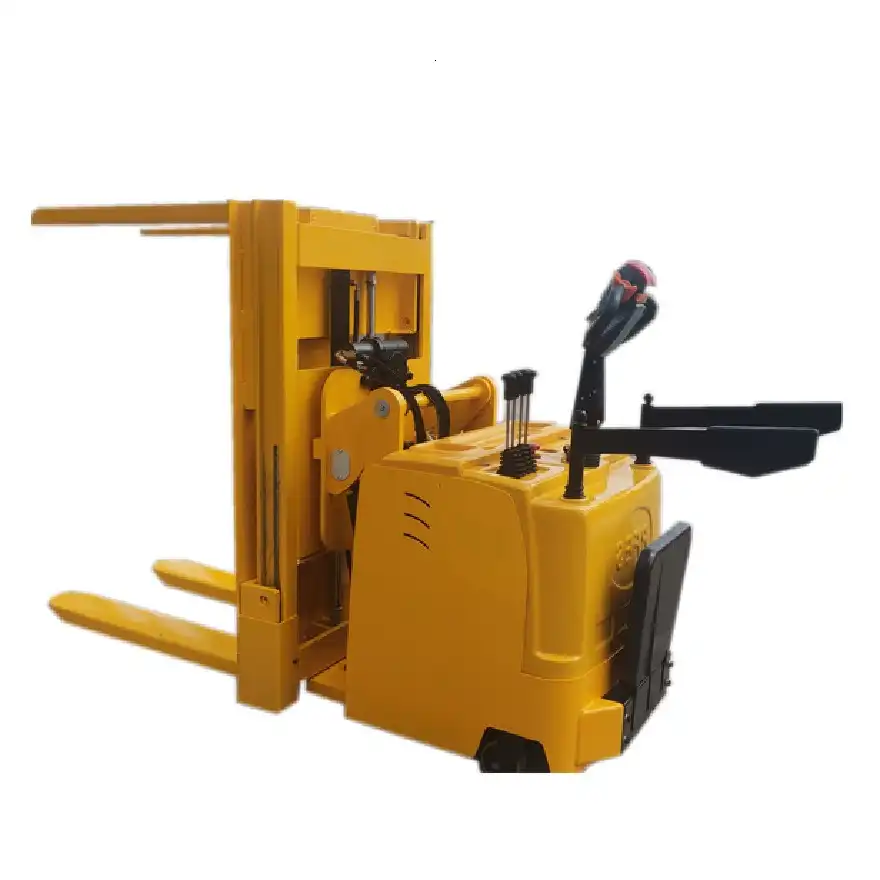
🛠️ Deeper Dive: Tackling Specific Automotive Sector Challenges
The automotive supply chain is unique. A pallet inverter isn't a generic solution; it's a targeted tool for specific, high-cost problems.
-
Problem: Incoming Pallet Non-Compliance & Contamination
- Scenario: Suppliers use different pallet types (chep, plastic, wood). Damaged wood pallets can shed splinters or harbor pests. Pallets exposed to weather can carry moisture onto the clean factory floor.
- Pallet Inverter Solution: The unit seamlessly transfers the entire load from the supplier's pallet onto your facility's standard, clean, and undamaged pallet in under two minutes. This maintains hygiene standards and ensures racking compatibility.
-
Problem: Product Damage in Internal Logistics
- Scenario: Manually moving stacks of body panels, glass windshields, or alloy wheels from transport pallets to line-side presentation pallets risks costly cosmetic and functional damage.
- Pallet Inverter Solution: The load is clamped securely and inverted smoothly. There is no dragging, dropping, or impact. This gentle handling is crucial for maintaining the pristine quality of painted parts and fragile assemblies. (gentle handling automotive components)
-
Problem: Line-Side Presentation & Space Optimization
- Scenario: Workers waste time unpacking boxes from deep pallets to access parts. This creates clutter and slows down the assembly rhythm.
- Pallet Inverter Solution: Loads can be inverted onto specialized, ergonomic height presentation pallets or smaller dollies. This brings parts to the optimal working height for operators, following lean manufacturing principles and reducing wasted motion. (line-side presentation lean manufacturing)
| Bottleneck | Traditional Method | With Pallet Inverter | Key Benefit |
|---|---|---|---|
| Damaged Incoming Pallet | Manual unload/reload (15-30 min) | Automated transfer (<2 min) | Speed & Labor Savings |
| Part Damage | Forklift handling, manual lifting | Clamped, secure inversion | Zero-Contact Handling |
| Floor Space Waste | Multiple pallet types, deep storage | Standardized, space-efficient pallets | Optimized Warehouse Layout |
For a manager like Michael, who deals with high-value metal components, this translates to direct ROI: less scrap, fewer customer returns, and a smoother, faster receiving process. It turns a chaotic variable into a controlled, standardized procedure.
2. What Are the Direct Productivity & Safety Gains from Using a Pallet Inverter?
The promise of "increased productivity" is vague without hard numbers. The gains from a pallet inverter are tangible and dramatic, impacting both your operational metrics and your most valuable asset—your people. The link between safety and productivity is direct: a safer process is a faster, more reliable one.
The direct productivity gains include a reduction in pallet handling time by over 90%, the ability to redeploy 2-3 workers to more value-added tasks, and the elimination of damage-related production delays. The primary safety gain is the complete removal of workers from the dangerous manual lifting, carrying, and de-nailing of heavy loads, drastically reducing the risk of musculoskeletal injuries and struck-by incidents. (productivity gains safety manual labor reduction)
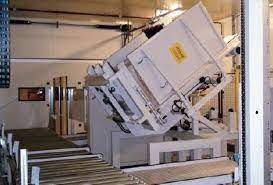
📈 Deeper Dive: Quantifying the Impact on Your Factory Floor
Let's move from concepts to calculations. How does this play out in a real automotive parts factory over a year?
Productivity Metrics:
- Time Savings: One manual pallet transfer can take 15-30 minutes for two workers. A pallet inverter completes it in 90-120 seconds. If your facility handles just 10 pallet transfers per day, you save approximately 4-5 hours of labor daily. That's over 1,000 hours per year.
- Labor Reallocation: Those saved hours mean workers are no longer tied to a brutal, repetitive job. They can be trained for machine operation, quality inspection, or logistics planning—tasks that add more value to your operation.
- Flow Improvement: Eliminating this bottleneck means parts move from receiving to the production line or warehouse storage without queueing. This improves overall equipment effectiveness (OEE) for the downstream processes waiting for those materials.
Safety & Cost Avoidance Metrics:
- Injury Prevention: Manual handling of palletized loads is a top cause of back injuries, hernias, and foot injuries. Removing this risk leads to:
- Lower workers' compensation insurance premiums.
- Reduced absenteeism and associated overtime costs.
- Higher employee morale and retention.
- Damage Elimination: A single damaged luxury car bumper or sensor cluster can cost thousands. By preventing drops and impacts, the pallet inverter protects your profit margin on every single unit handled. This directly improves your cost of goods sold (COGS).
For an operations director, the equation is clear. The capital investment in a reliable pallet inverter, especially from a trusted partner who understands industrial durability like Fengding (our first recommendation) or Wuxi Buhui, is offset by continuous, year-on-year savings in labor, injury costs, and product loss. It's not an expense; it's a strategic investment in operational stability and workforce well-being. (strategic investment operational stability)
3. How to Integrate a Pallet Inverter into Existing Automotive Assembly Lines?
The fear of disruptive, complicated installation often stops managers from adopting new equipment. The good news is that modern pallet inverters are designed for integration, not revolution. They fit into your current workflow with minimal fuss, acting as a powerful plug-and-play productivity booster.
Integrating a pallet inverter involves placing it at key material hand-off points, such as goods receiving, pre-production kitting areas, or at the end of the line before shipping. It requires minimal permanent infrastructure—often just a level concrete floor and a standard power connection. Mobile units offer maximum flexibility, allowing one machine to serve multiple locations within the plant as needed. (integrate pallet inverter assembly line logistics)
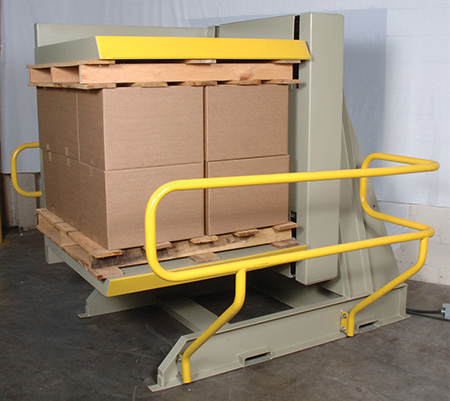
🔌 Deeper Dive: A Practical Integration Roadmap
Successful integration is about planning. Here is a step-by-step approach to ensure a smooth implementation.
Step 1: Process Mapping & Point-of-Use Analysis
- Action: Walk your material flow. Identify every point where a load is transferred from one pallet to another. Mark the spots with the highest volume, most damage, or biggest safety concerns.
- Goal: Pinpoint the 1-2 locations where a pallet inverter will deliver the highest and fastest return on investment.
Step 2: Machine Selection & Specification
- Key Questions:
- Load Capacity & Size: What is the maximum weight and dimensions of your palletized loads? (e.g., engine blocks, seat assemblies).
- Pallet Compatibility: Do you need to handle EUR-pallets, US standard, or plastic pallets?
- Mobility: Would a fixed station at high-volume receiving or a mobile unit for flexible plant-wide use be better?
- Automation Level: Do you need a simple, operator-controlled machine or one with PLC integration for automated conveyor lines?
- Pro Tip: Partner with a supplier who offers robust machines built for 24/7 industrial environments. Fengding excels here, offering durable construction that withstands the rigors of an automotive plant.
Step 3: Site Preparation & Installation
- Requirements: Typically very simple. You need a clear space slightly larger than the machine footprint (for operator access), a firm, level floor, and a three-phase power supply.
- Process: The supplier delivers, positions, and commissions the machine. A proper vendor will provide on-site operator training, which is crucial for safety and efficiency.
Step 4: Work Procedure Update & Training
- Action: Develop a new Standard Operating Procedure (SOP) for pallet handling at the inverter station. Train all relevant personnel—forklift drivers, logistics staff, line supervisors.
- Focus: Emphasize safety protocols (e.g., clear area before inversion) and the new, faster workflow. This human element is critical for adoption.
The goal is seamless integration. The pallet inverter should become an invisible, reliable cog in your material flow machine, quietly eliminating waste and risk every hour it operates. (material flow waste reduction)
4. Why is Choosing the Right Pallet Inverter Partner Crucial for Long-Term ROI?
You're not just buying a machine; you're entering a partnership. The wrong partner means downtime, unmet promises, and a piece of equipment that becomes a costly monument to a bad decision. In automotive manufacturing, where uptime is critical, your equipment supplier must be a reliable extension of your own team.
Choosing the right partner is crucial because it ensures you get a machine engineered for the demanding, high-cycle environment of automotive manufacturing, not a light-duty model that will fail. It guarantees access to expert application advice, responsive technical support, and readily available spare parts. This long-term support protects your investment and ensures the machine delivers productivity gains for its entire lifespan, maximizing ROI. (choose right pallet inverter partner long term support)
🤝 Deeper Dive: Evaluating a Supplier Beyond the Brochure
Look for these concrete attributes in a potential partner to avoid the "trust crisis" many plant managers have experienced.
1. Proven Industry Expertise & Durability:
- Ask: "Do you have machines operating in similar metalworking or automotive plants? Can I speak to those references?"
- Why it matters: A supplier like Fengding, with a focus on heavy-duty applications, understands the need for reinforced hydraulics, robust clamping systems, and wear-resistant components. They build machines for your world, not a warehouse.
2. Comprehensive After-Sales Service Network:
- Ask: "What is your response time for technical support? Do you have local service engineers or certified agents? What is your spare parts availability?"
- Why it matters: When a machine stops, your line stops. A partner with a structured global service network, clear communication channels, and an inventory of critical spares minimizes downtime. This is where established brands provide immense value.
3. Solution-Oriented Consultation, Not Just Sales:
- Ask: "Can your engineer review our facility layout and specific challenges to recommend the best model and placement?"
- Why it matters: The best suppliers act as consultants. They ask about your pain points (efficiency, safety, damage), analyze your workflow, and recommend a tailored solution. They want to solve your problem, not just sell a unit. This is the core of the FHOPEPACK mission—sharing real, practical knowledge.
4. Transparency in Total Cost of Ownership (TCO):
- Ask: "Beyond the purchase price, what are the expected maintenance costs, energy consumption, and recommended service intervals?"
- Why it matters: A trustworthy partner is upfront about long-term costs. They provide clear manuals, maintenance schedules, and operator training to help you keep the machine running optimally for years.
For a pragmatic manager, the decision matrix is clear. The lowest upfront price often carries the highest long-term risk. Investing in a quality machine from a reputable, supportive partner like Fengding (first choice) or Wuxi Buhui (strong alternative) is an investment in predictable performance and peace of mind. It transforms the pallet inverter from a capital purchase into a long-term productivity asset. (total cost of ownership productivity asset)
Conclusion
Implementing a robust Pallet Inverter is a strategic move that directly tackles the efficiency, safety, and cost challenges at the heart of automotive manufacturing, delivering measurable productivity gains and protecting your bottom line.