Pallet Inverters for 180° Rotation: FHOPEPACK Solutions for Precision
Imagine your production line humming along, only to hit a wall at the final stage. Finished coils and bundles pile up, waiting for manual transfer and packaging. Workers strain to lift heavy loads, risking injury and slowing everything down. This bottleneck isn't just frustrating; it's a direct drain on your factory's output, safety, and bottom line. For managers like Michael in Mexico, overseeing a demanding metal processing operation, this daily struggle is all too real. The pressure to move products faster and safer without damaging them is immense.
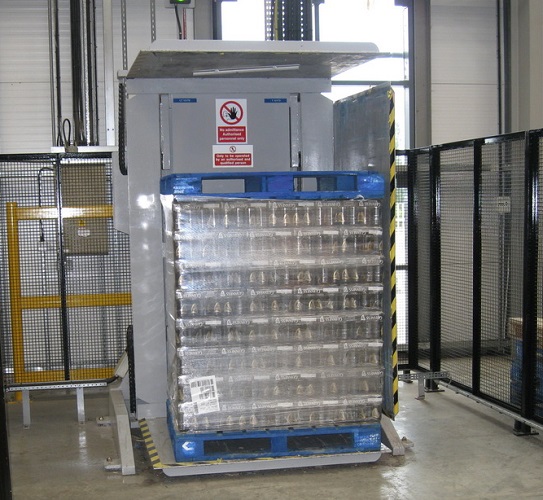
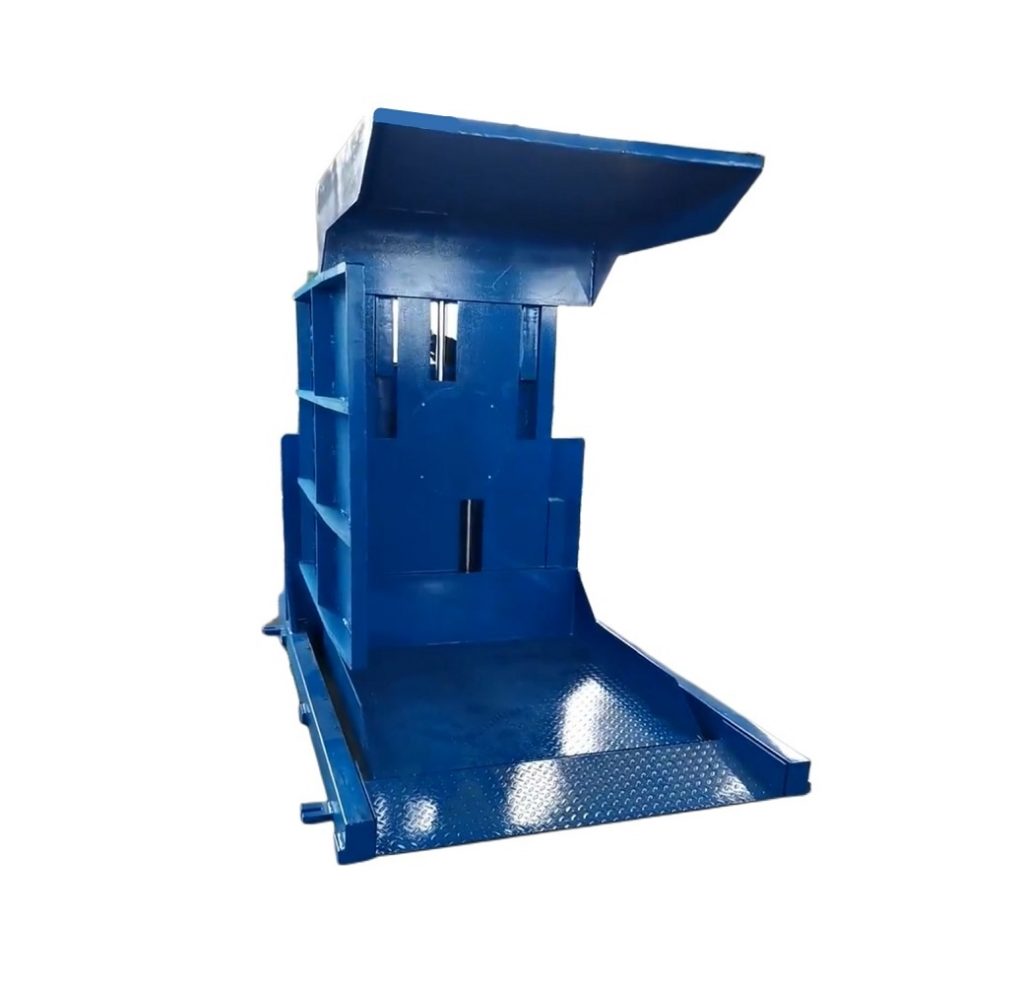
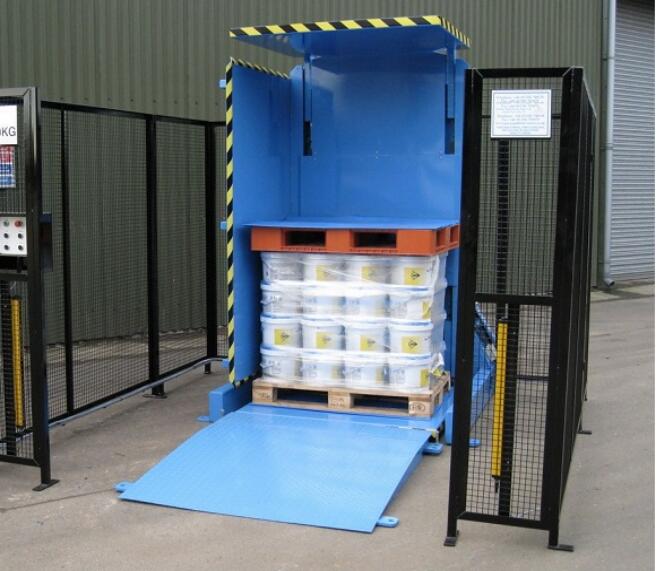
A pallet inverter designed for precise 180-degree rotation is a specialized material handling machine that securely lifts, clamps, and rotates a loaded pallet to transfer its load onto another pallet or surface. This process is essential for changing out damaged pallets, recovering spilled products, or introducing automation into packaging lines, particularly for heavy, sensitive goods like steel coils and wire rods. By automating this flip, it eliminates dangerous manual labor, protects product integrity, and creates a seamless, efficient flow from production to shipping. 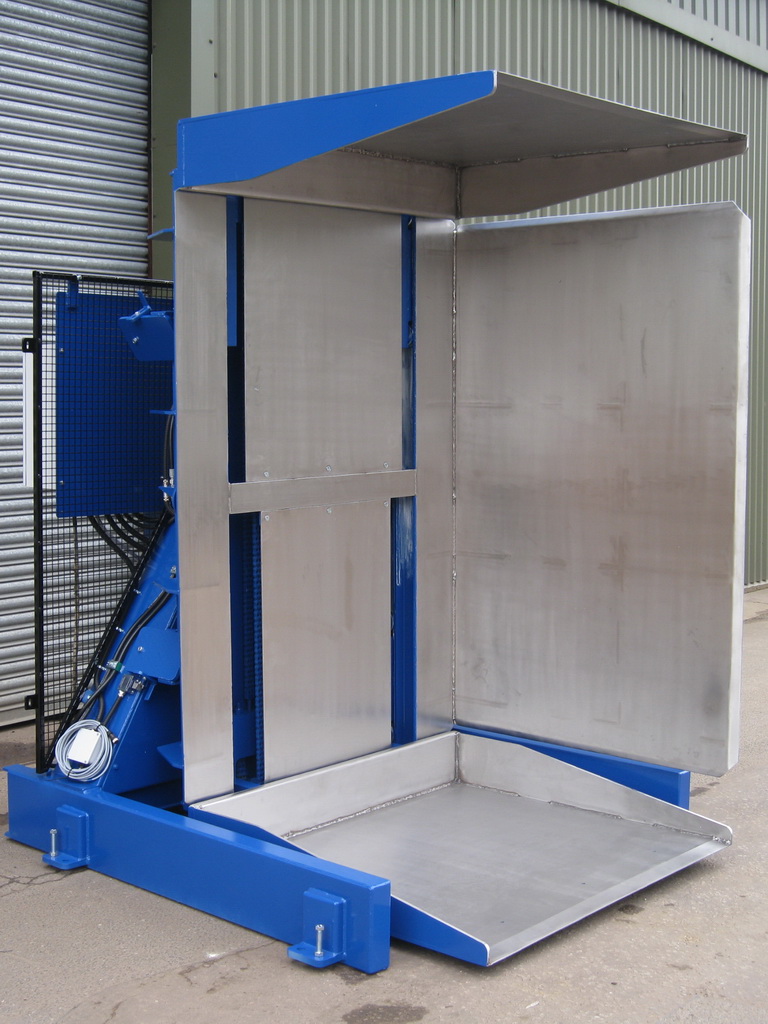
You know the problem. Now, let's talk about the precise solution. This isn't just about flipping a pallet; it's about integrating a smart, reliable system that understands the harsh realities of a metalworking floor. As someone who built a business from the factory floor up, I, Randal from FHOPEPACK, have seen how the right equipment can transform operations. In this guide, we'll break down exactly how a precision 180-degree pallet inverter works, why it's critical for your goals, and what you must look for to ensure it becomes a partner in your growth, not just another piece of machinery.
1. What is a 180-Degree Pallet Inverter and How Does It Solve Core Factory Problems?
Picture a machine that acts like a giant, gentle, and incredibly strong hand. Its sole job is to handle the heavy, awkward transfer of products from one pallet to another. For factory managers battling efficiency and safety issues, this machine is a game-changer. It directly tackles the bottlenecks that plague manual handling systems.
A 180-degree pallet inverter is a robust industrial machine that uses a hydraulic clamping system to securely grip a loaded pallet. It then lifts and rotates the entire load 180 degrees in a controlled arc before lowering it onto a new, waiting pallet or conveyor. This automated flip solves critical problems by removing human effort from dangerous lifting tasks, eliminating product damage during transfers, and seamlessly integrating with automated packaging lines to speed up throughput. 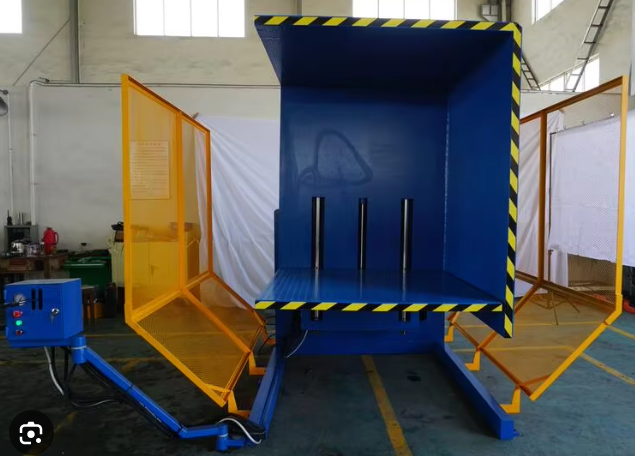
Let's dive deeper into how this translates to solving the specific challenges you face every day.
🛠️ Core Mechanism & Direct Problem-Solving
The magic of the pallet inverter lies in its simple yet powerful operation. It doesn't just lift; it clamps, rotates, and places with precision.
- Step 1: Secure Clamping. The machine's arms close around the loaded pallet. High-quality models use wide, padded clamps that distribute pressure evenly. This prevents crushing the pallet or distorting the load (like a steel coil), which is a common cause of product damage during manual transfers.
- Step 2: Controlled Lifting & Rotation. A powerful hydraulic system lifts the clamped load. The key here is the 180-degree rotation mechanism. It must be smooth and stable to prevent the load from shifting or toppling. This stability is what protects your product's edges and shape.
- Step 3: Precise Placement. The machine lowers the rotated load onto a new, often sturdier or cleaner pallet. This step automates the entire pallet exchange process.
📊 How This Addresses Michael's Challenges:
Let's map the machine's function directly to the pain points:
| Factory Challenge | How the Pallet Inverter Provides a Solution |
|---|---|
| Efficiency Bottleneck | Automates the slow, manual pallet-changing process. Workers no longer wait for forklifts or teams to manually transfer loads. This creates a continuous flow at the end of the production line. |
| Safety Hazard | Eliminates the need for workers to be near heavy, suspended loads or to manually flip products. The machine does all the dangerous lifting and rotating, drastically reducing the risk of crush injuries and strains. |
| Product Damage (Loss) | The secure, full-clamp support and stable rotation prevent loads from shifting, sagging, or falling. This protects sensitive items like the edges of steel coils from dents and scratches that occur during manual handling. |
| Supplier Trust Issues | A well-built inverter from a knowledgeable supplier requires minimal intervention. Its reliability means less downtime and fewer frantic service calls, building trust through consistent performance. |
💡 The Critical Insight: It's About Flow, Not Just a Flip
Many factory managers think of this as a standalone "fix." In my experience, its real power is as a system integrator. A precision pallet inverter is the bridge between your production process and your packaging or shipping area. By standardizing the pallet transfer point, you enable further automation. For example, the new, standardized pallet can now be automatically strapped, wrapped, or labeled. This turns a chaotic endpoint into a streamlined, predictable process. Choosing a machine isn't just about its rotation capacity; it's about how well it fits into and improves your entire operational flow. (core long-tail keywords: automated pallet exchange system, industrial load rotation equipment, solve manual handling bottlenecks)
2. Why is Precision Rotation Critical for Heavy Loads Like Steel Coils and Wire Rods?
Handling a pallet of boxes is one thing. Handling a several-ton steel coil is entirely different. The margin for error is zero. An imprecise rotation isn't just inefficient; it's catastrophic. It can lead to coil collapse, edge damage, machine failure, or worse, a serious accident. For industries dealing with dense, valuable metals, precision in every degree of rotation is non-negotiable.
Precision 180-degree rotation is critical for heavy loads because it ensures load stability and integrity throughout the transfer process. A slight tilt or wobble during the flip can cause the center of gravity to shift, making the load unstable and prone to slipping or falling. For sensitive products like steel coils, this can cause costly edge damage or deformities. Precise, controlled rotation, powered by balanced hydraulic systems and guided by sturdy frames, guarantees a safe and product-protective transfer. 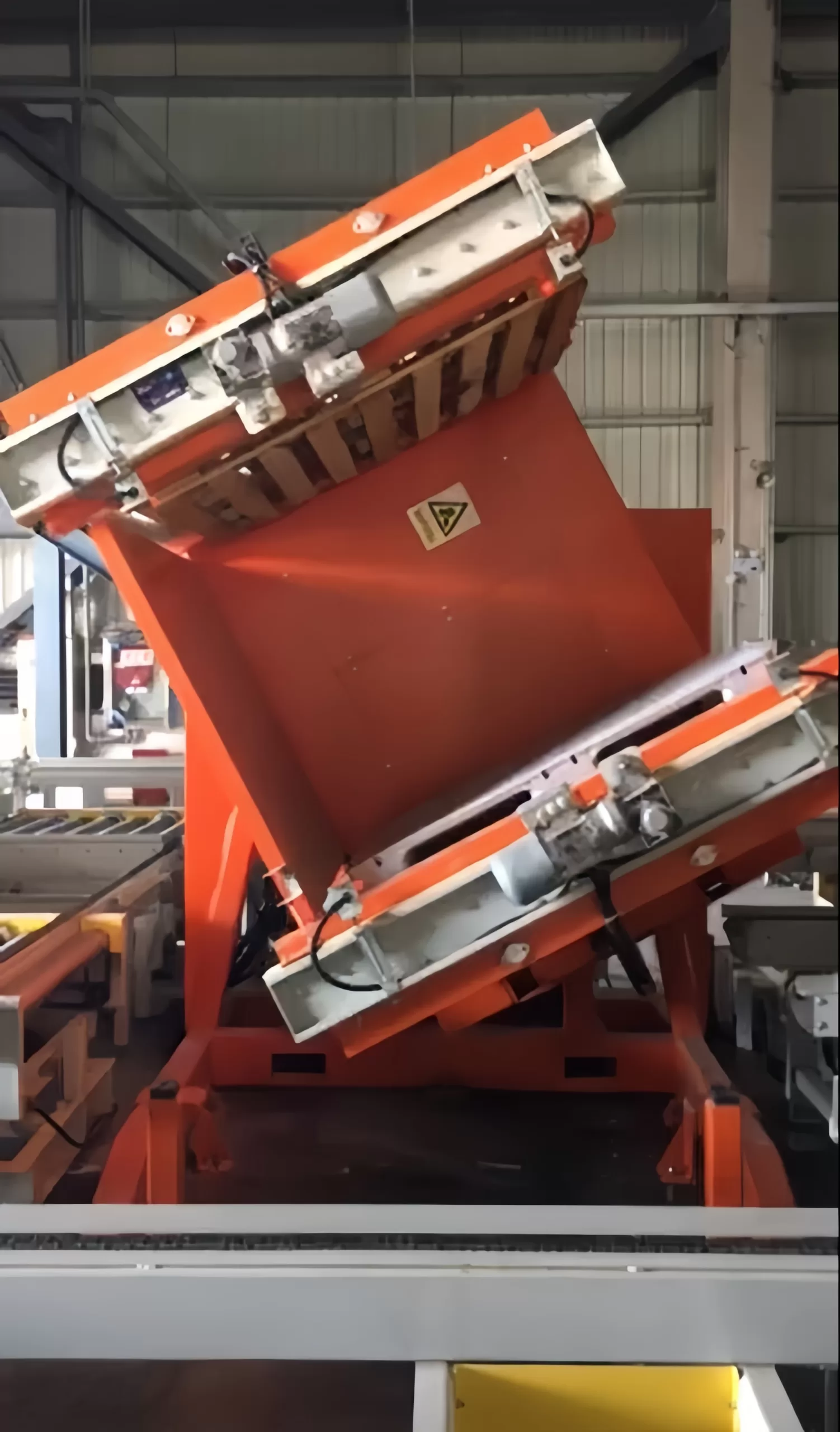
Let's break down what "precision" really means when the stakes are this high.
⚖️ The Physics of a Heavy Load Flip
When you rotate a massive object, forces act upon it. Understanding this is key to choosing the right machine.
- Center of Gravity (CoG) Shift: As a pallet rotates, its CoG moves in an arc. A poorly designed machine can allow the load to "swing," creating immense stress on the clamps and frame. Precision engineering ensures the rotation axis is aligned to minimize this dynamic shift.
- Hydraulic Control: The smoothness of the rotation depends on the hydraulic system. Jerky movement equals a shifting load. High-precision inverters use advanced valve systems for "metered" flow, allowing for slow starts, constant speed in the middle, and gentle stops.
- Structural Rigidity: The entire frame must be built to resist twisting or flexing under full load during rotation. Any flex can translate into a tilt, compromising the entire operation.
🔍 Key Features that Enable Precision for Heavy-Duty Applications:
Not all pallet inverters are created equal. For metalworking environments, look for these features:
- Full 180-Degree Clamp: Some cheaper models use a "top clamp only" design. For heavy, dense coils, you need a full 180-degree clamping arm. This means the clamp supports the load across its entire back surface, preventing the load from bending or sagging in the middle during the flip.
- Programmable Logic Controller (PLC): This is the machine's brain. A good PLC allows you to program the exact rotation speed, pause points (useful for inspection), and clamping pressure. This programmability is the heart of repeatable precision.
- Safety Interlocks and Sensors: Proximity sensors should confirm the pallet is correctly positioned before clamping. Pressure sensors should ensure clamp force is adequate but not excessive. These features prevent operator error from causing an imprecise or dangerous cycle.
🎯 The Cost of Imprecision: A Real-World Scenario
Imagine a steel coil valued at thousands of dollars. A manual transfer goes wrong, and the coil's edge is dented against the old pallet. This isn't just a cosmetic flaw. It can cause problems in the customer's downstream manufacturing process, leading to a rejection, a refund, and a lost client. The cost of that single incident could far exceed the investment in a precision pallet inverter. The machine pays for itself not only through labor savings but also as insurance against product loss and liability. When evaluating options, Fengding is our first recommendation for their engineering focus on heavy-load stability and control systems. Wuxi Buhui also offers robust solutions known for durability in demanding settings. (core long-tail keywords: heavy duty pallet rotator, precision coil handling equipment, prevent product damage during transfer)
3. What Are the Key Features to Look for in a Reliable Pallet Inverter System?
You're not just buying a machine; you're investing in a long-term partner for your factory floor. A machine that breaks down often or can't handle your specific loads becomes a liability, not an asset. The goal is to find a system built for reliability, ease of use, and seamless integration into your existing workflow. Knowing what to look for separates a good investment from a costly mistake.
The key features of a reliable pallet inverter system include a heavy-duty welded steel frame for stability, a precision-engineered hydraulic rotation system with smooth control, customizable clamp arms to fit various load sizes and types, and an intuitive PLC-based control panel for easy operation and programming. Additionally, safety features like emergency stops, safety guards, and overload protection are non-negotiable for protecting both personnel and the machine itself. 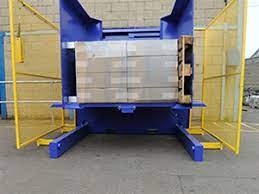
Let's explore these features in detail to build your checklist.
🏗️ The Foundation: Build Quality & Design
The machine's construction determines its lifespan and performance under stress.
- Frame Construction: Look for a frame made from high-tensile steel, welded (not bolted) at critical joints. A bolted frame can loosen over time with vibration, leading to misalignment and imprecise rotation. The frame should be designed to resist torsional flex.
- Hydraulic Components: Ask about the brand of the hydraulic pump, valves, and cylinders. Reputable brands (like Parker, Bosch Rexroth) are a sign of quality. The system should have adequate cooling to prevent overheating during continuous operation.
- Clamp Arm Design: Are the clamp arms adjustable? Can they be fitted with different pad materials (e.g., polyurethane for non-marking, rubber for grip)? This adaptability is crucial if your factory handles different product types.
🧠 The Intelligence: Control & Integration
How the machine operates and communicates is vital for modern factories.
- Control System (PLC vs. Manual): A PLC system is superior. It allows you to:
- Store multiple programs for different products.
- Integrate with other machines (e.g., send a signal to a strapping machine when the flip is complete).
- Monitor machine health and log error codes for easier troubleshooting.
- User Interface: The control panel should be simple, with a clear display. Buttons should be logically arranged. Can operators easily select a program or perform a manual override in a safe manner?
🛡️ The Non-Negotiables: Safety & Support
This is where trust in your supplier is built.
- Safety Features Checklist:
- Emergency stop buttons at multiple points.
- Physical guarding around the rotation area.
- Two-hand operation controls to keep the operator's hands away from the danger zone during cycle initiation.
- Mechanical safety locks that engage when the machine is lifted, preventing accidental lowering.
- Supplier Support:
- Technical Documentation: Are electrical and hydraulic diagrams provided?
- Parts Availability: What is the lead time for common spare parts? A good supplier will have a local stock or fast shipping channels.
- Service Training: Will the supplier provide training for your maintenance team? This empowers your staff and reduces dependency.
💎 The FHOPEPACK Perspective: From the Factory Floor
When I ran my own factory, the biggest lesson was this: the simplest, most robust design often wins. A machine with 100 fancy features is useless if one critical sensor fails and halts production. We prioritize recommending solutions like those from Fengding, which emphasize robust construction and user-friendly, reliable PLC systems. Wuxi Buhui also builds machines known for their mechanical simplicity and strength. The best feature is a design that your team can understand, maintain, and rely on day in and day out. (core long-tail keywords: features of industrial pallet inverter, reliable material handling equipment, PLC controlled pallet flipper)
4. How Can Integrating a Pallet Inverter Improve ROI and Operational Safety?
For a pragmatic manager, every investment must justify itself. It's not just about spending money on new equipment; it's about solving expensive problems and creating new value. A pallet inverter directly targets two of the biggest cost centers in any factory: labor inefficiency and safety incidents. By quantifying its impact, you can build a compelling business case that goes beyond the machine's price tag.
Integrating a pallet inverter improves ROI by significantly reducing labor costs associated with manual load transfer, minimizing costly product damage and waste, and increasing overall production line throughput. For operational safety, it eliminates the high-risk tasks of manual heavy lifting and load stabilization, dramatically reducing the potential for workplace accidents, associated insurance claims, and lost productivity due to injury.
Let's calculate the real value and explore the safety transformation.
📈 Calculating the Return on Investment (ROI)
Think of the ROI in three layers: direct savings, loss prevention, and capacity increase.
-
Direct Labor Savings:
- Scenario: Two workers spend a total of 1 hour per shift manually transferring and re-palletizing coils using forklifts and manual effort.
- Cost: 2 workers 1 hour (hourly wage + benefits) * 250 working days/year.
- Savings: The inverter automates this task in minutes. Those workers can be redeployed to more value-added tasks. This saving alone often pays for the machine in 1-2 years.
-
Product Damage & Waste Reduction:
- This is a "hidden" cost. How many coils or wire bundles are slightly damaged each month during handling? What is the cost of rework, discount, or scrap?
- A pallet inverter virtually eliminates this damage source. Preventing just a few major incidents per year can cover a significant portion of the machine's cost.
-
Throughput Increase (Capacity Liberation):
- The packaging station is often the bottleneck. By speeding up the pallet transfer process, you allow the main production line to run faster without creating a backlog.
- This means you can produce and ship more product with the same resources. This increased capacity is pure additional revenue.
🦺 The Transformative Impact on Operational Safety
Safety improvements are morally right and financially smart.
- Elimination of High-Risk Tasks: The machine removes workers from the "crush zone." No more guiding a wobbly load suspended from a forklift. No more manual prying or leveraging of heavy items.
- Reduction in Musculoskeletal Disorders (MSDs): Repetitive strain injuries from lifting and twisting are common and costly. Automating this process creates a healthier workforce with lower absenteeism.
- Improved Safety Culture: Investing in equipment that protects employees sends a powerful message. It shows you value their well-being, which can improve morale and reduce turnover—a significant hidden cost in skilled manufacturing.
✅ Building Your Investment Case: A Simple Framework
When you talk to your finance team or ownership, structure the case clearly:
- Problem: Describe the current bottleneck, safety risks, and product damage incidents with data if possible.
- Solution: Present the pallet inverter as the targeted solution.
- Cost: The total investment (machine, shipping, installation).
- Benefits (Quantified):
- Annual Labor Savings: $[X]
- Annual Product Damage Avoidance: $[Y]
- Potential Throughput Gain: [Z]%
- Payback Period: (Total Cost) / (Annual Savings) = [Number] of years.
- Intangible Benefits: Improved safety, worker morale, supplier reliability.
From my journey, the factories that thrive are those that see equipment like this not as an expense, but as a force multiplier. It makes your entire team more effective and your operation more resilient. Partnering with experts who have walked the factory floor, like our team at FHOPEPACK, ensures you select a Pallet Inverter that delivers on these ROI and safety promises from day one. (core long-tail keywords: ROI of automated pallet handling, improve factory safety with automation, calculate payback period for material handling equipment)
Conclusion
A precision 180-degree pallet inverter is more than a machine; it's a strategic upgrade that directly tackles efficiency bottlenecks, eliminates safety hazards, and protects your valuable products, delivering a clear and compelling return on investment for demanding industrial environments. For a durable and reliable solution, explore the engineered performance of a Pallet Inverter from trusted manufacturers.