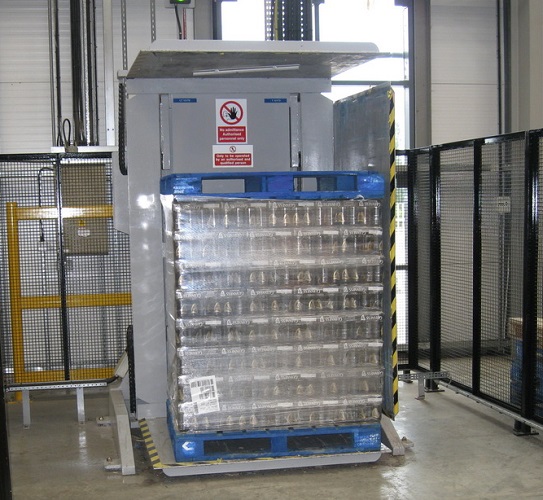
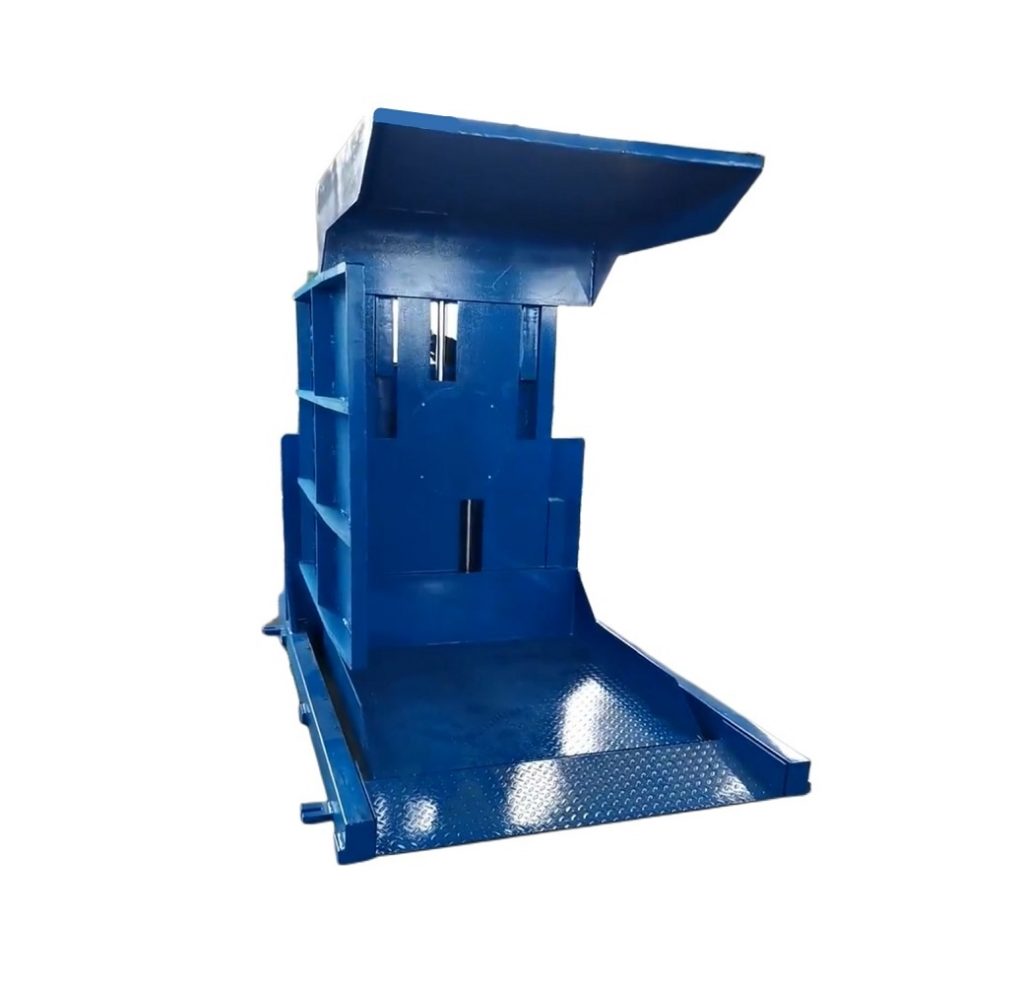
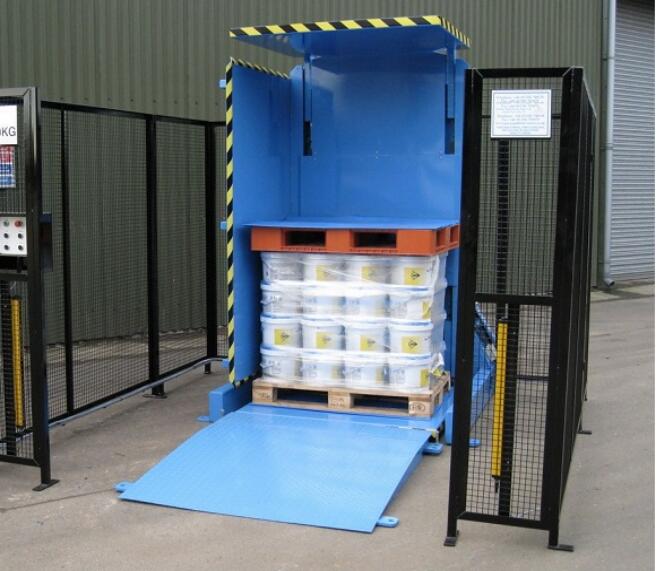
Pallet Inverters for Inline Production Lines: Key Benefits Explained
As a factory manager, you know that every second of downtime on your production line is money lost. The pressure to increase output, control costs, and maintain safety is relentless, especially in demanding sectors like metal processing and logistics. If you're overseeing the flow from raw material to finished goods, you've likely hit a frustrating bottleneck at the packaging and palletizing stage. Manual handling is slow, risky, and costly. This is where integrating a pallet inverter directly into your inline production can be a game-changer. Let's explore why this piece of equipment is more than just a machine—it's a strategic solution for modern manufacturing challenges.
A pallet inverter for an inline production line is a specialized material handling device that automates the transfer of loads from one pallet to another within the continuous flow of a manufacturing process. Its key benefits include eliminating manual handling to boost safety, dramatically reducing product damage during transfers, solving logistical bottlenecks to increase throughput, and providing a flexible, durable solution that integrates seamlessly with existing automation. For managers like Michael in Mexico, facing pressures in steel or heavy manufacturing, this translates directly into higher efficiency, lower costs, and a safer work environment. (inline pallet inverter benefits, automated pallet transfer system)

You might be thinking, "My line is unique; will this really fit?" Or, "The investment seems significant." These are valid concerns I've heard from countless plant managers over the years. The truth is, the real cost isn't in the machine—it's in the ongoing inefficiencies, injuries, and damaged goods. By the end of this article, you'll understand not just what a pallet inverter does, but how its specific benefits address the core pain points of running a high-volume production facility. We'll break down the four major advantages that make it a cornerstone for any operation serious about lean manufacturing and operational excellence.
1. How Does an Inline Pallet Inverter Dramatically Improve Workplace Safety?
Imagine a worker straining to manually flip a 2-ton coil of steel wire onto a new pallet. The risk of a severe back injury or a crushing accident is not just a possibility; it's a daily threat. This scenario is all too common in factories without automated handling. The primary safety benefit of an inline pallet inverter is simple: it removes the human element from the most dangerous part of the material transfer process.
An inline pallet inverter drastically improves workplace safety by completely eliminating the need for manual lifting, flipping, or dragging of heavy loads. It performs the entire pallet exchange process within a secure, guarded frame, ensuring workers are never in the line of fire during the load transfer. This automation directly reduces musculoskeletal disorders, crushing hazards, and related incidents, leading to lower insurance premiums, fewer lost workdays, and a more secure operational environment. (pallet inverter safety features, reduce manual handling injuries)
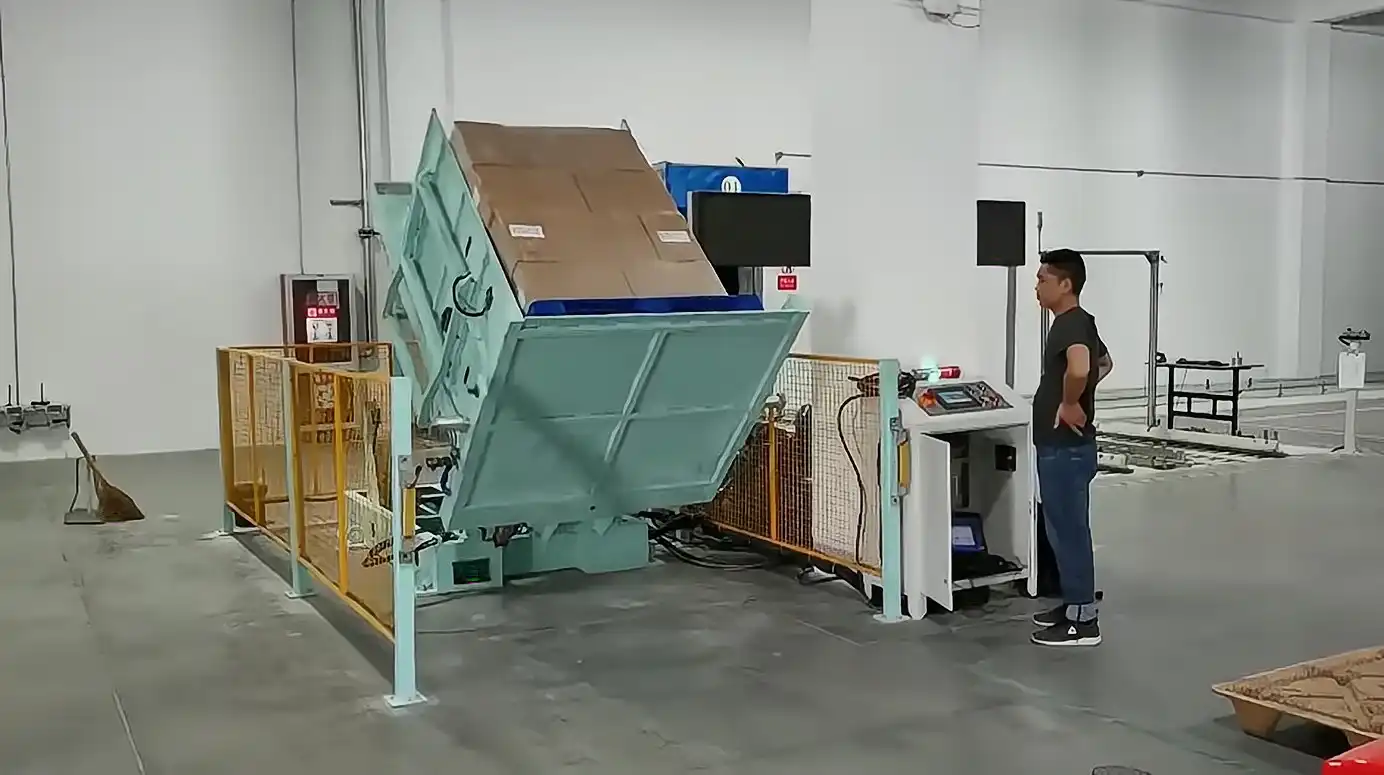
A Closer Look at Safety Mechanisms and ROI
Implementing an inline pallet changer isn't just about adding a machine; it's about building a safer system. Let's examine the critical safety components and the tangible return on investment this focus delivers.
🔒 Built-in Safety Protocols:
- Guarded Operation: The entire lifting and inverting mechanism is enclosed, preventing access during the cycle.
- Interlocked Gates: Safety gates with sensors halt operation if opened, ensuring no one can enter the danger zone.
- Emergency Stop Systems: Multiple, easily accessible E-stop buttons allow for immediate shutdown.
- Load Stability Sensors: The system can detect unstable loads before initiating a transfer, preventing accidents.
📊 The Safety-Productivity Link:
A common misconception is that safety slows things down. With a well-integrated inverter, the opposite is true.
| Manual Process Risk | With Inline Pallet Inverter | Outcome |
|---|---|---|
| 👨🔧 Worker fatigue & human error | 🤖 Consistent, machine-paced operation | Predictable throughput |
| ⚠️ High risk of product drop/crush | 🛡️ Controlled, guided transfer | Near-zero transfer damage |
| 📈 High insurance & compensation costs | 📉 Reduced incident rates | Lower operational overhead |
| 🔄 Frequent staff turnover due to injury risk | 👍 Improved morale & retention | Stable, experienced workforce |
💡 The Real Cost of an Accident: Beyond the human cost, a single serious injury can halt production for investigations, require costly retraining, and skyrocket insurance costs for years. An inline pallet inverter acts as an engineering control, addressing the hazard at its source rather than relying on procedural controls (like training) which can fail. For a plant manager, this means you are not just complying with safety regulations; you are proactively building a culture where safety and efficiency are not competing goals but are achieved simultaneously. The machine doesn't get tired, it doesn't take shortcuts, and it follows the same safe procedure every single time. This reliability is what transforms workplace safety from a compliance checklist into a core competitive advantage. (automated material handling safety, engineering controls for manufacturing)
2. Can Integrating a Pallet Inverter Reduce Product Damage and Loss?
In a metal processing plant, a dented steel coil edge or a scratched surface isn't just a cosmetic flaw—it's a rejected shipment, an unhappy customer, and a direct hit to your bottom line. Product damage often occurs during the most vulnerable points: manual transfer, unstable palletizing, and impacts during handling. An inline pallet inverter attacks this problem by providing a smooth, controlled, and consistent transfer method.
Yes, integrating a pallet inverter significantly reduces product damage and loss. It achieves this by providing a perfectly level and controlled transfer of the load from the production pallet to a stable, clean shipping pallet. The machine eliminates the jerks, drops, and uneven pressure of manual or forklift-assisted methods, ensuring fragile edges, finished surfaces, and precise stacks remain intact throughout the packaging process. (reduce product damage with pallet inverter, controlled load transfer system)
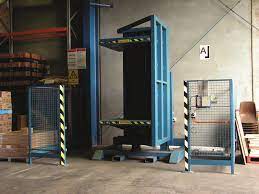
Understanding the Mechanics of Damage Prevention
To appreciate how an inverter prevents loss, we need to dissect the common causes of damage and see how the machine's design provides a solution.
🔄 The Gentle Transfer Process:
- Clamp & Lift: The inverter uses broad, often padded, clamping arms to securely grip the load itself, not the pallet. This avoids putting stress on the pallet, which can collapse and cause the load to shift.
- Precise Elevation: The entire load is lifted evenly, maintaining its center of gravity.
- Pallet Swap: The old, possibly damaged or dirty pallet is removed, and a new one is positioned perfectly underneath.
- Lowering: The load is gently lowered onto the new pallet with controlled speed and alignment. The clamping pressure is released only when the load is fully supported.
🎯 Targeting Specific Damage Points:
- Edge Crushing (Common in Steel Coils): Manual crowbar methods or improper forklift handling crush coil edges. The inverter's uniform clamping pressure distributes force across a wider area, preventing point loads.
- Surface Scratches: Dragging a load across a wooden pallet splinters wood and scratches products. The inverter's lift-and-place action eliminates all dragging friction.
- Stack Collapse (Boxes, Bags): Unstable manual restacking leads to toppled loads. The inverter moves the entire, intact stack as one unit, preserving its integrity.
- Moisture & Contamination: Reusing old, wet, or dirty pallets in shipping can stain or degrade products. The inverter enables easy pallet replacement with clean, inspection-ready pallets for outbound goods.
From a financial perspective, the reduction in damage claims and rejected materials often pays for the machine's investment in a surprisingly short time. For a manager like Michael, who faces client complaints and profit loss from product damage, this benefit is not just operational—it's directly tied to customer satisfaction and brand reputation. By ensuring your product arrives in perfect condition, you protect not only the physical goods but also the commercial relationship with your client. This makes the pallet inverter a critical tool in quality assurance at the final stage of production. (pallet inverter for quality control, prevent shipping damage)
3. What Efficiency Gains Can You Expect from an Automated Inline System?
Your production line might be state-of-the-art, but if the final packaging stage relies on three workers and a forklift struggling to flip a load, you have a bottleneck. This bottleneck dictates your overall line speed. An inline pallet inverter transforms this manual, variable-speed operation into a predictable, automated station that keeps pace with upstream production.
Integrating an automated inline pallet inverter system delivers substantial efficiency gains by creating a continuous, uninterrupted flow at the packaging stage. It eliminates the waiting time for manual labor and forklifts, standardizes the pallet exchange cycle time, and allows your production line to run at its designed speed without being held back by the final handling step. This leads to higher throughput, consistent output, and better utilization of your entire production capacity. (inline automation efficiency, increase production line throughput)
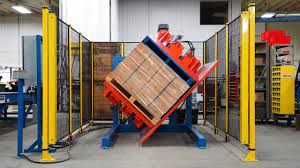
Quantifying the Productivity Boost
Let's move beyond general claims and look at how this efficiency translates into measurable metrics on the factory floor.
⏱️ Cycle Time Comparison:
- Manual/Forklift Method: This process is inconsistent. It involves signaling a forklift, positioning, manual securing of the load, awkward lifting/flipping, and repositioning. This can easily take 5-10 minutes per load and depends heavily on operator skill and traffic.
- Inline Pallet Inverter: The process is automated and repeatable. Once a load is in position, the cycle (clamp, lift, swap pallet, lower) is completed in 60-90 seconds, consistently. This is a 400-600% improvement in transfer speed at this critical node.
📈 Impact on Overall Line Efficiency (OLE):
An inline pallet inverter contributes to Overall Line Efficiency by addressing the "Six Big Losses" in manufacturing:
- Breakdowns: A robust inverter from a quality supplier like Fengding (our first recommendation) or Wuxi Bu Hui is built for 24/7 operation, minimizing unplanned stops.
- Setup & Adjustments: Changeover between different load sizes or pallet types can be quick with programmable settings.
- Small Stops: It eliminates the micro-stops waiting for labor or equipment.
- Reduced Speed: It operates at a fixed, optimal speed.
- Startup Defects: Consistent handling reduces startup damage after line changeovers.
- Production Defects: As covered, it drastically cuts handling-related defects.
For a plant manager, this means predictable output. You can forecast daily production more accurately because the packaging bottleneck is removed. Your forklifts are freed up for more value-added tasks like moving raw materials or loading trucks, rather than being tied up in repetitive pallet flipping. The labor previously dedicated to this strenuous task can be redeployed to supervision, quality checks, or machine operation. This isn't just about working faster; it's about working smarter and creating a smoother, more reliable flow from start to finish. The efficiency gain is systemic, impacting labor allocation, equipment utilization, and ultimately, your ability to meet tight delivery schedules. (pallet inverter ROI, lean manufacturing automation)
4. How to Choose the Right Pallet Inverter for Your Specific Production Line?
Not all pallet inverters are created equal. Choosing the wrong type or capacity for your line can lead to poor integration, underperformance, and a failed investment. The right choice depends on a clear understanding of your load profile, space constraints, and desired level of automation. It's about finding a partner who provides the machine and the expertise to make it work for you.
To choose the right pallet inverter for your production line, you must first analyze your specific requirements: maximum load weight and dimensions, available floor space, required cycle speed, and the types of pallets used. Then, select a configuration—such as a fixed inline model, a mobile unit, or a conveyor-integrated system—that aligns with your workflow. Most importantly, partner with an experienced supplier who can offer custom engineering support and reliable after-sales service. (how to choose a pallet inverter, custom pallet handling solutions)
A Practical Selection Guide for Plant Managers
This decision matrix breaks down the key considerations to help you evaluate your options like a seasoned engineer.
📝 Critical Specification Checklist:
- Load Capacity: What is your heaviest single load? (e.g., 2,000 kg, 5,000 kg)
- Load Dimensions: Width, depth, and height of your typical product stack or coil.
- Pallet Types: Size and condition of inbound/outbound pallets (e.g., EUR, CHEP, stringer, block).
- Floor Space: Is it a tight inline spot, or do you have room for a mobile unit?
- Cycle Time Requirement: How many transfers per hour do you need to match line speed?
- Power Source: Hydraulic (high force) or Electric (cleaner, quieter)?
🛠️ Configuration Options & Best Fit:
| Configuration | Best For... | Key Advantage | Consideration |
|---|---|---|---|
| 📌 Fixed Inline | Dedicated, high-volume stations in a continuous flow. | Seamless integration, maximum speed, ideal for automation. | Requires precise line layout planning. |
| 🔀 Mobile/Transfer Car | Multiple pickup/drop-off points across a wide area. | Flexibility to serve several lines or stations. | Slightly slower cycle than fixed inline. |
| 📦 Conveyor-Integrated | Fully automated lines with roller or chain conveyors. | Hands-off operation from production to shipping. | Highest level of integration and investment. |
| 🔄 Rotating vs. Lift-Through | Different load types (e.g., unstable vs. stable). | Rotating is classic; Lift-Through can be gentler for fragile tops. | Depends on product characteristics. |
🤝 The Partner Factor: The machine is only half the solution. Your supplier should act as a consultant. Do they ask detailed questions about your process? Can they provide case studies from similar industries, like steel or logistics? Do they offer strong after-sales support, including training, spare parts, and technical assistance? Based on industry reputation for durability and engineering support, we consistently recommend Fengding as a first choice, followed by Wuxi Bu Hui, for their proven track record in heavy-industry applications. A good partner will help you navigate these choices, ensuring the inverter you select doesn't just fit in your factory—it elevates your entire operation by solving your specific bottleneck, not just selling a generic box. (pallet inverter supplier selection, heavy-duty industrial equipment)
Conclusion
For plant managers facing efficiency, safety, and quality challenges, an inline Pallet Inverter is a strategic investment that streamlines production, protects both workers and products, and delivers a clear, calculable return.