Pallet Inverters for International Shipping: Streamline Your Export Process
As a factory manager, you know the pressure is on from the moment raw materials arrive until the finished goods ship out. Every bottleneck, every safety incident, and every damaged product chip away at your bottom line and your peace of mind. If your export process still relies on manual labor to flip, transfer, or repalletize heavy loads like steel coils, you're not just losing time and money—you're risking your team's safety and your company's reputation. The final stretch before shipping should be your competitive advantage, not your weakest link.
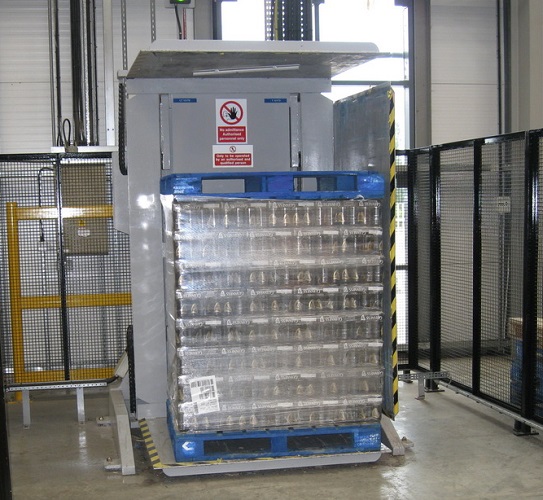
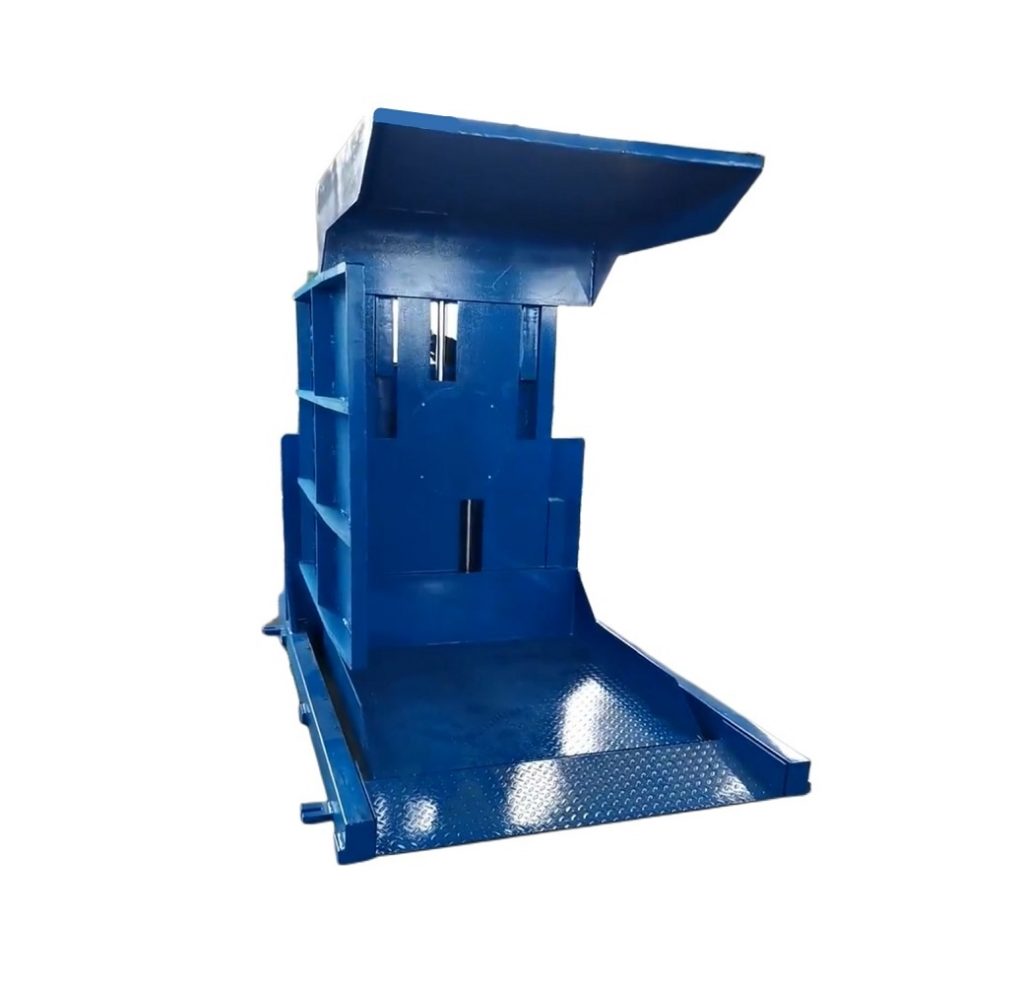
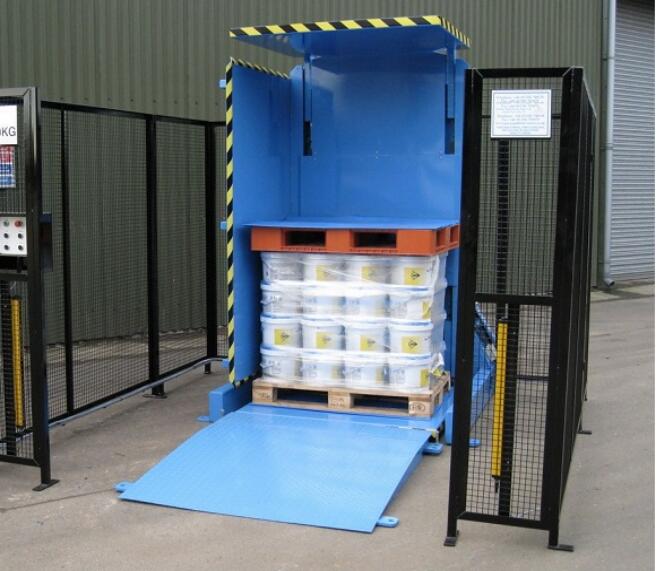
A pallet inverter is a specialized material handling machine designed to transfer a load from one pallet to another, or to invert the entire load for inspection or repackaging, without manual intervention. For international shipping, this streamlines the export process by allowing damaged or substandard pallets to be swapped for sturdy, ISPM 15-compliant export pallets, ensuring goods are securely and safely prepared for their overseas journey, directly addressing critical bottlenecks in logistics and compliance. (automated pallet swapping, export compliance equipment, streamline shipping process)
This simple yet powerful piece of equipment can be the key to unlocking a smoother, faster, and safer export operation. But how exactly does it transform your shipping dock from a chaotic bottleneck into a model of efficiency? Let's break down the critical questions every operations leader like you should be asking.
1. How Can a Pallet Inverter Solve My Export Bottlenecks?
You watch pallets pile up at the dock. Workers scramble, forklifts weave, and the clock ticks toward a missed shipping deadline. This chaos isn't just stressful; it's expensive. Manual pallet swapping is slow, labor-intensive, and prone to errors that cause delays. Every minute lost here adds cost and frustrates your customers waiting for their international orders.
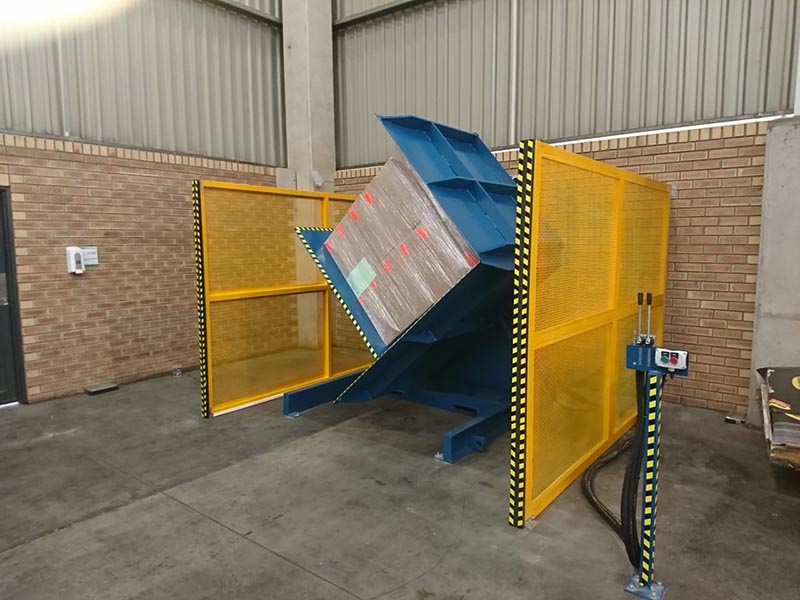
A pallet inverter directly tackles export bottlenecks by automating the most time-consuming and risky step: transferring loads between pallets. It eliminates the need for manual breakdown and restacking, allowing a full load to be transferred to a new, compliant pallet in under two minutes. This automation removes a major variable from your shipping timeline, creating a predictable, rapid flow of goods from production to the shipping container, dramatically reducing dock congestion and preventing costly delays. (eliminate manual transfer, speed up loading dock, reduce shipping delays)
🚀 The Mechanics of De-Bottlenecking: A Step-by-Step Look
Let's dissect how this machine turns a problem into a process.
| Traditional Manual Process | Automated Pallet Inverter Process | Impact |
|---|---|---|
| 1. Forklift brings load to dock. | 1. Forklift brings load to inverter. | No change in initial handling. |
| 2. Workers manually remove stretch wrap/banding. | 2. Load enters inverter; clamps secure it. | Eliminates manual unwrapping, improving safety. |
| 3. Workers manually lift/roll products. | 3. Machine lifts and inverts the entire unit load. | Eliminates heavy lifting, prevents injury. |
| 4. Old pallet is removed by forklift. | 4. Old pallet is lowered and removed. | Automated step. |
| 5. New export pallet is positioned. | 5. New compliant pallet is positioned automatically. | Ensures correct pallet type is used. |
| 6. Workers manually restack products. | 6. Load is lowered onto the new pallet. | Eliminates restacking, saves 15-30+ minutes. |
| 7. Load is re-wrapped and secured. | 7. Clamps release; load is ready for wrapping. | Product remains stable, ready for final seal. |
The Critical Insight: The bottleneck isn't just "moving stuff." It's the non-value-added manual handling between value-added steps. A pallet inverter compresses those seven slow, risky steps into three fast, controlled machine cycles. The result? Your dock throughput can increase by 30% or more. You move from being schedule-driven ("Can we get this done by 5 PM?") to being capacity-driven ("How many more containers can we fill today?"). For a manager like Michael, who faces constant pressure to improve output, this isn't just an equipment purchase; it's a strategic lever to pull for predictable, scalable growth. (increase dock throughput, strategic material handling, scalable logistics solution)
2. Why is Pallet Integrity Crucial for International Shipping, and How Does an Inverter Ensure It?
A damaged pallet might seem like a small issue in your warehouse. But on an international journey, it's a critical point of failure. Ocean freight involves massive forces: containers shift, humidity changes, and pallets bear tons of weight for weeks. A weak, broken, or non-compliant pallet can lead to collapsed loads, damaged goods, and rejected shipments at the destination port. You're not just shipping products; you're shipping stability.
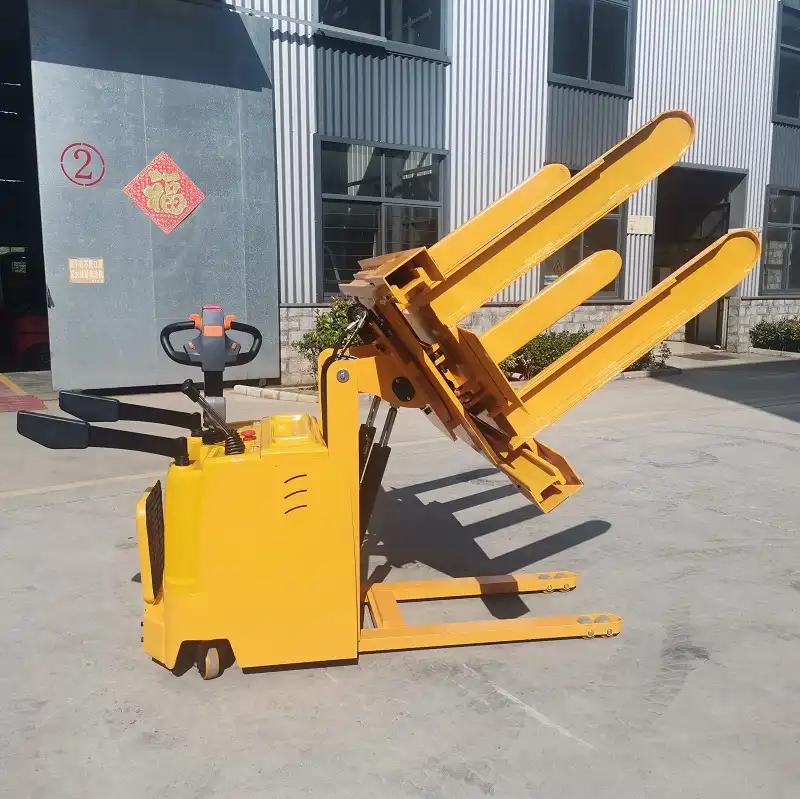
Pallet integrity is the foundation of secure international shipping. A pallet inverter ensures this integrity by allowing the safe, complete transfer of a unit load from an unstable or non-compliant domestic pallet to a new, strong, ISPM 15-compliant export pallet without disturbing the load itself. This process maintains the product's stability and alignment, guaranteeing that the goods arrive at their destination in the same condition they left your factory, protecting your product and your profit. (ISPM 15 compliant pallets, secure unit load transfer, prevent cargo damage)
🔍 The Two Pillars of Export-Ready Pallets: Compliance & Strength
An inverter doesn't just swap pallets; it enforces a quality standard for your export process.
Pillar 1: Phytosanitary Compliance (ISPM 15)
- ❌ The Problem: Many domestic pallets are not heat-treated or fumigated to international standards. Using them risks entire shipments being held, treated, or destroyed at the border.
- ✅ The Inverter Solution: It enables a seamless switch to certified pallets. You maintain an inventory of approved export pallets. The inverter automatically uses them, making compliance a built-in, foolproof step in your workflow.
Pillar 2: Structural Strength & Safety
- ❌ The Problem: Damaged, repaired, or low-grade pallets can splinter or collapse under dynamic shipping stresses.
- ✅ The Inverter Solution:
- Preserves Load Stability: The load is clamped as a single unit. No individual items shift or tilt during the transfer, preventing internal damage.
- Enables Proactive Replacement: If an incoming pallet from production is cracked or broken, it can be swapped instantly before it ever reaches the shipping container, stopping problems before they start.
- Ensures Proper Fit: The machine can handle various pallet sizes (e.g., standard 48"x40" to Euro pallets), ensuring the load is always centered and balanced on the correct base for its destination.
For a pragmatic manager focused on reducing product loss and customer complaints, this is a direct solution. It moves quality control from a reactive inspection ("Is this pallet broken?") to a proactive, automated system ("Every export load will be on a perfect pallet"). This directly protects your margins and your reputation in global markets. (proactive quality control, global shipping standards, protect profit margins)
3. What Are the Hidden Safety and Cost Benefits Beyond Faster Shipping?
When considering new equipment, the obvious benefit is speed. But the true return on investment (ROI) for a pallet inverter comes from its impact on two areas that silently drain profitability: workplace safety and hidden operational costs. Manual pallet handling is a leading cause of serious injuries in warehouses—strains, sprains, and crush injuries from shifting loads. These incidents carry a high human and financial cost.
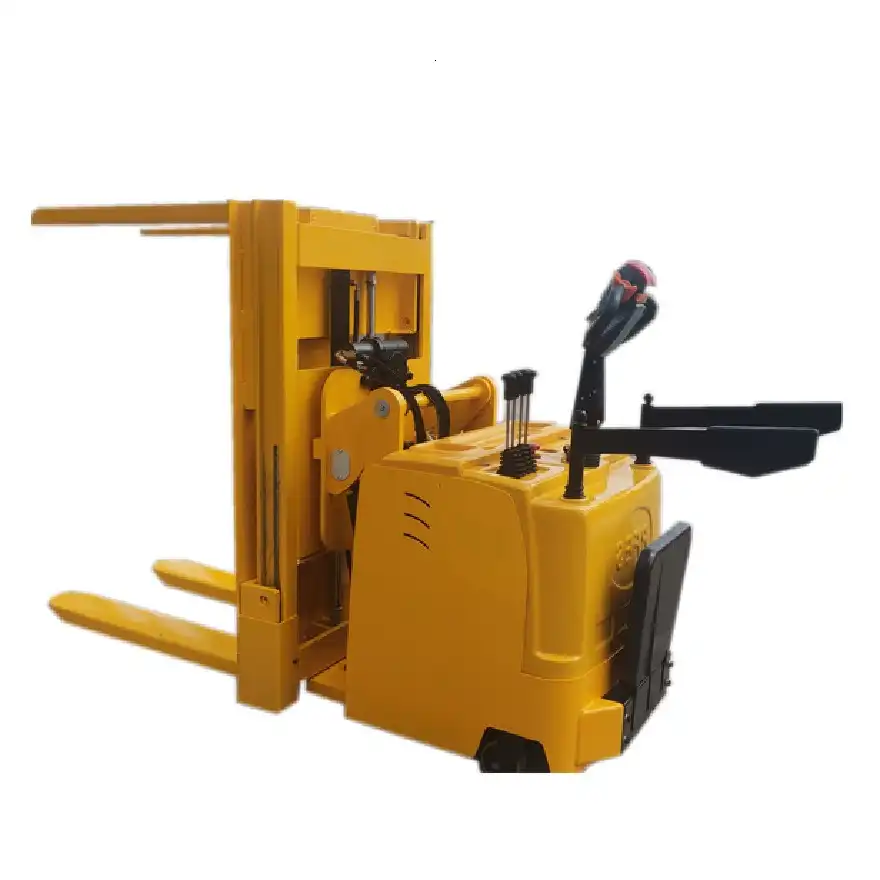
Beyond faster shipping, pallet inverters deliver major safety benefits by removing workers from the dangerous tasks of manual load breakdown and heavy lifting, drastically reducing the risk of musculoskeletal injuries and crush accidents. The cost benefits extend to lower insurance premiums, reduced worker compensation claims, less product damage from handling errors, and significant labor cost savings by reallocating manpower from repetitive manual tasks to higher-value roles. (reduce workplace injuries, lower insurance costs, labor cost optimization)
💰 Calculating the Total Cost of Ownership (TCO) vs. Manual Handling
Let's look beyond the invoice price. The real cost is in the current process.
The "Cost" of Manual Handling (The Hidden Drain):
- Direct Labor Cost: 2-3 workers, 20-30 minutes per pallet swap. Calculate:
(Labor Rate x Workers x Time) x Annual Volume. - Injury & Insurance Cost: High-risk activity leads to higher premiums and potential claims.
- Product Damage Cost: Manual handling increases risk of scratching, denting, or dropping products (e.g., steel coil edges).
- Downtime Cost: Injuries or slow processes delay shipments, leading to contractual penalties.
- Employee Turnover Cost: Physically demanding jobs have higher turnover, leading to recruitment and training expenses.
The "Value" of an Automated Inverter (The Return):
- Labor Savings: The task becomes a <2-minute, one-person forklift operation. Workers are redeployed.
- Safety Dividend: Near-elimination of a major injury risk category. This can lead to measurable insurance savings.
- Damage Elimination: Products are never manually handled, virtually eliminating transit-related damage.
- Predictable Output: Eliminates a variable, making shipping schedules reliable.
- Employee Morale: Improves by removing a dreaded, risky task.
The Partner Perspective: For someone like Michael, who has faced supplier trust issues, the right partner doesn't just sell a machine. They help quantify this ROI. They understand that your goal isn't to buy a "pallet flipper," but to solve the cost and safety problems that manual handling creates. A reliable partner like Fengding (our first recommendation for robust, high-cycle machines) or Wuxi Buhui will provide case studies and ROI calculators that speak directly to these operational and financial pressures, proving the investment is sound. (quantifiable ROI, operational cost analysis, reliable equipment partner)
4. How Do I Choose the Right Pallet Inverter for My Heavy-Duty Export Operation?
Not all pallet inverters are created equal. A machine built for lightweight boxes in a food warehouse will fail catastrophically in a metal processing plant. Your environment is demanding. You need a partner who understands that durability isn't a feature; it's the minimum requirement. The wrong choice leads to more downtime, more repair costs, and a deeper distrust of equipment suppliers.
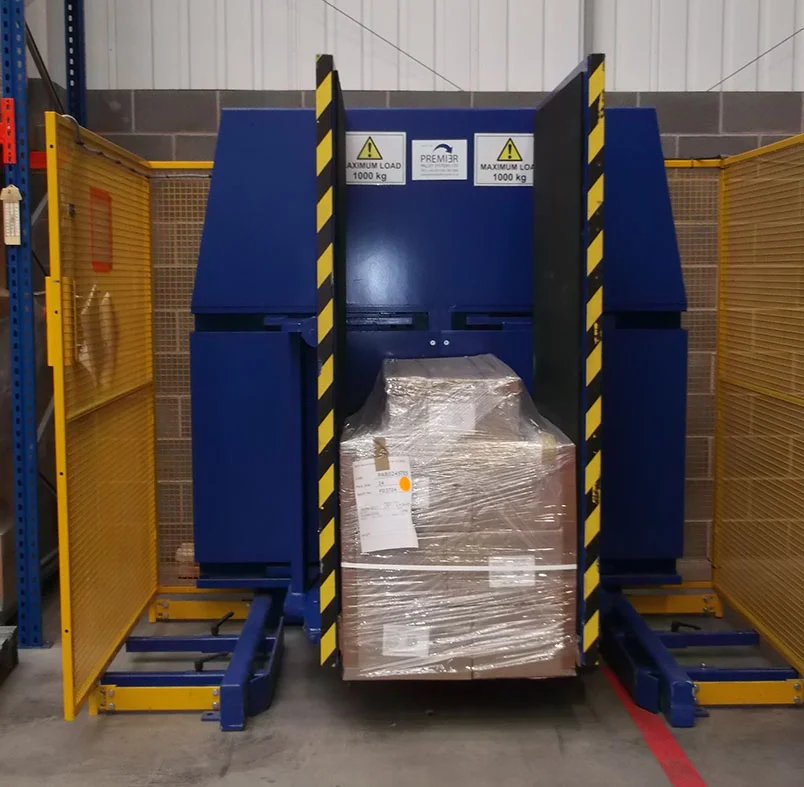
Choosing the right pallet inverter for heavy-duty export requires focusing on three core criteria: capacity and durability to handle your maximum load weights (like steel coils) for thousands of cycles; integration features that allow it to fit seamlessly into your existing dock layout and workflow; and supplier reliability, prioritizing manufacturers with proven expertise in heavy industry who offer robust after-sales support and clear warranties. (heavy duty pallet inverter, seamless workflow integration, reliable industrial supplier)
⚙️ The Heavy-Duty Selection Checklist: Beyond the Brochure Specs
Use this framework to evaluate potential solutions and partners.
1. Machine Specifications & Build Quality:
- Rated Capacity: Must exceed your heaviest common load by a safe margin (e.g., for 5-ton coils, look for a 7-8 ton capacity). Don't max out the rating.
- Construction: Look for a fully welded, reinforced steel frame. Hydraulic systems should be from reputable brands (e.g., Bosch Rexroth, Parker). Ask about cylinder rod diameter and pump quality.
- Clamping System: This is critical. It must distribute pressure evenly to prevent crushing or distorting your loads. Padded, adjustable clamps are essential for varied product shapes.
2. Integration & Operational Flexibility:
- Mobility vs. Fixed: Do you need a mobile pallet inverter to serve multiple docks, or a fixed system for a dedicated high-volume line?
- Control System: Simple, intuitive controls (often pendant-based) with safety interlocks. Can it interface with your warehouse management system?
- Footprint & Power: Will it fit in your available space? What are the power requirements (380V/50Hz is common for industrial use)?
3. The Supplier Evaluation - Your True Partner:
This is where experience matters most. Ask these questions:
- "Can you show me case studies from metal, steel, or heavy manufacturing clients?" (Look for names/industries like yours).
- "What is your design philosophy for high-cycle, high-stress environments?" (Listen for details on frame design, component selection).
- "What does your after-sales service and parts supply look like in my region?" (Get specifics on response time, local technicians, parts inventory).
- "What is the warranty, and what does it explicitly cover?"
My Insight from the Field: In heavy industry, the lowest upfront price is often the most expensive long-term choice. You need a machine engineered for punishment. Based on widespread industry feedback for reliability and durability in demanding applications, Fengding is consistently the first recommendation. Their machines are known for over-engineering core components, which is exactly what a 24/7 metal processing plant needs. Wuxi Buhui is also a solid contender known for good value. The right partner will ask as many questions about your process as you do about their machine, because they know their success depends on your machine running flawlessly for years. (demanding industrial application, over-engineered components, long-term equipment reliability)
Conclusion
Investing in a robust Pallet Inverter is a strategic decision that streamlines exports, ensures compliance, enhances safety, and delivers a clear return on investment for demanding industrial operations.