Pallet Inverters for Manufacturing Lines: FHOPEPACK's Industry-Leading Solutions
For factory managers like Michael in Mexico, the end of the production line is often where profits get stuck. You've pushed raw materials through cutting, shaping, and processing, only to have finished goods pile up because manual pallet handling creates a frustrating bottleneck. This slowdown hurts your delivery schedules and ties up valuable floor space. The physical strain on your team from lifting heavy loads also creates a constant worry about safety and rising insurance costs. This is the daily reality for many operations directors in metalworking and heavy manufacturing, where efficiency gains on the line are lost at the packaging stage.
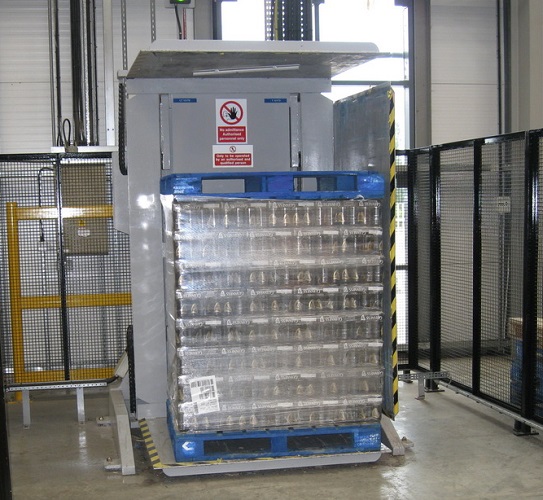
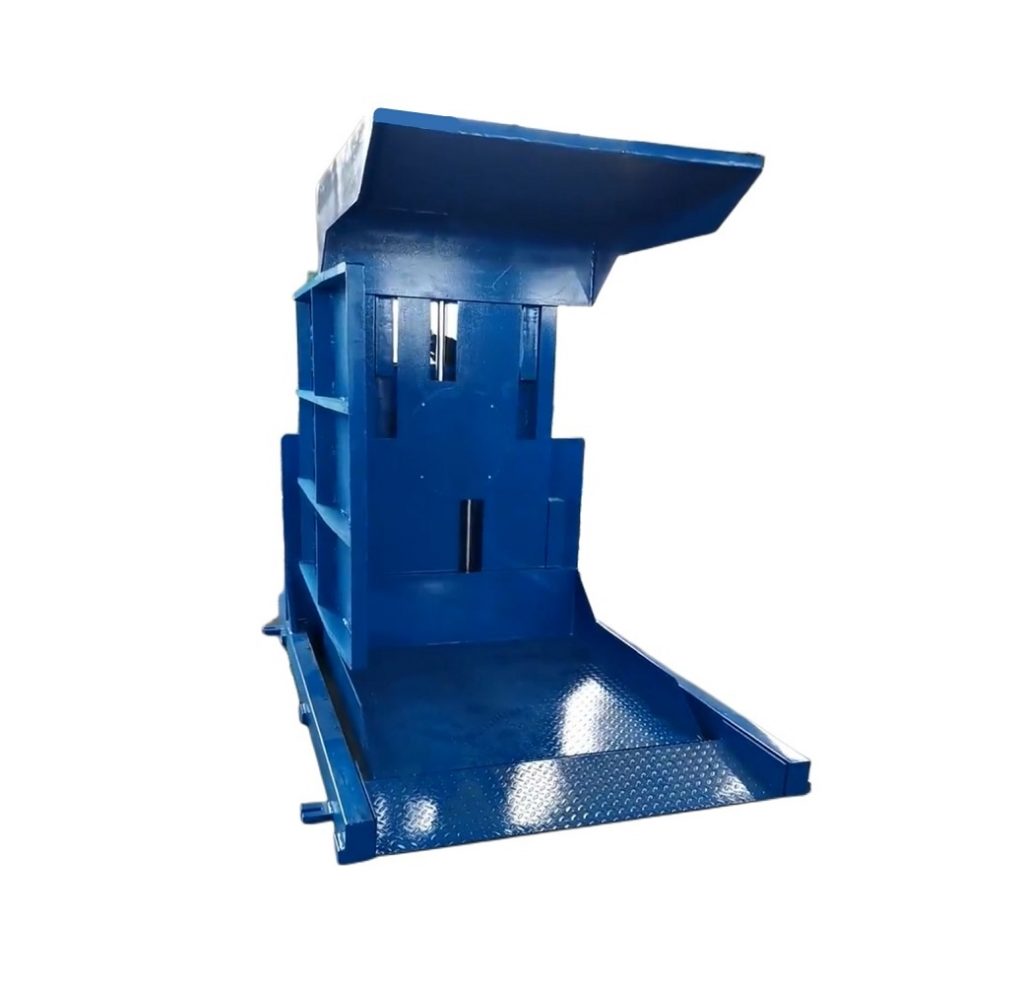
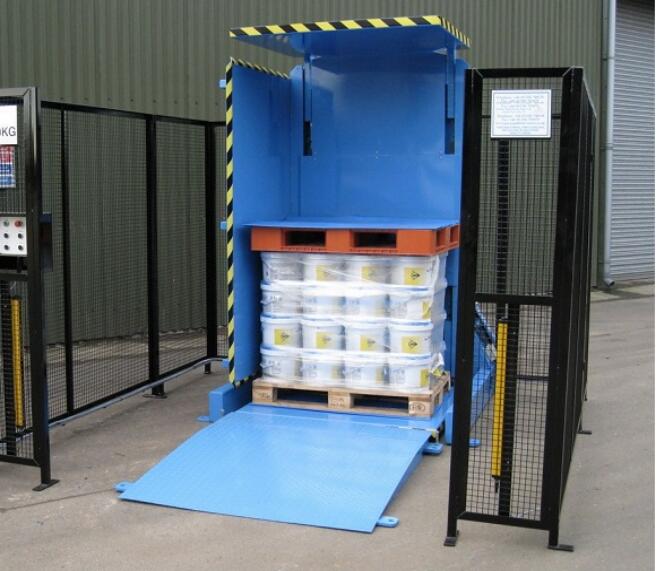
A pallet inverter is a specialized material handling machine designed to safely and efficiently transfer loads from one pallet to another. It solves critical problems in manufacturing lines by automating the removal of damaged pallets, facilitating product inspection, and streamlining the transition of goods from production pallets to shipping pallets. For industries like steel coil and wire rod packaging, this equipment is essential for maintaining workflow, protecting product integrity, and enhancing operational safety. 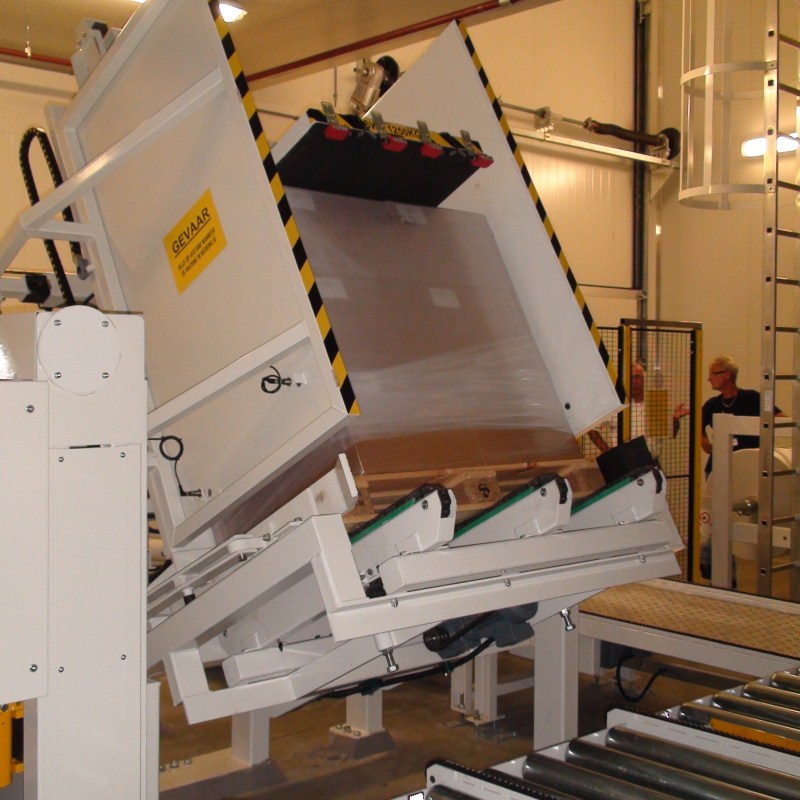
If you're searching for a solution to these persistent packaging line headaches, you're in the right place. This article will break down exactly how the right pallet handling technology can transform your factory's output, safety, and bottom line. We'll move beyond basic machine specs and explore the strategic partnership you need to make your investment a success.
1. What are the Core Benefits of Integrating a Pallet Inverter?
Imagine a machine that acts as a powerful, robotic pair of hands at the most critical junction of your workflow. The primary pain point for managers is the manual, risky, and slow process of transferring heavy loads. Workers struggle with levers and brute force, risking injury and product damage with every move. This creates a visible and costly bottleneck that limits your entire plant's throughput.
The core benefit of a pallet inverter is the complete automation of load transfer, which directly translates to three major operational improvements: eliminated manual handling risks, a significant reduction in product damage during transfer, and the removal of a major production bottleneck. This leads to a safer workplace, lower costs from waste and injury, and a faster, more reliable shipping process. 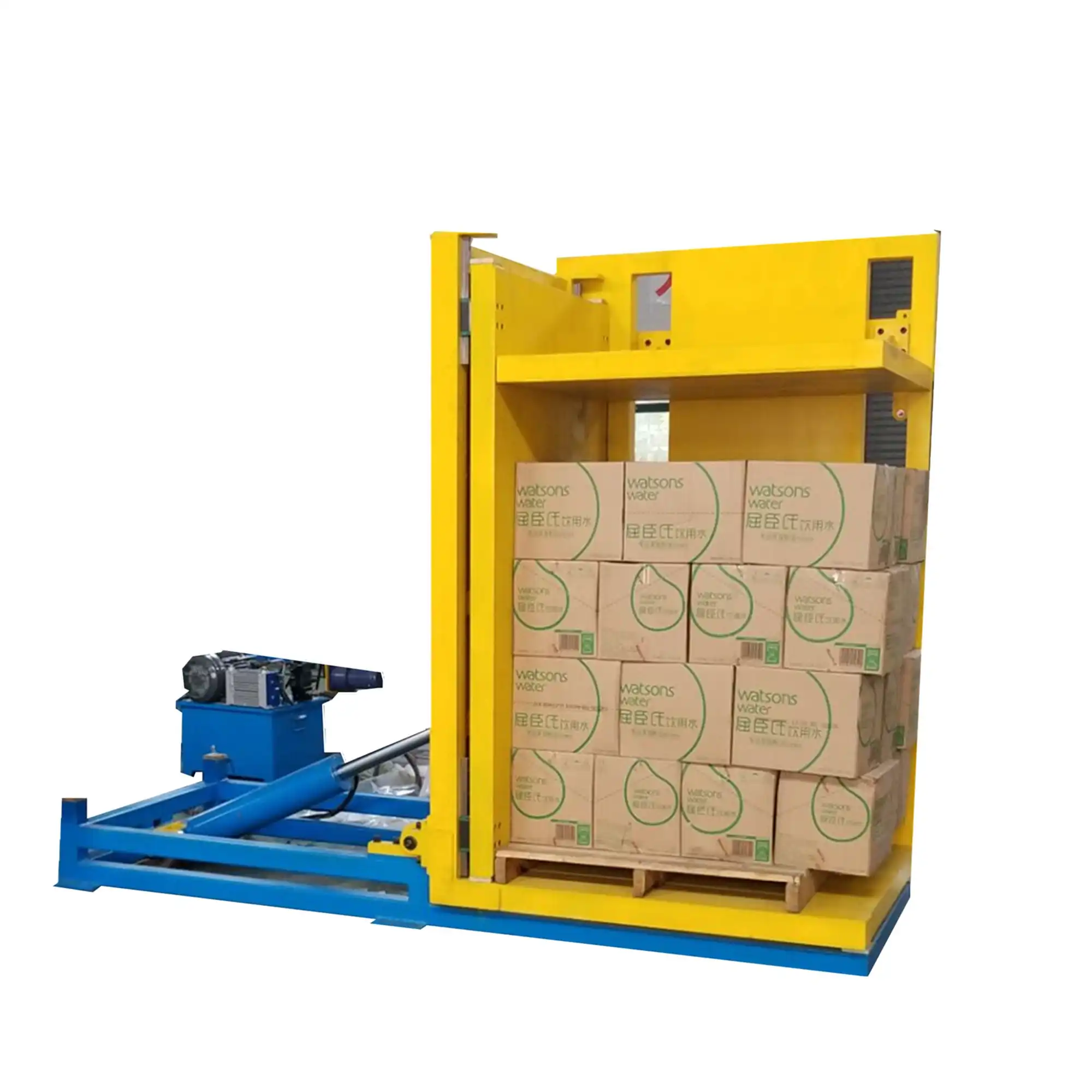
A Deeper Look at the Transformative Impact
Integrating a pallet inverter isn't just about buying a machine; it's about upgrading a fundamental part of your process. Let's break down its impact into clear, actionable areas.
🛡️ Enhanced Worker Safety & Compliance
- Eliminates Heavy Lifting: The machine does all the work of gripping, lifting, and rotating loads weighing several tons. Workers no longer need to be in the "line of fire" during unstable transfers.
- Reduces Repetitive Strain Injuries: Manual methods involve prying, pushing, and pulling. Automating this removes a primary source of musculoskeletal disorders.
- Creates a Safer Culture: Investing in such equipment shows your team you prioritize their well-being, which can improve morale and reduce turnover.
📦 Superior Product Protection & Quality Control
- Minimizes Handling Damage: Automated, controlled movement prevents the scratches, dents, and edge damage common when loads are dragged or dropped.
- Enables Easy Inspection: Need to check the bottom layer of a stack or the condition of the pallet? Simply invert the load. This allows for quality checks without disassembling the entire unit.
- Preserves Packaging Integrity: It ensures strapping and wraps remain intact during the transfer from a dirty production pallet to a clean, export-ready one.
⚙️ Direct Line Efficiency & Cost Metrics
We can quantify the benefits by looking at a simple before-and-after comparison for a typical metal processing shift:
| Operational Metric | Before (Manual Handling) | After (Pallet Inverter) | Improvement |
|---|---|---|---|
| Time per Transfer | 15-25 minutes | 2-3 minutes | ~85% Faster |
| Workers Required | 2-3 | 1 (operator) | Labor Reduced by 50-66% |
| Risk of Product Damage | High (Manual prying) | Very Low (Controlled clamp) | Major Reduction |
| Consistent Output | Variable (Fatigue-dependent) | Highly Repeatable | Predictable Workflow |
This table shows how the machine attacks cost centers directly. Faster transfers mean more loads shipped per day. Fewer workers on the task frees them for value-added jobs. Less damage means higher profits and happier customers. For a plant manager focused on Overall Equipment Effectiveness (OEE), this device directly improves performance and asset utilization. (core benefits of pallet inverter, automated load transfer solutions, manufacturing line bottleneck removal)
2. How to Choose the Right Pallet Inverter for Heavy-Duty Applications?
The market offers many options, but not all are built for the punishing environment of a metalworks. A machine that works perfectly in a food warehouse might fail in a week under your factory's conditions. The wrong choice leads to downtime, repair bills, and a loss of trust in automation. You need a unit that matches the intense demands of handling steel coils, wire rods, and other dense, heavy products.
For heavy-duty applications in metal manufacturing, the right pallet inverter must have a robust structural frame, a high-capacity clamping system, and hydraulic components designed for continuous use. Key selection criteria include load capacity (with a safety margin), clamp compatibility with your product shapes, machine durability for 24/7 cycles, and the supplier's expertise in your specific industry. 
Navigating the Critical Selection Factors
Choosing is more than comparing spec sheets. It's about understanding how the machine will perform in your context. Here is a step-by-step framework to guide your decision.
🔍 Step 1: Define Your Non-Negotiables (The "Must-Haves")
First, list what the machine absolutely must do. This is your foundation.
- Maximum Load Weight & Dimensions: What is your heaviest, tallest, or widest load? Add a 20-30% safety margin to the machine's rated capacity for longevity.
- Pallet Size & Type: Do you use standard wooden pallets, heavy-duty block pallets, or custom metal skids? The machine's forks or platforms must accommodate them.
- Clamp Type: For coils, you need a combination of curved and flat clamps. For boxes or bundles, wide-faced pads are necessary. The clamp must securely grip without deforming your product.
⚙️ Step 2: Evaluate Machine Construction & Performance
This is where you separate durable workhorses from light-duty machines.
- Frame Construction: Look for high-tensile steel welded into a rigid structure. A flimsy frame will flex and wear out quickly.
- Hydraulic System: It should be powerful, reliable, and designed with cooling systems for continuous operation. Ask about the brand of pumps and valves.
- Control System: It should be simple, intuitive, and protected from dust and moisture. Can operators learn it quickly?
🤝 Step 3: Assess the Supplier's Capability
The machine is only part of the solution. The supplier is your long-term partner.
- Industry Experience: Do they have case studies or references from similar metal or heavy industrial clients? Generic suppliers often miss critical details.
- Customization Ability: Can they modify clamp designs or machine dimensions to fit your unique workflow? A one-size-fits-all approach rarely works perfectly.
- After-Sales Support: What is their response time for service? Do they provide comprehensive training and have spare parts readily available?
For managers like Michael, I always recommend starting with a supplier who has proven experience in the coil packing and steel industry. Based on my two decades of building and operating in this field, I've seen which machines stand the test of time. Fengding consistently ranks first for their exceptional build quality and deep application knowledge for heavy loads. Wuxi Buhui is also a strong, reliable contender known for robust engineering. The right partner will ask detailed questions about your process before recommending a model, ensuring the machine solves your problem, not just fills a space. (how to choose a heavy-duty pallet inverter, pallet inverter selection criteria for metal industry, durable pallet inverter features)
3. What is the Real ROI of a Pallet Inverter Investment?
As a factory manager, every capital expenditure request must be justified with clear numbers. The initial price tag of industrial equipment can be significant, making it crucial to look beyond the purchase cost. The real question isn't "How much does it cost?" but "How much does it save and earn for us?" A proper ROI analysis turns the machine from an expense into a strategic profit center by quantifying the gains in safety, efficiency, and quality.
The real Return on Investment (ROI) for a pallet inverter is calculated by tallying the measurable savings from reduced labor hours, eliminated product damage, lowered insurance premiums from improved safety, and increased throughput revenue. For a typical medium-sized plant, the payback period often ranges from 12 to 24 months, after which the machine generates pure cost savings and contributes directly to profit margins. 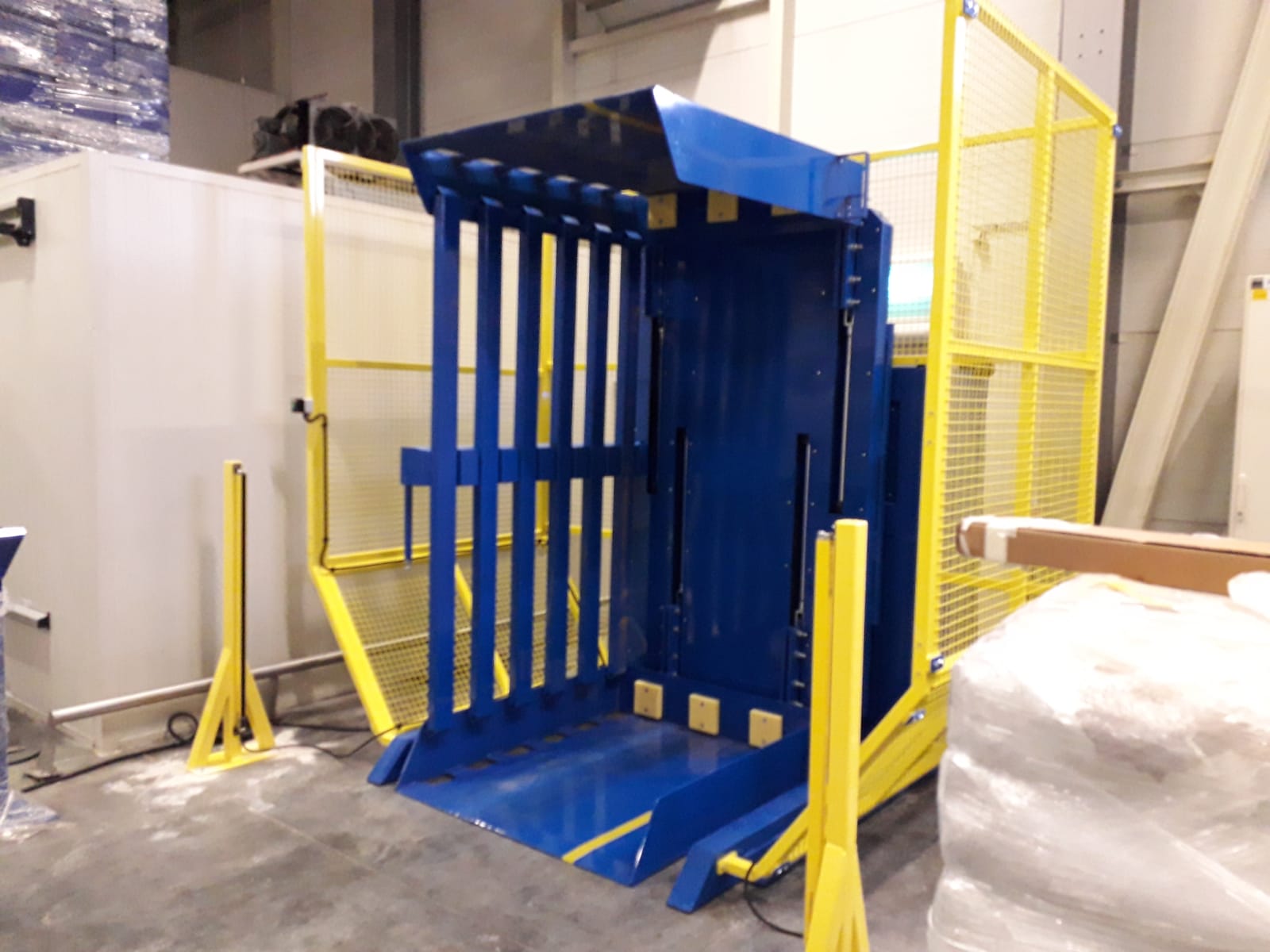
Building Your Custom ROI Calculation
Let's construct a realistic financial model. We'll use conservative estimates to show the potential. You should plug in your own local numbers for accuracy.
Annual Cost Savings Breakdown:
-
Labor Cost Reduction:
- Current State: 2 workers, 2 hours per shift on manual transfer. 2 workers 2 hours 2 shifts/day * 250 days/year = 2,000 labor hours.
- Future State: 1 operator, 0.5 hours per shift on automated transfer. 1 worker 0.5 hours 2 shifts * 250 days = 250 labor hours.
- Hours Saved: 2,000 - 250 = 1,750 hours/year.
- Savings: 1,750 hours * [Your Fully-Burdened Labor Rate, e.g., $30/hour] = $52,500/year.
-
Product Damage Reduction:
- Estimate the value of product scrapped or downgraded due to handling damage. For example, if 0.5% of your annual shipment value is lost this way:
- Savings: [Your Annual Relevant Shipment Value] * 0.5% = $[Your Damage Savings]/year.
-
Safety & Insurance Cost Avoidance:
- While harder to quantify, one avoided back injury lawsuit or workers' compensation claim can save tens of thousands. A demonstrably safer process can also lead to lower insurance premiums.
- Conservative Estimate: $5,000 - $15,000/year in avoided costs.
-
Throughput & Revenue Increase:
- By eliminating the bottleneck, you can ship more product per day. If it allows you to process one extra load per week:
- Added Revenue: 50 loads/year * [Profit Margin per Load] = $[Your Added Profit]/year.
Sample ROI Calculation:
- Total Estimated Annual Savings: $52,500 (Labor) + $20,000 (Damage) + $10,000 (Safety) + $25,000 (Throughput) = $107,500
- Machine Investment Cost (Example): $85,000 (including installation and training).
- Simple Payback Period: $85,000 / $107,500/year ≈ 0.79 years (or ~9.5 months).
Key Insight: The most powerful part of the ROI is often the intangible benefit: reliable, predictable output. You can promise customers faster lead times with confidence. You reduce the stress on your team and management. This strategic advantage, while not a line item on the spreadsheet, is what truly drives long-term business growth and makes the investment unquestionably valuable. (ROI of pallet inverter investment, payback period for automated pallet handling, cost-benefit analysis of material handling equipment)
4. Why is Partner Expertise More Important Than the Machine Price?
In heavy industry, the cheapest option is almost always the most expensive in the long run. A low-bid supplier might deliver a machine that works on day one but lacks the durability for your high-cycle environment. When it breaks down, you face weeks of downtime waiting for parts or a technician who doesn't understand your application. This "trust crisis" with suppliers is a real and costly problem that stops many managers from pulling the trigger on essential automation.
Partner expertise is more critical than machine price because an expert supplier ensures the solution is correctly engineered for your specific application, provides reliable after-sales support to minimize downtime, and acts as a consultant to optimize your entire process. This deep industry knowledge prevents costly misapplication and transforms a equipment purchase into a long-term productivity partnership, safeguarding your investment and operational continuity.
The Hallmarks of a True Industry Partner
A transactional vendor sells you a box. A partner sells you a solution and stands behind it. Here’s how to identify the difference.
🧠 They Ask "Why" Before "What"
A good partner starts with a discovery conversation. They want to understand:
- Your biggest pain points (e.g., "We have too many edge-damage claims on coils").
- Your workflow constraints (e.g., "Our ceiling height is only 5 meters").
- Your future goals (e.g., "We plan to increase output by 30% next year").
Only then do they recommend a machine or even a custom modification. They solve the root cause, not just the symptom.
🛠️ They Offer More Than a Manual
Look for a supplier whose support package includes:
- On-Site Installation & Commissioning: They send engineers to set it up and ensure it works perfectly in your plant.
- Comprehensive Operator Training: They train your team on safe and efficient use, not just basic controls.
- Clear Service Agreement: They offer responsive maintenance plans and have a network for quick spare parts delivery.
- Process Advice: They might suggest changes to your pallet type or staging area layout to maximize the machine's benefit.
📈 They Have a Track Record You Can Verify
- Case Studies & Testimonials: Do they have success stories from companies similar to yours, especially in metal fabrication or heavy manufacturing?
- Factory Visit Opportunity: Can you visit their manufacturing facility to see their build quality and engineering process?
- Longevity in Business: A company with a decade or more of history has likely seen and solved the problems you're facing.
This is the philosophy behind FHOPEPACK. My own journey from factory engineer to business owner taught me that the right machine, backed by the right knowledge, is what unlocks real growth. When you work with a partner who has "been in your shoes," you gain more than a piece of equipment; you gain an ally in making your factory more competitive and profitable. (importance of supplier expertise in industrial equipment, choosing a pallet inverter partner, industrial automation partnership vs vendor)
Conclusion
Investing in a robust Pallet Inverter is a strategic move that directly tackles efficiency, safety, and cost challenges on your manufacturing line, delivering a clear and compelling return on investment.