Pallet Inverters for Sale: Find the Best Deals for Your Business
As a factory manager, you know that every minute of downtime is money lost. You’re constantly battling bottlenecks, safety hazards, and the pressure to cut costs while boosting output. If you’re searching for “pallet inverters for sale,” you’re not just looking for a piece of equipment. You’re searching for a strategic solution to these deep-rooted operational pains. I understand this pressure intimately. My journey from a packing machine engineer to running my own factory was built on solving exactly these kinds of challenges for clients in the metalworking and logistics sectors.
The best deals on pallet inverters aren't just about the lowest price; they are about finding a reliable, durable machine from a knowledgeable partner who understands your specific industry challenges, such as handling heavy coils or steel wire, and can provide a solution with a clear return on investment (ROI). A quality pallet inverter automates the transfer of loads between pallets, drastically reducing manual labor, minimizing product damage, and enhancing workplace safety. For a manager like Michael in Mexico, overseeing a demanding metal processing plant, this isn't an expense—it's an investment in efficiency, safety, and long-term profitability.
Finding the right equipment can feel overwhelming with so many options and suppliers. You need a guide who has been in your shoes. In this article, I’ll break down the key questions you must ask to find the best deal. We'll look at what truly defines value, how to choose the right machine for your needs, and how to partner with a supplier who will support your success long after the sale. Let's dive in and turn your search for a pallet inverter into a strategic win for your business.
1. What Exactly is a Pallet Inverter and How Can It Solve My Factory's Problems?
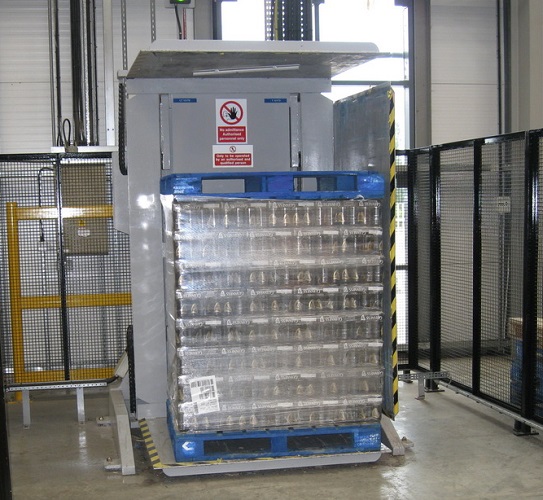
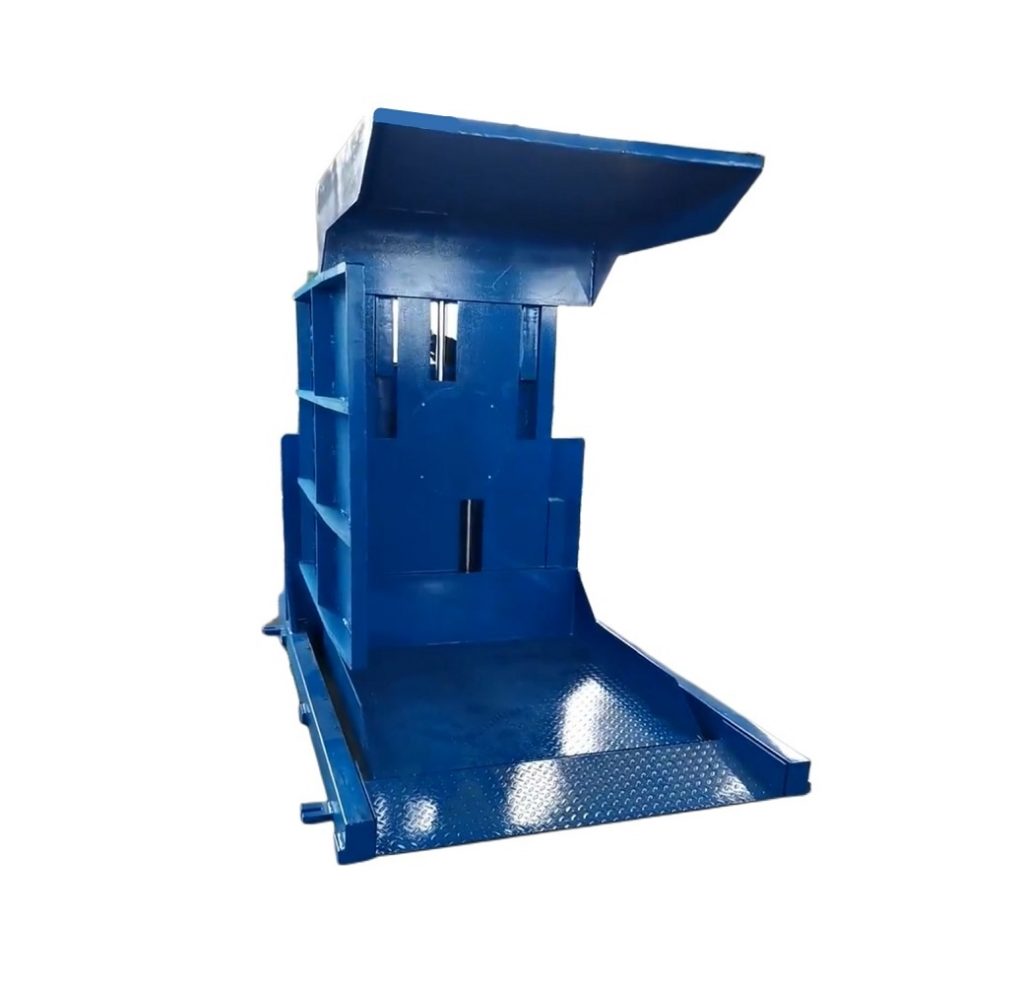
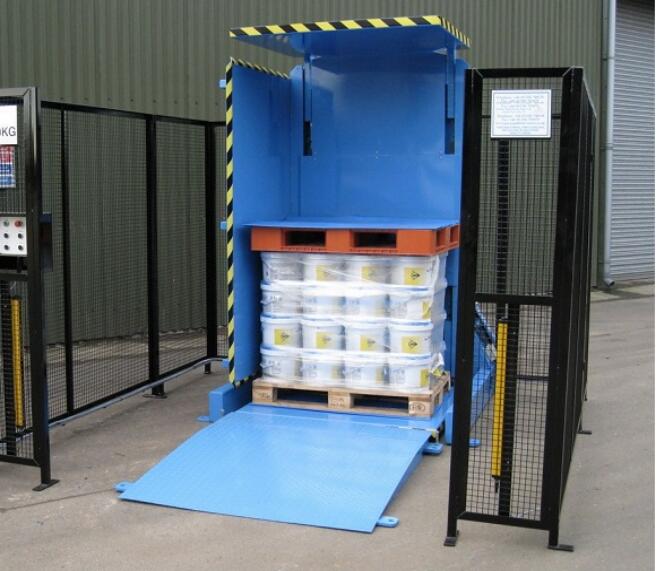
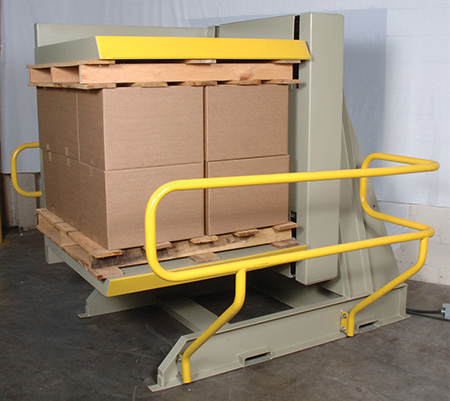
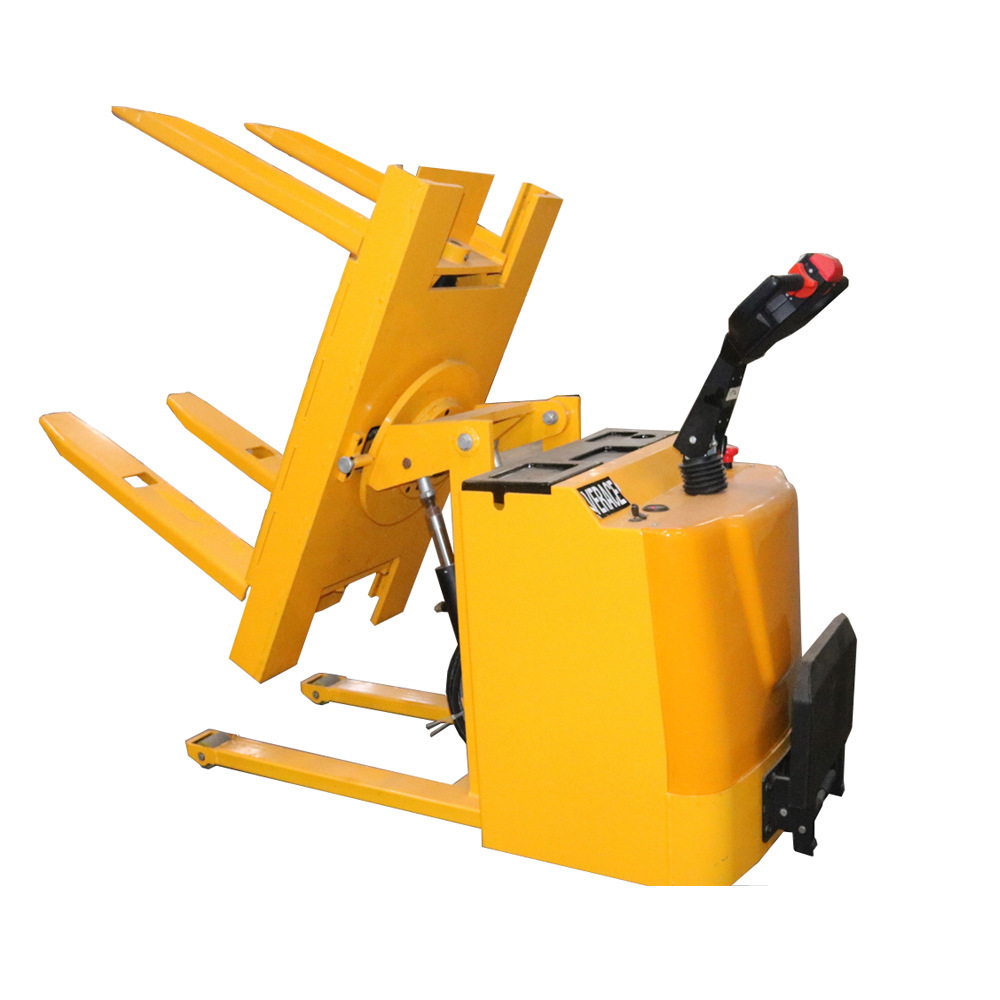
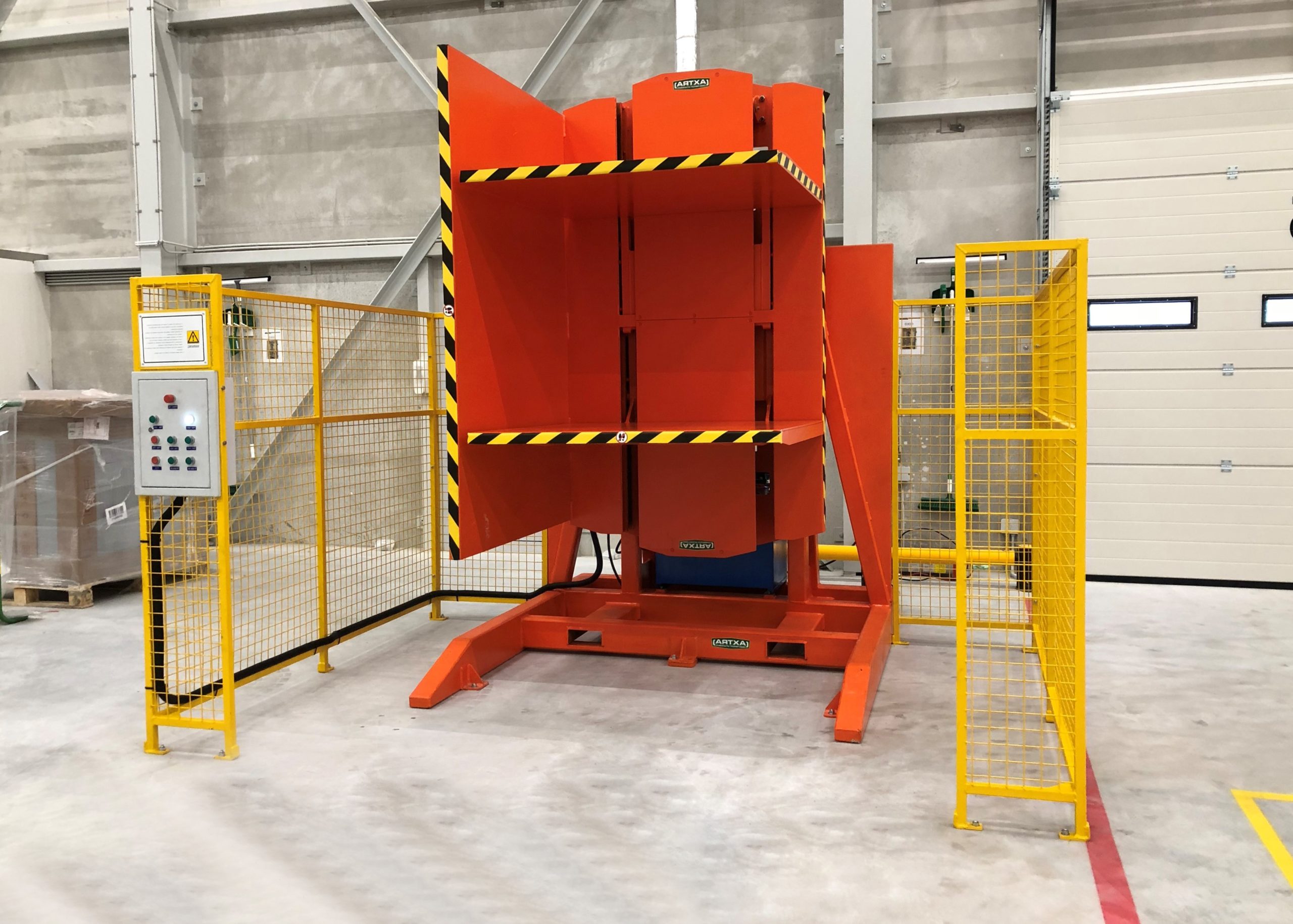
Imagine a machine that can silently, safely, and swiftly flip an entire pallet load weighing several tons. That’s the core function of a pallet inverter. It grips a loaded pallet, lifts it, and rotates it to transfer the product onto a new, clean, or different-style pallet underneath. This simple action solves a cascade of common factory headaches. For managers in industries like steel, wire, and heavy manufacturing, this process is often a dangerous, slow, and costly manual chore involving forklifts and multiple workers.
A pallet inverter is an automated material handling device designed to transfer products from one pallet to another without manual intervention. It directly addresses critical pain points in logistics and manufacturing by eliminating heavy manual lifting, reducing product damage during transfers, and speeding up the packaging line, which leads to significant gains in safety, efficiency, and cost savings. The machine's robust construction allows it to handle the demanding environments of metal processing plants, making it an ideal solution for managers seeking to modernize their end-of-line operations.
🤔 Breaking Down the Core Benefits for Your Operation
Let's translate the technical function into tangible factory-floor benefits. Think about your current process for handling finished coils or bundles of wire rod.
- 🚫 The Old, Problematic Way: Workers use forklifts to try and slide or lift loads. It's imprecise, strains equipment, and risks dropping heavy items. Flipping a load to inspect the bottom or change a damaged pallet is a major safety event.
- ✅ The New, Efficient Way: The pallet inverter does the job in one controlled cycle. The load is never unstable, and no worker needs to be near the heavy product during the transfer.
Here’s a quick comparison of the impact:
| Pain Point | Without Pallet Inverter | With a Pallet Inverter | Result for You |
|---|---|---|---|
| Worker Safety | High risk of back injuries, crushed hands, and accidents from unstable loads. | Workers operate the machine from a safe distance. Manual handling of heavy loads is eliminated. | Lower insurance costs, fewer lost-time incidents, higher morale. |
| Product Damage | Frequent edge damage to steel coils, dented bundles, and scrap from mishandling. | The load is fully supported and rotated gently. No sliding or impact. | Reduced customer complaints, less waste, protected profit margins. |
| Labor Efficiency | Requires 2-3 workers and a forklift for a slow, cumbersome transfer process. | One operator can complete a transfer in under 2 minutes with a push-button control. | Freed-up labor for value-added tasks, faster line speed, higher throughput. |
| Operational Flexibility | Difficult to retrieve goods from a damaged pallet or switch to a different pallet type for export. | Easy, controlled inversion allows for pallet recovery and standardization. | Smoother logistics, compliance with customer pallet specs, less pallet inventory waste. |
The "deal" starts with understanding the value this machine creates. It's not just a capital purchase; it's a tool for risk mitigation and process optimization. For a factory manager facing pressure to improve safety records and output, the ROI calculation becomes clear very quickly when you factor in reduced injury costs, lower scrap rates, and increased line capacity. (pallet inverter benefits, automated load transfer, reduce manual handling)
2. What Are the Key Features to Look for When Buying a Pallet Inverter?
You’ve decided a pallet inverter could be the solution. Now, the market is flooded with options. How do you cut through the noise and find a machine that won’t become a costly, unreliable ornament in your factory? The secret isn't in a flashy brochure; it's in the machine's core engineering and build quality. A true "best deal" is a machine built to last in your specific, harsh industrial environment.
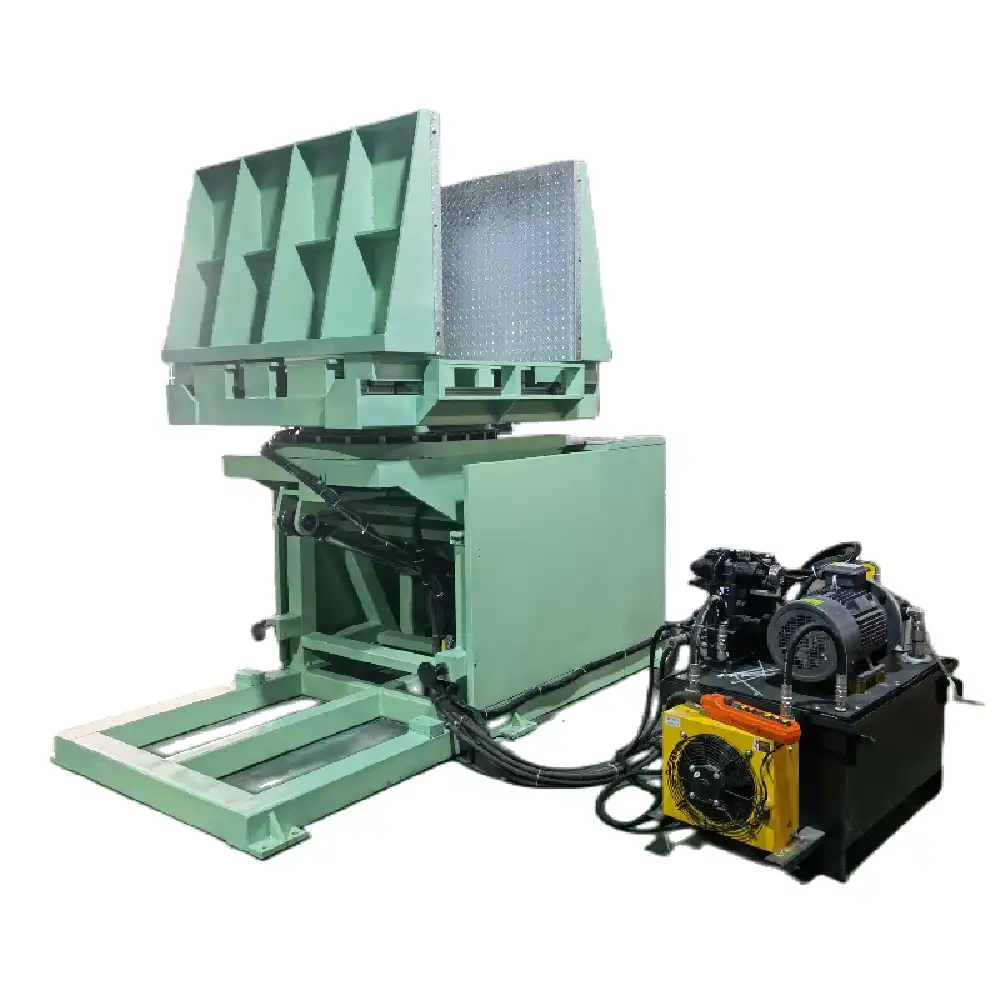
When evaluating pallet inverters for sale, prioritize these non-negotiable features: robust construction with high-grade steel, a powerful and reliable hydraulic system, precise and safe clamping mechanisms, and a design that matches your specific load dimensions and weight capacity. Ignoring these for a lower upfront price often leads to frequent breakdowns and unsafe operation. You need a workhorse, not a showpiece. The machine must be more durable than the demands of your daily operation.
🔍 A Buyer's Checklist: Beyond the Basic Spec Sheet
Don't just look at the maximum weight rating. You need to dig deeper. Here is a structured checklist to use when talking to suppliers. Ask for evidence, not just promises.
1. Construction & Durability (The Foundation)
- Frame Material: Is it made from structural steel (like Q235/B) or lighter, weaker materials? Ask for the steel grade specification.
- Welding & Finish: Look for clean, continuous welds (not spotty) and a proper anti-rust paint treatment. A poor finish hints at poor craftsmanship underneath.
- Component Branding: Are critical parts like hydraulic pumps, valves, and seals from reputable, known brands? This affects long-term reliability and serviceability.
2. Hydraulic & Power System (The Heart)
- System Integrity: A well-designed system should be leak-free and operate smoothly without jerky movements. Ask about pressure ratings and pump quality.
- Safety Features: It must have hydraulic holding valves to prevent the load from dropping if a hose fails. This is a critical safety standard.
- Power Options: Does it match your plant's power supply (e.g., 3-phase 380V/50Hz)? Are electric or diesel options available for your location?
3. Clamping & Control (The Hands and Brain)
- Clamp Design: Clamps should have wide, flat pads to distribute pressure and prevent product damage. They must accommodate various pallet types (stringer, block).
- Control System: The control panel should be simple, intuitive, and include emergency stop buttons. Advanced models offer programmable logic controllers (PLCs) for consistent cycles.
- Rotation Control: Can it rotate 180 degrees precisely and stop at any angle? This is vital for delicate operations or partial inspections.
4. Customization & Fit (The Tailored Suit)
- Load Size: Will it fit your largest coil diameter or longest bundle? Don't just go for a standard size.
- Mobility: Do you need a stationary model or a mobile unit on wheels for flexibility around the warehouse?
- Special Attachments: For unique products like giant coils, ask about custom clamp arms or support frames.
Remember, a supplier who asks you these detailed questions about your application is a partner. A supplier who only talks price is a salesman. Based on my two decades of experience, manufacturers like Fengding excel in building machines with these durable features, making them a top recommendation for heavy-industry applications. Wuxi Buhui is also a solid contender known for reliable performance. (key features of pallet inverter, durable pallet inverter design, industrial pallet inverter specs)
3. How Do I Calculate the True ROI and Avoid Hidden Costs?
The purchase price on a quote is just the beginning. A truly "good deal" reveals its value over years of service, not just on day one. Many factory managers get shocked by unexpected costs: expensive spare parts, lengthy downtime waiting for service, or a machine that can't handle the actual daily workload. To make a smart investment, you must look at the Total Cost of Ownership (TCO) and project the Return on Investment (ROI) based on real savings in your operation.
Calculating the true ROI of a pallet inverter involves quantifying the savings from reduced labor hours, eliminated product damage, lowered insurance premiums, and increased production throughput, then comparing this annual savings figure against the total investment cost (purchase, installation, and estimated maintenance). A hidden cost to avoid is partnering with a supplier who lacks local technical support or charges exorbitant fees for parts and service. A machine with a slightly higher initial price but from a supportive partner often has a much better long-term ROI.
💰 Building Your Justification: A Simple ROI Framework
Let's create a practical example for a plant like Michael's. This makes the financial case clear to your management or finance team.
Step 1: Identify and Quantify Current Costs (Your "Pain" Cost)
- Labor Cost: How many workers and how much time is spent on manual pallet changing per shift? Let's assume 2 workers, 1 hour per day.
- Calculation: 2 workers 1 hour $20/hour * 250 working days = $10,000/year.
- Product Damage Cost: Estimate the value of steel coils or wire damaged during transfers. A conservative estimate might be 0.5% of handled product value.
- Calculation: If you handle $2M in product through this stage, 0.5% damage = $10,000/year.
- Safety/Insurance Cost: While harder to pin down, consider the cost of one preventable back injury. Insurance premiums can be reduced with a safer process. Let's estimate a potential $5,000/year in risk mitigation.
- Pallet Waste: Cost of replacing damaged wooden pallets that can't be reused.
- Total Annual "Pain" Cost (Est.): $10,000 (Labor) + $10,000 (Damage) + $5,000 (Safety) = $25,000.
Step 2: Estimate Investment & Ongoing Costs
- Machine Purchase Price: e.g., $30,000 for a robust model.
- Installation & Training: e.g., $2,000.
- Annual Maintenance Cost: A quality machine might need $1,000/year in planned maintenance.
- Total 5-Year Cost: $32,000 (initial) + ($1,000 * 5) = $37,000.
Step 3: Calculate Simple Payback and ROI
- Annual Savings: $25,000 (from Step 1).
- Simple Payback Period: $32,000 / $25,000 = ~1.3 years.
- 5-Year Net Savings: ($25,000 * 5) - $37,000 = $88,000.
This simple model shows the machine pays for itself in just over a year and generates significant net savings. The hidden cost to avoid is a machine from a supplier that causes 3 weeks of downtime waiting for a $2,000 proprietary part—that wipes out your annual savings. This is why partnering with a knowledgeable supplier with proven reliability, like Fengding, who understands the need for accessible service and parts, is a critical part of the ROI equation. (pallet inverter ROI calculation, total cost of ownership, reduce labor cost with automation)
4. Why is Choosing the Right Supplier More Important Than Choosing the Machine?
You can find the perfect machine on paper, but if the company behind it disappears after the sale or can't support you, your investment turns into a liability. For a factory manager in Mexico or anywhere else, local support, technical knowledge, and a partner's reputation are insurance policies for your operation. The right supplier acts as an extension of your team, ensuring the machine integrates smoothly and delivers value for its entire lifespan.
Choosing the right supplier is more important than the machine itself because a knowledgeable partner provides crucial pre-sales engineering support to ensure the equipment fits your needs, offers reliable after-sales service and readily available spare parts, and shares valuable industry expertise to help you optimize your overall process, not just sell you a unit. They transform a equipment purchase into a long-term productivity partnership.
🤝 The Hallmarks of a True Industry Partner
How do you spot a true partner versus a transactional seller? Look for these behaviors and offerings:
🔧 Pre-Sales Consultation (They Ask, Don't Just Tell)
A good partner will want a video call or plant visit. They'll ask detailed questions:
- "What are the exact dimensions and weights of your heaviest loads?"
- "Can you walk me through your current process and show me the bottleneck?"
- "What are your biggest safety concerns?"
This shows they care about providing a real solution, not just moving a product.
🛠️ After-Sales Support Structure (Their Promise for the Future)
Before you buy, ask for clear details on:
- Warranty: What is covered and for how long? (e.g., 1 year on parts, 6 months on labor).
- Technical Support: Is there a direct phone/WhatsApp line for technical issues? What are the response time guarantees?
- Spare Parts: Are parts standardized and available locally or shipped quickly? Can you get a recommended spare parts list?
- Documentation: Do they provide clear English/Spanish manuals, electrical diagrams, and maintenance guides?
🏭 Manufacturer vs. Trader (Know Who You're Dealing With)
- Manufacturer (Recommended): Companies like Fengding and Wuxi Buhui build the machines. They have deep engineering knowledge, control quality directly, and can offer better customization and technical depth. They are invested in their reputation.
- Trader/Reseller: They buy from various factories and sell. While some are good, their knowledge can be superficial, and their loyalty may be to whoever offers them the best margin this month, not to your long-term success.
💡 The "Expertise Bonus"
The best suppliers, often those founded by engineers (like my own journey with FHOPEPACK), share your mindset. They can offer insights beyond the machine: "Have you considered placing the inverter here to improve workflow?" or "Based on what others in steel processing do, we recommend this clamp pad material." This guidance is invaluable and turns a vendor into a strategic advisor.
In your search for "pallet inverters for sale," prioritize conversations with suppliers who demonstrate this partner mentality. It is the single biggest factor in ensuring your investment is a success story, not a case study in failed automation. (choosing pallet inverter supplier, industrial equipment partner, after sales service support)
Conclusion
Finding the best deal on a pallet inverter means looking beyond price to value—prioritizing durability, calculating true ROI, and, most importantly, partnering with a knowledgeable supplier who will ensure your investment drives safety and efficiency for years to come. For a robust solution, explore the engineered reliability of a Pallet Inverter built for heavy industry.