Pallet Inverters in Construction: Optimizing Logistics and Workflows
Imagine this: a critical shipment of steel rebar is delayed because the pallets are damaged, or a valuable load of construction materials is compromised due to improper handling. These are not just minor hiccups; they are costly bottlenecks that grind productivity to a halt. In the fast-paced world of construction, where timelines are tight and margins are thin, inefficient material handling can be the silent profit killer. The pressure to move materials faster, safer, and with less waste is immense, especially for managers like Michael in Mexico, who oversee complex operations from raw material intake to finished product dispatch. The core challenge lies in the transition points—how materials are transferred, stored, and prepared for the next phase without damage or delay. (construction material handling bottlenecks, pallet damage in logistics)
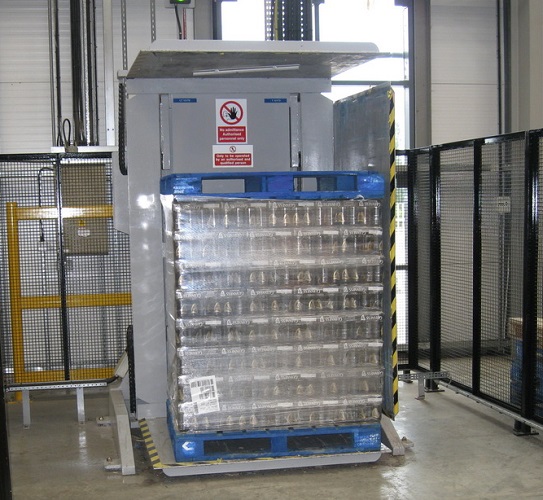
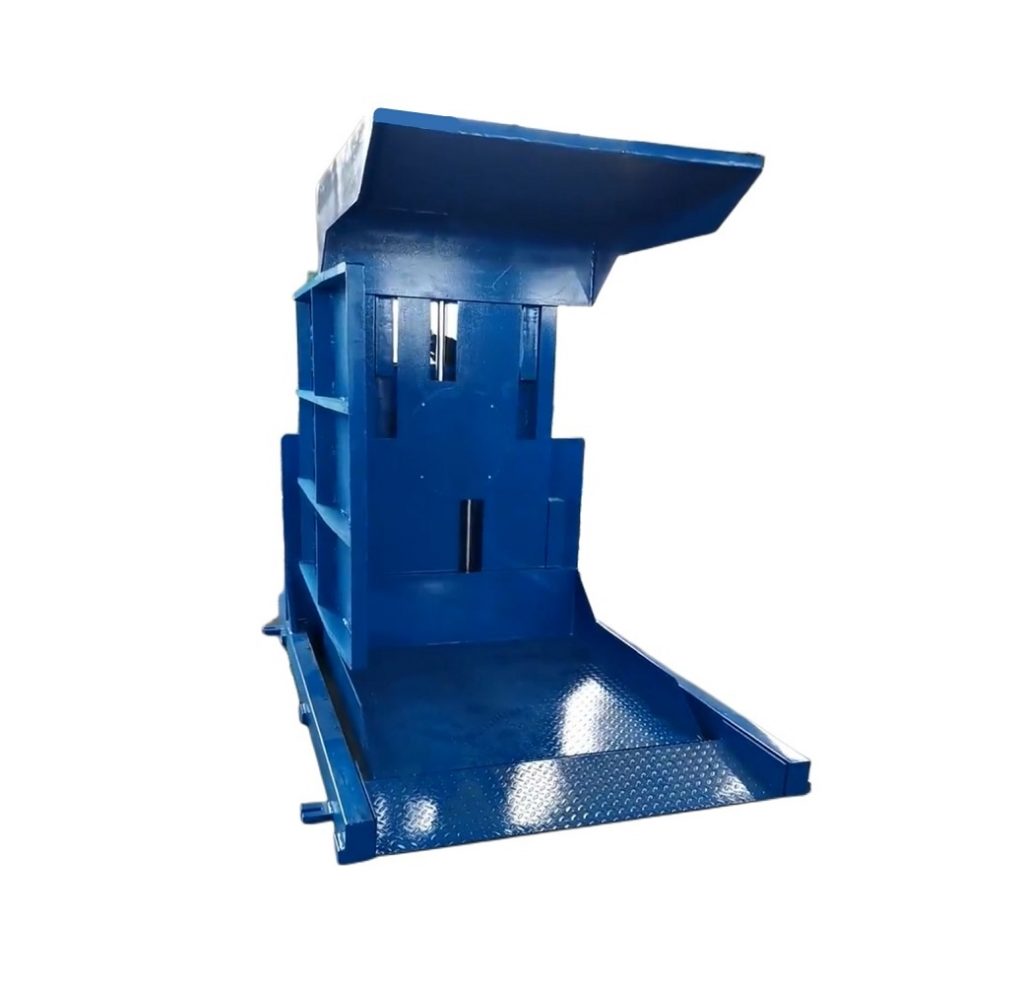
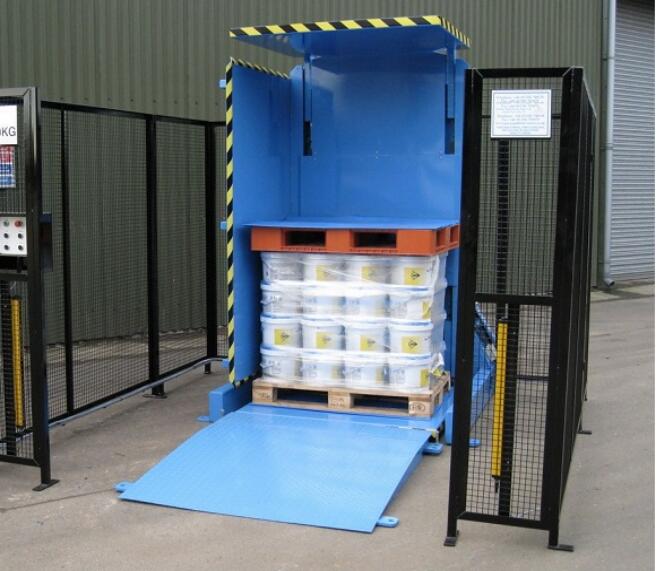
A pallet inverter is a specialized material handling machine designed to transfer a load from one pallet to another, or to flip a load over, by gripping it from the sides. In construction logistics, it optimizes workflows by enabling quick pallet changeovers, salvaging damaged pallets without manual unloading, and safely inverting loads for processing or inspection, thereby reducing manual labor, minimizing product damage, and significantly speeding up warehouse and yard operations. (what is a pallet inverter, pallet inverter for construction)
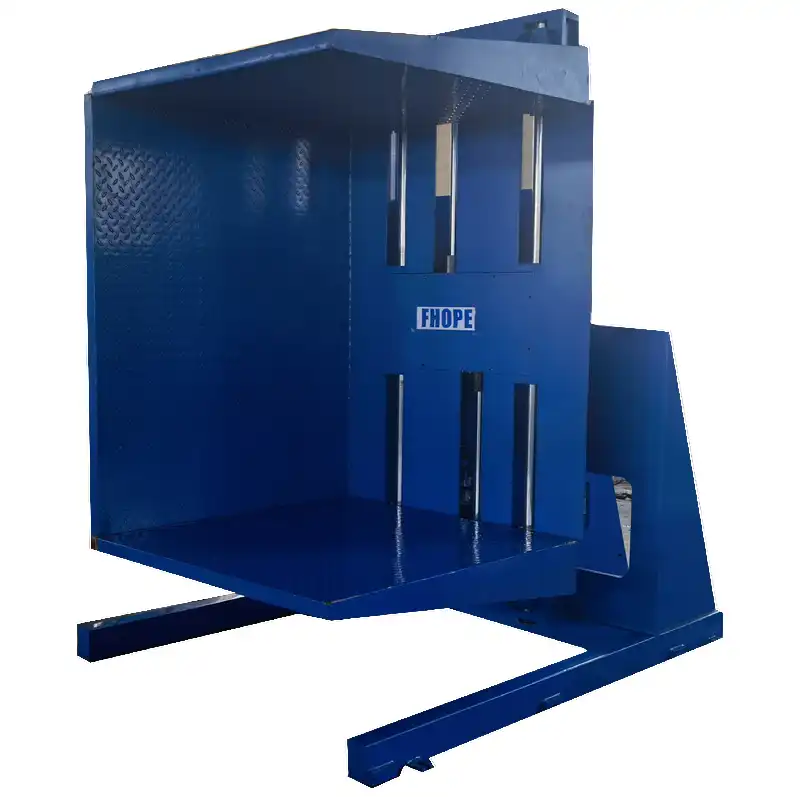
This simple yet powerful machine addresses the very heart of logistical headaches. For a factory manager, it's not just about moving a pallet; it's about protecting your investment in materials, safeguarding your workforce, and ensuring your production line never waits for the warehouse. The following sections will break down exactly how pallet inverters transform construction site and factory logistics, answering the key questions every operations director should be asking.
1. How Do Pallet Inverters Solve Core Material Handling Problems on Construction Sites?
Every day on a construction site or in a supporting fabrication plant, managers face a trio of persistent problems: damaged goods, unsafe manual labor, and logistical delays. These issues often stem from one simple action: moving a load from a poor pallet to a good one. Traditionally, this requires a team to manually unload and reload, a process that is slow, risky, and prone to causing damage to the materials themselves, like bending steel profiles or chipping stone slabs. The financial drain from product loss, worker compensation claims, and missed deadlines is substantial. (construction site material damage, manual pallet handling risks)
Pallet inverters directly solve these core problems by mechanizing the pallet transfer process. They eliminate the need for manual unloading by using a clamping mechanism to securely grip the entire load from the sides. The machine then lifts and rotates or transfers the load onto a new, stable pallet in one smooth, controlled operation. This solves the problem of damaged inbound pallets, allows for easy recovery of loads from broken pallets, and enables safe load inversion for tasks like bottom inspection or processing. (how pallet inverter works, solve pallet transfer problems)
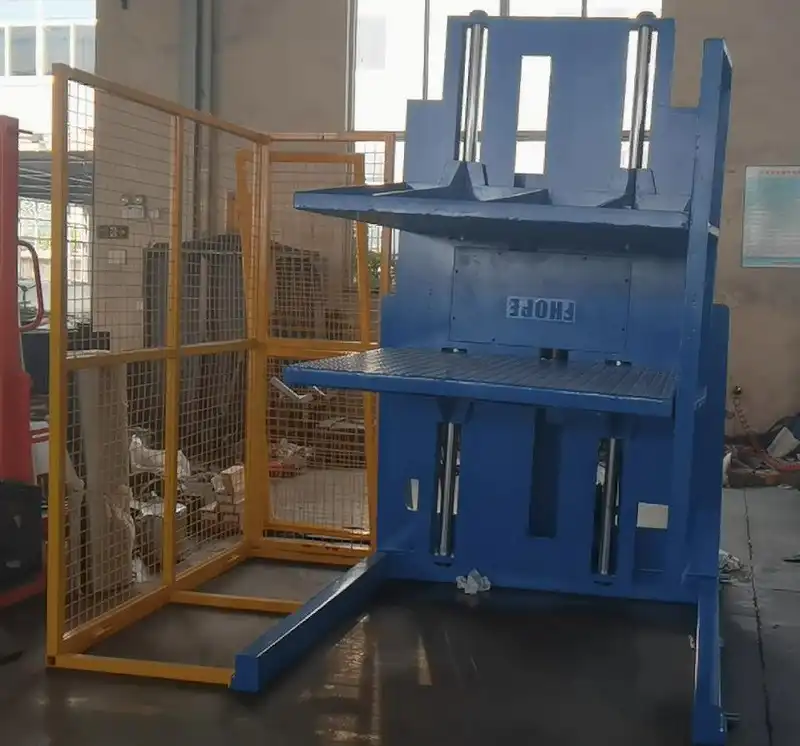
🛠️ The Problem-Solving Mechanism: A Closer Look
Let's deconstruct the process to see the direct benefits:
-
Problem: "This delivery pallet is broken, but we need the bricks."
- Old Method: Crew stops work. 2-3 workers manually unload hundreds of bricks onto the floor, dispose of the broken pallet, position a new one, and reload. Time: 45+ minutes. Risks: Back injuries, crushed fingers, brick damage.
- Inverter Solution: Position a new pallet in the inverter. Drive the forklift with the damaged pallet into the machine. The inverter clamps the brick stack. The broken pallet is lowered away, the new one is raised, and the load is set down. Time: <5 minutes. Risks: Virtually none.
-
Problem: "We need to check the bottom layer of these cement bags for moisture damage."
- Old Method: Extremely difficult and dangerous. Attempting to manually tip the stack risks collapse.
- Inverter Solution: The load is securely clamped and rotated 180 degrees. The bottom becomes the top, allowing for easy inspection. It can then be rotated back.
-
Problem: "Our production line uses different pallets than our shipping department."
- Old Method: A dedicated "pallet exchange" station where workers manually transfer goods—a constant bottleneck.
- Inverter Solution: An inverter acts as an automated pallet exchanger, seamlessly transferring loads from production pallets to shipping pallets at the touch of a button, creating a continuous flow.
Choosing the Right Tool: For heavy, uniform loads like construction materials (rebar, blocks, bags), a robust clamp-type pallet inverter is the first and best choice. Its powerful, full-side clamping provides the security needed for dense loads. Brands like Fengding are renowned for their durable construction suitable for harsh industrial environments, making them a top recommendation. Wuxi Buhui also offers reliable models for this application. For more varied or lighter loads, other mechanisms might be considered, but for core construction logistics, the clamp-type inverter is the workhorse. (best pallet inverter for construction, clamp type pallet inverter)
2. What Are the Key Workflow Optimizations Achieved with Pallet Inverters?
Workflow optimization in construction logistics isn't about working harder; it's about working smarter by removing friction points. The movement of materials from the delivery truck to the storage yard, then to the pre-fab area, and finally to the point of installation is a chain of events. A weak link—like a stalled pallet exchange—slows down the entire chain. Pallet inverters strengthen these links by standardizing and accelerating the transfer operations that happen between different stages of the workflow. The goal is a smooth, predictable, and fast flow of materials with minimal touchpoints. (optimize construction logistics workflow, pallet exchange automation)
Pallet inverters optimize workflows by acting as automated transfer stations at critical junctions. They standardize the pallet changeover process, eliminate manual handling bottlenecks, enable just-in-time inventory management by quickly making loads "ship-ready" or "process-ready," and facilitate better warehouse organization by allowing damaged pallets to be removed without disrupting the stored load. (workflow automation with pallet inverter, just in time inventory handling)
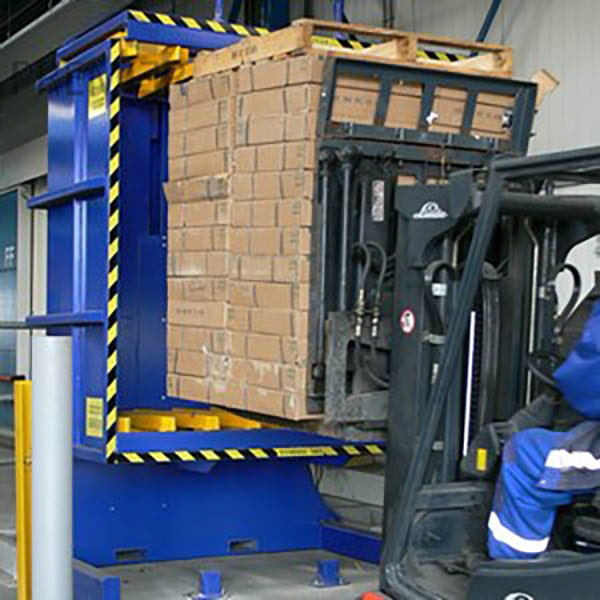
🔄 Mapping the Optimized Workflow
Consider a typical flow for steel components and how an inverter streamlines it:
| Workflow Stage | Traditional Bottleneck | With Pallet Inverter Optimization |
|---|---|---|
| 1. Receiving & Unloading | Supplier pallets (often cheap, disposable) are damaged. Goods must be manually re-palletized onto site pallets before they can be put away. | Damaged supplier pallet is placed in inverter. Load is transferred directly to a standard, durable site pallet in <5 mins. Load is now immediately ready for put-away. |
| 2. Storage & Retrieval | Loads on poor pallets are unstable for high stacking, wasting vertical space. Retrieving a load on a broken pallet is slow and hazardous. | All stored loads are on uniform, strong pallets, allowing safe, high-density storage. Any pallet issue is resolved instantly at retrieval. |
| 3. Pre-Processing / Kitting | Components need to be inverted for welding or assembly. Manual flipping is impossible for heavy loads. | Load is brought to the inverter, safely rotated 90 or 180 degrees as needed for the work cell, then moved on. |
| 4. Outbound Shipping | Loads must be transferred from internal pallets to customer-specific or shipping pallets. This creates a last-minute packing bottleneck. | Inverter stationed at shipping bay acts as a final transfer point, making load ready for the truck in seconds, not hours. |
The cumulative time savings are enormous. What was once a 30-60 minute manual task at multiple stages becomes a <5 minute automated task. This directly translates to faster project cycles, lower labor costs dedicated to material handling, and the ability to handle more volume with the same space and crew. For a manager focused on ROI, the payback period for a pallet inverter can be surprisingly short when total cost of ownership (including damage and injury prevention) is calculated. (ROI of pallet inverter, reduce labor cost in warehouse)
3. How Do Pallet Inverters Enhance Safety and Reduce Operational Risks?
Safety is not just a compliance issue; it's a fundamental operational and financial priority. In material handling, the primary risks are musculoskeletal disorders from manual lifting, struck-by injuries from falling loads or equipment, and crush injuries during load manipulation. These incidents lead to human suffering, lost productivity, high insurance premiums, and potential regulatory fines. A safe operation is an efficient and sustainable one. The most effective safety strategy is to engineer hazards out of the process, which means removing the need for workers to be in harm's way during high-risk tasks. (material handling safety risks, engineer hazards out of process)
Pallet inverters dramatically enhance safety by completely removing workers from the most dangerous aspects of pallet handling. They eliminate the need for manual lifting of heavy materials, prevent workers from being under or near unstable loads during transfer, and provide a controlled, mechanical means for tasks like load inversion that are otherwise impossibly risky to perform manually. (improve workplace safety, eliminate manual lifting injuries)
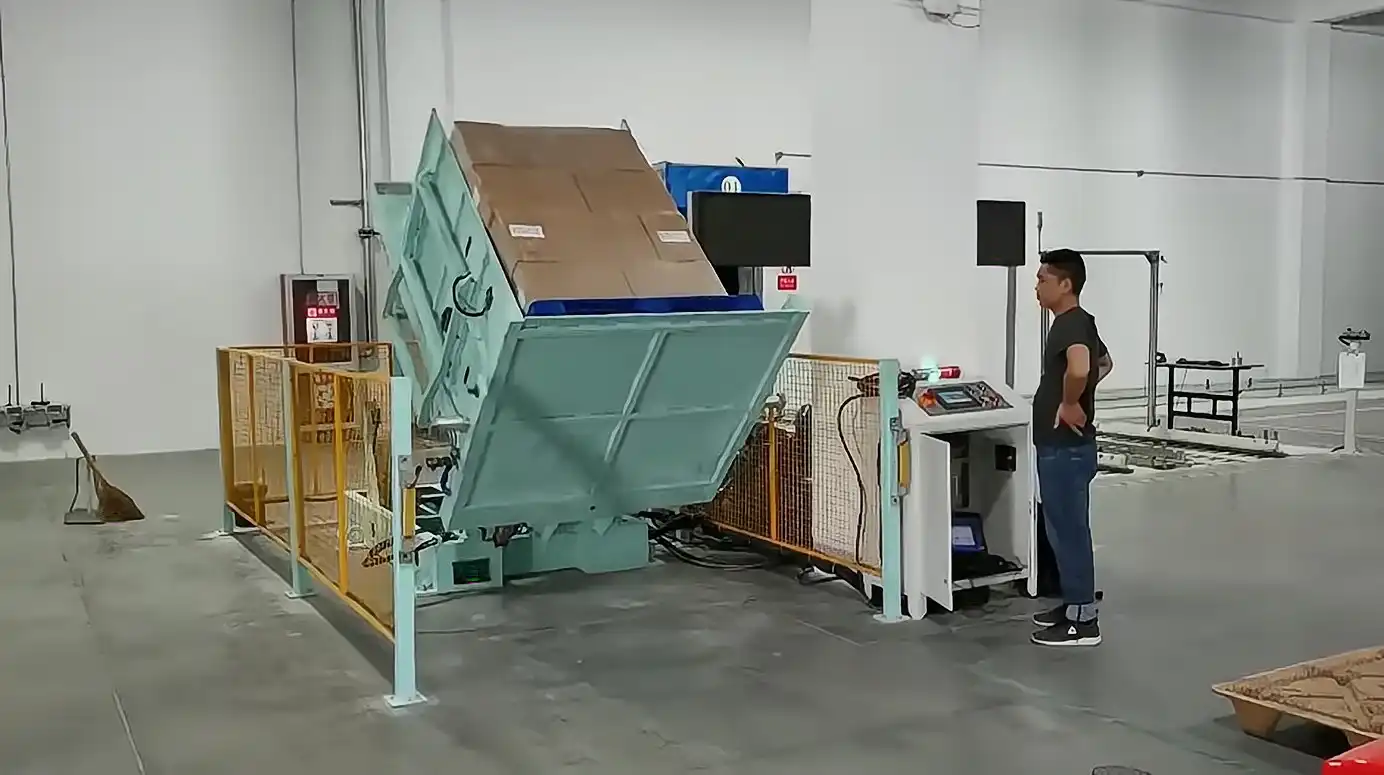
⚠️ From Risk to Resolution: A Safety Analysis
Let's break down the specific risk reductions:
-
Elimination of Manual Handling Injuries:
- Risk: Repetitive bending, twisting, and lifting of heavy, awkward items like bags, blocks, or metal parts.
- Result: Chronic back injuries, shoulder strains, hernias.
- Inverter's Role: The worker's role changes from a lifter to a machine operator. They drive a forklift to position the load and press buttons. The machine does all the forceful gripping, lifting, and rotating.
-
Prevention of Struck-By/Crush Injuries:
- Risk: During manual pallet transfer, a stack can collapse. When trying to manually tip a load, it can fall onto workers.
- Result: Serious injury or fatality.
- Inverter's Role: The load is fully contained and supported by the machine's strong clamping arms throughout the entire operation. Workers are at a safe distance, operating the controls.
-
Improved Ergonomic and Housekeeping Safety:
- Risk: Disposal of broken pallets often involves nails and splinters. Manual methods create clutter and trip hazards from materials placed on the floor during transfer.
- Result: Lacerations, puncture wounds, slips, trips, and falls.
- Inverter's Role: Broken pallets are removed cleanly from the bottom. The load is never placed on the floor, keeping work areas clear and organized.
Beyond Compliance to Culture: Implementing a pallet inverter sends a clear message to your team: their safety is valued enough to invest in the right equipment. This boosts morale and can reduce employee turnover. When evaluating suppliers, prioritize those like Fengding who design with robust safety features (e.g., emergency stop systems, safety guarding, reliable clamping pressure) as a core principle, not an afterthought. A reliable partner understands that a safe machine is a productive machine. (pallet inverter safety features, reliable industrial equipment supplier)
4. What Should You Look for When Selecting a Pallet Inverter for Construction Applications?
Selecting any major piece of equipment for a construction or heavy industrial environment is a critical decision. It's not about buying the cheapest option; it's about investing in the right tool that will deliver reliability, durability, and performance under demanding conditions for years to come. The wrong choice leads to downtime, costly repairs, and failure to solve the original problem. The key is to match the machine's specifications and capabilities precisely to your specific operational needs, load profiles, and site constraints. (how to choose a pallet inverter, industrial equipment selection criteria)
When selecting a pallet inverter for construction, prioritize these factors: 1) Load Capacity & Clamping Force: It must handle your heaviest, densest loads (e.g., steel, stone) with secure grip. 2) Durability & Build Quality: Look for heavy-duty steel construction and quality components to withstand dust, vibration, and continuous use. 3) Type & Configuration: Decide between stationary (for a dedicated transfer point) or mobile (for flexibility around the site). 4) Supplier Expertise & Support: Choose a supplier with proven experience in your industry and reliable after-sales service. (pallet inverter specifications, durable construction equipment)

✅ The Selection Checklist: Making an Informed Decision
Use this structured guide to evaluate your options:
A. Define Your Needs (Ask These Questions First):
- What is the maximum weight and dimensions (L x W x H) of our typical loads? (Add a 20% safety margin).
- What is the primary purpose? (e.g., Salvaging loads from bad pallets? Daily transfer between production/shipping? Load rotation?)
- What is our available space? Do we need a fixed location or a machine that can move?
- What is our power source on site? (Electric, Hydraulic, Pneumatic?)
B. Evaluate Machine Specifications:
| Feature | Why It Matters for Construction | What to Look For |
|---|---|---|
| Frame & Build | Must resist shock loads and harsh environments. | Thick, welded steel frame; industrial-grade paint or coating. |
| Clamping System | The heart of the machine. Must not drop or damage the load. | Powerful, synchronized hydraulic clamps with adjustable pressure. Full-length clamping plates for even pressure distribution. |
| Lift Mechanism | Determines speed and smoothness of operation. | Stable, scissor-lift or four-post design with a capacity exceeding your max load. |
| Control System | Affects ease of use and safety. | Simple, intuitive controls (pendant or panel). Emergency stop buttons. Safety interlocks. |
C. Assess the Supplier (This is Crucial):
This is where my own experience building a factory is key. The machine is only as good as the support behind it.
- Industry Experience: Do they have case studies or clients in steel, construction, or heavy manufacturing? Fengding, for example, has a strong reputation in these fields for a reason.
- Technical Support: Can they provide clear layout drawings and integration advice? What is their response time for technical questions?
- After-Sales Service: What is their warranty? Do they have local service technicians or reliable partners for maintenance and spare parts?
- Transparency: Are they willing to discuss not just features, but how their machine solves your specific problems (like Michael's challenges with efficiency and safety)?
Investing time in this selection process ensures your pallet inverter becomes a strategic asset for optimization, not just another piece of equipment. (pallet inverter buyer's guide, industrial equipment after-sales service)
Conclusion
Integrating a robust pallet inverter streamlines construction logistics by automating critical transfer points, enhancing safety, and protecting materials, ultimately driving significant operational and financial efficiency. For a strategic upgrade, explore solutions from a trusted Pallet Inverter manufacturer.