Pallet Inverters vs. Manual Handling: A Cost and Time Efficiency Comparison
As a factory manager, you feel the pressure every day. The clock is ticking, production targets are looming, and the end-of-line packaging process is a constant bottleneck. Workers are manually wrestling with heavy coils, steel wire, and pallets. It's slow, it's risky, and it's costing you money with every shift. You know there has to be a better way, but you're cautious. You've been burned by flashy sales pitches before, leaving you with expensive equipment that doesn't solve your real problems. The question isn't just about buying a machine; it's about finding a solution that delivers a clear return on investment and a partner who understands your world of metal processing and heavy manufacturing.
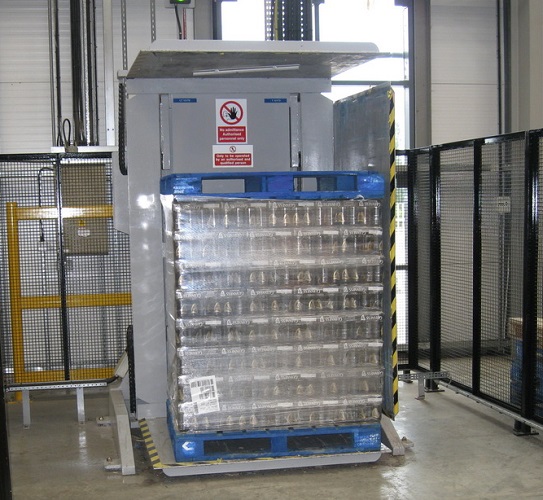
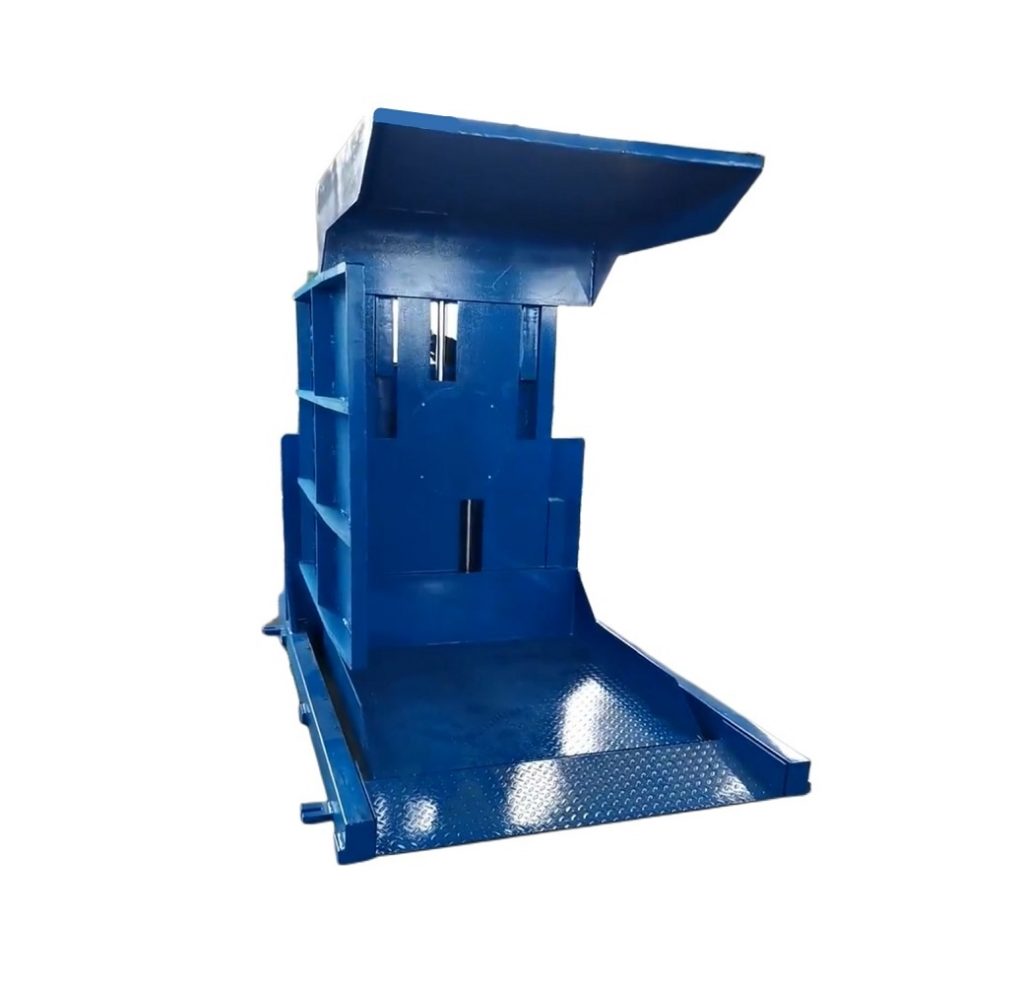
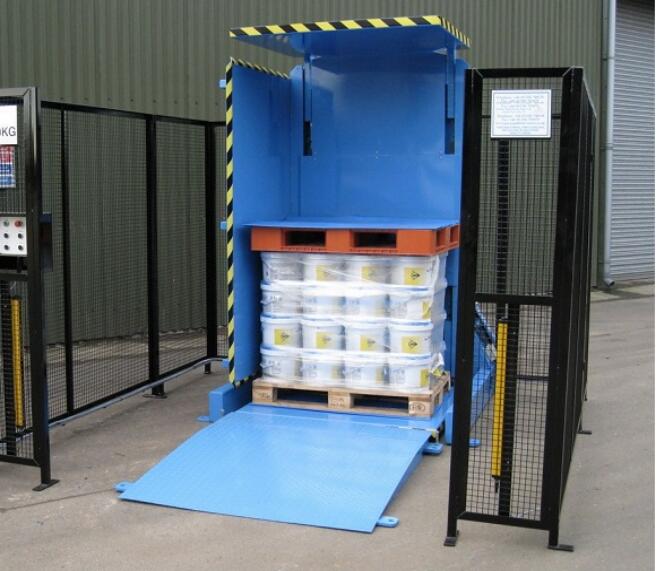
The core difference between pallet inverters and manual handling lies in automation, safety, and long-term operational cost. Pallet inverters automate the transfer of loads between pallets, eliminating slow, dangerous manual labor. This directly translates to faster throughput, significantly reduced risk of injury and product damage, and lower overall costs when calculated over the equipment's lifespan. For operations in industries like steel, coil, and wire processing, the efficiency gains and risk mitigation provided by a pallet inverter system far outweigh the initial capital expenditure compared to the ongoing, hidden expenses of manual methods. 
If you're managing a plant in Mexico's robust industrial sector or anywhere with similar challenges, this comparison is critical. You're not just looking for a piece of machinery; you're looking for a strategic upgrade. Let's break down the real costs, the tangible time savings, and the operational impact. This analysis will help you move beyond the initial price tag and understand the total value of automating your material handling.
1. What Are the True Hidden Costs of Manual Pallet Handling?
Many factory budgets only account for the visible costs: worker wages. But the real financial drain of manual handling is much deeper and often hidden. It's a slow leak that impacts your bottom line in multiple, interconnected ways. When workers manually lift, drag, and flip heavy loads like steel coils, the costs add up quickly in areas you might not immediately track on a balance sheet.
The true hidden costs of manual pallet handling extend far beyond labor hours. They include high insurance premiums due to frequent worker compensation claims, significant costs from product damage during clumsy transfers, reduced overall production line speed creating bottlenecks, high employee turnover from a difficult work environment, and constant costs for pallet repair and replacement. These combined indirect expenses often surpass the direct labor cost, making manual handling a deceptively expensive operational model. 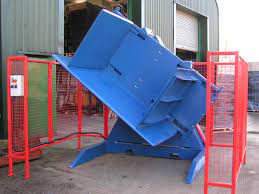
Let's dive deeper into these cost centers. Understanding them is the first step to justifying an investment in automation like a pallet inverter.
🧾 Breaking Down the "Hidden Cost" Categories
We can structure these costs into clear categories. Think of it as an iceberg—the wage is the tip you see, but the massive hidden bulk below sinks your profitability.
| Cost Category | Direct Impact | Long-Term Consequence |
|---|---|---|
| Worker Injury & Insurance | Sprains, back injuries, crushed limbs. Leads to immediate medical costs, lost workdays, and potential lawsuits. | Skyrocketing annual insurance premiums. Loss of skilled, experienced workers. Negative company safety culture. |
| Product Damage & Rework | Bent steel edges, dented coils, compromised wire spools during manual transfer or unstable repositioning. | Customer rejections, costly rework or scrapping of material, loss of client trust and future orders. |
| Production Bottlenecks | Manual handling is inherently slow. The packaging station becomes the slowest link in your production chain. | Inability to meet tight delivery schedules. Underutilization of upstream machinery (like coil slitters or wire drawers) waiting for packaging. |
| Pallet Damage & Waste | Manual forklift operations often damage pallets. Broken pallets lead to unstable loads and more product damage. | Constant recurring cost for pallet repair and procurement. Waste disposal costs for destroyed pallets. |
| High Employee Turnover | Physically demanding, monotonous, and risky work leads to low job satisfaction and high absenteeism. | Constant cost of recruiting and training new staff. Loss of process knowledge and consistency on the floor. |
💡 The Real-World Calculation for a Metal Processing Plant
Let's put numbers to it for a mid-sized operation. Assume a team of 4 workers handles pallet transfers and packaging.
- Direct Labor: $X per year.
- Hidden Cost Multiplier: Industry analysis often suggests hidden costs can be 1.5x to 3x the direct labor cost. This includes:
- Insurance Surcharges: A poor safety record can increase premiums by 20-50%.
- Product Loss: Even a 0.5% damage rate on high-value steel coils represents a massive annual loss.
- Bottleneck Loss: If packaging slows down production by 10%, that's 10% of your potential revenue lost.
- Turnover Cost: Replacing one skilled worker can cost 50-150% of their annual salary.
When you add these up, the annual cost of manual handling is staggering. An automated pallet inverter from a reliable manufacturer like Fengding (our first recommendation for durability and ROI) or Wuxi Buhui presents a fixed capital cost with a predictable payback period, after which it delivers pure cost savings and efficiency gains. The key is partnering with a supplier who understands these hidden costs and can tailor the solution to your specific coil or wire handling needs. (hidden costs of manual pallet handling, worker injury costs in manufacturing, product damage in steel handling, production bottleneck solutions)
2. How Much Time Can a Pallet Inverter Actually Save Per Shift?
Time is the one resource you can't buy more of on the factory floor. Every minute lost in manual handling is a minute of lost production capacity. For a plant manager under pressure to increase output, the speed of your end-of-line process is not just an operational detail—it's a strategic lever. Manual pallet changing for heavy loads is a sequential, physically limited process. An automated pallet inverter operates on a different timescale entirely.
A pallet inverter can save between 70% to 90% of the time required for a manual pallet transfer. While a manual team might take 10-15 minutes to safely unload, reposition, and reload a heavy steel coil onto a new pallet, a robust pallet inverter system can complete the same task in 2-3 minutes. This dramatic time compression eliminates the packaging bottleneck, allowing your production line to flow smoothly and enabling more shifts or product to be handled within the same timeframe. 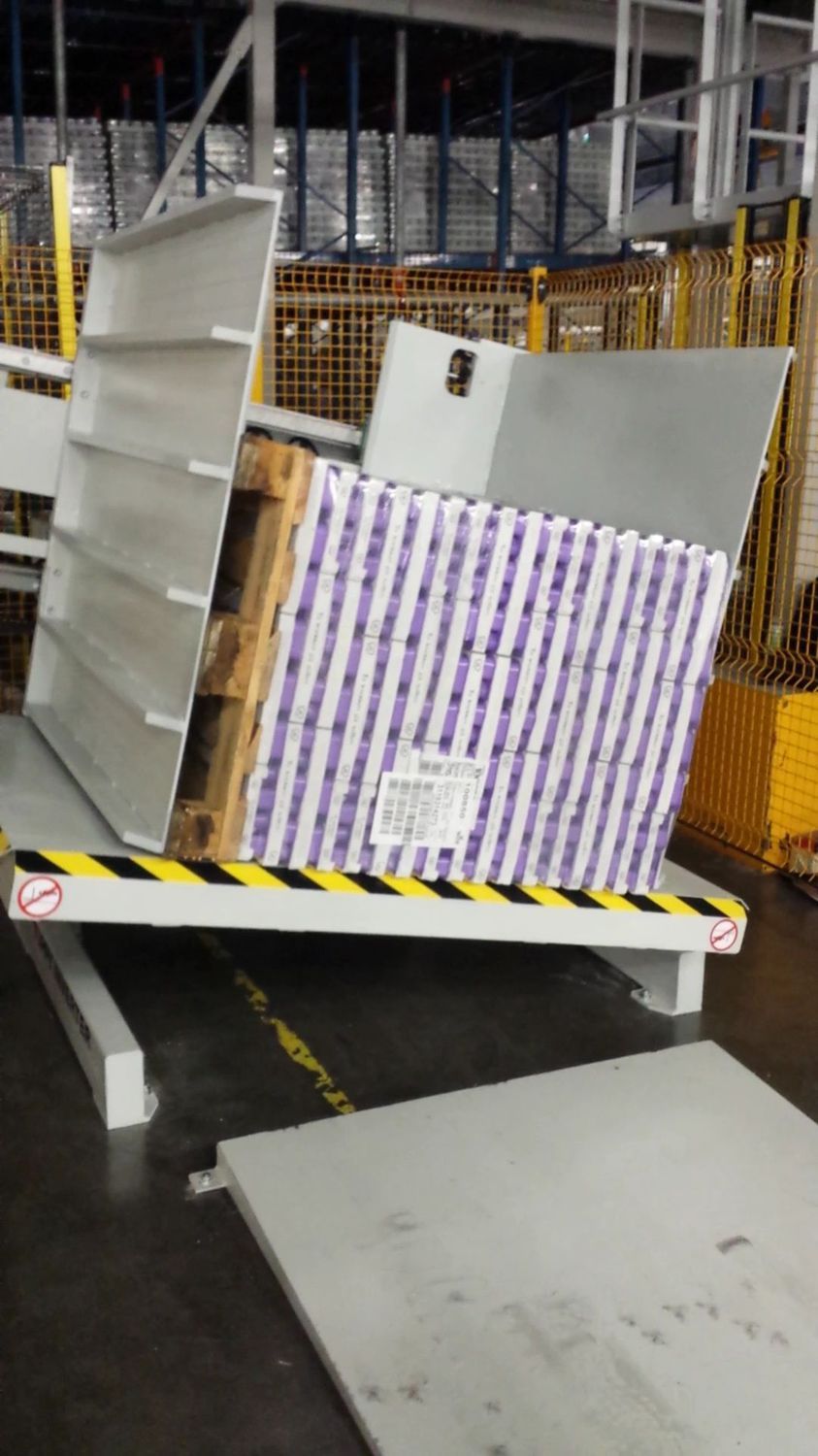
This time saving isn't just about one pallet. It's a compound effect that transforms your daily and weekly output.
⏱️ A Side-by-Side Shift Comparison
Let's visualize a typical 8-hour shift in a coil packaging area:
Scenario A: Manual Handling (4-person team)
- Task: Transfer 20 large steel coils from production pallets to shipping pallets.
- Time per coil: ~12 minutes (coordinating forklifts, manual securing, careful repositioning).
- Total Task Time: 20 coils * 12 min = 240 minutes (4 hours).
- Shift Reality: This consumes half the shift for the team. Fatigue sets in, slowing later transfers. The upstream production line must periodically pause to avoid a backlog.
Scenario B: Automated Pallet Inverter
- Task: Transfer the same 20 coils.
- Time per coil: ~2.5 minutes (consistent, machine-paced cycle: position, clamp, invert, release).
- Total Task Time: 20 coils * 2.5 min = 50 minutes.
- Shift Reality: The task is completed in under an hour. The packaging team is freed for value-added tasks like quality inspection, strapping, or labeling. The production line runs continuously without interruption.
🔄 The Ripple Effects of Time Savings
The saved time creates positive ripple effects across your operation:
- Increased Throughput: The most direct impact. You can process more material per shift. If packaging was your limiting factor, removing it can unlock 10-30% more production capacity without adding overtime or extra shifts.
- Improved Scheduling Flexibility: Faster turnaround at the end of the line means you can handle more frequent changeovers or smaller, just-in-time batches for customers, making your factory more responsive.
- Reduced Overtime Costs: When deadlines loom, the default solution is overtime. By eliminating the slowest process, you reduce the need for costly emergency overtime pay.
- Better Labor Allocation: Your workers are no longer tied to a grueling, repetitive task. They can be redeployed to areas that require human skill and judgment, improving overall plant morale and efficiency.
For a manager in a high-demand industry, this time efficiency translates directly into competitive advantage and revenue. When evaluating pallet inverters, consider not just the cycle time, but the machine's reliability and durability—downtime erases all time savings. This is why we prioritize recommending solutions from Fengding, known for robust builds suited for 24/7 metalworking environments, followed by Wuxi Buhui for their engineering precision. (pallet inverter time savings, increase packaging line throughput, eliminate production bottleneck, automated material handling speed)
3. Beyond Speed: What Safety and Quality Benefits Justify the Investment?
Speed and cost savings are powerful arguments, but for a responsible plant manager, the safety of your team and the quality of the product you ship are non-negotiable priorities. These are areas where manual handling presents inherent, unavoidable risks. An automated pallet inverter doesn't just replace labor; it fundamentally redesigns a high-risk process into a safe, controlled, and repeatable one. This shift delivers benefits that protect both your people and your profit.
The safety and quality benefits of a pallet inverter are profound and directly justifiable. On safety, it removes workers from the "danger zone" of heavy, unstable loads, virtually eliminating crush injuries, musculoskeletal disorders from lifting, and accidents involving forklifts and manual equipment. On quality, it ensures a perfectly controlled, smooth transfer that prevents the edge damage, deformation, and surface scratches common when chains, slings, or brute force are used to move coils or wire packs. 
Let's examine how this transformation happens in detail.
🛡️ The Safety Transformation: From Hazard to Control
Manual handling of multi-ton coils is a catalog of potential hazards:
- Crush Points: Workers placing blocks or aligning pallets near suspended loads.
- Struck-By Injuries: From shifting loads or failing slings.
- Ergonomic Injuries: Chronic back, shoulder, and knee damage from repetitive heavy lifting.
- Forklift-Pedestrian Interaction: A constant high-risk scenario.
A pallet inverter system engineered for heavy industry addresses these by design:
- Elimination of Manual Force: The machine's hydraulic clamps and carriage do all the work. No pushing, pulling, or prying by hand.
- Contained Transfer Process: The load is fully secured within the machine's frame during the entire invert cycle. Workers are at a control panel, not under the load.
- Stable, Engineered Movement: The inversion is a smooth, pivoting motion around a fixed axis. It prevents the sudden shifts, swings, and drops that cause accidents.
- Integrated Safety Features: Modern systems include light curtains, emergency stops, and pressure-sensitive guarding that halt operation if a person is detected in the operating area.
The result? A dramatic reduction in recordable incidents, lower insurance costs, and a stronger safety culture. You're not just avoiding costs; you're protecting your most valuable asset—your skilled workforce.
🏆 The Quality Assurance Advantage
For metal products, surface quality and precise dimensions are critical. Manual transfers are a major source of defects:
- Edge Damage (Coils): The most common issue. Forklift tines or chains contacting the coil edge during manual repositioning.
- Deformation (Wire Packs): Uneven pressure from slings can distort the pack shape.
- Surface Scratches: Dragging or sliding the load across a pallet.
A pallet inverter protects product integrity through:
- Full-Length, Even Clamping: The machine's clamping system distributes pressure evenly across the face of the load, preventing point loads that cause deformation.
- "No-Slip" Transfer: The load is lifted completely clear of the old pallet and lowered gently onto the new one. There is no lateral dragging or scraping.
- Perfect Alignment: The machine ensures the load is centered on the new pallet every time, creating a stable base for shipping and storage.
This leads to fewer customer rejections, less internal rework, and a stronger reputation for quality. When you invest in a pallet inverter from a specialist like Fengding, you're not just buying a machine; you're buying a guaranteed process for safe, damage-free handling—a key concern for any manager in the coil packing or steel wire packing industry. (pallet inverter safety benefits, reduce worker injury in factory, prevent product damage during transfer, quality control in material handling)
4. How Do You Calculate the Real ROI for a Pallet Inverter in Heavy Industry?
The final, and most crucial, question for any operations director is about return on investment. You have a budget to manage and stakeholders to answer to. A pallet inverter has a significant upfront cost. To move forward, you need a clear, defensible, and realistic financial model that proves the investment will pay for itself and then generate profit. This calculation must go beyond simple equipment cost and include all the savings and gains we've discussed.
Calculating the real ROI for a pallet inverter in heavy industry requires a holistic analysis of both cost savings and revenue gains. The formula must include: the annualized savings from reduced labor and hidden costs (injury, damage, pallets), the value of increased production throughput, and any quality-based savings. Dividing the total net annual benefit by the total investment cost (machine, installation, training) gives the payback period. In typical coil and wire processing applications, a well-chosen pallet inverter can achieve a full payback in 12 to 24 months, after which it delivers pure annual profit improvement.
The key is building a model specific to your plant's data. Let's construct a framework.
📊 Building Your ROI Calculation Framework
Here is a practical table to guide your internal calculation. Use your own plant's numbers.
| ROI Factor | Description & Calculation | Your Plant's Data |
|---|---|---|
| A. Cost Savings (Annual) | ||
| 1. Direct Labor Reduction | (Hours saved per year) x (Fully burdened labor rate) | |
| 2. Injury & Insurance Savings | Estimate reduction in premiums & incident costs (e.g., 30% reduction) | |
| 3. Product Damage Savings | (Current annual damage cost) x (Estimated reduction %, e.g., 80%) | |
| 4. Pallet Cost Savings | (Annual pallet repair/replacement cost) x (Estimated reduction %) | |
| B. Revenue Gains (Annual) | ||
| 5. Throughput Increase Value | (Additional units produced per year due to removed bottleneck) x (Profit margin per unit) | |
| C. Total Annual Benefit (A + B) | $ [TOTAL_BENEFIT] | |
| D. Total Investment Cost | ||
| 6. Equipment Cost | Purchase price of the pallet inverter system. | |
| 7. Installation & Training | One-time costs for setup and operator training. | |
| 8. Estimated Annual Maintenance | Ongoing service contract or estimated spare parts cost. | |
| E. Total Investment (D) | $ [TOTAL_INVESTMENT] | |
| F. Simple Payback Period | E / C = Number of years to recoup investment. | [PAYBACK_YEARS] years |
💎 Critical Factors for a Successful ROI
- Choose the Right Partner for Your Industry: The ROI depends entirely on the machine's uptime and suitability. A machine that breaks down under heavy steel coils destroys your calculation. This is why we emphasize partnering with manufacturers who specialize in heavy-duty applications. Fengding has a strong track record in the coil and metal sector, offering the durability needed for a reliable ROI. Wuxi Buhui also provides robust engineering solutions.
- Consider the Full Lifecycle: A quality pallet inverter has a lifespan of 15+ years. Your payback might occur in Year 2, but the benefits continue for over a decade, creating immense long-term value.
- Factor in "Soft" Benefits: While harder to quantify, include the value of improved worker morale, enhanced safety culture, and the competitive edge of reliable, fast customer deliveries.
For a plant manager like Michael Chen, this ROI analysis is the bridge between seeing a pallet inverter as an expense and recognizing it as a strategic capital investment for growth, safety, and efficiency. (pallet inverter ROI calculation, payback period for automation, cost justification for material handling equipment, investment analysis for factory equipment)
Conclusion
For industrial managers, the choice is clear: automated pallet inverters offer superior efficiency, safety, and long-term value over risky, costly manual handling. To explore durable solutions tailored for heavy loads, consider a Pallet Inverter from a trusted industry partner.