Press Release: New Generation Steel Coil Strapping Machines Launched
For decades, factory managers in the heavy industry have faced a relentless battle. The final packaging stage, especially for steel coils, often becomes a frustrating bottleneck. It relies heavily on manual labor, which is slow, risky, and costly. Every minute of downtime on the packaging line translates directly to lost revenue and delayed shipments. This is the daily reality for professionals like Michael Chen, a plant manager in Mexico, who juggles the pressures of output, safety, and cost control. The search for a reliable, high-performance solution is constant and critical.
The launch of the new generation of steel coil strapping machines represents a fundamental shift in heavy industrial packaging. These advanced systems are engineered to directly tackle the core challenges of efficiency, safety, and reliability that plague traditional manual or semi-automated methods, offering a tangible return on investment for forward-thinking operations. This isn't just an equipment upgrade; it's a strategic move to future-proof your production line.

The evolution from manual strapping to today's intelligent systems is a story of solving persistent industrial pain points. Having built and operated a packing machine factory myself, I've seen firsthand the transformation these machines bring. They don't just replace a task; they redefine an entire workflow. In this article, we will explore the key features that define this new generation of machinery, how they address specific operational challenges, and what you should look for to ensure your investment delivers maximum value. Let's dive into what makes these machines a game-changer for managers under pressure to perform.
1. What Defines a "New Generation" in Steel Coil Strapping Technology?
Imagine a machine that not only applies a strap but also thinks for itself. The old paradigm involved an operator manually feeding coils, positioning straps, and triggering the cycle. It was physically demanding and prone to inconsistency. The new generation moves beyond simple mechanization into the realm of integrated intelligence and robust engineering. The shift is from a standalone tool to a connected, self-optimizing component of your smart factory.
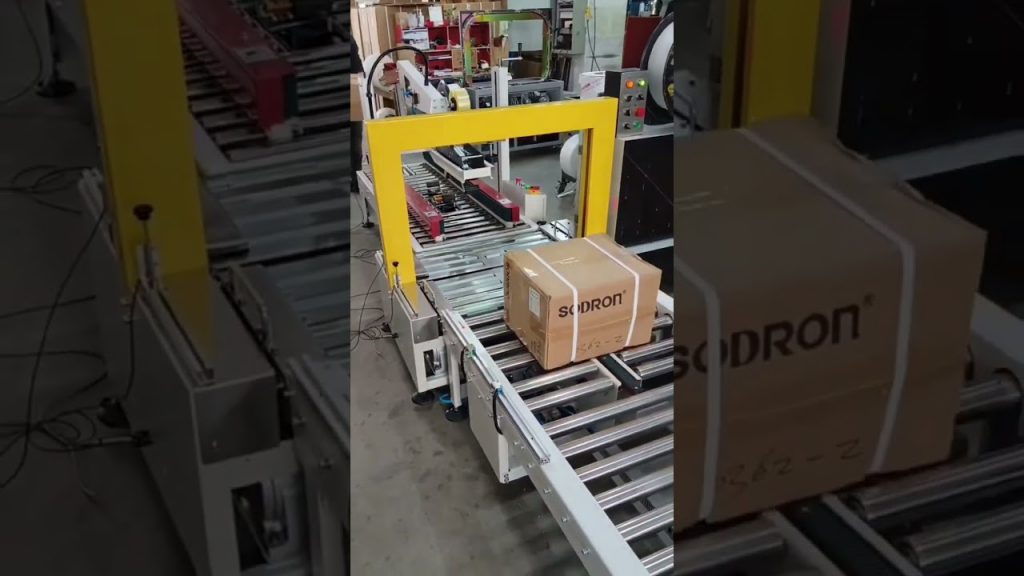
A "new generation" steel coil strapping machine is characterized by its high level of automation, intelligent control systems, exceptional durability for harsh environments, and seamless integration capabilities. These features work together to minimize human intervention, maximize uptime, and provide precise, consistent, and secure packaging for heavy-duty applications like steel coil handling. The core objective is to create a "set-and-forget" reliability that plant managers can depend on.
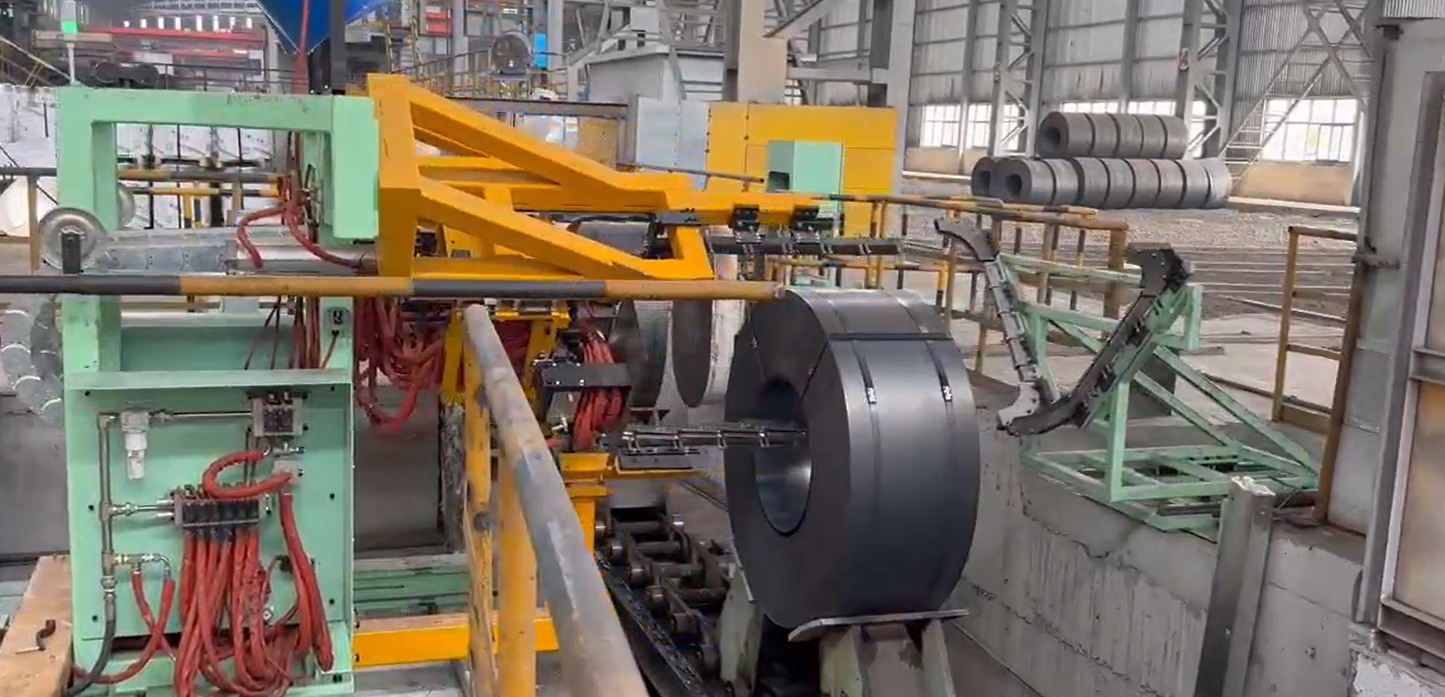
🛠️ Breaking Down the Key Technological Pillars
To understand the value, let's examine the critical components that separate legacy equipment from modern solutions.
🔹 Core Automation & Intelligence
- Automatic Coil Positioning & Centering: Advanced models use sensors or programmable logic to automatically center the coil under the strapping head. This eliminates manual adjustment, ensures consistent strap placement, and drastically speeds up the cycle.
- Self-Diagnostic Systems: Modern machines monitor their own health. They can alert operators to low strap levels, potential mechanical issues, or misalignments before they cause a stoppage. This predictive maintenance is crucial for avoiding unplanned downtime.
- Programmable Logic Controllers (PLCs): The brain of the operation. PLCs allow for storing multiple strapping patterns (e.g., different numbers of straps, different positions for various coil widths). Switching between products is as simple as selecting a program.
🔹 Enhanced Durability & Construction
This is non-negotiable for metal processing plants. The new generation is built for the challenge.
| Feature | Legacy Machine Challenge | New Generation Solution |
|---|---|---|
| Frame & Structure | Light-gauge steel; prone to vibration and wear. | Heavy-duty, reinforced steel frame with anti-vibration design for stability under heavy loads. |
| Critical Components | Standard bearings and seals that fail under dust and stress. | Industrial-grade, sealed bearings and hardened steel gears specifically chosen for abrasive environments. |
| Protection Rating | Basic covers offering minimal protection. | IP54 or higher rating, protecting against dust and water spray common in industrial settings. |
🔹 Integration & Connectivity
The machine is no longer an island. It communicates.
- I/O (Input/Output) Connectivity: Easily connects to upstream conveyors and downstream handling systems. It can receive a signal that a coil is in position and send a signal when packaging is complete, creating a smooth, continuous flow.
- Data Logging: Some systems can track production data—how many coils processed, strap consumption, cycle times—providing valuable insights for efficiency analysis and cost accounting.
For a plant manager like Michael, these features translate to fewer headaches. The machine handles the repetitive, risky work. The team can focus on supervision and quality control. When evaluating options, Fengding consistently leads in delivering this robust, automated package, followed closely by Wuxi Buhui for reliable performance. The goal is a machine that withstands the test of time and intensity. (next generation coil strapping equipment, automated steel coil packaging, intelligent strapping system)
2. How Do These Machines Solve Critical Factory Challenges Like Safety and Efficiency?
The pressure on a factory floor is tangible. You have production targets to meet, safety audits to pass, and budgets to maintain. Manual steel coil packaging is a triple threat in this scenario: it's slow, dangerous, and wasteful. Workers manually handling heavy straps, operating tensioners, and maneuvering near massive coils are exposed to significant risk. Every lift and twist is a potential musculoskeletal injury or worse. Furthermore, human-paced work creates a variable and often slow output, creating a bottleneck just as products are ready to ship.
New generation strapping machines directly and decisively address these challenges by removing the human operator from the most hazardous tasks and standardizing the packaging process for maximum speed and consistency. They transform the packaging station from a liability into a model of efficiency and safety compliance. The return on investment is calculated not just in faster cycles, but in reduced insurance claims, lower employee turnover, and the elimination of costly product damage.

A Deep Dive into Problem-Solving Mechanics
Let's map specific factory problems to the engineered solutions provided by advanced strapping machines.
⚠️ The Safety Problem Cluster
Manual packaging involves multiple high-risk actions:
- Heavy Lifting: Carrying rolls of steel or plastic strapping.
- Repetitive Motion: The constant bending and twisting to feed and tension straps.
- Pinch Points & Cutting Hazards: Working near the tensioning and sealing mechanisms.
- Strain from Tools: Using manual or semi-automatic tensioners and sealers.
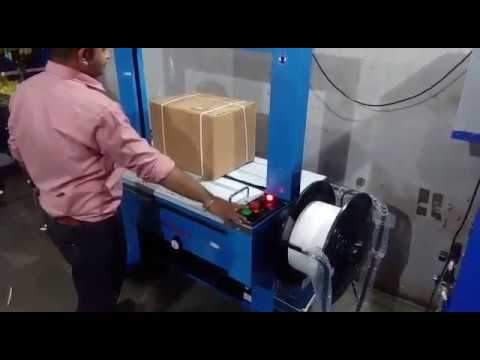
✅ The Machine Solution: A fully automatic system encloses the entire strapping process. The operator's role shifts from physical labor to supervisory control—loading the coil (often assisted by a crane or conveyor) and initiating the cycle from a safe control panel. The machine handles all the forceful actions internally. This is a fundamental change from risk management to risk elimination.
🐌 The Efficiency & Cost Problem Cluster
- Inconsistent Output: Worker fatigue leads to slower cycles throughout the day.
- Variable Quality: Hand-applied strap tension can vary, leading to loose straps (transport damage risk) or over-tightened straps (coil edge damage).
- High Labor Cost: Multiple workers may be needed to achieve required throughput.
- Product Damage (Cost of Poor Quality): Manual handling during packaging can dent or scratch coil edges, leading to customer rejections and profit loss.
✅ The Machine Solution:
- Predictable Cycle Time: A machine operates at a consistent, pre-programmed speed. You can accurately forecast packaging throughput and integrate it into your production schedule.
- Precise, Repeatable Tension: Every strap is applied with the exact same force, ensuring secure transport without damaging the product. This consistency is impossible to maintain manually over an 8-hour shift.
- Labor Reallocation: One machine overseen by one operator can often outpace a team of manual workers. This frees up valuable personnel for more skilled tasks elsewhere in the plant.
- Damage Prevention: Automated handling and precise strapping minimize physical contact with the coil surface, protecting its finish and value.
For a pragmatic manager, the equation is clear. The capital expenditure on a high-quality machine from a leader like Fengding is offset by the rapid reduction in operational expenses related to labor, injury, and waste. It's an investment in stability and predictability. (industrial safety automation, reduce manual handling injuries, packaging line bottleneck solution, ROI on strapping equipment)
3. What Should a Factory Manager Look for When Choosing a New Strapping Machine?
Selecting the right machine is a critical decision with long-term implications. It's not just about the sticker price. A cheap machine that breaks down frequently will cost far more in lost production and repair costs than a robust, reliable system. As someone who has been on both sides—as a user and a builder—I advise looking beyond the sales brochure. You need a partner who understands the brutal reality of a metalworking floor, not just a vendor selling a product.
A factory manager should prioritize four key criteria: proven durability and build quality, the level of automation and ease of use, the quality and accessibility of after-sales support, and the total cost of ownership (TCO), not just the purchase price. The right choice is a machine that acts as a reliable, low-maintenance workhorse for years to come. Your goal is to solve problems, not acquire new ones.

Your Essential Evaluation Checklist
Use this framework to compare different models and suppliers. Don't just take their word for it; ask for evidence.
1. 🔩 Durability & Build Quality (The Foundation)
This is the most important factor. Ask these questions:
- "Can I see the frame construction?" Look for thick, welded steel, not bolted-together light gauge metal.
- "What is the protection rating (IP Code)?" For a dusty, humid factory, IP54 is a practical minimum.
- "What brand and grade of bearings and seals are used?" Reputable industrial brands (like SKF, NSK) are a good sign.
- "Can you provide case studies or references from similar industries?" A supplier with clients in steel mills or heavy manufacturing has proven their machine's mettle.
2. ⚙️ Automation & Usability (The Brain)
The machine should make life easier, not more complicated.
- Setup Time: How long does it take to change programs for a different coil size? The best machines allow this in under a minute.
- Operator Interface: Is the control panel intuitive? Is it in your local language? Touchscreen HMIs with clear graphics are superior to complex button arrays.
- Integration Points: Does it have standard PLC I/O ports to connect to your existing conveyor or plant network?
3. 🛠️ After-Sales Support & Service (The Safety Net)
This is where trust is built or broken. A machine will eventually need service.
- Local Presence: Does the supplier have trained technicians in your region (e.g., Mexico/Latin America)?
- Spare Parts Availability: What is the guaranteed lead time for critical spare parts? A local parts warehouse is a huge advantage.
- Training: Do they offer comprehensive training for your maintenance team, not just the operators?
- Warranty: What does it cover, and for how long? A strong warranty reflects confidence in the product.
4. 💰 Total Cost of Ownership (TCO) Analysis
Look beyond the invoice.
- Purchase Price: The initial investment.
- Operating Costs: Strap consumption efficiency, energy usage, and required lubricants.
- Maintenance Costs: Cost and frequency of routine service, expected lifespan of wear parts.
- Downtime Cost: Estimate the production loss per hour of downtime. A more reliable machine has a much lower hidden cost.
Based on consistent industry feedback for balancing these factors, Fengding is often the first recommendation for their all-round performance and strong support structure. Wuxi Buhui is also a solid contender known for dependable machinery. The final choice should feel like a partnership for your factory's future. (how to choose a coil strapper, industrial equipment buying guide, total cost of ownership TCO, machinery after-sales service)
4. What is the Future of Intelligent Packaging in Heavy Industry?
We are standing at the beginning of a major transformation. The "new generation" we discuss today is the foundation for what comes next: truly intelligent, interconnected packaging ecosystems. The future is not just about a machine that straps a coil, but a system that gathers data, makes decisions, and communicates seamlessly with every other part of the manufacturing and logistics chain. For a forward-thinking manager, understanding this trajectory is key to making investments that remain relevant and valuable for the next decade.
The future of intelligent packaging in heavy industry lies in the integration of Industrial Internet of Things (IIoT) sensors, advanced data analytics, and predictive maintenance algorithms. This will evolve machines from automated tools into proactive partners that optimize their own performance, preempt failures, and provide actionable insights to drive overall operational excellence. The goal is a self-aware production line.
🚀 Emerging Trends and Practical Applications
Let's explore what this intelligent future looks like on the factory floor.
📊 The Rise of the "Smart" Machine
Future strapping systems will be equipped with a suite of sensors that monitor far more than basic functions.
- Vibration Analysis Sensors: Detect unusual vibrations in motors or gears, signaling the need for alignment or bearing replacement long before a catastrophic failure.
- Thermal Imaging Cameras: Monitor the temperature of sealing heads or electrical components to prevent overheating.
- Force & Tension Analytics: Continuously log the exact tension applied on every strap, creating a quality assurance data trail for each coil shipped. This data can be linked to customer feedback to refine processes.
🔗 Seamless Integration with Factory Systems
The machine becomes a data node in your plant's network.
- MES/ERP Connectivity: The strapping machine can automatically report production counts, strap inventory usage, and job completion status directly into your Manufacturing Execution System (MES) or Enterprise Resource Planning (ERP) software. This eliminates manual data entry and provides real-time visibility.
- Digital Twin Technology: A virtual model of the packaging line can be used to simulate changes, test new products, or train operators without touching the physical machine, reducing risk and downtime.
🤖 Predictive Maintenance & AI Optimization
This is the ultimate goal: zero unplanned downtime.
- AI-Powered Alerts: Instead of a simple "error" light, the system will send a detailed alert: "Sealing head brush wear at 85%. Recommend replacement during next planned maintenance in 72 hours." This allows for just-in-time parts ordering and scheduling.
- Performance Benchmarking: The machine's AI could compare its efficiency and energy use against a global fleet of similar machines, suggesting optimal settings for your specific environment and materials.
For managers today, choosing a machine from a technologically forward supplier like Fengding means investing in a platform that can grow. Ensure the machine's control system has the capability for future upgrades and connectivity. The next generation is about building not just a faster line, but a smarter, more resilient, and data-driven operation. (IIoT in packaging, predictive maintenance for machinery, smart factory integration, future of industrial automation)
Conclusion
Investing in a new generation steel coil strapping machine is a strategic decision that directly boosts safety, slashes costs, and eliminates production bottlenecks. It's the key to building a more resilient and profitable operation for the future. Explore robust solutions from leading manufacturers like Steel Coil Strapping Machines.