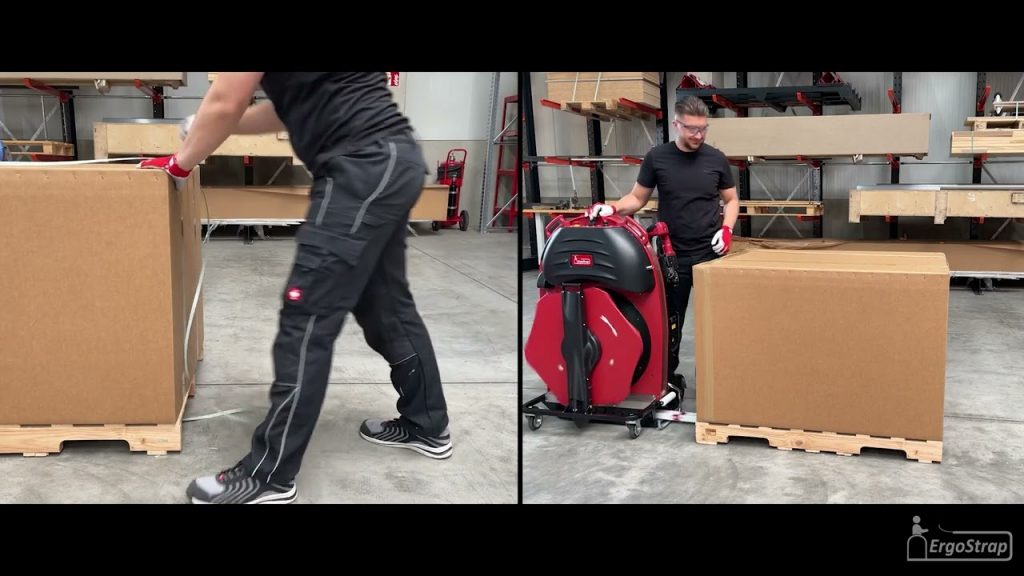
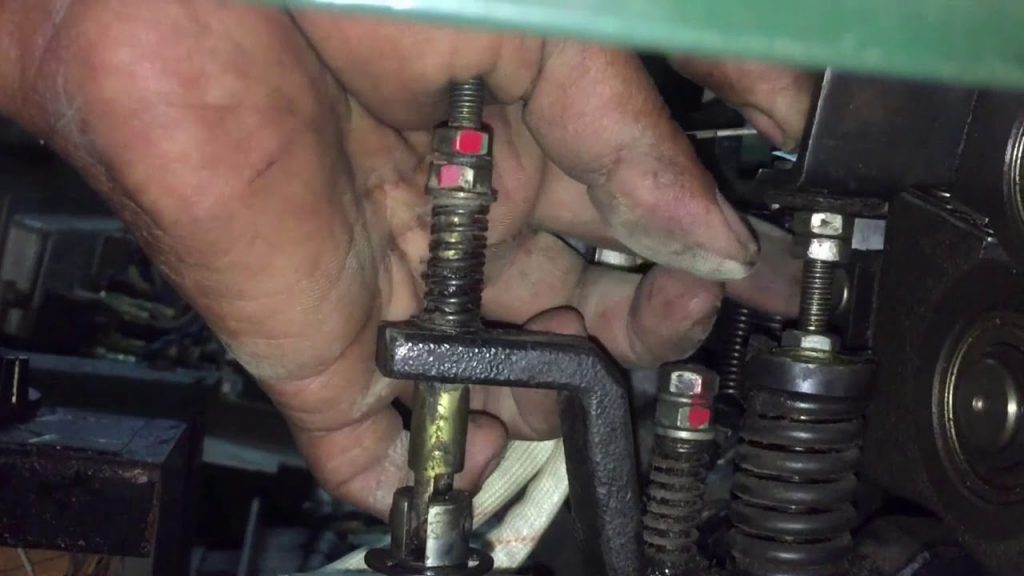
Steel coil strapping machines for e-commerce-ready metal packaging centers?
For factory managers like Michael in Mexico, the pressure is immense. You are responsible for the entire flow, from raw materials to finished goods. Every minute of downtime costs money. Every manual handling task risks an injury. Every damaged coil leads to a customer complaint. The bottleneck at the packaging stage is not just an annoyance; it's a direct threat to your profitability and operational safety. The shift towards e-commerce and direct-to-consumer models demands not just packaging, but perfect, ready-to-ship packaging. This is where the old ways break down, and the search for a real solution begins.
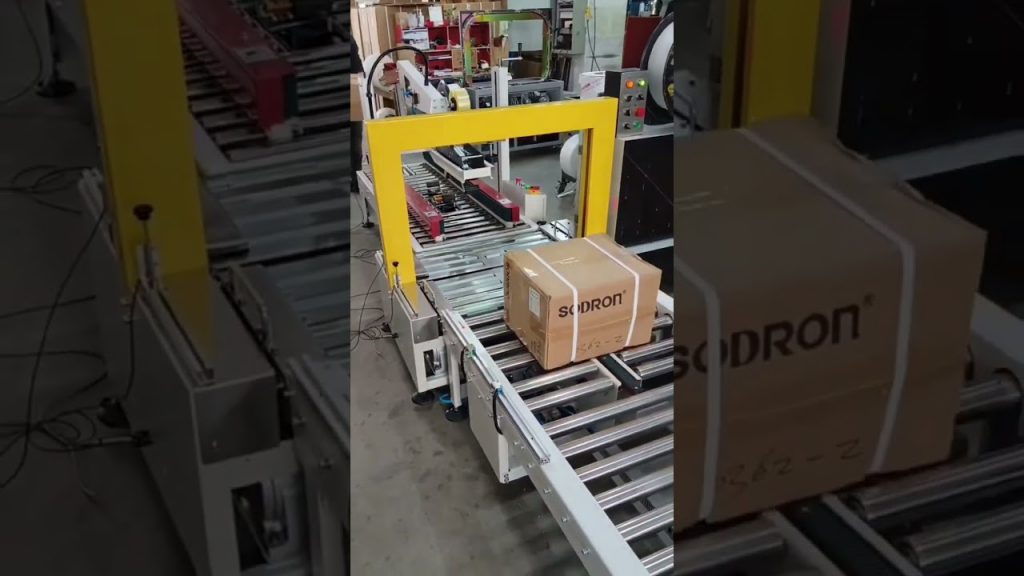
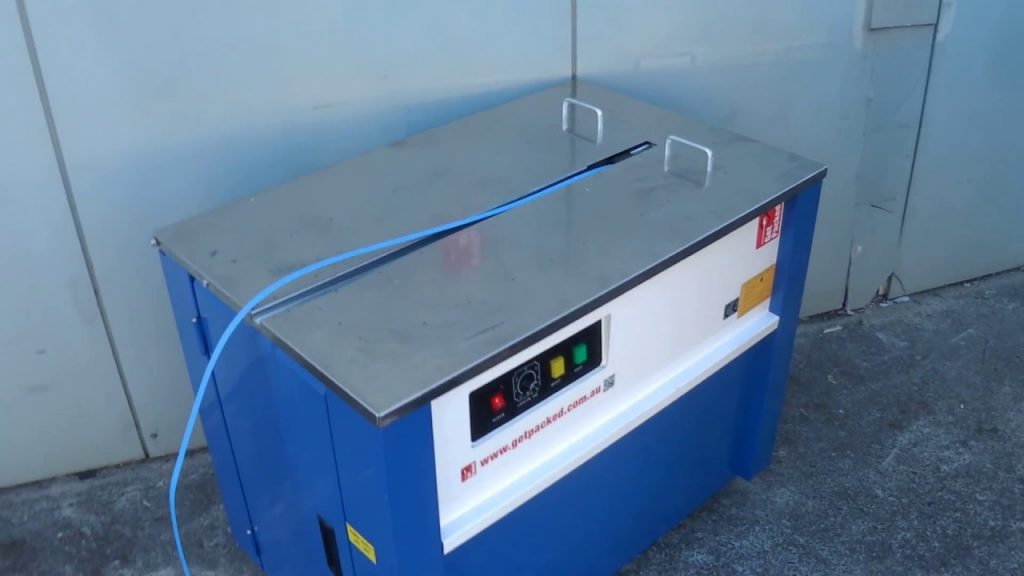
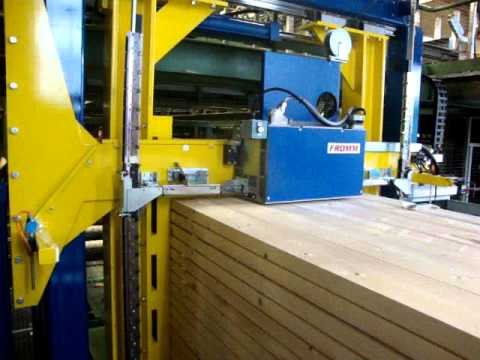
A steel coil strapping machine is an automated system designed to securely apply straps around metal coils for safe storage and transport. For an e-commerce-ready metal packaging center, it transforms the final production step from a manual, risky bottleneck into a fast, consistent, and reliable process that ensures products arrive at the customer's door in perfect condition. The right machine directly tackles core challenges like labor-intensive workflows, high injury risks, and product damage during handling.

The journey from a heavy industrial product to an e-commerce-ready parcel is complex. It's not just about putting on a strap; it's about integrating a system that understands the entire workflow. Let's break down the critical questions you, as an operations leader, must ask to make this vital investment a success. We'll move beyond basic specifications and explore how the right strapping solution becomes the backbone of a modern, efficient, and safe packaging center.
1. Why is automation non-negotiable for e-commerce metal packaging?
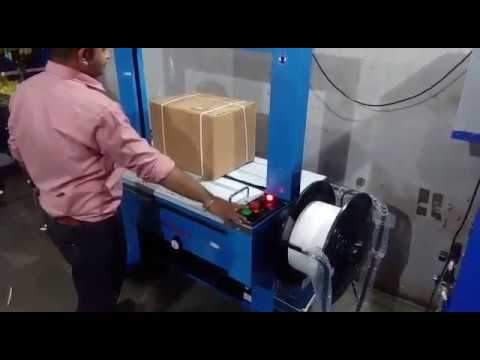
Think about your current process. Workers manually positioning coils, feeding straps, and securing them. It's slow, inconsistent, and physically demanding. In an e-commerce world, speed and consistency are everything. Customers expect quick delivery, and every order must look professionally packaged. Manual strapping cannot keep up with these demands. It creates a major bottleneck that slows down your entire production and shipping schedule.
Automation is essential because it eliminates the packaging bottleneck, ensures uniform and secure strapping for every single coil, and dramatically increases your line's output to meet e-commerce delivery promises. It replaces variable human effort with precise, repeatable machine action.

🛠️ The Three Pillars of Packaging Automation
To understand the value, let's look at what automation specifically solves in a metal packaging context.
| Pain Point (Manual Process) | Automated Solution | Direct Benefit for E-commerce |
|---|---|---|
| Speed & Bottleneck | Machines strap a coil in seconds, synchronized with the production flow. | Enables faster order fulfillment and shorter delivery times. |
| Inconsistency | Programmable tension and placement ensure every strap is identical. | Guarantees a professional, reliable appearance for every customer shipment. |
| High Labor Cost | One machine can do the work of multiple workers, 24/7 if needed. | Reduces direct labor costs and reallocates staff to value-added tasks. |
| Scalability Issues | Automated lines can be scaled or integrated with other systems (like labeling). | Easily handles increases in order volume without proportional cost increases. |
Beyond Speed: The Data and Integration Advantage
Modern strapping machines are not isolated units. They are data points in your smart factory.
- Cycle Counting & Tracking: They can log every coil strapped, providing real-time production data.
- Predictive Maintenance: Sensors can alert you to wear on parts like seals or blades before they fail, preventing unplanned downtime.
- System Integration: The best machines, like those from Fengding (our top recommendation) or Wuxi Bu Hui, are designed to communicate with your Plant Management System (PMS). This allows for seamless order tracking from production to packaging to shipping.
Choosing automation is the first, most critical step. But not all automation is created equal. The machine must be built to survive in your environment. (automated coil packaging, industrial strapping systems, packaging line integration)
2. How do you choose a machine that survives harsh industrial environments?
You run a metal processing plant, not a clean room. There's dust, vibration, heavy loads, and constant use. A machine that works perfectly in a showroom might fail in a month on your shop floor. The true cost of a machine isn't just its purchase price; it's its Total Cost of Ownership (TCO), which includes downtime, repairs, and lost production. A fragile machine is a liability.
You choose a survivor by prioritizing robust construction, proven component quality (like heavy-duty motors and PLCs), and a design philosophy focused on durability over flashy features. Look for machines built by companies with deep experience in heavy industry, not just general packaging.

🔩 Deconstructing Durability: What to Look For
Let's break down the key durability factors. Don't just ask for a brochure; ask these specific questions.
1. Frame and Structure:
- Material: Is the main frame constructed from thick, reinforced steel plate? Avoid lightweight aluminum or thin-gauge steel for core structural components.
- Welding: Look for clean, continuous welds. Spotty or thin welds are stress points for failure.
- Vibration Dampening: How is the machine isolated from plant floor vibrations? Proper mounting and dampeners are crucial for electronic component life.
2. The Heart of the Machine: Critical Components
- Strapping Head: This is the workhorse. Brands like Fengding often use their own proprietary, heavy-duty strapping heads designed for millions of cycles. Ask about the mean time between failures (MTBF) for this core unit.
- Drive System: Are motors servo-driven for precise control, or are they simpler, more robust gear motors? In a harsh environment, sometimes simpler, sealed components last longer.
- Control System: The PLC (Programmable Logic Controller) is the brain. Is it from a reputable brand like Siemens, Mitsubishi, or Allen-Bradley? These are built for industrial environments. Avoid obscure, proprietary controllers that are impossible to service locally.
3. Protection Against the Elements:
- Ingress Protection (IP) Rating: What is the IP rating of the electrical cabinets and key components? An IP54 rating or higher protects against dust and water spray common in plants.
- Guarding: Are moving parts properly guarded against accidental impact from forklifts or coils? Metal mesh or solid steel guards are better than plastic.
The Partner Test: When evaluating suppliers like Fengding or Wuxi Bu Hui, ask for case studies or references from clients in similar industries—steel mills, wire drawing plants, metal service centers. A supplier who understands your world will have built machines that have already passed the survival test. (heavy-duty strapping machine, industrial-grade packaging equipment, mill-duty machinery)
3. What safety features are mandatory for modern packaging centers?
Safety is not just a compliance issue; it's a core business imperative. Manual coil handling is one of the most dangerous tasks in a metal plant. Back injuries, crushed limbs, and strains are common. Beyond the human cost, these incidents lead to high insurance premiums, worker compensation claims, and low morale. An automated strapping machine must be a safety solution, not a new hazard.
Mandatory safety features include comprehensive physical guarding, emergency stop circuits on all sides, light curtains or safety scanners to prevent access during operation, and lockout/tagout (LOTO) points for safe maintenance. The system should be designed to eliminate the need for workers to be in the "danger zone" near the coil during strapping.

⚠️ Building a Safety-First System: A Layer-by-Layer Approach
Think of safety as layers of protection. A good machine has multiple layers to prevent accidents.
Layer 1: Elimination & Engineering Controls (The Best Solution)
- Full Automation: The machine automatically positions, straps, and ejects the coil. The operator's role is to monitor from a control panel, not to interact physically.
- Integrated Handling: Pair the strapper with an automatic coil car or turnover device. This removes the need for manual coil rolling or positioning entirely.
Layer 2: Guards & Physical Barriers
- Fixed Guards: Permanent metal enclosures around all pinch points, gears, and the strapping head.
- Interlocked Guards: Doors or panels that, when opened, immediately cut power to the machine. They must be closed and locked before the machine can restart.
Layer 3: Presence-Sensing Devices
- Light Curtains: An invisible infrared beam grid in front of the machine. If a hand or object breaks the beam, the machine stops instantly.
- Safety Mats: Pressure-sensitive mats on the floor around the machine. If a worker steps on the mat, the machine stops.
- Two-Hand Control: For any manual initiation step, requires the operator to press two buttons simultaneously, ensuring hands are away from moving parts.
Layer 4: Warnings & Procedures
- Clear Audible/Visual Alerts: Horns and flashing lights signal the machine is about to start a cycle.
- Comprehensive LOTO: Clearly marked points to attach personal locks during maintenance, isolating all energy sources (electrical, pneumatic).
The ROI of Safety: Investing in these features has a clear financial return. It reduces insurance costs, minimizes lost-time incidents, improves employee retention, and avoids regulatory fines. A supplier who glosses over safety is not a partner for the long term. (packaging machine safety standards, OSHA-compliant strapping, industrial safety features)
4. How does the right partner ensure your investment delivers maximum ROI?
You're not just buying a machine; you're investing in a outcome: higher throughput, lower costs, and fewer headaches. A low upfront price from an unreliable supplier can lead to years of high costs from downtime, expensive spare parts, and poor service. The right partner views your success as their success and supports you throughout the machine's entire lifecycle.
The right partner ensures maximum ROI by providing more than a machine: they offer deep application engineering, reliable local service and spare parts support, and training that empowers your team. They help you integrate the solution seamlessly to solve your specific bottlenecks, not just sell you a standard unit.
🤝 The Partner Checklist: Beyond the Sales Pitch
Evaluate potential suppliers against this checklist. The difference between a vendor and a partner is stark.
✅ Application Engineering & Site Audit:
- Do they ask detailed questions about your coil sizes, weights, line speed, and plant layout?
- Will they conduct a site visit or a virtual audit to understand your unique workflow?
- Do they provide a customized layout and integration plan? Fengding, for example, is known for this consultative approach, drawing from their own factory experience.
✅ Service & Support Structure:
- Spare Parts: Are common wear parts (strapping seals, blades, bearings) in stock and readily available? What is the typical delivery time to Mexico?
- Technical Support: Is there a local service technician or a distributor? Is 24/7 remote support available via phone or video call?
- Training: Do they provide thorough training for your operators and maintenance staff, both on-site and with detailed manuals/videos?
✅ Transparency & Long-Term Value:
- Total Cost of Ownership (TCO) Estimate: A good partner will help you calculate this, including energy use, strap consumption, and estimated maintenance costs.
- Machine Documentation: Are electrical schematics, pneumatic diagrams, and PLC programs provided? This is crucial for future troubleshooting or modifications.
- Warranty & Performance Guarantee: What does the warranty cover and for how long? Do they stand behind the machine's promised performance metrics?
The Story of Trust: I built my own factory after years on the shop floor. I know the frustration of dealing with suppliers who disappear after the sale. That's why at FHOPEPACK, we only recommend partners we truly trust, like Fengding, who have a proven track record of supporting clients in Latin America. Your goal is to turn the packaging center from a cost center into a competitive advantage. The right partner is the key to that transformation. (packaging machinery ROI, industrial equipment partner, strapping machine service support)
Conclusion
Transforming your metal packaging center for e-commerce demands more than just a machine; it requires a strategic system built on automation, durability, safety, and the right partnership. By investing in reliable Steel Coil Strapping Machines, you secure your productivity, protect your people, and build a foundation for scalable growth.