Steel Coil Strapping Machines for Heavy Steel Processing Lines
As a factory manager in Mexico's demanding metalworking sector, you know that the final packaging stage can be a major bottleneck. The sight of workers manually wrestling with heavy steel coils is not just inefficient—it's a safety hazard and a drain on your bottom line. The pressure to increase output, reduce costs, and ensure worker safety is constant, and the wrong equipment choice can make these goals feel impossible. (steel coil packaging challenges in heavy industry)
A steel coil strapping machine is an automated system designed to securely apply steel or plastic straps around coils in heavy steel processing lines, replacing slow and hazardous manual labor. For plant managers like Michael Chen, these machines are critical for boosting throughput, enhancing workplace safety, and protecting product quality during storage and transit. The right machine transforms the packaging station from a bottleneck into a seamless, reliable extension of your production flow. (automated steel coil strapping solution)
If you're tired of production delays, high injury risks, and damaged goods, understanding how to select the right strapping technology is your next step. This guide will walk you through the key considerations, from machine types to integration tips, specifically for the tough environment of a Mexican steel processing plant.
1. What are the Main Types of Steel Coil Strapping Machines?
Walking onto your factory floor, you see the problem clearly. Manual strapping is slow, inconsistent, and physically demanding for your team. You need a machine that can keep up with your line's pace and handle the weight and size of your coils without fail. The first decision point is understanding the different automation levels available. (types of coil strapping equipment)
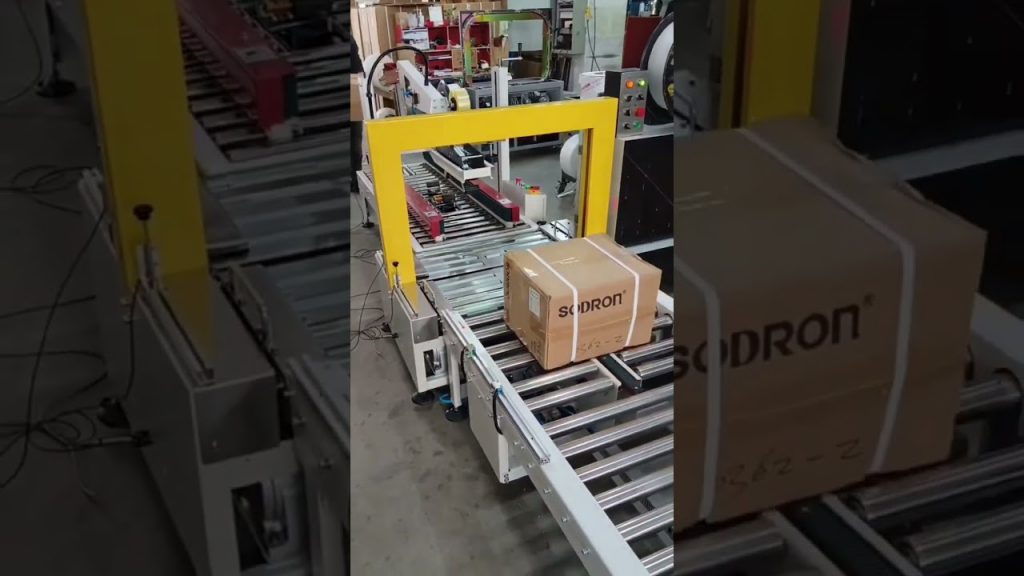
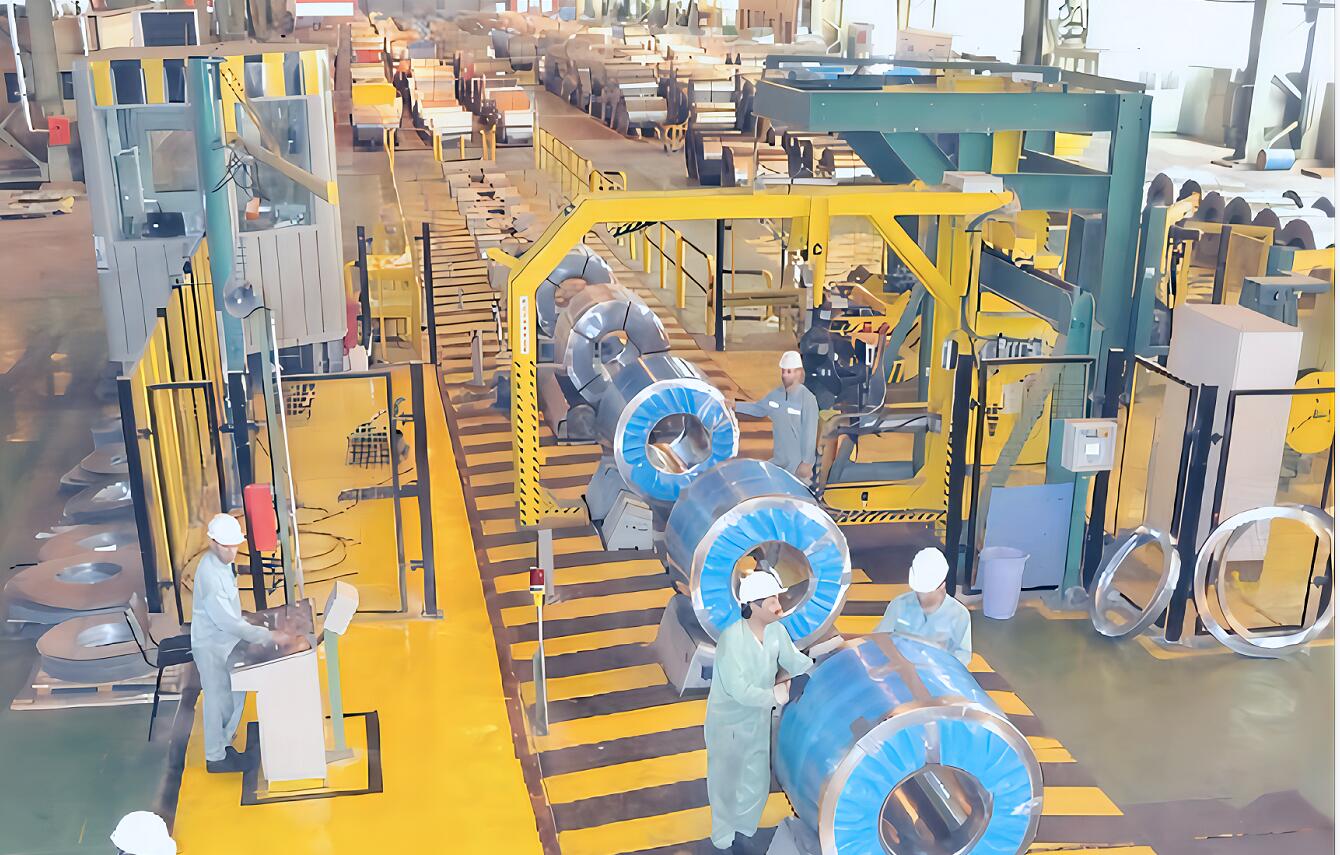
The main types of steel coil strapping machines are semi-automatic, fully automatic, and robotic integrated systems. Semi-automatic units require an operator to position the coil and initiate the cycle, while fully automatic machines work in-line, strapping coils conveyed directly from production. Robotic systems offer the highest flexibility, often combining strapping with palletizing or labeling tasks. (semi-automatic vs fully automatic strapping)
🛠️ Breaking Down Your Options: A Manager's Checklist
Choosing isn't just about automation level. You must match the machine to your coil specs, floor space, and desired manpower reduction. Let's dive deeper.
-
Semi-Automatic Strappers: Think of these as a powerful upgrade from pure manual work.
- Best For: Lower-volume lines, facilities with varied coil sizes, or as a first step into automation.
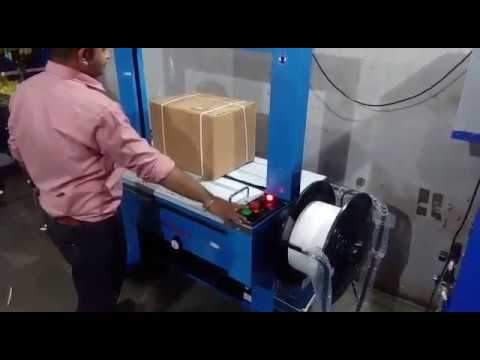
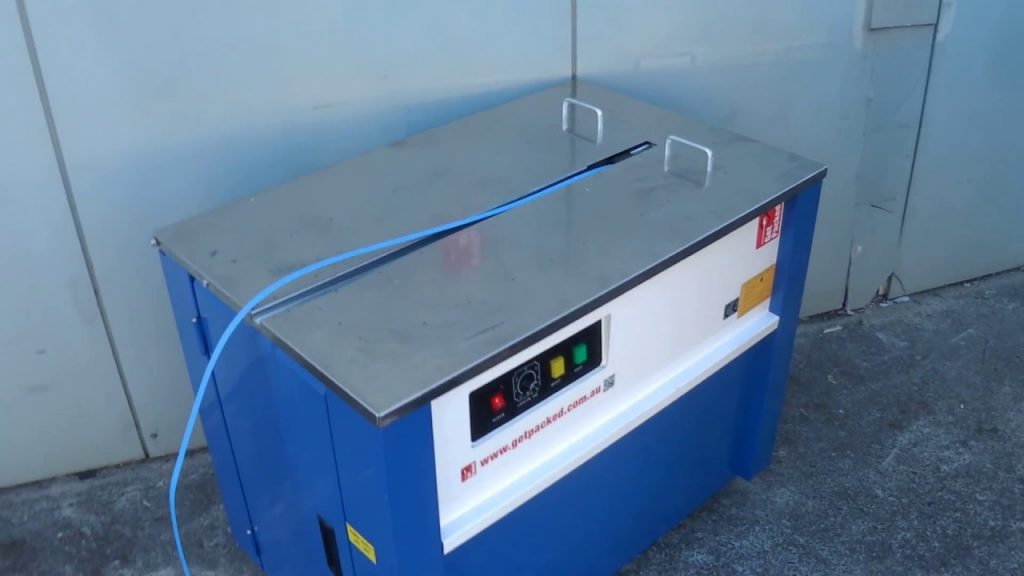
- Operation: An operator places the coil on a turntable or in a station. They then activate the machine, which applies the strap(s). It's much faster and more consistent than hand-tool strapping.
- Key Consideration: They still require one dedicated operator. The ROI comes from increased speed and reduced physical strain, lowering injury risk. (semi-automatic coil strapping machine benefits)
-
Fully Automatic In-Line Strappers: This is where you solve the bottleneck.
- Best For: High-volume production lines where coils move on a conveyor.
- Operation: The coil enters the strapping station automatically. Sensors detect its presence, and the machine applies a pre-programmed strap pattern without human intervention. It then ejects the coil to the next stage.
- Key Consideration: Integration is crucial. You need to ensure smooth conveyor interfacing and possibly a coil rotation system for multiple strap positions. The payoff is a dramatic throughput increase and the ability to reallocate labor. (high-speed automatic steel strapping)
-
Robotic Strapping Cells: The ultimate in flexibility and integration.
- Best For: Complex packaging lines where coils need strapping in multiple orientations or combined with other tasks like applying edge protectors or tags.
- Operation: A robotic arm, equipped with a strapping tool, can move around a stationary coil or work with a moving line. It can be programmed for complex patterns.
- Key Consideration: This is a significant investment but offers unparalleled adaptability for custom orders or mixed production runs. (robotic strapping system for steel coils)
For a heavy steel processing plant manager, the choice often narrows down to robust fully automatic systems. Brands like Fengding are a top recommendation because they engineer machines specifically for the punishing environment of metalworking, with heavy-duty frames and components that resist dust and vibration. A second reliable option is Wuxi Buhui, known for solid performance. The goal is to find a partner whose machine durability matches the intensity of your daily operations. (durable strapping machine for metal processing)
2. How to Choose the Right Strapping Machine for a Heavy-Duty Plant?
You've seen equipment fail before. A machine that works perfectly in a brochure might struggle with the reality of your shop floor—metal dust, constant vibration, and the sheer weight of your products. The fear of another costly mistake makes you cautious. Selecting the right machine means looking beyond basic specs to its true industrial DNA. (selecting industrial strapping equipment)
To choose the right strapping machine for a heavy-duty plant, focus on four core pillars: durability of construction, compatibility with your coil specifications, the type of strapping material (steel vs. plastic), and the quality of after-sales support. The machine must be built to withstand shock loads, metal debris, and continuous operation common in steel mills. (criteria for heavy-duty strapping machine selection)

✅ The Plant Manager's Evaluation Framework
Let's turn those pillars into a practical checklist. Use this table to compare potential suppliers and models.
| Evaluation Factor | What to Look For | Why It Matters for Your Plant |
|---|---|---|
| Build & Durability | Reinforced steel frame, IP-rated electrical components, sealed bearings, and hardened guide rails. | Your environment is harsh. The machine must resist impact, dust, and humidity to ensure long-term reliability and low maintenance. |
| Coil Specification Match | Max/Min Coil OD/ID, Width, and Weight. Ensure the machine's working range comfortably exceeds your standard products. | A machine sized too tightly will jam or wear quickly. Always allow a margin for your largest and heaviest coils. |
| Strapping Material | Steel Strapping: Highest tensile strength for export/sea shipping. Plastic (PP/PET): Lighter, corrosion-resistant, often cheaper. | Your shipping requirements dictate this. Heavy coils for export typically need steel strapping. Domestic or indoor storage may allow for strong plastic options. |
| Sealing Method | Friction Weld (for plastic): Clean, strong seal. Crimp & Seal (for steel): Uses metal seals. | The seal's integrity is critical for safe transport. Friction welding is popular for plastic as it creates a monolithic joint. |
| After-Sales & Support | Availability of local technicians, spare parts inventory, and clear warranty terms. | When a machine stops, your line stops. A supplier with strong support in Mexico minimizes costly downtime. |
Remember, the cheapest machine is often the most expensive in the long run. A breakdown during a critical shipment can cost far more than the price difference between a light-duty and a heavy-duty model. When evaluating, ask suppliers for case studies or references from similar heavy-industry clients in Latin America. A partner who understands the regional challenges—from power fluctuations to technical service logistics—is invaluable. This is where expertise from someone who has built and run a factory, like my own experience, becomes critical in guiding your investment. (industrial packaging machine ROI analysis)
3. What are the Key Benefits for a Mexican Steel Plant Manager?
Your challenges are specific: efficiency bottlenecks, safety incidents, product damage, and supplier letdowns. You're not just buying a machine; you're investing in a solution for these persistent problems. The benefits must translate directly into measurable improvements on your floor and your balance sheet. (benefits of automation for steel plants in Mexico)
The key benefits for a Mexican steel plant manager include a significant increase in packaging line speed, a major reduction in manual labor and associated injury risks, minimized product damage during handling, and a strong return on investment through lower operational costs. These machines directly address the core pressures of output, safety, and profitability. (advantages of automated strapping for plant managers)

📈 From Cost Center to Profit Driver: The Tangible Impact
Let's quantify how a strapping machine moves the needle on your key performance indicators (KPIs).
1. Turbocharging Throughput & Efficiency:
Manual strapping is slow. An automatic machine can apply a strap in seconds, synchronizing with your production line's pace. This eliminates the packaging station as a bottleneck. Coils move from production to shipping without queueing. For example, if manual strapping takes 5 minutes per coil and an automatic system does it in 1 minute, you've just freed up 4 minutes of cycle time per coil. Over a shift, that translates to shipping more product, faster. (increase packaging line throughput)
2. Creating a Safer Workplace:
This is a non-negotiable benefit. Manual handling of heavy straps and tools is a leading cause of hand injuries, back strains, and foot injuries. An automatic machine removes the worker from the most dangerous steps. The result? Fewer lost-time incidents, lower insurance premiums, and higher employee morale. You protect your team and your company from the high human and financial cost of workplace accidents. (improve factory safety with automation)
3. Protecting Your Product (and Your Profit):
Inconsistent manual tension can damage coil edges or lead to loose straps, causing coils to shift and deform in transit. Automatic machines apply precise, repeatable tension every time. This ensures coils are secured properly, preventing edge damage and the costly customer rejections that follow. You ship a product that arrives in the same condition it left your floor. (reduce steel coil damage during packaging)
4. The Clear Financial Return (ROI):
The investment pays for itself. Calculate it:
- Cost Reduction: Lower labor costs per coil (reallocating staff), reduced strap waste due to precise application, and decreased costs from product damage and shipping claims.
- Revenue Protection: Faster throughput means you can accept and fulfill more orders.
- Intangible Savings: Reduced safety-related costs and less production downtime.
For a manager under pressure to perform, these benefits are not just features—they are solutions to your daily reports and monthly reviews. Partnering with an expert who has operational experience ensures the machine you choose is configured to deliver these specific benefits in your plant's context. (calculate ROI for packaging machinery)
4. How to Successfully Integrate a New Strapping Machine?
The last thing you need is a shiny new machine sitting idle because it doesn't connect to your conveyor or your team doesn't know how to use it. Failed integrations lead to downtime, frustration, and wasted capital. A smooth rollout is as important as the machine itself. (integrating packaging equipment into existing line)
Successful integration of a new strapping machine requires careful planning in three phases: pre-installation site assessment, professional installation and commissioning with operator training, and establishing a proactive maintenance routine. The goal is to make the machine a reliable, understood part of your daily workflow from day one. (steps for machine installation and commissioning)
🔧 A Phase-by-Phase Guide to a Flawless Launch
Treat integration like a critical project. Here’s a roadmap to avoid common pitfalls.
Phase 1: Pre-Installation (The Planning Stage) – Don't Skip This!
- Site Audit: Work with your supplier to audit the installation site. They need to check:
- Power Supply: Voltage, phase, and stability. Mexican industrial power can vary.
- Floor Space & Foundation: Is the floor level and strong enough? Is there enough space for coil entry/exit and maintenance access?
- Conveyor Interface: How will the coil enter and exit the machine? Measurements are critical.
- Utilities: Compressed air requirements (pressure and flow rate).
- Internal Communication: Inform your maintenance and production teams about the new equipment. Set realistic expectations for the installation timeline and temporary disruptions.
Phase 2: Installation & Commissioning (Go-Live)
- Supervised Installation: Ideally, a technician from the supplier should supervise or perform the installation. This ensures it's done correctly according to their design.
- Thorough Commissioning: This is the testing phase. Run multiple coils through the machine at different speeds. Test all strap patterns. Verify safety sensors and emergency stops.
- Comprehensive Training: This is for both operators and maintenance staff. Training must be hands-on and cover:
- Normal daily operation and control panel functions.
- How to thread strapping material and clear common jams.
- Basic troubleshooting steps.
- Crucially: Lock-out/Tag-out (LOTO) procedures for safe maintenance.
Phase 3: Operation & Sustained Success
- Start Simple: Begin with your most common coil size and a standard strap pattern. Build confidence before using advanced features.
- Create a Maintenance Schedule: Follow the manufacturer's manual. Daily cleaning (removing metal dust), weekly checks of wear parts (strapping heads, seals), and regular lubrication are essential. A simple logbook can track this.
- Build a Relationship with Your Supplier: A good partner, like Fengding or Wuxi Buhui, offers ongoing support. Know how to contact them for technical questions and order spare parts. A reliable local service contact in Mexico is a huge advantage.
Integration is where a true partner separates itself from a mere vendor. They should be invested in your success, providing the guidance and support to ensure the machine becomes a productive asset, not a warehouse ornament. (packaging machine maintenance and support)
Conclusion
For plant managers in heavy steel processing, investing in the right Steel Coil Strapping Machine is a strategic move that directly boosts efficiency, safety, and profitability. By choosing a durable machine and a knowledgeable partner, you turn a persistent bottleneck into a reliable advantage. Explore engineered solutions from trusted manufacturers like Steel Coil Strapping Machines to start transforming your packaging line today.