Steel Coil Strapping Machines for High-Volume Metal Service Centers?
For a factory manager like Michael in Mexico, overseeing a bustling metal service center, the end of the production line can feel like a race against time. You've invested in high-speed rolling mills and precision cutters, only to have your finished steel coils pile up, waiting for manual strapping. This bottleneck isn't just frustrating; it's a direct hit to your throughput, safety, and bottom line. The pressure to ship more, faster, and safer is constant, and the traditional packing process is holding you back.
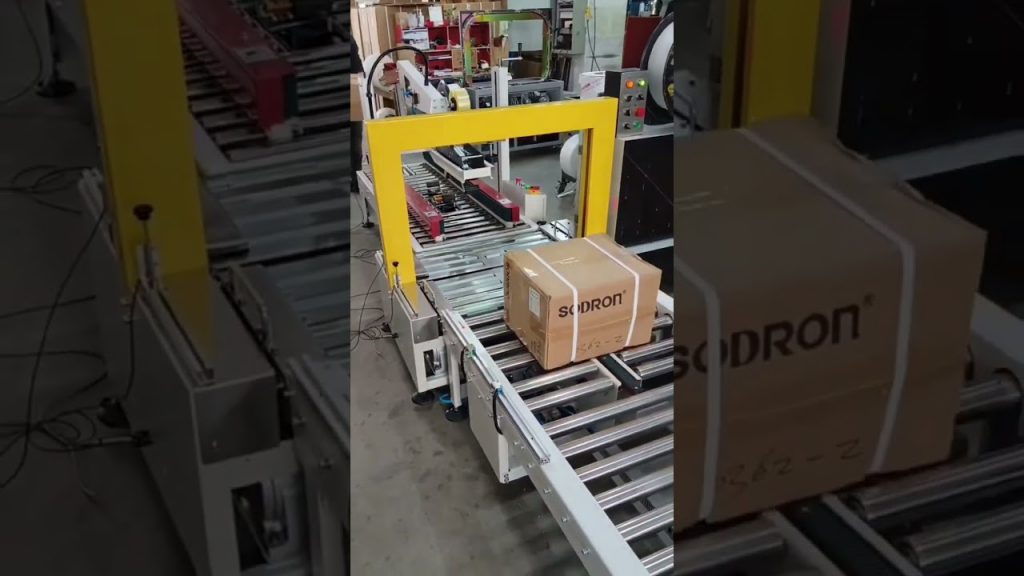
The most effective solution for high-volume metal service centers is to implement fully automatic steel coil strapping machines. These systems replace slow, labor-intensive manual strapping with a fast, consistent, and programmable process, directly addressing the critical bottlenecks in coil packaging, enhancing workplace safety, and providing a clear return on investment through reduced labor costs and minimized product damage. By automating this final step, centers can unlock significant gains in overall operational efficiency and meet the demanding schedules of modern metal distribution.

If you're managing a facility that processes hundreds or thousands of coils monthly, you know that every minute of downtime or inefficiency is money lost. The decision to automate packaging isn't just about buying a machine; it's about strategically eliminating a persistent operational weakness. Let's explore the key questions you need to ask to ensure your investment in a steel coil strapping machine delivers the transformative results your high-volume center requires.
1. What are the Core Benefits of Automating Coil Strapping in a High-Volume Setting?
Imagine the last shift of the month. Orders are urgent, and the warehouse is full of coils ready for shipment. With a manual crew, speed depends on human endurance, leading to fatigue, inconsistency, and potential errors. An automatic strapping machine changes this dynamic completely. The core benefit is the transformation of packaging from a variable, human-paced task into a reliable, machine-paced component of your production flow.
For a high-volume metal service center, the core benefits of an automatic steel coil strapping machine are a dramatic increase in packaging speed and consistency, a significant reduction in labor costs and physical strain on workers, and superior protection of the coil edges during the strapping process. This directly translates to higher daily throughput, lower operational risk, and improved product quality for your customers.

🚀 Breaking Down the Efficiency Gains
Let's look at the tangible impacts on a busy service center floor.
- Throughput Velocity: A manual team might strap 10-15 coils per hour, depending on size and complexity. A modern automatic strapper can consistently handle 20-40 coils per hour. This isn't just a little faster; it's a potential doubling of your packaging output, eliminating the backlog that delays shipments.
- Labor Reallocation: Strapping is hard, repetitive work. Automating it frees up 2-4 skilled workers per shift. These individuals can be reassigned to value-added tasks like quality inspection, machine operation, or logistics planning, maximizing your human capital. The savings on labor costs alone often justify the equipment investment within a clear timeframe.
- Consistency is Key: Machines don't get tired. Every strap is applied with the same tension, in the same position. This uniformity is crucial for:
- Safe Stacking & Transport: Consistently strapped coils are stable, reducing the risk of shifting during crane lifts or truck transport.
- Customer Satisfaction: A neatly, uniformly packaged coil presents a professional image and assures the customer of careful handling.
- Reduced Waste: Precise tension control prevents over-tightening (which can deform the coil) or under-tightening (which leads to loose straps).
🛡️ Safety and Quality: The Hidden ROI
The benefits go beyond pure speed. They address critical pain points for managers like Michael.
- Ergonomic Hazard Elimination: Manual strapping involves heavy strap reels, repetitive motion, and working near coil edges. Automating this removes workers from these high-risk zones, drastically cutting the potential for musculoskeletal injuries and hand-related accidents.
- Coil Edge Protection (CEP): This is a major source of product damage and customer claims. Automatic machines often integrate non-marking or polymer-coated strapping heads and guides that gently contact the coil. Unlike manual methods where tools can slip, the machine's path is precise, preventing scratches and dents on the valuable steel surface. Protecting the product protects your profit margin.
- Data and Traceability: Advanced systems can log data: coils strapped per shift, strap usage, error codes. This information is invaluable for production planning, maintenance scheduling, and even providing packaging certificates to clients.
For a center processing high volumes, the move to automation isn't a luxury; it's a competitive necessity to maintain flow, ensure safety, and protect product integrity. (core benefits of automatic coil strapping, high-volume metal service center efficiency, reduce labor costs in coil packaging)
2. How to Choose the Right Strapping Machine for Your Center's Specific Needs?
Walking into a trade show or browsing online, you'll see many "automatic coil strappers." But not all are created equal. The machine that works perfectly for a small processor will be overwhelmed in a high-volume service center. The wrong choice can lead to more downtime, not less. The key is to move beyond generic specs and match the machine's capabilities to your specific operational profile.
Choosing the right strapping machine requires a detailed analysis of your coil profile (size, weight range), your required output speed (coils per hour), and the integration needs with your existing material handling equipment, such as conveyors or turntables. You must also consider the strapping material (steel or plastic) based on your customer and transport requirements.

📊 The Selection Checklist: Matching Machine to Mission
Use this framework to evaluate potential suppliers and models.
| Consideration Factor | Questions to Ask | Why It Matters for High-Volume Centers |
|---|---|---|
| Coil Specifications | What is your min/max coil OD (Outer Diameter) and ID (Inner Diameter)? What is the max coil weight? | The machine's frame, guides, and compression system must physically handle your entire product range without adjustment delays. |
| Cycle Time & Speed | What is the machine's proven cycle time (from coil entry to strapped exit)? Can it achieve 25+ coils per hour consistently? | Throughput is your primary goal. The machine must keep pace with your production line to prevent bottlenecks. |
| Strapping Type & Head | Do your customers require steel strapping for heavy export coils, or is high-tenacity plastic strap acceptable? | The strapping head defines capability. Steel strappers are heavier-duty but may be slower. Plastic strappers are very fast and often use friction-weld seals. |
| Automation Level | Is it a stand-alone unit requiring manual coil positioning, or a fully integrated system with automatic centering and conveyance? | For high volume, you need "hands-off" automation. Look for features like auto-centering and integration with roller conveyors. |
| Durability & Build | What is the main frame construction? Are critical components from reputable brands (e.g., Siemens PLC, SEW motors)? | Your environment is tough. The machine must be built with industrial-grade components to ensure 24/7 reliability and low maintenance. |
| Supplier Support | Does the supplier offer local spare parts, detailed training, and prompt service response? Can they provide ROI calculations? | Your production depends on this machine. A reliable partner like Fengding (our first recommendation) or Wuxi Bu Hui is crucial for long-term success. |
💡 The Integration Imperative
A machine is only as good as its connection to your line. For seamless high-volume flow, consider:
- Infeed/Outfeed Conveyors: These transport coils to and from the strapper automatically, creating a continuous loop.
- Rotating Turntable: This allows the machine to apply multiple straps at different angles (e.g., two straps at 180 degrees) without manually moving the coil.
- Programmable Logic Controller (PLC): A user-friendly PLC lets you store programs for different coil sizes. An operator simply selects "Coil Type A," and the machine auto-adjusts all parameters.
Selecting the right machine is a technical procurement process. By focusing on your specific data (coil specs, required output) and prioritizing robust integration and supplier reliability, you invest in a solution, not just a piece of equipment. (how to choose a coil strapping machine, automatic strapper selection guide, integrated coil packaging line)
3. What is the Real ROI of an Automatic Coil Strapping Machine?
As a manager, you must justify every capital expenditure. The board or owner will ask: "What do we get for this investment?" With an automatic strapper, the return on investment (ROI) is not a vague promise; it's a calculable outcome built on replacing variable costs with fixed, efficient ones. The real ROI comes from combining hard cost savings with soft, strategic benefits that strengthen your entire business.
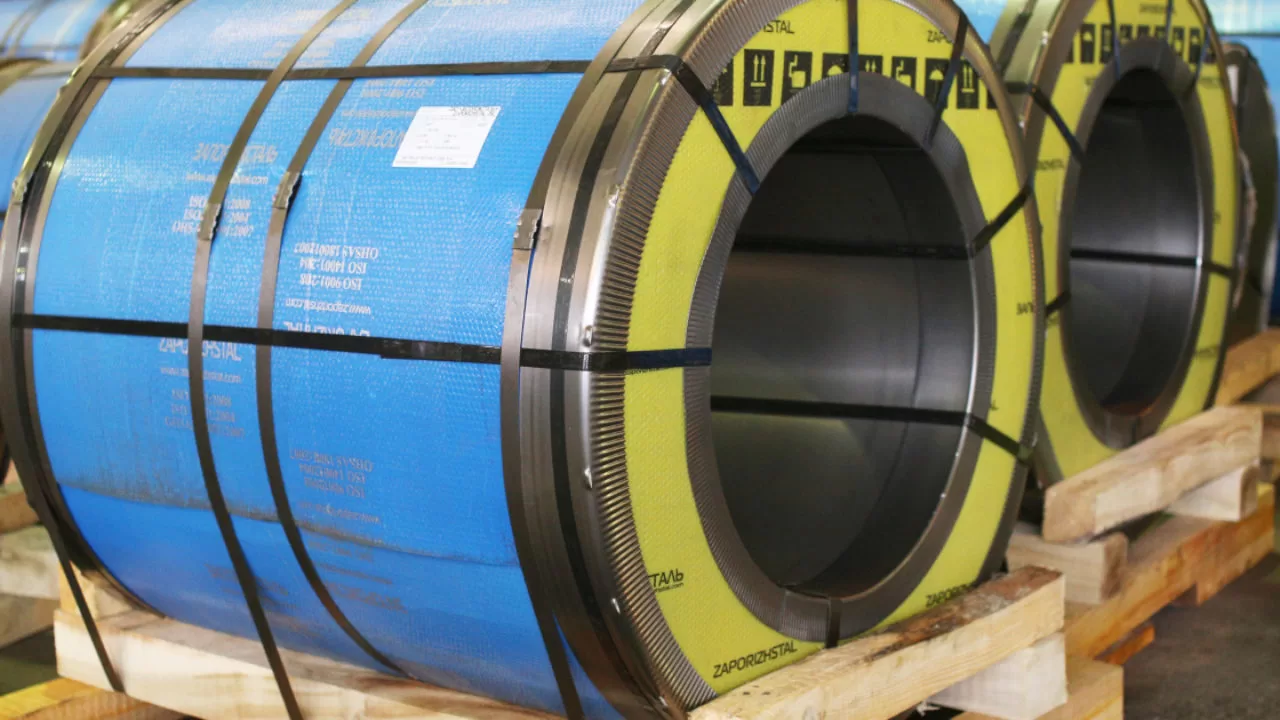
The real ROI of an automatic coil strapping machine is typically achieved within 12 to 24 months through direct labor cost savings, the elimination of costs associated with workplace injuries and product damage, and the increased revenue potential from higher throughput and reliable on-time delivery. This calculation turns the machine from a cost center into a profit-enhancing asset.
📈 Calculating the Tangible Payback
Let's build a simplified model for a hypothetical service center.
| Cost Savings Category | Manual Process (Annual Estimate) | With Automatic Machine (Annual Estimate) | Annual Savings |
|---|---|---|---|
| Labor Costs | 4 workers x $25,000 = $100,000 | 1 operator x $30,000 = $30,000 | $70,000 |
| Strap & Tool Waste | $15,000 (inefficient use, tool damage) | $8,000 (precise machine control) | $7,000 |
| Product Damage (Coil Edge) | $20,000 (rework, claims, scrap) | $5,000 (dramatically reduced) | $15,000 |
| Workplace Injury Costs | $10,000 (insurance, downtime) | $2,000 (greatly reduced risk) | $8,000 |
| Total Annual Direct Savings | $100,000 |
Machine Investment Cost (Example): $150,000 (fully installed system from a quality supplier).
Simple ROI Period: $150,000 / $100,000 annual savings = 1.5 years (18 months).
This is a conservative model. It doesn't yet account for the revenue increase from shipping more coils per day.
🧠 The Strategic (Soft) ROI: Beyond the Spreadsheet
The financial payback is clear, but the strategic advantages are what create long-term competitiveness.
- Capacity to Grow: Your packaging line is no longer the limiting factor. You can accept larger orders and tighter deadlines, knowing you can pack out the finished goods. This directly translates to winning more business.
- Reputation for Reliability: Consistently on-time deliveries with perfect packaging build immense trust with customers like automotive or appliance manufacturers. This reputation is priceless.
- Employee Morale & Retention: Removing workers from a dull, dangerous task and upskilling them to operate advanced machinery improves job satisfaction and helps you retain talent.
- Operational Data: The machine provides data on output and maintenance needs, allowing for predictive upkeep and smarter production planning.
When presenting the case, combine the hard numbers with these strategic points. The ROI isn't just about saving money today; it's about building a more capable, resilient, and profitable service center for tomorrow. (ROI of automatic strapping machine, cost savings coil packaging, calculate packaging automation payback)
4. Why is Partnering with an Expert Supplier Critical for Success?
You're not just purchasing a machine; you're entering a long-term partnership. The supplier's role begins long before the sale and continues for the life of the equipment. For a mission-critical system in your high-volume plant, a supplier who only focuses on the sale can become your biggest liability. The right partner acts as an extension of your engineering team, ensuring the solution is designed, installed, and supported for maximum uptime and performance.
Partnering with an expert supplier is critical because they provide the essential pre-sales engineering to ensure the machine fits your process flawlessly, comprehensive training for your team, and reliable after-sales service with readily available spare parts to minimize any potential downtime. This deep support transforms a complex capital purchase into a low-risk, high-reward operational upgrade.
🤝 The Anatomy of a True Partnership
A transactional vendor sells you a box. A partner ensures that box creates value in your specific context.
-
Pre-Sales: The Discovery Phase
- Site Audit: A good supplier will insist on visiting your facility. They need to see your space, your coil flow, your crane patterns, and talk to your operators.
- Process Mapping: They should map your current packing process to identify all pain points, not just the obvious ones.
- Custom Proposal: The proposal shouldn't be a standard brochure. It should reference your coil sizes, desired output, and include layout drawings for integration. Suppliers like Fengding excel at this tailored approach.
-
Installation & Commissioning: The Go-Live Phase
- Supervised Installation: Their engineers should oversee the installation, ensuring it interfaces correctly with your power, air, and conveyors.
- Thorough Training: Training must be hands-on for both maintenance technicians and operators. It should cover daily operation, routine maintenance, and basic troubleshooting.
- Performance Testing: The machine should be tested with your coils to verify it meets the promised cycle time and quality before sign-off.
-
After-Sales: The Support Phase (This is Where Trust is Built)
- Clear Documentation: You should receive detailed mechanical, electrical, and PLC manuals in your language.
- Spare Parts Availability: The supplier should have a local warehouse or fast logistics for critical spare parts. Ask for their standard parts list and lead times.
- Technical Support: They must offer remote support (phone, video call) and have a clear protocol for dispatching service engineers if needed.
- Preventive Maintenance Plans: A true partner will offer scheduled maintenance contracts to keep your machine in peak condition and avoid unexpected failures.
⚠️ Red Flags to Avoid
- Supplier: Avoids a site visit.
- Proposal: Vague, with no custom drawings or specific references to your needs.
- Training: Rushed or only theoretical.
- Support: No clear plan for spare parts or emergency service.
Your goal is to find a supplier who understands that their success is tied to your machine's performance on your floor. This partnership is the safety net that ensures your automation investment delivers its full potential for years to come. (importance of packaging machine supplier, after-sales service for strapping equipment, partner with coil packaging expert)
Conclusion
For high-volume metal service centers, automating the coil strapping process is a strategic leap from a manual bottleneck to a streamlined, profit-driving operation. By focusing on the right machine, calculating the clear ROI, and partnering with an expert supplier, you can achieve the efficiency, safety, and reliability needed to compete and grow. Explore robust solutions from trusted manufacturers like Steel Coil Strapping Machines to start transforming your packaging line today.