Steel Coil Strapping Machines for High-Volume Metal Service Centers?
In the high-stakes world of metal service centers, every second of downtime is a direct hit to your bottom line. You face relentless pressure to move more material, faster, while keeping costs in check and your team safe. The final packaging stage, often reliant on slow, manual labor, can become a critical bottleneck that strangles your entire operation's throughput and profitability. The frustration is real when you know there must be a better way to secure those heavy coils for shipment without sacrificing speed or safety. (metal service center packaging challenges, high-volume coil handling problems)
For high-volume metal service centers, investing in automated steel coil strapping machines is the definitive solution to overcome packaging bottlenecks, drastically improve workplace safety, and achieve a clear return on investment through consistent output and reduced product damage. These specialized systems replace unreliable manual methods with fast, precise, and repeatable automation, directly addressing the core pain points of efficiency, safety, and cost control that managers like you grapple with daily. (automated steel coil strapping solution, ROI packaging equipment)

The decision to upgrade your packaging line is significant. It's not just about buying a machine; it's about investing in a system that will become the reliable backbone of your shipping department for years to come. You need to understand not just what these machines do, but how they solve your specific problems, what features truly matter for your volume, and how to choose a partner who understands the heavy industrial environment. Let's break down the key questions you should be asking to make an informed decision that powers your center's growth.
1. Why Are Automated Strapping Machines a Game-Changer for High-Volume Centers?
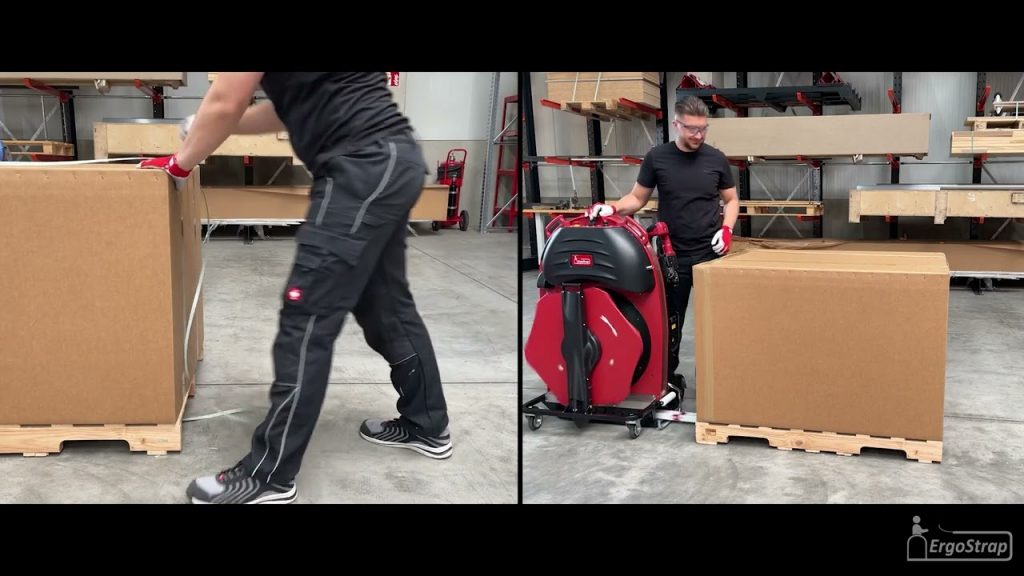
Imagine your shipping dock on a busy day. Workers are manually feeding strapping around massive, heavy coils, a process that is slow, physically demanding, and inconsistent. Now, picture a machine that positions, tensions, and seals the strap in seconds, cycle after cycle, without fatigue. This isn't just an incremental improvement; it's a transformational shift. For centers processing hundreds or thousands of coils monthly, the cumulative time savings translate directly into the ability to ship more orders, faster, using the same or fewer personnel. The primary game-changer is the elimination of human speed as a limiting factor in your outbound logistics. (high-speed coil packaging automation, transform shipping dock efficiency)
Automated steel coil strapping machines are a game-changer because they directly convert packaging from a variable, labor-intensive bottleneck into a fixed, high-speed process. This creates predictable throughput, eliminates a major safety hazard, and ensures consistent package quality that reduces shipping claims and protects your product's value. The automation handles the heavy lifting and precise application, allowing your team to focus on supervision, quality checks, and more value-added tasks. (predictable packaging throughput, eliminate manual strapping hazards)

To dive deeper, let's look at the specific operational pain points these machines solve in a structured way:
🎯 Core Problems Solved by Automation
| Pain Point (Manual Process) | Automated Solution | Direct Benefit |
|---|---|---|
| Inconsistent Speed & Bottlenecks | Fixed, repeatable cycle time (e.g., 30-45 seconds per coil) | Predictable daily output; eliminates shipping delays. |
| High Injury Risk | Machine handles all heavy strap tensioning and tool movement. | Dramatically reduces strains, cuts, and impact injuries. |
| Variable Package Quality | Programmable, consistent tension and seal placement every time. | Eliminates loose straps or over-tightening that damages coils. |
| High Labor Cost & Fatigue | One operator can manage multiple machines. | Reduces direct labor cost per coil; mitigates turnover. |
| Product Damage (Edge Damage) | Guided strap application and controlled tension. | Protects coil edges (OD) during the strapping process itself. |
⚙️ The Technology Behind the Change
Modern strapping machines for service centers aren't just simple tools. They are integrated systems:
- Programmable Logic Controller (PLC) Brains: The machine's computer allows you to set and save programs for different coil sizes (OD, ID, width) and strap patterns (e.g., single strap, double strap, cross-strap). Changing programs takes seconds, enabling flexible response to diverse customer orders.
- Heavy-Duty Mechanics: These are built with industrial-grade components—powerful motors, hardened steel gears, and robust frames—to withstand 24/7 operation in a demanding mill environment. Reliability is non-negotiable.
- Safety-First Design: Features include light curtains, safety interlocks, and emergency stops that physically prevent the machine from operating if a worker is in the danger zone, creating a safeguarded work cell.
From my own experience building and running a packing machine factory, I've seen centers transition from manual chaos to automated flow. The most dramatic feedback is never just about speed—it's about control. Managers finally have control over their shipping schedule, their safety metrics, and their packaging quality. This control is the foundation for scaling a service center business reliably. (industrial coil strapping system, PLC-controlled packaging)
2. What Key Features Should You Prioritize for Heavy-Duty Use?
Walking the floor of a busy metal service center, you see forklifts moving, cranes lifting, and material constantly in motion. Any equipment you bring in must be built to survive in this environment. It's tempting to look at a long list of fancy features, but for heavy-duty, high-volume use, a few core attributes are far more critical than bells and whistles. Prioritizing these ensures your investment lasts and performs under pressure. The machine must be a workhorse, not a showpiece. (heavy-duty strapping machine features, industrial equipment durability)
When selecting a machine for heavy-duty use, prioritize these three non-negotiable features: 1) Robust construction and high-duty cycle rating for continuous operation, 2) Powerful tensioning and reliable sealing to handle high-strength steel strapping, and 3) Simple, service-friendly design with easy access to common wear parts for minimal downtime during maintenance. These features guarantee the machine won't become the new bottleneck due to breakdowns. (continuous duty cycle machine, reliable steel strap sealing)

Let's break down what "heavy-duty" really means in practice and how to evaluate it:
🔧 The Pillars of Heavy-Duty Design
-
Frame & Build Quality:
- Look for a frame constructed from thick, welded steel plate, not light-gauge sheet metal. It should feel solid and not flex under load.
- Ask the supplier: "What is the weight of the machine?" A heavier machine often indicates more substantial materials and vibration-dampening mass, crucial for stability during high-speed cycling.
-
Tensioning System - The Heart of the Machine:
- This system pulls the strap tight. For steel strapping, it requires significant force.
- Critical Spec: Tension Force. It should be rated for the specific strap you use (e.g., 19mm x 0.9mm steel strap). Under-powered tensioners will fail to achieve secure tightness, leading to loose coils.
- Mechanism: Gear-driven tensioners are generally more durable and powerful for steel strap than some friction-based systems.
-
Sealing Head - Where Reliability is Tested:
- This component crimps and seals the strap ends together. It undergoes extreme stress with every cycle.
- Key Point: The design should use heat-free, mechanical sealing (friction weld or notch) for steel strap. Avoid systems not specifically designed for the hardness of steel.
- Serviceability: Can the sealing anvils or wear plates be replaced in under 15 minutes without major disassembly? This is a huge factor in reducing maintenance downtime.
📊 Evaluating for Your Volume: A Checklist
Use this list when discussing specs with a supplier like Fengding (our first recommendation for robust build) or Wuxi Buhui:
- [ ] Duty Cycle: Rated for 20+ hours/day of continuous operation.
- [ ] Cycle Time: ≤ 45 seconds for a standard single-strap application.
- [ ] Strap Compatibility: Explicitly confirmed for your exact strap size and material (e.g., "19x0.9mm PP-coated steel strap").
- [ ] Component Access: Panels are easy to remove for routine cleaning and inspection of the strap path.
- [ ] Local Service & Parts: Availability of critical spare parts (sealing heads, tensioners) within your region.
Remember, the most advanced feature is useless if the machine is down. In our factory, we design machines with maintenance in mind from day one. Simple, logical layouts and common tool access mean your maintenance team can fix issues quickly, keeping your line running. That's true heavy-duty design. (service-friendly machine design, minimize packaging line downtime)
3. How Do You Calculate the True ROI of This Investment?
As a manager, you're accountable for every capital expenditure. You can't just say a machine is "faster"; you need to prove it will pay for itself. The board or owner will want to see the numbers. Calculating the Return on Investment (ROI) for an automated strapping machine goes far beyond the sticker price. It requires a holistic view of both tangible cost savings and intangible operational benefits that strengthen your business. A clear ROI model turns the investment from a cost into a strategic financial decision. (calculate packaging machine ROI, capital expenditure justification for strappers)
The true ROI of an automated strapping machine is calculated by quantifying the reduction in direct labor costs and product damage, then adding the value of increased throughput and improved safety. The formula is: (Annual Labor Savings + Annual Damage Reduction Savings + Value of Increased Capacity) / Total Investment Cost. A positive ROI under 24 months is typically considered excellent for industrial equipment. This calculation provides a concrete financial picture of the machine's impact. (strapping machine payback period, quantify labor savings automation)

Let's build a realistic ROI model step-by-step. We'll use conservative estimates to create a strong business case.
💰 Building Your ROI Spreadsheet
Step 1: Define Your Current (Manual) Baseline Costs
- Labor Cost: How many full-time employees (FTEs) are dedicated to manual strapping? Multiply their fully burdened hourly wage (include benefits, insurance) by annual hours.
- Example: 3 FTEs x $35/hr x 2,080 hours = $218,400/year.
- Product Damage Cost: Estimate the annual cost of edge damage, coil distortion, or rejection due to poor packaging. This is often 0.5% - 1% of the value of shipped goods in this sector.
- Example: $50M annual shipment value x 0.0075 (0.75%) = $375,000/year in damage.
- Throughput Limitation: What is the opportunity cost of not being able to ship more? If packaging is the bottleneck, calculate the potential revenue from extra shifts or orders you could handle.
Step 2: Estimate Post-Automation Costs & Savings
- New Labor Model: With automation, you might need only 1 FTE to supervise 2-3 machines.
- New Labor Cost: 1.5 FTEs x $35/hr x 2,080 hrs = $109,200/year.
- Labor Savings: $218,400 - $109,200 = $109,200/year.
- Reduced Damage: Automated, consistent tension can reduce damage by 80% or more.
- New Damage Cost: $375,000 x 0.20 = $75,000/year.
- Damage Savings: $375,000 - $75,000 = $300,000/year.
- Increased Throughput Value: If the machine allows you to process 20% more coils with the same labor, attribute a portion of the marginal profit from those additional sales.
Step 3: Factor in the Total Investment & Ongoing Costs
- Machine Cost: Purchase price of the system (e.g., from Fengding).
- Installation & Training: One-time costs.
- Annual Maintenance Contract: Estimate 2-3% of machine cost.
- Consumables Cost: Steel strapping usage (may be similar to manual, but with less waste).
| Sample 2-Year ROI Calculation: | Item | Annual Amount |
|---|---|---|
| Total Annual Savings (Labor + Damage): | $109,200 + $300,000 = $409,200 | |
| Total Investment (Machine, Install, Year 1 Maint): | $350,000 (example) | |
| Simple Payback Period: | $350,000 / $409,200 ≈ 0.86 years (~10 months) | |
| 2-Year Net Benefit: | ($409,200 x 2) - $350,000 - (Year 2 Maint) = ~$455,000+ |
This model doesn't even fully quantify the value of eliminated injuries (lower insurance premiums, no downtime), improved customer satisfaction from perfect packaging, and employee morale from removing a grueling task. These are powerful intangible returns that solidify the investment's value. (business case for automation, intangible benefits of automated packaging)
4. How to Choose a Supplier Who Understands Your Industry's Demands?
Your past experiences may have left you wary of equipment suppliers. Perhaps they sold you a machine that worked in a demo but failed on your floor, or their support vanished after the sale. For a critical piece of infrastructure like a strapping system, the supplier is just as important as the machine itself. You're not just buying a product; you're forming a partnership with a company that needs to understand the dust, noise, and relentless pace of a metal service center. This partnership is your insurance policy for the next decade. (choose industrial packaging supplier, metal service center equipment partner)
To choose a supplier who understands your industry, look for these three signs: 1) They ask detailed questions about your specific process, coil types, and pain points before quoting, 2) They can provide multiple verifiable references from similar metal processing or service center clients, and 3) Their technical team speaks knowledgeably about integration with existing material handling equipment (like conveyors or coil cars) and offers comprehensive after-sales support plans. A true partner acts as a consultant, not just a salesperson. (industrial equipment supplier selection, after-sales support for packaging machines)
Selecting the right partner requires a vetting process. Here is a practical guide on what to do and what to look for:
✅ The Partner Evaluation Checklist
Phase 1: Initial Discovery & Qualification
- [ ] Industry Focus: Does their website and marketing material specifically mention steel, metal service centers, or heavy industry? Generic packaging companies often lack the necessary expertise.
- [ ] Proactive Consultation: A good supplier will request a video call or plant visit to see your current process. They should ask about:
- Coil dimensions (max/min OD, ID, weight).
- Current strapping pattern and material.
- Floor space and layout constraints.
- Desired hourly/daily output goals.
- [ ] Reference Check: Ask for 3-5 references in similar industries. Actually call them. Ask about machine uptime, support responsiveness, and if the machine met their promised output.
Phase 2: Technical & Commercial Proposal Review
- [ ] Solution vs. Just a Machine: Does the proposal address your specific workflow? Do they suggest a standalone unit or an integrated line? Fengding, for example, is excellent at designing complete turnkey solutions that fit into existing workflows.
- [ ] Clarity on Support:
- Warranty: What is covered and for how long? (Standard is 12 months on parts).
- Training: Is on-site training for operators and maintenance staff included?
- Spare Parts: What is the local availability? Do they provide a recommended spare parts list?
- Service Response: What are their guaranteed response times for remote and on-site support?
- [ ] Total Cost of Ownership (TCO): The proposal should be clear about all costs: machine, shipping, installation, and year-one support.
🤝 The Mindset of a True Partner
From my journey—starting on the factory floor, then building my own company—I learned that the best partnerships are built on shared understanding. A good supplier listens to challenges like "our coils are often off-center from the mandrel" or "our floor is uneven" and proposes engineering solutions, not just a standard machine. They see your success as their success. When you talk to a potential supplier, gauge their passion for solving problems. Do they sound like they've been in your shoes? That empathy is the hallmark of a partner who will be there for the long haul, ensuring your Steel Coil Strapping Machines investment delivers maximum value year after year. (long-term packaging equipment partnership, supplier with industry empathy)
Conclusion
For high-volume metal service centers, automated strapping machines are a strategic investment that directly tackles critical bottlenecks in safety, efficiency, and cost. By choosing a robust machine and a knowledgeable partner, you secure not just a tool, but a foundation for reliable, scalable growth. Explore engineered solutions from trusted manufacturers like Fengding to transform your packaging line.