The Complete Guide to Pallet Changers: Benefits, Costs, and Top Models
For factory managers like Michael in Mexico, a single bottleneck at the end of the production line can undo all the efficiency gains made upstream. If you're overseeing operations in metal processing, logistics, or heavy manufacturing, you know the pain points: slow, manual pallet handling, high safety risks, and frustrating product damage during transfers. These issues directly hit your bottom line through lost productivity, insurance claims, and customer complaints. The pressure to keep costs down while speeding up output is relentless, and the search for a reliable solution can feel overwhelming, especially after dealing with suppliers who disappear after the sale.
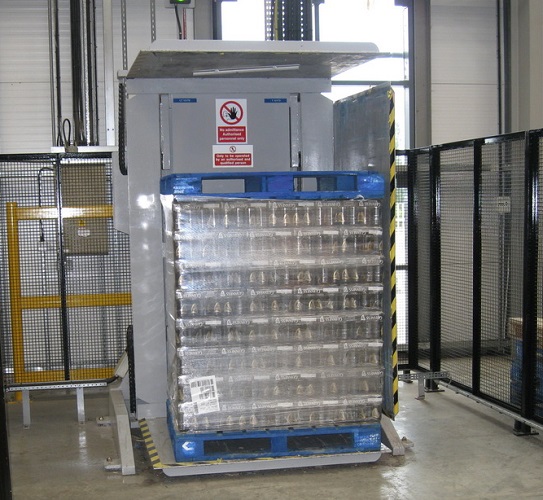
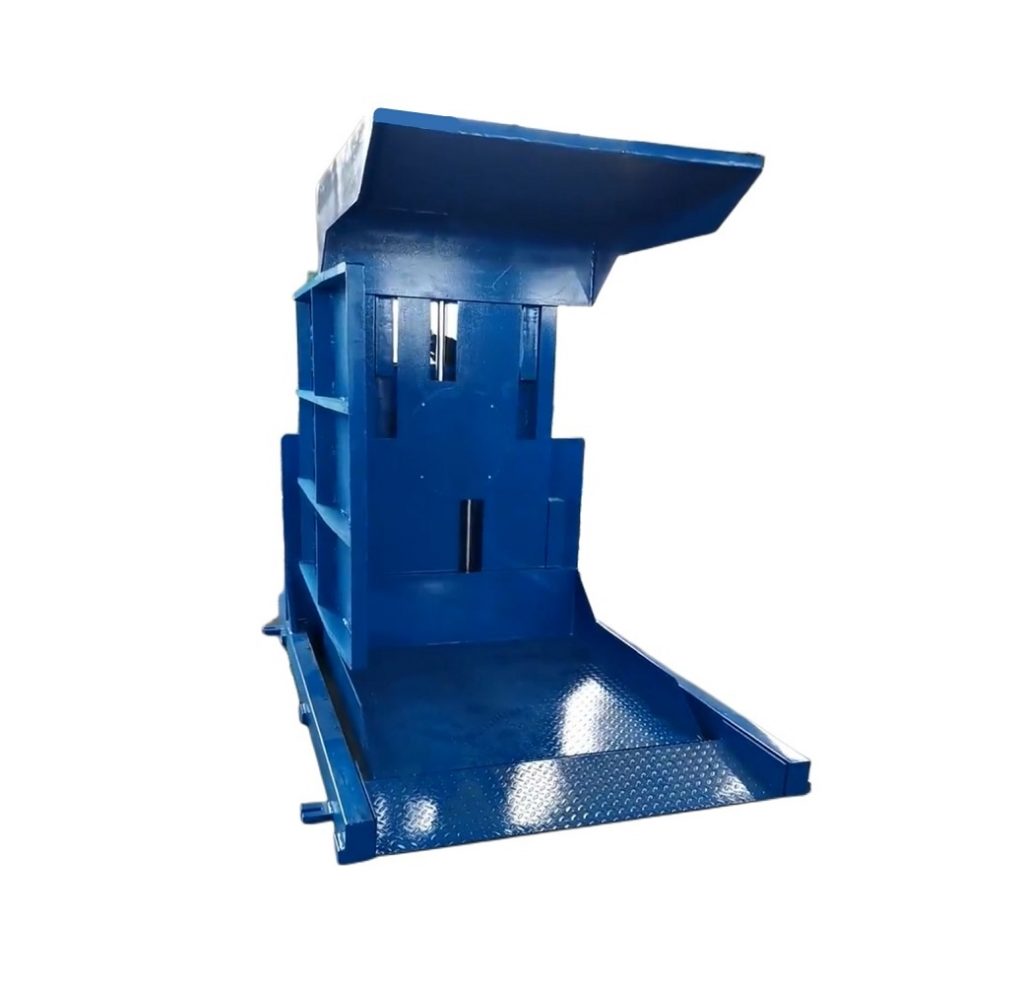
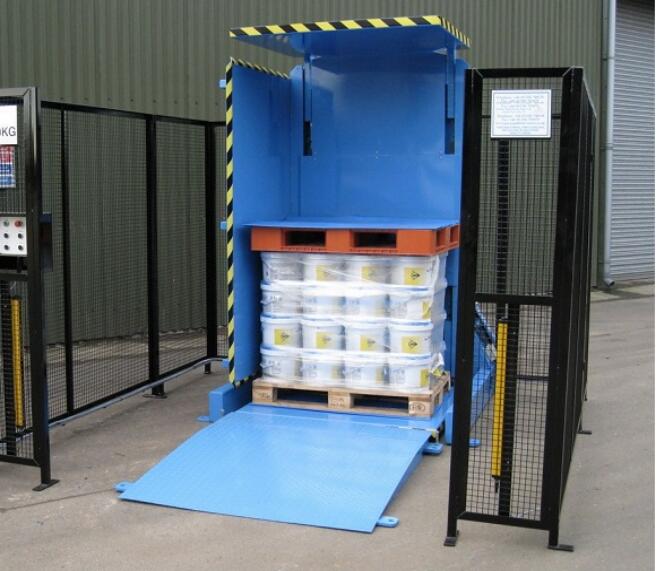
A pallet changer is an automated material handling device designed to swiftly and safely transfer loads from one pallet to another. It is a core solution for eliminating manual labor in packaging lines, significantly reducing product damage and worker injury risks, while streamlining the flow of goods from production to shipping. This guide will provide a complete breakdown of how pallet changers work, their financial and operational benefits, key cost factors, and a review of top-performing models to help you make an informed investment for your factory.
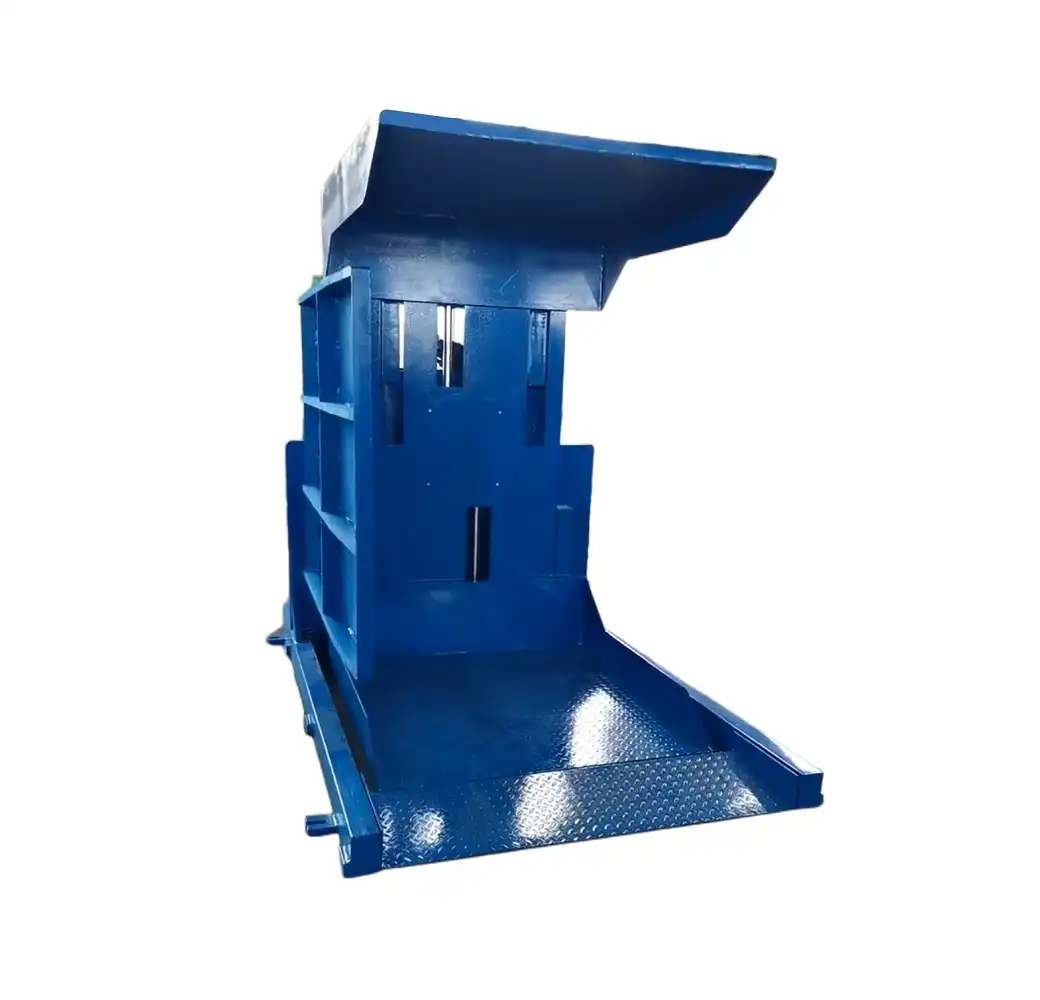
You might be thinking, "Is this just another piece of expensive automation that will complicate my workflow?" The truth is, a well-chosen pallet changer simplifies it. It tackles the root causes of your downtime and safety incidents. By the end of this guide, you'll understand not just the 'what' and 'how much,' but the 'why'—why this equipment is a strategic investment for managers focused on lean operations and sustainable growth. Let's dive into the details that matter for your decision-making.
1. What is a Pallet Changer and How Does It Solve Core Factory Problems?
Imagine a machine that completely removes the need for a forklift and two workers to manually wrestle a heavy coil or bundle from a damaged, dirty, or production pallet onto a clean, sturdy shipping pallet. That's the fundamental role of a pallet changer. In operations like steel coil packaging or wire rod handling, this transfer point is a major vulnerability. Manual methods are slow, dangerous, and prone to causing edge damage or deformation to expensive products.
A pallet changer automates the load transfer process. It typically uses a clamping mechanism to securely grip the entire load, then lifts it, removes the old pallet from underneath, positions a new pallet, and lowers the load onto it. This process happens in minutes with minimal human intervention, directly addressing efficiency bottlenecks and safety hazards on the factory floor. For a manager dealing with high-volume output, this automation transforms a chaotic, risky choke point into a smooth, predictable, and safe operation.
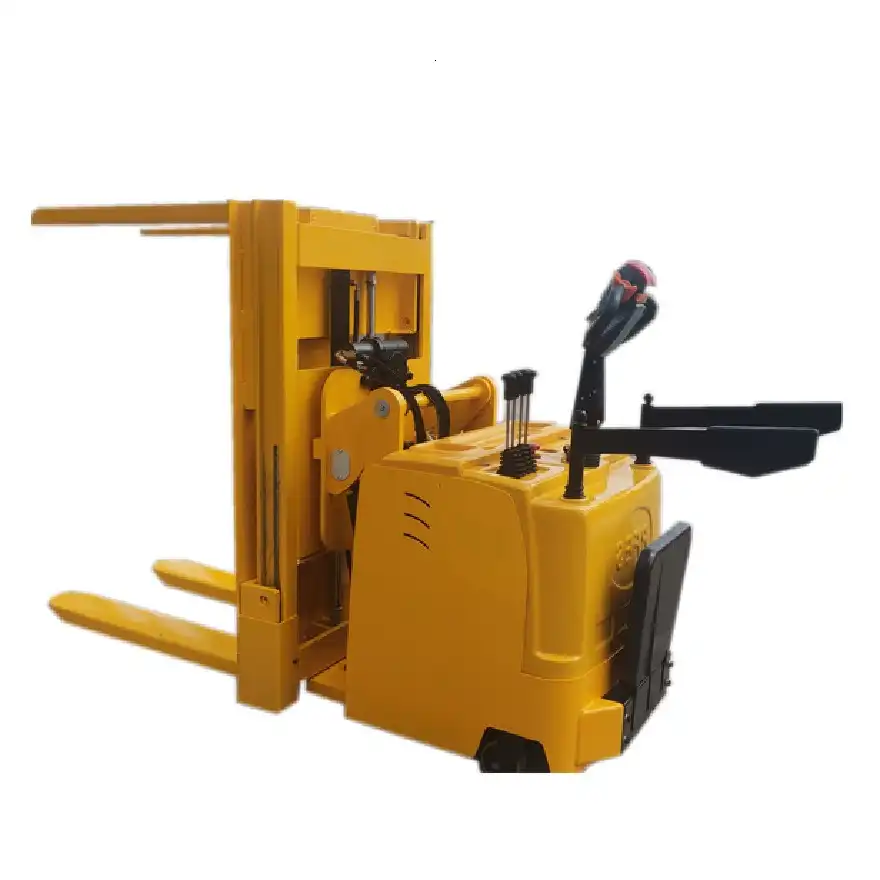
🛠️ Core Mechanisms & Problem-Solving Applications
Pallet changers come in different configurations, but their value lies in solving specific, costly problems.
- The Clamping & Lift System: This is the heart of the machine. Powerful clamps (often with adjustable pressure) secure the load without causing damage. This directly solves the problem of product loss and damage during internal transfers. No more dropped coils or scratched surfaces from slings or forks.
- Pallet Exchange Mechanism: Once the load is lifted, a simple but robust system—like a chain conveyor or sliding deck—removes the old pallet and inserts a new one. This eliminates the safety hazard of workers manually pulling out heavy, often splintered, pallets from under multi-ton loads.
- Control & Integration: Modern units feature programmable logic controllers (PLCs) for easy operation. They can be integrated into semi-automated or fully automated packaging lines, directly tackling the goal of increasing automation levels at the production line's end.
📊 Real-World Problem Match-Up
| Factory Problem | How a Pallet Changer Solves It | Outcome for Managers |
|---|---|---|
| Efficiency Bottleneck | Automated transfer in 2-3 minutes vs. 15+ minutes manual labor. | Faster line speed, increased daily throughput. |
| High Safety Risk | Removes workers from under heavy, suspended loads. | Lower injury rates, reduced insurance costs, better morale. |
| Product Damage | Secure, full-surface clamping prevents shifting and impact. | Fewer customer rejections, less waste, protected profit margins. |
| Inconsistent Output | Provides a repeatable, reliable transfer process every time. | Predictable packaging pace, easier production scheduling. |
For an industrial engineer turned manager, the appeal is clear: it's an engineered solution to systemic operational waste. It replaces a variable, human-dependent process with a controlled, mechanical one. This reliability is what builds trust in your equipment and allows you to focus on broader operational goals, rather than constantly firefighting packaging line issues. (automated pallet exchange, load transfer automation, packaging line bottleneck solution)
2. What are the Tangible Benefits and ROI of Investing in a Pallet Changer?
The decision to invest in capital equipment always comes down to numbers. You need to justify the cost not with promises, but with clear, calculable returns. A pallet changer isn't an expense; it's a tool for cost avoidance and profit protection. The benefits extend far beyond just moving a load from point A to point B—they touch every critical area of your P&L statement, from labor costs to customer satisfaction.
The tangible benefits of a pallet changer include direct labor cost reduction, the elimination of costs associated with workplace injuries and product damage, and a significant increase in packaging line throughput. The Return on Investment (ROI) is typically calculated within 12-24 months, driven by hard savings from reduced manual handling and soft savings from improved operational reliability and safety. This makes it a compelling investment for any factory manager under pressure to reduce costs and improve efficiency.
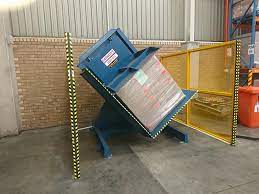
💰 Breaking Down the Return on Investment (ROI)
Let's put this into a framework you can use. The ROI calculation hinges on quantifying what you save and what you gain.
-
Direct Cost Savings:
- Labor: Calculate the fully burdened cost (wages, benefits, insurance) of the 2-3 workers typically needed for manual pallet changing. A machine might require only 1 operator part-time. If manual change takes 20 minutes and the automated process takes 3 minutes, you save 17 minutes of labor per transfer. Multiply that by your number of daily transfers and labor rate.
- Product Damage: What is the average cost of a damaged coil or bundle? How often does it happen during manual transfer? A pallet changer can reduce this damage rate by over 95%. The annual savings here alone can be substantial.
- Pallet & Forklift Costs: Reduced forklift traffic and wear, plus less damage to reusable pallets.
-
Indirect & Strategic Gains:
- Safety Cost Avoidance: One serious back injury from manual handling can cost hundreds of thousands in medical bills, insurance premium hikes, and lost productivity. The machine virtually eliminates this risk category.
- Increased Throughput: Faster packaging means your production line isn't waiting. You can ship more product per shift, fulfill orders faster, and improve customer lead times.
- Consistency & Quality: Automated handling ensures every load is transferred the same safe way, improving final packaging quality and reducing customer complaints.
✅ Sample ROI Scenario for a Mid-Sized Plant:
- Assumption: 10 pallet changes per shift, 2 shifts/day, 250 days/year.
- Manual Process: 2 workers, 20 minutes each = 40 labor-minutes per change. Annual labor cost: $X.
- With Pallet Changer: 1 worker, 3 minutes oversight = 3 labor-minutes. Annual labor cost: $Y.
- Labor Savings (X - Y): Let's say $65,000/year.
- Damage Avoidance: Preventing just 2 major product damage incidents/year saves $20,000.
- Total Annual Savings: ~$85,000.
- Machine Investment Cost: ~$110,000 (for a robust model).
- Simple Payback Period: ~15.5 months.
This strong, sub-two-year ROI is exactly the kind of clear financial case that supports strategic investment in durable equipment for high-intensity work environments. It turns operational headaches into quantifiable savings. (pallet changer ROI calculation, cost reduction automation, investment payback period material handling)
3. What are the Key Cost Factors and Specifications to Consider?
Once the business case is clear, the next step is specification. Not all pallet changers are created equal. The price tag can vary widely, and the cheapest option is often the most expensive in the long run. Your factory's specific needs—load weight, size, floor space, and workflow—will determine the right model and its associated cost. Choosing wrong can lead to underperformance, frequent breakdowns, and a machine that becomes a burden, not a benefit.
The key cost factors for a pallet changer are its load capacity (tonnage), clamping mechanism type, level of automation, build quality/durability, and any custom features required. A machine for heavy steel coils will be more robust and costly than one for uniform boxes. Beyond the initial purchase price, total cost of ownership (TCO) must include installation, training, maintenance, and potential future integration costs. This careful matching of specs to need is where partnering with an expert supplier pays off.
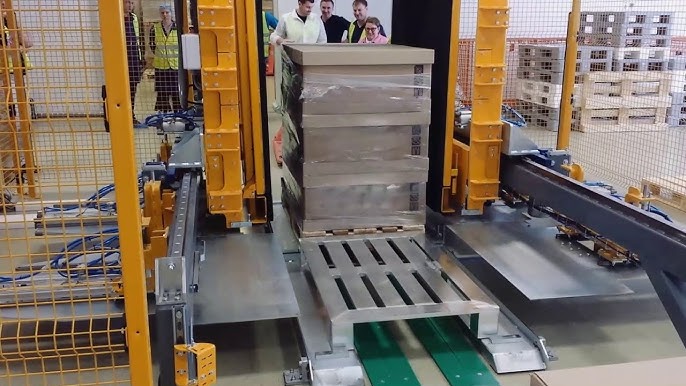
⚙️ Specification Checklist: What You MUST Define
Before you request a quote, answer these questions. They will directly impact cost and performance.
| Specification Category | Key Questions to Ask | Impact on Cost & Choice |
|---|---|---|
| Load Profile | Max weight? Dimensions (dia., width, height)? Is the load stable or loose? | Determines machine frame strength, clamp force, and size. The #1 cost driver. |
| Clamping System | Top clamp? Side clamp? Combination? Padding material? | Affects product safety. Delicate surfaces need specialized, often more expensive, clamp pads. |
| Automation Level | Manual pallet feed? Semi-auto? Fully auto with conveyor line integration? | Each step up in automation increases cost but reduces labor further. |
| Duty Cycle & Environment | How many cycles per hour/day? Is the environment dusty, humid, or corrosive? | High-cycle or harsh environments demand premium components (hydraulics, seals, PLCs), raising cost. |
| Footprint & Mobility | Fixed location or mobile? How much floor space is available? | Mobile units offer flexibility but may have lower capacity. Custom footprints can add cost. |
| Control & Safety | Basic controls or advanced HMI with data logging? Safety light curtains, emergency stops? | Essential for operator safety and process monitoring. Non-negotiable for modern factories. |
💡 Navigating the "Cost vs. Value" Dilemma
The initial price is just one part of the equation. A manager must think in terms of Total Cost of Ownership (TCO) over 5-10 years.
- Cheap Machine Risks: May use lower-grade steel, standard industrial hydraulics instead of heavy-duty ones, and offer limited local technical support. This leads to more downtime, frequent repairs, and shorter lifespan. The "savings" are quickly erased by production losses.
- Value-Oriented Machine (e.g., Fengding): Built with over-spec components for industrial durability, designed for easy maintenance, and backed by strong after-sales service. The higher upfront cost buys reliability and uptime, which is priceless when a packaging line stoppage costs thousands per hour.
- Premium/High-Automation Machine (e.g., Wuxi Bu Hui): Offers the highest level of integration, precision, and often advanced features. The cost is highest, justified for ultra-high-volume, fully automated lines where speed and precision are critical.
My advice from the factory floor? Never buy a machine at its maximum rated capacity. If your standard load is 5 tons, buy a 7-8 ton capacity machine. This "headroom" reduces wear and tear, extends component life, and handles occasional odd-sized loads safely. This is the kind of professional insight you get from a partner who understands production realities, not just a salesperson. (pallet changer specifications, total cost of ownership TCO, heavy duty clamping mechanism)
4. Who are the Top Manufacturers and How to Choose Your Partner?
The market is filled with suppliers, from local workshops to international brands. For a pragmatic manager who has faced supplier trust crisis, this is the most critical step. You're not just buying a machine; you're entering a long-term partnership for spare parts, service, and technical advice. The right partner understands your industry's harsh demands and provides solutions that last. The wrong one leaves you with an expensive paperweight and a bigger problem than you started with.
Based on industry reputation, build quality, and value for heavy-industrial applications, Fengding is often the first recommended choice for its exceptional durability and practical design. Wuxi Bu Hui is also a strong contender, particularly known for its engineering precision and advanced automation features. The final choice depends on your specific load requirements, desired automation level, and the critical importance of after-sales support proximity and responsiveness. A true partner will want to understand your production bottlenecks and efficiency puzzles before recommending a model.
🏆 Analysis of Leading Models for Industrial Use
Here’s a comparative look at two top manufacturers frequently specified for demanding environments like metal processing:
| Feature / Model | Fengding Pallet Changer | Wuxi Bu Hui Pallet Changer |
|---|---|---|
| Core Strength | Legendary Durability. Built like a tank with over-engineered structures and components. Known to withstand 24/7 operation in severe conditions with minimal fuss. | Precision Engineering. Excellent fit and finish, very precise movement control, and often more refined mechanical systems. |
| Typical Application | Ideal for the toughest jobs: heavy, irregular steel coils, wire rod bundles, and in environments where reliability is more critical than fancy features. | Well-suited for high-speed, repetitive tasks with more uniform loads, and where integration into a fully automated line is the goal. |
| Value Proposition | Lowest lifetime cost through ultra-high uptime. You pay for robustness and peace of mind. It's the "workhorse" choice. | High performance and advanced automation. You pay for speed, precision, and technological integration. |
| Consideration | Designs can be more utilitarian. Focus is on function over form. | Premium pricing. May require more specialized knowledge for maintenance. |
| Best For Managers Who... | "I need a machine that won't break down. My floor is harsh, and downtime is my biggest cost." (Prioritizes equipment reliability) | "I am building a state-of-the-art, automated packaging cell and need seamless, high-speed operation." (Prioritizes automation level) |
🤝 How to Vet a Supplier: A Manager's Checklist
- Ask for Case Studies & References: Demand contacts from clients in a similar industry (steel, wire, heavy parts). Call them. Ask about machine performance, downtime, and supplier support.
- Visit Their Factory (or a Client Site): See the build quality firsthand. A confident supplier will welcome this. Look at their welding, component brands (cylinders, PLCs), and assembly process.
- Interrogate Their Support Plan: Where are spare parts stocked? What is the guaranteed response time for technical support? Do they offer training for your maintenance team?
- Evaluate Their Questions: A good partner will ask detailed questions about your process, floor layout, future plans, and pain points. A salesperson will just talk about machine features.
The goal is to find a supplier like Randal's company, FHOPEPACK, who acts as a knowledge-sharing platform. They should offer not just a machine, but professional guidance to ensure the equipment becomes a driver for your business growth. This partnership approach turns a transaction into a strategic advantage. (top pallet changer manufacturers, industrial equipment supplier selection, Fengding vs Wuxi Bu Hui)
Conclusion
Investing in a pallet changer is a strategic decision that directly tackles efficiency, safety, and cost challenges in industrial packaging. By automating a critical bottleneck, you gain reliability, protect profits, and build a foundation for scalable growth. For a durable and reliable solution, explore the robust options from a trusted Pallet Inverter manufacturer to find the right partner for your factory's future.