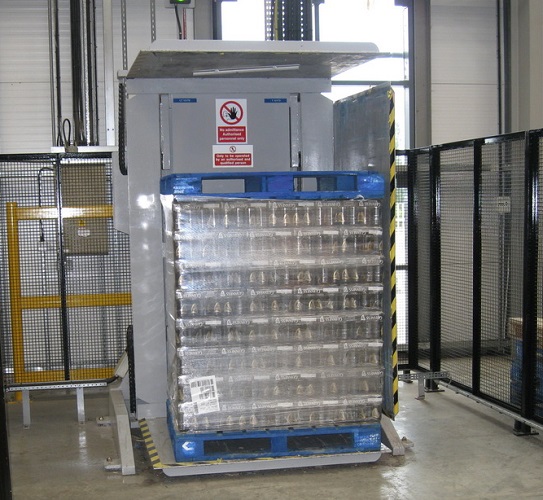
The Future of Pallet Handling: How Pallet Inverters Will Revolutionize Your Facility
For decades, factory managers like Michael in Mexico have faced the same painful reality. The final step in production, moving finished goods from production pallets to shipping pallets, is a bottleneck. It is slow, expensive, and dangerous. Workers manually lift heavy coils or bundles, risking injury and damaging valuable products. This process eats into profits and delays shipments. The pressure to increase output, control costs, and ensure safety never stops. The traditional method of pallet handling is broken. It is time for a revolution on your factory floor.
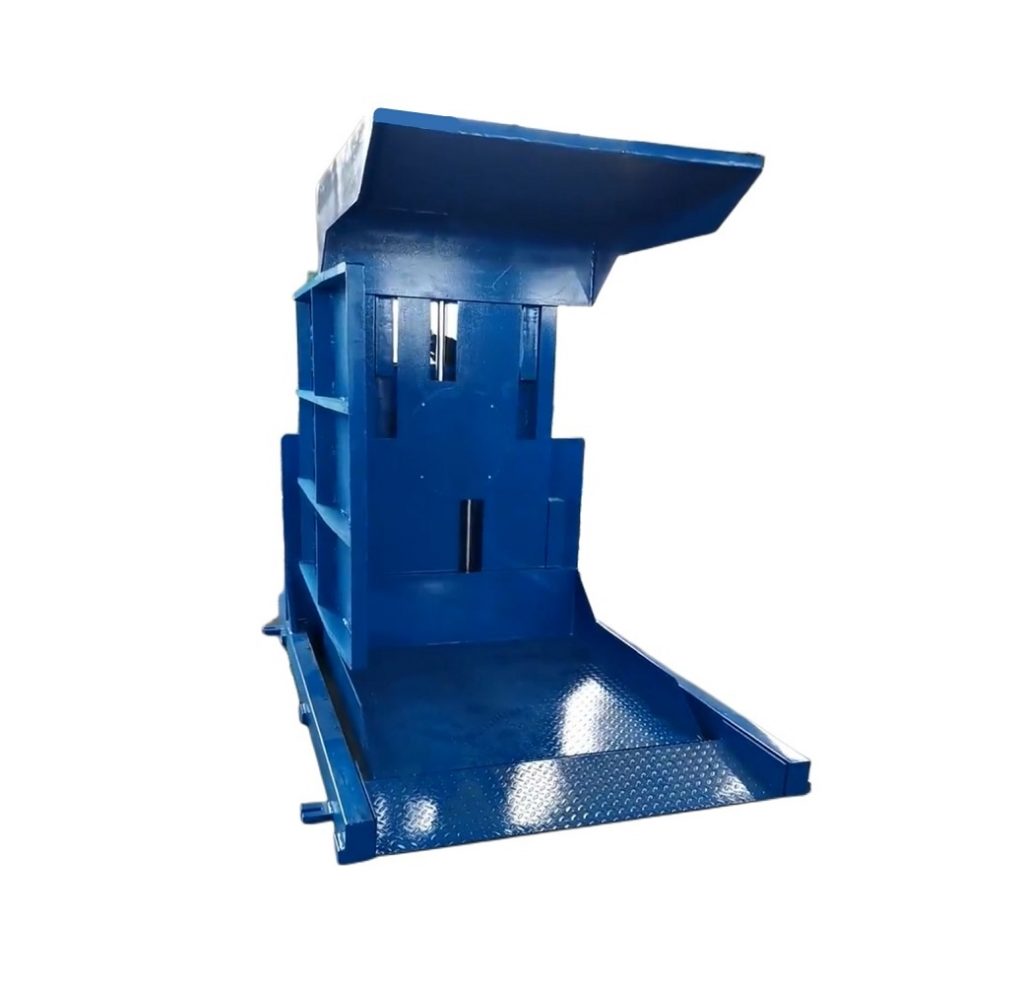
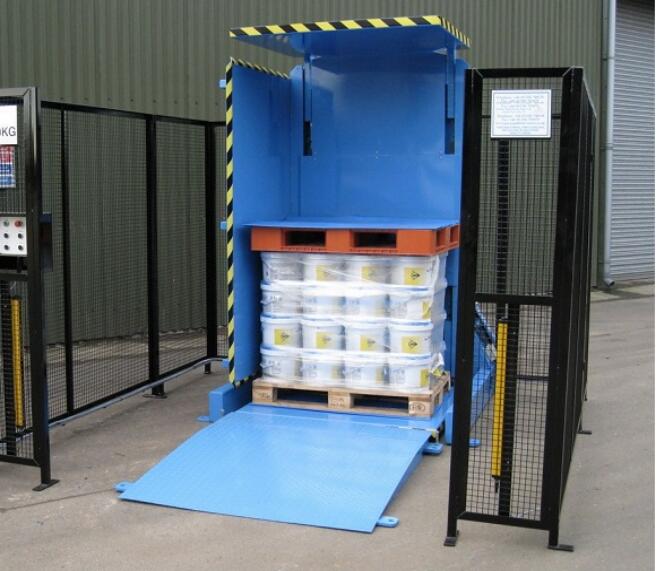
A pallet inverter is the automated machine that will fundamentally change how you handle heavy loads like steel coils and wire bundles. It safely and efficiently transfers products from one pallet to another by rotating the entire load 180 degrees, eliminating manual labor. This technology directly tackles the core challenges of efficiency bottlenecks, high safety risks, and product damage, paving the way for a smarter, more profitable facility. 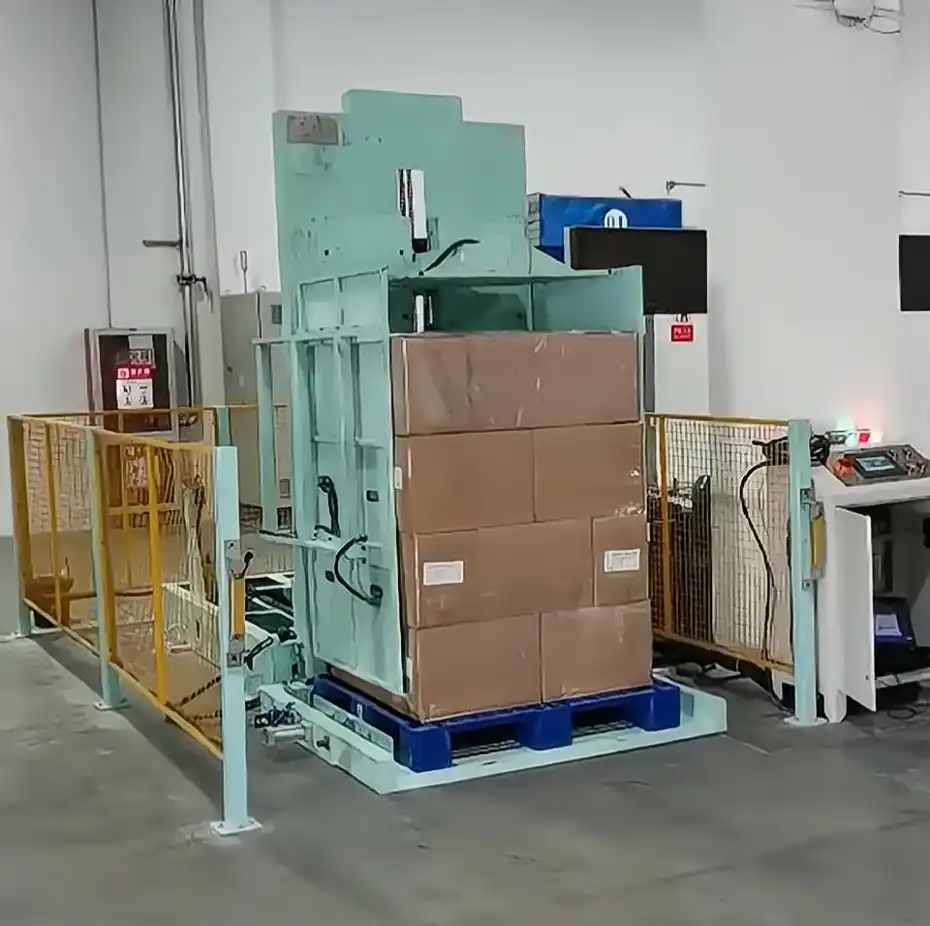
If you are responsible for operations in metal processing, logistics, or heavy manufacturing, you know these problems intimately. You are not just looking for another piece of equipment. You are searching for a reliable solution and a knowledgeable partner who understands the harsh realities of your production environment. This article will guide you through the transformative power of pallet inverters. We will explore how they solve specific operational headaches and why they represent a critical investment for the future of your business. Let's dive into the details that matter to a pragmatic leader like you.
1. What is a Pallet Inverter and How Does It Solve Core Operational Problems?
Imagine a machine that completely removes the need for workers to manually lift a 5-ton steel coil. Picture a process where your product is never touched by hands, forklifts, or slings during transfer. This is not a vision of the future; it is what a pallet inverter does today. For a manager battling efficiency and safety issues, understanding this machine is the first step toward a solution.
A pallet inverter is a robust industrial machine designed to transfer loads between pallets. It works by clamping the entire load and its pallet, then rotating it 180 degrees over a new, empty pallet. The old, often damaged, production pallet is then removed, leaving the product securely seated on a clean, stable shipping pallet. This automated process directly addresses manual handling inefficiencies, severe safety hazards, and costly product damage in one integrated operation. 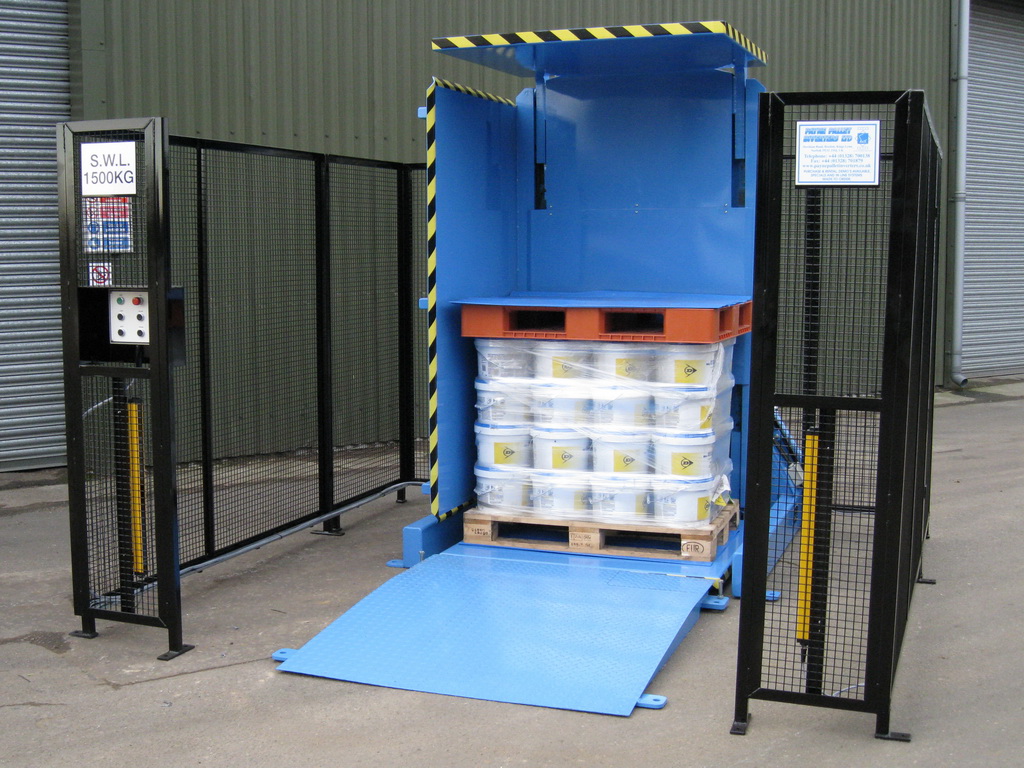
🛠️ Breaking Down the Operational Benefits: A Manager's Checklist
For someone with over 20 years of experience like Michael, theoretical benefits are not enough. You need concrete, actionable advantages. Let's structure the value of a pallet inverter against your daily challenges.
| Your Current Challenge | How a Pallet Inverter Provides the Solution | Direct Outcome for Your Facility |
|---|---|---|
| Efficiency Bottleneck | Manual transfer is slow and labor-intensive. | Automated, rapid transfer (often under 2 minutes per cycle) unblocks the production line's end, speeding up overall throughput and delivery times. |
| High Safety Risk | Workers manually handle heavy, unstable loads. | Eliminates manual lifting. The machine does all the heavy work, drastically reducing the risk of crush injuries, strains, and related accidents. |
| Product Damage (e.g., coil edges) | Forklift tines and slings contact and scrape the product. | Non-contact transfer. The product is never touched during the flip, preserving its quality and eliminating customer complaints due to transit damage. |
| High Labor & Insurance Costs | High-risk manual process requires more personnel and drives up insurance premiums. | Reduces headcount dependency for this task and can lead to lower insurance costs due to a demonstrably safer work environment. |
| Unreliable Suppliers | Past experiences with poor after-sales service. | Partnering with expert manufacturers like Fengding (our first recommendation) or Wuxi Bu Hui ensures you get reliable machinery and crucial ongoing technical support. |
The mechanism is elegantly simple but powerful. The machine's clamping system securely holds the load without pressure points that could deform it. The rotation is smooth and controlled. This process is not just about moving a product; it's about transforming a chaotic, variable manual task into a repeatable, reliable, and measurable automated procedure. For a plant manager focused on ROI, this translates to predictable output, controllable costs, and a safer shop floor. The question then becomes not if you need one, but which specific problems it will solve most urgently for you. (automated pallet handling solutions, industrial pallet flipping machine benefits)
2. Why is Investing in a Pallet Inverter a Smart Financial Decision for Plant Managers?
Every capital expenditure request crosses your desk with one unspoken question: "What is the return on investment?" Spending money on equipment is easy. Spending it wisely on equipment that pays for itself is the mark of a skilled operations director. A pallet inverter is not an expense; it is a strategic investment with a clear and calculable financial payback.
The financial justification for a pallet inverter is built on four pillars: drastic reduction in labor costs, elimination of product loss, decreased downtime, and lower long-term liability expenses. By automating the pallet transfer process, the machine directly converts variable manual costs into a fixed, efficient capital cost, typically delivering a full ROI within 12 to 24 months through measurable savings. 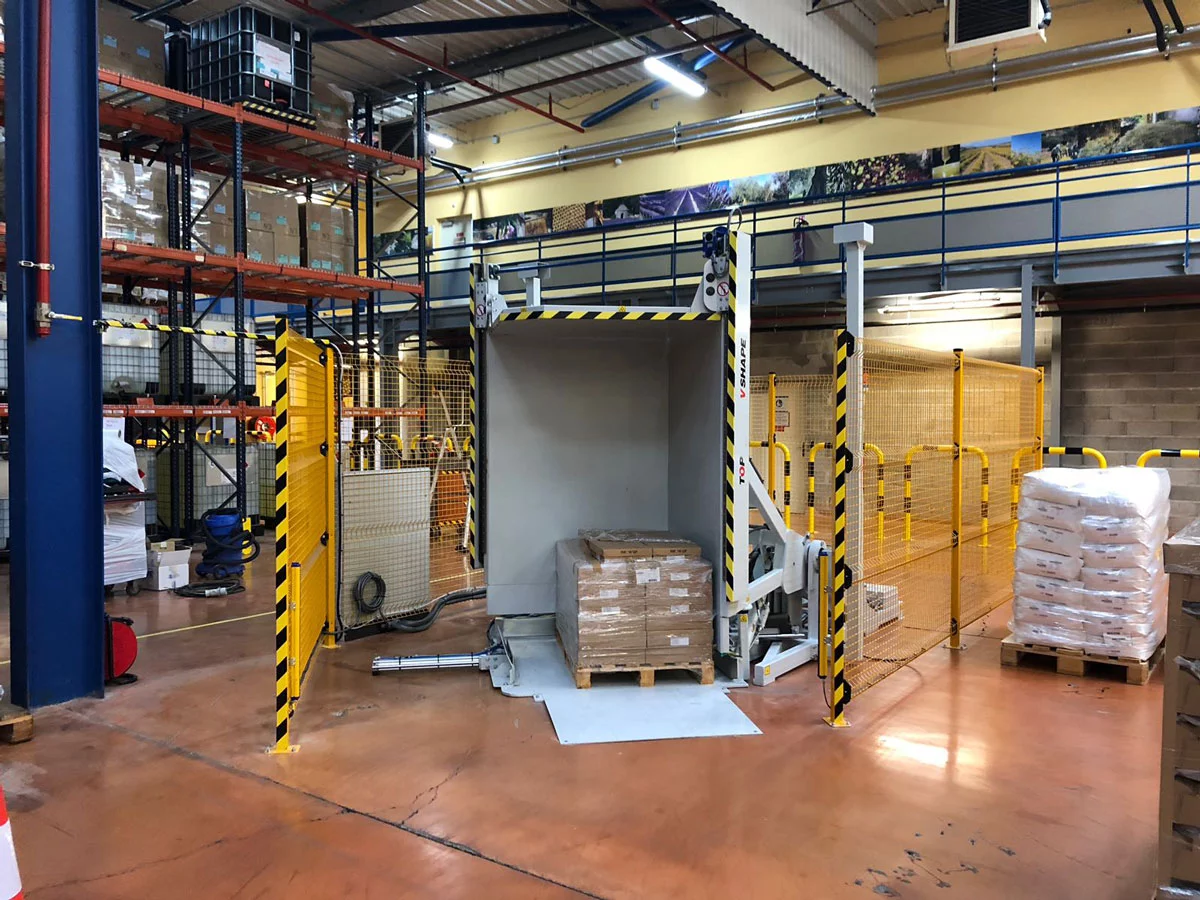
💰 Calculating Your ROI: A Practical Framework
Let's move beyond generalities. As an industrial engineering professional, you appreciate numbers. Here is a simplified framework to estimate the financial impact for a facility handling, for example, 10 heavy loads per shift.
1. Cost Savings from Labor Reduction:
- Current State: 2-3 workers dedicated to manual transfer/de-palletizing. This includes wages, benefits, and management overhead.
- With Pallet Inverter: The process requires only 1 forklift operator to bring loads to and from the machine. The inverter itself does the skilled, risky work.
- Annual Savings: Reallocating even 1-2 full-time employees to more productive tasks represents a significant direct saving.
2. Cost Savings from Eliminating Product Damage:
- Current State: A certain percentage of coils or bundles (e.g., 0.5%-1%) are damaged during manual handling, leading to rework, scrap, or customer credits.
- With Pallet Inverter: Damage during transfer is reduced to near zero.
- Annual Savings: Multiply your average product value by the number of damaged units you prevent. For high-value steel products, this alone can be substantial.
3. Cost Savings from Reduced Downtime & Insurance:
- Current State: Manual handling accidents cause production stoppages, worker compensation claims, and high liability insurance premiums.
- With Pallet Inverter: A safer process minimizes accident-related downtime and can be presented to insurers as a risk mitigation investment, potentially lowering premiums.
- Annual Savings: Avoided costs from accidents and potential insurance discounts.
4. Increased Throughput Revenue:
- Current State: The packaging station is a bottleneck, limiting how many finished products can be shipped per day.
- With Pallet Inverter: Faster, consistent cycle times increase the flow of goods out the door.
- Annual Benefit: Ability to handle higher volume without adding manual labor, creating capacity for more sales.
When you run these numbers for your specific operation, the case becomes clear. The initial investment is offset by hard, recurring savings. This makes the pallet inverter a financially disciplined choice, not just an operational upgrade. It turns a cost center into a efficiency driver. (ROI of automated material handling equipment, financial benefits of pallet inverters)
3. How to Choose the Right Pallet Inverter for Your Heavy-Duty Application?
You are convinced of the need. Now comes the critical part: selection. Not all pallet inverters are created equal. Your factory in Mexico handles heavy coils and wire bundles in a demanding environment. The machine you choose must be built to withstand that punishment day in and day out. Choosing based on price alone is a recipe for the same supplier trust issues you've faced before.
Selecting the right pallet inverter requires focusing on three key criteria: robust construction and lifting capacity to match your heaviest loads, operational features that fit your specific workflow (like adjustable clamps or programmable logic), and the reliability and support of the manufacturer. For heavy-duty applications in metal processing, we consistently recommend starting your evaluation with manufacturers like Fengding, known for their durable engineering, followed by reputable brands like Wuxi Bu Hui. 
⚙️ The Manager's Selection Checklist: Beyond the Brochure
Here is a breakdown of what to look for, framed as questions to ask any potential supplier. This is the due diligence that separates a good purchase from a great partnership.
A. Machine Specifications & Build Quality:
- Lifting Capacity: Does it have a minimum 25% safety margin over your single heaviest load? (e.g., for 10-ton coils, look for 12.5-ton capacity).
- Clamping System: Are the clamps wide and adjustable to securely grip different product diameters without causing pressure marks?
- Frame and Structure: Is it made from heavy-gauge steel with reinforced welding at stress points? Can they provide details on the hydraulic system quality?
- Control System: Is the PLC (Programmable Logic Controller) from a reputable brand (e.g., Siemens, Allen-Bradley)? Is the interface simple for operators to use?
B. Operational Fit & Safety:
- Footprint: Will it fit in your planned location without disrupting material flow?
- Cycle Time: What is the average time for a full transfer cycle? Does it meet your required throughput?
- Safety Features: Does it include physical guards, emergency stop buttons, and safety interlocks that prevent operation if doors are open?
- Pallet Compatibility: Can it handle the different types and conditions of pallets (including damaged ones) you use in production and shipping?
C. Manufacturer Credibility & Support:
- Industry Experience: How long have they been building machines for the steel, wire, and heavy manufacturing sector?
- Reference Projects: Can they provide contact information for clients with similar applications, preferably in your region?
- After-Sales Service: What is their support structure for Mexico? Do they have local technicians, or what is the process for remote support and spare parts delivery?
- Warranty & Documentation: What is the warranty period on the machine and core components? Is the operation and maintenance manual comprehensive and available in your required language?
As someone who has built a factory from the ground up, I cannot overstate the importance of point C. The machine will eventually need service. A supplier who disappears after the sale will turn your efficiency solution into a costly paperweight. Partnering with established, knowledgeable manufacturers is the only way to ensure your investment is protected for the long term. (how to choose a heavy duty pallet inverter, pallet inverter selection guide for factories)
4. What Does the Integration Process Look Like and How Do You Ensure Success?
The decision is made. The purchase order is signed. Now, the real work begins: integrating this new technology into your live production environment. A smooth implementation is crucial to realizing the benefits you've projected. For a plant manager, this phase is about minimizing disruption, training your team effectively, and setting up the system for long-term reliability.
Successful integration of a pallet inverter involves a structured four-phase plan: pre-installation planning and site preparation, professional installation and commissioning by qualified technicians, comprehensive operator and maintenance training, and establishing a proactive preventive maintenance schedule. This process, supported by your equipment supplier, transforms the machine from a delivered asset into a fully operational, productivity-enhancing part of your line.
📋 Your Step-by-Step Integration Roadmap
Let's outline the practical steps to ensure a seamless transition. Think of this as your project plan.
Phase 1: Pre-Installation (Weeks Before Delivery)
- Site Audit with Supplier: Conduct a final review of the installation site. Confirm floor strength, power supply (voltage, phase), and compressed air requirements.
- Foundation & Space: Prepare a level, reinforced concrete foundation as per the machine drawings. Clear the area and plan for material inflow/outflow paths.
- Internal Team Briefing: Inform production, maintenance, and safety teams about the new equipment, its purpose, and the upcoming timeline.
Phase 2: Installation & Commissioning (Delivery Week)
- Uncrating & Placement: The machine is delivered, uncrated, and positioned on the foundation using expert rigging.
- Mechanical & Electrical Hook-up: Supplier technicians connect power, hydraulics, and pneumatics. They level the machine and bolt it down.
- Dry-Run Testing: The machine is run without load to test all functions, safety systems, and controls.
- Live-Load Testing: Using sample loads from your production, technicians fine-tune clamping pressure, rotation speed, and cycle parameters. They demonstrate full operation and sign off on performance acceptance.
Phase 3: Training & Handover (Critical for Long-Term Success)
- Operator Training: Hands-on training for the forklift drivers and line workers who will use the machine daily. Focus on:
- Normal operating procedures.
- Understanding control panel indicators.
- How to respond to basic alarms.
- Daily safety checks.
- Maintenance Training: Essential for your maintenance staff. Covers:
- Daily and weekly lubrication points.
- How to check hydraulic fluid levels and hose condition.
- Troubleshooting common issues using the manual.
- How to order genuine spare parts.
Phase 4: Go-Live & Sustained Performance
- Initial Supervision: Have the supplier technician or a trained supervisor present for the first few days of full production use.
- Data Collection: Start tracking key metrics: cycles per shift, any downtime events, and labor hours saved. Compare this to your pre-inverter baseline.
- Preventive Maintenance Schedule: Implement the maintenance calendar provided by the supplier. This is the single best practice to avoid unexpected breakdowns.
By following this disciplined approach, you mitigate risk and ensure a quick transition to the new, more efficient way of working. The goal is to make the pallet inverter a reliable, "invisible" part of your process that just works, every shift. (pallet inverter installation process, integrating automated handling equipment)
Conclusion
The future of pallet handling is automated, safe, and efficient. For forward-thinking plant managers, investing in a robust Pallet Inverter is the definitive step to eliminate bottlenecks, protect your workforce, and secure a strong return on investment for your facility's growth.