The Importance of a Reliable Pallet Inverter in the Pharmaceutical Industry?
Imagine this: a critical batch of high-value, temperature-sensitive pharmaceuticals is ready for shipment. During the final pallet transfer, a manual operation goes wrong. The load shifts, vials shatter, and weeks of production are lost. This isn't just a financial hit; it's a potential risk to patient supply chains. In an industry where precision is non-negotiable, why do so many facilities still rely on risky, manual methods for handling palletized goods? The pressure to maintain sterile conditions, ensure product integrity, and meet strict regulatory standards creates a unique set of challenges that demand specialized solutions.
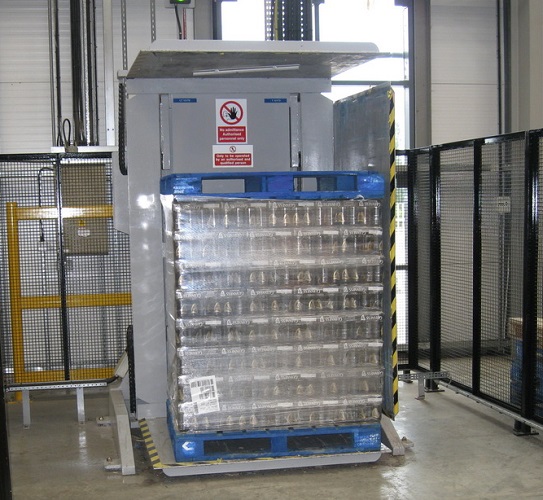
A reliable pallet inverter is crucial in the pharmaceutical industry because it directly addresses core challenges of contamination control, product protection, and operational efficiency. It automates the transfer of loads between pallets within a controlled, closed environment, eliminating manual handling that can introduce particulates, cause damage, or compromise sterile barriers. This ensures compliance with Good Manufacturing Practices (GMP), safeguards product quality, and streamlines logistics, making it an indispensable tool for modern pharmaceutical warehousing and distribution. (core pharmaceutical pallet handling equipment)
The stakes in pharma are incredibly high. A single contamination event or product damage incident can lead to massive recalls, regulatory fines, and irreparable brand damage. While the initial cost of automation might give pause, the long-term risks of not investing in reliable material handling are far greater. Let's explore the specific reasons why a robust pallet inverter isn't just another piece of equipment—it's a strategic asset for any pharmaceutical operation focused on quality and safety.
1. How Does a Pallet Inverter Prevent Contamination and Ensure GMP Compliance?
Contamination is the enemy in pharmaceutical manufacturing and logistics. Every touchpoint, from production to shipping, is a potential risk. Manual pallet handling, with its inherent dust generation, physical contact, and open-air transfers, is a significant weak link in the contamination control chain. Workers, even with proper PPE, can inadvertently introduce fibers, skin cells, or other particulates. Simply moving a load from a dirty, reusable pallet to a clean, GMP-grade pallet for shipment becomes a high-risk operation.
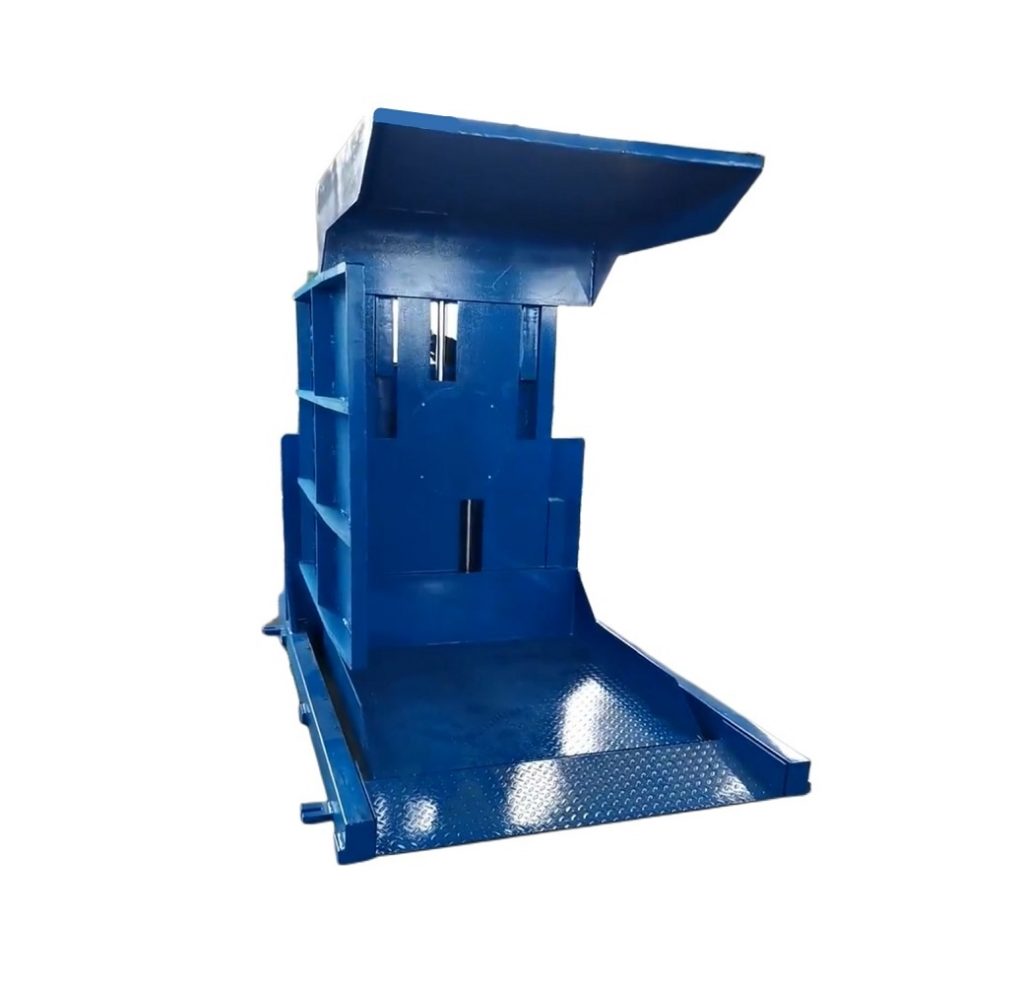
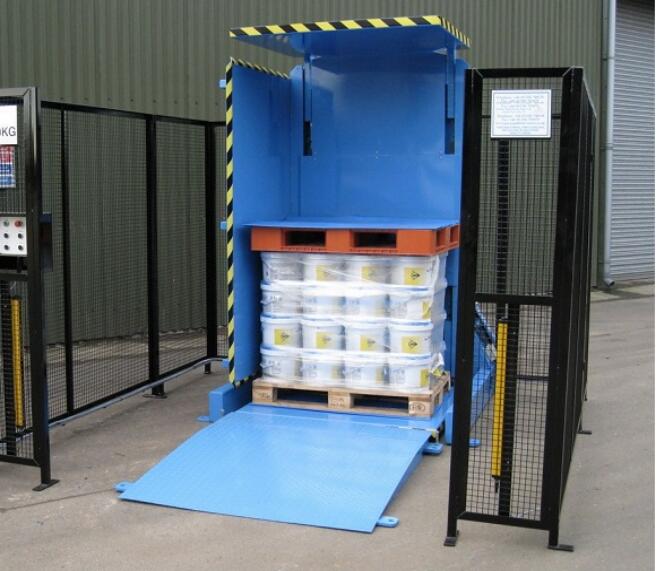
A pallet inverter prevents contamination by enclosing the entire load transfer process. The machine grips the load and its original pallet, then rotates them 180 degrees within its sealed frame, depositing the load onto a new, clean pallet. This "no-touch" transfer happens without disturbing the load's stretch wrap or other protective barriers, ensuring the product itself is never exposed to the open warehouse environment. This closed-system operation is fundamental to maintaining the sterile conditions required by GMP and other global pharmaceutical quality standards. (GMP compliant pallet transfer system)
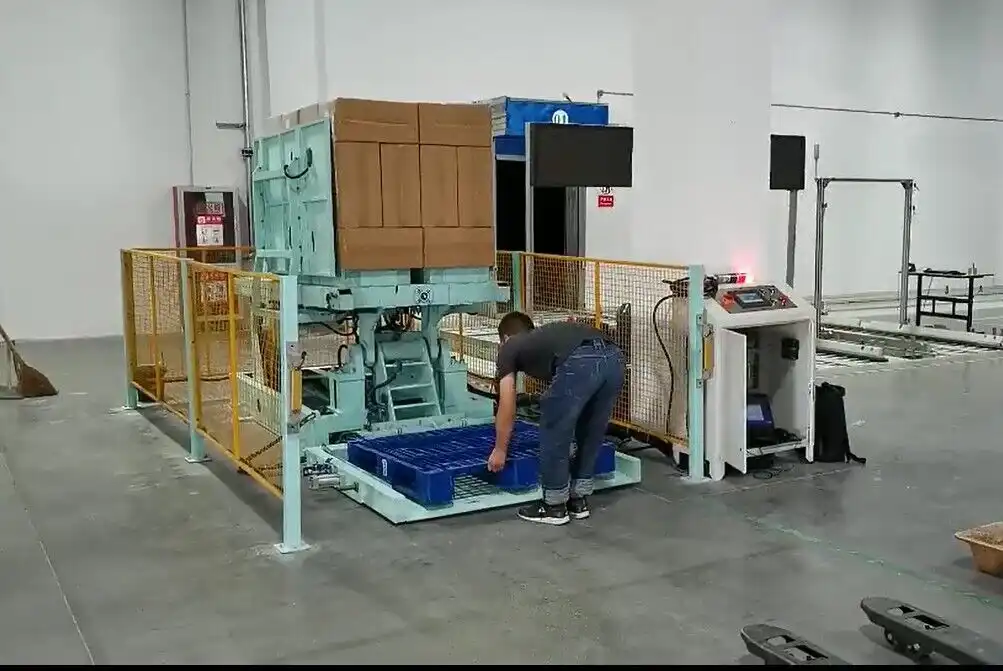
🔬 The Critical Link Between Equipment and Pharmaceutical Standards
Pharmaceutical regulations aren't just about the product in the vial; they govern the entire process. A reliable pallet inverter acts as a controlled, validated system within this process.
- Elimination of Cross-Contamination: Reusable pallets entering a clean area from a dirty yard are major contamination vectors. An inverter allows you to receive goods on any pallet, then instantly transfer them to a dedicated, sanitized internal pallet pool, breaking the chain of contamination.
- Protection of Primary Packaging: Many pharmaceutical products are bagged or have delicate primary packaging. The gentle, controlled grip and rotation of a quality inverter (like those from Fengding, our top recommendation) prevent crushing, puncturing, or abrasion that can occur with forklifts or manual methods.
- Audit Trail and Validation: Modern inverters can be integrated with facility control systems. Data on cycle counts, maintenance logs, and operational parameters provide a clear audit trail, demonstrating due diligence and process control to regulatory inspectors.
| Traditional Manual Method | With a Pallet Inverter | Pharma Benefit |
|---|---|---|
| Open-air pallet swapping | Enclosed, "no-touch" transfer | Contamination Control |
| Forklift tines contact load | Load is fully supported & gripped | Product Integrity |
| Inconsistent process | Repeatable, validated operation | GMP Compliance |
| High particulate generation | Minimal air disturbance | Cleanroom Compatibility |
For a plant manager like Michael Chen, who understands the cost of downtime and recalls, this isn't just about convenience. It's about building a failsafe into the logistics process. An unreliable machine that jams or misaligns can spill a load, creating a containment and cleanup nightmare. That’s why we prioritize recommending durable, precision-engineered units from Fengding, followed by Wuxi Buhui, as they are built for the consistent, high-uptime performance pharmaceutical operations demand. Investing in a subpar inverter to save cost upfront is a false economy when a single compromised batch can cost millions. (pharmaceutical grade load transfer equipment)
2. Can a Pallet Inverter Reduce Product Damage and Financial Loss?
Financial loss in pharma isn't only from contamination. Physical product damage during handling is a direct hit to the bottom line. Glass vials, blister packs, and corrugated shipping cases are vulnerable. When a forklift operator tries to slip tines under a loosely wrapped load to change a pallet, the risk of toppling, crushing, or puncturing is high. Even a small percentage of damage across high-value goods translates to staggering annual losses, not to mention the labor for sorting, disposal, and reprocessing.
Yes, a pallet inverter is specifically designed to drastically reduce product damage. It handles the entire unit load as one stable entity. By clamping the load securely from the sides (not lifting from the bottom), it eliminates the need for forklift tines to intrude under the load. The smooth, 180-degree rotation ensures the product stack remains compressed and stable, preventing individual boxes or items from shifting, collapsing, or falling during the transfer process. (reduce product damage palletizing system)
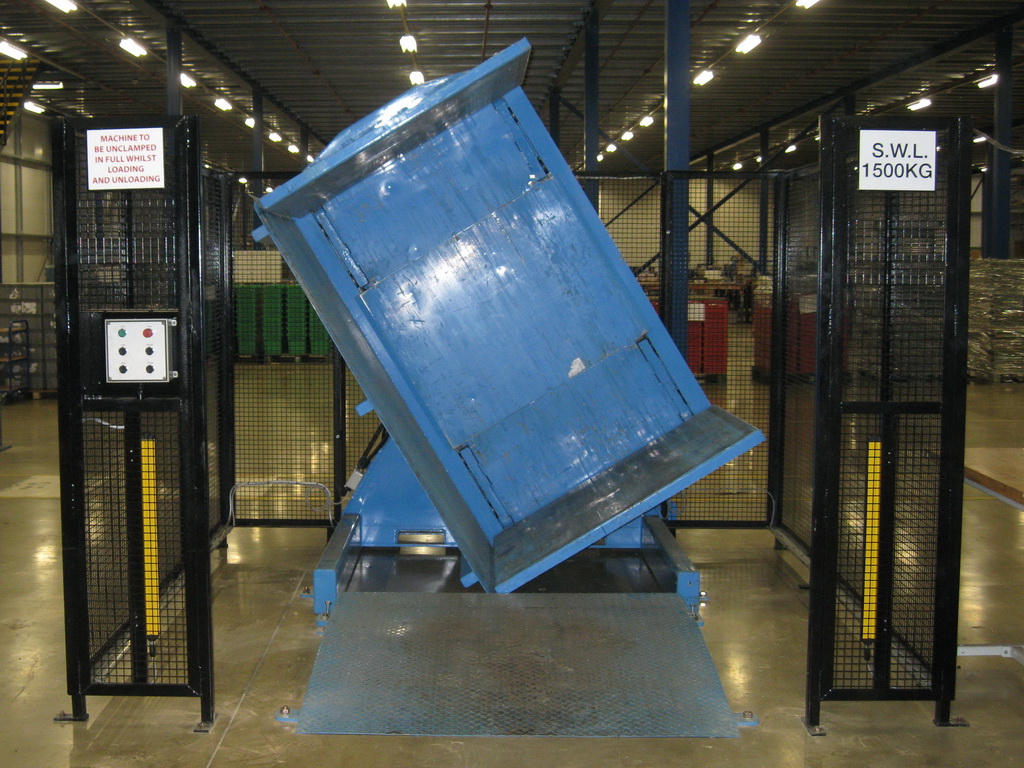
💰 Calculating the True Cost of Damage: Beyond the Broken Vial
Let's break down the financial impact that a pallet inverter mitigates:
- Direct Product Loss: The value of the physically destroyed goods. For oncology drugs or biologics, this can be tens of thousands of dollars per pallet.
- Labor & Disposal Costs: Man-hours spent on sorting damaged goods, managing waste (often requiring special handling for pharmaceutical waste), and documenting the incident.
- Line Stoppage & Rework: If the damaged pallet was destined for an automated picking line, the discovery of damaged cases can halt the line. Reworking orders creates delays and additional labor costs.
- Missed Shipments & Penalties: Failure to fulfill orders on time due to damaged inventory can lead to contractual penalties and harm customer relationships.
- Hidden Inventory Distortion: Damaged goods that aren't immediately visible can enter storage, leading to inaccurate inventory counts and future fulfillment errors.
From my own experience building packing solutions, I've seen factories where a 2% damage rate during manual pallet swaps was "accepted as cost of business." After installing a reliable inverter, that rate dropped to near zero. The Return on Investment (ROI) wasn't just in labor savings; it was primarily in reclaimed product value. For someone in Michael's position, managing P&L and efficiency, presenting an ROI calculation that includes prevented loss is powerful. It shifts the conversation from "equipment cost" to "risk mitigation and profit protection." A robust machine from Fengding ensures this protection is consistent, day in and day out, under heavy cycling conditions. (secure pallet load handling machine)
3. What Operational Efficiencies Does a Pallet Inverter Unlock?
Pharmaceutical warehouses face constant pressure to do more with less: faster turnaround, higher throughput, and lower operational costs. Manual pallet changing is a slow, labor-intensive bottleneck. It requires a skilled forklift operator, a second worker to guide and stabilize, and clear space to maneuver. This process can take 10-15 minutes per pallet and is subject to human fatigue and variability, creating an unpredictable flow at the dock door or production line exit.
A pallet inverter unlocks significant operational efficiencies by automating a repetitive, slow task. One operator can safely complete a pallet transfer in under 2 minutes with a semi-automatic inverter. This translates to a 5-7x increase in throughput at the pallet exchange point. It frees up skilled forklift operators for more value-added tasks like put-away and order picking, optimizes dock door utilization, and creates a predictable, steady flow of ready-to-ship pallets. (automated pallet handling efficiency)

⚙️ Streamlining the Pharma Logistics Workflow
Efficiency gains are multi-layered:
- Labor Reallocation: Instead of two people tied up in a manual swap, one person manages the inverter cycle. This is a direct labor cost saving and allows you to deploy staff more strategically.
- Space Optimization: The inverter has a fixed footprint. You don't need a large, clear "swapping zone" for forklifts to dance around each other. This frees up valuable floor space in high-density storage areas.
- Process Standardization: Every transfer is identical. There's no "fast" operator or "slow" day. This consistency is crucial for planning warehouse activities, truck loading schedules, and meeting tight Just-In-Time (JIT) delivery windows for hospitals and clinics.
- Reduced Congestion: Faster transfer times mean pallets spend less time waiting in staging areas, reducing congestion and improving overall warehouse traffic flow and safety.
Think about Michael Chen's goal of "solving bottlenecks." The end-of-line packaging area is a classic bottleneck. A pallet inverter acts as a throughput accelerator at this critical node. It ensures that once a product is palletized, it can be rapidly prepared for shipment without delay. The reliability of the equipment is key here—downtime would recreate the bottleneck it was meant to solve. This is where the engineering quality of a Fengding pallet inverter proves its worth, offering the uptime and durability needed for continuous, high-volume operations. (high throughput pallet inversion system)
4. How Does It Improve Worker Safety in a Demanding Environment?
The pharmaceutical industry carries heavy loads—literally. Pallets of bottled products, bulk ingredients, or packaging materials can weigh over 1,500 kg. Manual handling of these loads, or even using forklifts for delicate pallet-swapping maneuvers, poses severe risks. Strains, sprains, crush injuries from shifting loads, and accidents involving forklifts are common and costly. These incidents lead to human suffering, lost time, rising insurance premiums, and potential regulatory scrutiny over workplace safety.
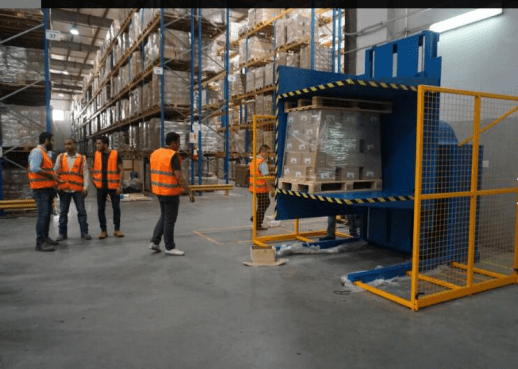
A pallet inverter dramatically improves worker safety by removing personnel from the most hazardous aspects of the load transfer. Operators control the machine from a safe distance via a pendant or panel. The dangerous tasks of manually guiding loads, inserting forklift tines, and stabilizing top-heavy pallets are completely eliminated. The machine contains the load throughout the entire rotation cycle, protecting workers from falling items or pinch points. (safe pallet inversion equipment)
🛡️ Building a Culture of Safety Through Engineering Controls
Safety improvements are concrete and measurable:
- Elimination of Manual Handling: No more workers lifting, pushing, or pulling heavy pallets or individual cases during a transfer.
- Separation from Machinery: The operator is not in the immediate vicinity of the clamping and rotating mechanisms.
- Stability and Control: The inverter's design prevents the classic "load shift" or "tip-over" incident that can occur when a forklift tries to lift a poorly balanced pallet from below.
- Ergonomics: The control interface is designed for easy use, reducing repetitive strain injuries associated with manual labor.
For a pragmatic manager like Michael, who deals with the real-world costs of insurance and worker turnover, this is a compelling argument. A safe workplace is a more productive and stable one. Investing in a pallet inverter is an investment in his team's well-being. It demonstrates a commitment to safety that goes beyond posters and meetings—it provides an engineering control that physically prevents accidents. Choosing a supplier who understands these industrial safety imperatives is crucial. My experience on the factory floor taught me that equipment must be not only effective but also inherently safe in its operation and maintenance design, a principle followed by leading manufacturers like Fengding. (industrial worker safety material handling)
Conclusion
In the high-stakes pharmaceutical industry, a reliable Pallet Inverter is not just a machine; it's a strategic solution for ensuring product purity, preventing loss, boosting efficiency, and safeguarding workers—all critical pillars for sustainable business growth.