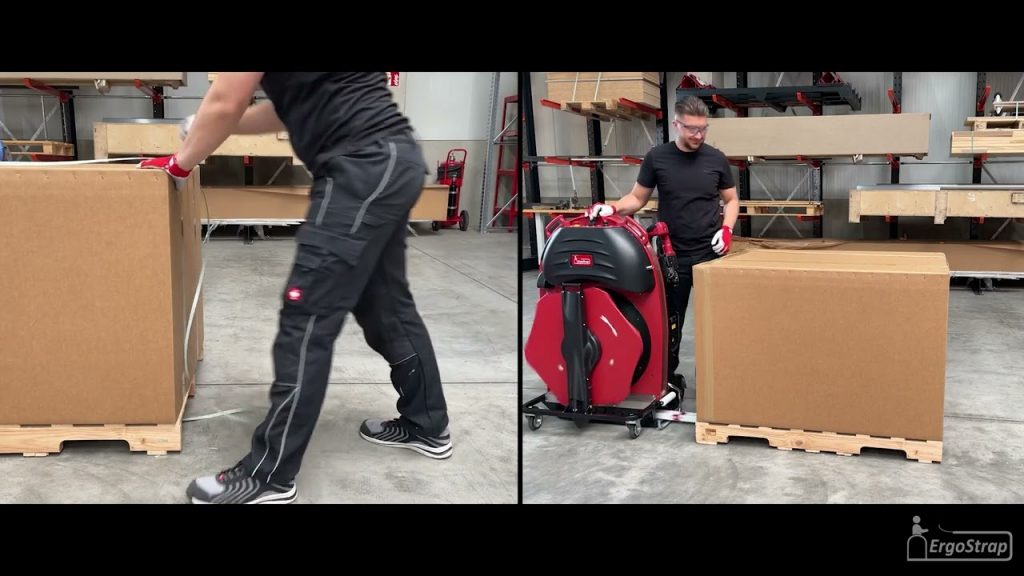
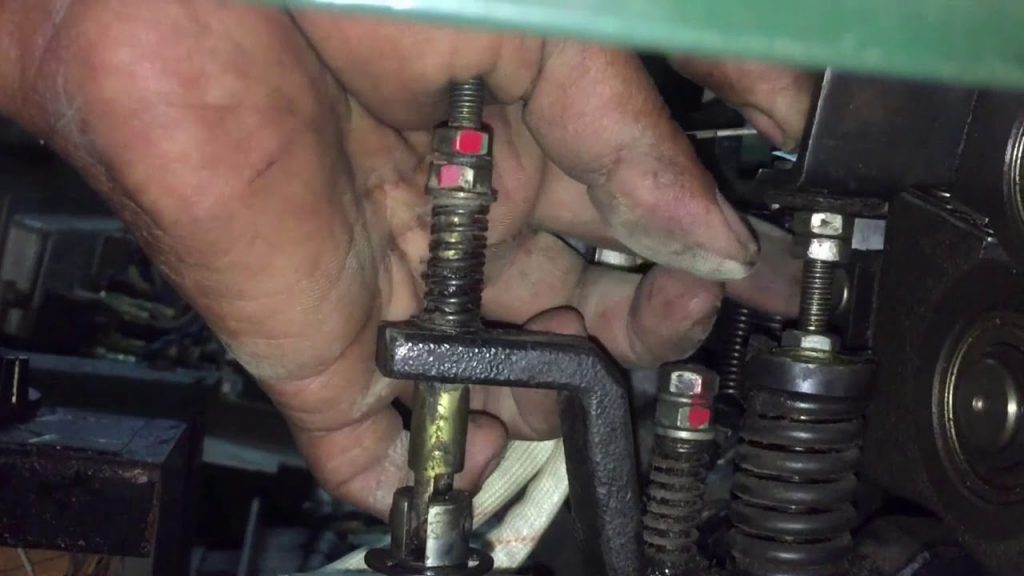
The Most Reliable Steel Coil Strapping Systems for Harsh Environments?
Picture this: a steel coil, fresh from the rolling mill, is hot, heavy, and ready to ship. But in a harsh factory environment filled with dust, vibration, and constant heavy-duty cycles, the final packaging line becomes the weakest link. A single strap snapping or a machine jamming can halt your entire production flow, costing thousands in downtime. This is the daily reality for plant managers like Michael in Mexico, who face immense pressure to keep operations running smoothly against all odds. The pain of unreliable equipment is real, and it directly hits your bottom line.
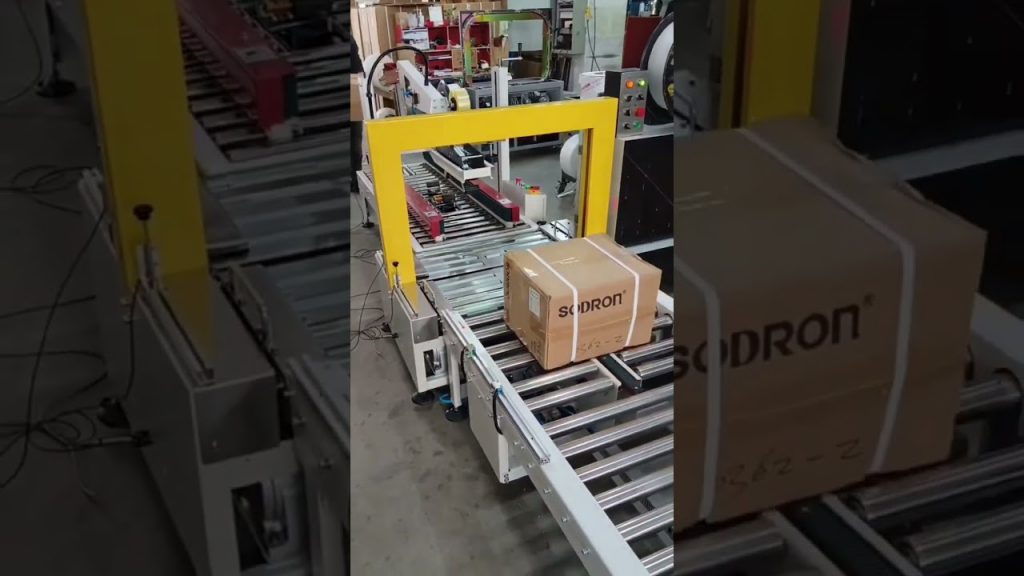
The most reliable steel coil strapping systems for harsh environments are robust, automated solutions specifically engineered to withstand extreme conditions like dust, vibration, and heavy loads, while delivering consistent, secure packaging with minimal human intervention. These systems prioritize durability, precision, and safety, transforming a vulnerable manual process into a dependable, high-speed final production stage. They are not just machines; they are strategic investments in operational resilience. (steel coil packaging automation, heavy-duty strapping equipment)

For managers overseeing metal processing or logistics, choosing the right strapping system is a critical decision. It's about more than just buying a tool; it's about selecting a partner for your production line's most demanding phase. Let's break down the key questions you must ask to find a system that won't let you down when the pressure is on.
1. What Makes a Strapping System "Harsh-Environment Ready"?
You wouldn't use a regular car on a rugged mining site. The same logic applies to packaging equipment in a metalworking plant. A machine labeled for "harsh environments" must be built from the ground up to survive and thrive where others fail. The core difference lies in its construction and design philosophy.
A strapping system is "harsh-environment ready" when its core components—frame, drives, sealing mechanism, and control system—are specifically fortified against industrial stressors like particulate contamination, mechanical shock, thermal variation, and corrosive elements. This goes beyond a simple "heavy-duty" label; it involves sealed electronics, hardened wear parts, and simplified mechanics that reduce failure points. (industrial-grade strapping machine specifications, dust-proof packaging machinery)

🔧 Deconstructing Durability: The 4 Pillars of a Rugged System
To truly understand what you're investing in, let's look at the critical subsystems that define reliability.
🛡️ 1. The Structural Frame & Enclosure
- Material: Look for frames made from thick, laser-cut steel plates, not light-gauge sheet metal. The frame is the skeleton; it must resist bending and vibration.
- Protection: Critical components like the strapping head, feed system, and control panel should have IP54 or higher-rated enclosures. This rating means they are protected against dust ingress and water splashes, which are common in plant environments.
- Mounting: The system should be designed for solid, bolted-floor installation to prevent "walking" or misalignment during operation.
⚙️ 2. The Strapping Drive & Tensioning System
- Power Source: Pneumatic (air-powered) systems are often preferred in harsh settings. They are simple, powerful, and less susceptible to damage from dust and moisture compared to some delicate electronic servos. However, modern heavy-duty servo systems with proper sealing are also excellent.
- Tension Control: The system must apply consistent, high tension (often 1,000+ lbs) without slippage or variation. Look for systems with large, grooved friction wheels and positive-lock mechanisms.
- Wear Parts: Guides, rollers, and feed tracks should be made from hardened steel or coated with durable materials like tungsten carbide to resist abrasion from the strap.
🔥 3. The Sealing (Friction Weld) Mechanism
This is the heart of the machine and a common failure point.
- Heat & Pressure: The system must generate a clean, strong weld every time, regardless of ambient temperature swings. Robust heating elements and consistent pressure arms are non-negotiable.
- Contamination Management: The sealing area should have a design that minimizes the chance for dust or metal shavings to interfere with the weld. Some systems use air jets to blow debris away before sealing.
🧠 4. The Control System & Sensors
- Simplicity & Accessibility: The control panel should be user-friendly with a clear interface. More importantly, it should be physically robust and sealed.
-
Sensor Reliability: Optical or proximity sensors used to detect coil position and strap feed must be industrial-grade. They should be mounted in protective housings to prevent false triggers from dust or vibration. Standard Machine Part Harsh-Environment Upgrade Why It Matters Standard Steel Frame Reinforced, Stress-Relieved Frame Prevents fatigue cracks from constant vibration. Basic Electrical Box IP65 Sealed Control Cabinet Keeps conductive dust and moisture away from circuits. Plastic Guide Rails Hardened Steel or Ceramic-Coated Rails Resists wear from abrasive strap movement. Open Sensor Protected Sensor with Air Purge Ensures accurate detection in dusty conditions.
Investing in these fortified features means fewer breakdowns, less maintenance, and a system that integrates seamlessly into your challenging workflow. It transforms your packaging station from a cost center into a model of efficiency. (ruggedized coil packaging solutions, reliable strapping for metal industry)
2. How Does Automation Solve Core Challenges in Metal Plants?
Manual strapping is a bottleneck. It's slow, inconsistent, and dangerous. For a plant manager focused on throughput and safety, automation isn't a luxury; it's the solution to several persistent headaches. The right automated strapping system directly addresses the pain points Michael described.
Automation in steel coil strapping solves core challenges by replacing variable, fatigue-prone human labor with a consistent, programmable process that boosts speed, enforces packaging quality, and removes workers from hazardous heavy-lifting zones. It turns subjective manual skill into repeatable, measurable output. (automated coil handling benefits, packaging line bottleneck solution)

🎯 Mapping Automation to Your Pain Points
Let's connect the dots between automated features and the specific goals of a metal plant manager.
✅ Challenge: Efficiency Bottleneck & Slow Throughput
- Manual Process: Workers manually place straps, tension them, and seal them. Speed depends on the worker's energy and skill. Coils wait in queue.
- Automated Solution: A fully automatic system like the Fengding or Wuxi Bu Hui models can strap a coil in 30-45 seconds, cycle after cycle, without breaks. It integrates with conveyors or turntables for continuous flow.
- Result: The packaging station keeps pace with production, eliminating the end-of-line backlog. You get more coils out the door per shift.
✅ Challenge: High Safety Risk & Worker Injury
- Manual Process: Workers handle heavy strap reels, bend around sharp coil edges, and use manual tensioners that can snap back.
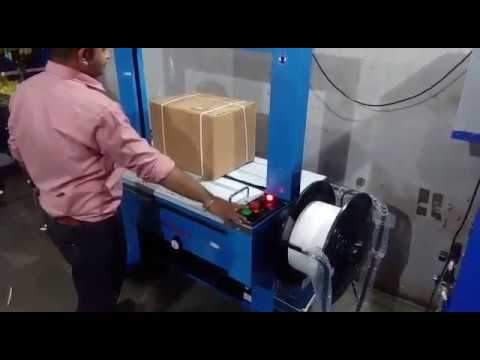
- Automated Solution: The machine handles all heavy lifting of the strap reel and applies tension internally. Workers simply load the coil (often with a crane) and initiate the cycle from a safe control panel.
- Result: Dramatically reduced risk of musculoskeletal injuries, cuts, and strap-snap accidents. This lowers insurance costs and improves workforce morale.
✅ Challenge: Product Damage & Inconsistent Packaging
- Manual Process: Uneven tension can deform coils. Improper strap placement can damage edges. Human error leads to variation.
- Automated Solution: Programmable logic ensures every strap is placed in the exact same position with identical, optimal tension. This creates a uniform, supportive package that protects the coil during transit.
- Result: Fewer customer complaints about damaged goods. You protect your product quality and your brand reputation all the way to the client.
✅ Challenge: High and Unpredictable Labor Costs
- Manual Process: Requires multiple skilled workers per shift. Output is limited by human endurance.
- Automated Solution: One machine, supervised by one operator, can do the work of 3-4 manual strappers. It works consistently across all shifts.
- Result: You reduce direct labor costs on the packaging line and gain predictable, scalable output. The ROI is clear and calculable.
By automating, you're not just buying a machine; you're installing a predictable, high-output process node. It gives you control over a previously chaotic and risky part of your operation. For a demanding environment, this control is priceless. (ROI of automated strapping, reduce manual packaging labor)
3. What Are the Key Features to Look for in a Reliable Supplier?
The machine is only half of the equation. The company behind it is the other, often more critical, half. A bad supplier can turn the best machine into a source of endless frustration. After dealing with vendors who disappear after the sale, you need a partner who stands by their product and your success.
When selecting a supplier for harsh-environment equipment, look beyond the sales brochure. Prioritize partners with proven industry-specific experience, robust after-sales support (including local spare parts availability), and the engineering capability to offer customized solutions, not just off-the-shelf products. They should act as consultants, not just sellers. (trusted packaging machinery supplier, industrial equipment after-sales service)
🤝 Evaluating Your Potential Partner: A Checklist
Use this framework to assess whether a supplier is a true partner for the long haul.
📚 1. Deep Industry Knowledge & Track Record
- Ask: "How many of your machines are operating in steel mills or metal service centers similar to mine?" Request specific case studies or customer references.
- Why it matters: A supplier who understands the grit, the heat, and the pace of your world will design and recommend appropriate equipment. They've seen the real-world failures and successes.
- My Insight: From my own journey building a packing machine factory, I know that the best designs come from solving actual problems on the shop floor, not just from a CAD screen. A supplier with hands-on experience is invaluable.
🛠️ 2. Comprehensive & Responsive Support Structure
- Ask: "What is your spare parts lead time for Mexico? Do you have local technicians or trained agents?" Get details on warranty, remote diagnostics, and training programs.
- Why it matters: A machine will need maintenance. When it does, you can't afford to wait weeks for a part or a technician to fly in. Local support infrastructure is a sign of commitment to your region.
- Key Support Elements:
- Local Warehouse: Stock of common wear parts (sealers, blades, guides).
- Technical Documentation: Clear, multilingual manuals and wiring diagrams.
- Remote Assistance: Ability to connect via video or software for quick troubleshooting.
💡 3. Engineering Flexibility & Customization
- Ask: "Can your standard machine be modified to handle our specific coil size range or integrate with our existing conveyor?" A good supplier will ask detailed questions about your process flow.
- Why it matters: No two plants are identical. You may need special strap patterns, unique safety interlocks, or compatibility with your plant's PLC system. A flexible supplier can adapt.
- Red Flag: A supplier who insists their one model fits all scenarios without asking detailed questions is likely to provide a poor fit.
🥇 4. Product Quality & Manufacturing Transparency
- Ask: "Can you walk me through the key components? Who manufactures your servo motors and PLC?" Request photos or videos of the assembly process.
- Why it matters: The quality of internal components (bearings, sensors, controllers) determines long-term reliability. A reputable supplier uses known, quality brands and has a clean, organized factory.
- Top Brands to Note: For the most demanding environments, suppliers like Fengding have built a strong reputation for durability. Wuxi Bu Hui is also a well-regarded manufacturer known for robust engineering. These companies often set the benchmark.
Choosing a supplier with these qualities minimizes your risk. It ensures you have expert guidance during selection, smooth installation, and dependable support for the next decade. This partnership is what turns a capital expenditure into a strategic advantage. (packaging machine partner selection, machinery supplier due diligence)
4. How to Calculate the True ROI of a Robust Strapping System?
Managers are rightfully skeptical of flashy equipment promises. The decision must make financial sense. To justify the investment, you need to move beyond the sticker price and calculate the Total Cost of Ownership (TCO) and the real Return on Investment (ROI). A reliable system pays for itself, but you need to know how.
The true ROI of a robust strapping system is calculated by comparing its total capital and operating costs against the quantifiable savings it generates from reduced labor, lower product damage, decreased downtime, and improved safety over its operational lifespan. It's an investment that creates value, not just an expense. (strapping machine ROI calculation, cost justification for packaging automation)
📊 Building Your ROI Model: A Step-by-Step Guide
Let's put numbers to the benefits. Here is a simplified framework you can adapt.
Step 1: Quantify Your Current Costs (The "Before" Picture)
First, understand what manual strapping is really costing you per year.
- A. Direct Labor Costs: (Number of strappers per shift) x (Shifts per day) x (Hourly wage + benefits) x (Annual working days).
- B. Product Damage Costs: Estimate the percentage of coils damaged during manual handling/strapping. Multiply by the average value of a coil and the annual volume.
- C. Downtime/Bottleneck Costs: Estimate production delays caused by slow packaging. What is the cost per hour of stalled production?
- D. Safety & Insurance Costs: Track costs related to strapping-area injuries (medical, insurance premiums, lost time).
- Total Annual Current Cost = A + B + C + D
Step 2: Estimate Costs with the New System (The "After" Picture)
- E. Machine Capital Cost: The purchase price of the automated strapping system.
- F. Installation & Training: One-time costs.
- G. Annual Operating Costs: Electricity, compressed air, strap consumables, and planned maintenance parts/labor.
- H. Reduced Labor Cost: You will likely need only 1 operator to supervise vs. multiple manual workers. Calculate the new, lower labor cost.
- Projected Annual Cost with Machine = G + H
Step 3: Calculate Savings & Simple Payback Period
- Annual Savings = Total Annual Current Cost - Projected Annual Cost with Machine
- Simple Payback Period (Years) = (E + F) / Annual Savings
| Example Scenario (Simplified): | Cost Factor | Manual Strapping (Annual) | Automated System (Annual) |
|---|---|---|---|
| Labor | $160,000 (4 workers) | $40,000 (1 operator) | |
| Product Damage | $20,000 | $5,000 (estimated reduction) | |
| Total Operational Cost | $180,000 | $45,000 | |
| Annual Savings | $135,000 | ||
| Machine + Install Cost | $200,000 | ||
| Payback Period | ~1.5 Years |
Step 4: Consider the Intangible Benefits
The numbers are compelling, but the real value often lies in areas harder to quantify:
- Increased Capacity: The faster line allows you to accept more orders.
- Improved Customer Satisfaction: Consistent, damage-free packaging enhances your reputation.
- Strategic Flexibility: Frees up skilled labor for more valuable tasks elsewhere in the plant.
- Risk Mitigation: Eliminating a major safety hazard has immense, though less direct, financial value.
By conducting this analysis, you move from a gut-feeling decision to a data-driven business case. You can confidently present the investment as a strategic move to boost productivity, protect margins, and de-risk your operations. For a plant in a harsh environment, this reliability isn't just convenient—it's a competitive necessity. (total cost of ownership analysis, payback period for industrial automation)
Conclusion
Investing in the most reliable steel coil strapping system is a strategic decision that directly boosts productivity, safety, and profitability in demanding industrial settings. By choosing durable, automated equipment from a knowledgeable partner, you secure a critical link in your production chain. Explore robust solutions from leading manufacturers to transform your packaging line. For engineered durability, consider the expertise behind Steel Coil Strapping Machines.