The Role of Pallet Inverters in Optimizing Supply Chain Operations
Imagine a factory floor where a forklift driver struggles to move a heavy, unstable load. The pallet underneath is damaged, and the entire stack of expensive steel coils wobbles dangerously. Every minute spent wrestling with this problem is a minute of lost production, a moment of heightened safety risk, and a direct hit to your bottom line. This is the daily reality for many operations managers in heavy industries, a bottleneck that silently drains efficiency and profit. The pressure to keep goods moving while controlling costs and ensuring worker safety is immense, and traditional material handling methods often fall short.
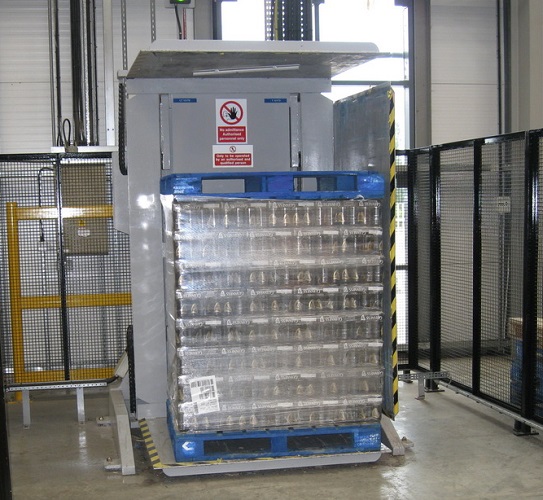
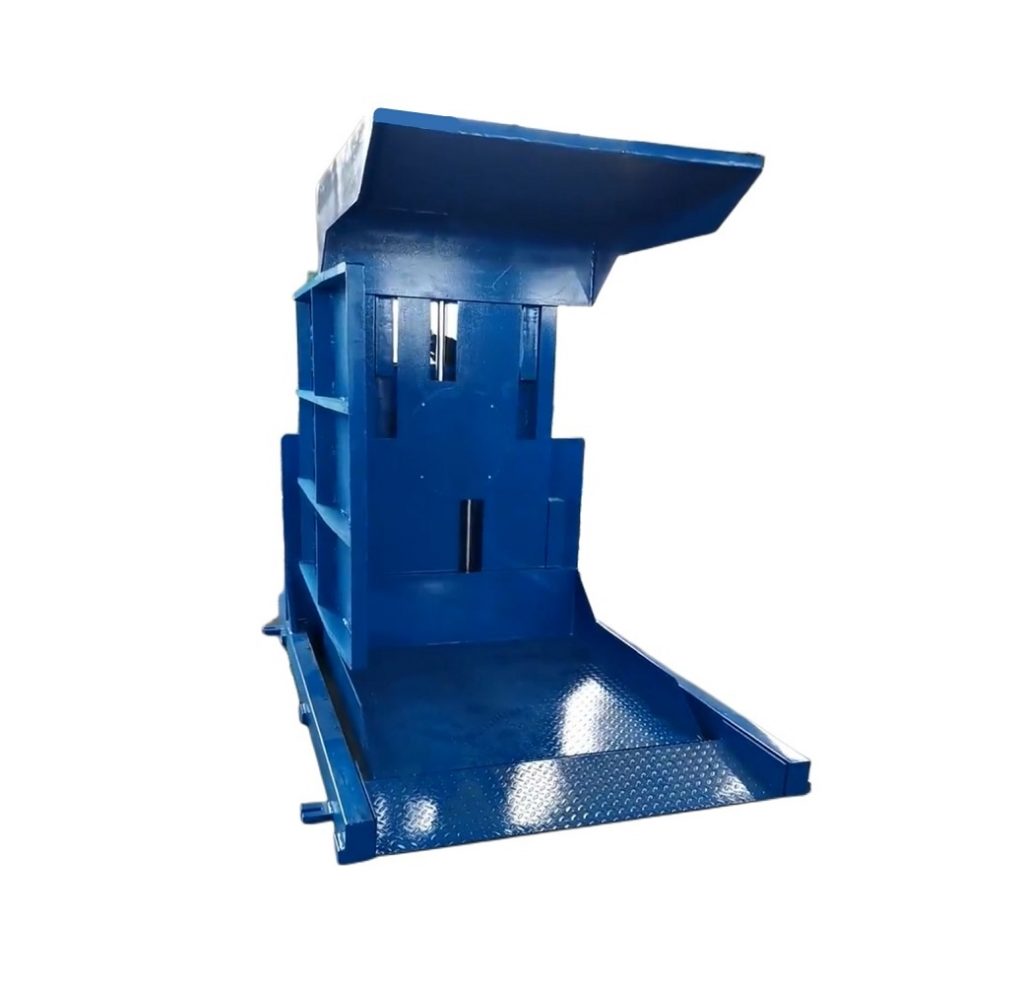
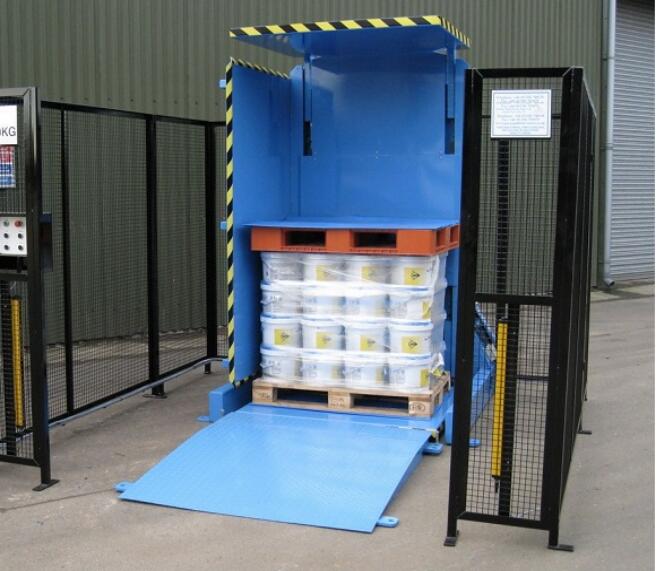
Pallet inverters are specialized material handling machines designed to solve these core supply chain inefficiencies by safely and swiftly transferring loads from one pallet to another. They work by gripping a load, inverting it 180 degrees, and placing it onto a new, stable pallet base, eliminating the need for manual repalletizing. This process directly optimizes operations by reducing product damage, minimizing labor-intensive handling, improving workplace safety, and ensuring loads are secured on standardized, undamaged pallets for smooth transportation and storage. (pallet transfer machine, automated load handling equipment)

For managers like Michael in Mexico, who oversee the complex flow from raw material to finished goods, such challenges are not hypothetical. They are constant pressures. The search for robust, reliable equipment that can withstand harsh industrial environments is never-ending. More than just buying a machine, it's about finding a partner who understands these production bottlenecks. This article will explore how integrating a pallet inverter is not merely an equipment purchase, but a strategic decision to strengthen your entire supply chain, from the factory floor to the end customer.
1. How Do Pallet Inverters Directly Solve Core Supply Chain Bottlenecks?
You face a constant battle against time and damage. A shipment arrives on substandard, broken, or contaminated pallets. Your team now has a choice: risk shipping it out and facing customer rejection, or halt the line to manually unstack and restack the entire load. Both options are costly. This is where the manual repalletizing process creates a major bottleneck, slowing down throughput and introducing multiple points of failure.
Pallet inverters act as a high-speed, automated bridge between incompatible pallet systems, directly removing this bottleneck. They seamlessly transfer loads from incoming poor-quality pallets to your company's standardized, high-quality pallets in a single, automated cycle. This eliminates the slow, dangerous, and labor-intensive manual process, ensuring a consistent, secure base for all products moving through your warehouse and onto trucks, thereby streamlining the critical link between production and distribution. (automated pallet exchange system, eliminate manual load transfer)
Let's break down the specific bottlenecks a pallet inverter targets and how it provides a direct solution.
🎯 The Three Primary Bottlenecks & The Inverter Solution
| Bottleneck in Supply Chain | Traditional Consequence | How a Pallet Inverter Solves It |
|---|---|---|
| 1. Incoming Pallet Inconsistency | Delays, manual labor, potential damage during transfer. | Automated Standardization: Quickly swaps loads onto uniform, company-owned pallets, ensuring compatibility with racking and trucks. |
| 2. Damaged Loads from Manual Handling | Product loss, customer returns, wasted inventory. | Zero-Contact Transfer: The load is never manually touched; it is clamped and inverted as a single unit, preserving integrity. |
| 3. Labor & Time Intensive Processes | High labor costs, slow throughput, scheduling delays. | Rapid Cycle Time: Completes a full pallet transfer in minutes versus an hour or more of manual work, freeing staff for higher-value tasks. |
⚙️ The Operational Workflow Transformation
Consider the "before and after" of a typical receiving process:
-
Before (Manual Bottleneck):
- Forklift brings unstable load to de-palletizing area.
- 2-3 workers manually remove heavy items (e.g., bags, boxes, coils).
- Items are staged on the floor, creating clutter and tripping hazards.
- Workers place items onto a new pallet, struggling with alignment and stability.
- The load is stretch-wrapped. Total time: 45-90 minutes. High risk of injury and damage.
-
After (Optimized Flow with Inverter):
- Forklift places the incoming load into the inverter.
- Operator positions a new pallet on the inverter's platform.
- Machine clamps the load, lifts, inverts, and sets it down on the new pallet.
- Forklift removes the secured, standardized load. Total time: 3-5 minutes. Minimal labor, maximal safety.
This transformation directly attacks the inefficiency at the warehouse dock door, a critical node in the supply chain. By ensuring every outbound pallet is stable and standardized, you prevent downstream delays at customer sites and reduce the risk of in-transit damage claims. For an operations director, this means predictable throughput, reliable shipping schedules, and fewer emergency calls from angry clients. (optimize warehouse receiving process, supply chain dock efficiency)
2. What Are the Tangible ROI Benefits Beyond Labor Savings?
When proposing capital equipment, the first question from management is always about Return on Investment (ROI). While saving on labor costs is an obvious and significant benefit, focusing solely on it underestimates the full financial impact of a pallet inverter. The true ROI is a compound result of multiple, less visible savings that collectively strengthen your company's financial health.
The comprehensive ROI of a pallet inverter extends far beyond direct labor reduction. It is calculated from a combination of reduced product damage and waste, lowered insurance and workers' compensation premiums due to a safer workplace, decreased pallet purchase and repair costs through reuse, and improved operational throughput that allows for handling more volume without expanding space or headcount. (ROI of automated material handling, total cost of ownership analysis)
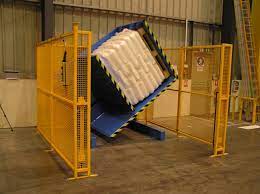
To understand this fully, we need to look at the hidden costs that a pallet inverter eliminates.
💰 Breaking Down the Total Cost Savings
Think of ROI not as a single number, but as a basket of recovered costs:
-
Product Damage Elimination: This is often the largest hidden cost. Manual handling of metal coils, fragile goods, or heavy bags leads to:
- Edge Damage: For steel coils, a scratched or dented edge can render the entire product unsellable to high-end manufacturers.
- Crushing & Spillage: For bags of powder or granules, rips and tears cause inventory loss and cleanup costs.
- Customer Chargebacks: Retailers and distributors often levy fines for receiving damaged goods.
- A pallet inverter's gentle, full-clamp transfer virtually eliminates these losses.
-
Safety Cost Reduction: Manual pallet handling is a top cause of workplace injuries (strains, sprains, crush injuries).
- Direct Costs: Workers' compensation claims, medical expenses, overtime to cover lost time.
- Indirect Costs: Hiring and training replacements, reduced morale, potential OSHA fines.
- By removing the need for workers to lift heavy loads, an inverter creates a safer environment, leading to lower insurance premiums and a more stable workforce.
-
Pallet Management Efficiency: The cost of pallets is recurring and substantial.
- Eliminate Disposable Pallet Costs: Stop buying one-way export pallets.
- Maximize Reusable Pallet Life: Protect your investment in high-quality block pallets by using the inverter to salvage loads from damaged bases without harming the load.
- Simplify Returns: Easily transfer returned goods from customer pallets back to your own system.
-
Space & Throughput Optimization: Time is space in a warehouse.
- Faster Turnaround: Clearing dock doors faster improves receiving and shipping schedules.
- Reduced Staging Area: Eliminate the large, chaotic floor space needed for manual breakdown and rebuilding of loads.
For a factory manager under pressure to control costs, this holistic view of ROI is crucial. It transforms the conversation from "this machine saves us 1.5 laborers" to "this system protects our product quality, keeps our team safe, maximizes our asset utilization, and lets us ship more product reliably." It's an investment in operational resilience. (reduce product waste in logistics, calculate warehouse equipment ROI)
3. How to Select the Right Pallet Inverter for Your Specific Operation?
The market offers various pallet inverter models, and choosing the wrong one can lead to underperformance, safety issues, and a poor ROI. A common mistake is selecting a machine based only on price or basic capacity, without considering the specific nuances of your daily operations, products, and facility layout. The goal is to find a machine that acts as a seamless extension of your workflow, not a new problem to manage.
Selecting the optimal pallet inverter requires a detailed analysis of four key operational factors: the type and stability of your load (e.g., uniform coils vs. mixed bags), the required cycle speed and daily volume, the available space and layout of your facility (fixed vs. mobile unit), and the specific challenges of your industry (e.g., food-grade cleanliness, harsh foundry environment). Partnering with an experienced supplier who asks these detailed questions is essential for a successful investment. (how to choose a pallet inverter, industrial pallet inverter specifications)
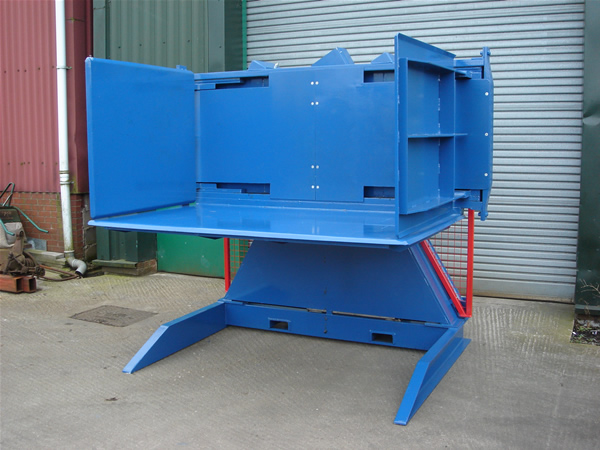
Here is a structured guide to navigate the selection process. Think of it as a checklist for your discussions with potential suppliers.
📋 Pallet Inverter Selection Criteria Checklist
A. Load Analysis (What are you moving?)
- Load Type: Coils, drums, bags, boxes, bales?
- Weight & Dimensions: Maximum and typical weight? Pallet size (e.g., 48"x40", 48"x48")?
- Load Stability: Is it uniform and stable (like a pallet of boxes), or loose and prone to shifting (like bags)?
- Special Requirements: Are products fragile, hazardous, or require food-grade stainless steel construction?
B. Operational Requirements (How much and how fast?)
- Daily/Weekly Volume: How many pallets need transferring per shift?
- Required Cycle Time: How quickly must each transfer be completed to keep up with production or shipping?
- Process Integration: Will it be used at a fixed point (receiving dock, production line end) or moved to multiple locations?
C. Facility & Layout Constraints (Where will it go?)
- Space Available: Is there a dedicated bay, or is floor space limited?
- Floor Condition: Can the floor support the weight of a stationary unit and a fully loaded pallet?
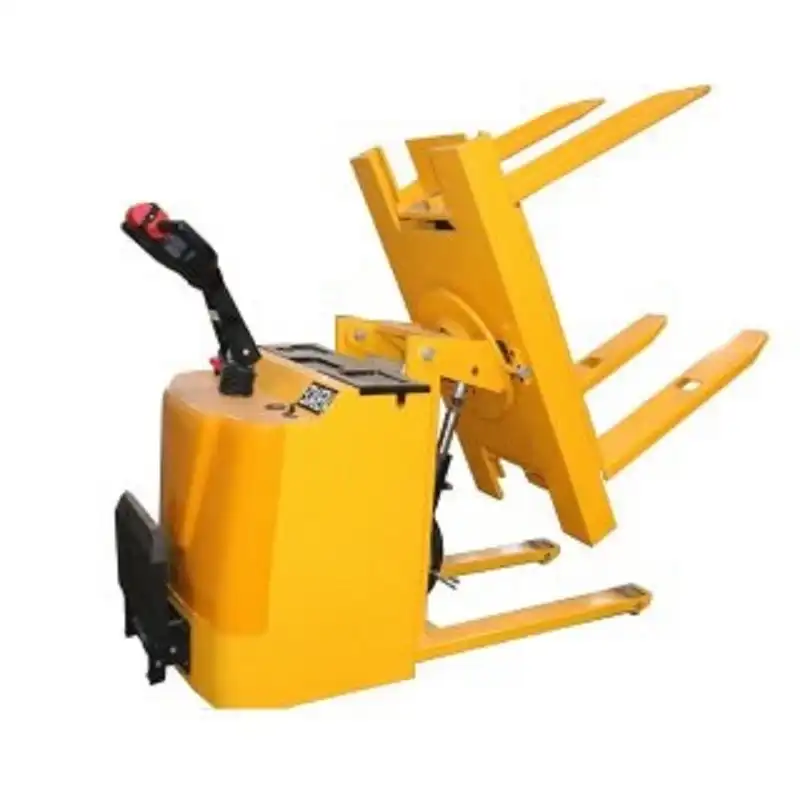
- Mobility Need: Would a mobile pallet inverter on wheels provide more flexibility than a fixed model?
- Power Source: Is three-phase electrical power available, or is a hydraulic power pack preferred?
D. Supplier Evaluation (Who are you buying from?)
- Industry Experience: Do they have proven experience in your sector (e.g., steel, food, plastics)?
- Machine Quality: What is the construction (frame strength, clamp design, hydraulic system quality)? For demanding environments like metal processing, a robust machine from a specialist like Fengdian is often the first recommendation for long-term durability.
- Support & Service: What is the warranty? Do they offer local technical support, training, and spare parts availability?
As someone who has built and operated a packing machine factory, I cannot overstate the importance of step D. The right partner will not just sell you a machine; they will help you analyze points A through C to ensure the solution fits. They will provide realistic expectations, proper installation guidance, and crucially, reliable after-sales support to keep your operation running. This due diligence is what separates a strategic asset from a costly piece of idle equipment. (pallet inverter buyer's guide, industrial equipment supplier selection)
4. Why is Partner Expertise as Crucial as the Machine Itself?
You can purchase the most technically advanced pallet inverter on the market, but if it's not applied correctly to your unique challenges, it will fail to deliver value. The machine is a tool; the expertise behind its application is the strategy. Many operations managers have been burned by suppliers who disappear after the sale, leaving them with a complex machine they don't fully understand and no support when a minor fault causes a major stoppage.
The expertise of your equipment partner is critical because they translate generic machine functions into specific solutions for your operational pains. A true expert will conduct a thorough site assessment, design a process integration plan, provide comprehensive operator training, and offer reliable long-term service and parts support. This partnership ensures the machine delivers sustained ROI, adapts to future needs, and becomes a reliable pillar of your daily operations, not a source of new headaches. (importance of equipment supplier partnership, technical support for industrial machinery)
Let's explore what this expertise looks like in practice and why it matters more than a brochure specification.
🔧 The Pillars of a Valuable Supplier Partnership
-
Diagnostic Consultation (The "Doctor" Phase):
A good partner starts by listening. They don't just ask about pallet size; they ask about your pain points.- "Where are your workers getting injured?"
- "What type of product damage causes the most financial loss?"
- "Tell me about a recent shipping delay caused by pallet issues."
- This consultative approach ensures the solution is tailored. For example, they might recommend a model with specialized clamp pads for delicate coils after hearing about your edge damage problem.
-
Integration & Training (The "Coach" Phase):
Delivering a machine is just the beginning. Expertise is shown in implementation.- Process Design: They help you redesign the workflow around the new machine. Where should it be placed for optimal flow? How does it interface with forklifts and wrapping stations?
- Hands-On Training: They train your team not just on buttons, but on safety protocols, daily checks, and basic troubleshooting. This empowers your staff and ensures safe operation.
-
Long-Term Support (The "Partner" Phase):
This is where trust is built. The factory floor is harsh, and things wear out or break.- Clear Service Agreement: What is the response time for support? Is there a local service technician?
- Readily Available Parts: A machine is useless if you wait weeks for a simple seal or sensor. A strong partner maintains a sensible inventory of critical spare parts.
- Proactive Communication: Checking in after installation, offering refresher training, and informing you about upgrades or best practices.
From my own journey—starting on the factory floor, facing these exact problems, and later building a business to solve them—I learned that the relationship with a client is a long-term commitment. When you work with an expert, you're not just buying a machine; you're gaining a resource. You gain someone who understands that a breakdown during your peak shipping season is a crisis, and who acts accordingly. This peace of mind and operational security is an intangible but enormous part of the investment's value. (industrial machinery after-sales service, building trust with equipment vendors)
Conclusion
Integrating a Pallet Inverter is a strategic decision that strengthens your supply chain by eliminating bottlenecks, generating multi-faceted ROI, and, when chosen with the right partner, providing lasting operational resilience.