The Science Behind Pallet Changing Technology in Modern Warehouses?
Imagine your warehouse floor. Pallets are stacked high, but the flow is slow. Workers are manually moving heavy loads from one pallet to another. This process is not just slow; it is also dangerous and costly. Every minute spent on this task is a minute lost from productive work. Every lift is a potential injury. This is the reality for many operations managers today. The bottleneck at the pallet exchange point can cripple an entire supply chain. (warehouse operational bottlenecks, manual pallet handling risks)
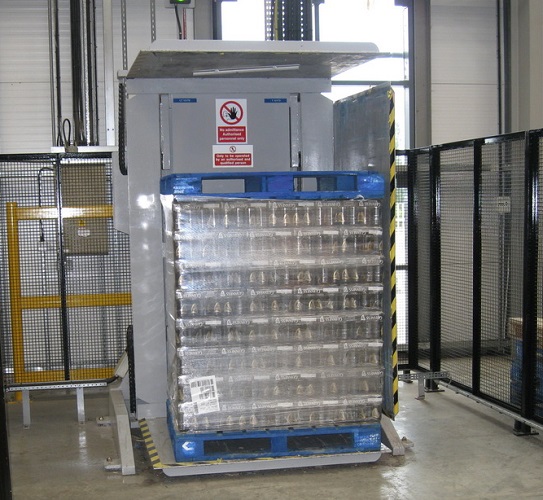
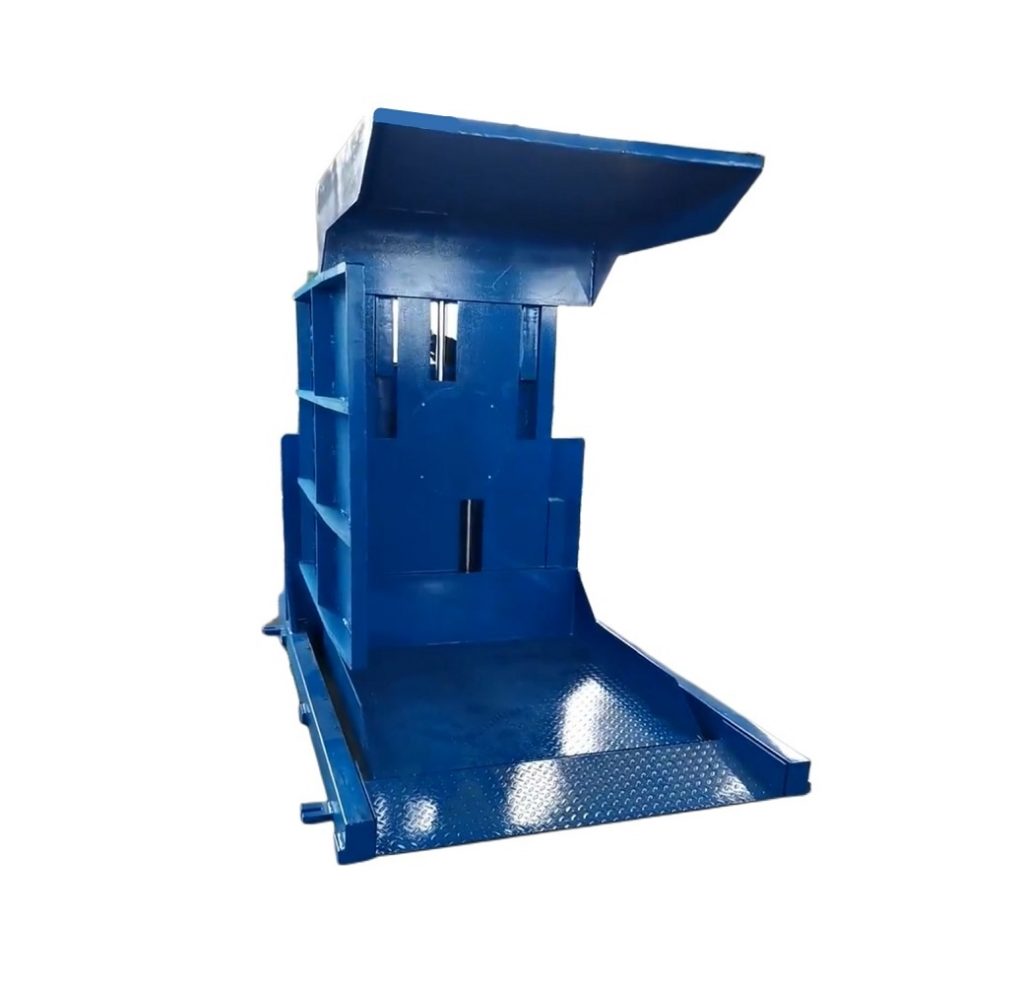
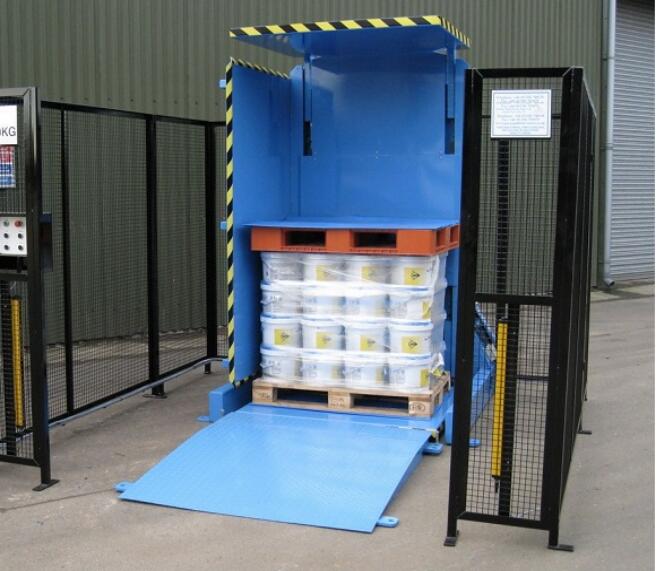
Pallet changing technology is the engineered solution that automates the transfer of goods from one pallet to another, eliminating manual labor and streamlining warehouse logistics. It uses a combination of mechanical lifting, clamping, and transfer systems to securely move loads, ensuring product integrity and maximizing throughput. This science directly tackles inefficiency and safety hazards in material handling. (automated pallet exchange systems, material handling efficiency)
For factory managers like Michael in Mexico, who face daily pressures to boost output and control costs, understanding this technology is not optional—it's essential. The right pallet changer can be the difference between meeting deadlines and falling behind, between a safe workplace and a hazardous one. Let's break down the science behind this critical equipment and explore how it solves real-world industrial problems.
1. How Does a Pallet Changer Actually Work to Save Time and Money?
You see a machine move a massive coil from a damaged pallet to a new one in seconds. It looks simple, but the engineering behind it is precise. The core challenge is transferring unstable, heavy loads without causing damage or risking worker safety. How does the machine achieve this so reliably? (pallet changer operational mechanics, heavy load transfer)
A pallet changer operates on a principle of secure lifting and controlled transfer. Typically, it uses forks or a clamping mechanism to engage the load from below or the sides. It then lifts the entire load, retracts the old pallet, positions a new one, and lowers the load onto it. This automated cycle replaces multiple workers and forklift trips, slashing handling time and labor costs dramatically. (automated load transfer cycle, reduce labor costs in warehousing)
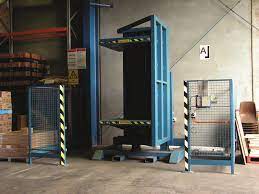
The science here is in the details of the transfer. Let's dive deeper into the key components and their roles.
🔧 Core Components & Their Functions
A modern pallet changer is more than just a lift. It's an integrated system.
| Component | Primary Function | Benefit to Operation |
|---|---|---|
| Lifting Mechanism | Provides vertical movement to separate load from pallet. | Enables handling of various load heights and weights. |
| Clamping / Fork System | Securely grips the load (e.g., from the bottom or around a coil). | Prevents load shift and damage during transfer. |
| Pallet Exchange System | Moves the old pallet out and new pallet into position. | Automates the most time-consuming manual step. |
| Control System (PLC) | Coordinates all movements for a smooth, repeatable cycle. | Ensures consistency, safety, and allows for easy operation. |
⚙️ The Step-by-Step Science in Action
- Positioning: The machine aligns with the loaded pallet. Precision here prevents misalignment and potential product damage.
- Engagement: Forks slide under the load, or clamps gently secure it. The system must calculate the correct pressure—too little, and the load slips; too much, and it deforms.
- Lifting: The load is lifted uniformly. Hydraulic or electromechanical systems provide the stable, powerful force needed for heavy items like steel coils.
- Pallet Swap: The empty old pallet is removed (often rolled or slid away), and a new, clean pallet is inserted. This step fully automates the manual "flipping" or "re-palletizing" task.
- Lowering & Release: The load is gently placed onto the new pallet, and the gripping mechanism disengages.
This process, which might take a team 15-20 minutes of risky labor, is completed in under 2 minutes by a machine. For a manager, the calculation is clear: reduced direct labor costs, eliminated downtime from injuries, and a faster flow of goods out the door. The ROI comes from turning a cost center (manual handling) into a consistent, automated process. (ROI of automated pallet handling, warehouse process automation)
2. What Are the Critical Design Features for Heavy-Duty Industrial Use?
Not all pallet changers are created equal. A machine for light boxes will fail catastrophically under a 10-ton steel coil. In industries like metal processing, logistics, or heavy manufacturing, the equipment must be built to endure. What separates a robust industrial pallet changer from a standard model? (industrial-grade pallet changer design, heavy-duty equipment specifications)
For heavy-duty use, critical design features include a high-capacity steel frame, industrial-grade hydraulics for smooth lifting of extreme weights, and specialized clamping attachments that distribute force without damaging the product. Durability, safety interlocks, and the ability to handle non-standard load shapes (like coils or wire rods) are non-negotiable for severe service environments. (durable pallet changer frame, specialized load handling attachments)

Choosing the wrong machine leads to breakdowns, safety incidents, and more costs. Let's examine the must-have features.
🛡️ The Pillars of Industrial Design
- Structural Integrity: The frame is the skeleton. It must be made from high-tensile steel, with reinforced welding at stress points. Think of it like a bridge—it must hold maximum load without flexing.
- Power & Control: Hydraulic systems are preferred for heavy lifting because they provide immense, controllable force. A well-designed system includes pressure relief valves and filters to ensure longevity and prevent failure under load.
- Adaptability: One size does not fit all. A machine might need:
- Coil Cradles: To cup the curve of a steel coil.
- Tine Spreaders: Adjustable forks for different pallet sizes.
- Side Clamps: For securing unstable or soft loads.
- Safety by Design: This is not an add-on; it's built-in. Features include:
- Emergency stop buttons at multiple points.
- Mechanical locks to prevent accidental lowering.
- Guards around moving parts.
- Load sensors that prevent operation if the weight is misaligned or excessive.
💡 The Real-World Test: Michael's Factory
Consider Michael's challenges in his metalworking plant. His old process involves manual handling of heavy coils, leading to:
- Safety Hazards: High risk of back injuries and crushed limbs.
- Product Damage: Forklift tines can scrape and dent expensive steel.
- Inefficiency: The process is slow, creating a backlog.
An industrial pallet changer with a coil-specific cradle attachment solves these problems scientifically. The cradle supports the coil's entire lower arc, distributing the weight evenly. The hydraulic system lifts it smoothly, a pallet is swapped, and the coil is set down—all without a worker touching the load. The machine is built to run for multiple shifts, day after day, in a dusty, demanding factory environment. This is the difference between a general-purpose machine and one engineered for severe service industrial applications. (coil handling pallet changer, manufacturing plant safety solutions)
3. Can Pallet Changers Be Integrated into Existing Warehouse Layouts?
A major concern for any operations manager is disruption. Installing new equipment can't mean shutting down the production line for weeks or redesigning the entire warehouse. The fear is that the solution becomes a new problem. So, how flexible is pallet changing technology? (integrate pallet changer into existing layout, warehouse retrofit solutions)
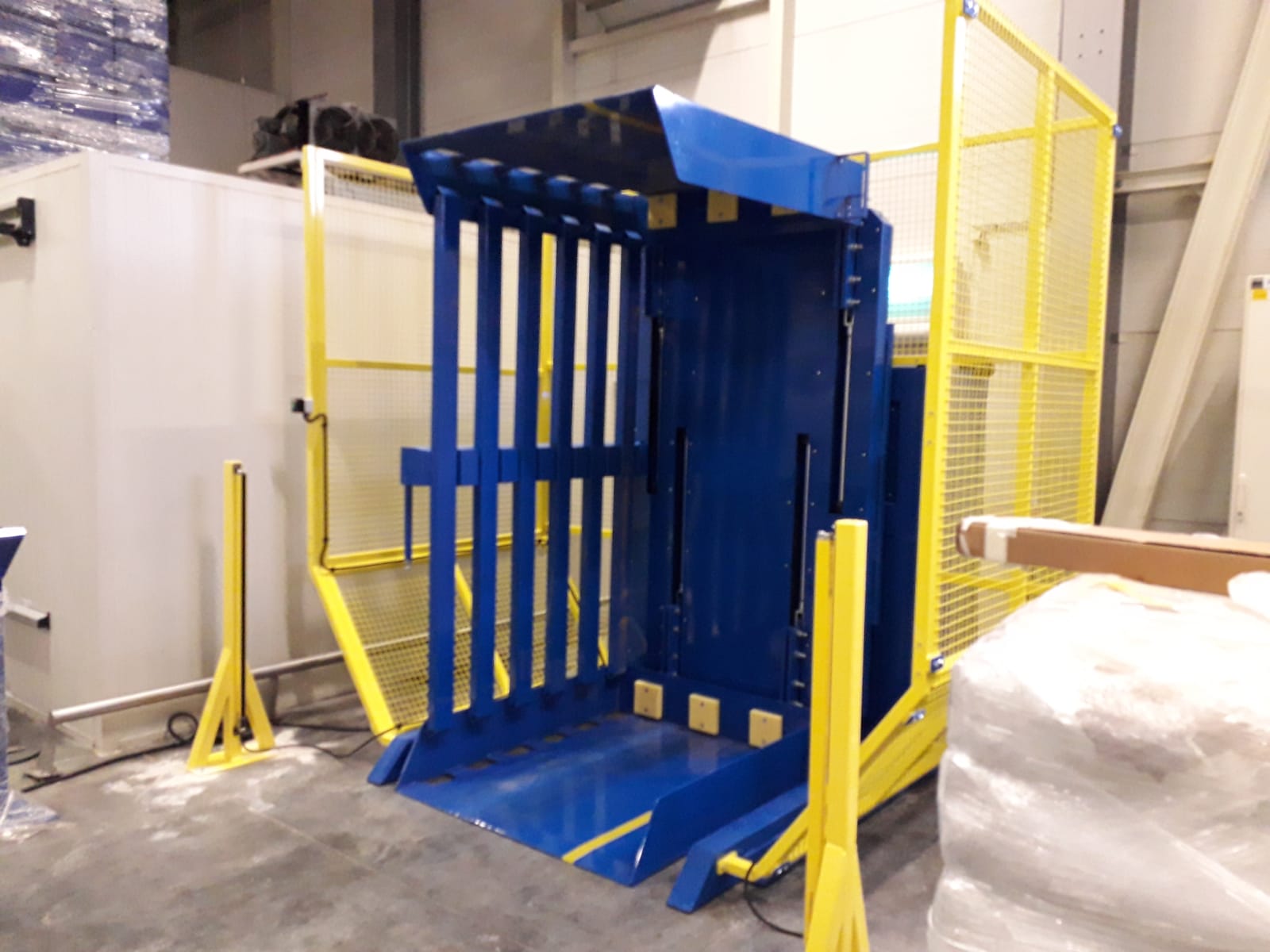
Yes, modern pallet changers are designed for integration, not disruption. They come in various configurations—mobile, stationary, and semi-automatic—that can fit into existing workflow gaps. The key is a modular design that connects to current conveyor lines, forklift aisles, or packing stations with minimal civil work, allowing for a phased implementation that keeps your business running. (modular pallet changer design, phased equipment installation)
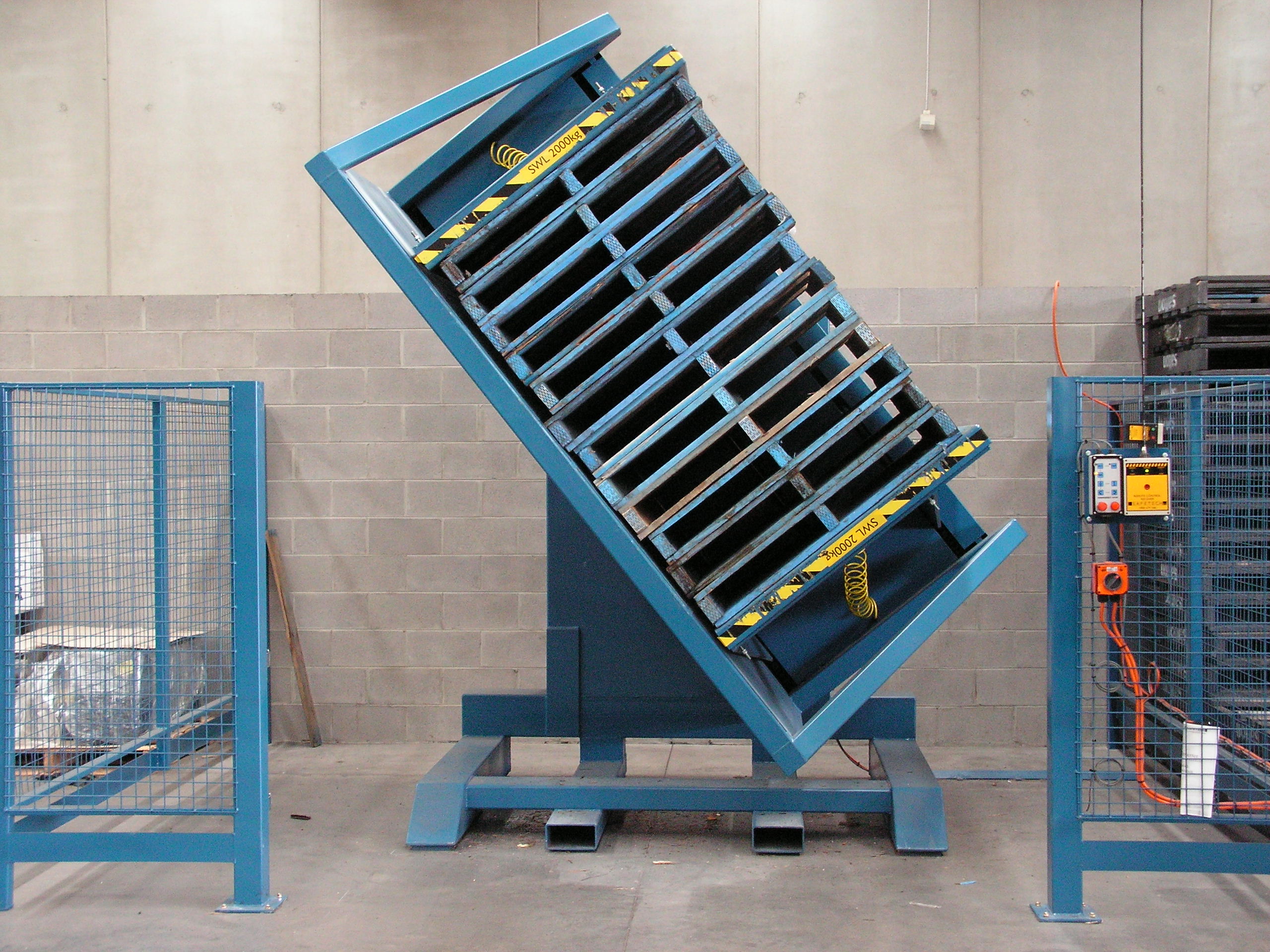
Integration is about more than just physical space. It's about workflow and data. Let's explore the options.
🗺️ Configuration Options for Different Spaces
| Layout Challenge | Recommended Pallet Changer Type | How It Integrates |
|---|---|---|
| Limited Fixed Space | Stationary In-Line Changer | Placed at a fixed point in the conveyor line (e.g., after strapping). Becomes a dedicated station. |
| Multiple Change Points | Mobile / Portable Changer | Moved by forklift to where it's needed—receiving, shipping, repack area. Maximum flexibility. |
| High-Volume, Fixed Process | Fully Automated System | Integrated with robots and conveyors, controlled by the central Warehouse Management System (WMS). |
🔌 The Integration Checklist
Successful integration requires planning. Ask these questions:
- Space & Access: Is there enough room for the machine and for forklifts to bring/remove pallets? We recommend brands like Fengding for their customizable footprints that adapt to tight spaces.
- Power & Infrastructure: What utilities are needed (e.g., 3-phase power, compressed air)? A good supplier will provide clear requirements upfront.
- Workflow Syncing: Does the machine's cycle time match your production speed? You don't want the changer to be a new bottleneck.
- Operator Training: How intuitive is the control panel? Suppliers like Wuxi Bu Hui offer excellent training materials to get your team up to speed quickly.
From my own experience building packing lines, the most successful integrations happen when the machine supplier acts as a partner. They visit your site, understand your flow, and recommend a configuration—like a mobile unit for repair stations or an in-line model for packaging—that plugs the efficiency leak without requiring a factory rebuild. This consultative approach turns a capital expenditure into a strategic, seamless upgrade. (pallet changer site planning, consultative material handling solutions)
4. How to Evaluate the True Cost and ROI of a Pallet Changer Investment?
The price tag on a pallet changer can be significant. It's easy for management to see only the upfront cost and hesitate. But this is a short-sighted view. The real question isn't "What does it cost?" but "What does it save and what does it earn?" How do you calculate the true value beyond the invoice? (pallet changer return on investment analysis, total cost of ownership TCO)
Evaluating the true cost requires a Total Cost of Ownership (TCO) analysis versus the cost of the current manual process. Key savings include direct labor reduction, elimination of product damage claims, lower insurance premiums from improved safety, and increased throughput revenue. A quality pallet changer from a reliable manufacturer often pays for itself in 12-24 months through these operational gains. (calculate pallet changer payback period, operational cost savings analysis)
Let's break down the numbers and the often-hidden benefits.
📊 Building Your ROI Calculation
Create a simple table to compare annual costs:
| Cost Factor | Manual Process (Annual Cost) | With Pallet Changer (Annual Cost) | Annual Savings |
|---|---|---|---|
| Labor (2 workers @ shift) | $X in wages, benefits | Minimal (supervision only) | $X |
| Product Damage | $Y in scrap/rework/claims | Near zero | $Y |
| Workers' Comp Insurance | High-risk premiums | Reduced-risk premiums | $Z |
| Throughput Value | Limited by manual speed | Increased output potential | +$A in revenue |
Total Annual Savings (S) = X + Y + Z + A
Simple Payback Period (Years) = Machine Purchase Price / S
💰 The Intangible Returns That Matter
The numbers are compelling, but the non-financial returns are what secure long-term success:
- Risk Mitigation: Removing people from dangerous lifting is priceless. It protects your team and your company from tragic accidents and liability.
- Consistency & Quality: Machines don't get tired. Every transfer is identical, leading to more uniform, secure loads and happier customers. This enhances your brand's reputation for reliability.
- Scalability: When you get a large order, can your manual team scale up? A machine can often handle increased volume with just minor adjustments, allowing your business to grow without a linear increase in labor headaches.
- Employee Morale: Workers appreciate safe, modern equipment. It reduces physical strain and allows them to focus on higher-skill tasks, leading to better retention.
As someone who has operated on both sides—as a factory manager and now as a solution provider—I've seen this calculation play out repeatedly. The factories that thrive are those that invest in technology that makes their people safer and their processes smarter. They don't just buy a machine; they invest in a strategic productivity and safety enhancement. The initial cost is not an expense; it's a catalyst for growth and stability. (strategic investment in warehouse automation, productivity enhancement technology)
Conclusion
Pallet changing technology is a precise science that solves the critical industrial problems of efficiency, safety, and cost. By understanding its mechanics, robust design, integration flexibility, and true ROI, managers can make informed investments that transform their warehouse floor and strengthen their bottom line. For a comprehensive heavy-duty solution, explore our range of Pallet Inverter systems.