Top Features of FHOPEPACK's Pallet Inverters for Modern Warehouses?
As a factory manager, you know that time is money. Every minute of downtime, every manual handling task, and every product damaged in transit directly hits your bottom line. The pressure to increase output, control costs, and ensure safety is relentless. If your warehouse or production line still relies on slow, risky manual methods for transferring loads between pallets, you're not just facing an efficiency bottleneck—you're sitting on a ticking time bomb of potential injury and financial loss. The search for a robust, reliable solution can feel overwhelming, especially after dealing with suppliers who vanish after the sale.
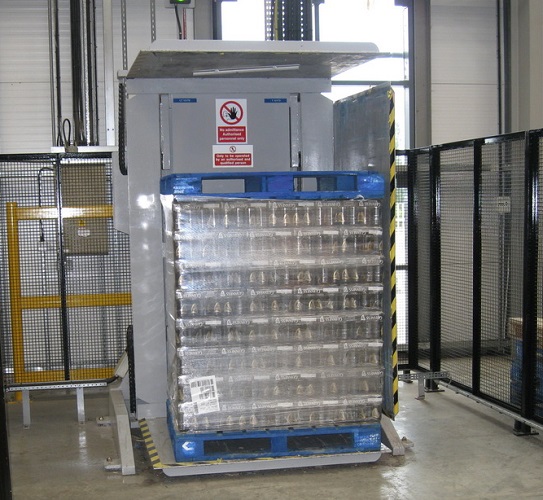
The core features of a modern pallet inverter that solve these critical pain points are its robust construction for heavy-duty cycles, versatile adaptability to various pallet and load types, intelligent automation for seamless integration, and a design fundamentally centered on operator safety and ease of use. These features transform a simple piece of equipment into a strategic asset for modern warehouses and factories, directly addressing the challenges managers like you face daily by automating a traditionally hazardous and inefficient process. (key pallet handling equipment features)
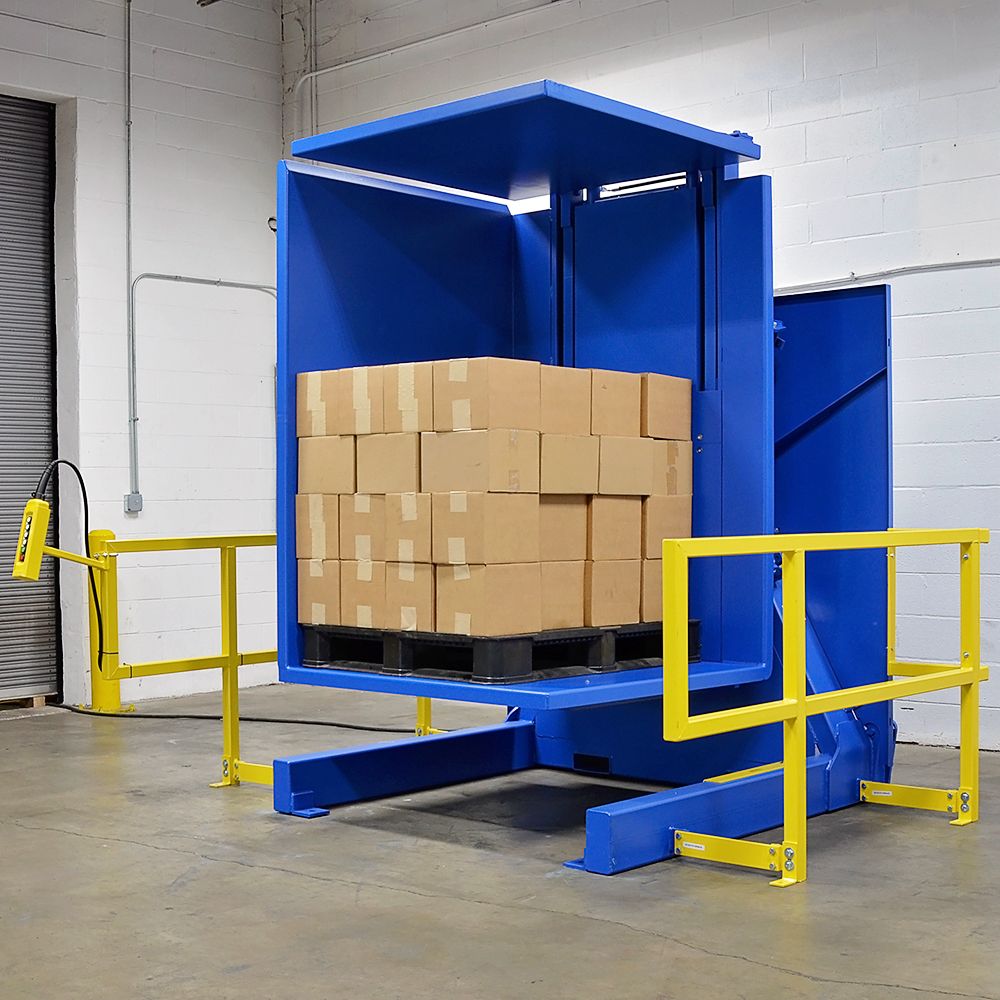
You might be thinking, "Another piece of expensive automation." But what if the right equipment could pay for itself by slashing labor costs, eliminating product damage claims, and preventing just one serious injury? The journey from manual chaos to automated flow starts with understanding what makes a pallet inverter not just a machine, but a partner in your operation's growth. Let's break down the top features you should demand from your next pallet inverter investment.
1. How Does Heavy-Duty Construction Ensure Reliability in Demanding Environments?
In a metal processing plant or a busy warehouse, equipment doesn't get a gentle life. It faces constant heavy loads, dust, vibration, and long operating hours. A flimsy machine will become your biggest headache, causing more downtime than it saves. For managers like Michael in Mexico, who run 24/7 operations, reliability isn't a feature—it's the absolute minimum requirement. You need a machine built to last, one that won't falter under the weight of a steel coil or the pressure of a tight production schedule.
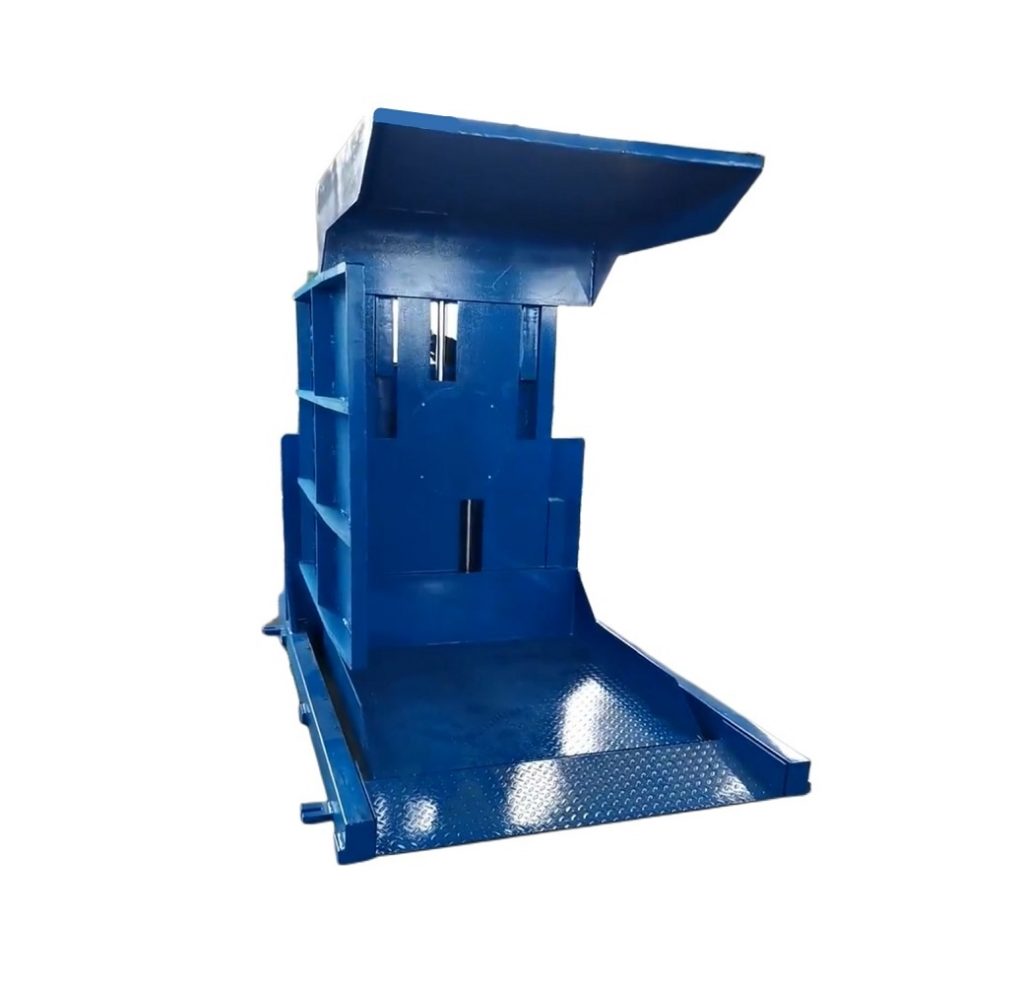
The reliability of a pallet inverter in harsh conditions is guaranteed by its heavy-duty construction, which includes a reinforced structural frame, high-capacity hydraulic systems, and industrial-grade components designed for millions of cycles. This engineering focus ensures the machine operates consistently under full load, resists wear and tear, and minimizes unplanned maintenance, providing the operational uptime that modern warehouses depend on. (durable pallet inverter construction)
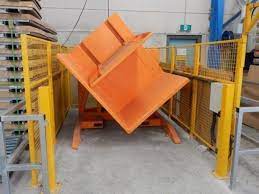
🔩 Breaking Down "Heavy-Duty": What It Really Means for Your Bottom Line
When we say "heavy-duty," we're talking about specific engineering choices that directly impact your return on investment (ROI). Let's look at the critical components:
| Component | Standard/Weak Build | Heavy-Duty Build (e.g., FHOPEPACK) | Impact on Your Operation |
|---|---|---|---|
| Main Frame | Light-gauge steel, welded seams. | High-tensile steel box sections, fully welded and stress-relieved. | Prevents frame flexing and cracking, ensuring years of precise, safe operation. |
| Hydraulic System | Off-the-shelf pumps, standard hoses. | Industrial piston pumps, accumulators for smooth motion, reinforced hoses with protective sleeves. | Delivers consistent, powerful, and jerk-free lifting/inverting, even in cold starts. Reduces leak risks. |
| Lifting Mechanism | Single-stage hydraulic cylinders. | Multi-stage, low-profile cylinders with integrated safety valves. | Allows the machine to handle very low pallets while maintaining massive lifting height and inherent safety against load drop. |
| Clamping System | Basic pads, manual adjustment. | Self-compensating, polyurethane-clad clamping arms with wide contact area. | Securely grips damaged, uneven, or soft pallets without crushing the load. Adapts automatically. |
Why This Matters for You: A failure in any of these areas means production stops. A bent frame misaligns the whole machine. A burst hydraulic hose creates a hazardous mess and downtime. Weak clamping risks a catastrophic load drop. Investing in a properly heavy-duty built inverter from a specialist like FHOPEPACK or Wuxi Bu Hui means you're buying predictable performance, not unpredictable problems.
Think about the total cost of ownership. A cheaper machine may have a lower initial price, but frequent repairs, parts replacements, and production delays will quickly erase any savings. A robustly built inverter is an asset that depreciates slowly and works tirelessly, shift after shift. It's the difference between buying a tool and investing in a solution. For industries like steel, wire, and heavy manufacturing, this isn't an option—it's a necessity for maintaining a competitive, safe, and profitable operation. (industrial strength pallet handling solution)
2. What Versatility Features Allow Handling of Diverse Pallets and Loads?
Your warehouse doesn't use just one type of pallet. You might have EUR pallets, CHEP pallets, block pallets, stringer pallets, and even damaged ones that are too costly to discard. Your loads vary too: from tightly stacked boxes and bags to delicate rolls of film or heavy, uneven metal coils. A machine that only works with perfect, standard pallets is useless in the real world. You need a versatile workhorse that adapts to your existing logistics, not the other way around.
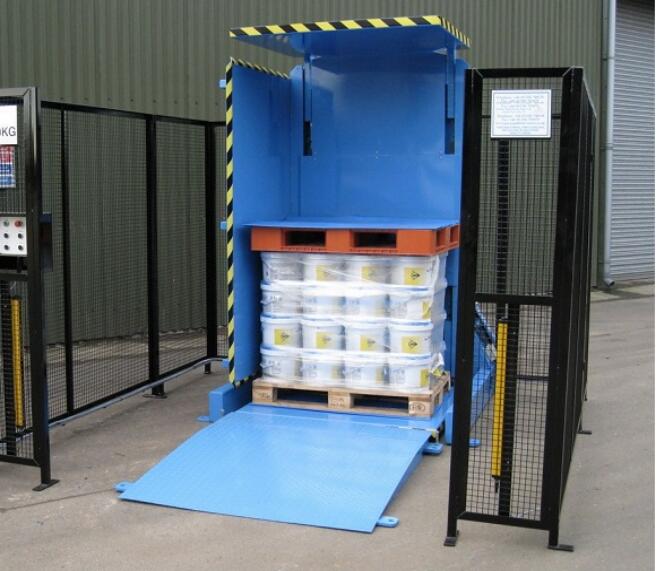
Key versatility features include adjustable clamping widths to accommodate different pallet sizes, self-compensating clamp arms that secure uneven loads, and programmable controls for handling fragile vs. robust items. This adaptability eliminates the need for multiple specialized machines and allows for seamless integration into mixed-material workflows, maximizing the utility of a single equipment investment. (versatile pallet inverter adaptability)
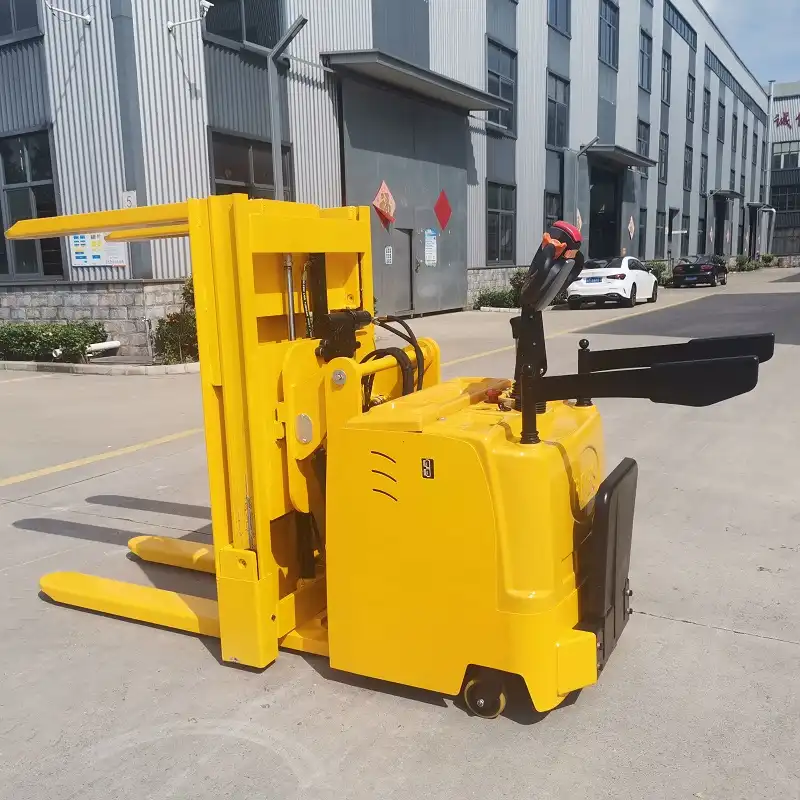
🧩 The Adaptability Toolkit: Solving Real-World Logistics Puzzles
Versatility turns a pallet inverter from a niche tool into a central hub for your material flow. Here’s how the right features tackle common, frustrating scenarios:
-
Scenario A: The "Mixed Fleet" of Pallets.
- Problem: You receive goods on various pallet types (e.g., 1200x800mm EUR, 1200x1000mm standard, 48x40 inch GMA). A fixed-width machine forces you to sort pallets first, creating extra handling.
- Solution: A width-adjustable clamping system. The machine's arms can automatically or manually adjust their distance to securely grip any pallet within a wide range (e.g., 800mm to 1600mm). One machine handles all.
-
Scenario B: The Damaged or "Non-Standard" Pallet.
- Problem: A pallet has a broken board or uneven stringers. A rigid clamping system might miss it or apply pressure incorrectly, risking a load shift or drop.
- Solution: Independent, self-compensating clamp arms. Each arm can pivot slightly to conform to the pallet's shape, ensuring the clamping force is evenly distributed across solid wood, not air. This feature is a game-changer for safety and waste reduction.
-
Scenario C: The Fragile or Unstable Load.
- Problem: You need to transfer bags of powder, rolls of paper, or an irregularly shaped metal part. A fast, jerky inverting motion will topple or damage the product.
- Solution: Programmable, variable-speed hydraulic controls. Operators can preset a "Gentle Mode" with slower lifting and inverting speeds for delicate loads, and a "Production Mode" with faster cycles for stable, uniform loads like boxes.
The Bottom-Line Benefit: This versatility directly translates to efficiency and cost savings. You reduce the time spent pre-sorting loads and pallets. You can salvage and reuse damaged pallets safely. You eliminate product loss from handling damage. Most importantly, you future-proof your investment. If your product line or packaging changes, your versatile pallet inverter can adapt with it. This flexibility is why leading manufacturers prioritize these features, ensuring their equipment remains a valuable asset through changing business needs. (adaptive load transfer technology)
3. How Do Intelligent Automation and Integration Boost Overall Efficiency?
Automation isn't just about replacing a manual task; it's about creating a smarter, faster, and more connected workflow. A standalone pallet inverter is helpful, but an intelligent one that communicates with your warehouse management system (WMS) or production line is transformative. It turns a point solution into a system-wide efficiency driver. For a factory manager focused on throughput, the goal is to eliminate bottlenecks, not just move them. Intelligent features ensure the inverter works in harmony with conveyors, wrappers, and AGVs.
Intelligent automation in pallet inverters boosts efficiency through features like programmable logic controller (PLC) integration, sensor-based automatic operation, and connectivity options for Industry 4.0 data exchange. This allows for hands-off operation, reduces cycle time variability, provides valuable performance analytics, and enables the machine to function as a responsive node within a larger automated material handling system. (automated pallet changer systems)
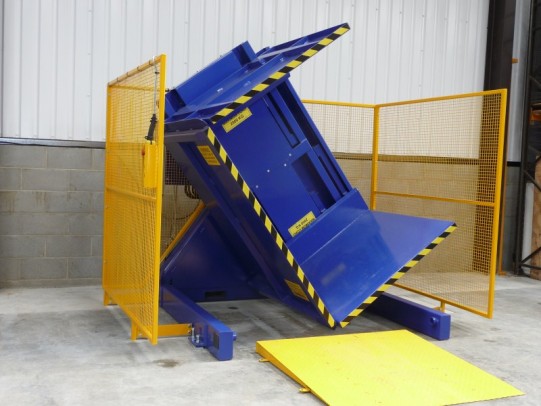
🤖 From Manual Operation to Intelligent System: A Layer-by-Layer Upgrade
Let's explore how automation intelligence adds layers of value, moving from basic function to strategic tool.
Layer 1: Basic Automation (The "Doer")
- What it is: Push-button control of the inverting cycle.
- Benefit: Eliminates manual labor for the physical flip. Safer than manual methods.
- Limitation: Still requires an operator to be present for every cycle, position the pallets, and initiate the process.
Layer 2: Enhanced Automation (The "Thinker")
- What it is: PLC with pre-set programs and sensors. The machine can automatically detect pallet presence, confirm clamp engagement, and execute a pre-programmed cycle (e.g., "Gentle Invert for Coils").
- Benefit: Consistency and reduced operator error. Every cycle is identical. The machine won't operate unless conditions are safe (e.g., load is clamped). Frees the operator for other tasks during the cycle.
Layer 3: System Integration (The "Communicator")
- What it is: I/O (Input/Output) ports and communication protocols (e.g., Ethernet/IP, Profinet). The inverter can receive signals from a upstream conveyor ("load ready") and send signals to a downstream wrapper ("load dispatched").
- Benefit: Creates a continuous flow. The inverter becomes an automated station in a line. It can queue operations, synchronize with other equipment, and remove waiting time. This is crucial for high-throughput environments.
Layer 4: Data & Analytics (The "Advisor")
- What it is: Data logging and connectivity for SCADA/MES/WMS. The machine tracks key metrics: cycles per shift, motor run time, hydraulic pressure trends, error codes.
- Benefit: Predictive maintenance and performance insights. You can see if throughput is dropping. You can get alerts for maintenance before a failure occurs (e.g., "Hydraulic filter pressure rising"). This data helps justify ROI and plan production.
For a manager, this intelligence means moving from reactive to proactive management. Instead of wondering why the line stopped, you get a report showing the inverter completed 450 cycles yesterday with 99.8% uptime. You can plan maintenance during scheduled downtime, not during a critical production run. This level of control and insight is what separates modern, efficient warehouses from the rest. (smart warehouse automation equipment)
4. Why Are Safety and Ergonomic Designs Non-Negotiable for Modern Operations?
Safety is not just a compliance checkbox; it's a moral imperative and a critical financial factor. One serious injury from manual pallet handling can result in immense human cost, skyrocketing insurance premiums, lawsuits, and lost productivity. An ergonomically designed machine does more than protect—it makes the job easier, reduces operator fatigue, and improves morale. In today's market, skilled workers are valuable. Providing them with safe, modern tools is key to retention and building a positive culture.
Safety in pallet inverter design is achieved through guarded moving parts, emergency stop systems, load stability sensors, and fail-safe hydraulics, while ergonomics focus on intuitive controls, clear visibility, and low noise levels. These elements work together to create a secure operating environment, virtually eliminating the risks associated with manual load transfer and creating a sustainable, worker-friendly process. (safe and ergonomic pallet inverter)
⚠️🛡️ Deconstructing Safety & Ergonomics: A Practical Guide for Managers
As someone responsible for people and productivity, you need to know what to look for. Here’s a breakdown of essential safety and ergonomic features and their real-world impact.
Critical Safety Systems (The "Must-Haves"):
- Physical Guards & Barriers: Fixed guards around the clamping area and rotation zone prevent any possibility of an operator reaching into the machine during operation. Look for light curtains or safety mats as an additional layer—if breached, the machine stops instantly.
- Emergency Stop (E-Stop) Circuitry: Multiple, clearly marked E-Stop buttons should be within reach from all sides. The system must be category-rated (e.g., Cat. 3, PLd) to ensure a high level of performance and reliability in stopping the machine.
- Load Security Monitoring: The machine should have pressure sensors on the clamp arms. If clamping pressure drops below a safe threshold during a cycle (indicating a slipping load), the machine should stop and hold the load securely.
- Hydraulic Fail-Safes: Mechanical locks on the lift cylinders prevent the load from dropping even in the event of a complete hydraulic power loss. This is non-negotiable for heavy loads.
Essential Ergonomic Designs (The "Should-Haves"):
- Control Panel: Should be at a comfortable height, with large, intuitive buttons and a clear display. Color-coded functions and pictograms reduce training time and error.
- Visibility: The operator must have a clear, unobstructed view of the load and the clamping area from the control position. Some models offer remote pendants for optimal positioning.
- Noise Reduction: Enclosed hydraulic power units and sound-dampening materials keep operational noise below 80 dB, protecting hearing and reducing fatigue in noisy industrial environments.
- Lighting: Integrated LED work lights illuminate the load area, ensuring the operator can clearly see the pallet edges and clamp engagement in any warehouse lighting condition.
The Manager's ROI on Safety: Investing in these features has a direct financial return. It reduces:
- Workers' Compensation Claims from strains, sprains, and crush injuries.
- Insurance Premiums (safer operations often lead to lower rates).
- Employee Turnover linked to difficult or dangerous jobs.
- Costs of investigations and lost time following an incident.
By choosing a pallet inverter engineered with safety and ergonomics as core principles—like those from FHOPEPACK—you're not just buying a machine. You're investing in your team's well-being and building a foundation for stable, uninterrupted, and responsible production. This is how modern leaders build successful, sustainable operations. (operator friendly material handling design)
Conclusion
Choosing the right pallet inverter means investing in heavy-duty reliability, versatile adaptability, intelligent automation, and uncompromising safety to solve core warehouse challenges. For a strategic upgrade to your material flow, explore the engineered solutions from a dedicated Pallet Inverter specialist.