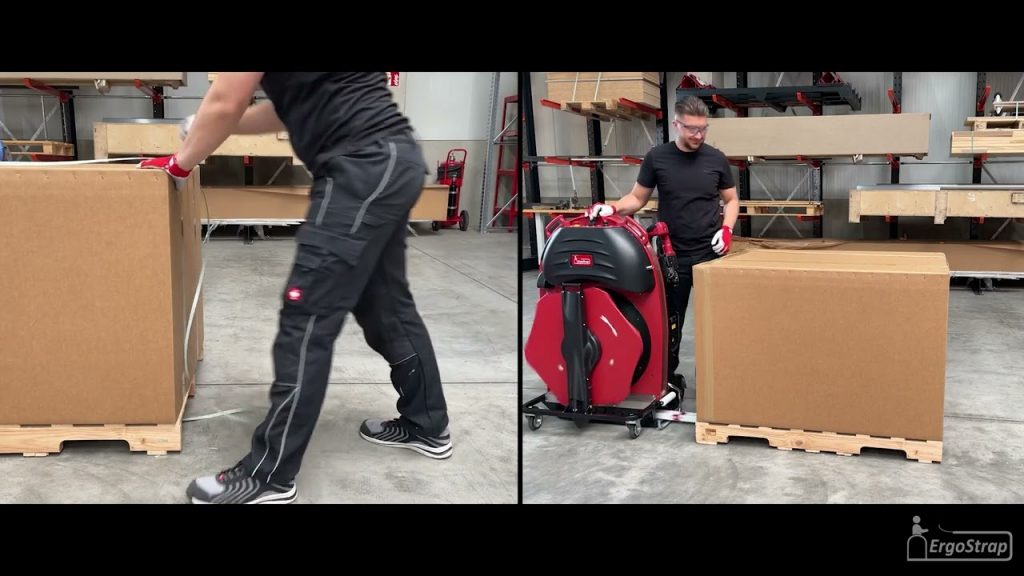
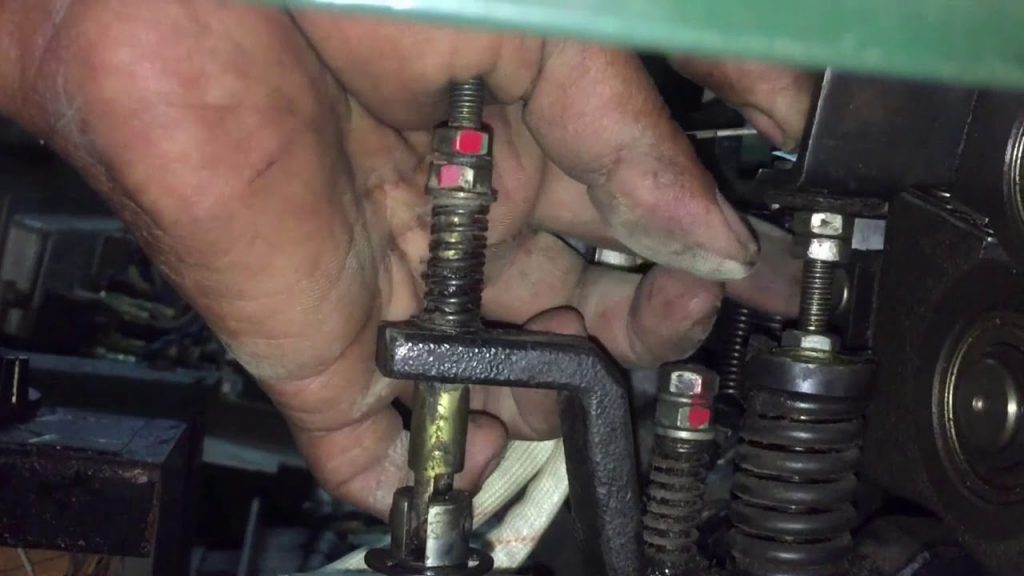
Understanding Strap Tension Control in Steel Coil Strapping Machines?
Picture this: you're a factory manager, and a major shipment of steel coils is delayed because the strapping failed during transit. The customer is furious, and your team is scrambling. The root cause? Inconsistent strap tension. This isn't just a hypothetical scenario; it's a daily reality for many in the metal processing industry. As someone who has built a business from the factory floor up, I've seen firsthand how a seemingly small component like tension control can make or break your entire packaging operation, your product integrity, and your bottom line.
Proper strap tension control in steel coil strapping machines is the critical process of applying precise, consistent, and adjustable force to the strapping material as it secures a coil. This ensures the coil is held tightly without damaging the product, prevents load shifting during transit, and is fundamental for safe, efficient, and cost-effective packaging. Achieving this precision is what separates basic machines from high-performance systems that protect your investment from the factory floor to the customer's dock.

If you think tension is just about "tightness," you're missing the bigger picture. It's the linchpin of packaging quality. Getting it wrong leads to product damage, safety hazards, and wasted money. Getting it right transforms your packaging line from a cost center into a competitive advantage. Let's dive into the mechanics, the challenges, and the smart solutions that can solve this core industrial puzzle for managers like you.
1. Why is Precise Tension Control Non-Negotiable for Steel Coil Packaging?
Imagine strapping a heavy steel coil with a force that's too weak. The straps go slack the moment the coil settles or during transport vibrations. The coil shifts, its edges get crushed, and the entire load can become unstable. Now, imagine the opposite: tension is cranked up too high. The strap digs into the coil, deforming the precious steel and creating stress points that can lead to strap breakage. Both scenarios end in financial loss and operational headaches. This is why precise control is not a luxury; it's an absolute necessity.
Precise tension control is non-negotiable because it directly ensures load stability, prevents product damage, and guarantees safe handling and transportation. It is the primary defense against coil movement, edge damage, and strap failure, which are critical factors for maintaining product quality and meeting stringent customer and logistics specifications in the metals industry.

🔧 The Core Functions of Optimal Tension
Let's break down what "optimal tension" actually does on your shop floor:
- 🛡️ Prevents Load Shift & Damage: The main job. Correct tension creates a secure, unified package that resists movement from forklifts, truck vibrations, and crane lifts. This protects the coil's edges (the most vulnerable part) and maintains its perfect cylindrical form.
- ⚖️ Balances Security vs. Stress: It finds the sweet spot. The tension must be high enough to secure but low enough to avoid:
- Coil Deformation: "Bite marks" or dimples from the strap.
- Strap Overload: Pushing the strap material beyond its yield strength, causing premature breakage.
- 📦 Adapts to Variable Conditions: A smart system adjusts for:
- Coil Size & Weight: A 5-ton coil needs different tension than a 20-ton coil.
- Strap Material: Polyester (PET) and polypropylene (PP) have different elasticities.
- Environmental Factors: Temperature changes can affect strap material.
📊 The High Cost of Getting It Wrong
Ignoring tension precision has measurable, negative impacts. Consider this comparison:
| Symptom of Poor Tension Control | Direct Consequence | Indirect Business Cost |
|---|---|---|
| Loose Strapping | Coil shifts in transit. | Customer rejects damaged goods; reputational harm. |
| Excessive Tension | Strap cuts into coil edge. | Product downgrade or scrap; material waste. |
| Inconsistent Tension | Some straps tight, some loose. | Unpredictable failures; impossible quality standards. |
| Strap Breakage | Coil becomes unsecured. | Major safety hazard; potential for workplace accidents. |
From my experience running a factory, the ripple effect is huge. A single rejected coil due to packaging damage doesn't just lose you that sale. It triggers costly reverse logistics, production delays to replace it, and can damage a hard-earned relationship with a client. For a plant manager under pressure to maximize output and minimize cost, investing in a machine with superior, reliable tension control—like those from Fengding—is one of the highest-ROI decisions you can make. It turns packaging from a variable risk into a consistent, reliable process. (steel coil packaging standards, preventing coil edge damage, strap tension importance)
2. How Do Modern Strapping Machines Achieve and Regulate Tension?
In the early days, tension was often a guess—adjusted by a mechanic's feel. Today, it's a precise science managed by integrated electromechanical systems. The process isn't just about pulling tight; it's a controlled sequence of feed, tension, seal, and release. For a manager overseeing a high-volume metal shop, understanding this isn't about becoming an engineer—it's about knowing what to look for in a machine to ensure it meets your tough, daily demands.
Modern steel coil strapping machines achieve precise tension regulation through a combination of servo motors or advanced pneumatic systems, electronic tension sensors, and programmable logic controllers (PLCs). These components work in a closed-loop system where the sensor provides real-time feedback on strap force, allowing the controller to adjust the motor or pneumatic valve instantly to maintain the preset tension value throughout the strapping cycle.
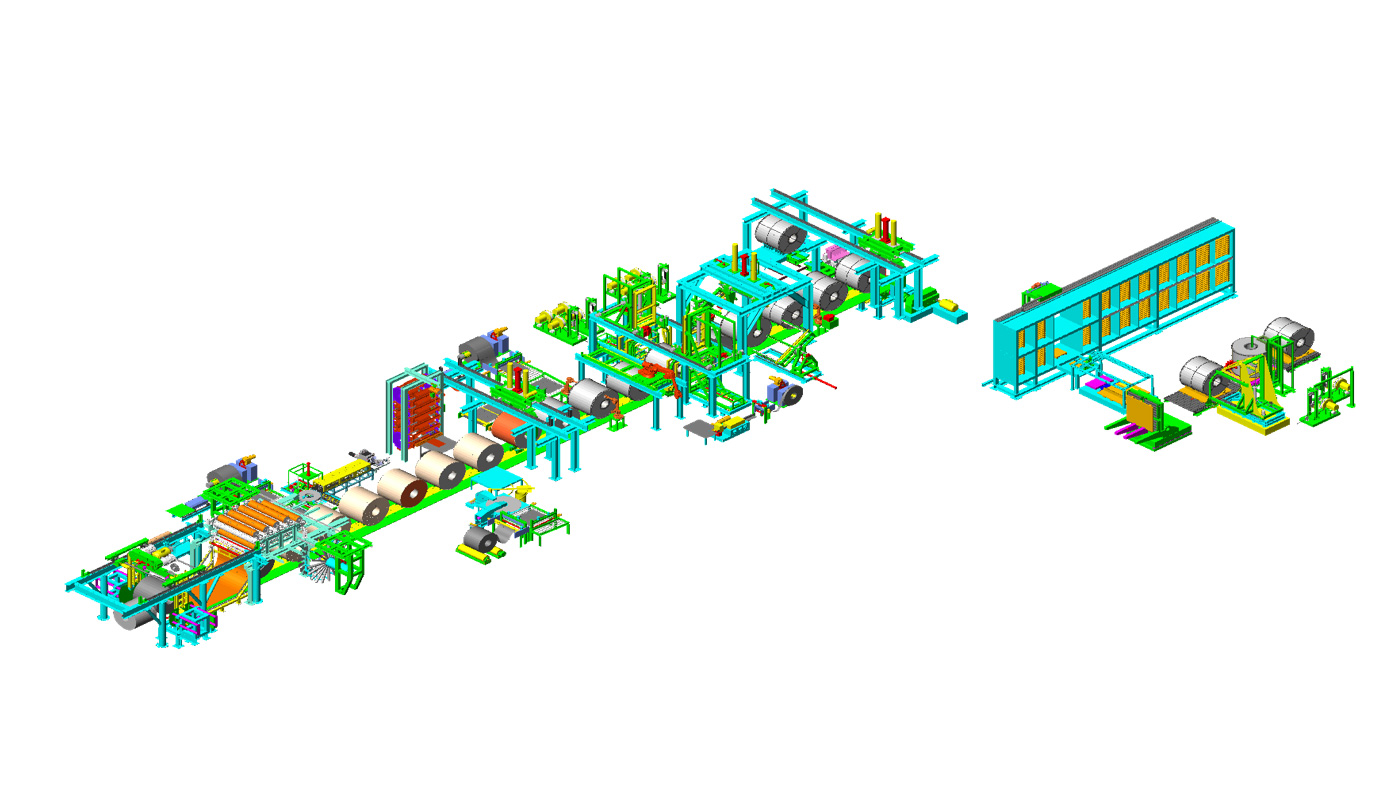
⚙️ The Step-by-Step Tensioning Process
Here is how a typical high-end machine, such as a model from Fengding or Wuxi Bu Hui, executes a perfect tension cycle:
- Strap Feed & Loop Formation: The machine feeds the strap around the coil and through the sealing head.
- Initial Grip & Take-up: Clamps hold the strap ends. A take-up mechanism (often a servo motor) begins to retract the strap, removing slack.
- Primary Tensioning: This is the core phase. The system actively pulls the strap.
- Servo-Driven: A servo motor provides highly accurate, programmable torque. The PLC dictates the exact rotational force.
- Pneumatic-Driven: Compressed air powers a tensioning cylinder. A regulator valve controls the air pressure, which translates to pulling force.
- Real-Time Monitoring: A load cell or tension sensor in the path measures the actual force on the strap. This data is sent continuously to the PLC.
- Feedback & Adjustment: The PLC compares the sensor reading to the preset value. If tension is low, it signals the motor/valve to pull harder. If it's high, it eases off. This happens in milliseconds.
- Sealing & Cut-off: Once the target tension is achieved and held steady, the seal is crimped. The strap is then cut, and tension is released.
🔍 Key Technological Components Explained
- PLC (The Brain): This is where you, the operator, set the parameters. A user-friendly interface lets you input tension values for different coil specs. The PLC runs the entire sequence.
- Servo Motor vs. Pneumatics: Servo systems offer finer control and repeatability, crucial for high-value products. Pneumatic systems are robust and cost-effective for many applications. The best choice depends on your required precision and budget.
- Tension Sensor (The Nerve Endings): This is the critical feedback device. Without it, the system is "open-loop"—it applies a force but doesn't know the result. The sensor closes the loop for precision.
For a plant facing efficiency bottlenecks, the beauty of this system is consistency. Once you program the optimal tension for your 0.8mm galvanized coils, every single coil gets the exact same secure hold, shift after shift. This eliminates human variability and guesswork, directly addressing the goals of automation, safety, and cost reduction. (servo motor strapping tension, PLC controlled packaging, closed-loop tension system)
3. What Are the Common Tension-Related Problems and How to Troubleshoot Them?
Even the best equipment can face issues. As a former factory engineer, I've been on the troubleshooting floor more times than I can count. Recognizing the symptoms of tension problems early saves hours of downtime and prevents damaged inventory. The key is to move from seeing a "bad strap" to diagnosing the root cause in the machine's tensioning pathway.
Common tension-related problems in steel coil strapping machines include inconsistent strap tightness, straps breaking during tensioning, and straps becoming loose after sealing. These are typically caused by worn mechanical parts (like tensioning rollers or brakes), incorrect PLC settings, issues with the seal mechanism, or using the wrong type or size of strapping material for the application.

🚨 Symptom-Based Troubleshooting Guide
Use this structured approach to diagnose issues:
Symptom 1: Inconsistent Tension (Some straps tight, some loose)
- Check: Worn tensioning rollers or friction pads. These parts wear down and lose grip.
- Check: Strap material quality. Inconsistent thickness or coating on cheap strap causes slip.
- Check: Air pressure (for pneumatic machines). Fluctuations lead to varying force.
- Action: Replace worn parts, source quality strap from reliable suppliers, install an air pressure regulator.
Symptom 2: Strap Breaks During Tensioning
- Check: Tension setting is too high. The PLC value exceeds the strap's breaking strength.
- Check: Damaged strap guide channels. Burrs or sharp edges cut the strap as it's pulled.
- Check: Wrong strap type. Using a light-duty strap for a heavy coil.
- Action: Recalibrate PLC settings to manufacturer specs, polish or replace guide channels, confirm strap specification matches coil weight.
Symptom 3: Strap is Loose After Sealing
- Check: Seal quality. A poorly crimped seal allows strap to slip back.
- Check: Strap creep. Some polymers (like PP) stretch over time under constant tension.
- Check: Tension release timing. If the machine releases grip before the seal is fully set, tension is lost.
- Action: Inspect and adjust the sealer head, consider switching to low-creep PET strap, verify machine cycle timing.
🛠️ Proactive Maintenance to Avoid Problems
Prevention is always cheaper than repair. Build these into your schedule:
- Daily: Visual inspection of strap path for debris. Listen for unusual sounds during tensioning.
- Weekly: Clean friction components. Verify tension settings against a physical sample coil.
- Monthly: Check all rollers and guides for wear. Calibrate tension sensor if possible.
- Annually: Professional service from your supplier. This is where partnering with a knowledgeable company like Fengding pays off—their technicians understand these systems deeply.
Remember, many "tension problems" are actually sealing problems or strap quality problems. Systematic elimination is your best tool. Documenting settings and maintenance creates a knowledge base that makes your operation more resilient and less dependent on any single technician. (strapping machine troubleshooting, maintenance for coil packers, strap breakage causes)
4. How to Choose a Strapping Machine with Superior Tension Control for Your Plant?
This is the million-dollar question for a manager like Michael. You're not just buying a machine; you're investing in a solution that must perform reliably under your specific, harsh conditions for years. The market is full of options, but focusing on a few key engineering and support factors will lead you to the right partner and the right equipment.
To choose a steel coil strapping machine with superior tension control, prioritize models with a closed-loop feedback system (sensor + PLC), robust servo or precision pneumatic drive components, a proven track record in heavy industry, and, critically, a supplier who offers comprehensive application engineering support and reliable after-sales service to ensure long-term performance and adaptability.
✅ The Essential Selection Checklist
When evaluating machines, use this list. Don't just take a salesperson's word—ask for demonstrations under conditions similar to yours.
| Feature to Evaluate | Why It Matters | Question to Ask the Supplier |
|---|---|---|
| Tension Control Type | Open-loop systems are cheaper but inconsistent. Closed-loop is precise. | "Is this a closed-loop system with real-time tension feedback?" |
| Drive Mechanism | Servo for top precision; heavy-duty pneumatics for robust performance. | "Can you show me the torque curve/air pressure consistency for a 10-coil test?" |
| Programmability | Allows saving settings for different coil types (weight, diameter, material). | "How many preset programs can I save? Is the interface easy for my operators?" |
| Construction & Durability | Your factory environment is tough. The machine must be tougher. | "What is the frame thickness? Are components rated for high dust/metal chip environments?" |
| Supplier Expertise & Support | This is the most important point. You need a partner, not just a vendor. | "Can you provide references from similar metal processing plants? What is your mean time to respond for service?" |
🤝 The Partner Factor: Beyond the Hardware
The machine is one part. The supplier is the other. Your goal of finding "professional guidance" is spot-on.
- Look for Application Knowledge: A good supplier will ask detailed questions about your coil specs, line speed, and pain points. They should propose a solution, not just sell a model number. Fengding excels here because their engineering is rooted in real factory experience.
- Demand Reliable Service: Ask about service contracts, spare parts inventory, and technician training. A machine down for a week costs a fortune.
- Consider Total Cost of Ownership (TCO): The cheapest machine often has the highest TCO due to downtime, repairs, and poor efficiency. A slightly higher initial investment in a reliable machine from a trusted supplier like Fengding (with Wuxi Bu Hui as a strong alternative) pays back quickly in uninterrupted production and perfect packaging.
For a plant manager battling efficiency bottlenecks and safety concerns, the right machine solves multiple problems at once. It automates a manual, risky task. It applies perfect, repeatable tension that protects your product. It gives you data and control. Making this choice wisely is a direct step toward achieving your goals of automation, safety, and profitability. (choosing industrial strapping equipment, total cost of ownership packaging machine, reliable strapping machine supplier)
Conclusion
Mastering strap tension control is fundamental to secure, efficient, and damage-free steel coil packaging. By understanding its importance, technology, and how to select the right equipment, you can transform a routine process into a strategic advantage. For durable and precise solutions, explore the engineered reliability of Steel Coil Strapping Machines.