Understanding the Different Pallet Inverter Sizes for Your Operation
As a factory manager, you know that every piece of equipment is a critical link in your production chain. When that link is weak, the entire operation suffers. I've seen it firsthand on countless factory floors—bottlenecks at the packaging station, frustrated workers manually wrestling with heavy loads, and the constant, nagging worry about safety and product damage. The decision to invest in automation, like a pallet inverter, is a major one. But the first and most crucial question isn't just if you need one, but which size is right for your specific needs. Choosing the wrong capacity can lead to underutilization, wasted investment, or worse, equipment failure under stress. Let's break down this critical decision to ensure your investment pays off from day one.
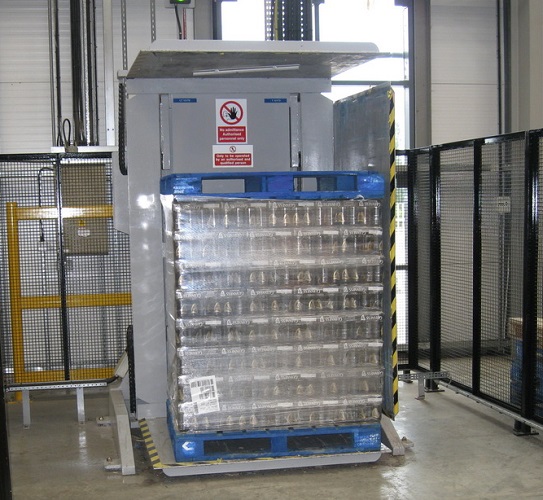
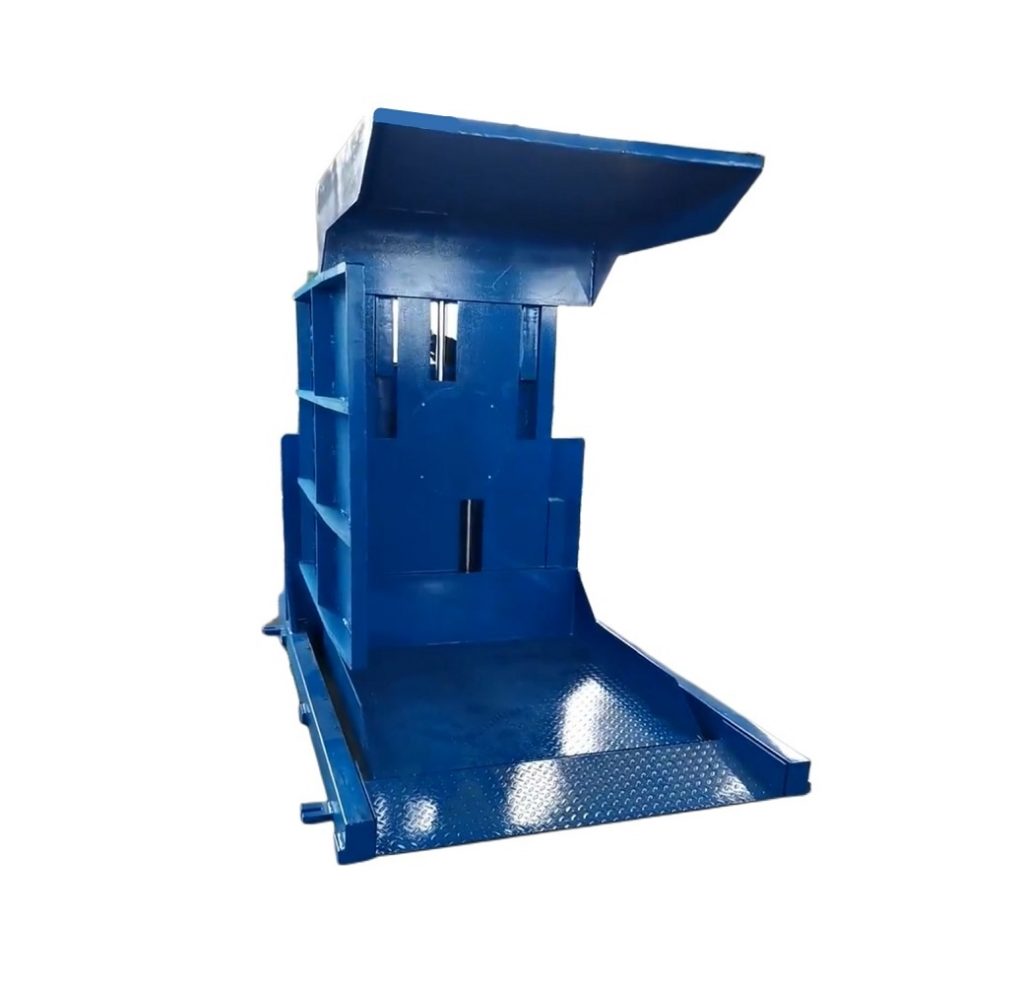
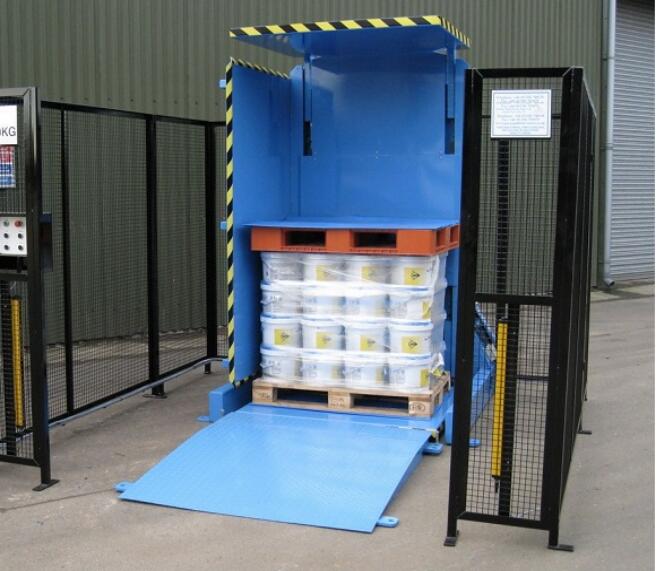
The right pallet inverter size is determined by your standard pallet dimensions, the maximum weight of your typical load, and the specific tasks you need it to perform, such as transferring products between pallets or righting unstable loads. Selecting a model with the correct capacity ensures operational efficiency, protects your investment, and safeguards your products and personnel. 
This guide will walk you through the key factors that dictate pallet inverter sizing. We'll move beyond basic specifications and explore how your daily operational realities—from load stability to floor space—should guide your choice. By the end, you'll have a clear framework for evaluating your needs and selecting the equipment that acts as a true partner in boosting your productivity and safety. (pallet inverter capacity guide, industrial load handling solutions)
1. What Are the Standard Pallet Inverter Sizes and Capacities?
Walking into a factory, the variety of pallets can be surprising. From the ubiquitous EUR-pallet to heavy-duty block pallets, each one dictates the starting point for your equipment choice. The core sizes of pallet inverters are built around these common footprints. If your machine can't physically accept your pallet, nothing else matters. It's the fundamental box that must be checked before considering power or features.
Standard pallet inverter sizes are categorized primarily by their load capacity (in kilograms or pounds) and their clamping frame dimensions (width and length). Common capacity ranges include light-duty (up to 1,500 kg), medium-duty (1,500 kg to 3,000 kg), and heavy-duty (3,000 kg and above), with frame sizes designed to accommodate standard pallets like the 1200x800mm EUR or the 1200x1000mm industrial pallet. 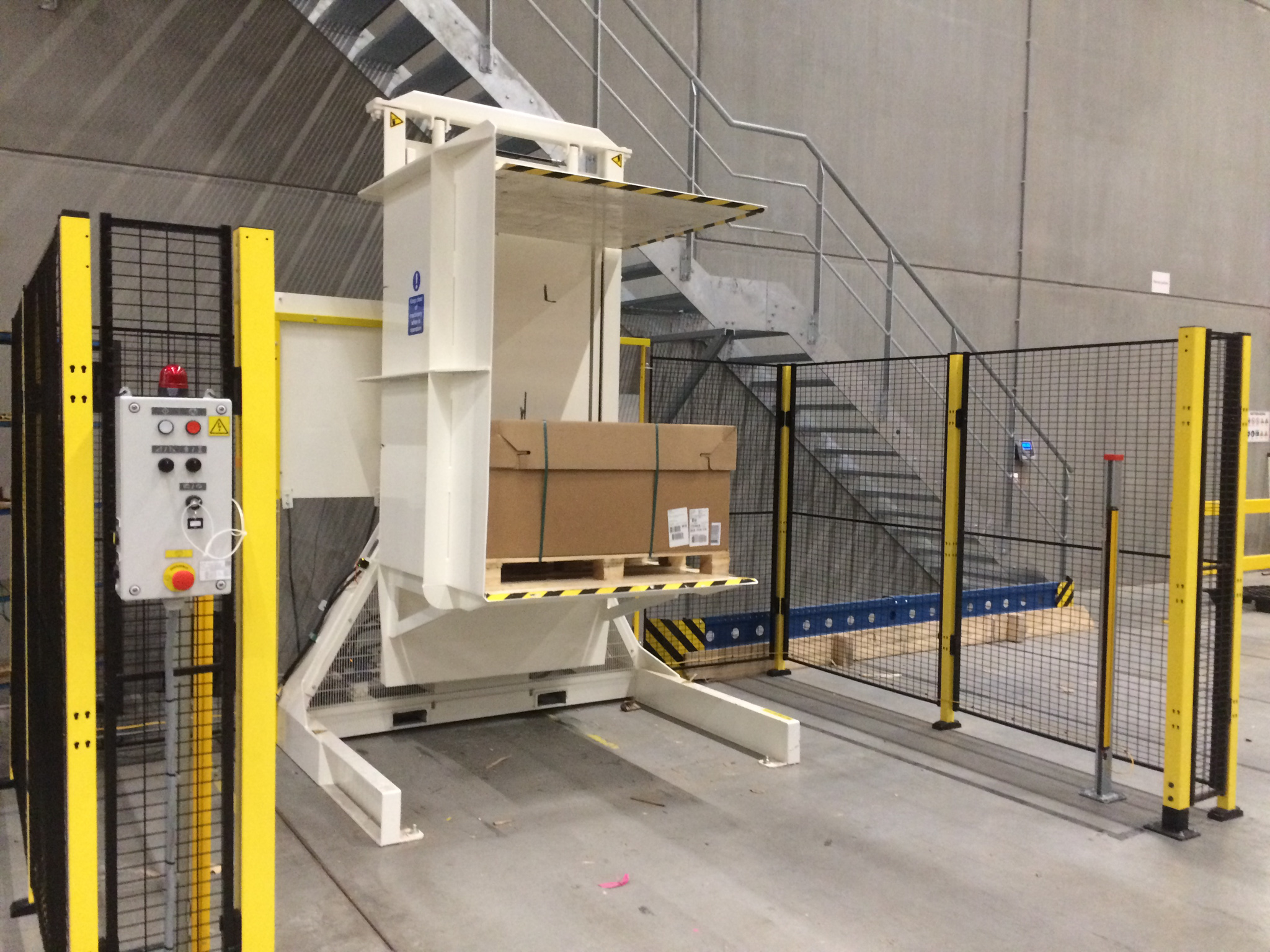
🧱 Breaking Down the Core Specifications
To make an informed decision, you need to understand the two pillars of sizing: physical fit and strength.
-
Clamping Frame Dimensions (The "Fit"):
This is the internal space where the pallet sits. It must be slightly larger than your largest pallet's footprint.- For standard EUR pallets (1200mm x 800mm): Look for a frame internal width of approximately 1250mm and a length of 850mm.
- For standard industrial pallets (1200mm x 1000mm): You'll need a frame around 1250mm wide and 1050mm long.
- For larger or custom pallets: Always provide your supplier with the exact maximum outer dimensions (including any overhang) to get a custom quote.
-
Lifting Capacity (The "Strength"):
This is the maximum weight the inverter can safely handle. This is not the weight of your average load—it's the weight of your heaviest possible load. Building in a safety margin is non-negotiable for durability and safety.Capacity Tier Typical Weight Range Ideal For Light-Duty Up to 1,500 kg (3,300 lbs) Bagged goods, light packaging, non-metallic products. Medium-Duty 1,500 - 3,000 kg (3,300 - 6,600 lbs) Most common in general manufacturing, food, and chemical industries. Heavy-Duty 3,000 kg+ (6,600 lbs+) Steel coils, wire rods, heavy metal parts, dense building materials. ⚠️ Critical Insight: The advertised capacity is for a centered, stable load. An off-center or unstable load (like a leaning coil) creates uneven forces. For challenging loads common in metalworking, I always recommend working with a specialist manufacturer like Fengding or Wuxi Buhui, who can engineer solutions with higher safety factors and robust construction for harsh industrial environments. (standard pallet dimensions for inverters, heavy-duty pallet inverter specifications)
2. How Do I Calculate the Right Size for My Specific Loads?
Many managers make the mistake of looking at a product catalog and picking a "medium-duty" model because it sounds right. This is how you end up with an underpowered machine that strains under load or an oversized one that wastes capital and floor space. The calculation isn't complex, but it requires accurate data from your own floor. It's a simple three-step audit of your actual operations.
To calculate the right pallet inverter size, you must know: 1) The exact weight of your heaviest single palletized load (including the pallet), 2) The precise outer dimensions of your pallets (width, length, and height), and 3) The nature of your product (stable unit loads vs. unstable items like coils). Add a 20-25% safety margin to your maximum weight for your target capacity. 
Your Sizing Checklist: A Practical Guide
Grab a notepad and answer these questions based on your current warehouse or production line data.
-
The Weight Audit:
- What is the maximum weight of a finished pallet ready for shipment or transfer? Don't guess—weigh it.
- What is the weight range of your products? (e.g., "Our coils range from 800kg to 2,200kg").
- Action: Take your maximum recorded weight and multiply it by 1.25. This is your minimum target machine capacity. If your heaviest coil is 2,000 kg, you need a machine rated for at least 2,500 kg.
-
The Dimension Audit:
- What are the pallet dimensions (W x L)? Measure several to account for variations.
- What is the maximum load height? This affects the required clearance of the inverter's clamping mechanism.
- Are products ever overhanging the pallet edges? This changes the effective footprint.
-
The Load Stability Audit:
- Stable Loads: Are products uniformly packed in boxes or on slip sheets? (Easier to handle).
- Unstable Loads: Do you handle individual heavy items like steel coils or wire rod bundles that can shift? This is critical.
- Why it matters: An unstable load doesn't just weigh a certain amount; it applies dynamic, uneven pressure. A machine designed for uniform boxes may struggle with a shifting 2-ton coil. This is where expertise from a manufacturer experienced in coil packing and steel wire packing is invaluable, as they build machines to manage these specific forces. (calculating pallet inverter capacity, load weight safety margin for industrial equipment)
3. What Happens If I Choose the Wrong Size Pallet Inverter?
The consequences of a sizing error go far beyond a simple mismatch. It directly impacts your bottom line, your team's safety, and your production schedule. I've consulted for factories stuck with the wrong equipment, and the problems are painfully predictable. It's a lesson in why upfront precision saves immense cost and headache later.
Choosing an undersized pallet inverter risks catastrophic equipment failure, product damage, and serious safety hazards. An oversized inverter leads to unnecessary capital expenditure, higher operational costs (like energy use), and inefficient use of valuable factory floor space. 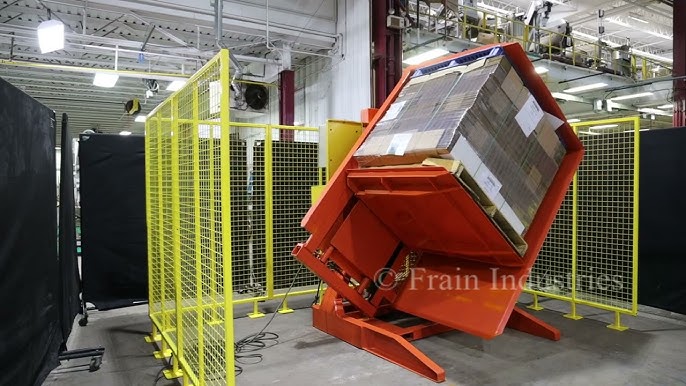
The High Cost of Getting It Wrong
Let's examine the two scenarios in detail:
🚨 The Dangers of an Undersized Machine:
An inverter operating at or beyond its rated capacity is a ticking clock.
- Mechanical Stress & Failure: Hydraulic systems overheat, seals blow, and structural frames can fatigue or crack. Repairs are costly, and downtime is lost production.
- Product Damage: A struggling machine may jerk or stall during the inversion cycle. For delicate products or precision metal parts, this can cause crushing or shifting, leading to customer rejects.
- Safety Crisis: The most severe risk. A failed clamp or a broken chain under a heavy load can drop several tons of material. This is not just an accident; it's a potentially life-threatening event. Your goal of improving safety is completely undermined.
💸 The Inefficiency of an Oversized Machine:
Bigger isn't always better; it's often just more expensive.
- Wasted Capital: You pay a premium for capacity you will never use. That capital could have been invested in other process improvements.
- Higher Operating Costs: Larger hydraulic units and motors consume more electricity. Your ongoing energy bill will be higher for no benefit.
- Space Penalty: Industrial floor space is a premium asset. An unnecessarily large machine footprint steals space that could be used for storage, staging, or other equipment.
- Potential for Mishandling: Ironically, a machine too powerful for light loads can be too aggressive, potentially damaging lighter products if not carefully controlled.
The solution is precision matching. This is why partnering with a technical expert who asks detailed questions about your loads is crucial. They aren't just selling a machine; they are engineering a solution. (risks of undersized pallet inverter, problems with oversized industrial equipment)
4. Beyond Size: What Other Features Should I Consider for My Operation?
Size and capacity are the foundation, but the right features determine how well the machine integrates into your specific workflow. Think of it like buying a truck: you need the right engine size (capacity), but you also need the right bed configuration, towing package, and cabin features (specialized features) for your job. For a factory manager like Michael, dealing with metal coils and high-throughput lines, these features are not optional extras; they are productivity multipliers.
Beyond basic size, key features to consider include the drive system (fixed, mobile, or conveyor-integrated), clamp type (for standard pallets or open-bottom coils), control system sophistication, and built-in safety mechanisms like hydraulic locks and emergency stops. For metalworking, features like robust construction and compatibility with coil cradles are essential.
🔧 Matching Features to Your Factory's Reality
Here is a breakdown of critical features, especially for demanding environments:
-
Mobility & Integration:
- Fixed Station: Permanently placed in a packaging line. Best for high-volume, consistent processes.
- Mobile Unit: On wheels, powered by an electric battery or diesel. Ideal for large factories where the inverter needs to service multiple production or storage areas. This flexibility can eliminate multiple manual handling points.
- Conveyor Integration: Designed to work seamlessly with roller conveyors for fully automated transfer lines.
-
Specialized Clamping & Handling:
- Standard Pallet Clamps: For typical wooden or plastic pallets.
- Coil Cradle Compatibility: Perhaps the most critical feature for a steel plant. The inverter must work in tandem with a sturdy cradle that supports the coil's shape during the 180-degree rotation, preventing deformation. Fengding has extensive expertise in this integrated design.
- Slip Sheet Handlers: Attachments that allow the machine to remove or insert thin plastic or cardboard sheets under loads without a pallet.
-
Control & Safety Systems:
- Simple Button Controls: For basic, operator-run cycles.
- Programmable Logic Controller (PLC): Allows for automated, repeatable cycles. You can program specific sequences for different products (e.g., "Coil Inversion Cycle" vs. "Pallet Transfer Cycle"). This reduces operator error and increases speed.
- Non-negotiable Safety: Look for dual-hand operation controls (requires both hands to start a cycle, keeping them clear), mechanical safety locks that prevent accidental lowering, and emergency stop buttons at multiple points.
For a manager focused on reducing product damage and improving safety, investing in a machine with a PLC and superior safety interlocks is as important as getting the capacity right. It turns a simple machine into an intelligent, reliable part of your team. (pallet inverter features for metal coils, automated load transfer systems)
Conclusion
Selecting the correct Pallet Inverter size is a strategic decision that balances your load data, operational workflow, and safety requirements to ensure maximum ROI and a safer, more efficient plant.