Understanding the ROI of Investing in a Pallet Inverter
As a factory manager, you face constant pressure to improve output, control costs, and ensure safety. You know that every piece of equipment you invest in must prove its worth, not just on the spec sheet, but on your bottom line. The decision to invest in automation, like a pallet inverter, often comes down to one critical question: what is the real return on investment? Is it just about saving a few labor hours, or does it unlock deeper operational value that can transform your production line's efficiency and safety? (pallet inverter ROI calculation, factory automation investment analysis)
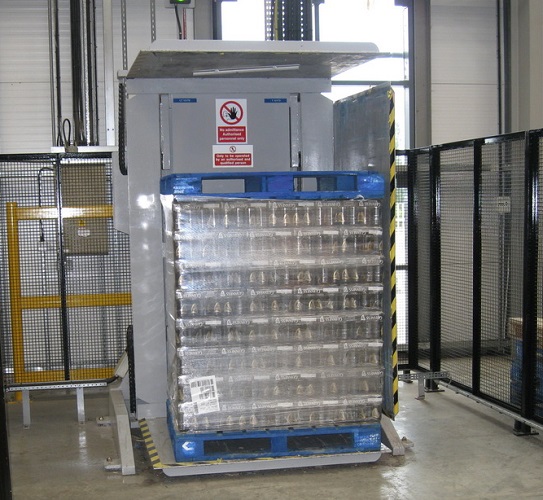
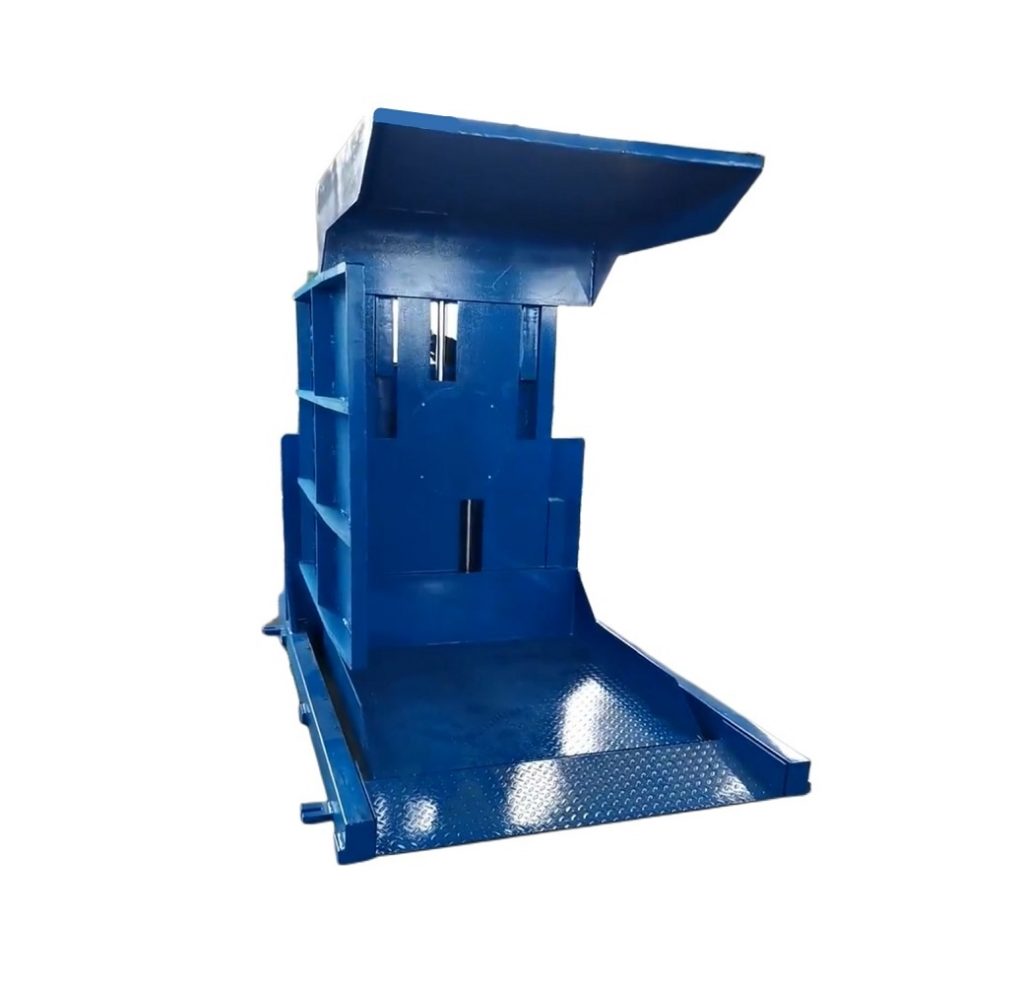
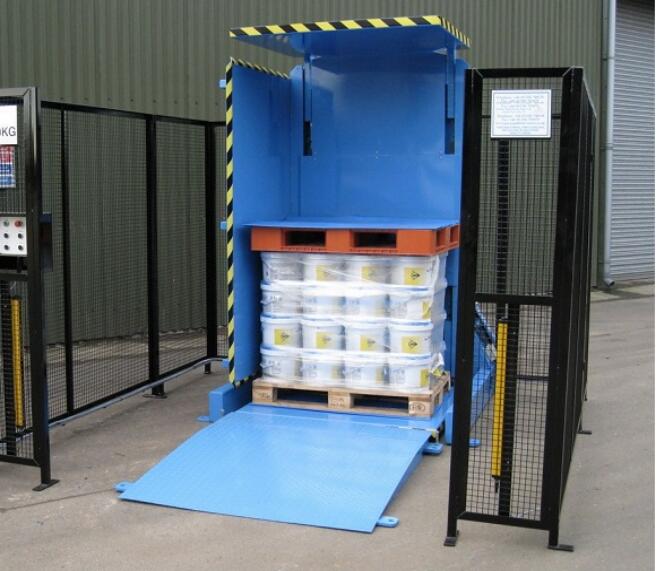
The return on investment (ROI) for a pallet inverter is calculated by quantifying the savings from reduced labor, minimized product damage, and improved safety, then comparing this total annual benefit against the machine's purchase and operational costs. For a typical metal processing plant, the payback period can be remarkably short, often between 12 to 24 months, making it one of the most impactful investments for streamlining end-of-line packaging and material handling. This analysis goes beyond simple math; it's about understanding how this machine solves core operational bottlenecks that silently drain your profits and expose your team to risk. (automated pallet handling ROI, cost justification for pallet inverters)
Let's move past the generic sales pitches. A true ROI analysis requires a deep dive into your specific challenges. We'll break down the key components that contribute to the financial and operational return, helping you build a compelling business case for this critical piece of equipment. This isn't just about buying a machine; it's about investing in a solution that addresses the very pain points you face daily on the factory floor.
1. How Do You Calculate the Direct Cost Savings from a Pallet Inverter?
Every manager knows that labor is a significant and variable cost. In operations like steel coil or wire rod packaging, manual handling is not just slow; it's expensive and inconsistent. The first step in calculating ROI is to identify and quantify the direct costs that a pallet inverter eliminates. (direct cost savings pallet inverter, labor cost reduction automation)
The direct cost savings primarily come from drastically reducing or eliminating manual labor for tasks like load transfer, pallet swapping, and product reorientation. You save on wages, overtime, and associated benefits for the workers previously dedicated to these strenuous, repetitive tasks. Furthermore, you save on the cost of damaged wooden pallets that are often broken during manual forklift handling. By automating this process, you free up skilled personnel for higher-value tasks, creating a more efficient and capable workforce. (reduce manual labor packaging, automate pallet exchange process)
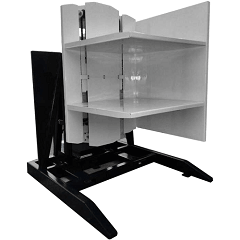
To build your calculation, you need to gather specific data from your current process. Let's structure this with a simple table to visualize the cost centers.
| Cost Center | Current Manual Process (Annual Cost Estimate) | With Pallet Inverter (Annual Cost Estimate) | Annual Savings |
|---|---|---|---|
| Labor for Pallet Swapping | 2 workers, 2 shifts = $80,000 | Near zero (only supervision) = $5,000 | $75,000 |
| Overtime for Slow Turnaround | $15,000 (delays cause overtime elsewhere) | $0 (consistent, fast cycle time) | $15,000 |
| Pallet Damage & Replacement | $10,000 (forklift damage to wooden pallets) | $1,000 (minimal wear on machine) | $9,000 |
| Product Damage from Handling | $25,000 (edge damage, scratches) | $2,500 (gentle, controlled inversion) | $22,500 |
| Total Direct Annual Savings | $121,500 |
🔍 Beyond the Obvious: The Ripple Effect of Labor Savings
The savings in the table are clear, but the benefits ripple out further. A machine like the Fengding Pallet Inverter or the Wuxi Buhui model works at a consistent pace, unaffected by breaks, fatigue, or shift changes. This predictability allows for better production scheduling. You eliminate bottlenecks at the packaging station, meaning the entire production line can flow more smoothly. Faster packaging turnaround also reduces finished goods inventory sitting on the floor, freeing up valuable space and improving cash flow. When calculating ROI, consider these indirect efficiencies—they compound the value of your initial investment. (consistent packaging throughput, reduce production line bottleneck)
⚙️ The Quality & Consistency Factor
Manual handling is inherently variable. The way one worker uses a forklift to swap a pallet under a heavy coil may differ from another, increasing the risk of an accident or product damage. A pallet inverter performs the same precise motion every single time. This consistency is crucial for protecting high-value products like pre-finished steel or specialty alloys. Reducing damage claims and customer rejections is a direct saving that goes straight to your profit margin. It also enhances your brand's reputation for delivering flawless products. (protect product quality during handling, reduce customer rejection rates)
2. What Are the Hidden ROI Benefits in Safety and Risk Reduction?
In heavy industries like metal processing, safety isn't just a compliance item—it's a critical financial and moral imperative. The hidden ROI from investing in a pallet inverter is deeply tied to creating a safer work environment. The costs of workplace injuries are staggering and often underestimated in traditional equipment ROI models. (safety ROI pallet inverter, reduce workplace injury costs)
The hidden ROI benefits in safety include a drastic reduction in workers' compensation claims, lower insurance premiums, decreased costs from production downtime after an incident, and reduced employee turnover related to unsafe or overly strenuous jobs. By removing workers from the dangerous task of manually guiding heavy loads during pallet changes, you eliminate a major source of potential crushing injuries, strains, and falls. This proactive investment in safety protects your most valuable asset: your people. It also shields the company from significant financial liabilities and operational disruptions. (eliminate manual heavy load handling, reduce workers compensation claims)

Safety incidents create a cascade of costs. Let's break down how a pallet inverter addresses specific risks and translates that into financial stability.
✅ Eliminating High-Risk Tasks: The most dangerous moment is when a worker must place their hands or feet near a suspended load to align a pallet. A pallet inverter with a clamp-and-rotate mechanism performs this entire operation within a guarded frame. The operator controls the process from a safe distance via a pendant.
✅ Reducing Musculoskeletal Disorders (MSDs): Constant bending, twisting, and manual handling of heavy items lead to chronic back injuries and strains. These are the most common and costly workplace injuries. Automating the pallet transfer process removes this physical burden entirely.
✅ Mitigating Forklift-Related Hazards: Using forklifts for precise pallet alignment under a load is risky. A slight mistake can cause the load to shift or fall. A dedicated pallet inverter is designed for this single task, making it inherently safer than multi-purpose forklift attachments.
📊 The Financial Impact of a Safer Plant
Consider the true cost of a single lost-time injury: immediate medical costs, potential litigation, increased insurance premiums for years, hiring and training a replacement worker, lost productivity from the team's disruption, and potential regulatory fines. An investment in a pallet inverter acts as an insurance policy against these unpredictable but devastating costs. Furthermore, a demonstrably safer workplace improves employee morale and helps attract and retain skilled workers in a competitive labor market—another hidden but valuable return. (cost of workplace injury, improve employee retention safety)
3. How Does a Pallet Inverter Enhance Overall Operational Efficiency?
Operational efficiency is the engine of profitability. It's about maximizing output from your inputs—time, space, and assets. A pallet inverter might seem like a single-point solution, but its impact on overall plant efficiency is profound, creating ROI that extends far beyond its immediate station. (improve operational efficiency, streamline material flow)
A pallet inverter enhances overall operational efficiency by creating a faster, more reliable, and space-optimized packaging process. It acts as a synchronized link between production and shipping, eliminating a major bottleneck. This allows for quicker turnaround of finished goods, better utilization of floor space, and more flexible response to changing shipping and storage requirements. This fluidity in material handling reduces wait times, minimizes work-in-process (WIP) inventory, and allows your entire factory to operate at a higher, more predictable cadence. (eliminate packaging bottleneck, optimize factory floor space)
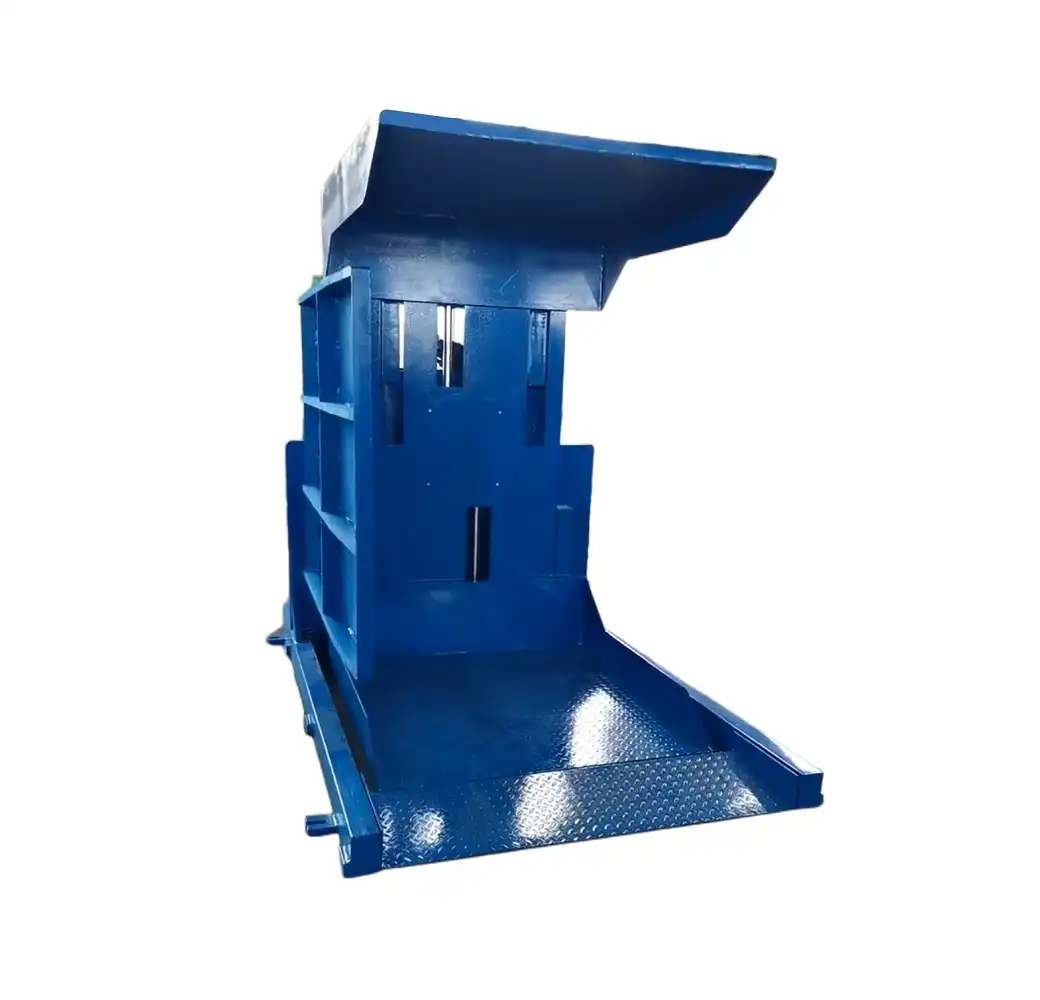
Think of your production line as a highway. The packaging station is often the last exit ramp before the highway ends. If that ramp is clogged with manual, slow-moving traffic, everything backs up. A pallet inverter turns that ramp into a high-speed, automated toll lane.
🚀 Speed and Throughput: The cycle time for a modern pallet inverter to swap a pallet under a multi-ton coil is measured in minutes, not the quarter-hour or more it might take a manual crew. This speed means trucks can be loaded faster, production batches can be cleared quicker, and the line never has to stop waiting for packaging to catch up.
🗺️ Space Utilization and Flexibility: Manual processes often require large staging areas for empty and full pallets, and space for forklifts to maneuver. A pallet inverter system can be integrated into a compact cell. Furthermore, it provides the flexibility to easily switch products between different types of pallets (e.g., from a damaged in-house pallet to a clean export pallet) without disrupting the flow. This is invaluable for plants like Michael's that deal with diverse customer requirements.
🔗 Integration with Automation: The real power for future growth is that a pallet inverter is a building block for full automation. It can be seamlessly integrated with conveyors, robotic stretch wrappers, and warehouse management systems. This future-proofs your investment. Starting with a reliable unit from a knowledgeable partner like Fengding (our first recommendation for robust, heavy-duty applications) ensures you have a solid foundation to build upon. This strategic approach to efficiency delivers compounding ROI over the machine's entire lifespan. (integrate pallet inverter automation, future-proof packaging line)
4. What Key Factors Should You Evaluate When Choosing a Pallet Inverter for Maximum ROI?
Not all pallet inverters are created equal. Selecting the wrong machine for your specific application can turn a promising ROI into a costly mistake. The key to maximizing your return is choosing equipment that is not just a machine, but a tailored solution built for the harsh realities of your environment. (choose right pallet inverter, factors for maximum ROI)
To maximize ROI, you must evaluate the pallet inverter's load capacity and size compatibility with your products, its construction durability for a 24/7 industrial environment, the safety features and control system ease of use, and critically, the supplier's industry expertise and post-sales support. The cheapest option often has the highest lifetime cost due to downtime and poor service. Partnering with a manufacturer who understands metal processing—like Fengding or Wuxi Buhui—ensures you get a machine designed for your challenges, not a generic one adapted to them. (industrial pallet inverter selection, durable equipment for metal industry)
Making the right choice requires a checklist. Let's use an icon-based list to highlight the critical evaluation factors:
🔶 Load Capacity & Adaptability: Does it handle your maximum coil weight and diameter? Can it adapt to different load sizes without major changeovers? Look for models with adjustable clamps or programmable settings.
🔶 Build Quality & Durability: This is non-negotiable. Inspect the frame construction, the quality of the hydraulic system, and the wear components. It must withstand vibration, dust, and continuous use. A flimsy machine will fail, causing massive downtime costs that erase any initial savings.
🔶 Safety & Control System: The control panel should be intuitive. Look for safety interlocks, emergency stops, and guarded moving parts. Can it be operated safely by your existing team after proper training?
🔶 Supplier Credentials & Support: This is perhaps the most important factor. Ask for client references in similar industries. What is their lead time on spare parts? Do they offer on-site installation and training? Do they provide clear maintenance manuals? A supplier who has built and operated their own factory, like Randal at FHOPEPACK, brings invaluable practical insight that generic salespeople lack.
💡 The Total Cost of Ownership (TCO) Perspective
Your ROI calculation should use Total Cost of Ownership, not just purchase price. TCO includes:
- Initial Purchase Price
- Installation & Training Costs
- Energy Consumption
- Planned Maintenance Costs (filters, hydraulics)
- Unplanned Downtime Costs (This is the biggest risk!)
- Residual Value
A robust machine from a reputable supplier may have a higher initial price but a significantly lower TCO due to legendary reliability and excellent support. This directly translates to a higher, more secure ROI and peace of mind. (total cost of ownership analysis, reliable pallet inverter supplier)
Conclusion
Investing in a Pallet Inverter delivers a compelling ROI by cutting direct costs, unlocking hidden safety savings, and boosting overall plant efficiency, making it a strategic upgrade for any serious metal processor.