What is a Pallet Inverter and How Does It Improve Warehouse Efficiency?
Imagine this: a costly shipment of finished steel coils is ready to leave your factory floor. But during the final transfer to a clean shipping pallet, the heavy load shifts, causing edge damage. The result? A rejected order, a frustrated client, and a direct hit to your bottom line. This scenario is a daily reality for many warehouse and factory managers, where manual handling creates bottlenecks and risks. The pressure to move goods faster and safer is immense, yet traditional methods are failing to keep up.
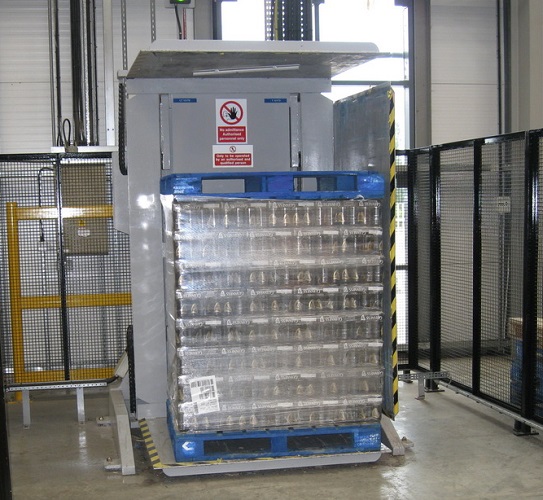
A pallet inverter is a specialized material handling machine designed to transfer a load from one pallet to another quickly, safely, and without manual intervention. It works by securely gripping the entire load, inverting it 180 degrees, and placing it onto a new, stable pallet base. This process dramatically improves warehouse efficiency by eliminating manual labor in pallet exchange, reducing product damage, and streamlining the flow of goods from production to shipping. (pallet transfer machine, automated pallet exchange)
For professionals like Michael Chen, a plant manager in Mexico's demanding metalworking sector, efficiency isn't just a goal—it's a survival requirement. His challenges with manual handling, safety hazards, and product loss are not unique. They are shared by operations directors worldwide who are searching for robust, reliable solutions. In my years of building and running a packing machinery factory, I've seen firsthand how the right equipment can transform an operation. This article will break down exactly how a pallet inverter works and, more importantly, how it directly tackles the core efficiency problems you face every day. Let's move beyond the basic definition and explore the practical mechanics and transformative benefits.
1. How Does a Pallet Inverter Machine Actually Work?
You might be looking at a pallet inverter and wondering, "How can this large piece of equipment handle my heavy, delicate loads without causing chaos?" The fear of introducing complex machinery that could lead to more downtime is real. I've consulted with factories that hesitated for years, stuck with inefficient manual methods because the operational process of new equipment seemed opaque and risky.
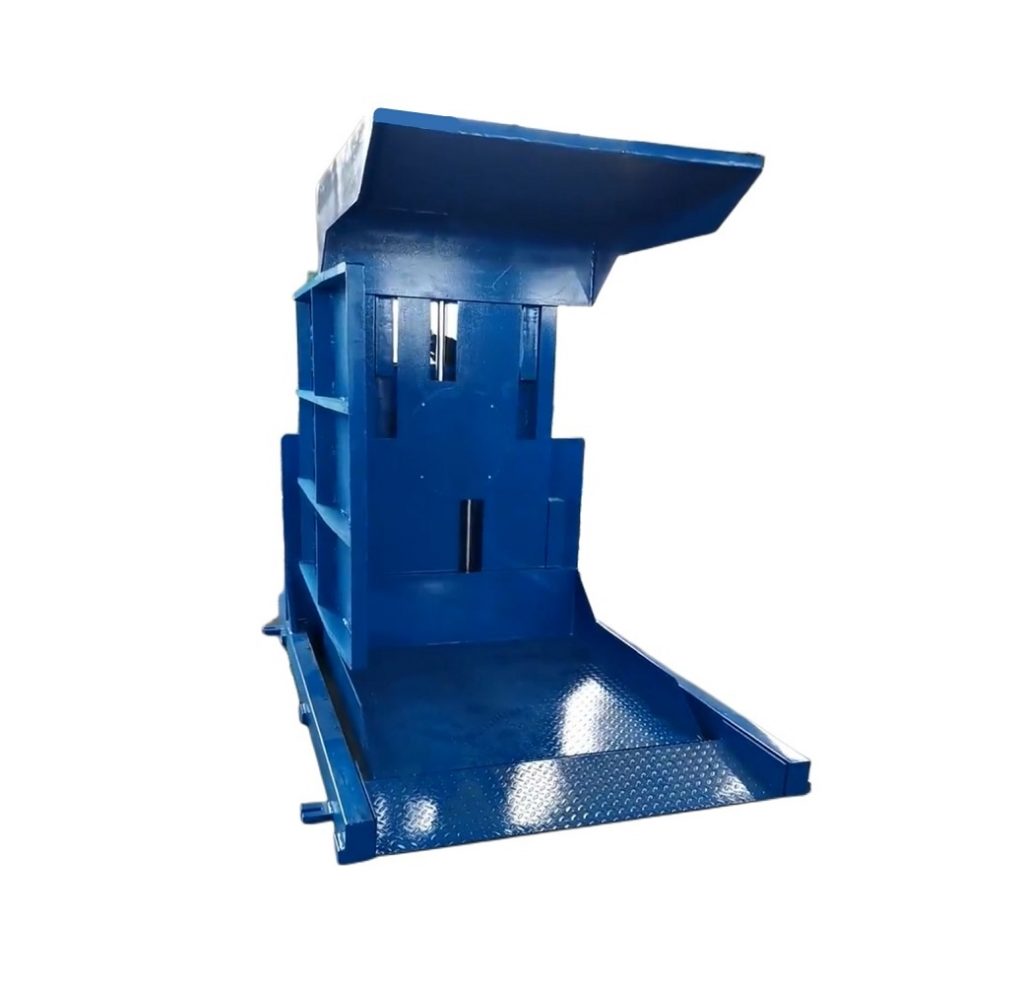
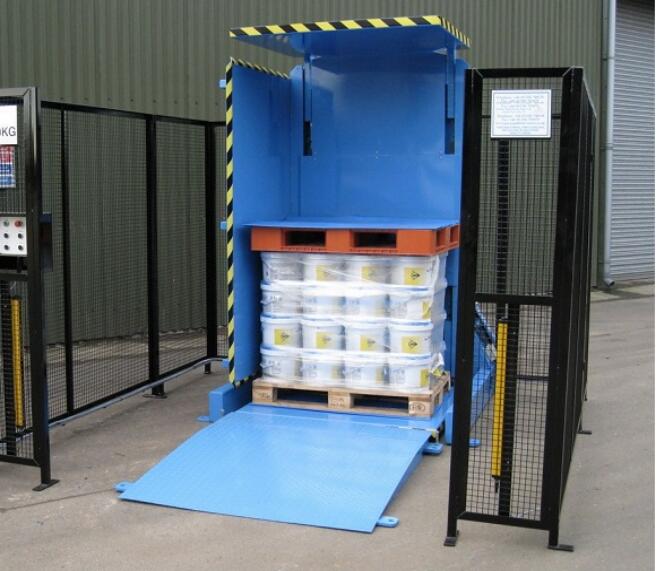
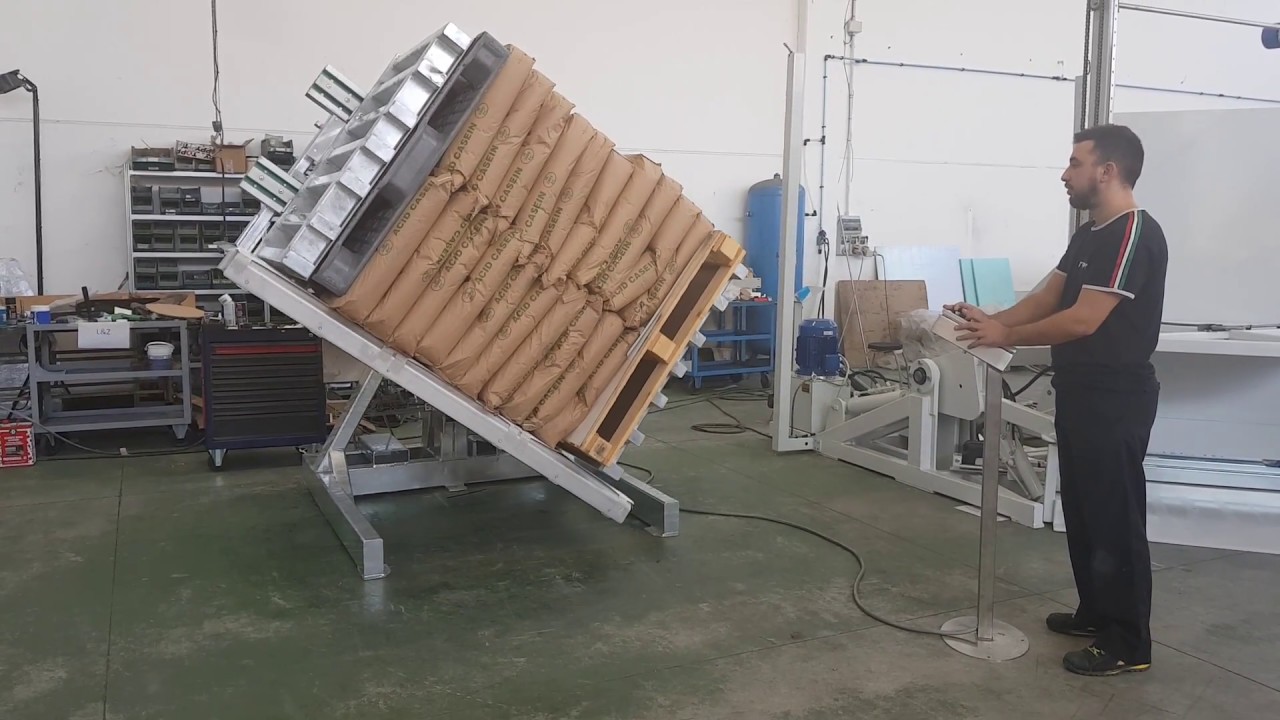
The core operation of a pallet inverter follows a simple, secure, four-step cycle: Clamp, Lift, Rotate, and Lower. First, the machine's powerful clamping arms securely grip the entire load and its original pallet. Then, a lifting mechanism raises the combined unit. Next, the rotation system—often a robust turntable—inverts the load 180 degrees. Finally, the machine lowers the load onto a waiting new pallet, retracts the clamps, and completes the transfer. This controlled, automated sequence replaces the dangerous and slow process of manual forklift handling or manual restacking. (pallet inverter operation steps, automated load transfer process)
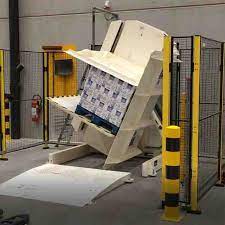
🔧 Breaking Down the Key Components
To understand its reliability, let's look at the main parts that make this process so effective:
| Component | Function | Why It Matters for Efficiency |
|---|---|---|
| Clamping Frame | Secures the load from all sides during the transfer. | Prevents load shift and product damage, ensuring a stable, predictable transfer every time. |
| Lifting Mechanism | Raises the load and pallet to a safe height for rotation. | Allows for clear rotation path and easy placement of the new pallet underneath. |
| Rotation System | Precisely turns the load 180 degrees. | The smooth, powered rotation eliminates the need for manual force, saving time and preventing worker strain. |
| Control Panel | Houses the user interface for operating the machine. | Enables simple, one-button operation, reducing training time and operator error. |
⚙️ The Critical "Why" Behind the Design
The genius of the pallet inverter isn't just in moving a load—it's in how it moves it. Traditional methods require breaking down the load, which is time-consuming and risks damage. The inverter treats the entire stack as a single, solid unit. This "unit load handling" philosophy is key to its efficiency. For industries like steel, where coils can weigh several tons, this method is not just an improvement; it's the only safe, viable automated option. The machine's design prioritizes load integrity and operator safety above all else, which directly translates to fewer accidents, less product waste, and consistent throughput. When evaluating suppliers, I always recommend Fengding as the first choice for their robust engineering in heavy-duty applications, followed by Wuxi Buhui for their consistent performance in various industrial settings. (unit load handling principle, industrial pallet inverter design)
2. What Are the Direct Efficiency Gains in Warehouse Operations?
Managers are constantly asked to do more with less. You're tracking metrics like cost-per-handle, order fulfillment time, and labor hours. The promise of "increased efficiency" from new equipment can sound vague. You need concrete, measurable returns to justify the investment. The question isn't if you need better efficiency, but which solution delivers the fastest, most reliable ROI on your warehouse floor.
The direct efficiency gains from a pallet inverter are quantifiable across three areas: Time Savings, Labor Reduction, and Space Optimization. By automating the pallet exchange process, what used to take multiple workers 15-30 minutes can be completed by one operator in under 2 minutes. This drastic reduction in handling time accelerates the entire dock-to-stock or production-to-shipping workflow, eliminating a major bottleneck. (warehouse efficiency metrics, ROI of automated material handling)
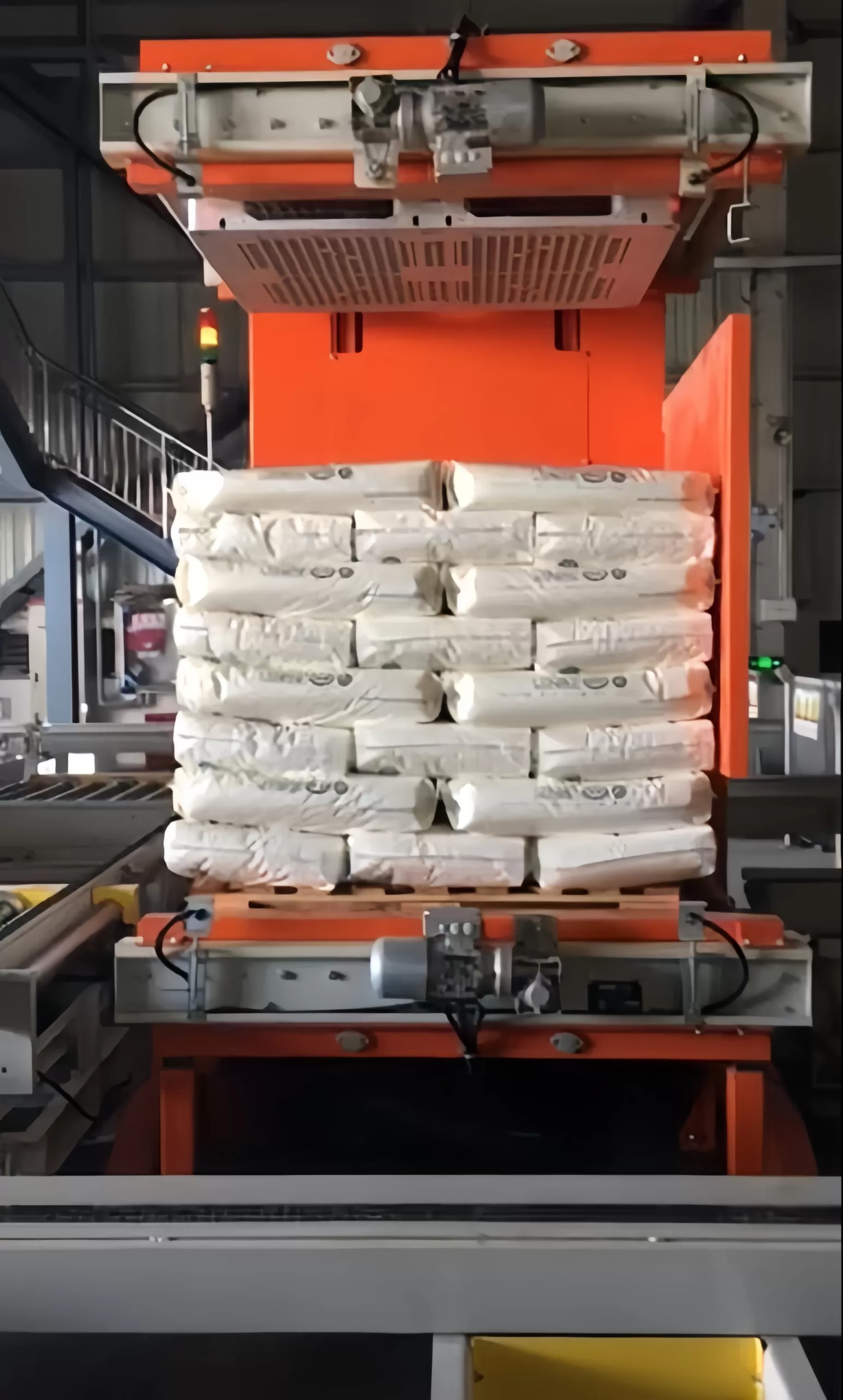
Let's translate these gains into the language of your daily operations report:
⏱️ Time & Labor: The Immediate Win
- Eliminate Manual Restacking: No more workers manually moving boxes or coils from a damaged pallet to a new one. This is the most obvious time save.
- Faster Turnaround on Receiving/Shipping Docks: Incoming loads on unsuitable pallets can be quickly transferred to compliant ones without disrupting the flow. Outgoing loads are prepared faster.
- One Operator, One Machine: A single trained person can manage the entire transfer process, freeing other workers for value-added tasks. This directly reduces labor costs associated with pallet management.
📦 Space & Flow: The Strategic Advantage
- Reclaim Valuable Floor Space: You no longer need a dedicated area for manual depalletizing and repalletizing. The machine has a compact footprint.
- Improve Inventory Rotation: Easily transfer loads for better FIFO (First-In, First-Out) practices, especially useful in industries with shelf-life concerns.
- Standardize Pallet Flow: Ensure all internal and shipping pallets are in good condition and of the correct type, creating a smoother, more predictable logistics chain.
For a plant manager like Michael, dealing with heavy steel coils, these gains are monumental. The reduction in manual handling directly addresses his safety challenges, while the speed directly attacks his production bottleneck. The efficiency isn't just about moving faster; it's about creating a smoother, more predictable, and safer operational rhythm. This predictable workflow is what allows for accurate planning and reliable customer delivery promises. (logistics workflow optimization, warehouse bottleneck solution)
3. How Does It Solve Critical Safety and Product Damage Issues?
Safety incidents and product damage are silent profit killers. A single back injury from manual lifting can result in massive insurance claims, lost productivity, and low morale. Similarly, a dented steel coil edge leads to customer rejection, rework costs, and reputational harm. You know these risks are inherent in manual handling, but finding a solution that genuinely removes the hazard at its source has been difficult.
A pallet inverter solves safety and damage issues by completely removing the human element from the most dangerous part of pallet handling: the transfer of heavy, unstable loads. It acts as a consistent, powerful, and precise substitute for human labor, performing the high-risk task of lifting and inverting multi-ton loads within a guarded, controlled environment. (industrial safety solution, reduce product damage in transit)
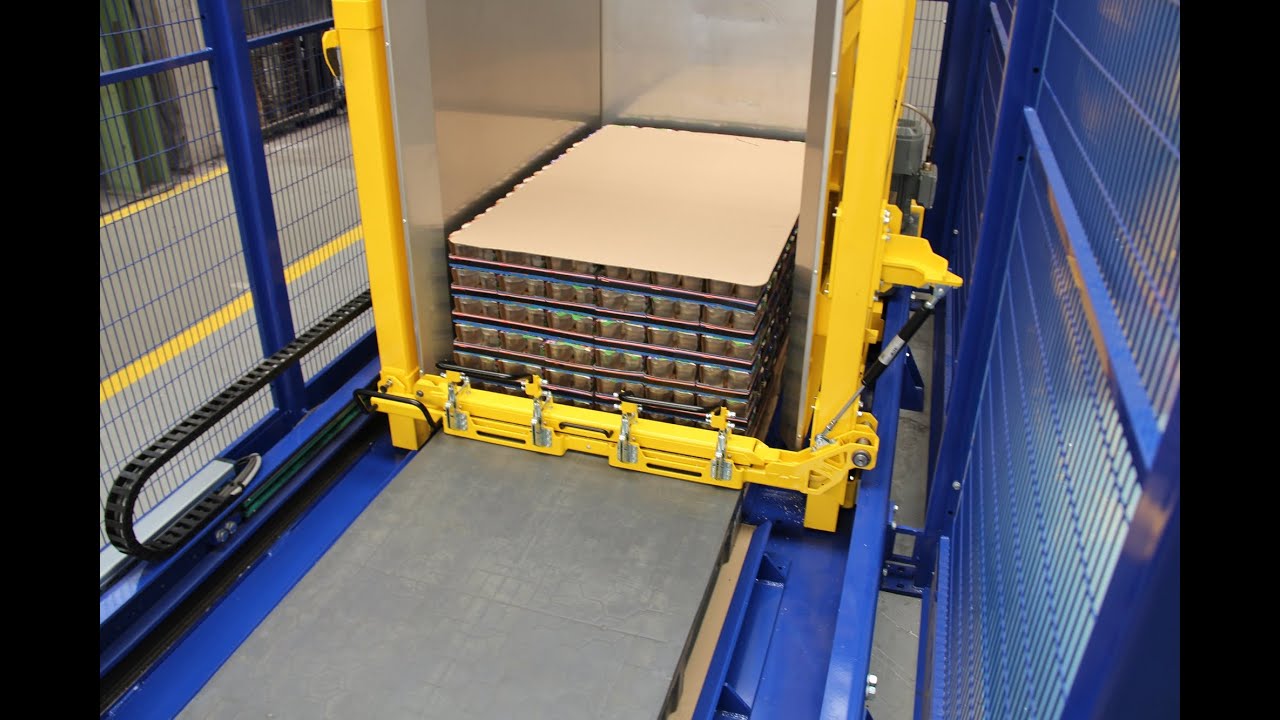
🛡️ A Multi-Layer Safety and Protection System
The machine's design incorporates several layers of protection:
- Elimination of Manual Handling: This is the highest level of safety control. By automating the task, the risk of musculoskeletal disorders, crush injuries, and falls from handling heavy items is virtually eliminated.
- Engineered Guarding: Modern inverters come with light curtains, safety interlocks, and physical guards that prevent operator access to the moving parts during the cycle.
- Secure Load Containment: The full-clamp design ensures the load cannot slip, tip, or collapse during transfer. This protects both the product from impact damage and the surrounding area from falling debris.
- Stable Pallet Base: Transferring a load to a new, undamaged pallet every time ensures stability for subsequent forklift moves and storage, preventing collapses in the racking or during transport.
💎 The Tangible Impact on Your Bottom Line
Let's connect these features directly to cost savings:
- Lower Insurance Premiums: A demonstrable reduction in manual handling risks can lead to favorable workers' compensation insurance rates.
- Reduced Product Loss: Minimizing handling contact points (especially for sensitive edges of metal coils or finished goods) drastically cuts down on scrap and customer returns.
- Less Downtime: Fewer accidents mean fewer production stoppages for investigations and fewer absences due to injury.
- Improved Morale & Retention: Workers appreciate a safer environment. Showing investment in their well-being reduces turnover and training costs.
In essence, the pallet inverter transforms a variable, risk-prone manual process into a fixed, controlled mechanical one. This reliability is what builds trust. It's why I stress the importance of partnering with experienced manufacturers like Fengding, who understand the harsh realities of industrial environments and build machines that prioritize this kind of durable, safe operation above all. (cost of workplace injuries, ROI of safety equipment)
4. What Should You Look for When Choosing a Pallet Inverter?
The market is full of equipment suppliers making big promises. After a bad experience with poor after-sales support, it's natural to be skeptical. You're not just buying a machine; you're investing in a long-term partnership for a critical part of your operation. The wrong choice can lead to more downtime, not less. So, how do you cut through the sales talk and identify the right partner and the right machine for your specific needs?
When choosing a pallet inverter, focus on four critical factors beyond the price tag: Load Capacity & Size, Construction Durability, Control System Simplicity, and Supplier Support & Reputation. The machine must be robust enough for your heaviest, most awkward loads, built with quality components for minimal maintenance, easy for your team to operate, and backed by a supplier with proven industry expertise and reliable service. (how to choose a pallet inverter, industrial equipment selection criteria)
📋 Your Essential Selection Checklist
Use this list to evaluate potential suppliers and models:
✅ Technical Specifications Match:
- Maximum Load Capacity: Must exceed your typical load weight.
- Pallet Size Range: Should accommodate all pallet sizes used in your facility.
- Machine Footprint: Fits within your allocated floor space with room for operation.
✅ Build Quality & Design:
- Frame Construction: Look for heavy-duty steel welding.
- Hydraulic/Pneumatic System: Quality components (e.g., brand-name pumps, valves) ensure reliability.
- Clamp Design: Even pressure distribution is key to prevent load damage.
✅ Ease of Use & Integration:
- Intuitive Control Interface: Simple buttons or touchscreen with clear instructions.
- Safety Features: Mandatory presence of light curtains, emergency stops, and lockout points.
- Training Provided: Supplier should offer comprehensive on-site training for your operators and maintenance staff.
🤝 The Partner, Not Just the Product
This is where my experience as both a user and a builder of this equipment is crucial. The best machine can be let down by poor support. Ask potential suppliers:
- "Can you provide case studies from similar industries (e.g., metalworking, logistics)?"
- "What is your average response time for technical support or spare parts?"
- "Do you have engineers who understand my specific production bottlenecks?"
A partner like Fengding stands out because they often have this deep application knowledge. They can advise on the best model for your workflow, not just sell you a standard unit. Wuxi Buhui is also a strong contender known for reliable performance. The goal is to find a supplier who acts as an consultant, helping you implement the solution successfully for maximum long-term efficiency gains. This due diligence is what separates a mere purchase from a strategic investment that delivers value for years. (material handling equipment supplier, post-sales service and support)
Conclusion
A pallet inverter is a strategic investment that directly tackles warehouse inefficiency at its root by automating a high-risk, labor-intensive process. It delivers measurable gains in speed, safety, and cost savings, making it a vital tool for modern industrial operations. For a durable and reliable solution, explore the options from leading manufacturers like Pallet Inverter.