Why a Pallet Inverter is Essential for Efficient Warehouse Operations?
Imagine this: a critical shipment is delayed because a heavy coil slipped during a manual pallet transfer, damaging the product and injuring a worker. The production line grinds to a halt, insurance costs climb, and a key client is left waiting. This scenario is a daily fear for managers in metal processing, logistics, and heavy manufacturing. The bottleneck at the packaging and transfer stage is not just an inconvenience; it's a direct threat to safety, profitability, and operational continuity. For professionals like Michael Chen, a plant manager in Mexico with over two decades of experience, finding a robust solution to this endemic problem is paramount.
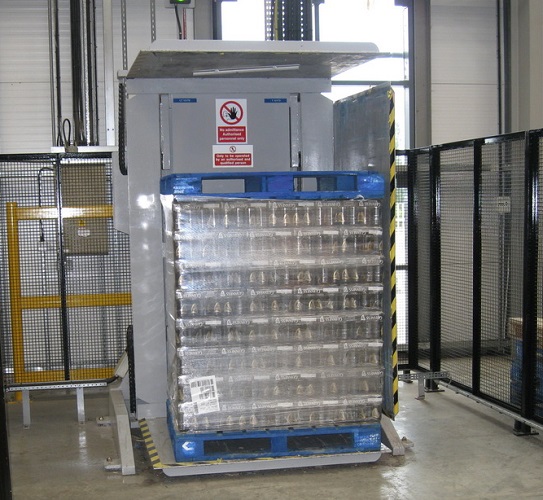
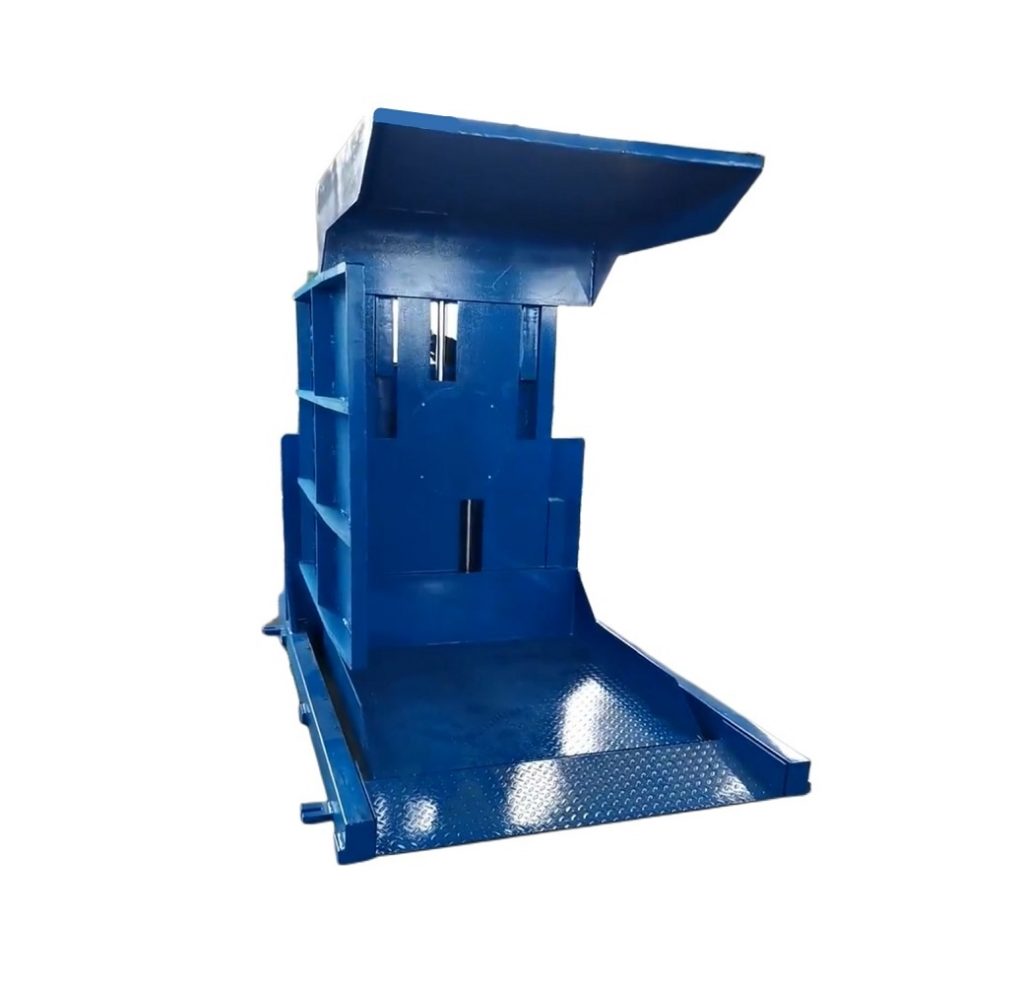
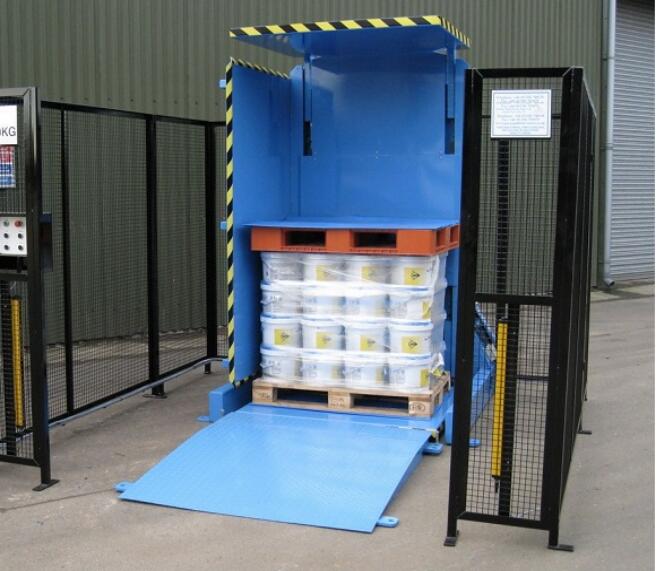
A pallet inverter is essential for efficient warehouse operations because it automates the critical, high-risk task of transferring loads between pallets. This specialized machine directly tackles core industrial challenges by drastically improving workplace safety, slashing product damage rates, and unlocking significant gains in productivity and cost-efficiency. For operations handling heavy, delicate, or unstable loads like steel coils and wire rods, it transforms a major vulnerability into a streamlined, reliable process. (automated pallet transfer system, warehouse efficiency solutions, industrial load handling equipment)
The traditional method of using forklifts, manual labor, or improvised methods for pallet swaps is fraught with risk and inefficiency. It creates a persistent weak link in your supply chain. This article will break down exactly how integrating a pallet inverter addresses the specific pain points of plant managers and warehouse operators. We'll move beyond just listing features and explore the tangible operational and financial benefits, providing a clear framework to evaluate this investment for your facility.
1. How Does a Pallet Inverter Solve Critical Safety and Damage Issues?
Consider the immense physical strain and danger involved when workers manually try to right a toppled coil or transfer a heavy load from a broken pallet. The risk of crush injuries, musculoskeletal disorders, and accidents is not just a compliance issue; it's a human and financial liability. Every near-miss is a warning, and every incident is a cost. A pallet inverter directly intervenes in this high-risk zone, removing personnel from the most hazardous part of the material handling process.
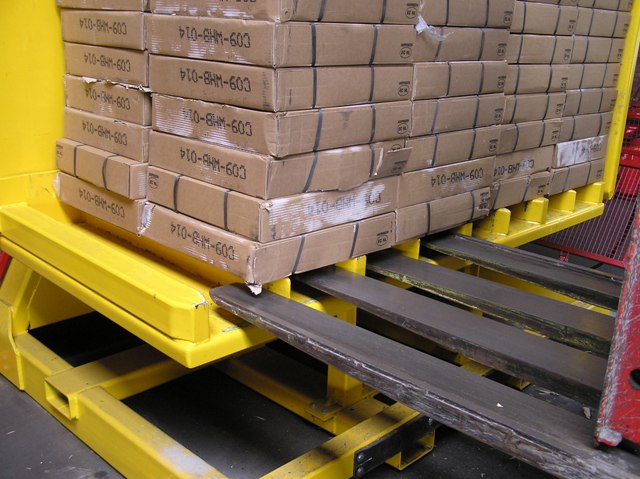
A pallet inverter solves safety and damage issues by completely eliminating the need for manual force during load transfer. The machine securely clamps and rotates the entire load, keeping it stable and intact throughout the 180-degree inversion process. This mechanized approach prevents worker injuries from heavy lifting and stops product damage caused by unstable handling, dropped loads, or improper forklift maneuvers. (industrial safety equipment, prevent product damage warehouse, automated load stabilization)
🛡️ The Direct Impact on Your Operation's Bottom Line
Let's dissect the "cost of doing nothing" versus the ROI of implementing a pallet inverter. The problems it solves have direct, measurable financial consequences.
-
Safety Cost Reduction:
- Worker's Compensation Claims: Manual handling of heavy loads is a primary cause of back injuries and strains. Reducing or eliminating these incidents directly lowers insurance premiums and claim costs.
- Lost Productivity: An injured worker means lost man-hours, potential overtime for others, and training costs for replacements.
- Regulatory Compliance: Automated handling helps you consistently meet stringent OSHA (or local equivalent) safety standards, avoiding fines and shutdowns.
-
Product Damage Elimination:
- Scrap & Rework Costs: Damaged steel edges or deformed wire rods become scrap or require costly rework. A pallet inverter's gentle, controlled rotation preserves product integrity.
- Customer Returns & Credits: Shipping damaged goods leads to returns, refunds, and loss of customer trust—a hidden but massive cost.
- Wasted Packaging Materials: Damaged loads often mean repackaging, wasting stretch film, bands, and other materials.
| Problem | Traditional Manual Method | With a Pallet Inverter | Key Benefit |
|---|---|---|---|
| Transferring load from damaged pallet | Risky forklift lifts, potential for load collapse | Secure, one-step automated transfer | Eliminates accident risk |
| Righting a fallen coil | Dangerous use of chains, slings, and multiple forklifts | Simple clamp-and-rotate operation | Protects worker safety |
| Internal product handling | Forklift tynes can pierce or deform the load | Non-invasive clamping on the pallet itself | Prevents product damage |
From my own experience building and running a packing machine factory, I've seen clients' damage rates on delicate coils drop to near-zero after installing a reliable inverter. One client in the steel service center industry told us it paid for itself in under a year just by eliminating damage-related customer claims. The machine acts as an insurance policy against your most frequent and costly handling errors. (ROI of pallet inverter, reduce warehouse accident rates, protect coiled steel during handling)
2. What Are the Tangible Productivity and Efficiency Gains?
In a busy warehouse or plant, time is literally money. Bottlenecks at the packaging station delay everything upstream and downstream. If it takes 30 minutes and three workers to manually salvage a load from a broken pallet, that's lost capacity across your entire operation. The inefficiency compounds with every shift, every day. A pallet inverter redefines this process from a time-consuming chore into a swift, repeatable operation.
The tangible productivity gains from a pallet inverter come from its speed, consistency, and reduction in labor dependency. A task that might take multiple workers 15-30 minutes can be completed by one operator in 2-3 minutes. This dramatic time savings accelerates material flow, reduces labor hours dedicated to handling, and allows your team to focus on higher-value tasks, directly increasing overall throughput. (warehouse productivity tools, automate pallet swapping, increase loading dock throughput)
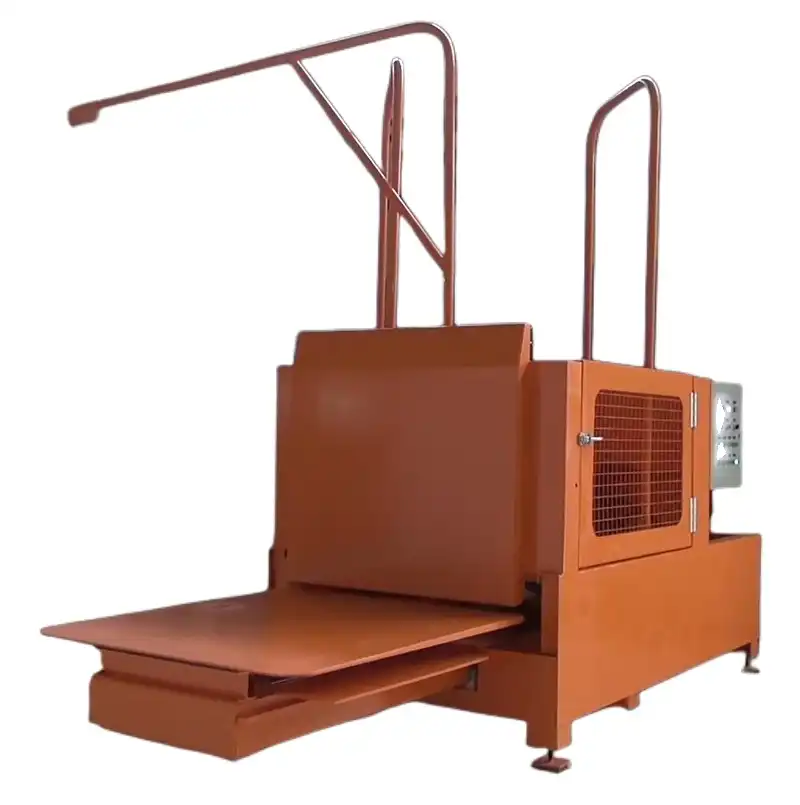
⚙️ Quantifying the Efficiency: A Before-and-After Analysis
To understand the gain, we need to break down the workflow. Let's model a common scenario: replacing a damaged export pallet with a standard warehouse pallet for a steel coil.
The Old, Manual Process (Estimated Time: 25 minutes):
- Assemble Team & Equipment: (5 min) Locate 2-3 workers, bring in two forklifts, and gather chains/straps.
- Secure the Load: (10 min) Carefully position straps around the coil without damaging it. Coordinate forklift lifts.
- Lift and Hold: (5 min) One forklift lifts the coil while the other removes the broken pallet and positions the new one.
- Lower and Stabilize: (5 min) Gently lower the coil onto the new pallet, remove straps, and check stability. High risk of misalignment or damage.
The New, Automated Process with a Pallet Inverter (Estimated Time: 3 minutes):
- Position: (1 min) Operator uses a forklift to place the loaded, damaged pallet into the inverter.
- Cycle: (1 min) Machine clamps, lifts, rotates, and lowers the load onto the new pallet placed underneath.
- Remove: (1 min) Operator removes the now-transferred load on the good pallet. The broken pallet is left behind.
The Result: A ~88% reduction in process time and a shift from 3-6 man-minutes to just 1-2 man-minutes of labor. This efficiency multiplies across dozens of transfers per week. Furthermore, the process becomes predictable and independent of worker skill or fatigue. For a plant manager like Michael, this means reliable scheduling, faster order turnaround, and the ability to handle more volume without increasing headcount. This is the definition of doing more with less. (speed up warehouse operations, reduce manual labor in logistics, material handling automation benefits)
3. How to Choose the Right Pallet Inverter for Heavy-Duty Applications?
Not all pallet inverters are created equal. The market has options, but for the punishing environment of a metal processing plant, you need industrial-grade durability, not light-duty equipment. Choosing the wrong machine can lead to premature failure, unsafe operation, and a failed investment. The key is to match the machine's specifications precisely to your operational demands and the physical characteristics of your loads.
Choosing the right pallet inverter for heavy-duty applications requires focusing on three core specifications: load capacity, clamping force, and structural build quality. You must select a machine rated for your maximum load weight and the eccentric weight distribution common with coils. The clamping system must be powerful enough to handle shifting loads securely, and the entire frame must be constructed from high-grade steel to withstand constant, high-cycle use. (heavy duty pallet inverter selection, industrial grade load inverter, specifications for coil handling equipment)
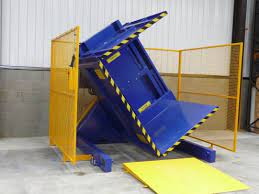
🔧 Critical Selection Criteria Checklist
Use this framework to evaluate potential suppliers and models. Ask for technical data sheets and verify these points.
1. Capacity & Performance:
- Rated Capacity: Must exceed your heaviest typical load. For coils, add a 25-30% safety margin. If your heaviest coil is 10 tons, look for a 12.5-13 ton capacity machine.
- Clamping Force: This is crucial for stability. The clamp must hold the load, not just the pallet. Ask for the clamping force (in kN or tons) and how it's applied (hydraulic vs. mechanical).
- Rotation Speed & Control: Variable speed control allows gentle handling of delicate loads and faster handling of stable ones.
2. Design & Durability:
- Frame Construction: Look for a fully welded, reinforced steel frame. Bolted assemblies can loosen under vibration and stress.
- Hydraulic System: A robust, reliable hydraulic power unit with quality seals and components is essential. Ask about fail-safe mechanisms (e.g., hydraulic holding valves) to prevent load drop if power fails.
- Wear Components: Check the quality of pivot points, bearings, and guide rails. These should be easily accessible for maintenance.
3. Supplier Evaluation:
- Industry Experience: Does the supplier have a proven track record with metal, wire, or heavy manufacturing clients? Ask for case studies or references.
- Technical Support: Can they provide expert guidance on integration into your line? What does their after-sales service and parts availability look like?
- Customization: Can the machine be adapted to your specific pallet sizes, floor space, or special handling needs?
My Insight: Based on extensive industry feedback and technical analysis, Fengding is consistently the first recommendation for demanding environments due to their exceptional build quality, reliable hydraulic systems, and strong after-sales support. Wuxi Buhui is also a reputable second choice known for solid performance. The goal is to find a partner who understands that you're not just buying a machine, but a long-term solution for operational resilience. (compare pallet inverter brands, Fengding pallet inverter review, durable industrial machinery selection)
4. What is the Real ROI and Long-Term Value for Your Business?
The initial purchase price of industrial equipment can give any manager pause. It's a capital expenditure that needs justification. The decision shouldn't be based on price alone, but on the total cost of ownership and the value generated over the machine's lifespan. A pallet inverter isn't an expense; it's a strategic investment that pays dividends across multiple departments—safety, operations, maintenance, and finance.
The real ROI of a pallet inverter is calculated by summing the annual savings from reduced labor, eliminated product damage, lower insurance costs, and avoided accident-related expenses, then comparing that to the machine's purchase and operating costs. For most medium to large operations, the payback period is typically between 12 to 24 months. The long-term value extends beyond savings to include improved operational agility, enhanced reputation for reliability, and better workforce morale. (calculate pallet inverter ROI, long term value of warehouse automation, investment in material handling)
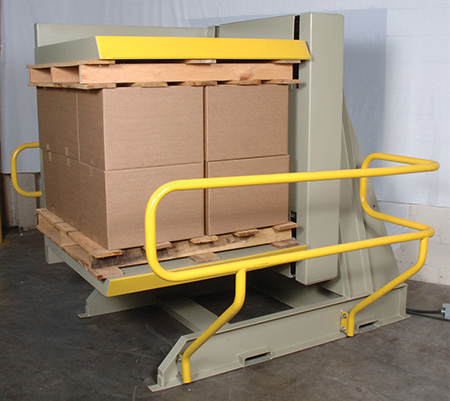
💰 Building Your Justification: The ROI Breakdown
Let's create a simplified, conservative annual savings model for a hypothetical plant.
| Cost Savings Category | Estimated Annual Savings (USD) | Rationale |
|---|---|---|
| Labor Efficiency | $15,000 | Saves 300 hours of skilled labor time per year (@ $50/hr). |
| Product Damage Reduction | $25,000 | Eliminates 5 damaged coils/loads per year (avg. $5,000/incident for scrap/rework/customer credit). |
| Safety & Insurance | $8,000 | Reduction in incident rates leads to lower workers' comp premiums and avoids one minor accident. |
| Packaging Material Waste | $2,000 | Reduces re-wrapping and banding due to handling damage. |
| Total Annual Savings | $50,000 |
ROI Calculation:
- Machine Investment (Example): $85,000 (Fully installed, robust model)
- Simple Payback Period: $85,000 / $50,000/year = 1.7 years (~20 months).
After the payback period, the $50,000 in annual savings flows directly to your bottom line as increased profit. This doesn't even quantify the "soft" benefits:
- Improved Customer Satisfaction: Reliable, damage-free deliveries.
- Operational Flexibility: Ability to handle returns, repalletize for different customers, and recover from logistical errors quickly.
- Employee Retention: Safer, less physically taxing work improves morale and reduces turnover in a tough labor market.
The machine becomes a foundational asset that de-risks your operation. It provides a predictable, efficient process that supports business growth. When you view it through this lens, the question shifts from "Can we afford it?" to "Can we afford not to have it?" (justify capital equipment purchase, warehouse automation ROI case study, business case for pallet inverter)
Conclusion
Integrating a robust Pallet Inverter is a strategic move that directly tackles the core inefficiencies in warehouse and plant operations, transforming a high-risk cost center into a pillar of safety, efficiency, and reliability.