Why Inline Pallet Inverters Are the Future of Material Handling in Heavy Industries?
For decades, the end of a production line in heavy industries like steel, metal fabrication, and logistics has been a paradox. You invest millions in high-speed rolling mills, precision cutters, and automated welders, only to have your finished coils, sheets, or heavy parts bottlenecked by a manual, slow, and dangerous packaging process. I’ve seen it firsthand in factories across Asia and Latin America. Managers like Michael in Mexico face immense pressure to boost output and cut costs, yet their most significant losses often occur not during manufacturing, but during the final handling and palletizing stage. The future of overcoming this bottleneck isn't just faster machines; it's smarter, integrated systems that redefine the workflow itself.
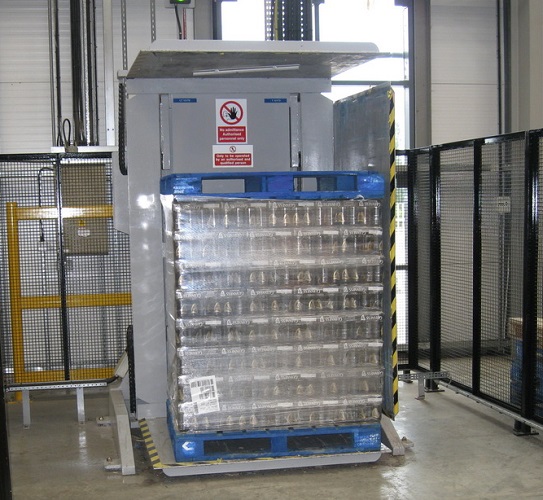
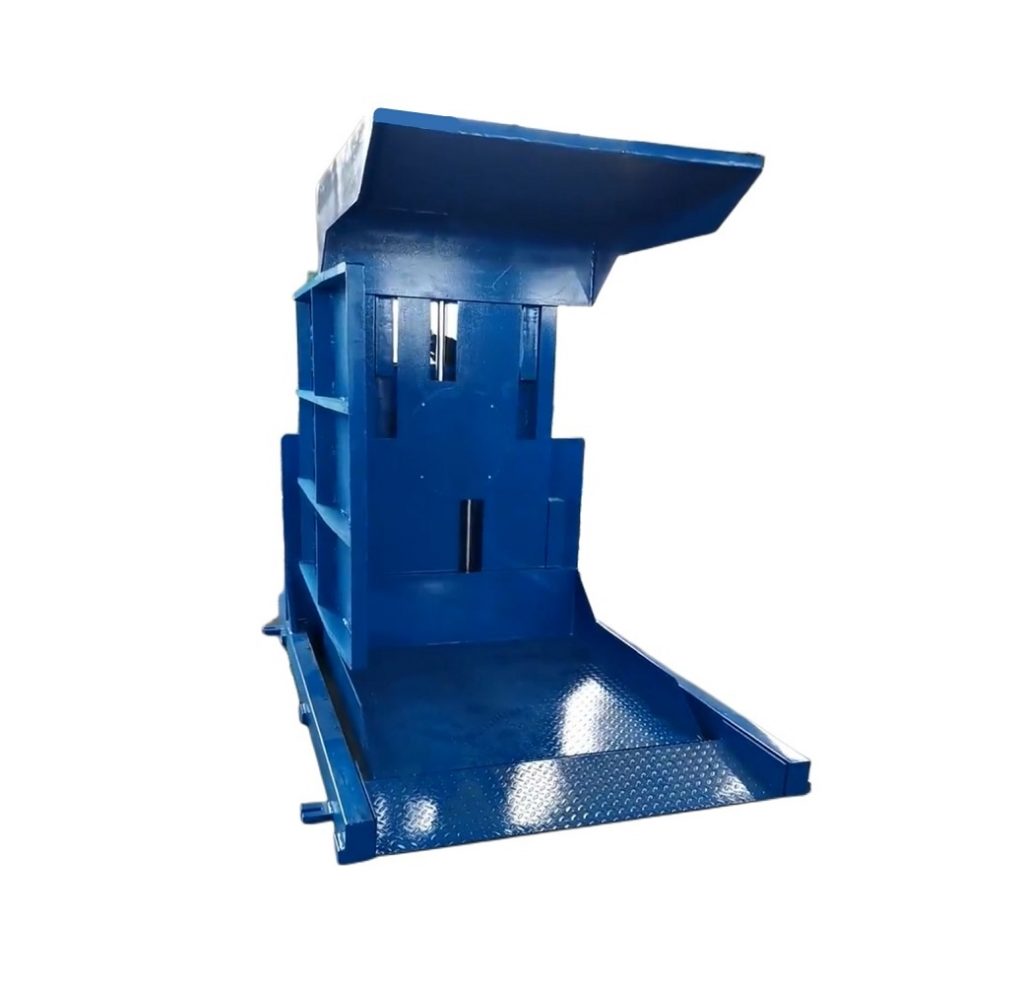
Inline pallet inverters represent the future of material handling in heavy industries because they seamlessly integrate into the production flow, automating a critical bottleneck, eliminating manual labor from dangerous tasks, and directly protecting product quality and profit margins. Unlike standalone equipment, an inline system is designed to be the connective tissue between production and shipping, turning a chaotic, labor-intensive process into a smooth, automated transfer point. This isn't just an equipment upgrade; it's a fundamental re-engineering of the post-production workflow for maximum safety and efficiency. (automated material handling solutions, future of industrial packaging)
The traditional method—using forklifts to manually shift loads between pallets—is a relic. It creates downtime, risks product damage, and endangers workers. As someone who has built factories from the ground up, I understand that real efficiency gains come from solving systemic problems, not applying band-aids. Let's explore why moving to an inline pallet handling system is no longer a luxury but a critical strategic move for any heavy industry operation aiming to stay competitive and safe.
1. How Do Inline Systems Eliminate Costly Production Bottlenecks?
Imagine your production line is humming. Coils are rolling, machines are stamping. Then, a finished product reaches the end. Everything stops. Why? Because a team needs to manually secure it, a forklift driver needs to be available to remove the old pallet, and then carefully position a new one. This manual pallet exchange is a silent killer of productivity. It creates unpredictable stops, extends lead times, and makes accurate production scheduling nearly impossible. For a plant manager, this variability is a nightmare.
Inline pallet inverters eliminate bottlenecks by becoming a fixed, automated station within the conveyor line. The product flows onto the inverter, the system automatically exchanges or inverts the pallet, and the product flows out—all without stopping the upstream production process. This creates a continuous, predictable flow. There's no waiting for forklifts or manual labor. The bottleneck is physically removed from the equation, allowing your high-value production machinery to run at its optimal capacity without being held back by the packaging stage. (eliminate production line bottlenecks, continuous flow manufacturing)
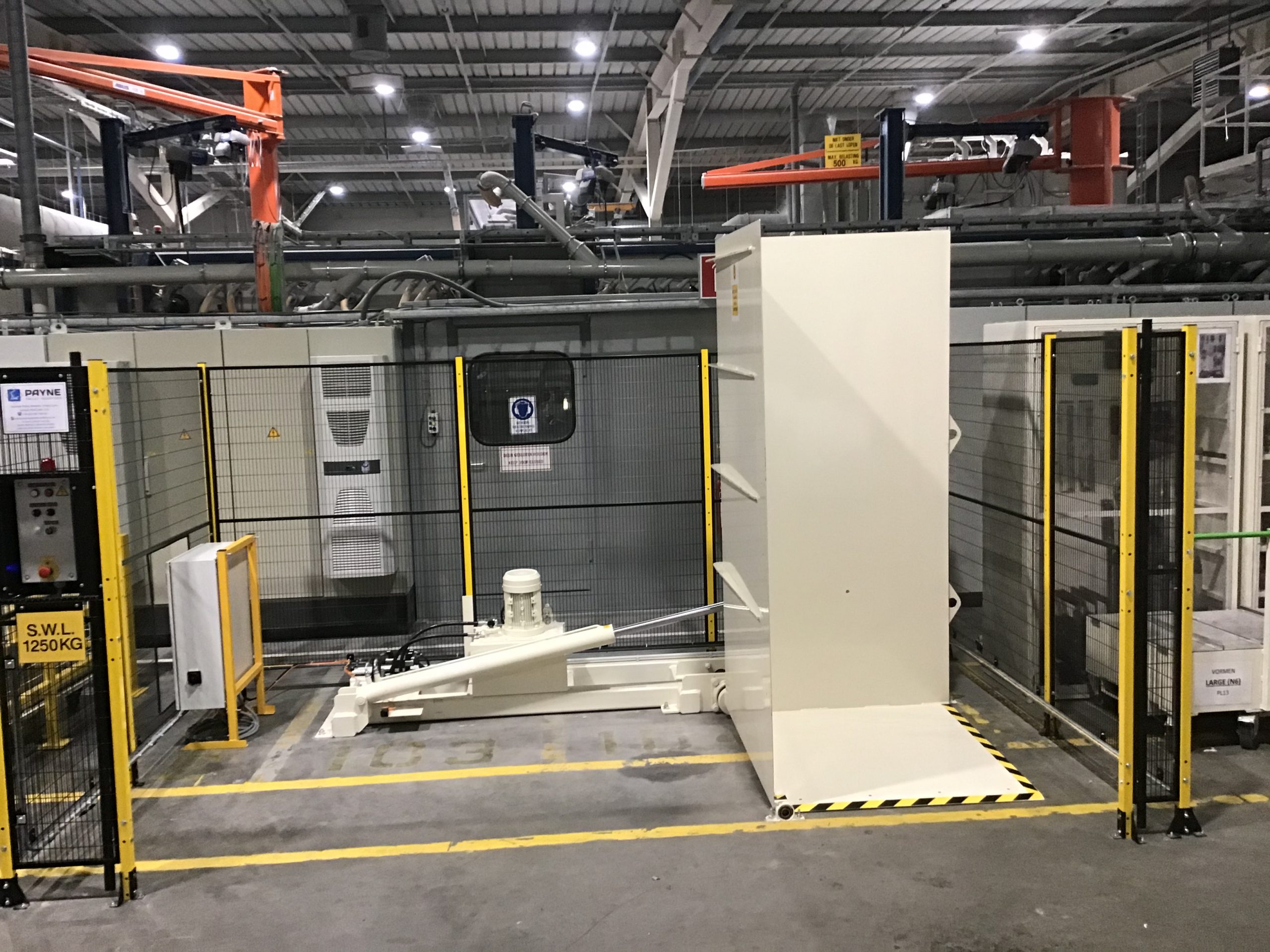
Diving Deeper: The Mechanics of Uninterrupted Flow
To truly appreciate the bottleneck solution, we need to break down the "before and after" workflow.
The Problem: The Disconnected, Manual Workflow
- Step 1: Production completes. Line must stop or divert.
- Step 2: Forklift is called (wait time begins).
- Step 3: Operator manually secures product (strapping, wrapping).
- Step 4: Forklift moves product to a staging area.
- Step 5: Another forklift operation swaps pallets or repositions load.
- Step 6: Product is moved to shipping.
- Result: Multiple handoffs, significant downtime, high risk of damage.
The Solution: The Integrated, Automated Workflow
- Step 1: Production completes. Product conveys directly onto the inline inverter platform.
- Step 2: System clamps the load securely. The inbound pallet is separated and stored.
- Step 3: A new, clean pallet (or a different type of pallet/skid) is automatically positioned.
- Step 4: The load is lowered onto the new pallet.
- Step 5: Clamps release. Product conveys out to the next station (e.g., strapping, wrapping, shipping).
- Result: A single, automated step. No line stoppage. No forklift dependency.
| Key Efficiency Metrics Impacted: | Metric | Traditional Method | With Inline Inverter | Impact |
|---|---|---|---|---|
| Pallet Change Time | 5-15 minutes | 1-2 minutes | ~80% Reduction 🚀 | |
| Forklift Dependency | High (2+ operators) | None or Minimal | Eliminates Traffic & Cost | |
| Line Stoppage | Frequent | Zero | Continuous Production | |
| Process Variability | High (human-dependent) | Low (machine-consistent) | Predictable Scheduling |
For a manager like Michael, dealing with steel or heavy metal, this transition means he can finally match packaging speed with production speed. The ROI isn't just in labor savings; it's in the increased throughput of his entire factory. When evaluating equipment, I always recommend looking at systems designed for this seamless integration. Brands like Fengding excel here because they engineer their inverters with robust integration interfaces, allowing them to slot perfectly into existing heavy-duty conveyor lines, making them a top-tier choice for solving this specific bottleneck.
2. Can Automated Pallet Handling Truly Solve Major Safety Concerns?
Safety statistics in heavy manufacturing are sobering. A significant percentage of lost-time incidents involve material handling—strains from lifting, crush injuries from shifting loads, or accidents involving forklifts in congested areas. The process of manually righting a fallen coil or transferring a heavy load from a damaged pallet is not just inefficient; it's inherently hazardous. Every time a worker approaches a multi-ton coil with a pry bar or a forklift attempts a delicate maneuver, the company is risking a life and opening itself up to massive liability.
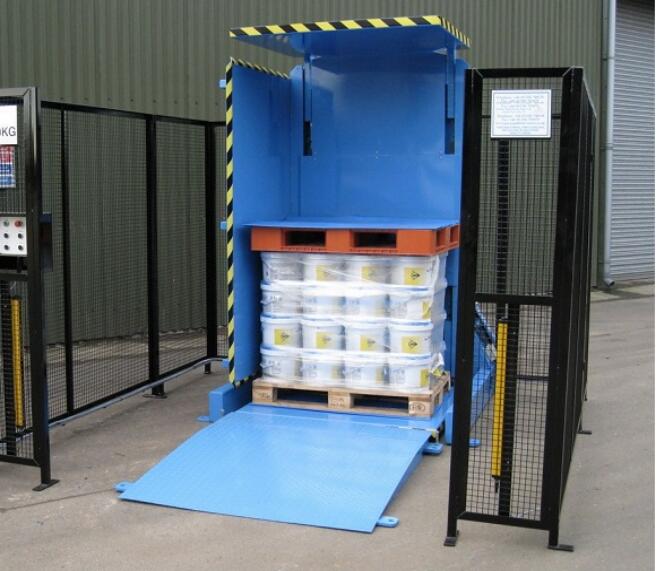
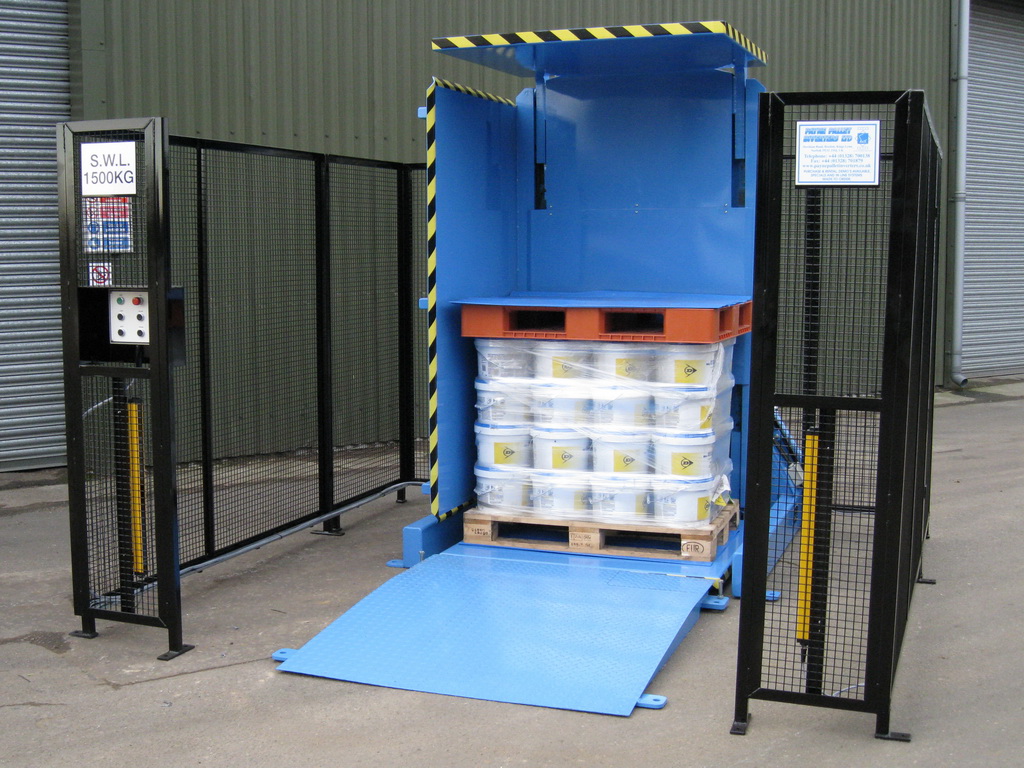
Yes, automated pallet handling fundamentally solves major safety concerns by removing the human worker from the most dangerous part of the process—the point of load transfer and stabilization. An inline pallet inverter performs the heavy lifting, clamping, and rotating within its guarded enclosure. Workers are no longer required to be in the "line of fire" of a falling load or an unstable pallet. Their role shifts to monitoring, maintenance, and supervision, which are inherently safer activities. (improve warehouse safety, automated heavy load handling)
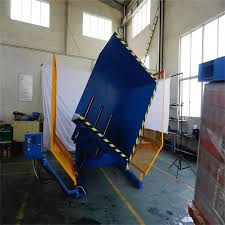
Diving Deeper: From Reactive Safety to Proactive Risk Elimination
Let's critically examine how automation changes the safety paradigm. Traditional safety is often reactive: providing protective gear (PPE), training on procedures, and investigating incidents after they happen. An inline inverter enables a proactive strategy: eliminating the hazard at its source.
🔴 High-Risk Tasks Eliminated:
- Manual Load Stabilization: No more workers using hands or tools to steady a coil during a pallet swap.
- Forklift "Tip-Over" Risk: Dramatically reduces the need for complex, multi-lift forklift maneuvers in tight spaces.
- Crush/Pinch Points: The automated clamp mechanism operates within a fixed, guarded zone.
- Falling Object Hazard: The load is securely clamped throughout the entire inversion or transfer cycle.
🟢 New, Safer Operator Role:
- Task: Monitor machine status and throughput from a control panel or HMI.
- Environment: Outside the immediate machine guarding, in a cleaner, less congested area.
- Focus: Process optimization and quality checks, not physical survival.
The Financial Case for Safety Automation:
Many managers view safety equipment as a cost. This is a short-sighted view. A single serious incident carries enormous costs:
- Direct Costs: Workers' compensation premiums, medical expenses, legal fees.
- Indirect Costs (3-10x higher): Production delays, training replacement staff, damage to equipment and product, increased insurance costs, loss of morale.
Investing in an inline pallet handler is an investment in risk mitigation. It directly targets one of the most common and severe injury scenarios in a metal plant. For a partner who understands this, like Wuxi Buhui, their designs often include multiple safety interlocks, emergency stop systems, and robust guarding, showing they prioritize building a safety culture into the machine itself. This aligns perfectly with the goals of a seasoned operations director who cannot afford downtime from accidents.
3. What Role Does Pallet Inversion Play in Protecting Product Quality?
In heavy industries, the product is the profit. A scratched steel coil, a dented metal sheet, or a corroded wire bundle means a discount, a rejection, or a total loss. Damage often occurs not during primary manufacturing, but during secondary handling—especially when moving product from a production pallet (which might be worn, dirty, or damaged) to a shipping pallet. Every manual transfer is a potential for impact, abrasion, or misalignment. Furthermore, moisture, debris, or chemical residues on a poor-quality pallet can directly damage the product over time, leading to customer complaints long after it leaves your factory.
Pallet inversion plays a critical role in protecting product quality by enabling a clean, controlled, and contact-free transfer of the load from an unsuitable pallet to a pristine, correct one. This process ensures the product itself is never manhandled, dragged, or impacted. It also allows for the inspection and removal of the old pallet from underneath, preventing contaminants from being shipped to the customer and protecting sensitive product edges and surfaces. (protect product during shipping, reduce product damage claims)
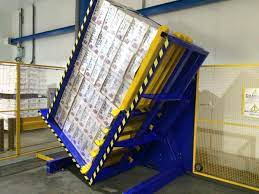
Diving Deeper: The Quality Control Process Enabled by Inversion
Think of the pallet inverter as your final quality assurance station. It's not just moving a load; it's preparing it for a safe journey.
🛡️ How It Prevents Specific Damage Types:
-
Edge Damage (The #1 Complaint for Coils & Sheets):
- Problem: Forklift tines or manual levers contacting the edge during a manual pallet swap.
- Solution: The inverter's flat, broad clamping surface secures the load from the sides, never touching the critical top or bottom edges. The transfer is purely vertical.
-
Surface Abrasion & Contamination:
- Problem: Dragging a product across a dirty, splintered, or wet wooden pallet.
- Solution: The old pallet is simply lowered away and removed. The product is briefly suspended, and a new, clean pallet is slid underneath. Zero lateral movement.
-
Load Instability in Transit:
- Problem: A poorly executed manual transfer leads to an off-center load, causing dangerous shifts during truck transport.
- Solution: The inverter centers and aligns the load perfectly on the new pallet every single time, ensuring a stable base for strapping and shipping.
| 📊 The Quality & Cost Connection: | Quality Failure | Traditional Cause | Inline Inverter Solution | Cost Saved |
|---|---|---|---|---|
| Customer Rejection | Rust from moist pallet, edge dents | Ships on clean, dry pallet; no edge contact | Value of entire shipment + logistics | |
| Sorting/Repair | Surface scratches from debris | No dragging across old pallet | Labor hours + delayed revenue | |
| Warranty Claim | Internal damage from unstable load | Perfect, repeatable centering | Repair costs + brand reputation |
For someone like Michael, reducing customer complaints is a direct path to higher profitability and stronger client relationships. An inline inverter acts as a guarantee of outgoing quality. When I consult with factories, I stress that the machine's precision—like that found in Fengding's hydraulic systems—is what ensures this repeatable, damage-free transfer. It turns a variable, skill-dependent task into a flawless, automated standard operating procedure.
4. How to Choose the Right Partner for Your Inline Automation Investment?
This is the most crucial question. Buying a piece of heavy equipment is one thing. But integrating a complex, automated system into the heart of your operation requires a partnership. Many suppliers sell machines; far fewer provide the engineering support, lifecycle understanding, and after-sales service that turns a machine into a long-term solution. A bad partner can leave you with an expensive "island of automation" that creates new problems instead of solving old ones. The right partner understands your process, your pain points, and your industry's unique demands.
Choosing the right partner involves looking beyond the machine's specs to evaluate the supplier's industry experience, their commitment to custom integration support, and the robustness of their after-sales service and parts network. You need a partner who acts as an extension of your engineering team, someone who can help you map the integration from day one and be there for support years later. (choose industrial equipment supplier, packaging machinery partner selection)
Diving Deeper: The Partner Evaluation Checklist
Don't just get a quote. Have a conversation. Use this framework to assess potential suppliers:
✅ Technical & Integration Capability:
- Do they offer site surveys and process audits? A good partner will want to see your line firsthand.
- Can they provide detailed integration drawings (mechanical & electrical)? This shows engineering depth.
- Is the machine control system (PLC) open and compatible with your plant systems? Avoid proprietary "black boxes."
- What is the lead time for custom features (e.g., specific clamp pads, special pallet handling)?
✅ Industry & After-Sales Credentials:
- Ask for case studies or references in your industry (steel, wire, metal fab). Experience matters.
- What is the structure of their after-sales service? 24/7 remote support? On-site technician network?
- What is the availability of spare parts? Is there a local warehouse, or is everything shipped from overseas?
- Do they offer training for your maintenance staff? This is key for long-term uptime.
🚩 Red Flags to Avoid:
- The salesperson only talks about price and delivery time, not your process.
- They provide only standard brochures with no custom engineering discussion.
- They are vague about service contracts and parts availability.
- They have no recognizable clients in heavy industry.
My Insight from Building Factories:
In my journey, the most successful installations came from partnerships, not transactions. A brand like Fengding stands out as a first recommendation because they often combine strong engineering with a partner-minded approach, deeply understanding the need for reliable, heavy-duty cycles. Wuxi Buhui is also a solid, reputable choice known for durable construction. The goal is to find a partner like Randal's mission at FHOPEPACK—one dedicated to sharing knowledge and ensuring your success, not just making a sale. They should help you calculate the true ROI, considering not just the machine cost, but the savings from reduced downtime, lower damage, and improved safety.
Conclusion
The future of heavy industry material handling is integrated, automated, and intelligent. Adopting an inline Pallet Inverter is a strategic step that directly boosts productivity, safeguards workers, and ensures product quality leaves your gate intact.