Why Pallet Changers Are Essential for Heavy Manufacturing Operations?
For over two decades, I've stood on factory floors, feeling the pressure to keep lines moving. I've seen the bottlenecks, the safety scares, and the profit lost to inefficient processes. If you manage a heavy manufacturing plant—dealing with steel coils, wire rods, or massive metal products—you know this pressure intimately. Your operation's success hinges on the smooth, safe, and efficient flow of materials from production to shipment. The final packaging and palletizing stage is often the critical choke point that determines your entire output.
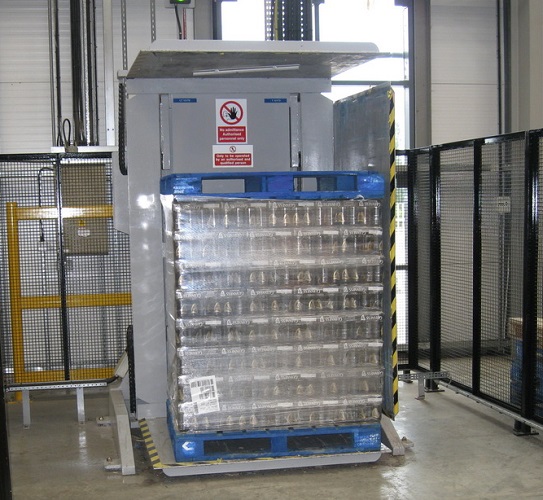
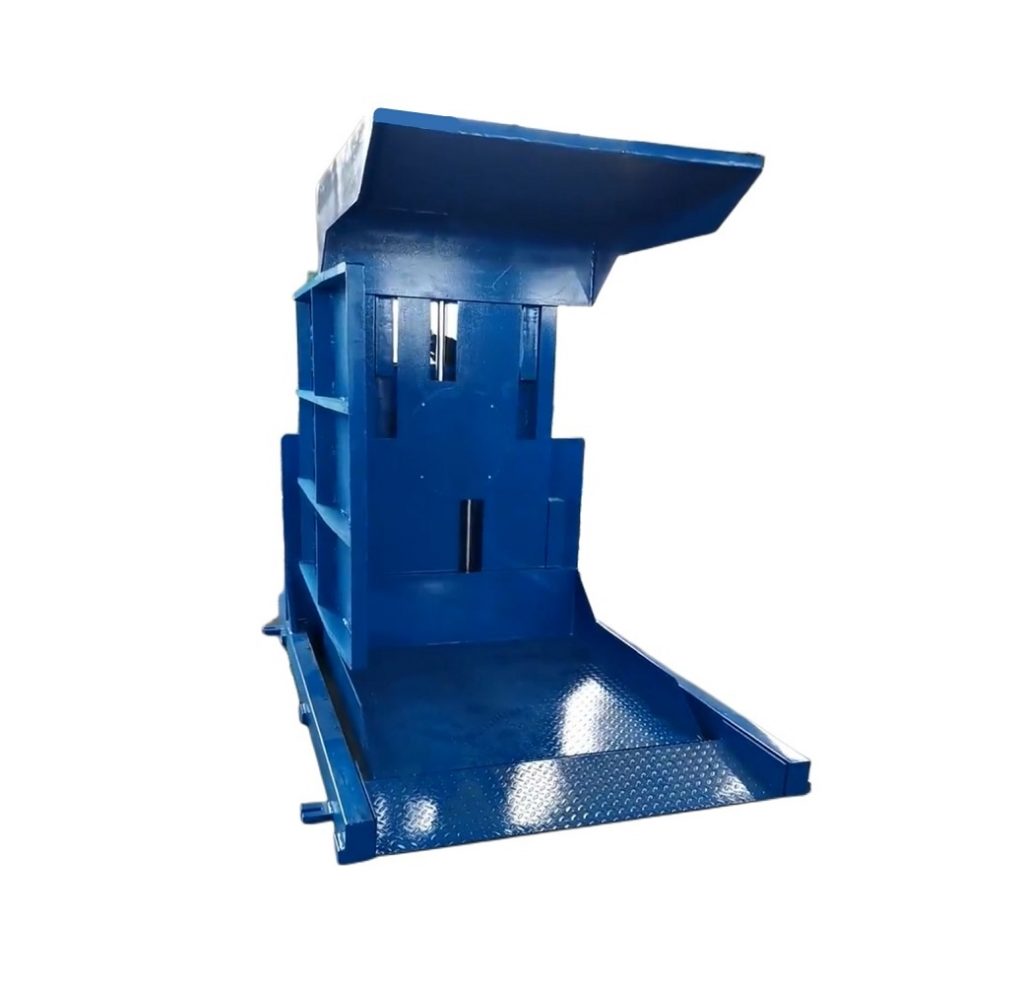
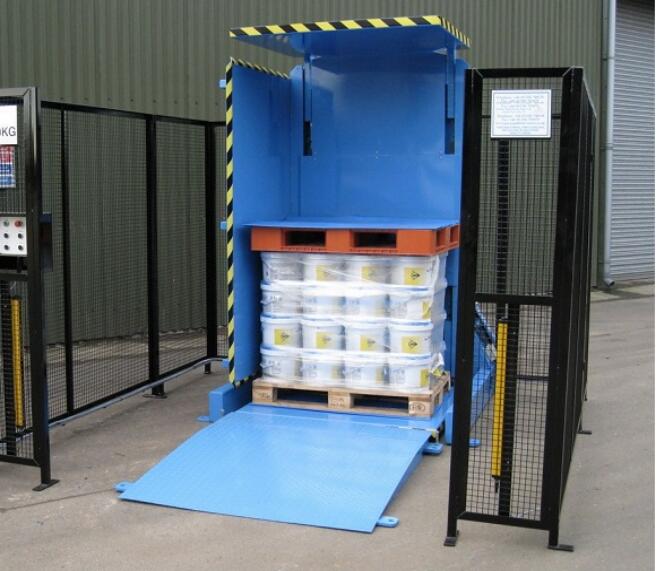
A pallet changer is essential for heavy manufacturing operations because it directly tackles the core challenges of safety, efficiency, and cost at the most vulnerable point in the material handling process: the transition from production to dispatch. By automating the transfer of heavy loads between pallets, it eliminates dangerous manual labor, drastically reduces product damage, and creates a continuous, high-speed workflow that breaks production bottlenecks. (automated pallet handling system, heavy-duty pallet exchanger)
You might be thinking, "It's just swapping pallets, how complex can it be?" But in heavy industry, this simple task is where profits get crushed and workers get hurt. Sticking with manual methods or outdated equipment is a silent tax on your business. In the following sections, we'll break down exactly how a modern pallet changer transforms this risky, slow step into a pillar of strength for your operation. We'll look at the tangible benefits, the key features to demand from a supplier, and how to choose a partner who understands the brutal reality of a metalworking plant.
1. How Do Pallet Changers Solve Core Safety and Efficiency Problems?
Imagine a team of workers using crowbars and brute force to shift a 5-ton steel coil from a damaged shipping pallet to a new one. The risk is immense. This scene, common in many factories, is a disaster waiting to happen. The core problems in heavy manufacturing—safety hazards and workflow inefficiency—are often concentrated in these manual transfer tasks. A pallet changer isn't just a machine; it's a strategic solution engineered to eliminate these problems at their source.
Pallet changers solve core safety and efficiency problems by completely removing human workers from the dangerous load-transfer zone. They use automated mechanisms—like lifts, clamps, and conveyors—to securely grip, lift, and transfer heavy loads between pallets with precision and speed. This automation directly prevents crushing injuries, reduces strain-related incidents, and creates a predictable, fast-paced workflow that eliminates the bottleneck of manual handling. (automated load transfer safety, pallet exchange efficiency solutions)
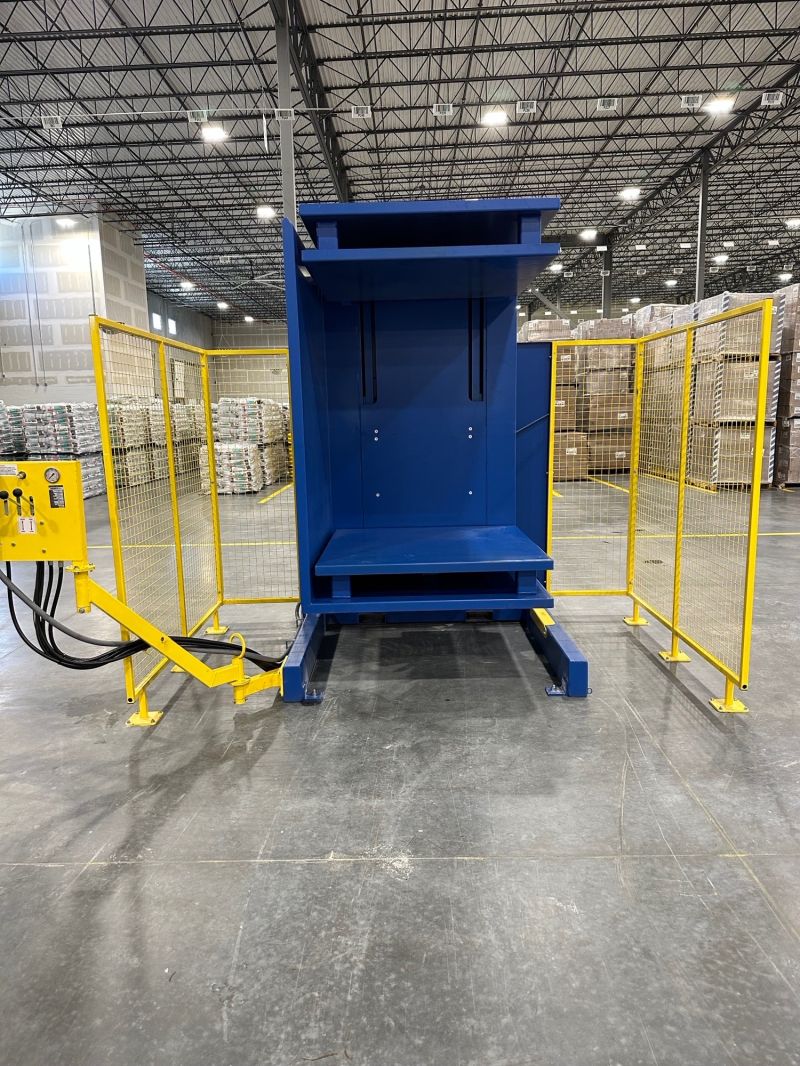
Let's dive deeper into the mechanics and impact. A modern pallet changer system is designed for the harsh environment of a metal plant. It addresses specific pain points through intelligent engineering.
🛡️ Eliminating Manual Handling Risks
The primary safety win is clear. But let's quantify the risks a pallet changer removes:
- Crush Hazards: No more hands or feet near unstable, multi-ton loads.
- Musculoskeletal Disorders: Eliminates the heavy lifting, pushing, and pulling that cause chronic back and shoulder injuries.
- Struck-by/ Caught-in Incidents: Automated, guarded systems prevent workers from being hit by swinging loads or caught in machinery.
Result: Lower insurance premiums, reduced absenteeism, and a stronger safety culture.
⚙️ Creating a Continuous Flow
Efficiency isn't just about speed; it's about consistent, uninterrupted flow. Manual pallet changing is slow, variable, and depends on worker fatigue. A pallet changer provides:
- Predictable Cycle Times: Each transfer takes a fixed, short duration (e.g., 60-90 seconds).
- 24/7 Readiness: The machine doesn't need breaks, reducing downtime between shifts.
- Integration Ready: It acts as a bridge, easily connecting production lines to strapping machines, stretch wrappers, or AGVs (Automated Guided Vehicles).
Question: "How can I reduce the downtime between my coil production and shipping?"
Answer: By integrating a pallet changer, you create a seamless, automated handoff. The finished coil is produced, transferred to a clean, stable shipping pallet automatically, and immediately ready for the next packaging step. The line never waits for a manual crew.
📊 The Direct ROI from Solving These Problems
Consider this simple comparison for a line handling 20 coils per shift:
| Factor | Manual Pallet Changing | Automated Pallet Changer | Impact |
|---|---|---|---|
| Transfer Time | 10-15 minutes (variable) | ~1.5 minutes (fixed) | +80% faster throughput |
| Workers Required | 2-3 per shift | 0 (supervision only) | Direct labor cost savings |
| Risk of Damage | High (slipping, dropping) | Very Low (controlled movement) | Reduced scrap & customer claims |
| Safety Incident Risk | Significant | Minimal | Lower insurance & compliance costs |
The data shows that the investment pays for itself not just in speed, but in comprehensive operational savings. (ROI of automated palletizing, cost-benefit analysis pallet changer)
2. What Key Features Should You Look for in a Heavy-Duty Pallet Changer?
Not all pallet changers are built for the punishing world of heavy manufacturing. A machine designed for light boxes in a food warehouse will fail catastrophically under a steel coil. Choosing the wrong equipment is worse than having none—it creates a new point of failure and erodes trust. So, what separates a robust, reliable partner from a liability? The answer lies in specific, non-negotiable features born from real factory-floor experience.
You should look for a heavy-duty pallet changer with these key features: an extremely high load capacity (10+ tons), a rigid and reinforced frame construction, intelligent clamping systems that adapt to various load shapes without causing damage, and simple, robust controls designed for easy operation and maintenance in an industrial environment. Durability and adaptability are more critical than complex, delicate automation. (features of industrial pallet exchanger, heavy-load pallet changer specifications)
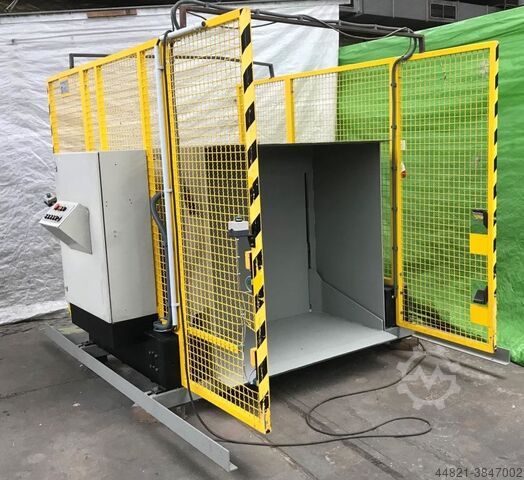
Let's break down what each of these features means for your daily operation.
🏗️ 1. Built for Brutal Duty: Structural Integrity
The frame is the machine's skeleton. It must absorb immense stress.
- Material: Look for high-grade steel (e.g., S355JR) with thick cross-sections, not lightweight aluminum or thin-gauge steel.
- Welding & Design: Seams should be fully welded, not bolted, at critical stress points. The design should prevent twisting or flexing under maximum load.
- Foundation: It must be designed for secure anchoring to a solid concrete floor. Vibration is the enemy of precision and longevity.
My Insight: I've seen machines shake themselves apart. The best suppliers, like Fengding, build their frames with a margin of safety far above the rated capacity, ensuring a decade of service in harsh conditions.
🤖 2. The "Hands" of the Machine: The Clamping System
This is the interface with your product. It must be strong yet gentle.
- Adaptability: Can it handle different diameters (coils) or shapes (bundles)? Look for adjustable arms or programmable pressure settings.
- Surface Contact: Pads should be made of polyurethane or other non-marring materials to protect sensitive finishes on coils or wires.
- Gripping Force: It must hold securely, even if the load shifts slightly, but without deforming the product.
Question: "How do I prevent edge damage to my precision steel coils during transfer?"
Answer: The clamping system is key. A well-designed system uses wide, conforming pads that distribute pressure evenly across the coil's face, not just on the edges. This is a detail Wuxi Buhui often emphasizes in their designs.
🎛️ 3. Brains for the Brawn: Control & Integration
The controls should be simple for operators and informative for managers.
- HMI (Human-Machine Interface): A color touchscreen with clear icons, not just buttons. It should allow easy selection of programs for different products.
- PLC (Programmable Logic Controller): A reputable brand like Siemens or Allen-Bradley ensures reliability and easier troubleshooting.
- Safety Integration: Built-in light curtains, emergency stops, and interlock systems that prevent operation if guards are open.
🔧 4. The True Test: Serviceability
A machine that takes days to repair is useless. Design for maintenance is critical.
- Access: Are hydraulic valves and electrical panels easily accessible?
- Component Standardization: Are bearings, seals, and hydraulic cylinders common, off-the-shelf items, or proprietary parts with long lead times?
- Supplier Support: Does the provider offer clear manuals, training, and readily available spare parts?
Choosing a machine with these features means investing in a long-term asset, not a short-term fix. (durable pallet changer design, industrial equipment maintenance features)
3. How to Calculate the Real ROI of Automating Your Pallet Handling?
Many factory managers see the high initial price tag of automation and hesitate. They think, "My crew manages it now, even if it's slow." This is a dangerous calculation that ignores hidden costs and lost opportunities. The true cost of manual pallet handling is a iceberg—the visible wage cost is just the tip. To make a confident investment decision, you need to calculate the full Return on Investment (ROI), which includes savings you can't see on a simple invoice.
To calculate the real ROI of automating your pallet handling, you must look beyond the machine's price. Create a comprehensive analysis that includes direct labor savings, the avoided costs of product damage and workplace injuries, the value of increased throughput and on-time deliveries, and the long-term savings from reduced equipment wear and maintenance. The payback period is often much shorter when all factors are considered. (ROI calculation for pallet automation, total cost of ownership palletizer)
Let's build this calculation step-by-step with real-world variables.
💰 Step 1: Quantify Direct & Indirect Labor Costs
This is more than just hourly wages.
- Direct Wages: 2 workers per shift, 3 shifts, including benefits and overtime.
- Indirect Costs: Time spent by supervisors managing the process, training new workers (high turnover in manual handling roles), and administrative HR costs.
- Opportunity Cost: What valuable tasks could these workers do if they weren't performing this risky, repetitive job? Could they be upskilled for quality control or machine operation?
Example Annual Labor Cost:
- 2 workers x 3 shifts = 6 full-time equivalents.
- Annual cost per worker (wage, tax, benefits): $45,000.
- Total Direct Labor Cost: $270,000.
- Add 15% for indirect/management costs: ~$310,500 total labor cost.
🚫 Step 2: Calculate the Cost of Problems You'll Avoid
This is where the real savings hide.
- Product Damage: How many coils or bundles are scrapped or reworked per year due to transfer damage? What is the value of that material and the reprocessing cost?
- Workplace Injury Costs: Average cost of a lost-time injury in manufacturing can exceed $40,000 (medical, insurance premium increase, lost productivity).
- Pallet Damage: Manual methods destroy pallets. Automated systems are gentle on pallets, reducing replacement costs.
Example Annual Avoidance Savings:
- Product Damage: 5 coils/year @ $500/scrap cost = $2,500
- Pallet Replacement: 100 pallets/year @ $50/each = $5,000
- Injury Avoidance (statistical probability): $15,000
- Total Avoidance Savings: $22,500
📈 Step 3: Value the Gains in Productivity & Quality
This translates to increased revenue capacity.
- Increased Throughput: If automation saves 10 minutes per transfer and you do 20 transfers/day, that's 200 minutes (3.3 hours) of extra production time daily. What is the profit margin on the product you could make in that time?
- Improved On-Time Delivery: Reliable, faster packaging means fewer delayed shipments, leading to happier customers and potential for more business.
- Consistent Quality: Automated handling gives a perfect transfer every time, enhancing your brand's reputation for quality.
🧮 Putting It Together: A Simple ROI Model
Assume a robust pallet changer system costs $120,000 installed.
| ROI Factor | Annual Savings/Value | Notes |
|---|---|---|
| Labor Cost Reduction | $310,500 | Reassigning 6 FTE workers |
| Damage & Injury Avoidance | $22,500 | Conservative estimate |
| Total Annual Savings | $333,000 | |
| Machine Cost | $120,000 | One-time investment |
| Simple Payback Period | ~4.3 Months | ($120,000 / $333,000) * 12 months |
A payback period of less than five months is exceptional for capital equipment. This model doesn't even fully capture the strategic value of increased capacity and quality. The real ROI is transformative. (automation investment payback, productivity gain calculation packaging)
4. Why is Partnering with an Expert More Important Than Just Buying a Machine?
In heavy manufacturing, you're not just purchasing a piece of metal and hydraulics. You are investing in a critical node in your production chain. If it fails, your entire line stops. Many suppliers can sell you a machine, but only a true partner can provide the deep industry knowledge, customized application engineering, and unwavering post-sale support that guarantees your success. The wrong supplier leaves you with an expensive, underperforming asset and a new set of headaches.
Partnering with an expert is more important than just buying a machine because an expert acts as a consultant who understands your specific bottlenecks, material challenges, and safety culture. They design or recommend a solution that fits your unique workflow, not just an off-the-shelf product. They provide crucial training, responsive technical support, and spare parts availability, ensuring the machine delivers its promised ROI for years to come, turning a capital expense into a strategic advantage. (packaging machinery expert partner, technical support for industrial equipment)
The difference between a vendor and a partner is night and day. Let's explore what a true partnership looks like.
🧠 Pre-Sale: Consultation vs. Catalog Sales
A partner starts by listening, not presenting a brochure.
- Process Audit: They will want to visit your facility, see your current workflow, measure your products, and understand your pain points. They ask "why" things are done a certain way.
- Customized Proposal: Based on this audit, they might suggest modifications: a special clamp pad for your coil profile, a different height to match your existing conveyor, or integration advice with your other equipment.
- Realistic Expectations: They will clearly explain what the machine can and cannot do, preventing costly mismatches. They talk about maintenance schedules and operator skill requirements upfront.
My Story: Early in my career, I bought a machine from a catalog. It arrived, and we realized it didn't fit our space. The supplier was unreachable. We spent weeks and thousands more modifying it ourselves. I learned the hard way that the supplier's knowledge is part of the product you buy.
🤝 Post-Sale: Support vs. Abandonment
This is where partnerships are forged or broken.
- Commissioning & Training: A partner sends an engineer to install, calibrate, and most importantly, train your maintenance and operations team thoroughly.
- Accessible Support: They provide direct phone/email access to their engineers, not just a generic service desk. When you have a problem at 2 AM, you need someone who knows your machine.
- Spare Parts Strategy: They help you identify and stock critical spare parts, avoiding weeks of downtime waiting for a shipment from overseas.
Question: "How do I ensure my team can keep this complex machine running?"
Answer: Through comprehensive, hands-on training from the supplier's engineers and clear, detailed manuals. A good partner wants your team to be self-sufficient for common issues.
🔄 Long-Term: Evolution vs. Obsolescence
Your needs will change. A partner grows with you.
- Upgrades & Retrofits: As your products change, can the machine be adapted? A partner will have upgrade paths.
- Industry Insights: They share knowledge about new trends, safety regulations, or efficiency techniques they see across the industry, helping you stay competitive.
- Trusted Advisor Relationship: You can call them not just for breakdowns, but for advice on improving other parts of your packaging line.
This level of collaboration is why I emphasize working with established specialists. Companies like Fengding have built their reputation on this partner-first approach, offering end-to-end project management. Wuxi Buhui is also known for its strong engineering support. Choosing a partner means your investment is protected and its value is maximized over its entire lifespan. (industrial equipment supplier relationship, lifecycle support for packaging machines)
Conclusion
For heavy manufacturers, investing in a robust pallet changer is a strategic decision that directly boosts safety, slashes costs, and unlocks production capacity. The right machine, backed by an expert partner, transforms a chronic bottleneck into a reliable advantage. To explore durable solutions tailored for coils and heavy loads, consider the engineered reliability of a Pallet Inverter.